
REVIEW · NEPALI FOOD & MARKET TOURS
Kathmandu Food Tour
Spice, temples, and street snacks in one walk. I love how this Kathmandu food tour mixes bites with major historic stops, and I especially love the guide’s talent for steering you into low-key food corners while explaining what you are eating. One thing to consider: it is a walking route, and admission tickets for certain sights may not be included.
This tour is good value if you want Nepal flavors without planning a full food crawl yourself. For $32 per person and about 3 hours, you get a mix of tastings, bottled water, and a guide team that includes English and Nepali support, plus pickup is offered.
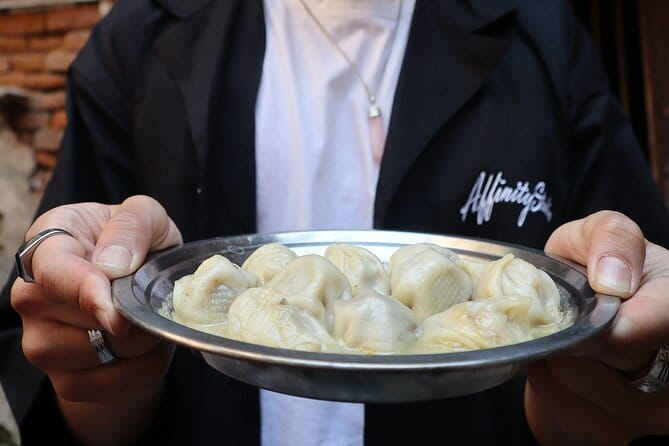
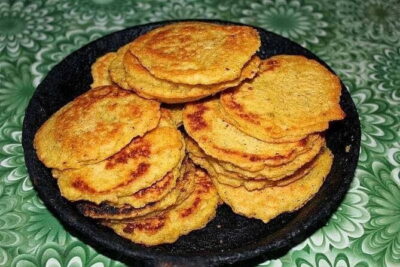
You will likely taste standouts like Bara (lentil pancakes), Yomari (fig-shaped sweets with molasses), and spicy Tibetan-style noodles like Laphing, with items such as chilly chicken momos often showing up on the route. If you are sensitive to spice, go slow on the first bite and let the guide know your comfort level early.
In This Review
- Key things to know before you go
- Kathmandu Food Tour: What it Feels Like on the Ground
- Price and Logistics for a 3-Hour Street Food Walk
- Asan Market: Where the Food Route Begins
- The Dishes You’ll Actually Taste, From Bara to Yomari
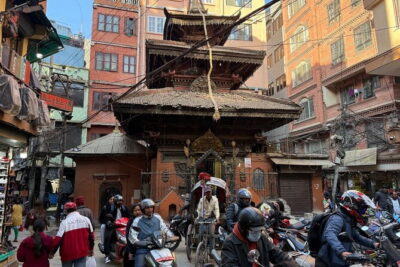
- Basantapur Durbar Square and Hanuman Dhoka Area: Temples Between Bites
- Thamel: Shopping, Eating, and the Kathmandu You Keep Seeing
- Why the Guide Matters More Than You Think
- Walking Pace and Comfort Tips (The Stuff That Saves Your Day)
- Who This Kathmandu Food Tour Suits Best
- Should You Book This Kathmandu Food Tour?
- FAQ
- How long is the Kathmandu Food Tour?
- How much does the Kathmandu Food Tour cost?
- Where does the tour take place?
- Are pickup and mobile tickets included?
- How many food tastings are included?
- What is included in the tour price?
- What is not included?
- How large is the group?
- What are the operating hours?
- Is free cancellation available?
Key things to know before you go
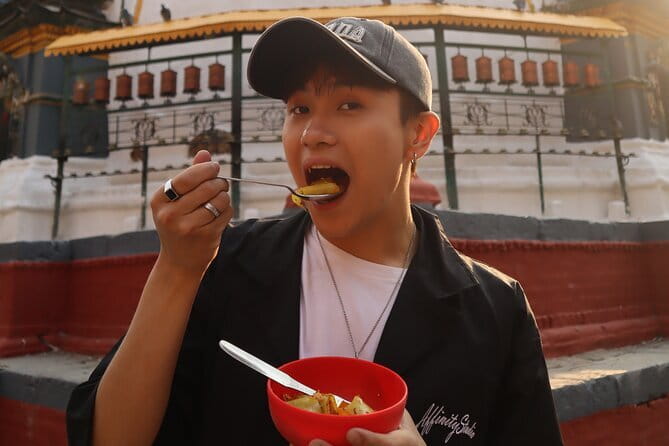
- Asan market food route: a central Kathmandu area where street food is part of everyday life
- Food tastings plus monuments: you do more than eat, you connect dishes to place and culture
- Basantapur Durbar Square stop: Newar architecture and the Hanuman Dhoka area enter the picture
- Thamel for variety and everyday Kathmandu: shops and eateries after the temple sights
- Small group size: maximum 15 travelers keeps it manageable
- English plus Nepali guide support: easier for questions, clearer directions, better context
Other bazaar crawls and tasting walks


Kathmandu Food Tour: What it Feels Like on the Ground
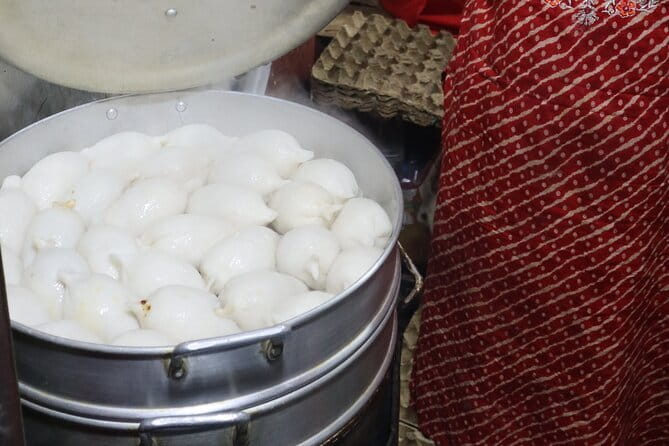
If you have only limited time in Kathmandu, this kind of tour gives you a practical shortcut. Instead of guessing where to eat, you walk with a guide through a few key neighborhoods and let the route do the work for you.
What makes it especially fun is the pairing. You get food stops in places like Asan market, then you move into historic landmark territory around Basantapur Durbar Square. The result is a meal plan that also teaches you how Kathmandu organizes life around food, religion, and neighborhood routines.
I also like that the tour is built to keep you moving. It is long enough to taste multiple dishes, but short enough that you do not feel stuck in one area for hours. For many first-timers, that matters more than you would think.
Price and Logistics for a 3-Hour Street Food Walk
At $32 per person for about 3 hours, the price feels fair for a guided, taste-and-sight route. You are paying for direction, local knowledge, and the convenience of not having to negotiate “what to eat” on your own.
A few practical notes:
- Pickup is offered, which makes this easier if you are staying in a busy area and want to avoid extra tuk-tuk logistics.
- You get a mobile ticket, so you are not hunting for paper confirmations.
- Bottled water is included, which is a small detail that makes a big difference during a walking tour.
Group size is capped at 15 travelers. That helps with flow. You are not shoulder-to-shoulder with a huge crowd, and it is easier to hear the guide’s explanations while people queue for food.
One more heads-up: admission tickets are not included. So if a stop requires entry fees, you should be ready to cover them separately.
Asan Market: Where the Food Route Begins
Asan is one of those places where you understand Kathmandu quickly. It is a market area, meaning you see how locals shop, snack, and move through daily life. That matters on a food tour because it keeps things grounded. You are not eating in a museum version of Nepal.
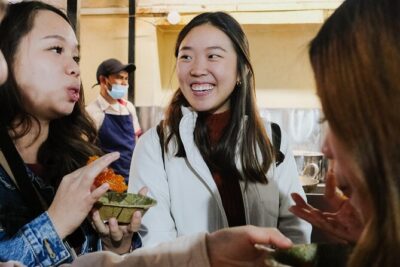
This is where the tasting energy typically kicks in. You are guided from stall to stall, and you get multiple chances to sample flavors that represent different parts of the food culture, not just one type of snack.
What I like about starting here is the variety you can sense immediately. The market vibe makes sense of why Kathmandu food can feel both comfortingly familiar and surprisingly different. Lentil-based items, noodle dishes, and sweet treats all coexist in the same general area, and the guide helps you make sense of that mix.
If you want to get the most out of Asan, come with an open mind. Try small bites first, and let the guide point out what makes each dish distinct. You can always slow down if something feels too spicy.
The Dishes You’ll Actually Taste, From Bara to Yomari
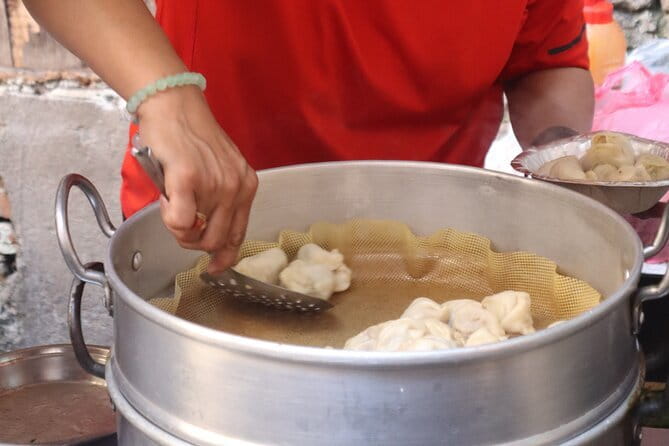
The tour’s food lineup centers on a few recognizable Nepal staples and a couple of items with clear regional influence. Based on what is described, expect at least these:
- Bara: savory lentil pancakes. This is the kind of food that shows how Nepalese street cuisine can be both simple and deeply satisfying.
- Yomari: fig-shaped sweets filled with molasses. It is sweet, sticky, and unlike typical Western desserts. It also helps you understand how Nepalese sweets can be snack-sized and practical.
- Laphing: spicy Tibetan-style noodles. This is the dish type that tells you the tour is not afraid of bold flavor.
- Chilly chicken momos: reviewed as a highlight. Momos are a Nepalese comfort food, and the chilly version signals you will get heat, not just mild flavor.
Here is the smart way to think about tasting on this tour: you are sampling a spectrum. Savory lentils (bara), sweet caramel-like filling (yomari), spicy noodles (laphing), and dumplings (momos). If you get full early, focus on the small-bite approach and keep moving. The guide will help you time bites so you still enjoy the later stops.
Also, do not underestimate texture. Bara is soft and filling, yomari is chewy and sweet, momos bring a hand-held bite, and noodles are all about spice and slurp-able comfort. You will notice a lot more than just taste.
Other Kathmandu tables and tea stops
Basantapur Durbar Square and Hanuman Dhoka Area: Temples Between Bites
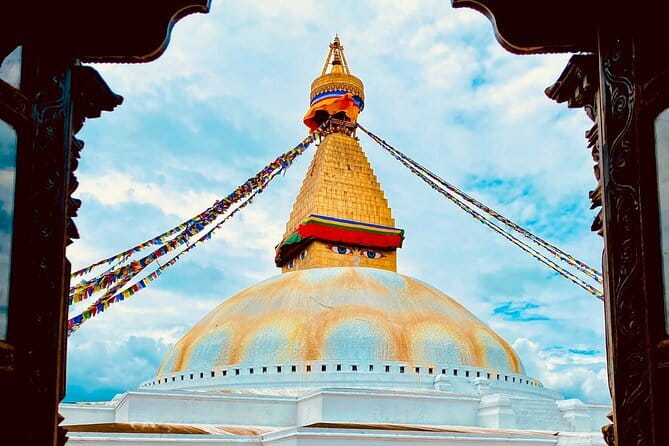
After the market segment, the tour shifts into landmark mode around Basantapur Durbar Square. This is a UNESCO World Heritage Site and historically tied to Nepalese royalty.
What makes this stop worth it on a food tour is the contrast. You go from street-level stalls to Newar architecture and temple space. That shift helps you understand why people treat food and place as inseparable. In a city like Kathmandu, you do not just eat and leave. You eat where daily life, craft, and worship all intersect.
The tour also highlights the Hanuman Dhoka area. Even if you are not a history person, the physical details make it click. You can see carved work, layered structures, and the kind of craftsmanship that signals why this area matters.
A practical note: this portion can involve time where you are looking around and listening, not only chewing. If you want photos, keep your phone ready but do not block the group. The best travel habit here is to follow the guide’s pace. You will get more context that way.
Thamel: Shopping, Eating, and the Kathmandu You Keep Seeing
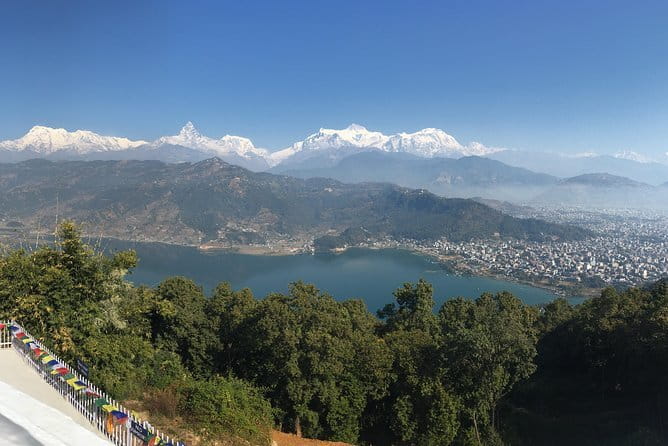
Thamel is the place many visitors recognize first, but on this tour it is not treated like a generic shopping stop. It is a chance to connect what you learned from the market and the temple area to the everyday food scene where many travelers and locals share the same streets.
The tour uses Thamel as a final wraparound neighborhood. You get a different kind of energy than Asan. Instead of the market mechanics, Thamel feels like commerce and casual dining that visitors and residents bump into throughout the day.
What I like about reaching Thamel after the earlier sights is timing. Your senses are already tuned to what street food tastes like, and you can appreciate the variety of eateries and snack options without feeling lost. You also get a sense of how the city’s food culture extends beyond one market lane.
If you have energy left, Thamel is often where you can pick up small extras for later. But keep it reasonable. The tour is about taste plus context, so resist the urge to turn it into a full day of snacking right away.
Why the Guide Matters More Than You Think
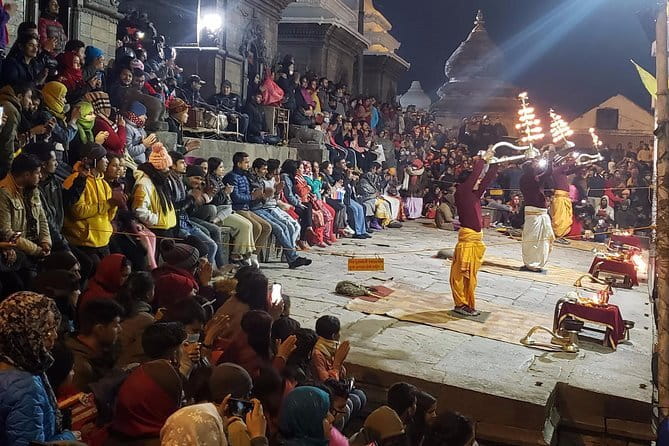
The biggest difference between a guided food tour and a self-guided snack hunt is what you learn while you are eating. Here, the guide is described as able to find good spots while sharing history and offering a clear personal perspective.
That is exactly what you want from a food guide. When you understand what makes bara different from other lentil snacks, or why yomari is shaped the way it is, the flavors land harder. The dishes turn from random items into part of a story.
You also have English-speaking guidance plus Nepali-speaking tour support. That can make a real difference if you have questions about ingredients, spice level, or what to expect at the next stall.
Two reviews also emphasize doing the tour more than once. That often points to a route that still feels worth repeating because the guide helps you notice details you might miss the first time. I like that idea for Kathmandu, where a quick visit can feel chaotic.
Walking Pace and Comfort Tips (The Stuff That Saves Your Day)
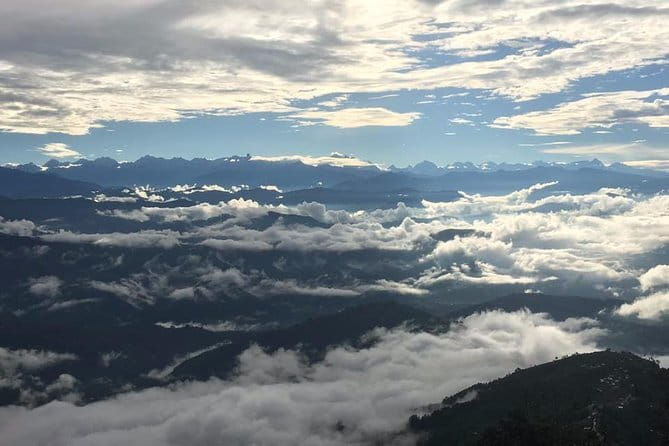
This is a walking tour through historic areas and market streets. Plan for uneven sidewalks, crowding near food stalls, and time spent standing to look at monuments.
Here are the practical things I would do before you go:
- Wear comfortable shoes you can walk in for a few hours, because the tour is not designed for a sit-and-stroll pace.
- Bring a light layer. Even within short time windows, weather in Kathmandu can shift.
- Eat a light breakfast or early meal. You want enough appetite to enjoy tastings but not so hungry that you rush every bite.
- Go slow with spicy items like Laphing and chilly chicken momos. Ask the guide if there is a less spicy option when you can, and adjust your pace.
If you are traveling with someone who has dietary limits, you might want to ask the provider ahead of time what flexibility exists. The tour description focuses on tasting Nepalese snacks, so you will want clarity before you arrive.
Who This Kathmandu Food Tour Suits Best
This tour is a strong fit if you:
- Want a guided way to sample Nepalese street favorites without guessing
- Like pairing food with city sights, especially temples and UNESCO areas
- Are short on time and want a high-impact route in about 3 hours
- Prefer small groups, with a maximum of 15 travelers
It is also ideal for your first visit to Kathmandu. Asan, Basantapur Durbar Square, and Thamel form a useful triangle of food, heritage, and everyday street life.
Consider skipping or adjusting expectations if you want a mostly seated, low-walking food experience. This is built around movement and access to street stalls.
Should You Book This Kathmandu Food Tour?
Yes, you should book it if you want a tight, guided plan that combines Nepalese food like bara, yomari, and spicy noodles with real Kathmandu landmarks. At $32 for roughly 3 hours, you are paying for direction, small-group comfort, and the kind of context that turns snacks into understanding.
I would especially recommend it if you like walking city neighborhoods and you do not want to spend your precious hours figuring out where to eat. The route connects markets, temples, and Thamel in a way that feels more meaningful than a random list of restaurants.
If you hate walking or you are very picky about spice and texture, message the operator in advance and be clear about your comfort level. With that handled, this tour is a smart, satisfying way to eat your way through Kathmandu.
FAQ
How long is the Kathmandu Food Tour?
The tour lasts about 3 hours.
How much does the Kathmandu Food Tour cost?
The price is $32.00 per person.
Where does the tour take place?
The tour takes place in Kathmandu, Nepal.
Are pickup and mobile tickets included?
Pickup is offered, and you receive a mobile ticket.
How many food tastings are included?
The tour includes approximately four stops for food tastings.
What is included in the tour price?
Included items are snacks, an English speaking tour guide, a Nepali speaking tour guide, and bottled water.
What is not included?
All fees and taxes are not included, and admission tickets are not included for at least one listed portion of the route.
How large is the group?
The maximum group size is 15 travelers.
What are the operating hours?
Operating hours are listed as Monday, 8:00 AM to 4:00 PM, during the range 11/12/2024 to 12/07/2026.
Is free cancellation available?
Yes. You can cancel up to 24 hours in advance for a full refund.
Everything Bookable Around Kathmandu

The Rest of Our Kathmandu Write Ups

Eating Through the Bazaar
Everything else we have reviewed around Kathmandu
- 12 Days Everest Base Camp Trekking
★ 5.0 · 3 reviews - 1 Night 2 Days Chitwan Jungle Safari Tour from Pokhara or Kathmandu
★ 3.0 · 3 reviews - Thamel Rickshaw tour
★ 4.7 · 3 reviews - Kathmandu: Momo Making Class with a Local Chef
★ 5.0 · 3 reviews - Kathmandu: Full-Day Yoga, Body Massage and Pedicure Package
★ 5.0 · 3 reviews - From Kathmandu / Pokhara / Chitwan: River Rafting – 1 Day
★ 4.6 · 3 reviews
Nepali Food & Market Tours worth a second look.
 ★ 5.0Kathmandu Food and Drink Walking TourFrom $36266 reviews
★ 4.9Food and Drink Walking TourFrom $28119 reviews
 ★ 5.0Walking Street Food Tour in KathmanduFrom $48111 reviews
 ★ 5.0Secret Food Tour – Food Bites and Sights Kathmandu 14+ TestingsFrom $3582 reviews
 ★ 4.7Kathmandu Secret Food Crawl & Local Market TourFrom $2854 reviews
 ★ 5.0Kathmandu Food & Drink and Shopping Rickshaw TourFrom $2548 reviews
 ★ 5.0Walking Food Tour in Hidden Local Eateries of KathmanduFrom $3640 reviews
 ★ 5.0Kathmandu Food Crawl & Market TourFrom $2526 reviews
Lists this tour sits in