
REVIEW · SWAYAMBHUNATH & THE MONKEY TEMPLE
Kathmandu: Guided Walking Tour with Monkey Temple
Stairs, temples, and Kathmandu in motion. You get a guided walk that strings together Garden of Dreams, everyday neighborhood life, and the famous Monkey Temple area, so you see the city as people actually experience it. I like that you do more than tick off landmarks, you learn what they mean and how locals move through their day.
Two things I really love: the calm contrast of Garden of Dreams at the start, then the real-city energy in the market and Durbar Square. And the Monkey Temple section is a true physical highlight, with a clear ascent plan and the cool detail of a 45 minute climb followed by a descent of 365 steps.
One thing to consider before you book: this tour has significant walking and stairs, and it is not suitable if you have mobility limits or want to avoid step-heavy routes.
In This Review
- Key highlights worth lacing up for
- Starting at Garden of Dreams, then into everyday Kathmandu
- Market streets and Kathmandu Durbar Square, where heritage is public life
- Newari neighborhoods, temples, and the reality of ritual spaces
- Up to the Monkey Temple, then down 365 steps
- Why the guide experience makes or breaks this tour
- Price and value: $15 with a real local, not just a route
- What to bring, and how to keep the walk comfortable
- Who should book, and who should skip this one
- Practical tips for respectful temple visiting in Kathmandu
- Should you book the Kathmandu guided walking tour with Monkey Temple?
- FAQ
- Where do I meet the guide?
- Is hotel pickup and drop-off included?
- What is included in the tour price?
- How much walking and stairs are involved?
- Is this tour suitable for children or wheelchair users?
- What should I bring, and can I smoke?
Key highlights worth lacing up for
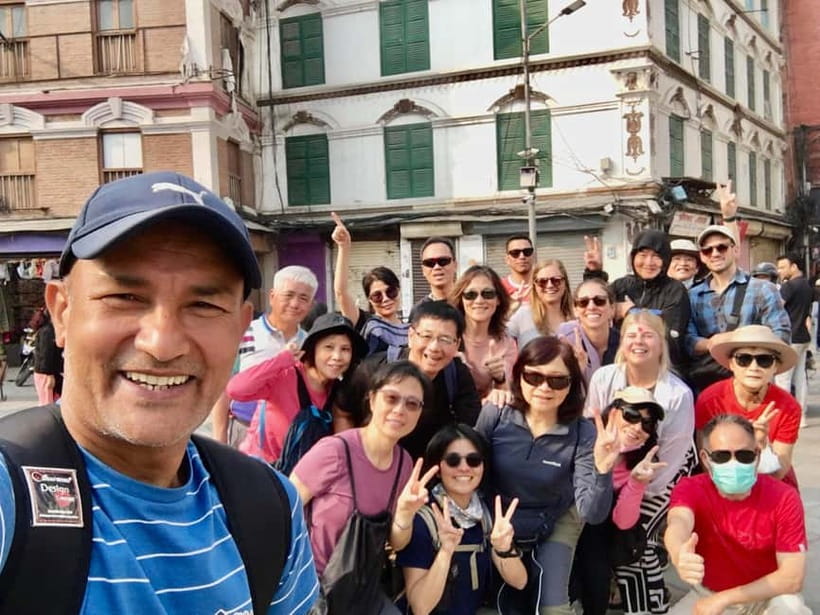
- Garden of Dreams start point at the front gate, with the guide holding a Himkala Adventure placard
- Durbar Square and market time to see how Kathmandu’s public life connects to heritage sites
- Newari residential area observations, including local temples and a cremation place, with a strong emphasis on respectful behavior
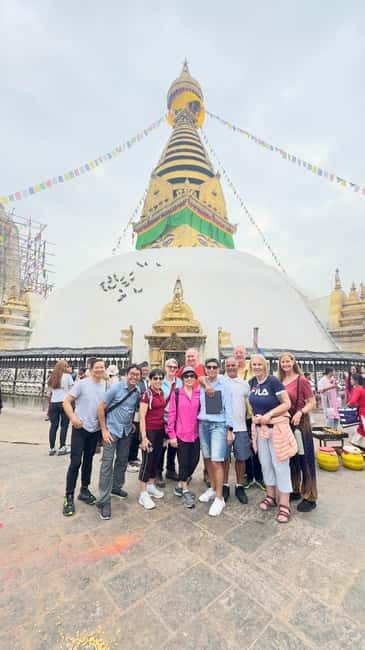
- Monkey Temple visit to a UNESCO World Heritage Site, reached by a 45 minute walk up
- 365 steps descent back down toward Thamel and the return route
Other hilltop stupa visits

Starting at Garden of Dreams, then into everyday Kathmandu
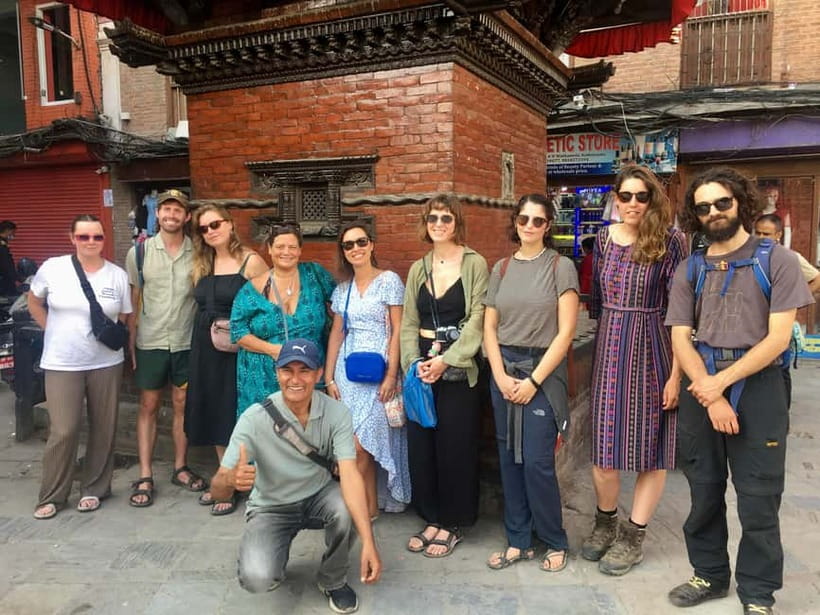
This walking tour begins right at the front gate of the Garden of Dreams, and the guide shows up with a placard that says Himkala Adventure. That matters because you are entering a specific part of the city, not meeting somewhere generic and hoping everyone finds each other.
Garden of Dreams is the kind of place that gives you an instant reset. One moment you are in Kathmandu traffic and movement, then you step into a landscaped oasis that feels calmer and more intentional. It sets a good tone for the rest of the walk because you start paying attention to details, like how religious and cultural spaces sit right inside the city.
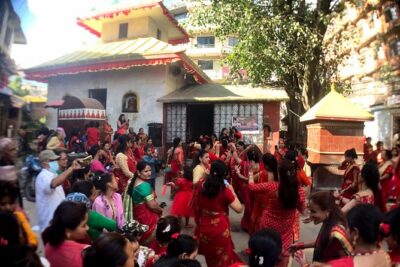
After you meet, you head toward local areas where you can see age-old stupas and temples, along with people doing ritual activities. This is where the tour stops feeling like a sightseeing route and starts feeling like a window into living traditions. The best part is that your guide helps you connect what you see to the beliefs and daily rhythms behind them.
If you love walking tours that trade generic photos for real context, you will like this opening. Just be ready for sun, shade changes, and street-level dust, since Kathmandu shifts fast from cool courtyards to open sidewalks.
Market streets and Kathmandu Durbar Square, where heritage is public life
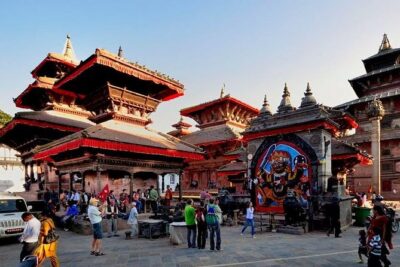
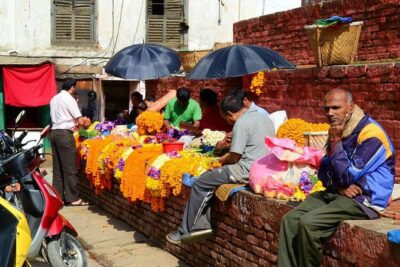
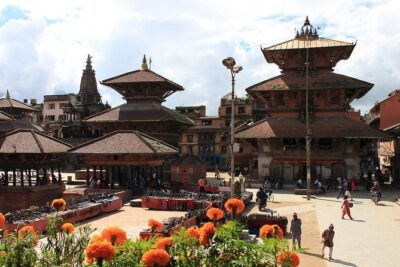
From Garden of Dreams, you continue into the busier side of the city. You’ll move through the market area, then onward to Kathmandu Durbar Square, one of the city’s key historic public spaces.
Here is what makes Durbar Square special on foot: you get to see it as an active place, not a museum room. You’re surrounded by temples and heritage structures, but you’re also watching how people actually use these spaces. That means your guide’s commentary becomes more than facts. It helps you interpret the visual patterns, religious functions, and why this area matters to Kathmandu residents.
A practical drawback: Durbar Square and nearby lanes can feel crowded, and that can make it harder to take slow, thoughtful photos. If you like space and quiet, keep your expectations realistic. The value comes from the guided pace and the explanations that help you notice more than what you would catch alone.
If you’re the type of traveler who enjoys asking questions, this is a good stop to do it. The tour is designed around learning from a local guide, and several experiences with this operator highlight that the guide takes time to answer questions and share context about culture and religion.
Newari neighborhoods, temples, and the reality of ritual spaces
After the Durbar Square and market time, the walk follows the Newari residential area. This section is important because it shifts you from landmark-focused sights into local neighborhood scenery.
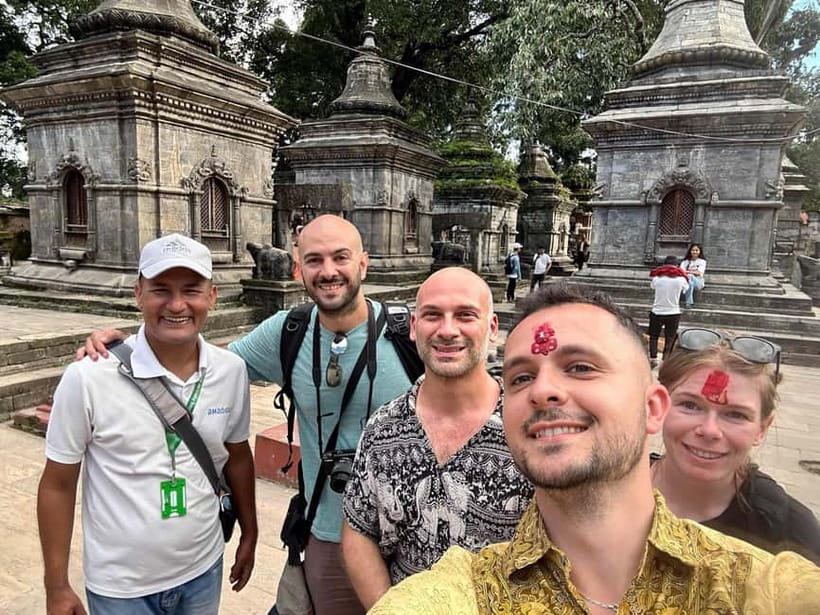
You will be observing a mix of temples and sacred elements, including a temple and a cremation place. That can feel intense if you are not used to seeing religious practice up close, but it is also one of the most honest ways to understand Kathmandu. Religious life here is not separated into a distant viewpoint, it sits in the same world as homes and everyday streets.
How should you act? Keep it simple: stay respectful, avoid intrusive behavior, and dress modestly around religious sites. If you are unsure, follow your guide’s cues. The tour’s whole point is to learn in a way that does not turn sacred space into spectacle.
This neighborhood portion also tends to be where walking tours either feel meaningful or start to drag. In this case, it usually feels meaningful because it comes with interpretation. When you understand what you’re seeing, even the tougher moments feel purposeful, not just surprising.
Up to the Monkey Temple, then down 365 steps
The signature physical highlight is the Monkey Temple area. The hill is described as conical, about 77 meters high from Kathmandu ground level, and it is a UNESCO World Heritage Site. On the route, you walk for roughly 45 minutes to reach it, so this is not a quick photo stop.
The tour name says Monkey Temple, but what matters most for your planning is the climb and the religious setting on top. You’ll spend time at the stupa and around it, seeing local religious structures and observing people conducting ritual activities.
Then comes the part you will either love or hate, depending on your fitness: the descent uses 365 steps. That detail is one of the best planning tools you get from this experience. If you are comfortable with stairs and you pace yourself, it turns into a manageable, almost satisfying ending. If you are not, your legs might feel it for the rest of the day.
If you want to make this section easier on yourself, wear shoes with real grip. Bring water even if you start early. And give yourself time at the top to move slowly, not just rush to beat heat or crowds.
One more note: weather matters. Kathmandu conditions can change quickly, and this is an outdoor stair route. If rain is in the forecast, consider that the steps can be slippery, and your safe pace matters more than your schedule.
Keep walking: more Kathmandu routes

Why the guide experience makes or breaks this tour
This tour includes a professional guide, and the language is English. That alone can turn a walk into something deeper. You hear not just what a place is, but why people care about it and how belief shows up in daily behavior.
Several experiences with guides on this route specifically highlight Shiva. The recurring praise is consistent: punctual, kind, calm, and willing to answer questions. One reviewer even said Shiva took the time to answer every question and gave an insight into Kathmandu beyond what you could learn on your own.
That matters for a city like Kathmandu because so much is layered. Temples and stupas can look similar until you understand what you are looking at. Rituals are meaningful, and a local guide can help you avoid the common mistake of watching without really understanding.
You’ll also see places that feel less “tour brochure” and more like actual living streets. One reviewer mentioned Shiva showing non-touristy places, and that is exactly what you want from a guided walking route, especially when the destination is famous but the surrounding neighborhood life is what makes it real.
Price and value: $15 with a real local, not just a route
At $15 per person, this tour is priced like a budget-friendly way to get real context fast. And here’s the value logic: you are not just paying for access to sites, you are paying for interpretation by a local professional guide across multiple heritage areas.
What’s included is straightforward, a professional guide. What is not included includes hotel pickup and drop-off, plus meals and drinks and any personal expenses. So your true cost isn’t only the $15, it’s also what you spend on water, snacks if you want them, and getting yourself to the meeting point.
Even with that, the $15 price feels reasonable for the amount of ground you cover and the effort of navigating on foot. You are also getting a tour framework that includes specific cultural stops and a clear plan for the climb and stair descent.
The best way to protect your value is to plan your own logistics: arrive early enough to find the Garden of Dreams front gate, and bring what you need for a long, step-heavy walk. If you do that, the guide time becomes the part you actually benefit from.
What to bring, and how to keep the walk comfortable
You’ll want to come prepared, because this route involves lots of walking and stairs. The basics are simple and practical:
- Comfortable shoes
- Hat
- Camera
- Sunscreen
- Water
I also suggest you keep your phone or camera battery in mind. Constant stop-and-go walking plus stair descents drains power quickly.
Dress code is about respect, not style. Wear modest clothing when you visit religious sites, and follow your guide’s lead. This is one of those tours where good etiquette makes the experience better for everyone, including you, because you won’t feel out of place.
One more rule: no smoking is allowed. That’s easy to follow, and it helps keep religious spaces comfortable.
Who should book, and who should skip this one
This tour is not for everyone. It is not suitable for children under 5 years old, and it is also not suitable for people with mobility impairments or wheelchair users. If you have limited stamina, avoid it. The route includes a 45 minute walk to the Monkey Temple hill and a descent of 365 steps.
So who will enjoy it? You’ll likely like it if:
- You can handle stairs without needing long breaks
- You enjoy walking as your main form of sightseeing
- You care about religious and cultural context, not only photos
- You want to move through Kathmandu in a way that feels local and explained
If you prefer a fully vehicle-based tour or you get leg fatigue fast, skip this route. Choose something with fewer stairs and less ascent instead, because the Monkey Temple climb is the core experience here.
Practical tips for respectful temple visiting in Kathmandu
Because the itinerary includes temples, stupas, ritual activity, and a cremation place, your attitude matters. You’ll get the most from the tour if you treat these spaces as places of meaning.
A few simple ways to do that:
- Keep your voice down and move calmly
- Dress modestly around religious sites
- Ask your guide questions if you want context, instead of trying to interpret alone
- Use your camera thoughtfully, and don’t block people who are participating in rituals
Also, take the guide commentary seriously. When you hear why a practice matters, you stop judging it as strange or unfamiliar and start recognizing it as human and deeply rooted.
This is one of those tours where respect becomes part of the fun. It also helps you feel safer and more confident in busy areas.
Should you book the Kathmandu guided walking tour with Monkey Temple?
I think you should book this tour if you want Kathmandu with explanation, not just sightseeing. The mix of Garden of Dreams, Kathmandu Durbar Square, Newari neighborhood scenes, and the UNESCO Monkey Temple makes the day feel balanced, even when the stairs get real. And the guide experience is a big selling point, especially with English-speaking guides like Shiva who are praised for punctuality and answering questions.
I would not book it if you need a low-walking or step-free experience. The 45 minute climb and the 365 steps descent are central to the route, so mobility and stamina decide whether this is a win or a grind.
If you match the fitness level and your style is “walk, learn, ask, repeat,” this is good value at $15 and a solid way to understand Kathmandu beyond the postcard view.
FAQ
Where do I meet the guide?
You meet at the front gate of the Garden of Dreams. The guide will be there with a placard written Himkala Adventure.
Is hotel pickup and drop-off included?
No, hotel pickup and drop-off are not included.
What is included in the tour price?
The tour includes a professional guide.
How much walking and stairs are involved?
The tour involves significant walking, including stairs. It includes about 45 minutes of walking to reach the Monkey Temple area and a descent of 365 steps afterward.
Is this tour suitable for children or wheelchair users?
No. It is not suitable for children under 5 years old, and it is not suitable for people with mobility impairments or wheelchair users.
What should I bring, and can I smoke?
Bring comfortable shoes, a hat, a camera, sunscreen, and water. Smoking is not allowed.
Everything Bookable Around Kathmandu
The Rest of Our Kathmandu Write Ups
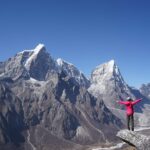
Up the Swayambhunath Steps
Everything else we have reviewed around Kathmandu
- 12 Days Everest Base Camp Trekking
★ 5.0 · 3 reviews - 1 Night 2 Days Chitwan Jungle Safari Tour from Pokhara or Kathmandu
★ 3.0 · 3 reviews - Thamel Rickshaw tour
★ 4.7 · 3 reviews - Kathmandu: Momo Making Class with a Local Chef
★ 5.0 · 3 reviews - Kathmandu: Full-Day Yoga, Body Massage and Pedicure Package
★ 5.0 · 3 reviews - From Kathmandu / Pokhara / Chitwan: River Rafting – 1 Day
★ 4.6 · 3 reviews
Swayambhunath & the Monkey Temple worth a second look.
 ★ 4.8Chandragiri Cable Car and Monkey Temple TourFrom $3139 reviews
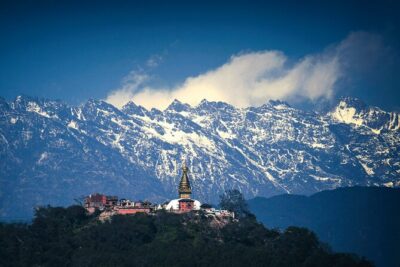 ★ 5.0Monkey Temple – Swayambhunath Tour – Private/Small GroupFrom $1550 reviews
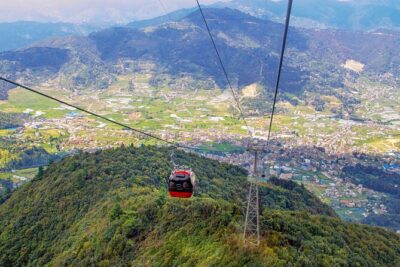
 ★ 5.0Chandragiri Cable Car & Monkey Temple Tour- Private/GroupFrom $532 reviews
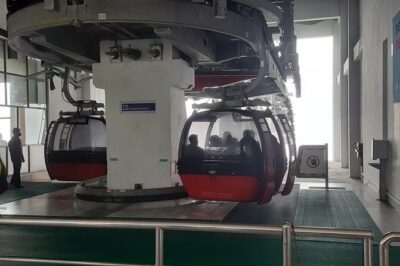
 ★ 5.0Private Chandragiri Cable Car and The Monkey Temple TourFrom $530 reviews
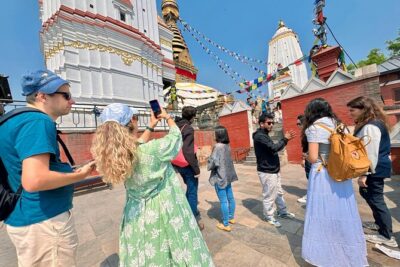
 ★ 5.0Kathmandu Chandrigiri Hill Cable Car & Monkey Temple UNESCO TourFrom $4816 reviews
 ★ 5.0Chandragiri Cable Car Ride & Monkey Temple Tour – Private/GroupFrom $513 reviews
 ★ 4.5Private Half-Day Tour of Kathmandu Durbar Square and Swayambhunath TempleFrom $4711 reviews
 ★ 5.0Kirtipur & Swayambhu Trip from Kathmandu: Local Eats and DrinksFrom $808 reviews
Lists this tour sits in