
REVIEW · KATHMANDU UNESCO HERITAGE TOURS
Kathmandu’s 7 UNESCO Heritage Gems: Private Full-Day Tour
Seven UNESCO stops in one long Kathmandu day. I like the way this tour strings together Swayambhunath and Pashupatinath so you understand what you are looking at, not just where to stand. I also like the small food break built in, with complimentary momo and local hog plum candies that keep the day human. The main consideration is that entrance fees for the monuments are not included, so you’ll want cash set aside.
This is a private-group plan with optional hotel pickup and flexible transport, depending on what option you choose. Still, it is 8 hours, so expect walking and some transfers, even with the best route choices.
In This Review
- Key points you’ll care about
- Seven UNESCO stops in one day: what you actually get
- Swayambhunath starts the day right
- Swayambhunath Monkey Temple: views, stupa time, and monastery corners
- The transfer leg to Boudhanath: plan for time, not stress
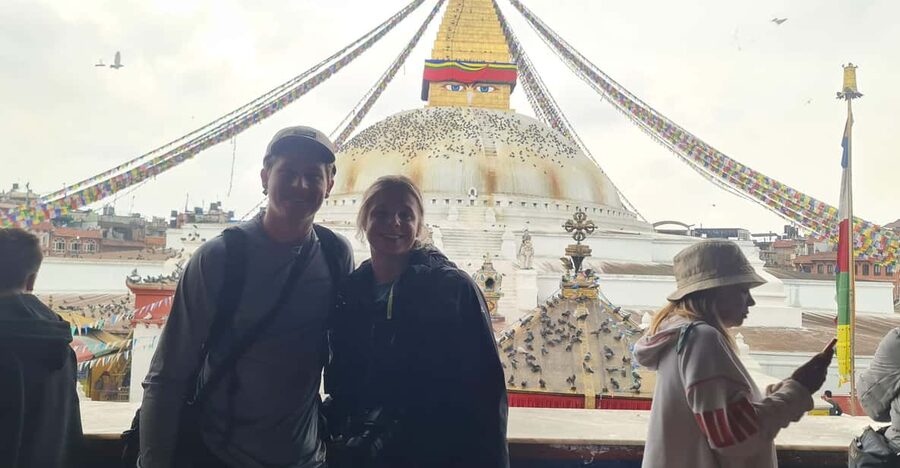
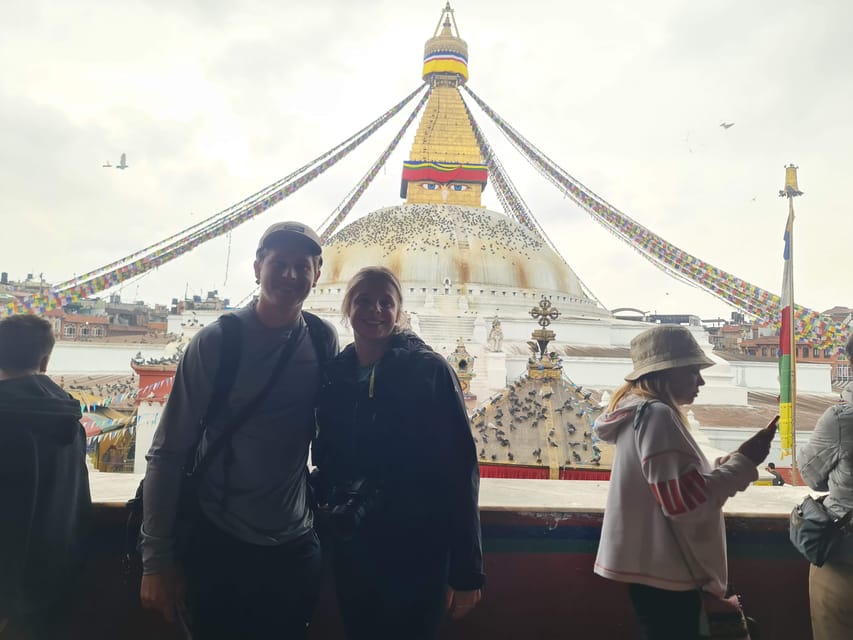
- Boudhanath Stupa: a calmer kind of UNESCO
- Kathmandu Durbar Square: temples and the Kumari Ghar
- Bhaktapur Durbar Square and the 55-Window Palace
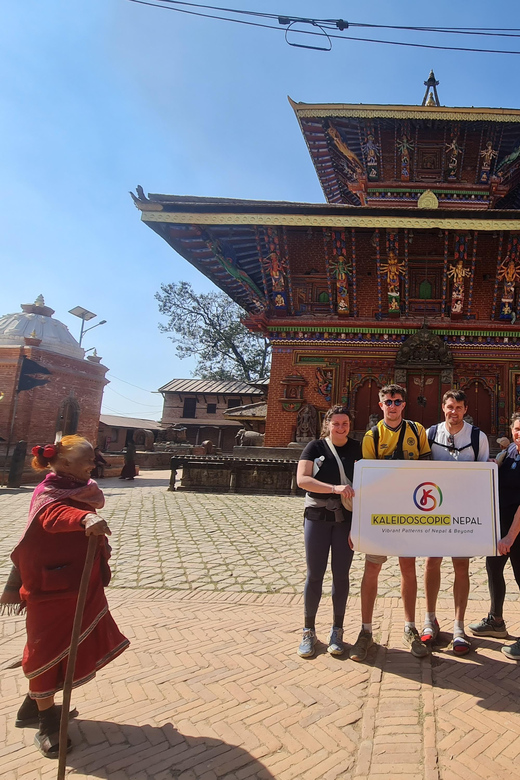
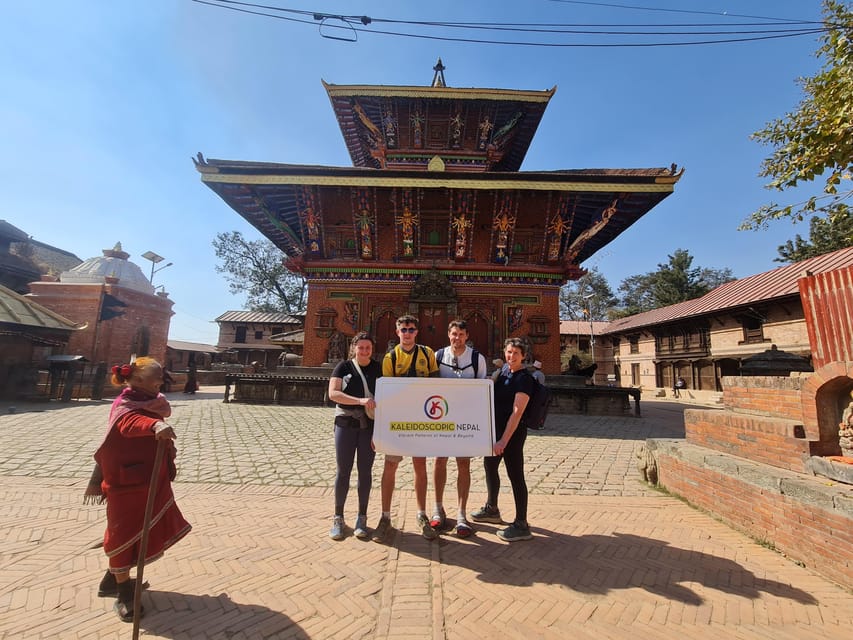
- Changunarayan Temple: ancient carvings that reward attention
- Patan Durbar Square and the Golden Temple
- Pashupatinath Temple and the Bagmati River aarti finish
- Price and entrance fees: the real value math
- Private group, optional pickup, and drop-offs that make sense
- Food tasting and what it does for your day
- What to wear and bring for an 8-hour UNESCO sprint
- Who this tour fits best
- Should you book this Kathmandu UNESCO full-day tour?
Key points you’ll care about
- Kashyap Raj Pandit’s on-the-ground guiding keeps the day logical and adaptable, including handling busy traffic.
- Skip the ticket line, which helps when you are moving between multiple heritage sites.
- Seven UNESCO World Heritage sites in one day, so you do not waste short Kathmandu time.
- Momo and hog plum candy tastings are included, plus a bottle of water.
- An evening aarti by the Bagmati River gives the last stop extra emotional weight.
- Private group with flexible transport and clear drop-offs in the city.
Other seven site heritage runs
Seven UNESCO stops in one day: what you actually get
Kathmandu can feel like a puzzle when you only have a day or two. This tour is basically the shortcut: one guide, one plan, and a full-day loop that hits seven UNESCO World Heritage sites without you having to stitch everything together yourself.
What makes it work is the combination of expert guidance plus the kind of planning that matters in real traffic. In the feedback, Kashyap Raj Pandit stands out for being flexible, and his driver was praised for picking better routes when roads get crowded. That matters, because when you are hopping between heritage areas, time saved is time you spend looking up, not staring at your watch.
The value is also practical. For the stated price, you get a professional English-speaking guide, a bottle of water, complimentary local tastings, and skip-the-line help. The one thing to be clear about, though, is that entrance fees are extra, and they add up fast across seven sites.
Swayambhunath starts the day right
Most Kathmandu days fail because you start late or you start scattered. This one starts with Swayambhunath, the famous Monkey Temple area, and it sets the tone immediately.
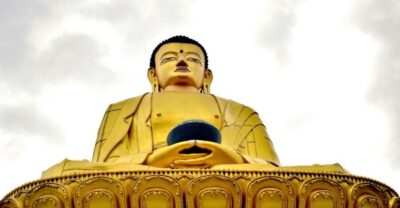
You get a guided visit, plus time to walk around and take in panoramic views of the valley. Even if you have seen photos, being up on that hill changes how the city feels, because you get a sense of how the valley is laid out and why these places were built where they were.
One practical note: Swayambhunath is active. You should expect stairs, uneven footpaths, and people moving in every direction. If you dislike “slow crowd movement” days, plan to take your time and let the guide handle the rhythm.
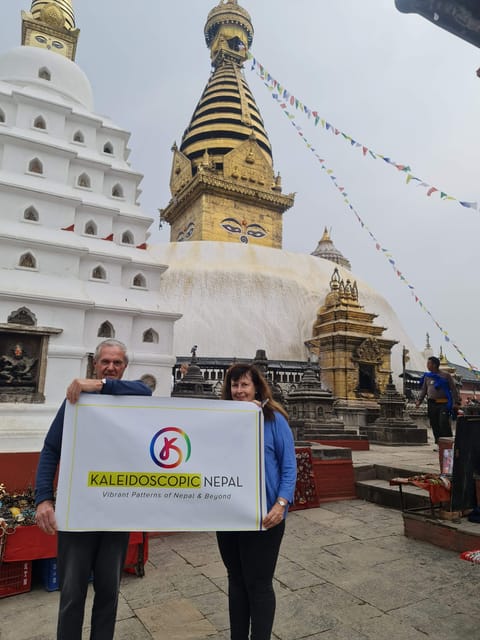
Swayambhunath Monkey Temple: views, stupa time, and monastery corners
At Swayambhunath, you are not just looking at a single monument. You are walking through a living religious complex where the stupa is the anchor and the surrounding monasteries add depth to what you see.
The best part of the stop is the balance: you get a guided walkthrough, then you get your own time with the views. That’s the sweet spot for places like this, because photos flatten the details, but your feet can put you in the right spots to notice carvings, small rituals, and the way visitors and locals share the same spaces.
If you are traveling with someone who wants structure, the guide can point out what is most worth your time. If you are traveling with someone who just wants to wander, you still have a plan, so you do not end up zigzagging without purpose.
The transfer leg to Boudhanath: plan for time, not stress
After the Swayambhunath area, the day includes a transfer segment. The schedule includes about 45 minutes of public transport time in the outline, which is your reminder that this tour is not only about walking inside monuments. You are also traveling between areas of the Kathmandu Valley.
This is where having a guide helps more than you might think. When roads are busy, route choices affect how long you sit in traffic versus how long you’re actually out seeing things. In the feedback, the driver’s route knowledge was specifically praised, which suggests you are not stuck with the slow, obvious option.
If you pick the transportation add-on, you’ll likely find the day feels easier, especially if you have limited mobility or you simply hate wasting time between stops.
Private guides for Kathmandu, a few more
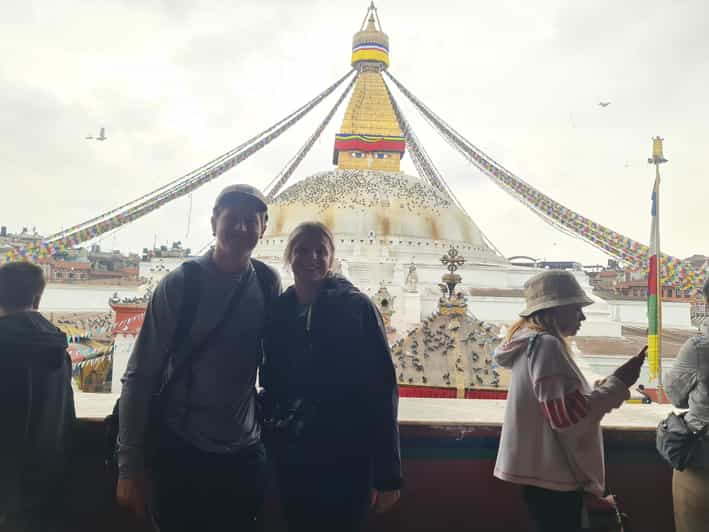
Boudhanath Stupa: a calmer kind of UNESCO
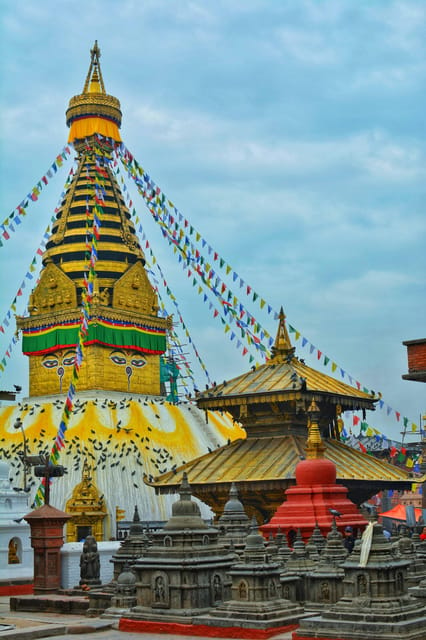
Then you hit Boudhanath Stupa, a huge landmark and one of Nepal’s largest stupas. This stop gives the day a different mood than the high-energy city squares. You get a guided visit and time to stroll while taking in the serene atmosphere around the stupa.
You can think of Boudhanath as a reset button. You still get the UNESCO scale and the sense of devotion, but the pacing feels slower. It is also a good place to pause if you are getting museum-tired from earlier city wandering.
There is also a practical win. This stop is part of a route that includes scenic walking on the way, so you are not only transported from point to point. You’re allowed to feel the neighborhoods.
Kathmandu Durbar Square: temples and the Kumari Ghar
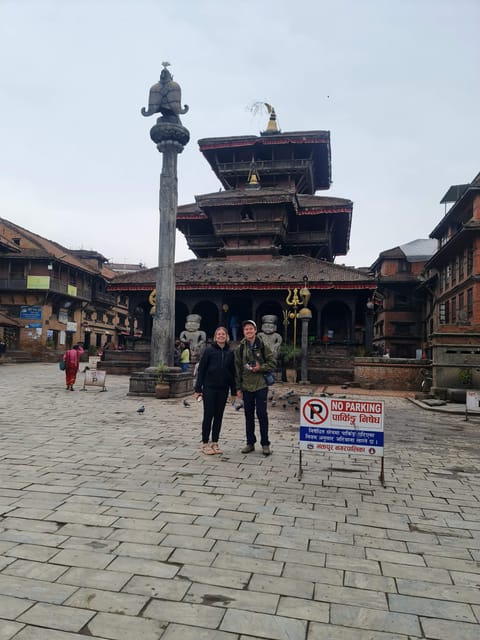
Next comes Kathmandu Durbar Square, with historic temples and the Kumari Ghar, the residence associated with the Living Goddess tradition. This is the part of the day where stone and symbolism start to feel more personal.
Durbar squares are not just monuments you look at. They are places where architecture tells you how power and faith shaped everyday life. With a guide, you’re more likely to notice patterns, and you also get help understanding what each structure is doing in the larger complex.
Because entrance fees apply here, I’d budget for it early. Bring cash, and keep your wallet organized. Nothing kills momentum like digging for small bills while your group is already moving.
Bhaktapur Durbar Square and the 55-Window Palace
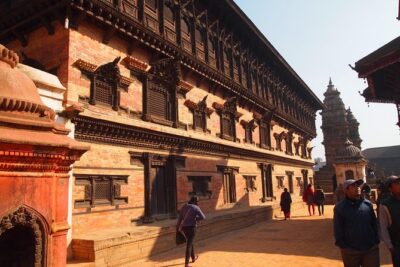
The tour then heads to Bhaktapur Durbar Square, where you see a royal palace complex and major temple highlights like Nyatapola Temple. You also visit the 55-Window Palace, which is the kind of detail that sounds like trivia until you’re standing in front of it and realizing how much human labor went into making the place look the way it does.
Bhaktapur is also where the tour builds in a change of pace. You get time for a leisurely lunch at a local restaurant. The meal itself is not listed as included, so you’ll be paying on the spot, but the schedule does give you room to slow down instead of rushing immediately into the next monument.
This is a great stop for photos, yes, but it’s more than that. It’s also a place where you can start comparing how Kathmandu and Bhaktapur express culture through their built form.
Changunarayan Temple: ancient carvings that reward attention
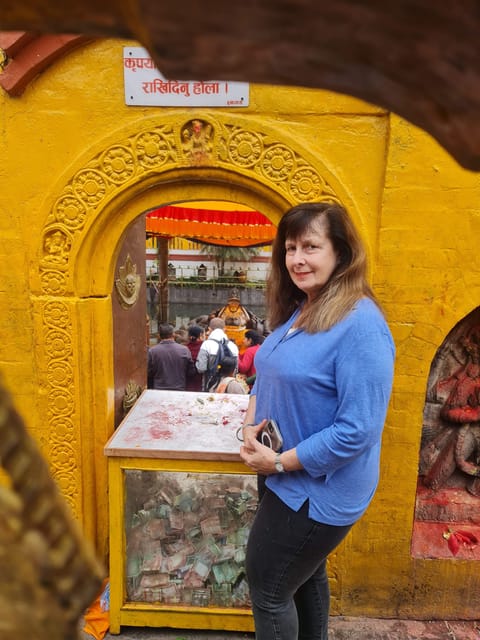
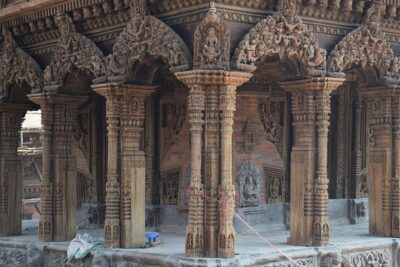
Then you visit Changunarayan Temple, known for ancient Hindu architecture and intricate carvings. This is the stop where the guide’s explanations really pay off, because carvings can look busy until someone helps you see what you are looking at.
The value here is that the temple is UNESCO-listed for a reason that is visible in the details. You’re not just looking at a big structure, you are seeing craft and symmetry and layers of design.
If you like slow looking, put extra time into this one. It is the kind of place where you can keep returning to the same spot and notice new things each time.
Patan Durbar Square and the Golden Temple
Next is Patan Durbar Square, another heavyweight in the Kathmandu Valley UNESCO story. You see ancient palaces and temples, and you also visit the Golden Temple.
Patan’s durbar square feels like a strong counterpart to Kathmandu’s. If you keep your eyes open, you’ll start noticing differences in layout and style, even when both places are rooted in the same cultural universe.
This is also a good moment to check your energy. By now, you’ve had long transfers and a few climbing walks. If you feel your feet getting heavy, remind yourself that you still have one big emotional finale ahead of you at Pashupatinath.
Pashupatinath Temple and the Bagmati River aarti finish
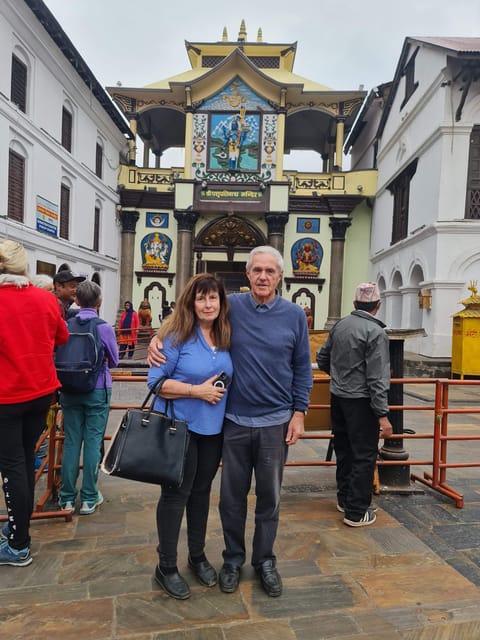
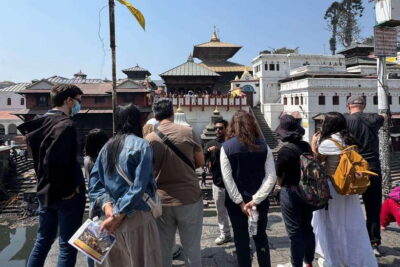
The final stop is Pashupatinath Temple, a sacred Hindu site on the banks of the Bagmati River. The tour concludes with an evening aarti on the river banks, which is where the day’s theme becomes clear: faith is not a background detail. It is part of how the city keeps moving.
This closing scene tends to stick with you because it feels both ceremonial and everyday. You are not only seeing a landmark, you are watching people participate.
If you are sensitive to crowds, come with a flexible mindset. Ritual spaces attract attention, and the best strategy is to stay calm, listen to your guide, and position yourself without fighting for a perfect view.
Price and entrance fees: the real value math
The tour price is $40 per person, and that figure covers the guide, water, a snack-style food tasting, and the skip-the-ticket-line service. It also includes transportation only if you choose the option that explicitly lists it.
What is not included is the entrance fees for each monument. The listed fees are:
- Swayambhunath: 200 Nrs
- Kathmandu Durbar Square: 1000 Nrs
- Bhaktapur Durbar Square: 1800 Nrs
- Changunarayan Temple: 400 Nrs
- Patan Durbar Square: 1000 Nrs
- Boudhanath Stupa: 400 Nrs
- Pashupatinath Temple: 1000 Nrs
Add those up and you get 5700 Nrs in monument entrance fees for the full loop, before personal expenses. That is the main thing to budget for so the day feels easy instead of stressful.
Still, the tour can be good value because you’re paying for coordination. Seven UNESCO stops means seven chances to waste time on tickets, directions, and logistics. A private-group guide and ticket line help reduce that hassle in a way you feel immediately during the day.
Private group, optional pickup, and drop-offs that make sense
This is a private group experience. That can be a big deal in Kathmandu, because you get to set the pace slightly within the overall schedule. You are not stuck waiting for others to finish selfies or to decide if they even want to walk up the stairs.
Pickup is optional. If you select pickup, the guide will come to your hotel area. If you do not, the meeting point is at the ticket counter at Swayambhunath.
At the end, you’re dropped off at Pashupatinath Temple, Sorhakhutte, and Thamel. Sorhakhutte and Thamel are useful for many visitors because they are practical bases for food and errands. The important point is that you do not end the day far from where you likely need to be next.
Food tasting and what it does for your day
Included tastings are momo (dumplings) and local hog plum candies. This is a smart inclusion because it is small enough to fit between monuments, but it gives you a taste of local flavors without turning the day into a full restaurant stop.
You also get a bottle of water included. That sounds basic, but in a long day that includes transfers and climbing, it matters more than you’d think. It keeps you from hunting down drinks while everyone else is moving.
Lunch time is built into the Bhaktapur section as a leisurely stop, but the tour does not list lunch as included. Plan to pay for it when you arrive.
What to wear and bring for an 8-hour UNESCO sprint
This is a full-day itinerary, so pack like it’s a hike day with city stops. Comfortable shoes matter because you’ll be walking around stupas and navigating historic areas with uneven ground.
Bring a bit of cash for entrances and small purchases. Since the monument fees are listed separately, you want to avoid the last-minute scramble when you reach each ticket counter.
Also, think about heat and sun. Even if your day includes scenic walks and transfers, Kathmandu can wear you down. A hat and sunscreen are sensible. And since you get water included, you can still carry your own small extra bottle if you like to sip slowly.
Who this tour fits best
This tour is ideal if you want to see multiple top UNESCO sites in a limited time, especially if you are basing yourself in a hotel area like Thamel and you do not want to coordinate everything alone.
It also fits well if you appreciate guidance that turns monuments into context. Places like Durbar squares and carved temples can blur together fast if you’re only relying on signage. A guide helps you notice what you would otherwise miss.
If you have mobility issues or you truly dislike crowds, consider whether a full 8-hour loop is your style. You can reduce some fatigue with the transportation option, but you should still expect walking at nearly every stop.
Should you book this Kathmandu UNESCO full-day tour?
Book it if your goal is simple: maximize your Kathmandu time with seven UNESCO World Heritage sites and a guide who keeps the day moving intelligently. The combination of ticket line help, included snacks, and a private-group setup is a strong mix for short stays.
Skip it or consider a lighter plan if your priority is resting, not moving. Entrance fees add up, and the day involves stairs, transfers, and crowded ritual areas. In that case, you might be happier with fewer sites and more downtime.
My take: if you can handle a long walking day, this tour is a practical way to get real context fast, with Kashyap Raj Pandit guiding and keeping things adaptable when Kathmandu traffic and crowds test your patience.
Everything Bookable Around Kathmandu

The Rest of Our Kathmandu Write Ups

Seven Sites, Other Routes
Everything else we have reviewed around Kathmandu
- 12 Days Everest Base Camp Trekking
★ 5.0 · 3 reviews - 1 Night 2 Days Chitwan Jungle Safari Tour from Pokhara or Kathmandu
★ 3.0 · 3 reviews - Thamel Rickshaw tour
★ 4.7 · 3 reviews - Kathmandu: Momo Making Class with a Local Chef
★ 5.0 · 3 reviews - Kathmandu: Full-Day Yoga, Body Massage and Pedicure Package
★ 5.0 · 3 reviews - From Kathmandu / Pokhara / Chitwan: River Rafting – 1 Day
★ 4.6 · 3 reviews
Kathmandu UNESCO Heritage Tours worth a second look.
 ★ 5.0Full Day 7 UNESCO Tour with Lunch – Private/GroupFrom $10415 reviews
 ★ 5.0Full Day Top 4 UNESCO Tour with Lunch – Private/GroupFrom $10269 reviews
 ★ 5.0UNESCO Seven World Heritage Tour in KathmanduFrom $180253 reviews
★ 4.9Full-Day 7 UNESCO Tour with Lunch – Private/GroupFrom $5247 reviews
 ★ 4.97 UNESCO Sites Tour in 1 Day (Private Tour)From $4204 reviews
 ★ 4.9Top 4 UNESCO Tour with Lunch – Private/GroupFrom $5181 reviews
 ★ 5.0Bhaktapur & Patan Durbar Square Day ToursFrom $50122 reviews
 ★ 5.0Kathmandu Private Sightseeing Tour | UNESCO World Heritage SitesFrom $35109 reviews
Lists this tour sits in