
REVIEW · 4-DAY EXPERIENCES
Pokhara: 4-Day Private Trek Tour
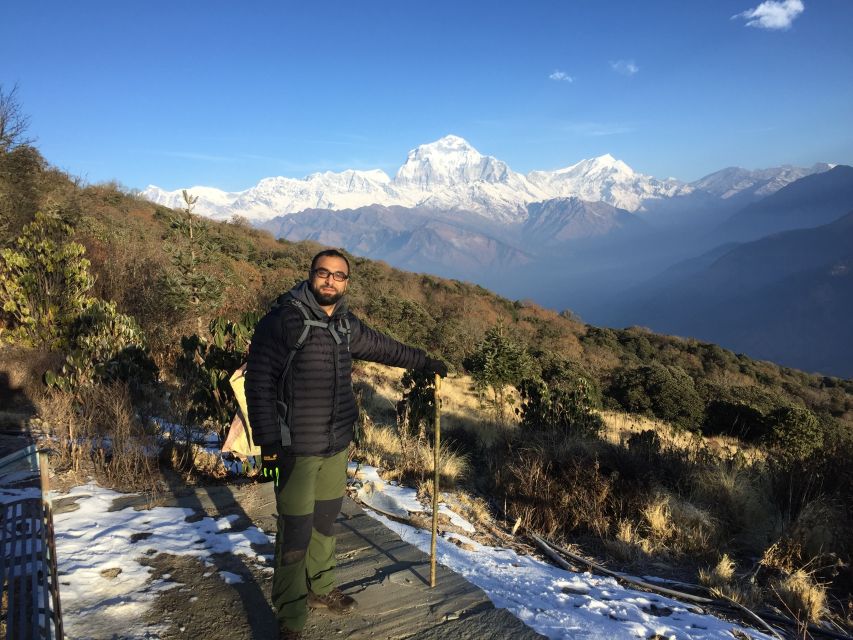
The mountains get you moving fast. This short trek strings together classic Himalayan villages with a Poon Hill sunrise payoff.
I especially like the practical flow, from a morning drive to Nayapul through Ulleri and Ghorepani, then the early pre-dawn push for the Annapurna views. I also like that the route includes cultural time in Ghandruk, including a Gurung Museum stop, not just walking and photos. One watch-out: the days with constant descent can feel tough, even if the overall trek is short, so bring the right foot support and pace yourself.
You’ll likely feel in good hands because guides often handle real-life issues smoothly, from knee pain to sudden sickness and meal choices. The itinerary also balances effort with rests at guest houses along the way, so you are not trying to do everything in one long slog. Still, it is not a sit-and-look tour, and it is not set up for heart problems or pregnancy, based on the tour’s own requirements.
In This Review
- Key Highlights You’ll Care About
- Why This 4-Day Pokhara Trek Works So Well
- Day 1: Lakeside Pokhara to Ulleri, the First Village Climb
- Day 2: Rhododendron Forest to Ghorepani, Cozy but Active
- Day 3: The 4:00 AM Poon Hill Sunrise Push to Tadapani
- Day 4: Ghandruk Gurung Museum Time, Then Car Back to Pokhara
- Price and What You Get for $243 Per Person
- Guides Matter Here, and the Reviews Show It
- Guest Houses, Meals, and Cash You’ll Want on Hand
- What to Bring So the Trek Feels Comfortable, Not Painful
- Who This Trek Suits (and Who Should Skip It)
- Weather, Altitude, and the Sunrise Reality Check
- Should You Book This Pokhara 4-Day Private Trek Tour?
- FAQ
- How long is the trek?
- Where do we meet the guide in Pokhara?
- What time do the treks start on the main days?
- How do permits and entrance fees work?
- Are meals included?
- What accommodations are included?
- What should I bring?
- What is the highest point on the route?
- Who is the trek not suitable for?
- What is the cancellation policy?
Key Highlights You’ll Care About
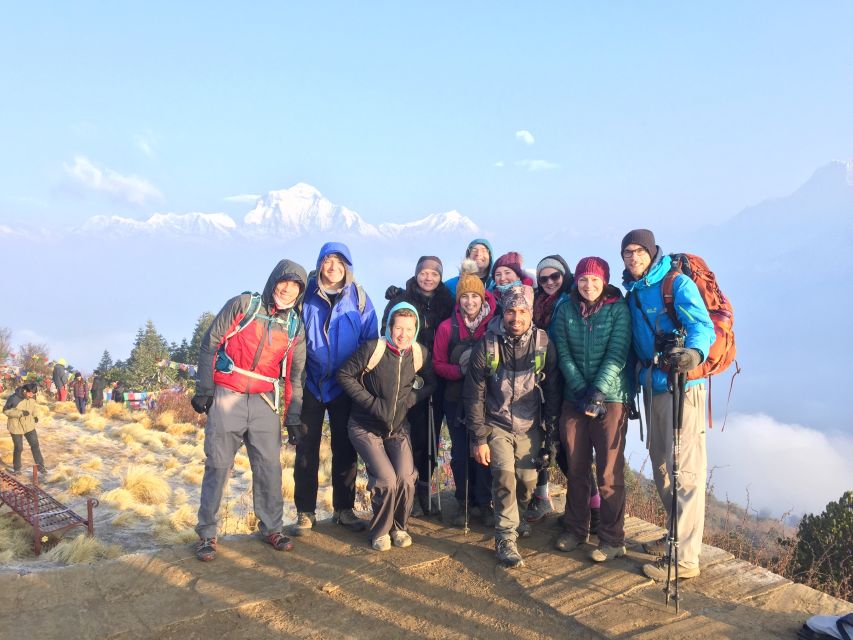
- Poon Hill at 3,210 meters with a very early start designed for sunrise views of the Annapurna range
- Forest hiking through rhododendron country on the way from Nayapul up to Ghorepani
- Village immersion across Ulleri, Ghorepani, Tadapani, and Ghandruk, with local time built in
- Ghandruk culture time including a stop at the Gurung Museum
- Private group flexibility, and guides who adjust when plans need a tweak, like changing routes or helping with extra support
- Guest house nights that keep you close to the walking, with blankets and basic comforts along the way
Private guides for Pokhara, a few more
Why This 4-Day Pokhara Trek Works So Well
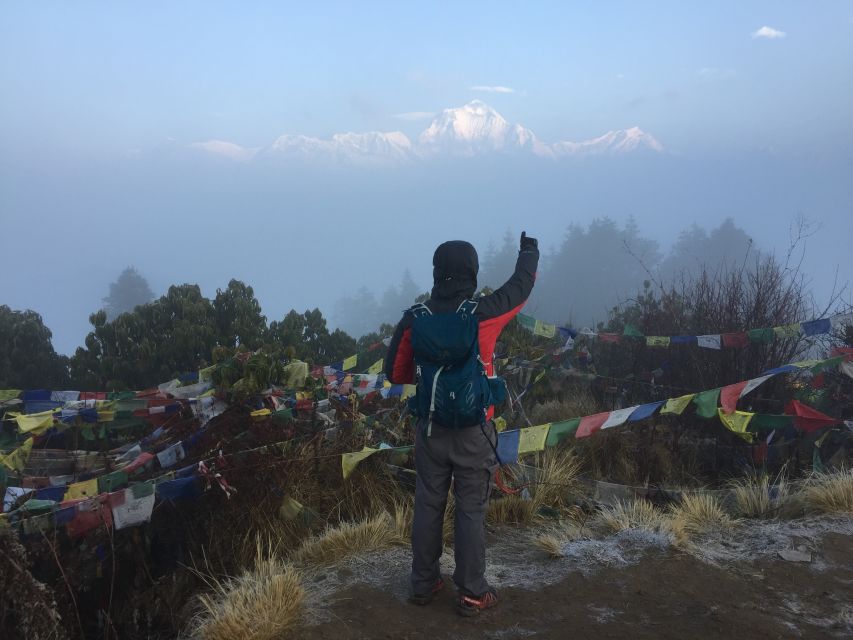
This is the kind of Nepal trek that fits real schedules. You get the Annapurna-mountain drama without needing a long trip and without spending your whole vacation on transport. The route is short enough to feel doable, but structured enough that you still get a real walking rhythm, not just point-to-point hopping.
What I like most for your experience is the way the trek builds toward sunrise. Day 3 starts at 4:00 AM, and the climb to Poon Hill takes about 45 minutes, so you are not exhausted before the best payoff. Then you get a full trekking day after sunrise, heading onward toward Tadapani, so the day feels like it has a clean arc.
The other big value is that the days do not all feel the same. You begin in the Pokhara valley, walk into mountain villages, pass through a dense rhododendron forest, and then spend meaningful time in Ghandruk, including culture at the Gurung Museum. That mix is what makes a short trek feel like more than a checklist.
Day 1: Lakeside Pokhara to Ulleri, the First Village Climb
Your day begins with a guide meet-up at your Lakeside Pokhara hotel or residence around 8:30 AM. Then you take a 1.5-hour scenic drive to Nayapul, which is a smart setup because you arrive ready to walk, not still traveling.
From Nayapul, the trek continues to Ulleri. Expect about 4.5 hours of hiking for this first leg. This day is a primer for the style of the trek, village paths, steady climbs, and the rhythm of guest house stops. Ulleri is a good first night because it is close enough to help you settle in without a grueling finale.
Practical note: if you are new to trekking, the first day is where you learn what your legs and shoes are actually going to do on this route. Guides named Krishna and Milan are repeatedly praised for pacing and for making sure the day’s stops work smoothly, including helping with things like carry comfort when you need it. That matters because the first day sets the tone for the rest.
Night stays are in a guest house, so you will be able to recharge without hunting for food or figuring out logistics on your own.
Day 2: Rhododendron Forest to Ghorepani, Cozy but Active
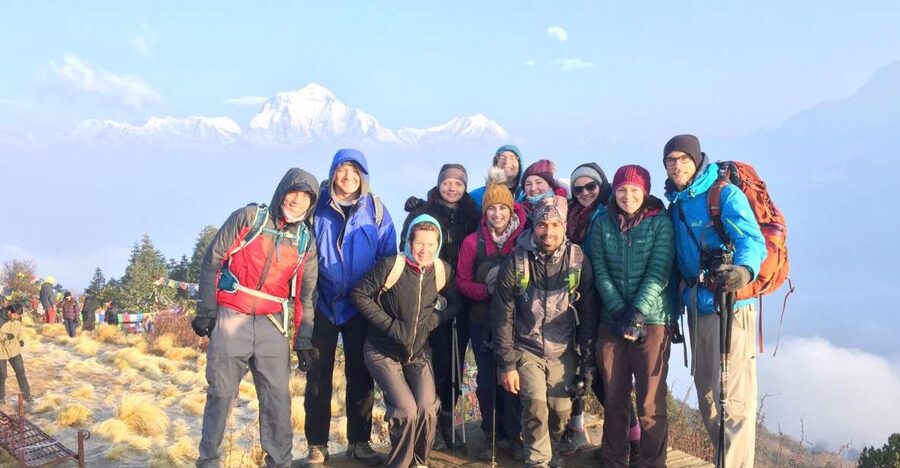
Day 2 starts at 8:00 AM. The trek climbs through dense rhododendron forest and then opens out toward Ghorepani, where you spend the night.
This is about 5 hours of hiking. The timing is long enough to feel like a real trek day, but not so long that you arrive wrecked. The rhododendron forest section is a big reason people enjoy this itinerary because it breaks up the walk with a different feel, cooler shade, and a sense you are inside the mountains rather than just walking on the edge of them.
At Ghorepani, you get your second night in guest house comfort. Reviews highlight that the tea houses and guest houses tend to be simple but clean, and they often have extra blankets available if nights turn cold. That is not a small detail. Comfort at this altitude can make the sunrise day easier, not harder.
If you are trekking with someone who struggles with pace, this is also a day where a good guide can make all the difference. Guides like Gobinda and Raj are praised for helping solo trekkers feel safe and comfortable, and for keeping the pace realistic without turning the day into a race.
Day 3: The 4:00 AM Poon Hill Sunrise Push to Tadapani
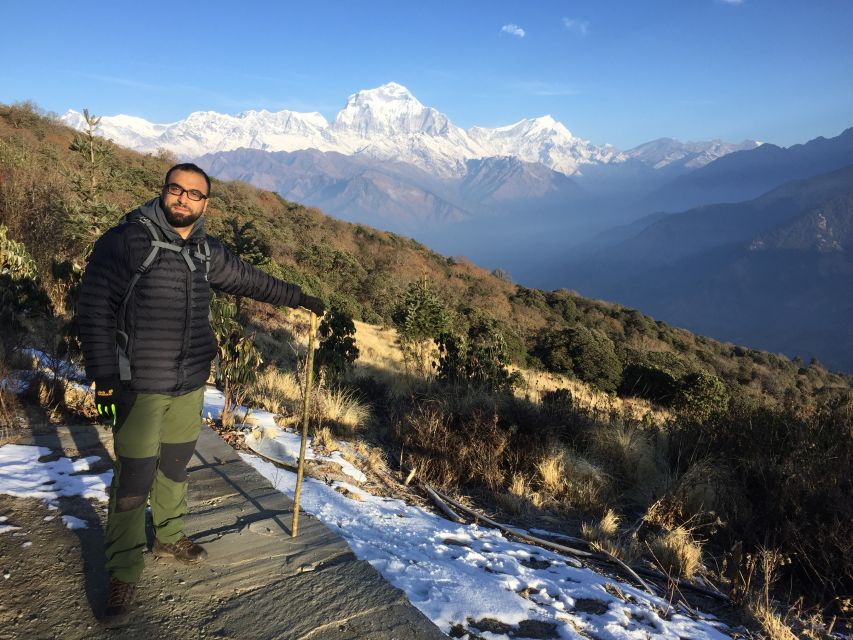
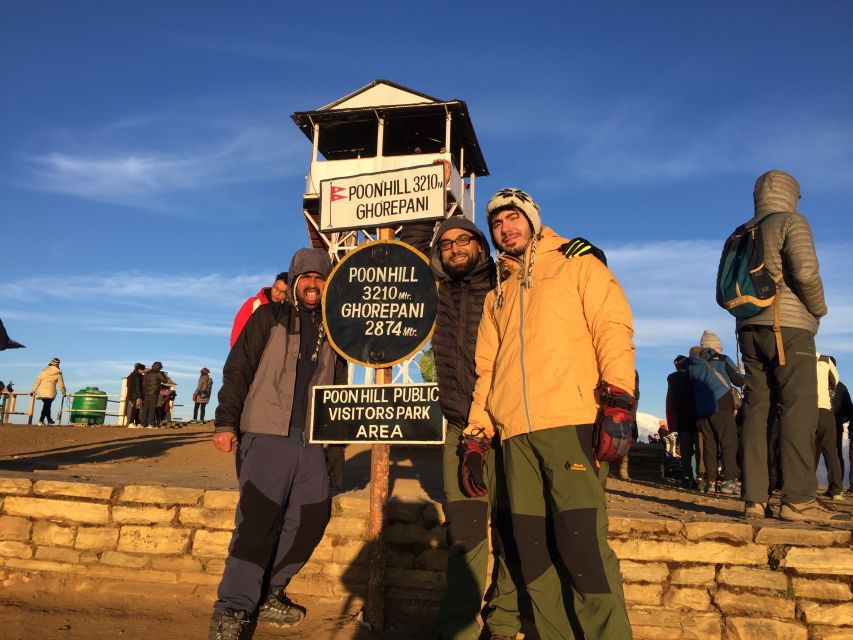
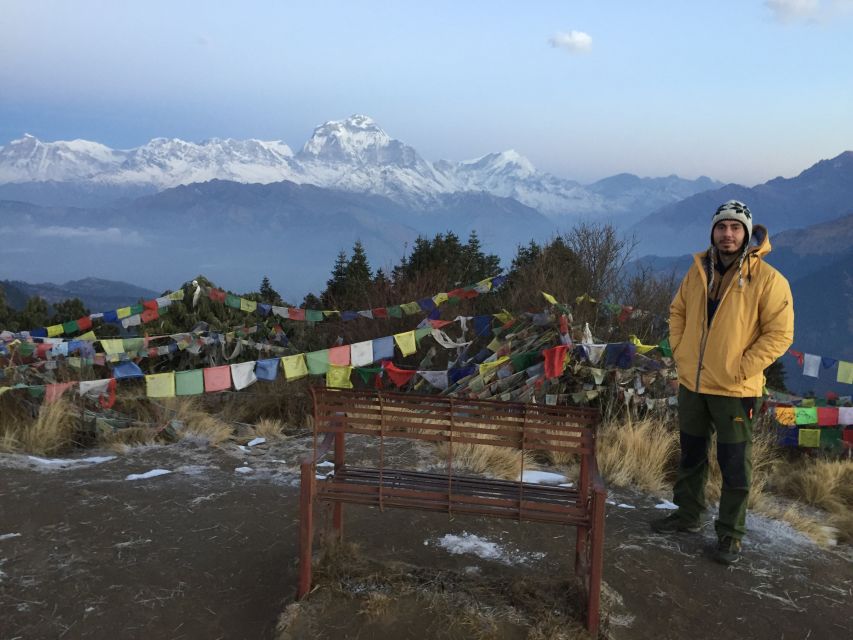
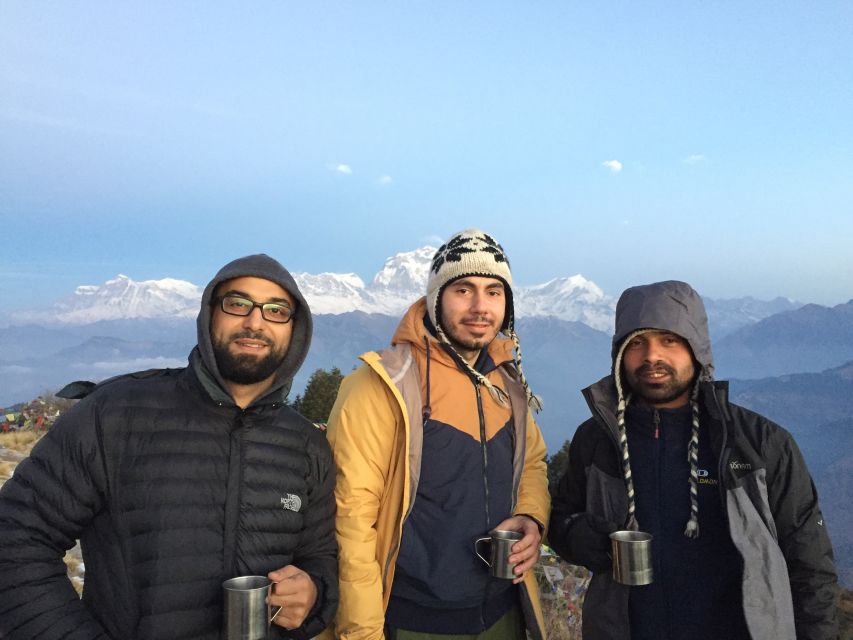
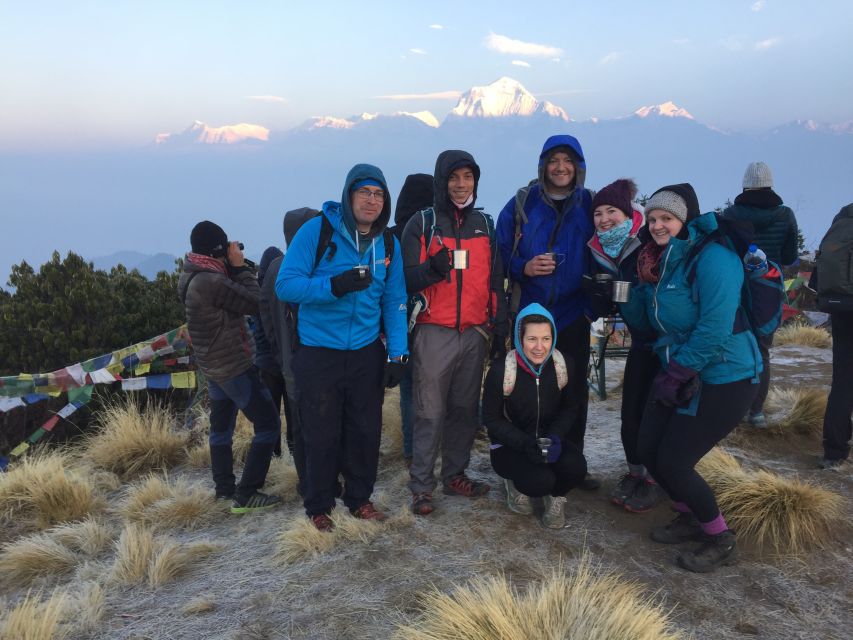
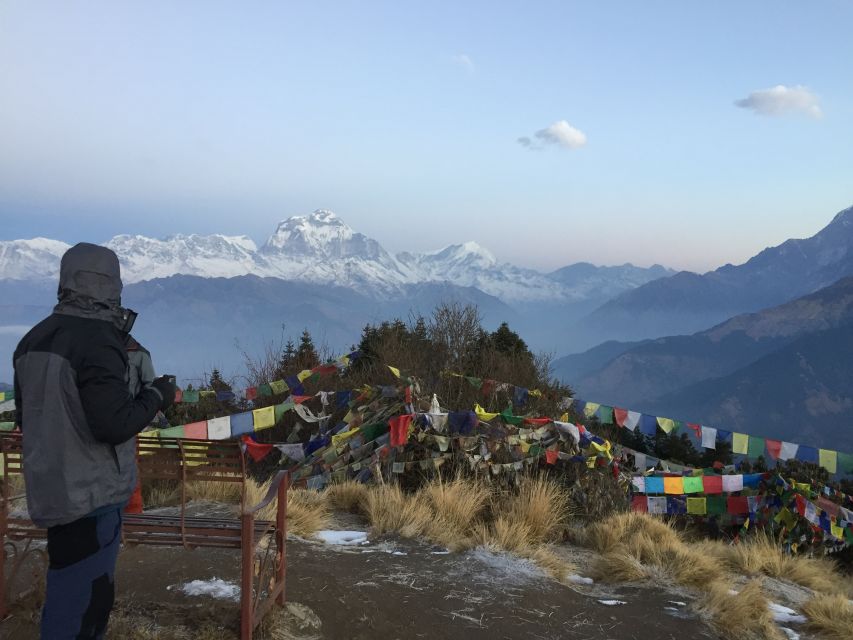
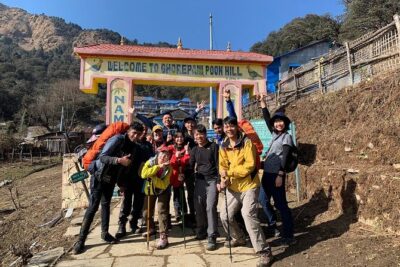
This is the star day. At 4:00 AM, you start an early hike of about 45 minutes to the top of Poon Hill, sitting at 3,210 meters above sea level. The whole point is sunrise over the Annapurna mountain range.
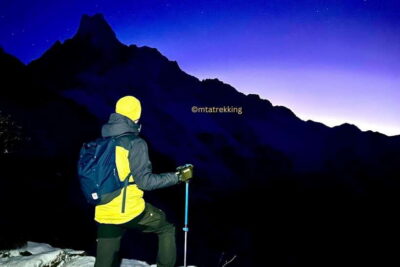
Here is the reality you should plan for: you are waking up in the dark, and the air can feel sharp, even when the trail is short. Bring layers and protect your face and hands. Also, this is the day where a headlamp is genuinely helpful, and at least one review specifically called that out for the early climb.
Once you get the sunrise moment, the day keeps going. After spending some time up top, your trek continues for about 5 hours toward Tadapani, where you spend the night. That means you are not done with the day after the sunrise photos. You need the endurance to keep walking after you have already given your body a pre-dawn wake-up.
If you have knee issues or you worry about downhill pounding, this is the part to take seriously. One review described days 3 and 4 as pretty brutal on the descent, and that is consistent with how the terrain typically behaves on these routes. The best move is not to grit your teeth and hope. Use trekking poles if you have them, and consider knee braces or strapping tape if that is part of your normal comfort routine.
Other lodge to lodge routes near Pokhara
Day 4: Ghandruk Gurung Museum Time, Then Car Back to Pokhara
Day 4 starts at 8:00 AM with a trek to Ghandruk. You get time to explore the town, including the Gurung Museum, and to interact with locals. This is more than a side stop. For many people, it is where the trek becomes Nepal-shaped instead of only mountain-shaped.
After that, you continue trekking toward Nayapul. Then you switch from legs to comfort: a private car for about 1.5 hours returns you to Pokhara, with drop-off at your Lakeside hotel to close the trip.
Ghandruk is also the day where you can slow down a bit mentally. The schedule still has movement, but you have already earned your “big view” moment on Day 3, so Day 4 feels more like finishing the story with community and culture.
If you are traveling solo, this last day can feel reassuring because you are not stuck managing the handoffs alone. Reviews from solo trekkers praised guides for making the experience feel safe and supported throughout, with attention to comfort and practical decisions.
Price and What You Get for $243 Per Person
At $243 per person for a 4 to 5 day private trek, the value is in what the price covers, not just what it sounds like. You get an English-speaking experienced trekking guide, TIMS and permits, 3 nights in guest houses, and round-trip transportation. For a route like this, permits and guide time can eat up budget fast if you try to piece things together yourself.
Meals are not included, so you should budget extra for lunches and dinners along the way. Also, rescue costs are not included, which is standard for many treks. If you are the type who likes to travel with a safety net, factor in travel insurance that covers trekking.
The private group angle matters too. Solo travelers and couples often prefer private formats because your guide can adjust pace. In real experiences, guides like Krishna and Milan were praised for being flexible when circumstances changed, even helping arrange extra support like a porter or other options to handle discomfort.
Guides Matter Here, and the Reviews Show It
This trek succeeds or fails on the human part. A good guide makes the days feel organized and calm, even when you are waking up at 4:00 AM or dealing with a tough descent.
I notice a pattern in the standout feedback: guides are not only explaining the route, they are solving problems. One review mentioned Krishna supporting a sick trekker and coordinating help through a pharmacist, then arranging extra assistance like porters and even a horse when the itinerary needed adjustment. Another review highlighted Milan as professional and friendly, and focused on making sure the group gets comfortable lunch and accommodation stops.
Other names come up often in positive ways: Dhanraj Gurung for mountain knowledge and storytelling, Gobinda for making solo trekking feel safe and comfortable, and Raj for a friend-like vibe and great conversations. Dadhi was praised for professionalism and patience with knee issues on the descent.
You do not need every guide to be a crisis manager, but you do want someone who can read your pace and needs. This itinerary involves early mornings and long walking days. A confident guide helps you avoid pushing too hard and helps you stay safe.
Guest Houses, Meals, and Cash You’ll Want on Hand
You sleep in 3 nights of guest houses on this trek. That typically means basic rooms, shared dining spaces, and meals you buy directly. It is not hotel luxury, and it is not trying to be. The tradeoff is location. You step out to hike right from where you slept.
What helps is that guest house setups on this route are generally described as clean, with tea house food that is easy to manage while you trek. Reviews also mention extra blankets being available upon request, which can matter a lot on mountain nights.
Meals are not included, so your spending depends on how you eat and drink. One review specifically advised bringing enough cash for meals. That is practical advice. When you are on a mountain route, it can be easier to pay with cash than to rely on card systems.
If you get cold easily, plan for it. Multiple reviews warned that winter nights can get really cold and that you should dress accordingly.
What to Bring So the Trek Feels Comfortable, Not Painful
The tour asks for comfortable shoes, plus a longer packing list. I like to think of it in two layers: essentials for safety and essentials for comfort.
Essentials you should not skip:
- Trekking shoes with grip for uneven stone and paths
- Socks plus a plan for keeping feet dry
- A jacket for morning chill, especially for the Poon Hill start
- Sunscreen, sunglasses, and a hat
- Mosquito repellent (use your judgment by season)
Comfort boosters that reviews brought up:
- Headlamp for the early Poon Hill climb
- Trekking poles to reduce pressure on knees during descents
- Towel and slippers, which one review said were worth having, since they were not clearly listed
- Warm clothes for winter, plus a reminder that you may need more layers than you think
If you are sensitive to knees, do not ignore that warning. At least one review suggested strapping tape or knee braces for the descent. If you already know what works for you at home, bring it.
Who This Trek Suits (and Who Should Skip It)
This trek is best for people who want a short, guided taste of trekking in Nepal, with village walking and a signature sunrise viewpoint.
It is especially good if you:
- Want the Annapurna views without a long multi-week commitment
- Prefer guided logistics, including permits and transportation
- Enjoy village life and culture time in places like Ghandruk
- Like the idea of guest houses, not camping gear
It may not be a fit if you:
- Are pregnant or have heart problems, since the tour is not suitable for those conditions
- Have knee limitations and do not plan for downhill stress, because days 3 and 4 can feel tough on descent
Even if you are a beginner, many reviews emphasized that guides were patient and helped keep the pace comfortable. The key is to be honest with your guide about your limits. A private setup helps because the guide can adjust in real time.
Weather, Altitude, and the Sunrise Reality Check
The trek includes Poon Hill at 3,210 meters, and that altitude is enough to make early mornings and cold nights feel serious. It is not a high-altitude death march, but you should still take it seriously. Dress for the cold before sunrise, and drink water steadily.
Weather is also a factor. On some days, cloud cover can reduce visibility from Poon Hill. When that happens, the trek still has value, because you are hiking through villages, forests, and viewpoints all along the route. Still, if sunrise views are your top priority, be ready for clouds and stay flexible.
If you are trekking in shoulder season or in conditions with ice or snow, one review suggested adding crampons for heavy snowfall or ice. The tour packing list does not mention them, so treat that as a season-specific consideration, not something you assume you will need year-round.
Should You Book This Pokhara 4-Day Private Trek Tour?
If you want a short, well-supported trek with a real Annapurna sunrise moment and genuine village time, this tour is a strong choice. I would book it if you like structured days, early mornings, and the idea of sleeping in guest houses while your guide handles permits, transport, and day-to-day decisions. The guide quality seems to be a big part of why people rate this so highly, especially for patience and flexibility, and that matters when you are on a private itinerary.
I would hesitate if you know you cannot handle cold mornings and downhill walking stress. If knee problems are a concern, plan ahead with poles or braces, and tell your guide early so they can help manage your pace.
For most people who can walk several hours a day, this trek offers a great mix of views, culture, and manageable duration, all starting and ending in Pokhara where it is easy to continue your trip afterward.
FAQ
How long is the trek?
The trek runs about 4 to 5 days, with exact starting times shown when you check availability.
Where do we meet the guide in Pokhara?
Your guide meets you at your hotel or place of residence in the Lakeside area of Pokhara, using a name card.
What time do the treks start on the main days?
The schedule includes 8:30 AM on Day 1, 8:00 AM on Day 2, 4:00 AM on Day 3 for Poon Hill, and 8:00 AM on Day 4.
How do permits and entrance fees work?
The tour includes entrance fees and permits, including TIMS and permits, in the package price.
Are meals included?
No. All meals are not included, and you can purchase them along the trek.
What accommodations are included?
You get 3 nights of accommodation in guest houses during the trek.
What should I bring?
The tour lists essentials like comfortable shoes, a jacket, sunscreen, sunglasses, hat, mosquito repellent, and a day bag. It also mentions personal items like toilet paper and a camera.
What is the highest point on the route?
The itinerary includes Poon Hill at 3,210 meters.
Who is the trek not suitable for?
The tour states it is not suitable for pregnant women and for people with heart problems.
What is the cancellation policy?
It offers free cancellation up to 24 hours in advance for a full refund.
Pokhara Without the Group Bus
Everything Bookable Around Pokhara

The Rest of Our Pokhara Write Ups
Everything else we have reviewed around Pokhara
- Pokhara: Cable Car Tour – Bird Eye View of Mountain & Lake
★ 4.4 · 3 reviews - Jomsom Muktinath Tour by 4WD SUV 2 Days
★ 5.0 · 3 reviews - Ghorepani Poonhill Private Trek – 2 nights / 3 days
★ 4.5 · 3 reviews - Pokhara: 30-Minute Paragliding Adventure with pick up/drop off
★ 4.5 · 3 reviews - Pokhara: 7-Day Annapurna Base Camp Trek via Ghandruk
★ 4.3 · 3 reviews - Pokhara Group Joining Sarangkot Sunrise Himalayas Tour
★ 5.0 · 3 reviews
4-Day Experiences worth a second look.
 ★ 5.04-Day Ghorepani, Poonhill & Ghandruk Mountain TrekFrom $181132 reviews
 ★ 5.04 Days Poon Hill TrekFrom $40594 reviews
 ★ 5.04-day Poon Hill TrekFrom $40074 reviews
 ★ 4.94-Day Mardi Himal TrekFrom $13959 reviews
 ★ 5.04-Day Private Poon Hill Trekking TourFrom $35958 reviews
 ★ 5.03 Nights 4 Days Chitwan National Park with Tower Night StayFrom $35041 reviews
 ★ 5.03 night 4 Day Yoga & Ayurveda Retreat to Detox the Body & Mind, NepalFrom $30037 reviews
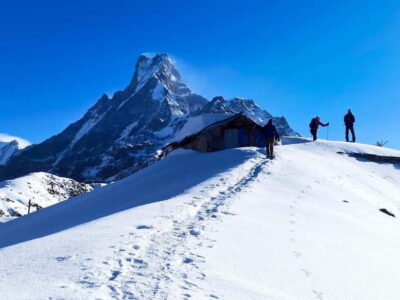 ★ 4.94-Day Mardi Himal Base Camp TrekFrom $13831 reviews
Lists this tour sits in