
REVIEW · BHAKTAPUR & PATAN TOURS
Private Half Day Kirtipur Trip With Newari Food Tasting
Kirtipur is a small hill town with a big cultural feel. In just four hours, you get guided walking time through winding lanes, temple visits that explain everyday faith in Kathmandu Valley, and an actual Newari feast tasting that shows why this cuisine is a Nepal must. I especially like the mix of “slow walk” streets and “look up” sightseeing, plus the way this stop gives you a real sense of the Newar people as the original inhabitants of the Valley.
The main thing to consider is pacing. One downside I’d plan for is that some guides may lean into longer explanations, so if you prefer short, practical answers, you’ll want to steer the conversation toward what you care about (food, photos, or quick culture notes). Also, the Newari lunch is spicy, so come ready.
In This Review
- Key points you should care about
- Kirtipur on a hill southwest of Kathmandu, and why it feels different
- How the private half-day works in real life (pickup, pace, and comfort)
- Wandering the winding streets, cobblestones, and carved architecture
- Bagh Bhairab Temple: where local faith meets dramatic details
- Uma Maheshwar Temple and the Theravada monastery stop
- Chilancho Stupa shrine, a calmer pause during the walk
- Newari food tasting: the lunch you should plan your appetite for
- Views of Kathmandu and Patan you can actually enjoy between stops
- Price and value: is $120 per person fair for a four-hour private day?
- Who should book this Kirtipur food and culture trip
- Should you book? My straight answer
- FAQ
- How long is the Kirtipur trip with Newari food tasting?
- Where does pickup happen?
- What is included in the price?
- Are drinks included with the Newari lunch?
- What places are visited during the tour?
- What languages does the guide speak?
- Is the food spicy, and what should I bring?
- Is it possible to cancel and get a refund?
Key points you should care about
- Kirtipur’s hilltop setting gives you Kathmandu and Patan views while you walk
- Newar culture focus means you see architecture and faith through the Newar lens
- Temple and monastery route includes Bagh Bhairab, Uma Maheshwar, and a Theravada Buddhist monastery
- Chilancho Stupa shrine adds a calmer, less touristy landmark stop
- Newari lunch tasting is part of the experience, not an optional add-on
Old towns beyond Kathmandu, compared


Kirtipur on a hill southwest of Kathmandu, and why it feels different
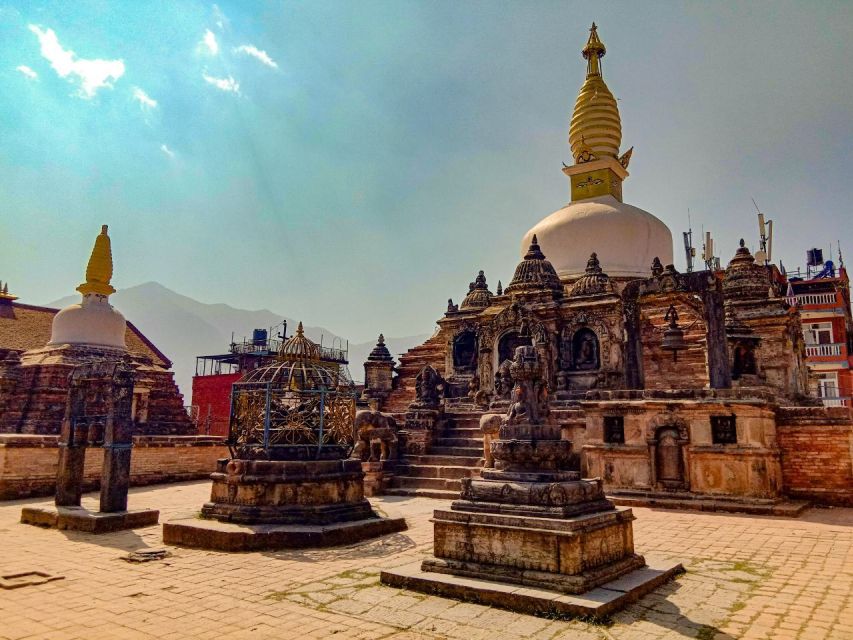
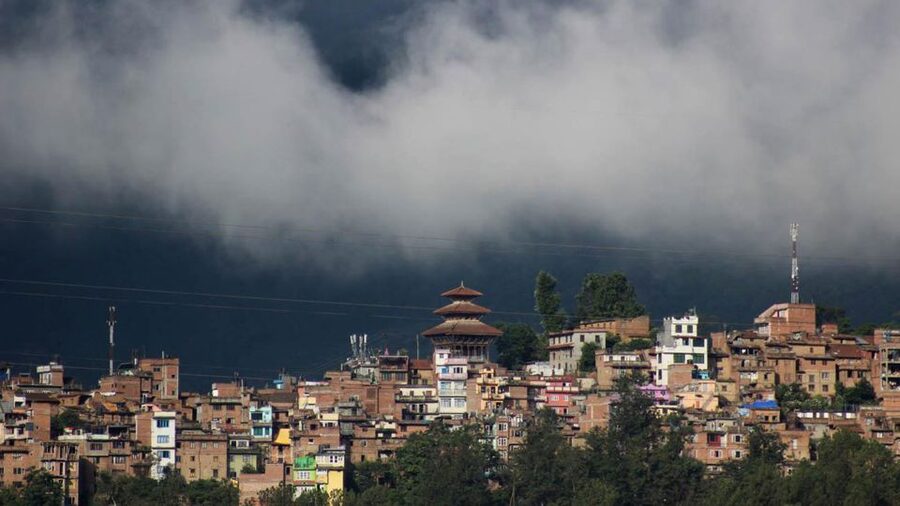
Kirtipur sits on a hill to the southwest of central Kathmandu, and it was once its own kingdom within the Kathmandu Valley. Today it’s part of greater Kathmandu, but the vibe is still closer to a traditional Nepali village than a downtown neighborhood. If you like places where you can see older brickwork, carved details, and everyday life side by side, this is an easy win.
What I like most is that Kirtipur is a strong place to understand the Newar people, one of Nepal’s distinct ethnic groups and often described as the original inhabitants of the Kathmandu Valley. When your guide talks about temples and street patterns here, it feels connected to community life, not just monuments. In a half-day, that context can make the whole walk click.
The hilltop location also matters. You are not only walking through old streets, you’re repeatedly reminded you’re above the city, with the valley spreading out behind you. That’s the kind of sightseeing that makes photos feel worth it, even in limited time.
How the private half-day works in real life (pickup, pace, and comfort)
This is private, which usually means you’re not stuck timing your questions to match a bigger group. You’ll be picked up in Kathmandu at hotels inside the city ring road area, then returned after the four-hour experience. A private transfer also helps because Kirtipur is easiest to enjoy when you do not waste energy figuring out getting around.
The standard time window is tight, so wear comfortable shoes and expect a guided walking flow rather than a sit-and-watch program. Also, the tour is not designed for wheelchair users, so plan for uneven paths and steps where you may need to move slowly. You should also travel light. The information says no pets and no luggage or large bags.
One practical tip if you’re picky about guides: ask early what your pace preference is. If you want more time for views and food, say so right away. I’ve seen this kind of tour can go either way depending on how the guide structures explanations, and you’ll enjoy it more if the guide knows what you want most.
Wandering the winding streets, cobblestones, and carved architecture
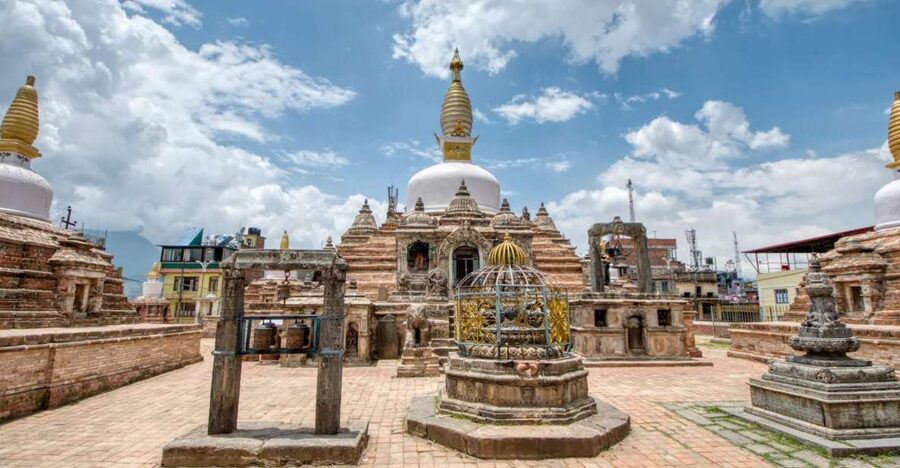
Kirtipur’s streets are the main attraction even before the temples. Expect cobblestone lanes, old brick houses, and elaborately carved door and window frames that make the town feel handmade and detailed. In many Kathmandu neighborhoods, architecture can blur into background noise. Here, the textures and designs pull you in at a human walking speed.
As you move through the lanes, keep an eye on the layered religious forms. Kirtipur has multitiered pagodas, and you’ll often see religious structures integrated into the way buildings sit on the hill. That gives you a better sense of how faith is part of the neighborhood, not something separated behind fences.
Photo-wise, look for the small compositions: a carved doorway with street life nearby, a temple roof line against the sky, or the geometry of a pagoda tiered from below. The walk is also where you’ll likely feel the biggest payoff from the guide, because they can point out what you’re looking at and why it matters.
And yes, you get that “I’m in a real place” feeling. The route is described as village-like, but with the bonus of major viewpoints. That combination is why this tour works so well for travelers who want both culture and scenery in one package.
Bagh Bhairab Temple: where local faith meets dramatic details
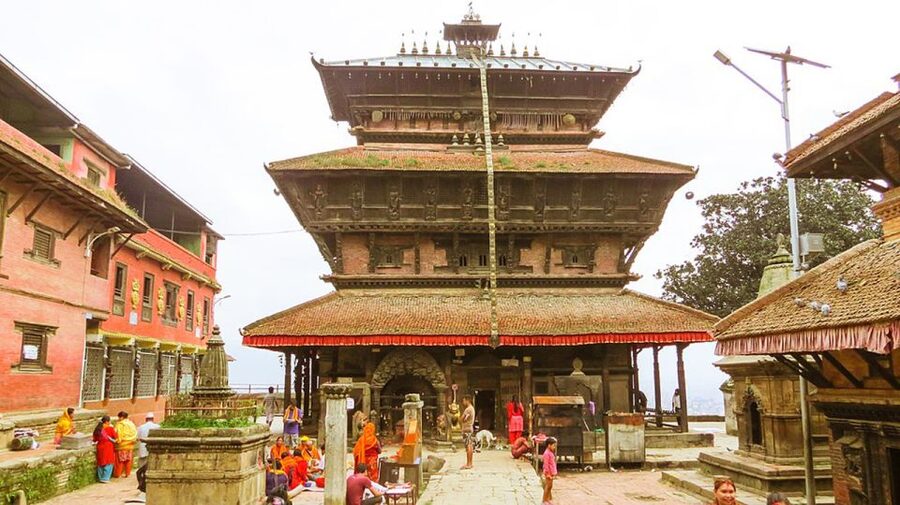
One of your stops is Bagh Bhairab temple, a named place on the route. Bhairab sites in Nepal typically connect people to protective, fierce-energy traditions, and in Kirtipur you’ll likely feel that the temple sits inside the neighborhood’s daily rhythm. Even if you are not an expert on the symbolism, being there with a guide can help you understand what you’re seeing beyond random decorative stone.
What to expect here is a mix of structure and atmosphere. You’re not just passing a building. You’re visiting a specific temple, learning how locals relate to it, then moving on. That rhythm keeps the half-day from becoming repetitive. It also means you’ll likely spend just enough time at each stop to keep energy up for the next viewpoint and the lunch.
A consideration: if you are sensitive to crowds or prefer to move quickly, you may need to stay flexible. Temple sites can have busy moments depending on the day. Still, the guided time helps you get the right context quickly, so you are not stuck guessing what to notice.
Slower, more local afternoons

Uma Maheshwar Temple and the Theravada monastery stop
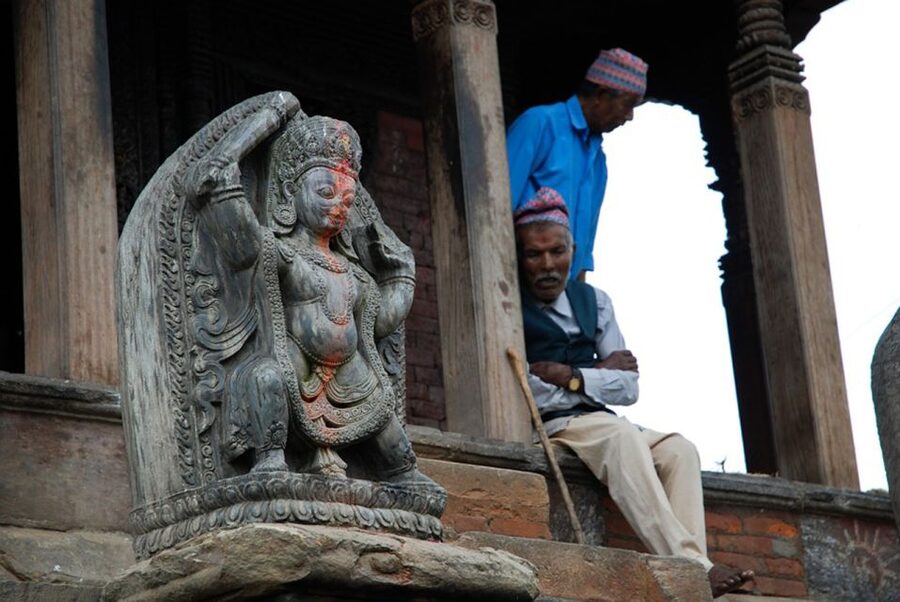
Next, your route includes Uma Maheshwar temple and a Theravada Buddhist monastery. This matters because it shows how different strands of religion sit side by side in the same valley culture. Kathmandu Valley is famous for blending traditions, and this stop helps you see that blend in a practical, “walk to the next place” way.
At Uma Maheshwar, you can expect another temple experience with architectural focus and explanation. The point is not just to say you visited a temple, but to understand what this particular place represents inside the broader local religious landscape.
Then the route shifts to a Theravada Buddhist monastery, which adds a different spiritual flavor. You’ll likely notice changes in atmosphere and how people move through the space. Even if your time there is not long, the contrast tends to make the tour more memorable, because it expands what you thought you would see in Kathmandu beyond one style of worship.
One reason I like a route like this for first-time visitors: it gives you variety without requiring you to cover the whole city. In four hours, you get multiple “chapters” of the culture story.
Chilancho Stupa shrine, a calmer pause during the walk
Your route also includes Chilancho Stupa shrine, a unique stupa stop. Stupas in Nepal aren’t just scenic objects. They’re religious markers tied to practice, respect, and local beliefs. A stupa stop on a half-day tour gives your legs a moment to reset and lets you absorb the setting.
This is also the kind of stop that tends to make the tour feel more authentic. In many places, visitors collect a photo and move on fast. With a stupa, the experience is more about quiet attention, and the guide can help you understand the basics of what you are looking at.
If you like photography, stupa visits often offer great angles, especially from slightly elevated positions. Kirtipur’s hilltop layout helps here, because you’re often looking outward while also looking upward.
Newari food tasting: the lunch you should plan your appetite for
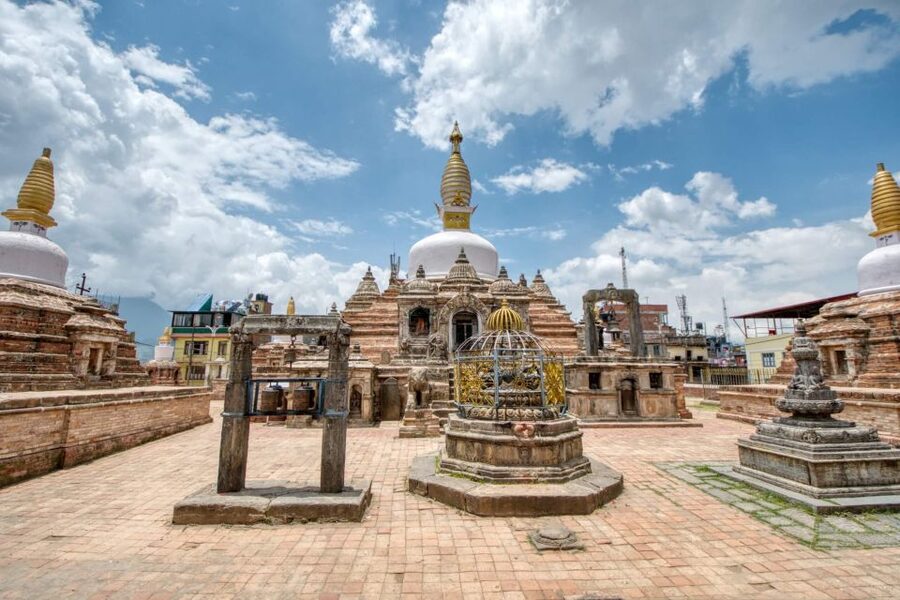
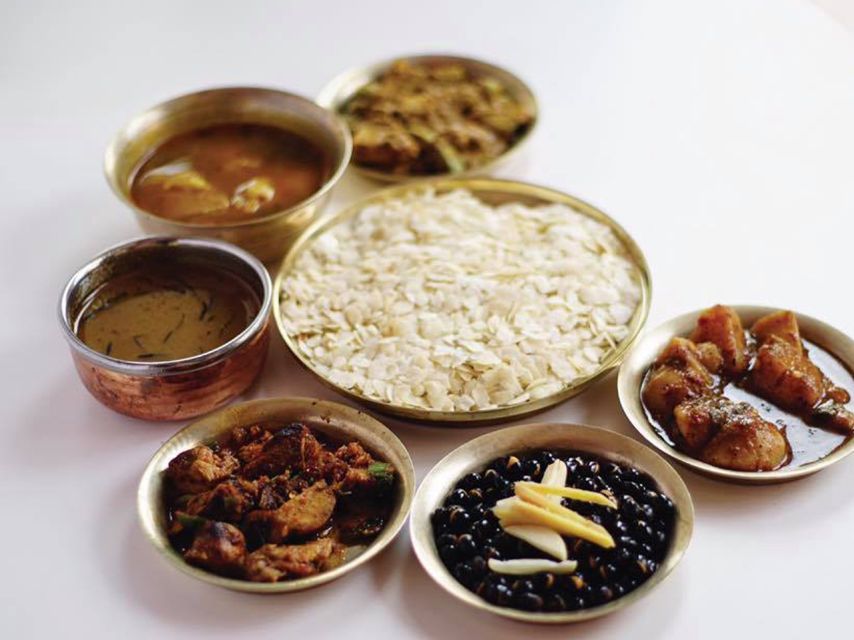
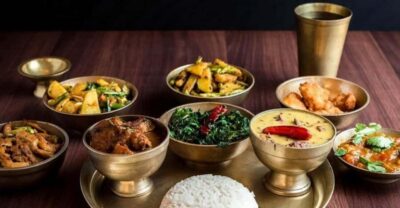
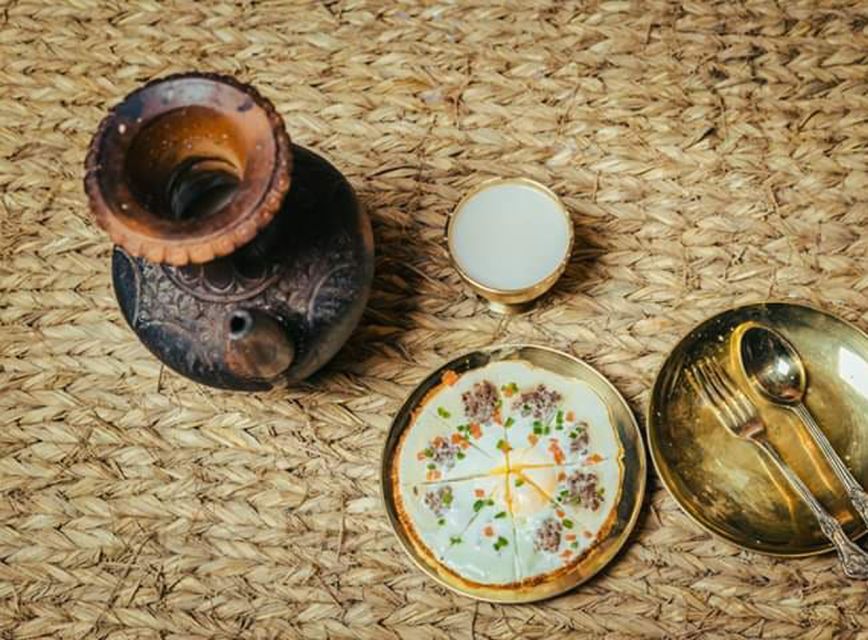
The highlight on paper is the Kirtipur architecture and temple route, but the standout in practice is usually the Newari lunch. A traditional Newari feast is described as a must-eat in Nepal, and you do not just get a quick bite. You get a lunch that is part of the tour experience.
The important warning is simple: the food is spicy. If you know your spice tolerance is low, you’ll want to pace yourself from the first course. Also, consider choosing water-smart habits during the meal, because spicy food can sneak up on you faster than you expect.
What I like about including food tasting in a cultural tour is that it anchors the culture story in something you can taste. Architecture and temples can be abstract when you are in “photo mode.” Food turns the day into a multisensory memory.
If you’re adventurous, this tasting is a chance to experience why Newari cuisine is considered one of the must-try cuisines in Nepal. If you’re cautious, go in with a plan: take small samples first, ask your guide how the meal is structured if they explain it, and don’t feel pressure to finish everything.
Also remember drinks are not included. The lunch is included, but you’ll want to have your own plan for what you want to drink during the meal.
Views of Kathmandu and Patan you can actually enjoy between stops
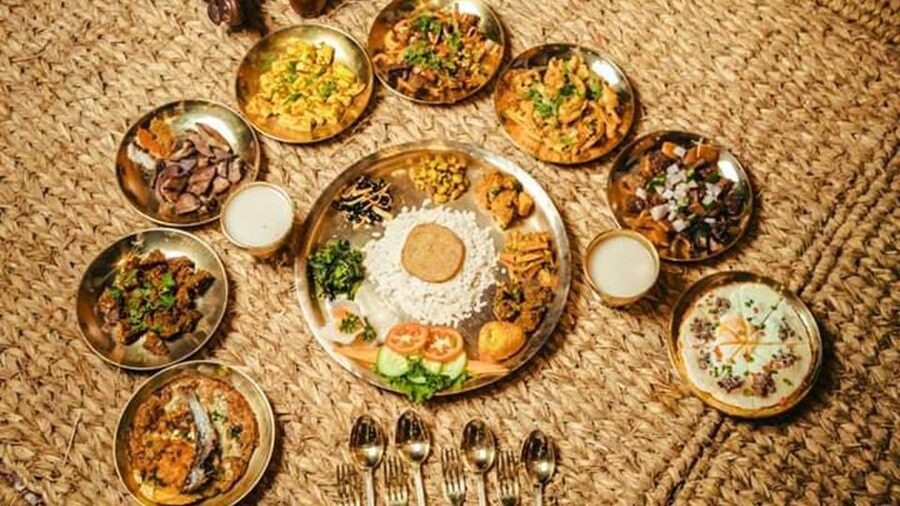
Kirtipur is known for sweeping views of Kathmandu and Patan. In a four-hour schedule, the best sightseeing is often the kind you get while walking rather than only at one big viewpoint. On this tour, that hilltop perspective shows up along the way.
Here’s how to make the views work for you: stop scrolling when you reach the lookouts. Take a breath, rotate your camera, and try to identify the “layers” of the city rather than just one pretty postcard angle. When you can see the city spread out, you understand why Kirtipur was valuable as a hill settlement.
The mix of street wandering plus viewpoints is also what makes this feel like more than a checklist. You get to experience the town’s texture, then you get to look outward and feel the scale.
And because the tour is private and timed for four hours, you’re not usually forced to rush through the view like a mass group transfer might do.
Price and value: is $120 per person fair for a four-hour private day?
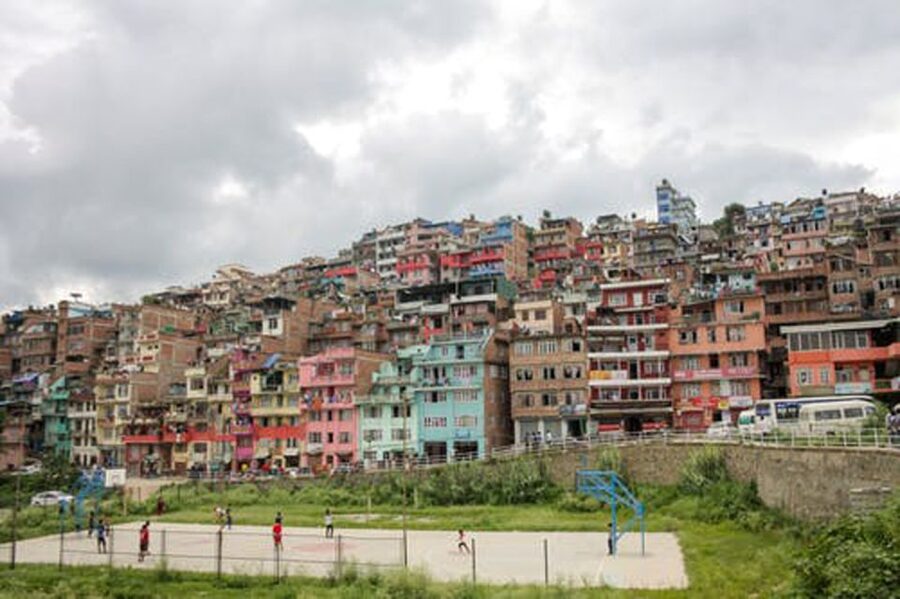
At $120 per person for four hours, you should judge value by what’s included, not just the headline number. This experience includes a private transfer, all entrance fees, the Newari lunch, and the guide fee.
If you were to DIY it, you might spend money on transport, then separately pay for admissions, then still need someone to interpret the temples and architecture so you actually understand what you’re seeing. This tour wraps those pieces into one plan, which is especially useful in a city where logistics can eat time.
That said, it’s also fair to be honest about who this price is for. If your goal is only the view and you don’t care much about guided context, you could use a taxi to get up to Kirtipur and keep it simple. Some travelers are happy doing that kind of fast up-and-back day.
Where the tour tends to win is when you want more than a quick stroll: you want the Newar context, temple stop interpretation, and a real Newari lunch included. If you fall into that camp, $120 feels like a “pay for time saved and meaning added” price.
One more detail: drinks aren’t included, so factor that into your total budget if you drink a lot during the day.
Who should book this Kirtipur food and culture trip
This tour makes the most sense for travelers who want a compact day with real local flavor. You’ll probably enjoy it if you:
- like walking through old neighborhoods with good architecture
- want guided context about Newar culture and Kathmandu Valley faith
- look forward to a proper included meal, not just a snack
It may not be the best fit if you:
- need a wheelchair-accessible route
- cannot handle spicy food
- prefer minimal talking and very short explanations
It also fits well for people who are staying in Kathmandu and want a meaningful half-day outside the busiest central streets. Because it’s private and time-limited, it’s easy to slot between other city plans.
Should you book? My straight answer
Book this tour if you want Kirtipur to feel like a real cultural day, not a random temple hop. The combination of Newari food, guided temple stops (including Bagh Bhairab, Uma Maheshwar, Chilancho Stupa, and a Theravada monastery), plus Kathmandu and Patan views gives you multiple ways to remember the place, even in just four hours.
Skip it if your idea of value is only transportation to viewpoints and back, or if you know you dislike spicy meals and long explanations. In that case, a simpler taxi day might suit you better.
If you do book, go in with comfortable shoes, keep water in mind for spicy lunch, and tell your guide how you want the time spent. You’ll get the most out of Kirtipur when the guide knows your priorities.
FAQ
How long is the Kirtipur trip with Newari food tasting?
The tour duration is 4 hours.
Where does pickup happen?
Pickup and drop-off are offered from hotels inside Kathmandu city ring road. You need to provide the hotel name.
What is included in the price?
It includes private transfer, all entrance fees, Newari lunch, and the guide fee.
Are drinks included with the Newari lunch?
No, drinks are not included.
What places are visited during the tour?
You will visit Bagh Bhairab temple, Chilancho Stupa shrine, Uma Maheshwar temple, and a Theravada Buddhist monastery.
What languages does the guide speak?
The live tour guide speaks English and Japanese.
Is the food spicy, and what should I bring?
The traditional Newari feast is spicy. Bring passport or ID card, comfortable shoes, sunglasses, and a sun hat.
Is it possible to cancel and get a refund?
Yes. Free cancellation is available up to 24 hours in advance for a full refund.
The Rest of Our Kathmandu Write Ups





Craft, Ritual and Village Life




Bhaktapur and Patan, Brick by Brick
Everything else we have reviewed around Kathmandu
- 12 Days Everest Base Camp Trekking
★ 5.0 · 3 reviews - 1 Night 2 Days Chitwan Jungle Safari Tour from Pokhara or Kathmandu
★ 3.0 · 3 reviews - Thamel Rickshaw tour
★ 4.7 · 3 reviews - Kathmandu: Momo Making Class with a Local Chef
★ 5.0 · 3 reviews - Kathmandu: Full-Day Yoga, Body Massage and Pedicure Package
★ 5.0 · 3 reviews - From Kathmandu / Pokhara / Chitwan: River Rafting – 1 Day
★ 4.6 · 3 reviews
Bhaktapur & Patan Tours worth a second look.
 ★ 5.0Private Bhaktapur and Nagarkot Day Tour From KathmanduFrom $20305 reviews
 ★ 5.0Day Trip to Bhaktapur and Panauti from KathmanduFrom $34184 reviews
 ★ 4.7Nagarkot Sunrise and Hike Tour to Changu NarayanFrom $55151 reviews
 ★ 4.8Everest View from Nagarkot & hike to ChanguFrom $43140 reviews
 ★ 5.0Nagarkot Sunrise & Hike to Changu Narayan Day Tour from KathmanduFrom $25126 reviews
 ★ 5.0Bhaktapur & Patan Durbar Square Day ToursFrom $50122 reviews
 ★ 5.0Nagarkot Sunrise & Bhaktapur UNESCO Heritage Private TourFrom $5066 reviews
 ★ 4.7Private Patan and Bhaktapur Sightseeing TourFrom $4964 reviews
Lists this tour sits in