
REVIEW · MARDI HIMAL TREKS
4 Days Mardi Himal Base Camp Trekking in Pokhara
Four days, serious Himalayan payoffs. This Mardi Himal Base Camp trek pairs an English speaking trekking guide with hotel pickup and private transport from Pokhara to Kande, so you start hiking with less stress. I also like how the plan builds in early, long trekking days that aim for the best mountain light at each camp. One consideration: meals are not included, and you’ll need to budget about 3,500 NPR per person per day.
What makes this trek feel practical, not cookie-cutter, is the route thinking. You’ll pass through well-known waypoints like Australian Camp, but you also get a trail style that favors quieter paths and community stops, not just the most direct walking line. Add guesthouse accommodations each night and you can focus on the trek, not on constant logistics.
Because it’s set up as a private trip for your group, the pace can stay consistent, which matters on the longer days up to High Camp and the base camp. You’ll also end with a sharing jeep from Siding Village back to Pokhara, so the finish feels easier than it would if you had to figure out your own ride.
In This Review
- Key highlights you’ll care about
- Mardi Himal Base Camp, in plain terms
- Pokhara to Kande: transfers that protect your first day
- Kande to Forest Camp through Australian Camp
- Forest Camp to High Camp: rhododendron trails and early light
- High Camp to Mardi Himal Base Camp: the long viewpoint day
- Siding Village downhill and back to Pokhara
- Price and included essentials: what you’re really buying for $245
- Fitness, gear, and pacing tips that will save you time
- FAQ
- How long is the Mardi Himal Base Camp trek?
- Where does the trek start and how do you get there from Pokhara?
- Are permits included?
- Is an English speaking guide provided?
- Where do you stay overnight?
- Are meals included?
- Is the trek private?
- What is the cancellation policy?
- Should you book this 4-day Mardi Himal trek?
Key highlights you’ll care about
- English speaking guide who can help you stay confident on the trail
- Private transport from Pokhara to Kande to reduce first-day friction
- Australian Camp to Forest Camp routing that eases you into the climbs
- Rhododendron forest walking on the way to High Camp
- Early start emphasis to reach Mardi Himal Base Camp with better views
- Guesthouse stays included plus a sharing jeep return from Siding Village
Still on the Mardi ridge? A few more
Mardi Himal Base Camp, in plain terms
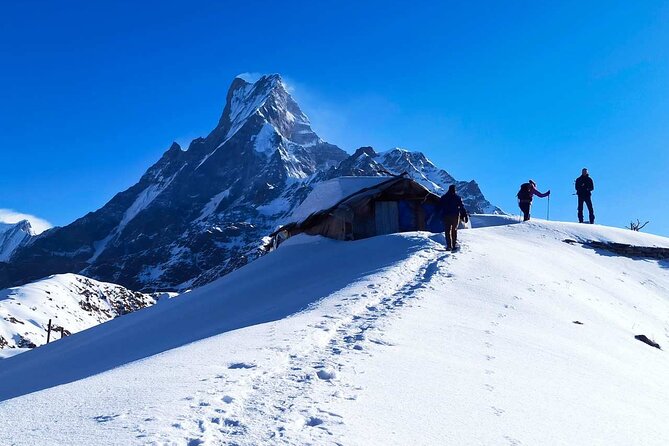
Mardi Himal Base Camp is one of those treks where the reward comes from the rhythm. You hike steadily through forests and camp zones, then the mountains gradually get bigger, clearer, and more dramatic as the days go on. It’s a good match if you want real Himalaya time without committing to a longer, higher-altitude itinerary.
The big promise here is viewpoint progression. You start with first glimpses around Kande and Australian Camp, then you build toward the higher camps where the sky often looks sharper. By the time you reach base camp, the day is long, but the payoff is the sense of being close to the peaks and seeing wide panoramas from a spot that feels earned.
The trek is rated for moderate physical fitness, which is exactly what you should expect for a 4-day plan. If you can handle uphill walking and cold mornings, you’re in the right zone. If you’re looking for a couch-to-view hike with no effort, you may find it too demanding.
Pokhara to Kande: transfers that protect your first day
Your day starts in Pokhara with hotel pickup. From there, you travel by private car to Kande, which is a smart way to preserve energy for the actual hiking. It also reduces the “where do I go next” stress that can creep in on multi-day treks, especially if you’re not familiar with the area.
Kande is where your trekking time truly begins. Once you start walking, you’ll be moving through a mix of trail types as you rise toward the camp zones. The private transfer matters because the trek is only 4 days total, so every hour you spend hiking counts.
One extra value point is that you’re not doing everything alone. You’ll have an English speaking guide, and you’re trekking with a structure: guided movement, included permits, and overnight guesthouse lodging. That setup is especially helpful if you’re hiking with comfort on your mind, or if you prefer not to figure out trail decisions by yourself.
Kande to Forest Camp through Australian Camp
This first trekking day is built to get you going without a sudden, brutal jump. You leave Kande and walk past Australian Camp, then continue toward Forest Camp. The whole hiking stretch is about 6 hours, so it feels like a “get your legs working” day rather than a punishing endurance test.
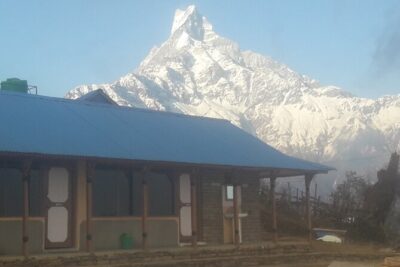
Australian Camp is a great mental marker. It’s a familiar stop that helps you measure progress and gives you a point along the way to pause, hydrate, and take in the changing mountain views. From there, the trail keeps rolling toward Forest Camp, where you settle in for the night.
Forest Camp is where the trek starts to feel like a real multi-day journey. You’re in the zone where the vegetation and weather can shift, and you’ll likely find the air cooler as the day continues. The advantage of starting like this is that you build rhythm. By the time you sleep, you’ll feel like you’ve begun the trek in the right way.
Practical note: because you don’t have meals included, you’ll want to plan for lunch and dinner costs at the teahouses. That planning is easier if you budget from the start, then you can enjoy the day instead of doing math on the trail.
Forest Camp to High Camp: rhododendron trails and early light
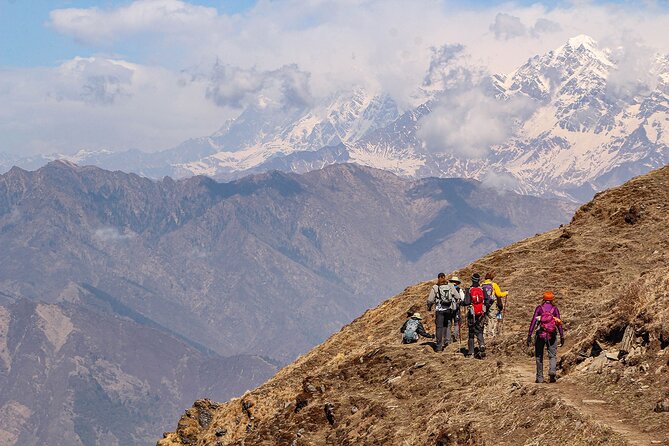
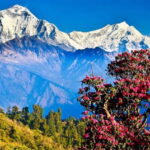
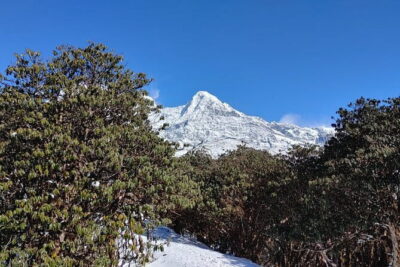
Day two is all about heading upward from Forest Camp toward High Camp, with another about 6 hours of trekking. This is one of the most pleasant segments because the trail runs through rhododendron forests, so you’re not just staring at elevation gain. You get a more textured walk, with shade, changing scenery, and a steady climb.
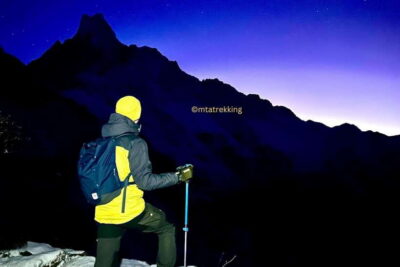
Starting early matters here. The plan is set to move you along the trail when visibility is often better and the light has that crisp Himalayan feel. When you reach the higher camp, you’re not just arriving tired. You’re arriving closer to big views and better mountain clarity.
High Camp is also where you’ll feel the approach toward base camp psychologically. By this point, the trek stops being “nice walk in the hills” and becomes “serious viewpoint mission.” Your guide’s role helps you keep pacing steady and avoid the classic mistake of burning too much energy too early.
What I like about this design for you is the balance. It’s not a sketchy, last-minute style plan. You have structure, camp-to-camp movement, and a day length that fits a 4-day schedule. You’ll still feel fatigue, but it should feel managed.
Other lodge to lodge routes near Pokhara
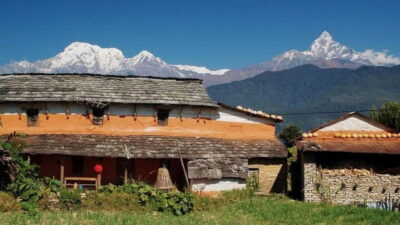

High Camp to Mardi Himal Base Camp: the long viewpoint day
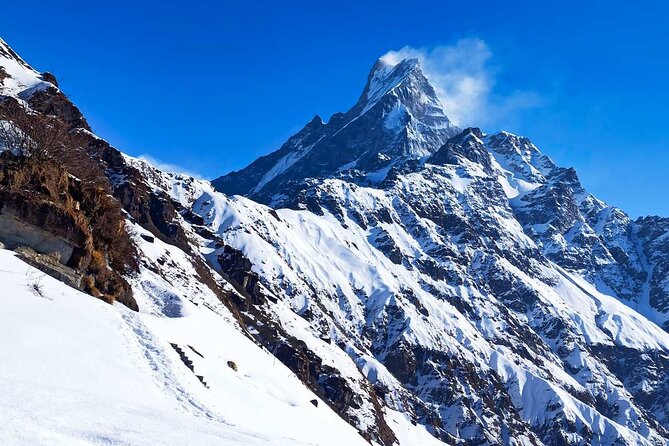
Day three is the one with the longest effort, roughly 8 hours total. You start early from High Camp toward Mardi Himal Base Camp, then you return to Low Camp afterward. That early start is the key theme of this day, because base camp views tend to be most rewarding when you’re there before conditions turn harsh.
The trek itself is a momentum day. You’ll be walking for hours with fewer breaks that feel like sightseeing and more breaks that feel like survival and strategy: sip water, eat something small, keep warm when the air bites, and let the terrain do its job. The good news is that the route is guided, and you’re not making navigation decisions while tired.
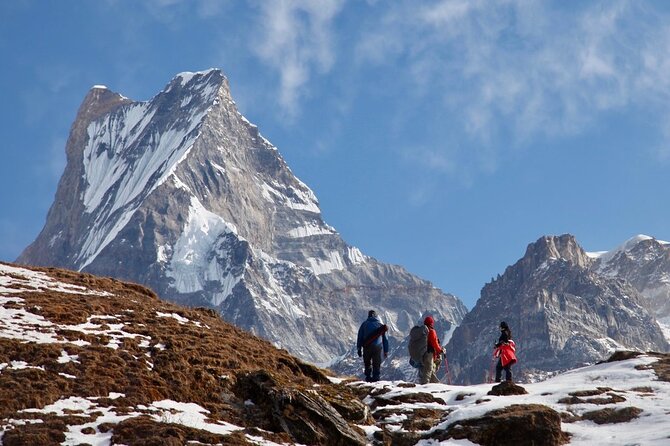
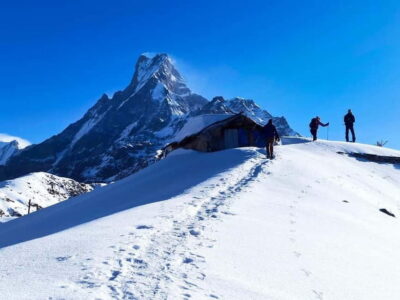
Once you reach base camp, the reward is the sense of scale. You get panoramic vistas and a closer-feeling view of the Himalayas than you get from the lower camp areas. It’s the kind of moment where your earlier effort makes sense, even if you’re counting steps on the way up.
Then comes the return to Low Camp, which is your reset. It’s not the easiest part, but it sets you up to finish on day four with a descent that feels like freedom rather than another grind.
Siding Village downhill and back to Pokhara
Day four is a long-ish finish, about 9 hours, but the emotional payoff is big. You trek downhill from the low camp area toward Siding Village. That downhill walking is usually easier on breathing than the uphill days, but it can still be tough on knees, especially if you move too fast.
From Siding Village, the plan arranges a sharing jeep back to Pokhara. That is a practical win. You get to stop walking without needing to negotiate transport after a multi-day trek, which makes the finish smoother and helps you recharge sooner.
Once you’re back in Pokhara, you can treat it like a transition day. Eat well, hydrate, and give your body time to cool down from the altitude swings you’ve been dealing with. If you’re using Pokhara Lakeside as your base, you’ll find it easier to settle quickly with shops and restaurants nearby.
This final day is also where you should be mindful about pacing. Going downhill too aggressively can turn a scenic trek into a stiff-body problem for tomorrow. Wear supportive shoes, take shorter steps, and let gravity do less damage.
Price and included essentials: what you’re really buying for $245
At $245 per person for a 4-day guided trek, you’re paying for more than the walking route. You’re buying the structure that makes the trek feel safe and navigable: hotel pickup and drop off, trekking permits (including TIMS), an English speaking guide, and transfers (Pokhara to Kande by private car, Siding Village to Pokhara by sharing jeep). You’re also getting guesthouse accommodations each night.
That matters because the hidden costs on Himalayan treks are often the permits, guiding, and transport. When those are included, you can budget faster and feel calmer. You still need to plan for meals, since they’re not included, and that’s around 3,500 NPR per person per day.
You also get a private trip setup for your group. Private can be valuable if you want your timing to stay consistent, especially on the early-start days. Group discounts are listed as a feature too, but the exact value depends on your group size.
Bottom line: this price looks like good value if you want organized logistics and a guide who can help with pacing and trail confidence. It’s not a bargain if you already have a guide, your own permits, and your own transport worked out.
Fitness, gear, and pacing tips that will save you time
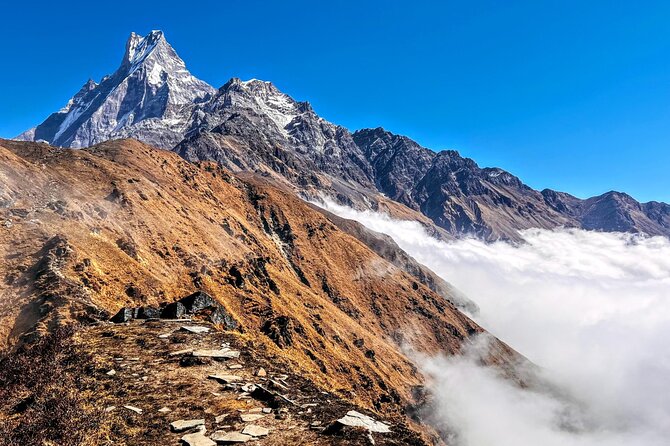
This trek is for moderate physical fitness. That usually means you should be able to walk for 6 to 9 hours a day, handle uphill segments, and accept that the pace will be “steady and consistent,” not “run it.” If you’re coming straight from sedentary days, give yourself a couple of weeks of preparation: short hill walks, stairs, and daily leg mobility.
Gear-wise, the biggest practical needs are good shoes and layers. Even when the afternoons feel fine, higher camps can bring cold air and changing conditions. Wear layers you can add or remove quickly, and bring a rain plan even if the forecast looks calm.
Pacing is simple but crucial. Start slower than you think you need to on climb days, then settle into a rhythm. Your guide helps you keep that rhythm. And since meals cost extra, you’ll benefit from planning snacks and energy intake so you’re not stuck making poor decisions when you’re hungry.
If you’re hiking solo and want extra confidence, the guide-forward setup, hotel pickup, and included transport are the practical pieces that help you feel grounded. You’re not relying on improvisation while you’re tired and far from town.
FAQ
How long is the Mardi Himal Base Camp trek?
It runs for about 4 days. Hiking time per day is roughly 6 hours on the first and second days, about 8 hours on day three, and about 9 hours on day four.
Where does the trek start and how do you get there from Pokhara?
You get hotel pickup in Pokhara and travel to Kande by private car. Trekking begins from Kande and you move camp to camp toward Mardi Himal Base Camp.
Are permits included?
Yes. The trekking permit and TIMS are included in the package.
Is an English speaking guide provided?
Yes. An English speaking trekking guide is included.
Where do you stay overnight?
You stay in guesthouse accommodations during the trek.
Are meals included?
No. All meals are not included. Meals are available to purchase, and the suggested budget is about 3,500 NPR per person per day.
Is the trek private?
Yes. It’s listed as a private tour/activity, and only your group will participate.
What is the cancellation policy?
You can cancel for a full refund if you cancel up to 24 hours in advance of the experience start time. If you cancel within 24 hours, the amount you paid is not refunded.
Should you book this 4-day Mardi Himal trek?
If you want a Himalayan trek with organized logistics and an English speaking guide, this one is a solid fit. The included permits, pickup, guesthouse stays, and transfers make it easier to focus on the hike instead of paperwork and transport.
I’d book it if you can do moderate daily walking and you’re okay budgeting for meals. I would skip it if you’re looking for an easy, short stroll, or if you want meals included in the total price.
Lodge to Lodge Around Pokhara
The Rest of Our Pokhara Write Ups
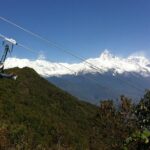
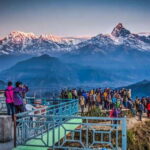


Mardi Himal, Keep Climbing
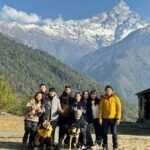
Everything else we have reviewed around Pokhara
- Pokhara: Cable Car Tour – Bird Eye View of Mountain & Lake
★ 4.4 · 3 reviews - Jomsom Muktinath Tour by 4WD SUV 2 Days
★ 5.0 · 3 reviews - Ghorepani Poonhill Private Trek – 2 nights / 3 days
★ 4.5 · 3 reviews - Pokhara: 30-Minute Paragliding Adventure with pick up/drop off
★ 4.5 · 3 reviews - Pokhara: 7-Day Annapurna Base Camp Trek via Ghandruk
★ 4.3 · 3 reviews - Pokhara Group Joining Sarangkot Sunrise Himalayas Tour
★ 5.0 · 3 reviews
Mardi Himal Treks worth a second look.
 ★ 4.94-Day Mardi Himal TrekFrom $13959 reviews
 ★ 5.0Private Mardi Himal TrekFrom $39942 reviews
 ★ 5.0Mardi Himal TrekFrom $1,05841 reviews
 ★ 4.94-Day Mardi Himal Base Camp TrekFrom $13831 reviews
★ 5.0Mardi Himal TrekFrom $39930 reviews
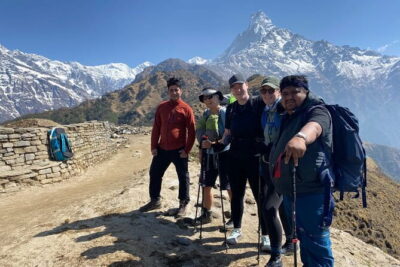 ★ 5.0Mardi Himal Trek NepalFrom $75029 reviews
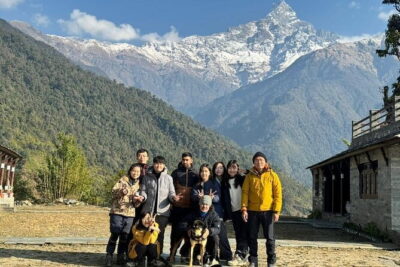 ★ 5.04 Day Mardi Himal Base Camp Trek from PokharaFrom $29018 reviews
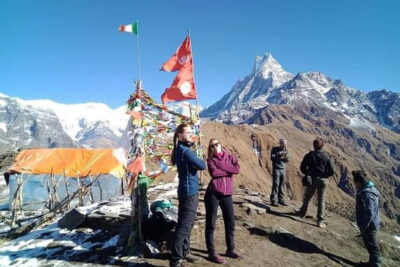 ★ 5.05-Day Mardi Himal Base Camp TrekFrom $18110 reviews
Lists this tour sits in