
REVIEW · THAMEL WALKING & RICKSHAW TOURS
Half Day Cooking Class in Thamel with Local Market Visit
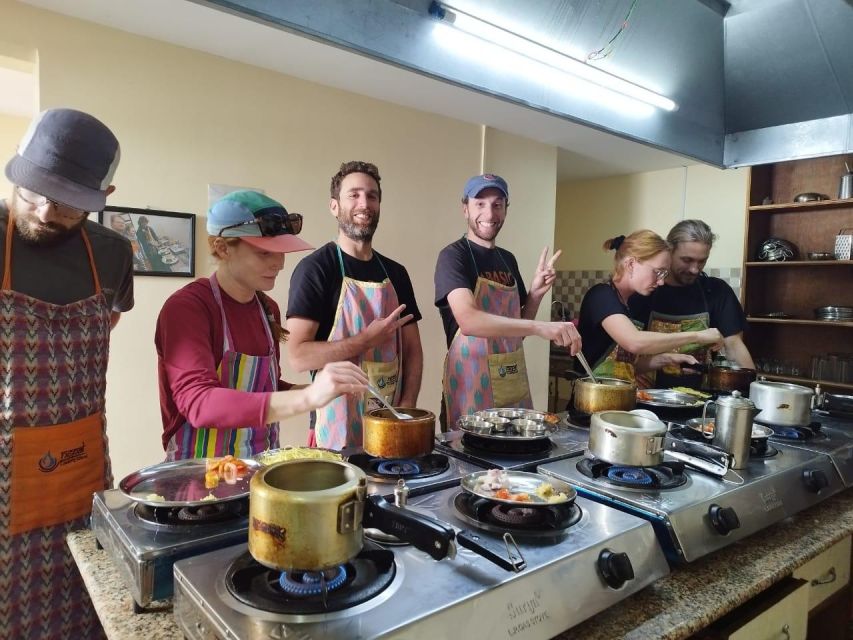
Cooking smells better than any souvenir. In Thamel, this half-day class is built around a real local market visit and hands-on cooking that keeps your food fresh and hot. You learn Nepalese flavors and spice logic as you go, then you eat what you cook.
Two things I especially like: the step-by-step guidance (so you are not just making random food), and the mix of traditional Nepali and Newari dishes across three menus. One possible drawback to plan for, especially if you are hunting for market time, is that a market stop may not happen in every class situation, so if you want to browse and buy, come with flexible expectations.
In This Review
- Quick Hits Before You Go
- Thamel Pickup, Timing, and Why the 3-Hour Format Works
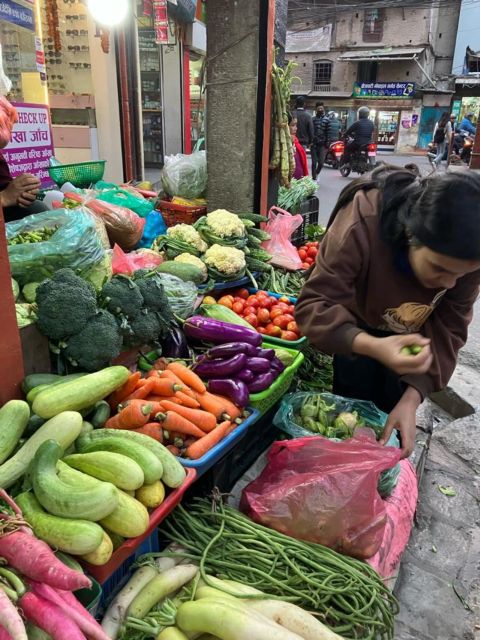
- The Local Market Visit: Fresh Ingredients and Real Spice Shopping
- Your Cooking Rhythm: One Course at a Time, Built for Flavor and Control
- Four Courses, Three Menus, and the Momo Guarantee
- Learning Nepalese Techniques Through Spices, Not Just Recipes
- What Is Actually Included, and What You Still Need to Plan
- Who This Class Fits Best (And Who Might Want Something Else)
- Price, Duration, and What You Really Get for $21
- Should You Book This Half-Day Cooking Class in Thamel?
- FAQ
- How long is the cooking class?
- What time classes are available in the day?
- Is the class taught in English?
- How big is the group?
- What will I cook?
- Do I get momos during the class?
- Do I eat what I cook?
- What is included in the price?
- What should I bring?
- Is pickup available outside Thamel?
- Are alcoholic beverages included?
Quick Hits Before You Go
- Small group, max 8: more attention from your English-speaking instructor, less waiting around.
- Market visit to ingredient setup: you shop for spices and produce you will actually use.
- One course, then you eat: cooking happens in the moment, so flavors taste brighter and food stays hot.
- 4 courses, 3 menu options: variety without making the class feel too long.
- Heat is yours to control: if you like chili, add more, if you do not, scale it back.
- Momos are included on every menu: you get a Nepalese staple without rolling the dice.
Still in Thamel? Keep wandering

Thamel Pickup, Timing, and Why the 3-Hour Format Works
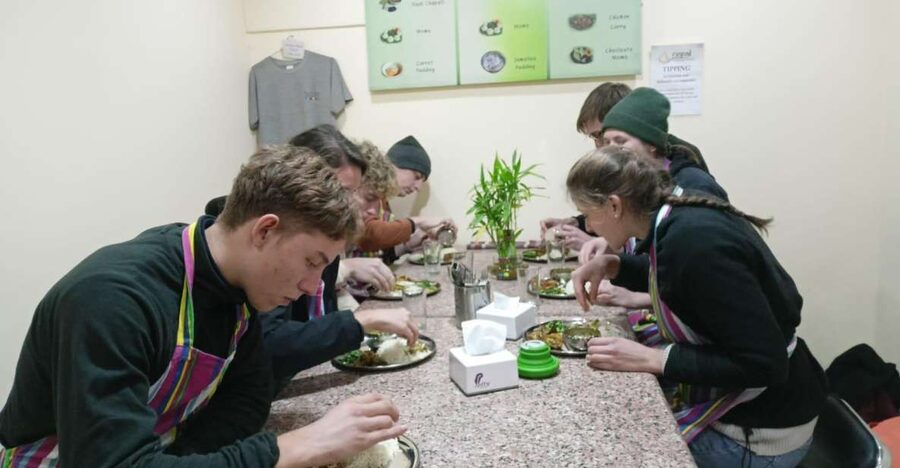
This experience runs for about 3 hours, with three shifts to match your day: 9:00 am, 1:30 pm, and 4:30 pm. That matters because cooking classes can easily eat your whole morning or evening, and here you get a satisfying meal and skills without blowing up your sightseeing plans.
Pickup is inside Thamel, by walking. If you are staying outside Thamel, you might need to make your own way in first, since pickup outside the area is not included. The good news is that Thamel is walkable for most visitors, so this tends to feel easy rather than complicated.
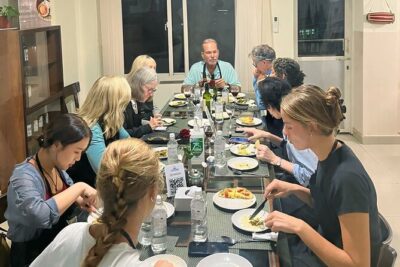
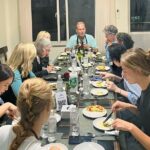
I like the small group setup, limited to 8 participants. In a group that size, you can ask questions while you are cooking instead of hoping your turn comes during a loud demo. And because the instructor is English-speaking, you spend your energy learning, not translating.
The Local Market Visit: Fresh Ingredients and Real Spice Shopping
The market visit is not just a sightseeing add-on. It is the ingredient pre-game that explains why Nepalese cooking tastes the way it does. You are seeing the raw materials first, then turning those same items into your meal shortly after.
This is also where you can learn to recognize spices by use, not just by name. Nepalese cooking leans hard on spice blends, aromatic roots, dried chilies, and the way heat builds through cooking stages. When you shop with that context, the classroom makes more sense.
One real-world consideration from a past class experience: someone noted that their Saturday morning session did not include the market visit. Another person flagged that spices purchased at the market felt expensive. If you are planning to buy spices to take home, I would treat it like a bonus, not a guaranteed deal. Your main win is knowing what to buy and why, then using it in your own cooking.
Tip for your planning: bring your camera, since photography is encouraged and you will likely want pictures of ingredients and how the market looks before it becomes dinner.
Your Cooking Rhythm: One Course at a Time, Built for Flavor and Control
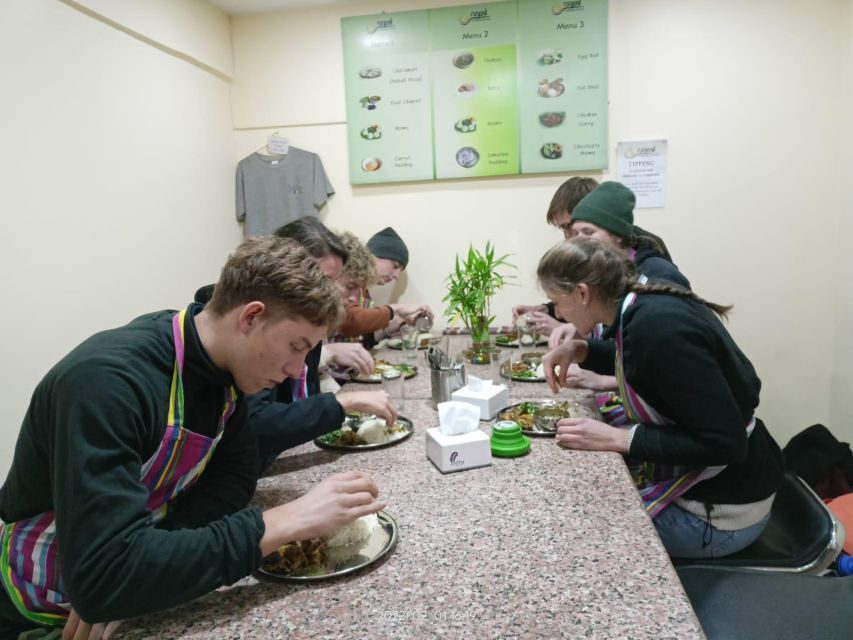
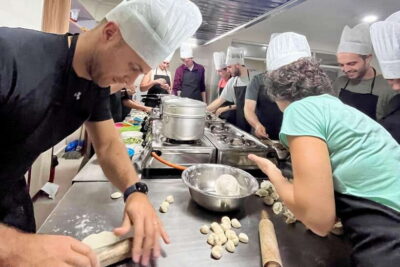
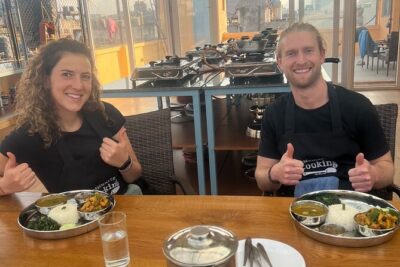
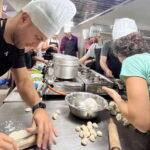
Here is the genius of the format: you cook one course and then eat it. That means your food is fresh and hot, and it also means the class stays interactive. You are not waiting through hours of production before tasting anything, and you can adjust your habits based on how the first dish turns out.
Your chef/instructor walks you through the full process step by step. This is not vague, hands-off cooking. It is more like learning by doing: you mix, you cook, you season, you taste, and you get corrections while it still matters.
A big practical perk is how adjustable the recipes are. Because you cook the dishes yourself, you can add as much or as little of ingredients, especially chili. If you love chili, you can go harder. If you do not, you can dial it back without feeling like you are breaking the rules. That flexibility is a big deal in a cuisine where heat is often a signature.
Expect lots of tasting along the way. You will taste your own creations, and that feedback loop helps you understand what each seasoning or step changes.
Four Courses, Three Menus, and the Momo Guarantee
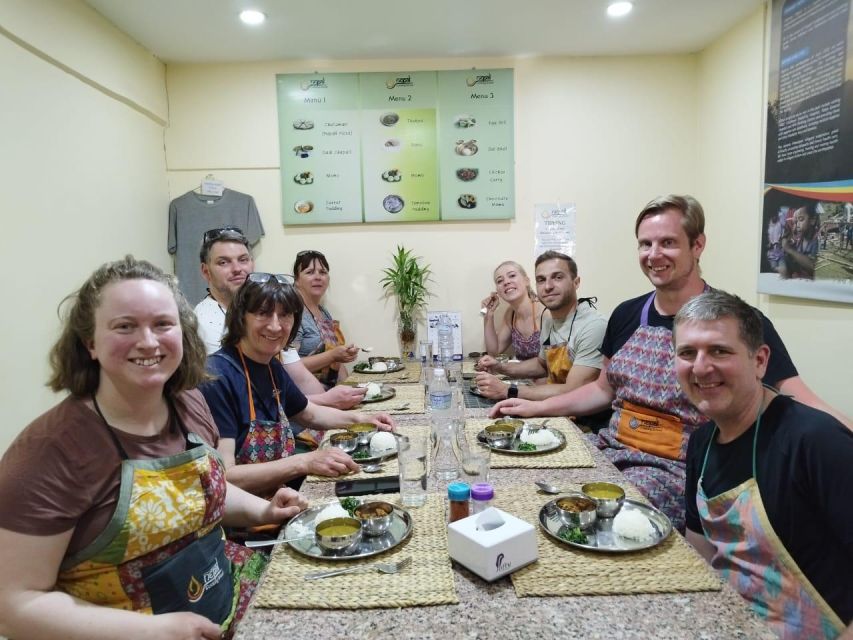
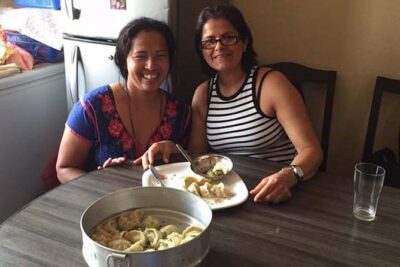
You will cook 4 courses of traditional Nepali and Newari food. The dishes come from three different menus, and each menu has four traditional dishes, so there is built-in variety. Even better, the class is designed so that momos are included on every menu, which removes the biggest uncertainty for many first-timers.
Why this matters for you: a 3-hour class can feel repetitive if it is only one dish made four ways. Here, the menus are structured as distinct dishes across courses. That gives you a broader feel for Nepalese and Newari flavors and cooking methods, not just one technique.
From one class experience, the menu selection was flexible enough that individual dishes could be adapted or swapped, even for a solo participant. So if you have preferences, this is the kind of class where asking questions early can help you get a better fit.
While you will not know every dish name in advance from the info provided, you can count on this: you will cook and taste a full menu arc, not a sampler of tiny bites. And because you eat what you just made, you get momentum rather than waiting.
Fold more momos: other Nepali kitchens
Learning Nepalese Techniques Through Spices, Not Just Recipes
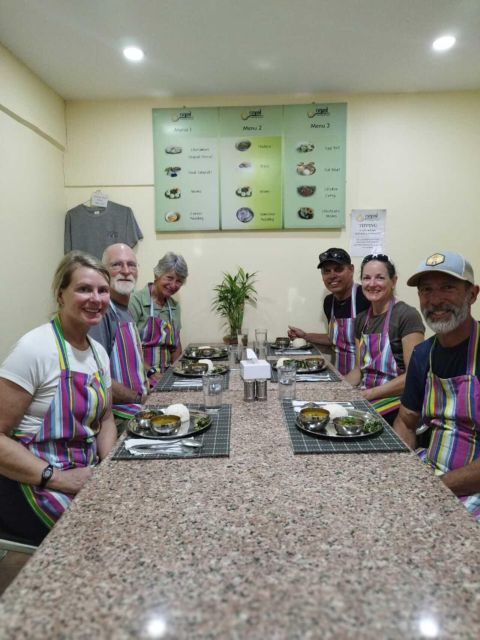
The class focus is not only the end result. It is how the food gets there: Nepalese spices and cooking techniques. You are learning the logic behind flavor, which is what makes this more useful than a one-time meal.
A few things this kind of class teaches well, and you will likely notice as you cook:
- How heat changes as food cooks, not just how much chili you add.
- How spice blends build aroma, then carry flavor through the dish.
- How seasoning decisions can be adjusted for your personal taste.
One past participant described the cooking team as a family of cooks who grow their own spices. Whether you see that firsthand or simply hear about it, the vibe is similar: this is not culinary cosplay. It is practical knowledge handed down through food you can taste.
Also, the atmosphere matters. Several positive notes mentioned a friendly, relaxed experience and kind instructors who explain patiently. In practical terms, that means you are more likely to understand what you are doing, not just follow steps until dinner appears.
What Is Actually Included, and What You Still Need to Plan
For $21 per person, you are getting a lot of the hard work done for you. Included items cover the basics that typically cost extra in self-guided cooking:
- Market visit
- 2 to 3 hour cooking class (listed as 3 hours total)
- 4 courses meal
- All equipment and ingredients
- English-speaking cooking instructor
- Pick up inside Thamel by walk
- Masala tea and drinking water
- Tasting what you cook
What is not included is also clear, and that helps you budget: pickup outside the Thamel area, alcoholic beverages, and private transportation.
So how is the value? In plain terms, you are paying for an entire hands-on dinner experience plus the ingredient sourcing. You do not have to shop for spices or figure out quantities, and you get guided technique practice for multiple dishes. If you are already spending a chunk of time in Thamel, this can be a strong use of half a day because you come away with both food and skills.
Practical note: come hungry. The class is designed around cooking and tasting multiple courses, and you will get a meal out of it.
Who This Class Fits Best (And Who Might Want Something Else)
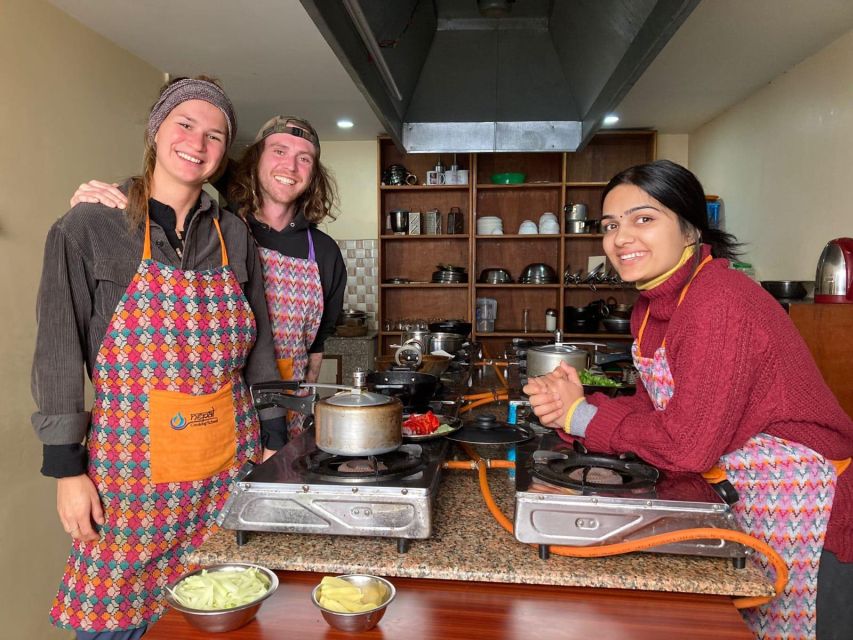
This experience is a great fit if you want a structured way to learn Nepalese food without needing advanced cooking skills. The step-by-step approach, English instruction, and ability to adjust chili level make it beginner-friendly.
It also suits travelers who like social but not chaotic settings. With a small group capped at 8 participants, you can interact and ask questions. One class experience even mentioned a solo participant feeling welcomed right away, which is a good sign if you do not want to wait for a friend to join you.
Consider a different type of activity if you are short on time and already know you only want a snack. This is a full meal plan: you are cooking four courses, and the focus is learning and eating, not just quick sampling.
And if your top priority is heavy shopping at the market, plan on flexibility. The market stop seems core to the concept, but at least one session reportedly did not include it, and another noted market spice pricing. Treat purchases as optional, not guaranteed.
Price, Duration, and What You Really Get for $21
For a 3-hour class, $21 is positioned as value pricing because you get several elements bundled together. You are not just paying for a cook to show you steps. You are paying for:
- ingredient sourcing support through the market visit
- hands-on cooking for four courses
- guided seasoning and technique help
- meal service through your own tasting
If you tried to replicate this yourself in Kathmandu, you would spend time shopping, figuring out quantities, and cleaning up supplies. Here, all of that is handled, and you spend your time cooking and learning.
The takeaway for you is simple: if you want a memorable Nepalese meal that also teaches you how the flavors are built, this price point makes sense. If you are mainly looking for a deep food history lecture, you might prefer a different format.
Should You Book This Half-Day Cooking Class in Thamel?
I would book it if you want hands-on Nepalese and Newari cooking, not just watching. The market visit, the four-course menu, and the “cook one course, then eat it” style are a winning combination. You also get English instruction and a small group, which makes it feel personal rather than factory-style.
You should think twice only if you are extremely schedule-sensitive about a market stop for shopping, or if you do not eat spicy food and worry you cannot control it. The class structure specifically lets you adjust chili in your own cooking, so spice sensitivity is usually manageable, but you should still mention allergies or dietary restrictions ahead of time so the instructor can accommodate you.
If you like practical travel moments, where you come away with skills and a real meal, this is one of the better uses of a few hours in Thamel.
FAQ
How long is the cooking class?
The class runs for about 3 hours, with formats that fit into a half-day block.
What time classes are available in the day?
There are three shifts available: 9:00 am, 1:30 pm, and 4:30 pm.
Is the class taught in English?
Yes. The instructor is listed as English speaking.
How big is the group?
It is a small group with a maximum of 8 participants.
What will I cook?
You cook 4 courses of traditional Nepali and Newari food, using one of three menus.
Do I get momos during the class?
Yes. Momo dishes are included on each menu so no one misses out.
Do I eat what I cook?
Yes. You cook a course and then eat it, so the food is fresh and hot.
What is included in the price?
Included are the market visit, the cooking class, all equipment and ingredients, an English-speaking instructor, masala tea, drinking water, tasting what you make, and pickup inside Thamel by walk.
What should I bring?
Bring a camera. Also, you should come hungry since there is a lot of food.
Is pickup available outside Thamel?
Pickup is included inside Thamel by walk. Pickup outside the Thamel area is not included.
Are alcoholic beverages included?
No. Alcoholic beverages are not included.
Eating Through the Bazaar


More Kitchens, More Momos
Still in Thamel
Everything else we have reviewed around Kathmandu
- 12 Days Everest Base Camp Trekking
★ 5.0 · 3 reviews - 1 Night 2 Days Chitwan Jungle Safari Tour from Pokhara or Kathmandu
★ 3.0 · 3 reviews - Thamel Rickshaw tour
★ 4.7 · 3 reviews - Kathmandu: Momo Making Class with a Local Chef
★ 5.0 · 3 reviews - Kathmandu: Full-Day Yoga, Body Massage and Pedicure Package
★ 5.0 · 3 reviews - From Kathmandu / Pokhara / Chitwan: River Rafting – 1 Day
★ 4.6 · 3 reviews
Thamel Walking & Rickshaw Tours worth a second look.
 ★ 5.0Half day cooking class in Thamel kathmanduFrom $28607 reviews
 ★ 5.0Kathmandu Sunset Tour by Rickshaw Including Durbar Square VisitFrom $5073 reviews
 ★ 5.0Kathmandu Food & Drink and Shopping Rickshaw TourFrom $2548 reviews
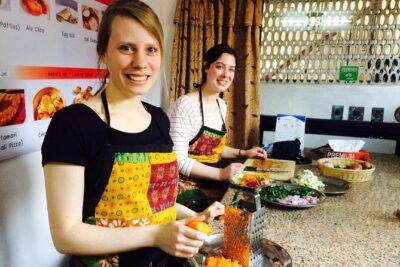 ★ 5.0Best Nepali Cooking Class in Thamel with Local Market TripFrom $3026 reviews
 ★ 4.9Wood Carving Workshop with Local Artisan (Thamel)From $4217 reviews
 ★ 5.0Kathmandu and Patan Heritage and Living Goddess Experience TourFrom $5012 reviews
 ★ 5.0Oldest Local Market Walking Tour With Living Goddess KumariFrom $398 reviews
★ 5.0Oldest Local Market Walking Tour with Living Goddess KumariFrom $408 reviews