
REVIEW · KATHMANDU CITY TOURS & SIGHTSEEING
Kathmandu Heritage Walk | Heritage Walk of Kathmandu
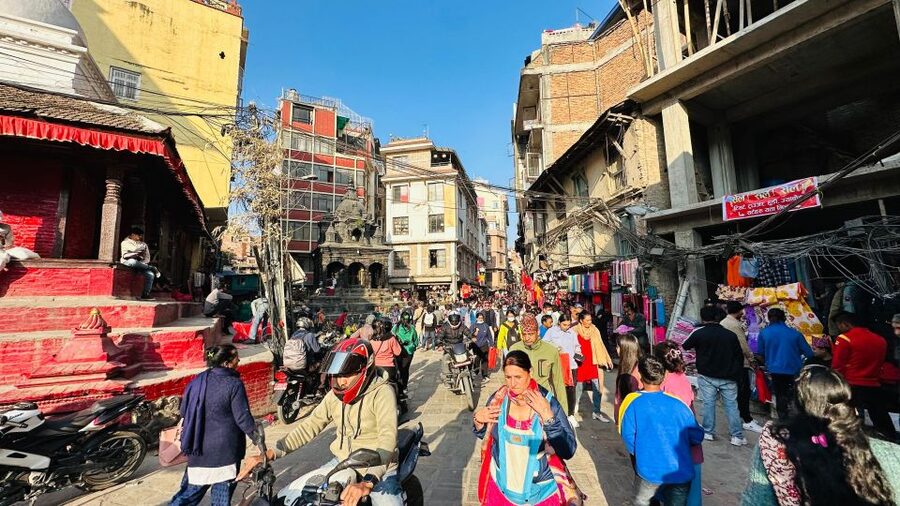
Temples and markets, with a calm pace. This Kathmandu Heritage Walk is a smart way to see everyday neighborhoods, not just postcard sights, in one walkable stretch. You’ll bounce between sacred spots, craft lanes, and market life while your guide keeps the story clear and the timing realistic.
I really like the private group setup, because the guide can steer you toward stops you haven’t seen and match the pace to your comfort. I also like that the guide is live and English-speaking, with that professional, kind, time-efficient approach that makes the history feel usable, not lecture-y.
One thing to flag: UNESCO World Heritage sites are not included. If your must-do list is packed with those specific landmarks, you’ll want a different tour to cover them.
In This Review
- Key highlights worth planning for
- Thamel start to finish: the simple plan that works
- What $40 buys you (and what it does not)
- Your first hour: Thamel streets, shops, and street rhythm
- Tahiti: traditional architecture meets modern life
- Shanti Bihar Stupa: a quiet reset you’ll feel
- Indrachowk and Akash Bhairab Temple: central, historic, and sacred
- Gold Souq: craftsmanship that rewards slow looking
- Sankata Temple, Mahankal Bhairab, and Bhotahiti: faith plus daily life
- Annapurna Temple and the final market loop back to Thamel
- Pace, guide quality, and why it matters for seniors
- Who should book this Kathmandu Heritage Walk
- Should you book this tour?
- FAQ
- Where does the tour start?
- How long is the Kathmandu Heritage Walk?
- Is this tour private?
- What language is the guide?
- What is included in the price?
- What is not included?
- Are UNESCO World Heritage sites part of this tour?
- What should I bring?
- Who is this tour not suitable for?
Key highlights worth planning for
- Private, English live guide that keeps the walk moving without turning it into a sprint
- Thamel start and end, so you can roll right back into cafes and shops when you finish
- Shanti Bihar Stupa for a calmer, reflective stop away from the busiest streets
- Akash Bhairab Temple and Indrachowk for a real sense of devotion in a central area
- Gold Souq and local markets, where you can browse Kathmandu craftsmanship and everyday commerce
- UNESCO not included, which makes the route more offbeat if you want something different
Other one shot sweeps of the Valley


Thamel start to finish: the simple plan that works
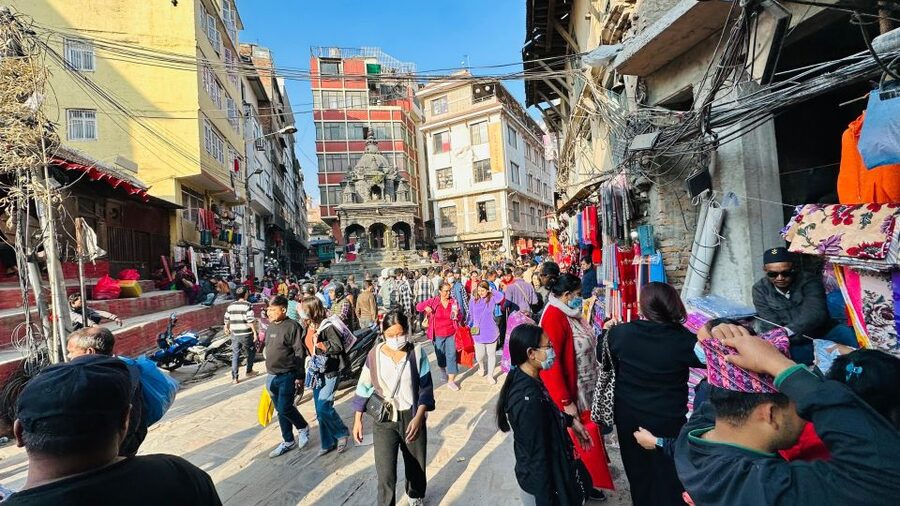
The walk begins at the Breakfree Adventures entrance in Thamel, directly in front of Everest Bank Limited. That matters more than it sounds. Thamel is easy to find and easy to get back to, which helps if you need a quick bathroom stop, a water top-up, or a break from the city noise.
This is a 3.5-hour experience with a government-certified guide. You’re not left guessing. The guide keeps the route logical and the timing practical, especially on a day when you might otherwise feel stuck bouncing around with no plan. It also helps that the tour is described as a private group. In real life, that often means fewer time-wasters and a better chance to pause where you actually want to look.
Price is $40 per person for a guided, 3.5-hour neighborhood route. That is not cheap, but it is not outrageous either for Kathmandu. The value comes from having a certified guide who can explain what you’re seeing and from getting you to multiple sites in one go, without you needing to figure out the route or ask strangers for directions all day.
What $40 buys you (and what it does not)
Here is what’s included:
- A government certified guide
- 1000 ml mineral water
- Service charge
What is not included:
- Transportation if needed
- Meals and drinks
- Personal expenses
In other words, you’re paying for guidance and time on foot. You’re not paying for a driver or a meal. That’s actually good news if you like flexibility. You can decide when to grab a snack, you can skip touristy restaurant traps, and you can shop at your speed. Just plan to fund your own lunch or snacks separately, since the tour does not include meals.
Also, since meals are on you, I’d treat this as a half-day activity. If you go into it hungry, you may end up rushing. If you go in comfortably fed, you’ll enjoy the temples and markets without that low-grade stress of needing food right away.
Your first hour: Thamel streets, shops, and street rhythm
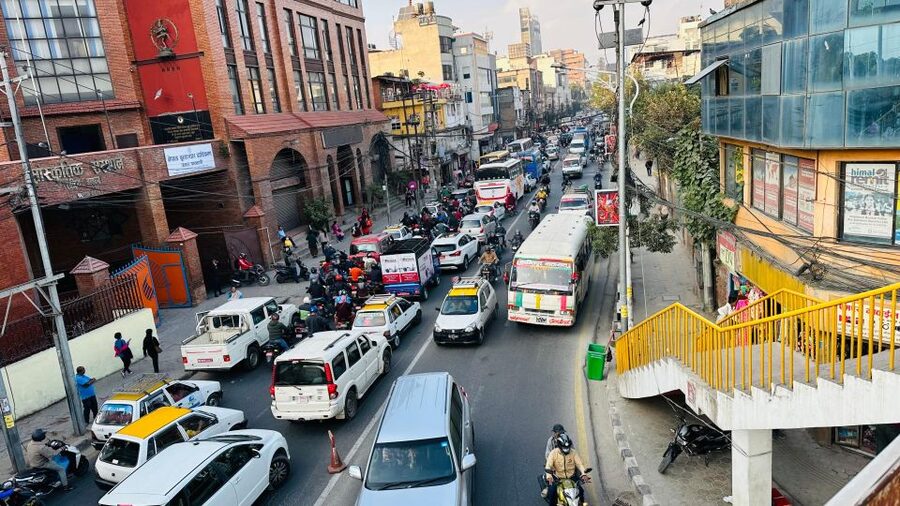
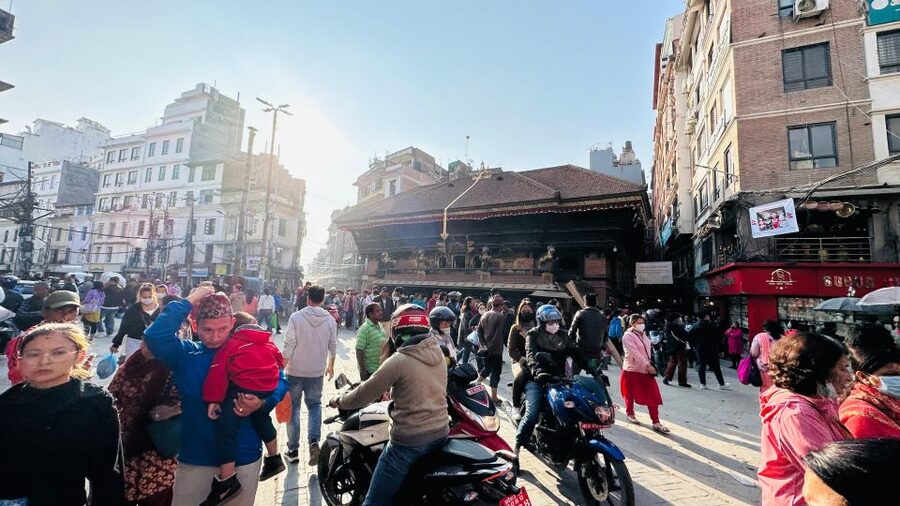
Thamel is the start line. Expect a lot of foot traffic, storefront energy, and people doing normal-city things: buying, selling, chatting, and grabbing tea. The point of starting here is practical. You get oriented fast, and the tour can ease you in without a long transfer.
What I like about this approach is that it sets context. Kathmandu is not just heritage monuments. It is also the lively streets around them. By beginning in Thamel, you get a sense of the city’s pace before stepping into calmer places like the stupa later.
As you walk, keep your eyes open for the details that match the theme of the day: religious sites tucked into busy lanes, craft-focused shops, and smaller markets that don’t always make it into big highlight lists. If you like “how the city actually functions” more than “big empty monuments,” Thamel is a good first signal.
Tahiti: traditional architecture meets modern life
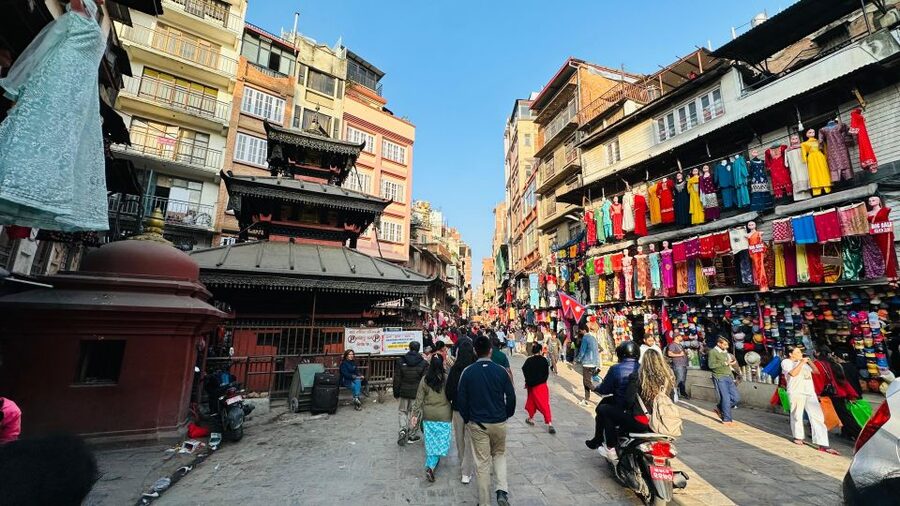
The next stop is Tahiti, described as an enclave where traditional architecture and modern charm come together. The value here is the contrast. Kathmandu can feel noisy and overwhelming, but neighborhoods like this remind you that the city’s look and rhythm can change block by block.
Think of Tahiti as a palate cleanser between busier areas and more explicitly religious stops. You’ll be able to slow your camera arm a bit, notice the street character, and get a better sense of what “local Kathmandu” feels like beyond Thamel’s main lanes.
If you enjoy photo stops but hate wasting time at look-at-me viewpoints, this part tends to work well. It is more about atmosphere than about one perfect angle.
Keep walking: more Kathmandu routes

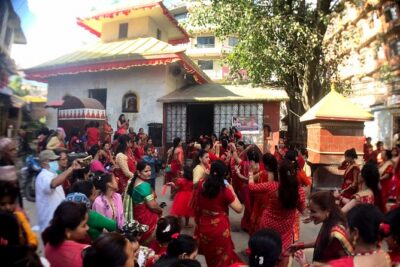
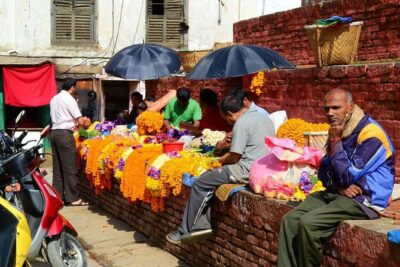
Shanti Bihar Stupa: a quiet reset you’ll feel
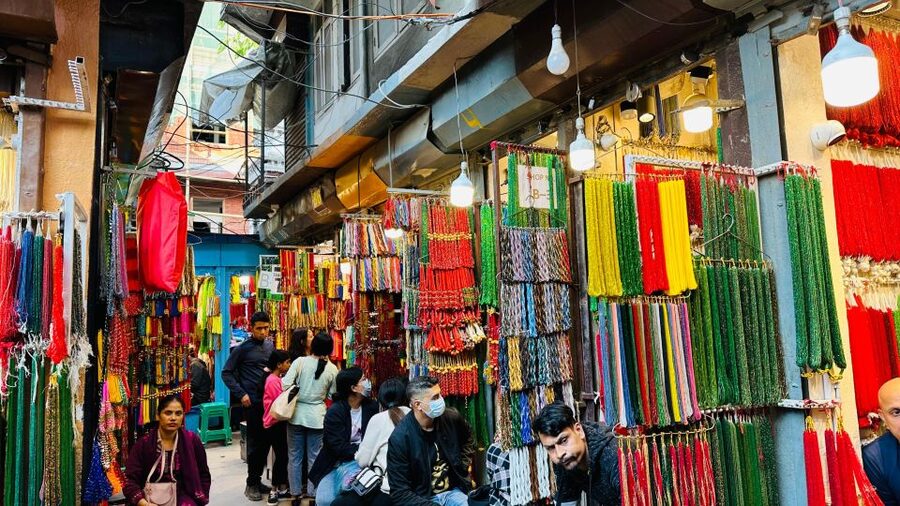
Shanti Bihar Stupa is a peaceful stop, described as a tranquil oasis amid urban chaos. That’s exactly what makes it valuable. After walking through streets and shops, your brain needs a reset, and this kind of place gives you it.
I like that the tour includes a calm break early enough that you’re not simply exhausted by the time you reach sacred spaces. At the stupa, you’re not just seeing architecture. You’re experiencing the shift in sound, pace, and mood that happens when you move from daily street life into religious space.
Practical tip: bring a light layer if it’s cool or windy. Even on days that feel warm, stupa areas can feel cooler once you stop walking for a bit.
Indrachowk and Akash Bhairab Temple: central, historic, and sacred
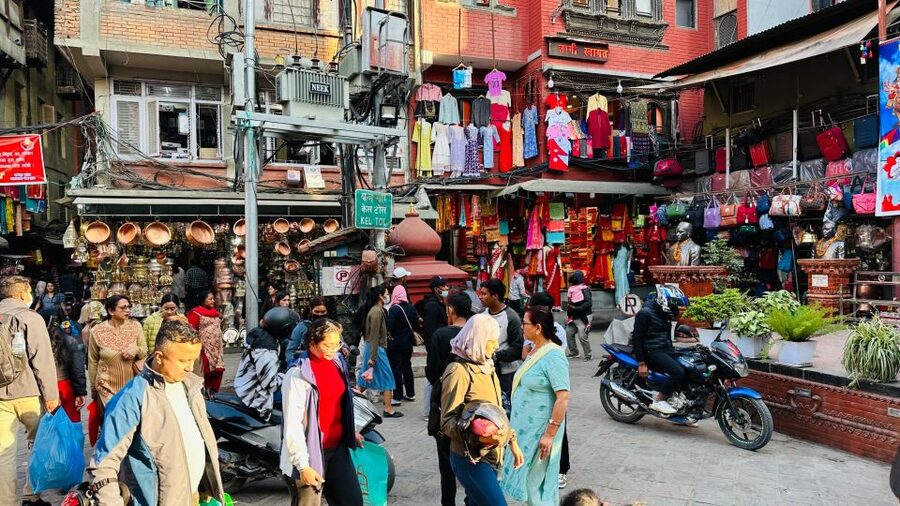
Then you head to the sacred Akash Bhairab Temple in Indrachowk. This is a historic sacred site with a devout atmosphere, right in the middle of the city’s action. That combination is powerful.
What to expect here is a different kind of Kathmandu. Instead of browsing or shopping, you’ll watch how people behave around a religious site. That can include quiet attention, prayer behavior, and the general sense that this place is part of ongoing daily life, not just a “thing to see.”
I also like that your guide is government-certified and English-speaking, because it helps you understand what you’re noticing without requiring guesswork. When you know the basic context of a site, it becomes easier to respect it and easier to enjoy it.
Gold Souq: craftsmanship that rewards slow looking
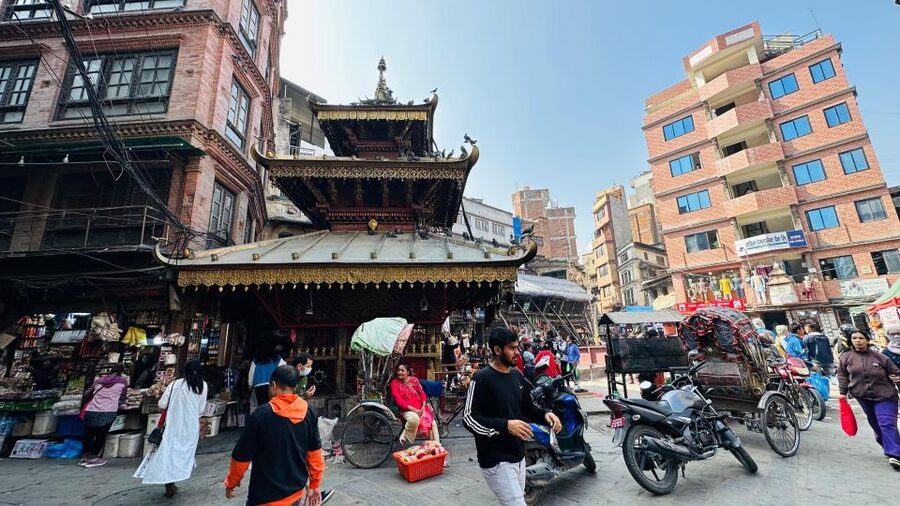
The Gold Souq is next. This is where the day shifts from temples to making things. You’ll explore craftsmanship and browse craftsmanship-focused storefronts.
For me, the “why” matters. Souqs like this are not just for buying souvenirs. They’re for seeing skill. You get to observe materials, design styles, and how traders present their work. Even if you don’t plan to buy jewelry or crafts, you can still enjoy the browsing and learn what kinds of work local artisans specialize in.
If shopping is on your priority list, give yourself time here. Don’t treat it like a quick pass-through. And if you do buy something, remember you are on a walking tour, so keep your items secure and be realistic about how much you can comfortably carry.
Sankata Temple, Mahankal Bhairab, and Bhotahiti: faith plus daily life
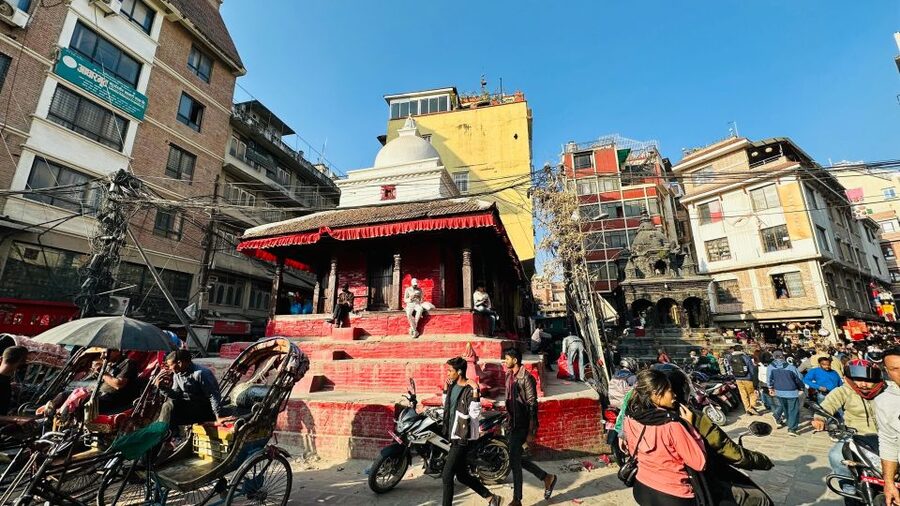
You’ll visit the Sankata Temple and Mahankal Bhairab, each described as steeped in cultural significance. Then you’ll move to Bhotahiti, a locale with local flavor.
This section is where the tour feels most like a heritage walk and least like a checklist. Temple stops are about religion and community memory. Bhotahiti adds the day-to-day texture that makes a city feel like a living place, not a museum.
I’d approach this part with a “watch first” mindset. Let the guide do the explaining, but also take a moment to observe how people move around entrances, how they treat the space, and how the surrounding streets feel when the religion is not far away.
It’s a good reminder that heritage in Kathmandu isn’t only found in famous squares. It is woven into everyday routes.
Annapurna Temple and the final market loop back to Thamel
The walk finishes at Annapurna Temple, described for its architectural splendor. Then you get time at a lively local market before returning to Thamel.
Annapurna Temple provides a nice closing contrast to the earlier stops. By the time you get here, your eyes are trained on details, and your brain is no longer overloaded by constant street motion. You can appreciate the structure more calmly because you’ve already absorbed the meaning of religious space earlier in the route.
The final market stop is a practical way to wrap up. It gives you a last chance to grab snacks, pick up small items, or simply buy a drink and people-watch. Ending back in Thamel also makes sense. You’ll have lots of options nearby to decompress after 3.5 hours on your feet.
Pace, guide quality, and why it matters for seniors
The reviews you provided highlight one theme that I think is crucial: pace and guide style. In a private tour for small groups, you can feel when a guide is thinking about comfort, not just ticking off stops.
One guide named Martin was noted for being knowledgeable about historical and religious sites, and for setting a pace that covers ground without being too strenuous for seniors. Another guide, Madan, was described as professional, knowledgeable, and time efficient, with a good personality and a kind, helpful approach. Even if you are not traveling with seniors, that kind of pacing is a gift. It keeps the walk enjoyable instead of tiring.
As for how hard the walk is, the tour is not described as wheelchair-friendly, and there are clear age limits. So I’d treat this as a solid walking experience. Wear comfortable shoes and plan to spend a lot of time on city sidewalks and around temple areas.
Who should book this Kathmandu Heritage Walk
This tour makes the most sense if you want:
- A guided walk through multiple religious sites plus markets in one half-day
- An offbeat route that does not focus only on the big UNESCO boxes
- A private-group experience with an English live guide
- A comfortable pace that still covers enough streets to feel like you got your money’s worth
It may be less suitable if:
- You need wheelchair access, because it is not listed as suitable for wheelchair users
- You want UNESCO World Heritage site coverage, because those sites are not included
- You are outside the stated age guidance, since it is not suitable for people over 95 and people over 70, and it is also not suitable for babies under 1 year or pregnant women
Bring what they ask for: passport, comfortable shoes, an umbrella, camera, comfortable clothes, and a face mask or protective covering. Kathmandu weather can change fast, and temple visits can mean you’re standing around longer than you expect.
Should you book this tour?
If you’re weighing this against a “big sights only” Kathmandu day, I’d lean toward booking it for the reason that it focuses on how neighborhoods and faith live side by side. The inclusion of Shanti Bihar Stupa, Akash Bhairab Temple, Gold Souq, and the market loop makes it a well-rounded walk that feels like Kathmandu, not just Kathmandu landmarks.
Book it if you value a guided narrative, want a private-group pace, and you’re okay with UNESCO not being part of the plan. Skip it if your top priority is completing UNESCO World Heritage sites in one day, or if you need mobility support beyond what a walking tour can offer.
FAQ
Where does the tour start?
The tour starts at the Breakfree Adventures entrance in Thamel, in front of Everest Bank Limited.
How long is the Kathmandu Heritage Walk?
The duration is 3.5 hours.
Is this tour private?
Yes, it is listed as a private group.
What language is the guide?
The live tour guide speaks English.
What is included in the price?
Included items are a government certified guide, 1000 ml mineral water, and service charge.
What is not included?
Transportation if needed, meals and drinks, and personal expenses are not included.
Are UNESCO World Heritage sites part of this tour?
No. UNESCO World Heritage sites are not included in this exploration.
What should I bring?
Bring your passport, comfortable shoes, an umbrella, a camera, comfortable clothes, and a face mask or protective covering.
Who is this tour not suitable for?
It is not suitable for pregnant women, wheelchair users, babies under 1 year, people over 95 years, or people over 70 years.
Kathmandu On Foot


The Rest of Our Kathmandu Write Ups




One More Valley Day
Everything else we have reviewed around Kathmandu
- 12 Days Everest Base Camp Trekking
★ 5.0 · 3 reviews - 1 Night 2 Days Chitwan Jungle Safari Tour from Pokhara or Kathmandu
★ 3.0 · 3 reviews - Thamel Rickshaw tour
★ 4.7 · 3 reviews - Kathmandu: Momo Making Class with a Local Chef
★ 5.0 · 3 reviews - Kathmandu: Full-Day Yoga, Body Massage and Pedicure Package
★ 5.0 · 3 reviews - From Kathmandu / Pokhara / Chitwan: River Rafting – 1 Day
★ 4.6 · 3 reviews
Kathmandu City Tours & Sightseeing worth a second look.
 ★ 5.0Kathmandu Private Sightseeing Tour | UNESCO World Heritage SitesFrom $35109 reviews
 ★ 5.0Private tour of Major highlights of Kathmandu top rated placesFrom $4492 reviews
 ★ 5.0Kathmandu Heritage Tour (Full Day)From $3863 reviews
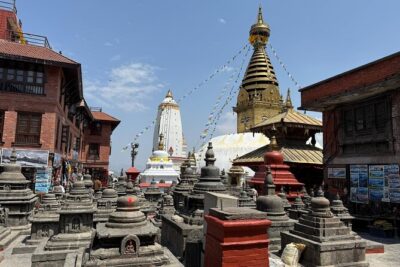 ★ 5.0Kathmandu Full Day TourFrom $7054 reviews
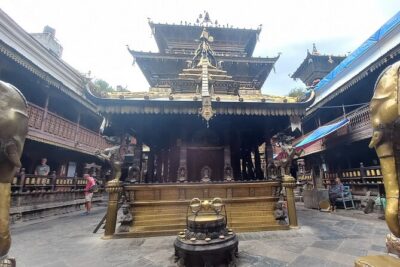 ★ 5.0Life and spirituality tour of KathmanduFrom $5554 reviews
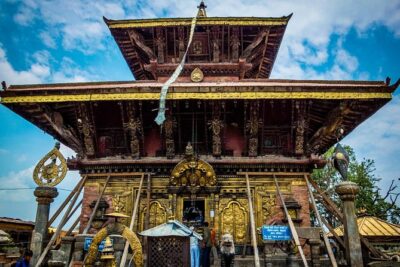 ★ 5.0Kathmandu Highlights: Private UNESCO World Heritage Sites TourFrom $4950 reviews
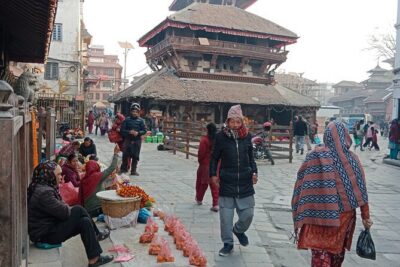 ★ 5.0Full Day Private Tour of Kathmandu – UNESCO World Heritage SitesFrom $3542 reviews
 ★ 5.0Kathmandu Valley City Day TourFrom $6040 reviews
Lists this tour sits in