
REVIEW · HIKING & TREKKING
Makalu Base Camp Trek
Makalu feels like the Himalayas are yours alone. This trek pushes deep into Makalu-Barun National Park, where the trails are noticeably quieter than Nepal’s big-name routes. I love that you’re not only chasing peaks, you’re walking through forests with rhododendrons and medicinal plants.
I also like the altitude rhythm built into the schedule, with acclimatization days before the hard crossings over Shipton La and Keke La (around 4,170m and 4,150m). The main drawback is the effort level and the fact that some nights are in basic lodges or tented camps, not hotel comfort.
In This Review
- Key Things That Make This Makalu Trek Worth It
- Why Makalu Base Camp Feels Different in Nepal
- The Real Trek Rhythm in a 15-Day Plan
- Day by Day: What You’ll Experience (and What to Expect)
- Makalu-Barun National Park: What You’re Actually Walking Through
- Teahouses, Basic Lodges, and Tented Nights
- Guides, Insurance, and the Team Feel
- Price and What $1,750 Covers (and What It Doesn’t)
- Fitness Level, Passes, and Altitude Reality Check
- Weather Can Change the Plan, So Plan for Flexibility
- Should You Book This Makalu Base Camp Trek?
- FAQ
- How long is the Makalu Base Camp trek?
- Where does the trek start?
- What’s included in the trek price of $1,750 per person?
- What meals are provided during the trek?
- Are bottled water, coffee, or tea included?
- What nights will I sleep in?
- Are there hard days or high passes?
- Is this a private trek?
- Is a visa fee included?
- What happens if weather is bad?
Key Things That Make This Makalu Trek Worth It
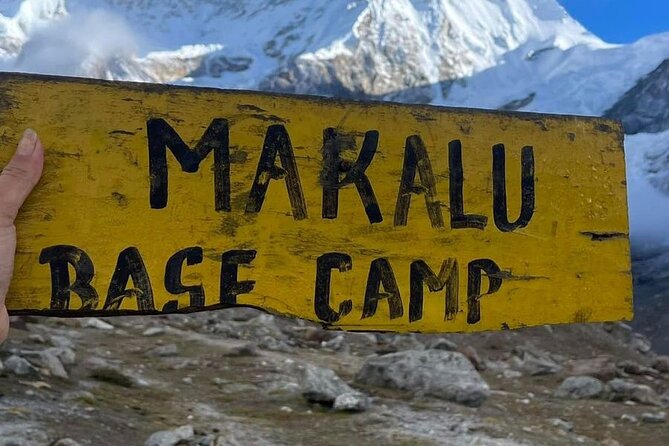
- Makalu-Barun National Park, remote and peaceful with fewer trekkers than the Everest and Annapurna corridors
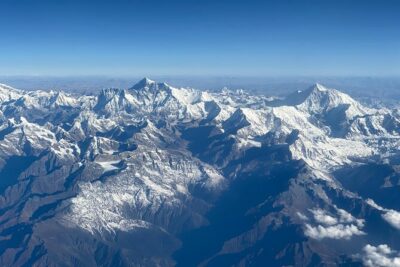
- Big-Himalaya views from unusual angles, including Mt. Makalu plus views of Everest, Lhotse, and Baruntse
- A smart acclimatization pattern, then a challenging high-pass day through rhododendron and river valleys
- Teahouse living most nights, with occasional basic lodge or tented nights as you go higher
- English-speaking support and a prepared team, with first aid kits, plus guide and porter insurance
- Real value in included logistics, including public transportation flights between Kathmandu and Tumlingtar
Other lodge to lodge routes near Kathmandu
Why Makalu Base Camp Feels Different in Nepal
If you want the Himalayas without the crowds, Makalu Base Camp is a great bet. Instead of the constant traffic of the most famous trekking routes, this itinerary takes you through the heart of Makalu-Barun National Park, a quieter region where nature feels left alone.
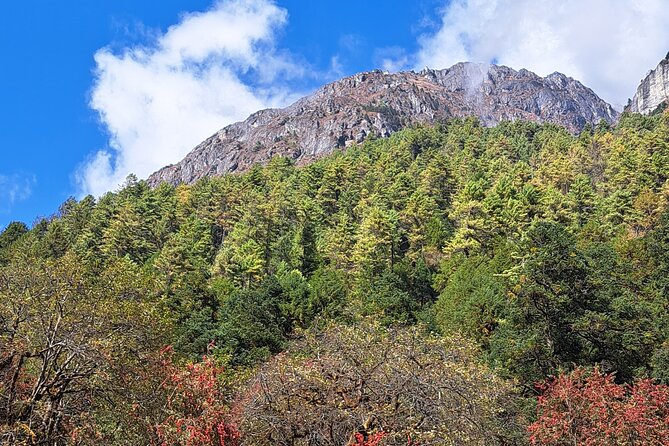
The scenery changes in layers. You start with lush green forests and waterfalls, then move toward high alpine valleys and glaciers as the altitude rises. You also get a richer mix of wildlife and plants than many standard treks: red pandas, Himalayan thars, colorful birds, rhododendrons, and medicinal plants show why this is a true protected area rather than a scenic corridor built only for hikers.
And here’s the part I think makes people smile: the mountain views come in “from-the-sides” angles. You see Mt. Makalu up close, and you also catch Everest, Lhotse, and Baruntse from perspectives you might not get on the more crowded routes.
The Real Trek Rhythm in a 15-Day Plan
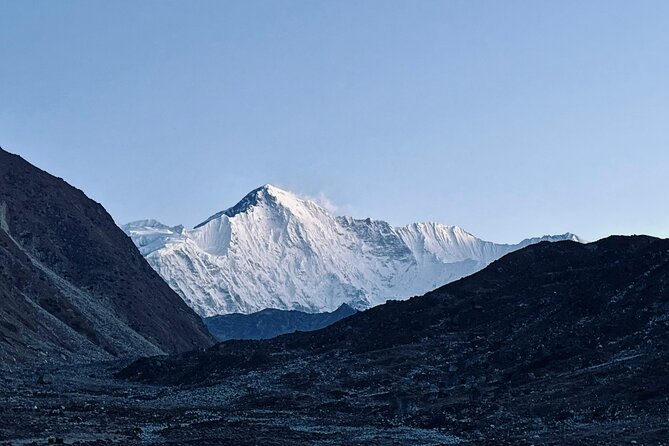
This is an about-15-day trek that balances hiking days with enough pause points to adjust to altitude. You’ll mostly sleep in teahouses, with a couple days that may shift to basic lodges or tented camp as you get higher and closer to base camp.
The pacing is not random. Early days include gradual walking through farms and forests and a long uphill day that builds stamina. Then you get a “hard but beautiful” high day with the Shipton La and Keke La passes before settling into the higher, more alpine feeling of the route.
Also, you’re not just climbing to one final viewpoint and leaving. You’ll spend time around base camp and have an optional side-hike toward the Barun Glacier area, which helps make the experience feel more like a journey than a dash to a postcard.
Day by Day: What You’ll Experience (and What to Expect)
Day 1: Arrival into Makalu-Barun National Park area
You fly for about 45 minutes, then drive off-road for roughly 4-5 hours to reach the first overnight at a teahouse. It’s a long travel day, but it’s also your first taste of how remote this region is, even before the trekking starts.
Day 2: Into deep valleys, down to the Arun River, up to Seduwa
Expect a steep descent to the Arun River, followed by a steep climb to Seduwa, in about 5-6 hours of trekking. This is the kind of day that teaches you quickly how strong your legs need to be on both downhills and uphills.
Day 3: Farms, forests, and a slower day to reset
You’ll take a gradual walk through farms and forests for about 4-5 hours, again sleeping in a teahouse. This day matters because it helps you move without burning energy too fast, which is key when altitude starts stacking up.
Day 4: Long uphill through forest and meadows
This is a 6-7 hour day, with long uphill hiking through forest and meadows. It’s exactly the kind of hike that builds endurance for the later high-pass crossing.
Day 5: Acclimatization hikes near camp
You’ll do short hikes toward nearby ridges to acclimatize, then sleep at a teahouse. Even when the hikes are “short,” they’re still part of the altitude plan, helping your body adjust before the highest crossing day.
Day 6: Shipton La and Keke La passes, a hard day at high altitude
Crossing Shipton La (4,170m) and Keke La (4,150m) takes about 6-7 hours and is described as hard but beautiful. This day is the one to mentally prepare for. You’re gaining and losing elevation with passes, so pace and breathing matter more than speed.
Day 7: Rhododendron forests and river valleys
Trek about 5-6 hours through rhododendron forests and river valleys, then sleep at a teahouse. By now, you’ll feel the vegetation shift and the air get sharper, making every turn in the valley feel more dramatic.
Day 8: Gradual ascent with valley views
This is about 5-6 hours of trekking, with gradual ascent and wide valley views, plus another teahouse night. It’s a good “steady” day between higher effort days, so you can keep moving comfortably.
Day 9: The climb to Makalu Base Camp
You’ll trek about 6-7 hours to reach base camp with incredible Himalayan views. Overnight is listed as either a basic lodge or a tented setup. If you like the feeling of earning a summit moment rather than getting it instantly, this is the day.
Day 10: Optional side hikes toward Barun Glacier
You can choose side hikes toward Barun Glacier, then sleep in a teahouse or tented camp. The bonus here is flexibility. If you feel good, you can explore more; if you don’t, you still get a rest day while staying at the base camp area.
Day 11: Start heading back down
You retrace steps down for about 7 hours. Downhills are still work, but the altitude burden often feels different after you’ve reached the high point.
Day 12: Another trekking day through the valley routine
Trek about 6-7 hours and sleep in a teahouse. This is part of the “keep your rhythm” phase, where consistency matters more than chasing big excitement every hour.
Day 13: Continued descent travel through the middle stretch
You’ll trek about 5-6 hours, then overnight in a teahouse. By now, you’ve built the trail sense, so the day-to-day becomes more about enjoying the scenery and less about surviving the route.
Day 14: Long descent day
Expect about 6-7 hours of long descent and another teahouse night. This is often the day that rewards your patience, because it’s where you get a gradual return to easier hiking conditions.
Day 15: Final trekking hours, then drive and flight option
You finish with about 4 hours of trekking, followed by a 4-5 hour drive. If your timing matches, you can fly Tumlingtar to Kathmandu the same day or the next morning.
Makalu-Barun National Park: What You’re Actually Walking Through
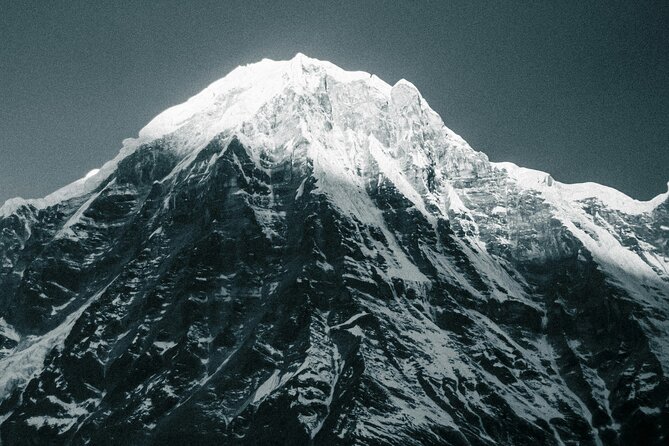
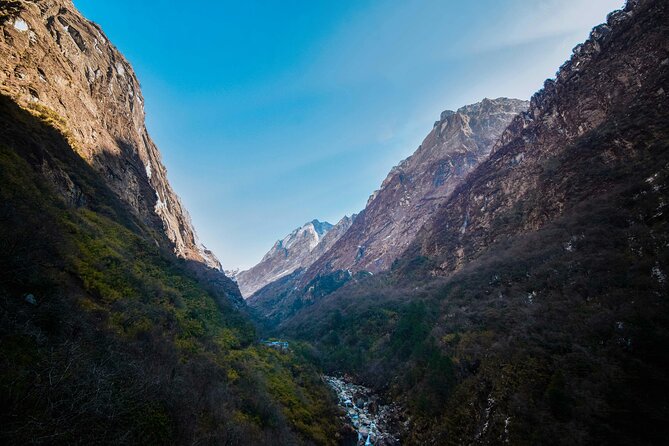
This trek is built around Makalu-Barun National Park, and it shows in what you experience along the way. You’re not just in alpine scenery. You move through lush forests, then into higher, cooler zones, with waterfalls and alpine valleys appearing as the route climbs.
The biodiversity angle is one of the biggest reasons to choose Makalu Base Camp over the more popular trekking routes. You might see rare wildlife like red pandas and Himalayan thars, plus colorful birds. Even when you don’t spot animals, the variety of forests and medicinal plants makes the trail feel alive.
And the mountain views are more than just a single payoff. From this region, you’re positioned for unique angles of Mt. Makalu and multiple other giants like Everest, Lhotse, and Baruntse. That matters because it helps the trek feel like a sequence of viewpoints rather than one photo moment.
Teahouses, Basic Lodges, and Tented Nights
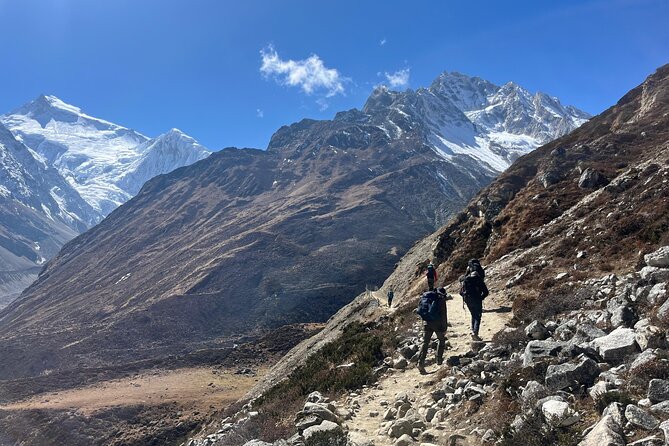
Most nights are in teahouses, with some days listed as basic lodge or tented camp. This isn’t a “sleep in luxury every night” trek, so you should go in expecting simple, functional accommodation.
Food is included, but in a straightforward way: breakfast includes one menu item, and lunch and dinner each include one menu item. Coffee and tea are not included, so you’ll be buying them separately at tea houses if you want them.
Water is also something to plan for. Bottled water is not included. You can purchase water along the trail or refill at tea houses, and you’ll get the recommendation to carry a refillable water bottle for sustainability. That one small habit can make your days easier, especially when you’re hiking for hours in remote stretches.
Guides, Insurance, and the Team Feel
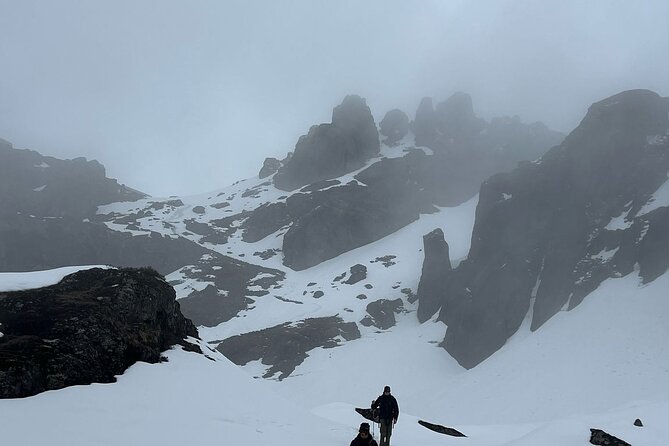
This trek includes an English-speaking guide, plus guide and porter daily allowances. Both guides and porters have insurance, and first aid kits are part of the support setup.
One of the more positive signals from guest feedback is how personal and attentive the team can be. Names that came up include Raj, Pujan, and David, with Pujan and David specifically praised as key parts of what made the stay in Nepal run smoothly. That kind of on-the-ground support matters on a route where the environment is serious and the days are long.
Also, this is a private tour/activity, meaning it’s only your group. If you dislike the unpredictability of mixing with strangers, that’s a genuine quality-of-life improvement.
Price and What $1,750 Covers (and What It Doesn’t)
At $1,750 per person, you’re paying for more than just guiding. The package includes meals on trek days (breakfast, lunch, dinner as described), all fees and taxes, maps, and first aid kits. It also includes public transportation flights between Kathmandu and Tumlingtar (two-way).
You also get a real logistics win: the plan includes flights and then a drive into the trekking area, which saves you from having to coordinate every connection on your own. In remote trekking regions, that kind of coordination is worth money because it reduces stress during the days when you’d rather be focused on hiking.
Gear is another value point. Sleeping bags, trekking poles, and crampons are provided if you request them. That can cut down on rental hassles and gear purchases.
What’s not included is also clear, and you should budget for it: visa fee, bottled water, coffee and tea, alcoholic beverages, personal insurance, and any excess baggage needs (extra porter service is available on request). Private transportation isn’t included, though local transport is used per the itinerary.
So the best way to judge value is this: if you want a guided, organized trek with major travel legs and core trekking-day support included, the price starts to make sense. If you already have your own full gear and are comfortable handling every transport connection yourself, then the value will feel less obvious.
Fitness Level, Passes, and Altitude Reality Check
The stated fitness requirement is moderate physical fitness. That sounds friendly, but you should still pay attention to the route difficulty markers.
There’s a clear hard day: the crossing of Shipton La (4,170m) and Keke La (4,150m). That’s not a gentle walk, and it comes after acclimatization. Even if you’re moderately fit, you’ll feel those passes if your cardio base is weak.
You also have long trekking days in the 6-7 hour range multiple times, especially around the middle of the trip and again during the base camp build-up and return. The upside is that the itinerary includes acclimatization hikes and gradual ascent days so you don’t just jump from low altitude to high altitude without a plan.
If you like structured progress, you’ll probably enjoy how the trek escalates: gradual early days, a big pass day, steady higher valley trekking, then base camp and descent.
Weather Can Change the Plan, So Plan for Flexibility
This experience requires good weather. If the trek is canceled due to poor weather, you’ll be offered a different date or a full refund. That matters because flights and mountain conditions can be sensitive in Nepal’s seasons.
My practical advice: pick dates with some flexibility if you can, and don’t schedule tight connections in Kathmandu around your trek end unless you have a buffer. The trek also includes an option for a flight from Tumlingtar to Kathmandu if timing matches, which means your final travel day can be smoother or tighter depending on conditions.
Should You Book This Makalu Base Camp Trek?
Book it if you want a remote-feeling trekking experience through Makalu-Barun National Park, with quieter trails, strong biodiversity vibes, and dramatic Himalayan views that include Mt. Makalu plus Everest, Lhotse, and Lhotse from interesting angles. It’s especially a good fit if you like the teahouse rhythm, don’t mind basic accommodation at higher elevations, and you want a route that respects altitude with acclimatization days.
Skip it if you need hotel-level comfort every night or you’re not ready for a hard high-pass day around 4,150m to 4,170m and multiple long hiking days. This trek rewards steady effort, not speed.
If you’re in the middle, here’s the deciding question to ask yourself: do you want the kind of Nepal that feels calm and remote, with a real backcountry feel? If yes, this one is worth serious consideration.
FAQ
How long is the Makalu Base Camp trek?
The duration is 15 days approximately.
Where does the trek start?
The start meeting point is Tribhuvan Airport, Kathmandu, Nepal. The start time listed is 12:15 am.
What’s included in the trek price of $1,750 per person?
Included are breakfast, lunch, and dinner items as listed, all fees and taxes, maps, an English-speaking guide, guide and porter insurance, guide and porter daily allowances, first aid kits, and two-way public transportation flights from Kathmandu to Tumlingtar. Sleeping bags, trekking poles, and crampons are provided on request.
What meals are provided during the trek?
Breakfast includes one item from the menu, and lunch and dinner each include one item from the menu. Meals are included for 14 breakfasts, 14 lunches, and 15 dinners as stated.
Are bottled water, coffee, or tea included?
Bottled water is not included, and coffee and tea are not included. You can purchase water along the trail or refill at tea houses.
What nights will I sleep in?
Most overnights are in teahouses, with some nights listed as basic lodge or tented camp (including around the base camp days and side hike day).
Are there hard days or high passes?
Yes. Day 6 includes crossing Shipton La (4,170m) and Keke La (4,150m), listed as a hard day but beautiful.
Is this a private trek?
Yes. It is listed as a private tour or activity, with only your group participating.
Is a visa fee included?
No. The visa fee is listed as not included.
What happens if weather is bad?
This experience requires good weather. If it’s canceled due to poor weather, you’ll be offered a different date or a full refund.
Lodge to Lodge Around Kathmandu
The Rest of Our Kathmandu Write Ups

Everything else we have reviewed around Kathmandu
- 12 Days Everest Base Camp Trekking
★ 5.0 · 3 reviews - 1 Night 2 Days Chitwan Jungle Safari Tour from Pokhara or Kathmandu
★ 3.0 · 3 reviews - Thamel Rickshaw tour
★ 4.7 · 3 reviews - Kathmandu: Momo Making Class with a Local Chef
★ 5.0 · 3 reviews - Kathmandu: Full-Day Yoga, Body Massage and Pedicure Package
★ 5.0 · 3 reviews - From Kathmandu / Pokhara / Chitwan: River Rafting – 1 Day
★ 4.6 · 3 reviews
Hiking & Trekking worth a second look.
 ★ 5.0Everest Base Camp Trek – 14 DaysFrom $1,8001,499 reviews
 ★ 5.0Everest Base Camp TrekkingFrom $1,350485 reviews
 ★ 5.0Nagarkot Sunrise View and Day Hiking from KathmanduFrom $45471 reviews
 ★ 5.0Annapurna Circuit Trek with Tilicho LakeFrom $1,093368 reviews
 ★ 5.0Everest Base Camp Trekking – 13 DayFrom $1,399365 reviews
★ 5.0Everest Base Camp Trek -14 DaysFrom $1,420321 reviews
 ★ 5.0Annapurna base camp trek 5 DaysFrom $699252 reviews
 ★ 5.0Everest Base Camp Trekking – 2025/2026From $1,339199 reviews
Lists this tour sits in