
REVIEW · MARDI HIMAL TREKS
Mardi Himal Base Camp Trek (5 Days)
Sunrise hikes feel different at Mardi Himal. This shorter Himalayan trek from Pokhara delivers big mountain payoff with a quieter feel than the more famous base camps, while still putting you inside the Annapurna Conservation Area.
I especially like the fact that you are not just dropped off with a map, you get a guided, organized rhythm from day one.
I love that this package includes the TIMS and ACAP permits, plus all the trek food and sleeping arrangements along the way. I also like that you get private transportation and a pickup option, so your Pokhara to trail transition is smoother than typical DIY treks.
One consideration: the schedule is weather dependent, and you will start very early for the sunrise push. If you dislike early mornings, or if fog and wind roll in, you will need to stay flexible.
In This Review
- Key highlights worth planning for
- Pokhara to trail, starting early so the trek feels easier
- Day 1: Lakeside to Forest Camp, your first tea house night
- Day 2: Badal Dhanda and quiet jungle walking through ACAP country
- Day 3: High Camp for big, 360-degree Himalayan views
- Day 4: 4:00 to 4:30 AM sunrise to Mardi Himal Base Camp
- Day 5: Back to Pokhara from Sidhing, with time to reset
- Price and logistics: what $480 covers, and what it does not
- How the guiding makes this trek feel personal
- What to expect on the trail, day by day
- Fitness level: moderate works, but you should be honest
- Who should book this Mardi Himal Base Camp trek
- FAQ
- How long is the Mardi Himal Base Camp trek?
- Where does the trek start and where does it end?
- Is pickup from Pokhara included?
- What permits are included?
- Are meals and accommodation included?
- Do I need to bring trekking equipment?
- Do I get help with carrying a pack?
- What fitness level do I need?
- What happens if the weather is bad?
Key highlights worth planning for
- Permits handled up front (TIMS and ACAP), so you do not have to chase paperwork mid-trip
- A true sunrise mission on Day 4, heading for base camp with a backup viewpoint plan
- Quiet jungle walking through the Annapurna Conservation District, with silence, trees, and a chance of wildlife
- Pace that can match you, since guides are known for listening and adjusting the route to your needs
- Tea house stays make the trek feel doable, even when the views get serious
Still on the Mardi ridge? A few more
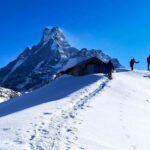
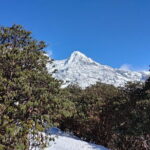
Pokhara to trail, starting early so the trek feels easier
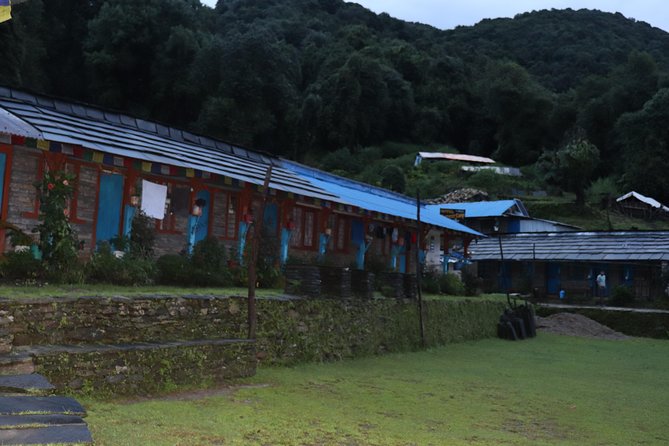
Pokhara Lakeside is a classic starting point for good reason. You are close to food, shops, and a calm pre-trek vibe, but the itinerary still pushes you to leave early enough to get moving before the day turns hot and chaotic.
On this trek, you head toward Khande to begin walking. That first transfer matters more than it sounds, because it sets the tone: you get into the rhythm sooner, and you spend less of your day trying to figure things out.
Day 1: Lakeside to Forest Camp, your first tea house night
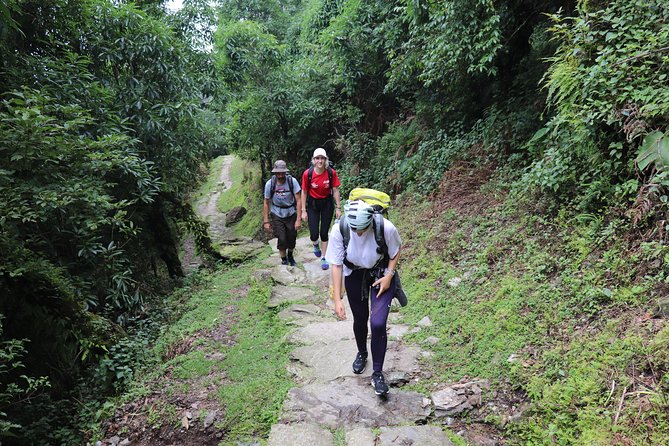
Day 1 is built for warm-up and acclimation. You start from Pokhara Lakeside early and then walk onward to Forest Camp, where you sleep in a local tea house. Expect around 6 hours of hiking.
This is the day to focus on small things that pay off later:
- Keep your pace steady, not fast. Your legs should feel like they can do more at the end of the day.
- Wear layers you can adjust. Mountain weather changes quickly, even when the trail is still in the low elevation zones.
- If you have never done a tea house trek, enjoy it for what it is: basic comfort, real mountain food, and an early bedtime.
The main “win” of Day 1 is that it makes the trek feel like a series of manageable steps, not a single brutal leap.
Day 2: Badal Dhanda and quiet jungle walking through ACAP country
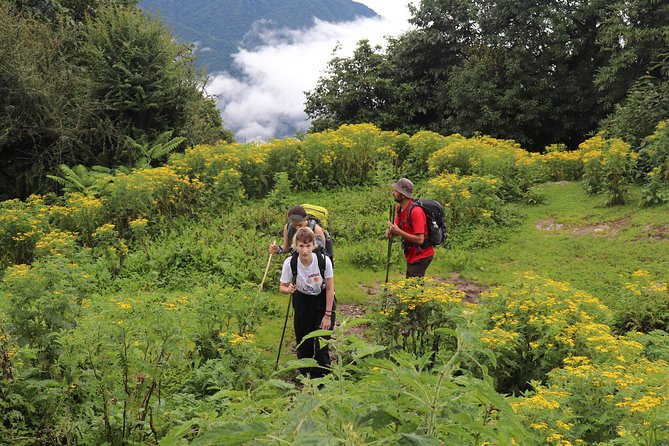
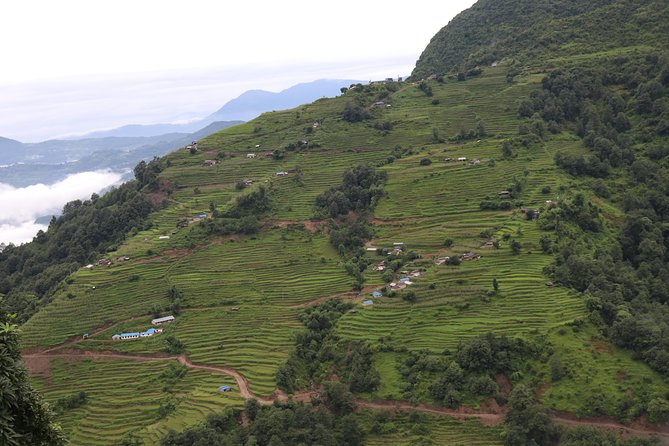
After breakfast, you continue on toward Badal Dhanda. This day is also about 6 hours on the trail, and it moves through jungle terrain inside the Annapurna Conservation area.
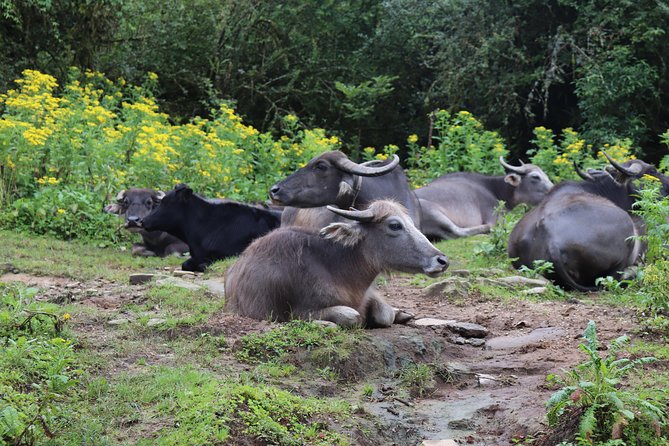
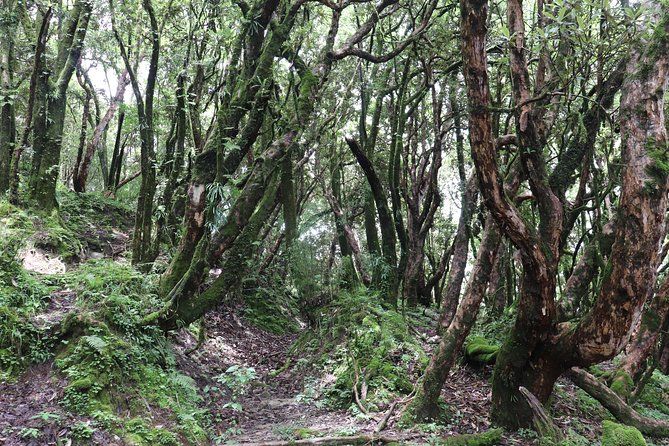
What I like about this section is the tone of the walking. The route is described as full of trees, with silence and a chance of wildlife. Even if you never see a single animal, that quiet matters. It is the kind of trail where you can hear your own breathing, notice birdsong, and look for waterfalls and shifting light through the canopy.
A practical tip for this day: pack for comfort over drama. Jungle sections can mean sweat and then sudden cool air in shaded stretches. If you can keep your body dry and your layers organized, you will feel better for the next day’s rise toward higher viewpoints.
Day 3: High Camp for big, 360-degree Himalayan views
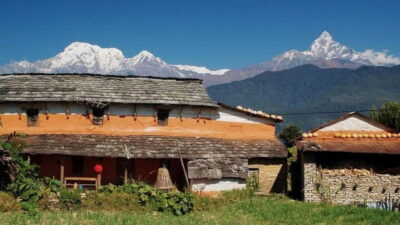
Day 3 takes you to High Camp, usually 4 to 5 hours. This is the day where the views start getting serious, with 360-degree panoramas over the Annapurna Conservation area and the Himalayan mountains.
This is also the day where trekking feels like the reward for the work you did yesterday. You climb to a place designed for looking out, and suddenly the trek stops being just about steps. It becomes about angles, ridgelines, and distance. If the weather cooperates, you get the full effect of the region’s scale.
One thing to be ready for: mountain fog can happen. When that happens, you might get partial views at first. Keep moving at a steady pace, because conditions can shift as you gain elevation and the air clears.
Other lodge to lodge routes near Pokhara

Day 4: 4:00 to 4:30 AM sunrise to Mardi Himal Base Camp
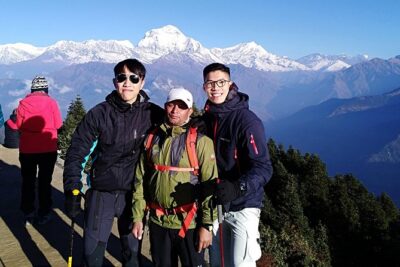
Day 4 is the signature day. You start early, around 4:00 to 4:30 AM, aiming to reach Mardi Himal Base Camp in time for sunrise.
If you cannot make base camp before the first light, there is a backup plan: you will trek to a viewpoint for the best available views. Either way, the core idea is the same, you get that early-morning mountain stillness, the sky waking up, and the moment when the mountains look close enough to touch.
Bring your “real cold-weather” mindset for this one. Even if the day will warm up later, pre-dawn conditions can feel sharp. Since trekking equipment is not included, make sure you have the basics you need for cold hands and low-light walking, like proper footwear you trust and something for visibility.
Also, this is the day where good guiding shows up. You want a guide who keeps the pace steady in the dark and helps you stay focused on what matters, not just the scramble upward.
Day 5: Back to Pokhara from Sidhing, with time to reset
On the final day, you trek back to Pokhara. The walk takes about 8 hours, and you start early again as you head toward Sidhing to catch your ride back to Pokhara.
This is the day to think practical, not poetic. Your hike will likely feel longer because you have already spent several days walking. Pace matters, and so does hydration. Try to take quick breaks rather than pushing until you are drained.
Once you reach Pokhara, you will appreciate the chance to switch gears: shower, eat something warm and familiar, and decompress. After a trek like this, even a simple meal tastes extra good.
Price and logistics: what $480 covers, and what it does not
At $480 per person for a roughly 5-day trek, the value mostly comes from what is included.
What you get included:
- All fees and taxes
- Private transportation
- Permits including TIMS and ACAP
- Food and accommodation on the trek
- Breakfast (4), lunch (4), dinner (4)
What you should plan to cover yourself:
- Trekking equipment
- Porter services
- Personal expenses
For me, permits and meals are the big value anchors. Permits can be paperwork you do not want to manage on your own. Food and lodging included means you can focus on walking and recovering instead of guessing where you will eat each day.
Also consider that this is a private tour/activity, so only your group participates. If you are traveling with friends or family, that can feel like better coordination and more control over pacing.
How the guiding makes this trek feel personal
This is the kind of trek where small differences matter. The trail is short, but it still has changing terrain and early morning effort, so a one-size-fits-all approach can feel tiring.
Guides associated with this route, including names like Madhav and Madu/Madhu, are described as:
- taking your pace into account
- listening to what you want and need
- adapting the trek accordingly
- sharing culture and nature along the way
If you want a trek that feels like more than scenery, this matters. You get context for what you see, and you are less likely to feel rushed. If you want a slower day, or you care more about photo stops and viewpoints, this type of guiding style is usually a better fit.
Porters also show up in trip notes with names like Gopal, and if you decide you want porter help, it can turn the trek from “grind” into “enjoy.”
What to expect on the trail, day by day
Here is the practical reality of the pace across the five days:
- Day 1: steady start, Forest Camp tea house night (around 6 hours)
- Day 2: jungle walking toward Badal Dhanda (around 6 hours)
- Day 3: climb to High Camp with big views (around 4 to 5 hours)
- Day 4: pre-dawn start for sunrise, base camp or viewpoint (around 6 hours)
- Day 5: long return toward Sidhing and Pokhara (around 8 hours)
Your best strategy is to treat Day 4 like the peak day, and treat Day 5 like a recovery day with purpose. If you spend Day 5 forcing speed, you will feel it later. If you pace calmly, you will finish feeling proud instead of wrecked.
Fitness level: moderate works, but you should be honest
The experience is labeled for travelers with moderate physical fitness.
That sounds friendly, and it is. But honesty helps you enjoy it. You should be comfortable walking for several hours and moving uphill, and you should be able to handle very early wakeups for sunrise.
If you are new to trekking, you can still do this. Just do not plan to sprint up the climbs. Think “steady and consistent,” and let the views catch up to your effort.
Who should book this Mardi Himal Base Camp trek
Book it if:
- you want a shorter base camp style trek with a strong view payoff
- you like the idea of walking somewhere quieter than the busiest routes
- you prefer a guided setup with permits, meals, and tea house lodging handled
- sunrise is a priority, and you do not mind starting in the dark
Consider other options if:
- you cannot handle early starts
- you are not comfortable with a trip that can shift due to weather
- you want trekking equipment included, because that is not part of this package
FAQ
How long is the Mardi Himal Base Camp trek?
It is listed as a 5-day trek, approximately.
Where does the trek start and where does it end?
It starts in Pokhara Lakeside and begins walking toward Khande, then you return to Pokhara on Day 5, heading toward Sidhing to catch your ride back.
Is pickup from Pokhara included?
Yes. Pickup is offered, and private transportation is included.
What permits are included?
The package includes permits for TIMS and the Annapurna Conservation Area Project (ACAP).
Are meals and accommodation included?
Yes. Food and accommodation on the trek are included, including 4 breakfasts, 4 lunches, and 4 dinners.
Do I need to bring trekking equipment?
Yes. Trekking equipment is not included.
Do I get help with carrying a pack?
Porter services are not included. If you want porter help, you would need to arrange it separately.
What fitness level do I need?
You should have moderate physical fitness.
What happens if the weather is bad?
The experience requires good weather. If it is canceled due to poor weather, you are offered a different date or a full refund. You can also cancel up to 24 hours in advance for a full refund.
Lodge to Lodge Around Pokhara
The Rest of Our Pokhara Write Ups


Mardi Himal, Keep Climbing
Everything else we have reviewed around Pokhara
- Pokhara: Cable Car Tour – Bird Eye View of Mountain & Lake
★ 4.4 · 3 reviews - Jomsom Muktinath Tour by 4WD SUV 2 Days
★ 5.0 · 3 reviews - Ghorepani Poonhill Private Trek – 2 nights / 3 days
★ 4.5 · 3 reviews - Pokhara: 30-Minute Paragliding Adventure with pick up/drop off
★ 4.5 · 3 reviews - Pokhara: 7-Day Annapurna Base Camp Trek via Ghandruk
★ 4.3 · 3 reviews - Pokhara Group Joining Sarangkot Sunrise Himalayas Tour
★ 5.0 · 3 reviews
Mardi Himal Treks worth a second look.
 ★ 4.94-Day Mardi Himal TrekFrom $13959 reviews
 ★ 5.0Private Mardi Himal TrekFrom $39942 reviews
 ★ 5.0Mardi Himal TrekFrom $1,05841 reviews
 ★ 4.94-Day Mardi Himal Base Camp TrekFrom $13831 reviews
★ 5.0Mardi Himal TrekFrom $39930 reviews
 ★ 5.0Mardi Himal Trek NepalFrom $75029 reviews
 ★ 5.04 Day Mardi Himal Base Camp Trek from PokharaFrom $29018 reviews
 ★ 5.05-Day Mardi Himal Base Camp TrekFrom $18110 reviews
Lists this tour sits in