
REVIEW · MARDI HIMAL TREKS
Mardi Himal Base Camp Trek from Pokhara 4 Days
Fast trek, big mountains, calm trails.
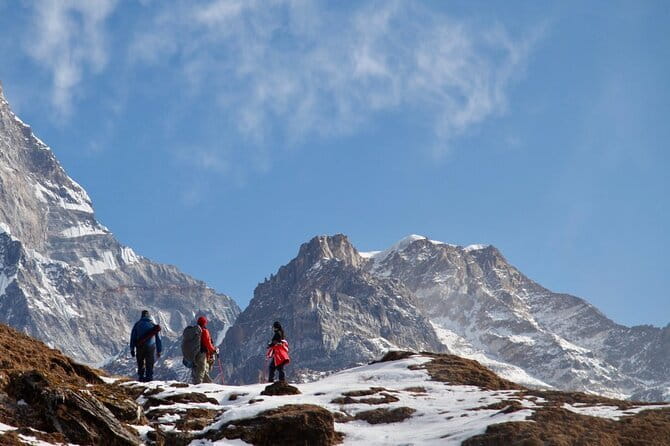
This 4-day Mardi Himal route from Pokhara gets you into the Annapurna region quickly, and the trails stay uncrowded enough that you can hear your own footsteps. You are also working toward real altitude goals, including Mardi Himal Base Camp around 4,500 meters, with big views of Machapuchare, the Annapurna Range, and the Mardi Himal massif.
I like how the itinerary is built around sunrise, not just “walk until tired.” From the viewpoints, you get early light over peaks like Machapuchare (often called Fishtail), and the long photo breaks feel worth it, not forced. The guide service also stands out, with many people specifically calling out Krishna as helpful and steady, plus guesthouse rooms that are described as clean and comfortable.
One consideration: this is for people with moderate fitness. Some days run 6 to 7 hours, and on Day 3 you might feel breathing difficulty as you climb toward the higher viewpoints and base area, so pacing matters.
In This Review
- Key highlights you should care about
- Why Mardi Himal Fits a Short Trip from Pokhara
- The Pokhara Start: Pickup, Drive, and How Day 1 Gets Rolling
- Day 1 Forest Camp: Green Trails and a Clear Fishtail First Glance
- Day 2 Mardi High Camp: Sunrise Mood and the Forest-to-Views Shift
- Day 3 Mardi Himal Base Camp: Sunrise at the Viewpoint and the Altitude Reality Check
- Day 4 Pokhara Lakeside Finish: Trek Down to Siding and a Sharing Jeep Back
- Price and Value: What $270 Covers, and What It Does Not
- Guide Service and Guesthouse Life: What You Can Expect on the Trail
- What to Bring and How to Handle the Altitude
- Who This Trek Is Best For (and Who Might Reconsider)
- Should You Book This 4-Day Mardi Himal Base Camp Trek?
- FAQ
- How long is the Mardi Himal Base Camp trek from Pokhara?
- Where does the trek start and where do you end?
- Is hotel pickup included?
- How do you travel between Pokhara and the trail area?
- Are trekking permits included in the price?
- What kind of guide do you get?
- What kind of accommodation is provided during the trek?
- What is the highest point mentioned in the itinerary?
- What fitness level do I need?
- What is included in the $270 price, and what is not?
- Can I cancel for free?
Key highlights you should care about
- 4 days from Pokhara to Mardi Himal Base Camp so you do not burn your whole holiday in transit
- Sunrise-centered viewpoints that make the early mornings feel purposeful
- Quieter trekking than the big-name routes in the Annapurna area
- Hotel pickup and round-trip sharing jeep for easier logistics
- Permits included (trekking permit and TIMS card) so you are not scrambling paperwork
- English-speaking guide and private group setup so your pace stays yours
Still on the Mardi ridge? A few more
Why Mardi Himal Fits a Short Trip from Pokhara
If you only have a few days, the Mardi Himal trek hits a sweet spot. It is not a long slog like the 10-day and 14-day classics. Instead, you compress the Annapurna feeling into a 4-day walk with multiple viewpoint moments built in, including a base camp stop around 4,500 meters.
The other reason I pay attention to Mardi Himal is that the trail tends to feel calmer. More famous routes can be busy, and that can change the vibe fast. Here, the lower number of hikers helps you stay present, whether you are watching the mountains change color or chatting with people in small villages.
Now, altitude is still altitude. Even though the schedule is short, the hike to the viewpoint and base area on Day 3 can make your breathing feel workmanlike. That is not a reason to avoid it, but it is a reason to plan for slow steps and steady effort.
The Pokhara Start: Pickup, Drive, and How Day 1 Gets Rolling
Your day starts with hotel pickup around 8:30 in the morning, then a short drive before the walking begins. This is the kind of start that helps you avoid wasting time figuring out local transport. If you have ever arrived in Pokhara and immediately wanted to be off on trails, you will appreciate this structure.
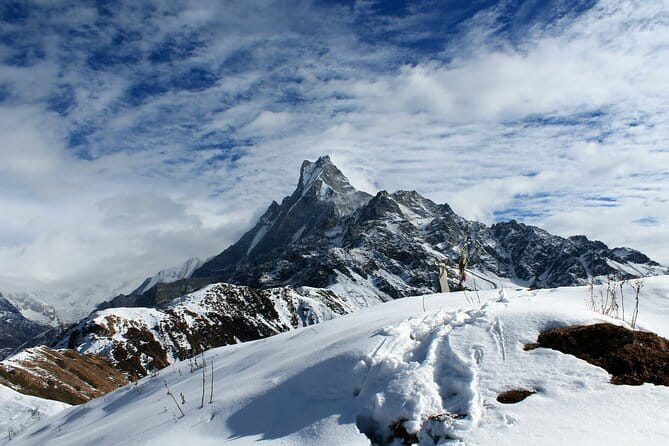
The trek opening also matters because it sets your expectations. From the early camp area on Day 1, Machapuchare, also called Fishtail, is described as clearly visible. That early sighting is a morale boost. It is also a hint that you are not just walking through hills, you are walking toward real mountain drama.
You spend about 6 hours total on Day 1, with forest and green scenery along the way. The best way to approach Day 1 is to treat it like a warm-up with good scenery, not a fitness test. You want to save some energy for Day 2 and the longer climbing feel later on.
Day 1 Forest Camp: Green Trails and a Clear Fishtail First Glance
Day 1 takes you to Forest Camp on the Mardi Himal route. The vibe here is “easy to start, rewarding to notice.” You begin after pickup and drive, then you start trekking and get surrounded by greenery. The trail also gives you that early pay-off view, with Fishtail visible from this stage of the hike.
This day is a good match for people who get nervous at the start of a trek. It builds your rhythm without throwing you straight into steep altitude climbing. You are still walking uphill at times, but the day is long enough to feel like a trek, short enough that you do not feel completely smoked before you even settle into camp.
One practical thing: aim to hydrate early and keep your steps smooth. The higher days will feel easier if your legs are not tight and grumpy on Day 2.
Day 2 Mardi High Camp: Sunrise Mood and the Forest-to-Views Shift
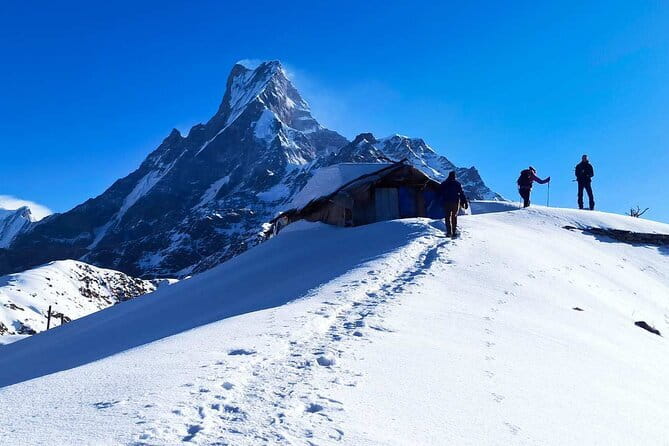
On Day 2, the schedule is built for early energy. You wake up with Mount Fishtail just in front and get that sunrise feeling before you really work the trail. Then you hike toward Mardi High Camp, with about 7 hours on the move.
The route description highlights a forest portion at the start, including up to places like Badal Danda or Middle Camp. After that, the trail transitions into a more open, higher-feeling segment where the views should start getting broader. That “forest then views” pattern is a classic mountain trek rhythm, and you usually feel better because the scenery keeps changing.
This is also a day where your head needs to be in the right place. You are not just hiking for distance, you are hiking for timing. If you get sloppy about pace, you can end up arriving later than planned, which can cut into daylight and make the next morning more stressful.
The good news is that this itinerary is structured enough to keep you from guessing. With an English-speaking guide, you get a clear sense of how the day will unfold.
Other lodge to lodge routes near Pokhara

Day 3 Mardi Himal Base Camp: Sunrise at the Viewpoint and the Altitude Reality Check

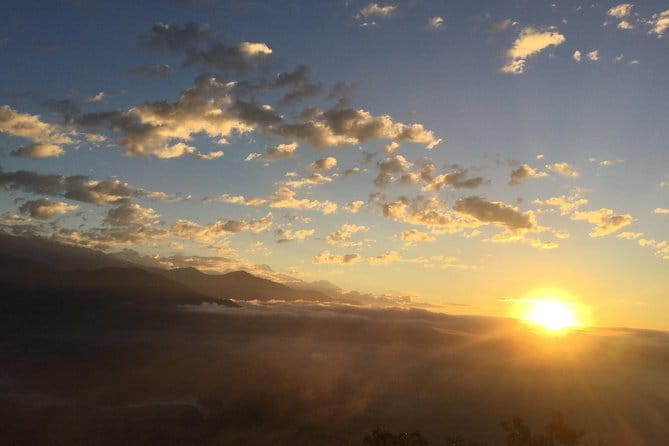
Day 3 is the day with the payoff focus. You wake early to catch sunrise from Mardi Himal Viewpoint, then you do a morning ascent that is listed as about 2 to 3 hours. That climb is where breathing can get tricky. You might notice fatigue or shortness of breath, which is normal at elevation. The key is slowing down and letting your body adjust.
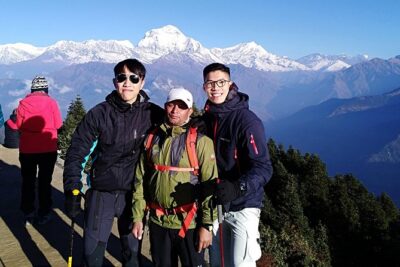
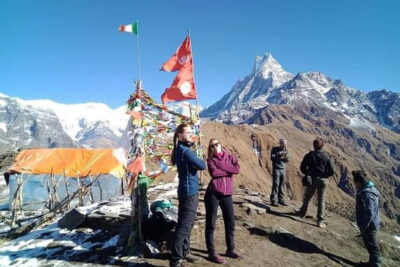
Once you reach the viewpoint and the base area atmosphere, you get the main reason most people want Mardi Himal. You are walking into a panorama setting with snow-capped peaks around you, including Machapuchare and the wider Annapurna skyline. At Mardi Himal Base Camp around 4,500 meters, the mountain scene is the star, not the trail.
After exploring around the viewpoint, the schedule brings you back down. You return toward Mardi High Camp and continue back to Middle Camp. There is also a mention of a lower stop with a second-best viewpoint worth pausing at, after the main Mardi Himal Viewpoint. That matters because it gives you a second “worth it” moment without requiring a full extra climb.
Day 3 also tends to be emotionally satisfying. You get the big mountain payoff and then you still have the energy to keep moving rather than just collapsing.
Day 4 Pokhara Lakeside Finish: Trek Down to Siding and a Sharing Jeep Back
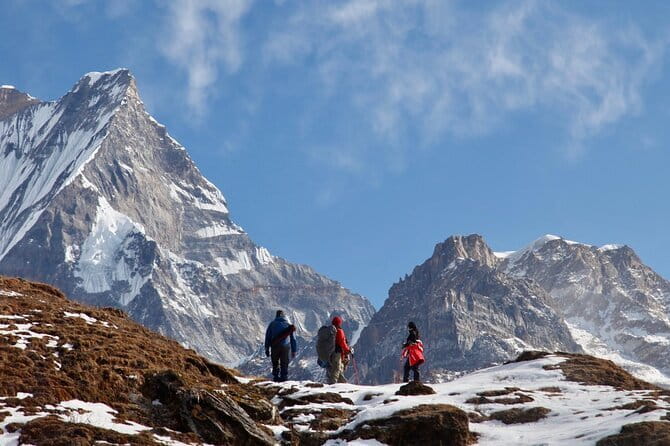
Day 4 is the decompression day. You start with sunrise and mountain views from Pokhara Lakeside, then you trek down all the way to Siding village. The trekking portion is listed as about 6 hours, then you drive back to Pokhara via a sharing jeep.
This ending style is smart. It means you do not just cut straight to town right after your highest point. You ease your body down gradually, then you finish with a softer, more comfortable setting by the lake.
The lakeside sunrise is a nice emotional bookend. After days of mountains and narrow trails, you get a calmer view that feels like you can finally breathe normally again.
If you like having a clean wrap-up, this Day 4 structure helps. It keeps the last day simple and reduces the chance that you are scrambling for transport after a tiring walk.
Price and Value: What $270 Covers, and What It Does Not
At $270 per person for roughly 4 days, the value depends on how much you care about having logistics handled. In this package, you get hotel pickup and drop-off, round-trip transfers by sharing jeep, and the trekking side of the experience including permits and guide support.
Included basics that matter:
- Trekking permit and TIMS card
- English-speaking trekking guide
- Accommodation in guesthouse
- Private trip structure for your group
- Private guide service with your own group moving together
What is not included:
- Personal expenses
- Gratitude (tip)
From a value perspective, permits and guide support are not cheap, and they are easy to underestimate when you are planning independently. Having those already folded in is one less thing to worry about.
Also notice the timing value. A 4-day trek means you pay for fewer nights and fewer days of guide time. You still get multiple sunrise viewpoints and the base camp goal. For people on a short schedule, that makes this price easier to justify.
Guide Service and Guesthouse Life: What You Can Expect on the Trail
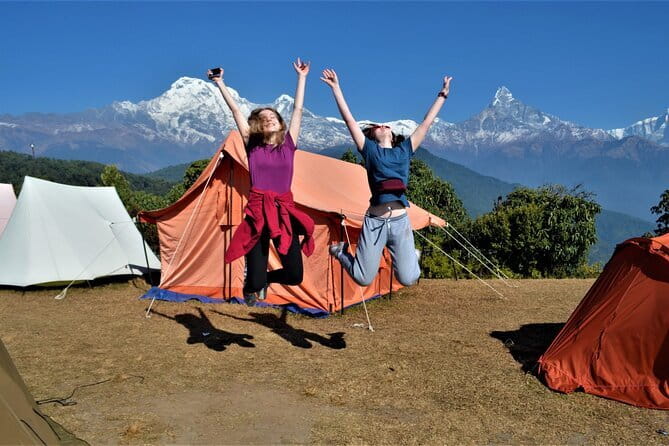
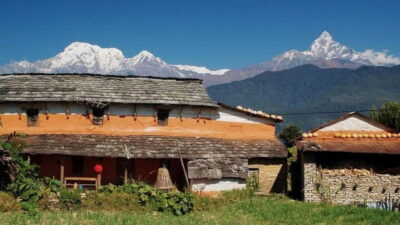
The trek runs on guesthouses, which is part of the charm. You are not in luxury lodges, but the experience can still be comfortable if you pack and plan smart.
Based on the service patterns shared in the feedback, the guide experience is a standout. Krishna comes up again and again in descriptions of helpful, supportive guidance. That matters because on a trek like this, good guidance is not about speeches. It is about pacing, timing the mornings for views, and keeping you on track when altitude starts playing tricks with your energy.
Rooms are repeatedly described as clean, which is exactly what you want at the end of a long day. You may not get a spa experience, but you should get a workable place to sleep, wash in whatever basic way you can, and reset for the next morning.
Food is mentioned as nice in the feedback, but details like menu variety are not specified here. Plan for simple trekking meals. Keep expectations realistic: you are fueling your hikes, not hunting Michelin stars.
What to Bring and How to Handle the Altitude
Even with a short itinerary, altitude can still surprise you. Day 3 includes an ascent of about 2 to 3 hours toward the viewpoint and base area, and the route notes that breathing difficulty is possible. The best advice here is the least glamorous: pace yourself and take breaks when you need them.
Your packing priorities should match the trek’s rhythm:
- Layers for morning cold, since sunrise starts early
- Walking shoes or boots you trust on uneven paths
- A rain shell or light waterproof layer, just in case weather shifts
- A daypack for water, snacks, and a light layer
- Passport copy and a passport-size photo before the trek to issue the permit
Because permits and TIMS card are part of the included setup, you do not want to wait on paperwork. Have your documents ready before you go.
If you like checklists, make one for the little stuff that can ruin a good trek day. Sunglasses, sunscreen, and a basic water strategy are small items that pay off fast on bright mountain mornings.
Who This Trek Is Best For (and Who Might Reconsider)
This Mardi Himal trek suits you if:
- You want a quick introduction to the Annapurna region from Pokhara
- You care about sunrise viewpoints and mountain panoramas
- You prefer calmer trails compared to the busiest big-name routes
- You are okay with guesthouse lodging and a simple trekking lifestyle
- You have moderate fitness and can handle 6 to 7 hour trekking days
You might reconsider if:
- You struggle with altitude climbing and do not feel comfortable with pacing for short but high-elevation segments
- You want a fully relaxed pace every day, because at least two days include longer walking durations
- You are not ready to move on a schedule built around early sunrise timing
That said, this trek does not require marathon stamina. The route is short enough that sensible pacing and good breathing technique can make a big difference.
Should You Book This 4-Day Mardi Himal Base Camp Trek?
My take: book it if you want a smart, time-efficient way to reach Mardi Himal Base Camp and see Machapuchare and the Annapurna range without signing up for a two-week commitment.
It also looks like a strong option if you value clean, straightforward guesthouse stays and a guide who keeps things practical. The repeated mention of Krishna for helpful guidance is the kind of detail that matters when you are trekking at elevation.
Before you commit, check two things:
- Your fitness comfort for Day 3 climbing and possible breathing difficulty
- Your readiness to provide passport details for the permit and TIMS card
If those check out, this is a solid choice for a memorable Himalayan experience that fits a short trip and still feels real.
FAQ
How long is the Mardi Himal Base Camp trek from Pokhara?
It is listed as 4 days approximately.
Where does the trek start and where do you end?
The trek starts from Pokhara, and it ends back in Pokhara after trekking down to Siding village.
Is hotel pickup included?
Yes. Hotel pickup and drop-off are included.
How do you travel between Pokhara and the trail area?
The tour includes round-trip transfers by sharing jeep.
Are trekking permits included in the price?
Yes. The trekking permit and a TIMS card are included.
What kind of guide do you get?
You get an English-speaking trekking guide.
What kind of accommodation is provided during the trek?
Accommodation in a guest house is included.
What is the highest point mentioned in the itinerary?
Mardi Himal Base Camp is listed at about 4,500 meters.
What fitness level do I need?
The tour notes a moderate physical fitness level.
What is included in the $270 price, and what is not?
Included are pickup and drop-off, sharing jeep transfers, trekking permit and TIMS card, English speaking guide, guest house accommodation, and a private trip. Not included are personal expenses and gratitude.
Can I cancel for free?
Yes. You can cancel up to 24 hours in advance for a full refund.
Lodge to Lodge Around Pokhara
The Rest of Our Pokhara Write Ups
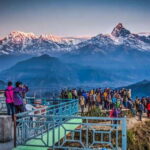


Mardi Himal, Keep Climbing
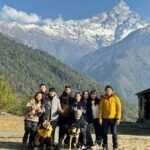
Everything else we have reviewed around Pokhara
- Pokhara: Cable Car Tour – Bird Eye View of Mountain & Lake
★ 4.4 · 3 reviews - Jomsom Muktinath Tour by 4WD SUV 2 Days
★ 5.0 · 3 reviews - Ghorepani Poonhill Private Trek – 2 nights / 3 days
★ 4.5 · 3 reviews - Pokhara: 30-Minute Paragliding Adventure with pick up/drop off
★ 4.5 · 3 reviews - Pokhara: 7-Day Annapurna Base Camp Trek via Ghandruk
★ 4.3 · 3 reviews - Pokhara Group Joining Sarangkot Sunrise Himalayas Tour
★ 5.0 · 3 reviews
Mardi Himal Treks worth a second look.
 ★ 4.94-Day Mardi Himal TrekFrom $13959 reviews
 ★ 5.0Private Mardi Himal TrekFrom $39942 reviews
 ★ 5.0Mardi Himal TrekFrom $1,05841 reviews
 ★ 4.94-Day Mardi Himal Base Camp TrekFrom $13831 reviews
★ 5.0Mardi Himal TrekFrom $39930 reviews
 ★ 5.0Mardi Himal Trek NepalFrom $75029 reviews
 ★ 5.04 Day Mardi Himal Base Camp Trek from PokharaFrom $29018 reviews
 ★ 5.05-Day Mardi Himal Base Camp TrekFrom $18110 reviews
Lists this tour sits in