
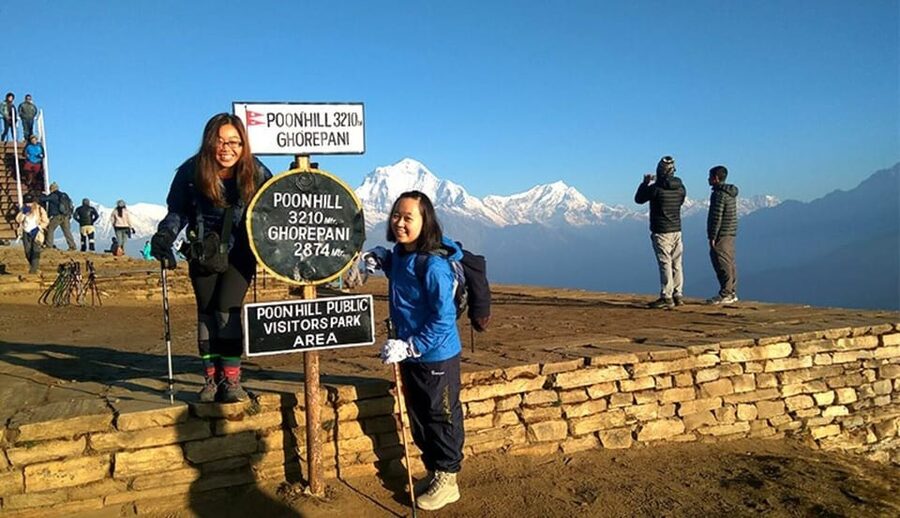
REVIEW · POON HILL & GHOREPANI TREKS
Pokhara: 2 Day Ghorepani & Poon Hill Private Trekking
A sunrise climb can sound like a lot of fuss. This two-day route keeps it simple, with a guided push to Poon Hill and the kind of mountain views that make early starts feel worth it. You also get an easy rhythm on the trail, with village paths, forest stretches, and cozy stops at the end of each day.
What I really like is the payoff. You get sunrise views over the Annapurna and Dhaulagiri ranges, and the walk is timed so you’re not rushing all day just to say you walked. I also appreciate that the trip is designed for a manageable trek, with teahouse lodging on the way so you are not scrambling for logistics at every turn.
One thing to consider: the transfer up to the trailhead is long and bumpy. Even with a comfortable-style vehicle described for the drive, expect a rough, winding ride and plan your energy accordingly.
In This Review
- Key things to know before you go
- Why Poon Hill in Two Days Works So Well
- Pokhara to Tikhedhunga/Ulleri: the transfer part you should plan for
- Day 1 from Tikhedhunga/Ulleri to Ghorepani (2,850 m): villages, terraces, and forest
- Day 2: the 4 am climb to Poon Hill (3,210 m) and the Annapurna-Dhaulagiri sunrise
- Teahouses, warmth, and what meals really mean on this trek
- Guides, private service, and how the trip stays smooth
- Price and value: what $129 covers and why it can be worth it
- Who should book this trek, and who should skip it
- Packing tips that make Poon Hill day two easier
- Should you book a private 2-day Ghorepani and Poon Hill trek?
- FAQ
- What is the duration of this trek?
- Where does the trek start and end?
- What altitude is Poon Hill?
- What time do you start for sunrise on day two?
- Is accommodation included?
- Are meals included?
- Do I need a porter?
- What is included in the price besides the trek?
- What should I bring for the trek?
- Who is this trek not suitable for?
Key things to know before you go
- Sunrise timing at Poon Hill: early morning start around 4 am for the best mountain light
- Real teahouse trek rhythm: one night at Ghorepani, then downhill toward Ulleri/Tikhedhunga
- Rhododendron forests and village paths: good variety without needing a long trek
- Private group with English guidance: you get help on the trail and explanations along the way
- Permits and core costs handled: TIMS, permits, and taxes are included
Shorter Ghorepani options worth weighing
Why Poon Hill in Two Days Works So Well
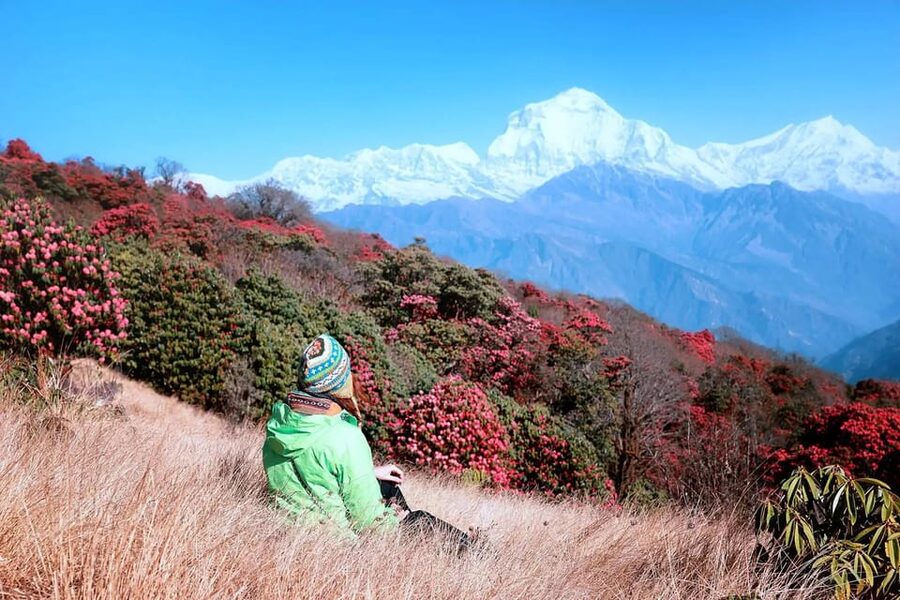
Poon Hill is one of those Nepal experiences that hits fast. In just 2 days, you trade city time for a very specific payoff: the moment the light spills across the mountain ranges and the ridgelines look almost close enough to touch.
This trek is also a practical choice if you want the Annapurna region without committing to a longer hike. The walking is challenging enough to feel like a real trek, but the schedule is compact. You’re not spending days managing altitude, food resupply, or daily route decisions. Instead, the plan focuses on trail walking plus one big early-morning reward.
And because it’s a private group, your pace can feel less like a conveyor belt. You still follow the route, but you are not dealing with a huge mix of energy levels right behind you. That matters when you are doing a steep climb in the dark and need your breathing, not distractions.
Pokhara to Tikhedhunga/Ulleri: the transfer part you should plan for
Most of the stress for a short trek happens before you even start walking. You’ll be picked up from any hotel in Lakeside Pokhara or from the airport, then transferred toward Tikhedhunga/Ulleri.
The drive time is described as about 3 hours, but the road can take longer depending on conditions. One person called out a 5-plus hour bumpy bus ride, with lots of shaking on the way up. So here’s my advice: assume it will be a bit of a slog. Bring water, keep snacks handy, and wear layers you can deal with when the temperature shifts.
Why it matters: if you show up tired, the next step feels harder. The trail portion is physically demanding, especially on day two. If you treat the transfer like part of the hike, you’ll feel better when the trail begins.
Day 1 from Tikhedhunga/Ulleri to Ghorepani (2,850 m): villages, terraces, and forest
Day one starts at Tikhedhunga/Ulleri and climbs gradually toward Banthati via Ghorepani. You’ll pass through villages and terraced fields, then move into stretches of rhododendron forest. That mix is a big part of why this trek feels good even when you are still building stamina.
You’ll also get that Gurung village atmosphere that shows up across the Annapurna foothills: small paths, everyday life, and a sense that you are walking through communities, not just sightseeing.
Elevation-wise, your overnight is in the Ghorepani area around 2,850 meters. That’s high enough to feel cooler at night, but it’s not the kind of altitude that usually knocks the wind out of you. Still, day one is where you set your pace. If you go too fast early, day two becomes a grind.
Comfort is part of the design. You stay in a tourist-standard lodge, the kind of place where you can warm up, rest your legs, and get ready for the early start. Meals are available to purchase, so you’ll want cash on hand for dinners and breakfasts.
Day 2: the 4 am climb to Poon Hill (3,210 m) and the Annapurna-Dhaulagiri sunrise
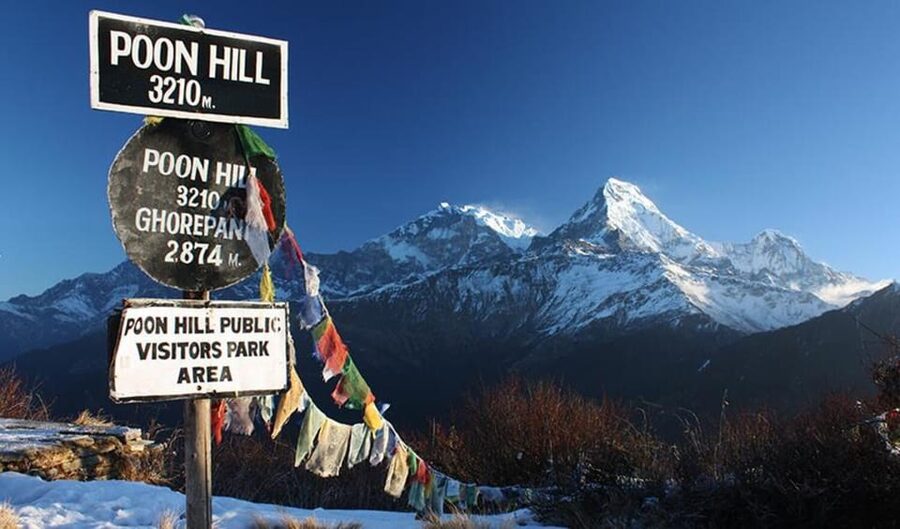
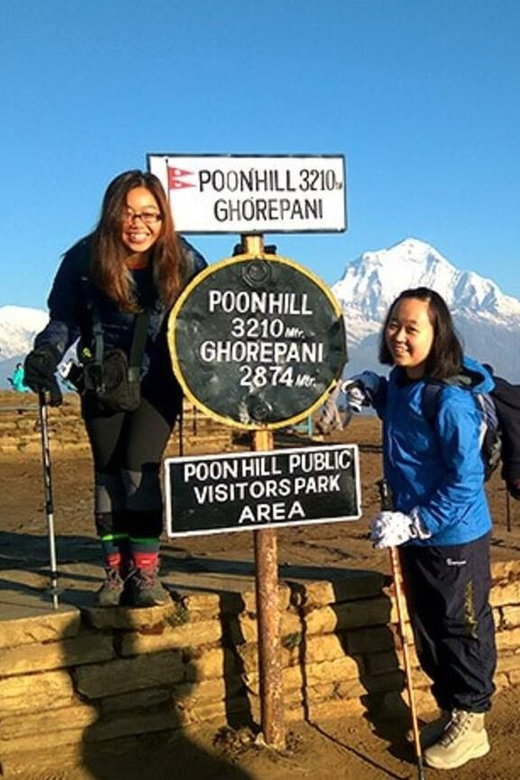
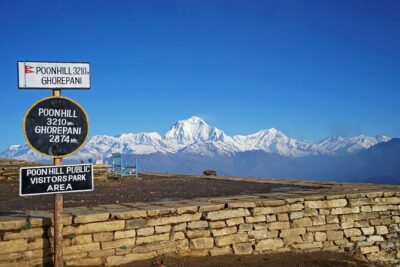
Day two is the star of the show. You start early, around 4 am, trekking from Ghorepani toward Poon Hill (3,210 m). This section is steep. Expect stairs, uneven footing, and the kind of climb where your legs burn but your head stays focused on one step at a time.
Is it hard? It can be, but it is also manageable when you go slow. The trick is to keep a steady rhythm and not sprint up for other people’s pace. You’ll see the reward when you reach the viewpoints just in time for sunrise.
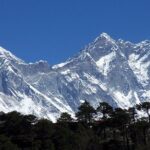
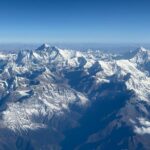
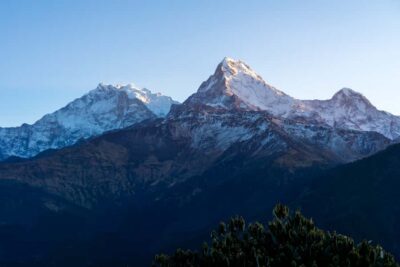
Then comes the payoff: you watch first light spread across the Annapurna and Dhaulagiri ranges. The exact moment sunrise hits can be a little weather-dependent, but the plan is built around catching that early sky transition. Even people who stressed about the climb often sounded confident after they saw the view.
After sunrise, you descend. The route continues through rhododendron forest and Gurung villages on the way back, and you eventually reach Nayapul for the drive back toward Ulleri/Tikhedhunga and then on to Pokhara.
This is where trekking math helps. Short treks feel intense because they pack climbing and descending into a short window. If you treat day two as a sunrise hike plus a longer descent, you’ll feel less surprised when your legs are tired.
Private guides for Kathmandu, a few more
Teahouses, warmth, and what meals really mean on this trek
This is a lodge-based trek, not a camping trek. You’ll sleep at a tourist-standard lodge in Ghorepani. In practical terms, that means:
- You can take a hot drink and warm up after walking
- You are not hauling tents or sleeping gear
- You’ll manage a more predictable routine overnight
Meals are not included, but you can purchase them. That is normal for this kind of trek, and it gives you flexibility if you want something light before the sunrise climb. Still, plan to eat something that sits well in your stomach. On day two, your timing matters, because you’ll want energy for the climb to Poon Hill.
One more real-life point: mornings are cold up here, especially when you start around 4 am. Warm clothing isn’t just a suggestion, it’s comfort insurance.
Guides, private service, and how the trip stays smooth
Your trek is led by a professional guide registered with the government. The tour language is English, so you should be able to get explanations without guesswork.
The biggest value of having a guide in a short trek is that your brain can focus on the climb. You do not spend time checking the route, handling permit issues, or figuring out logistics once you’re on the trail. You get a clear plan and someone who can help if conditions shift.
Two guide names came up in real-world feedback: Anil and Dipchandra. Both were praised for being helpful and making the experience feel organized, with support when needed and friendly conversation along the way.
Even with a private group, remember that you are still hiking Nepal mountains. The guide helps you run the day well, but you still control your pace.
Price and value: what $129 covers and why it can be worth it
At $129 per person for 2 days, the value is mostly in what you do not have to manage yourself.
Included items that matter:
- Hotel pick up and drop off in Lakeside Pokhara or the airport
- Round-trip transportation by bus
- Permits and taxes covered, including TIMS
- Private accommodation on tourist-standard lodge
- A guide plus support, including a first aid kit and trek equipment help if needed
- Luggage storage in Pokhara during the trek
When you compare short treks, the money often goes into permits, transport, and guiding. Meals are extra, and a porter is optional, but a lot of the “hard parts” are handled. That is why this works well for people who want the experience without turning it into a project.
If you are traveling solo and would otherwise need to arrange your own transport and permits, the price can feel more attractive. If you already have transport locked and you are comfortable organizing permits and routes, you may find cheaper DIY options, but the simplicity here is the selling point.
Who should book this trek, and who should skip it
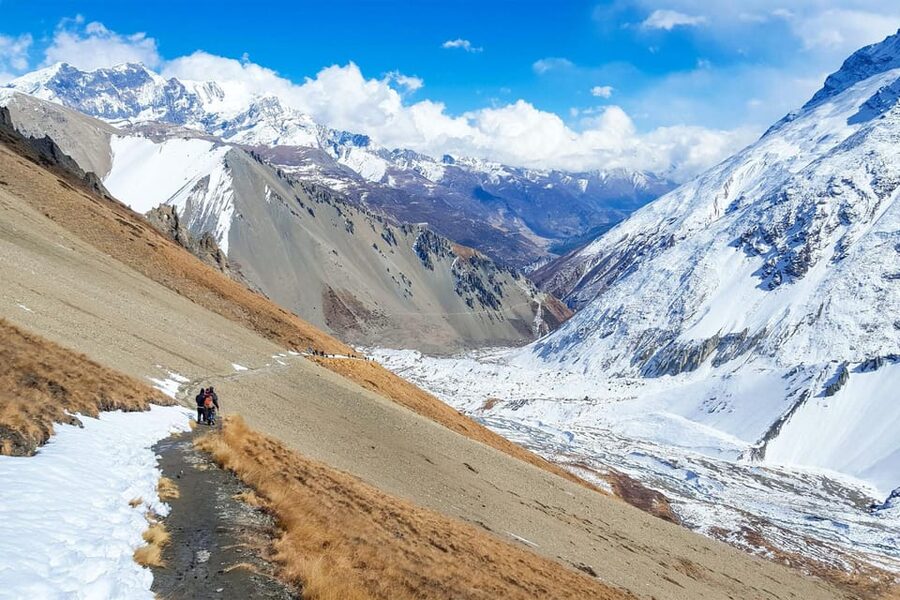
This trek is described as having a manageable trekking difficulty, which makes it a strong fit for beginners who can handle steep stairs for short periods and for experienced hikers who want a quick Annapurna hit.
Still, this is not a casual walk. Day two includes a demanding climb to Poon Hill, and your route includes uneven paths.
It is not suitable for:
- Children under 5
- Pregnant women
- People with back problems
If any of those apply, choose a different route with safer footing and a different profile.
Packing tips that make Poon Hill day two easier
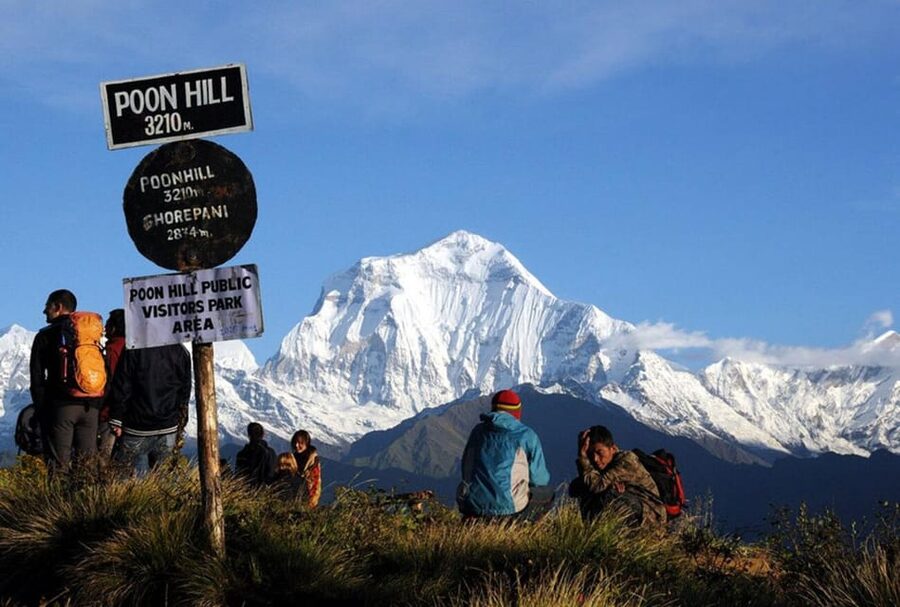
Bring the basics, then plan for cold and early hours:
- Comfortable shoes with good grip
- Warm clothing, especially for the 4 am start
- Camera (the sunrise is the reason you’re here)
- Water
Optional support can also help. The trip can provide a duffel bag or trekking pole if you require. If you know you need poles for downhill comfort, ask ahead.
Also think about what you’ll want during the long transfer. A small snack and a bottle of water can save you from feeling drained right before the hike begins.
Should you book a private 2-day Ghorepani and Poon Hill trek?
Book it if:
- You want the classic Poon Hill sunrise without a long multi-day trek
- You like having a guide handle permits, timing, and route confidence
- You want a compact schedule with teahouse comfort and village trail scenery
- You prefer a private group pacing over a busier group dynamic
Skip it (or choose a different plan) if:
- You know bumpy long rides will wreck you, and you dislike early mornings
- You have back issues or other mobility concerns that make steep stairs and uneven descents risky
- You want meals fully included or a fully self-supported trek
If you go with the right mindset, this is one of the best “short trek with big reward” choices in Nepal. The climb to Poon Hill may be the workout, but the sunrise is the memory.
FAQ
What is the duration of this trek?
The trek is scheduled for 2 days.
Where does the trek start and end?
It starts from the Pokhara area with travel to Tikhedhunga/Ulleri, then you trek through Ghorepani toward Poon Hill, and return to drive back to Pokhara via the Nayapul route area.
What altitude is Poon Hill?
Poon Hill is at 3,210 meters (10,531 feet).
What time do you start for sunrise on day two?
You start around 4 am to trek to Poon Hill for sunrise.
Is accommodation included?
Yes. You get private accommodation on a tourist standard lodge.
Are meals included?
No. Meals are available for purchase.
Do I need a porter?
A porter is optional, not required.
What is included in the price besides the trek?
You get hotel pick up and drop off in Lakeside Pokhara or the airport, round-trip bus transportation, permits (TIMS and taxes), and a professional English-speaking guide, plus first aid support. Luggage storage in Pokhara is also included.
What should I bring for the trek?
Bring comfortable shoes, warm clothing, a camera, and water.
Who is this trek not suitable for?
It is not suitable for children under 5 years, pregnant women, or people with back problems.
Kathmandu Without the Group Bus
The Rest of Our Kathmandu Write Ups

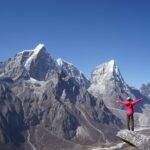
Ghorepani and the Poon Hill Ridge
Everything else we have reviewed around Kathmandu
- 12 Days Everest Base Camp Trekking
★ 5.0 · 3 reviews - 1 Night 2 Days Chitwan Jungle Safari Tour from Pokhara or Kathmandu
★ 3.0 · 3 reviews - Thamel Rickshaw tour
★ 4.7 · 3 reviews - Kathmandu: Momo Making Class with a Local Chef
★ 5.0 · 3 reviews - Kathmandu: Full-Day Yoga, Body Massage and Pedicure Package
★ 5.0 · 3 reviews - From Kathmandu / Pokhara / Chitwan: River Rafting – 1 Day
★ 4.6 · 3 reviews
Poon Hill & Ghorepani Treks worth a second look.
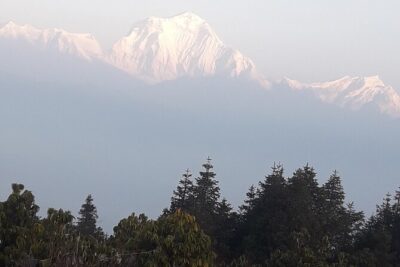 ★ 5.0Poon hill Trek 3 daysFrom $230176 reviews
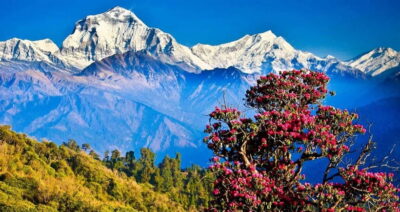 ★ 5.04-Day Ghorepani, Poonhill & Ghandruk Mountain TrekFrom $181132 reviews
 ★ 5.0Ghorepani – Poon Hill Trek 3N-4DFrom $321125 reviews
 ★ 5.04 Days Poon Hill TrekFrom $40594 reviews
 ★ 5.0Ghorepani(Poonhill Trek)From $60081 reviews
 ★ 5.04-day Poon Hill TrekFrom $40074 reviews
 ★ 4.93-Day Ghorepani Poon Hill Trek with GuideFrom $16268 reviews
 ★ 5.0Ghorepani Poon Hill TrekFrom $39961 reviews
Lists this tour sits in