
REVIEW · ANNAPURNA BASE CAMP TREKS
Pokhara: 9-Day Annapurna Base Camp Trek with Poon Hill
If you want Poon Hill sunrise plus the big-name Annapurna views, this 9-day trek from Pokhara is a strong choice, with days built around rhododendron forests and local tea houses. I like that the route mixes classic Himalayan scenery with real village walking, not just constant upward grind. One thing to plan for is altitude, since you reach 4,130m at Annapurna Base Camp, so you need to pace yourself and take it seriously.
You also get a real recovery payoff at the end, with a stop at Natural Hot Spring at Jhinu Dada to soothe tired legs after the long descent.
In This Review
- Key highlights worth your attention
- The smart mix: big sights, steady trekking, real Nepali days
- Poon Hill sunrise: how the morning actually works
- Day by day walking: what each stop really feels like
- Day 1: Pokhara to Nayapul to Tikhedhunga, with Modi Khola along the way
- Day 2: Ulleri steps to Ghorepani, where stairs meet rhododendrons
- Day 3: Sunrise morning, then forest trekking to Tadapani or Chuile
- Day 4: Chuile to Sinuwa, and the river confluence moments
- Day 5: Sinuwa to Deurali (3,200m), with Machhapuchhre in the mix
- Day 6: Deurali to Annapurna Base Camp, the altitude payoff
- Day 7: Base Camp down to Bamboo, where you start feeling lighter
- Day 8: Bamboo to Jhinu Dada Hot Spring, legs meet heat
- Day 9: Jhinu Dada back to Lakeside Pokhara
- Guides, food, and lodging: comfort is part of the value
- Price and what $487 really buys you
- Altitude, stairs, and who this trek is for
- Weather and trail conditions: monsoon rain and leeches
- What to bring so you feel in control
- Should you book this Annapurna Base Camp with Poon Hill trek?
- FAQ
- How high does this trek go?
- Is this a private trek?
- What languages are the guides?
- What is included in the price?
- Are meals included every day?
- What is not included?
- Do I need trekking permits?
- When and where is pickup in Pokhara?
- Is altitude sickness something I should worry about?
Key highlights worth your attention
- Poon Hill timing for sunrise views over the Annapurna Range and Himalayan silhouettes
- Ulleri steps and rhododendron days that are demanding but generally manageable
- Village culture touchpoints in tea house towns and along the trail
- Annapurna Base Camp at 4,130m when the valley opens into snow and glacier views
- Jhinu Dada hot springs to help your body bounce back after downhill hiking
- Guides and logistics that reduce stress, including English and Hindi support
Other approaches to the Sanctuary gate
The smart mix: big sights, steady trekking, real Nepali days
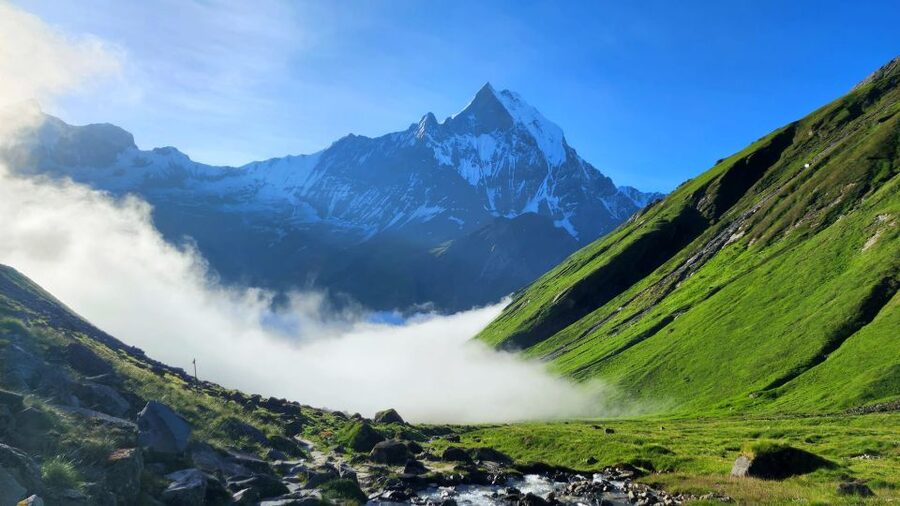
This trek is built around a classic Annapurna circuit idea, but it keeps things focused: Pokhara to the lower trail villages, a sunrise hit at Poon Hill, then steadily higher terrain until Annapurna Base Camp. That structure matters because you’re not trying to sprint from one dramatic viewpoint to another with no rhythm.
I also like the balance of forest walking and mountain goals. The rhododendron season can turn the trail into a nonstop photo stop, but even outside peak bloom, you still get that shaded, cooler walking feel in the trees. And by the time you’re near Base Camp, you’ve earned it with days that feel like a journey, not a checklist.
The route is for fit walkers who can handle 5 to 6 hour hiking days and plenty of stairs. It’s not a flat stroll. But the good news is that the trail is set up so tea houses and lodging are there when you need them.
Poon Hill sunrise: how the morning actually works
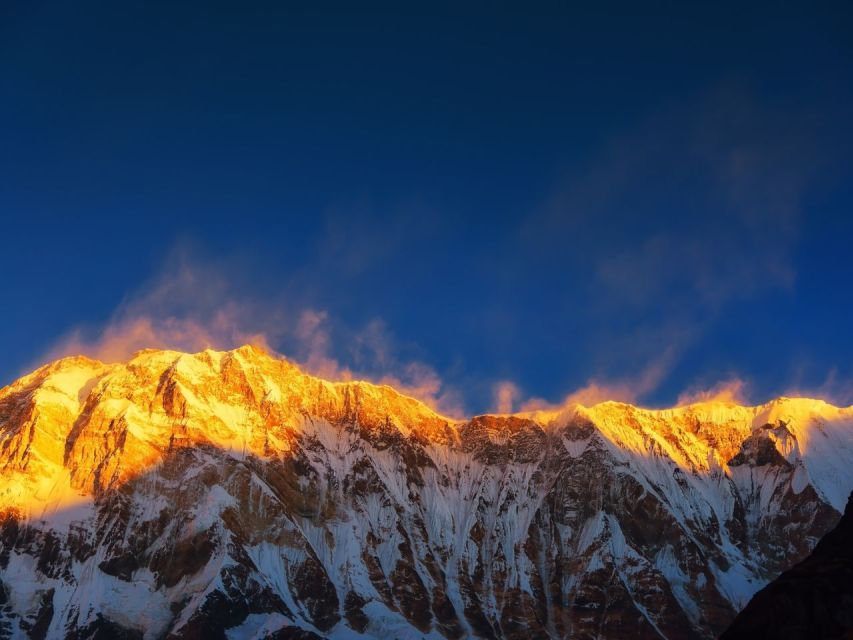
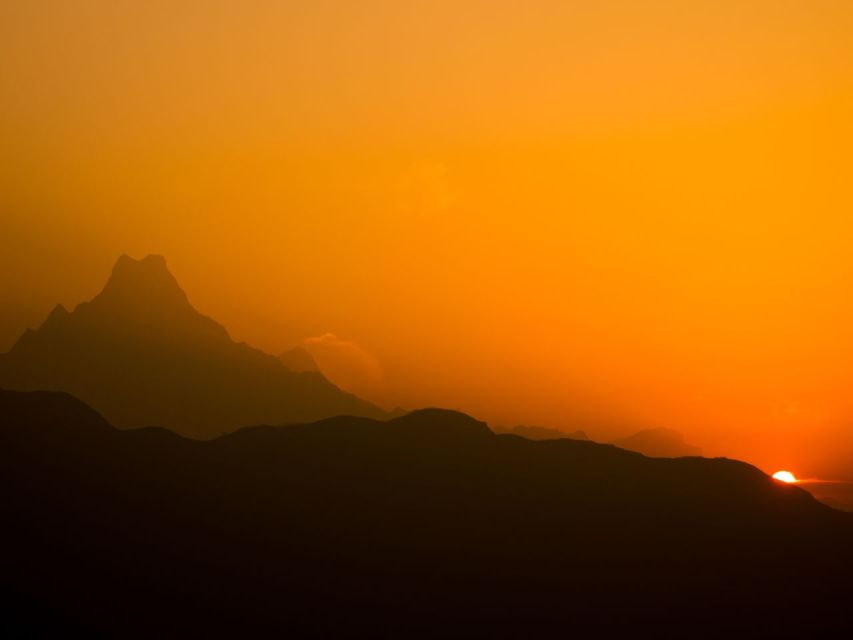
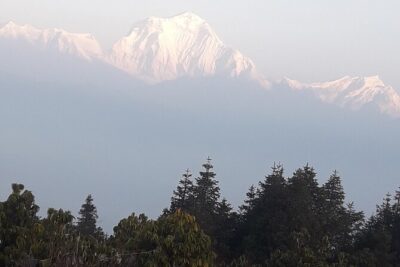
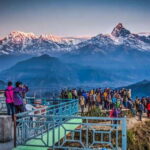
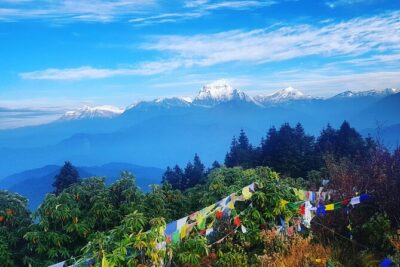
Poon Hill is the moment that turns this trek from good to memorable. You climb high enough to catch sunrise from about 3,210m, which is high enough for those famous orange-red reflections on the snow when weather cooperates.
What you can expect in practice: your day begins early, because the sunrise has zero patience. Once you’re up near Poon Hill, it’s all about being there before the light changes. After you’ve taken it in, you transition into forest trekking toward the next village stop, so the sunrise doesn’t become a whole day-long detour.
Two small practical points help a lot:
- Keep your early-morning layers easy to grab, because it can feel cold before the sun warms the slope.
- Don’t overpack your “just in case” pocket. At altitude, a few things you don’t use become annoying fast.
Day by day walking: what each stop really feels like
Day 1: Pokhara to Nayapul to Tikhedhunga, with Modi Khola along the way
You start with about 2 hours by cab from Pokhara to Nayapul, then switch to trekking for roughly 3 hours to Tikhedhunga at 1,570m. This first day is a gentle on-ramp, with views and village scenes rather than full-body punishment.
The trail follows the Modi Khola River, so you get that moving-water soundtrack and a feeling that you’re heading into the mountains, not just out of town. You’ll also pass through charming villages and rhododendron forests, which is a nice way to start before the bigger climbs later.
Tea house night in Tikhedhunga is where you learn the rhythm: simple meals, warm blankets, and an early bedtime that makes the next day easier.
Shorter Ghorepani options worth weighing
Day 2: Ulleri steps to Ghorepani, where stairs meet rhododendrons
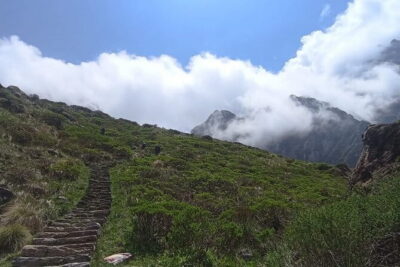
Day 2 is the first real test. It’s about 6 hours of trekking, and the big feature is ascending to Ulleri village with over 3,000 steps. If you don’t love stairs yet, you’ll meet them here.
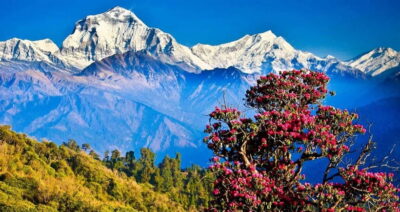
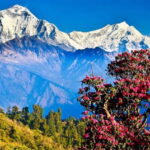
The good part is that the steps don’t just exist to torture you. They go through areas known for blooming rhododendrons, so when the flowers are out, you’ll hike under a kind of natural tunnel. Even when blooms are past peak, the forest cover makes it feel less exposed than open hillside walking.
You end in Ghorepani at 2,840m, staying in a friendly tea house. Ghorepani is also the kind of place where you can feel the anticipation for Poon Hill sunrise, even if you’re trying to pretend you’re calm.
Day 3: Sunrise morning, then forest trekking to Tadapani or Chuile
Day 3 is where the trek becomes “the Annapurna experience” in one day. You catch sunrise from Poon Hill (3,210m) and then shift to forest trekking for around 6 hours toward Tadapani or Chuile, both listed around 2,400m.
That “or” matters. Depending on the pace and how the group moves, you might end up sleeping in Tadapani or Chuile. Either way, the value is the same: after the sunrise, you get a calmer hiking section through trees and quieter bends in the path.
This also sets you up for Day 4, when you’ll keep moving toward the higher, more open terrain.
Day 4: Chuile to Sinuwa, and the river confluence moments
Day 4 is about 5 hours as you continue from Chuile to Sinuwa (2,170m). One detail that makes this day interesting is crossing the convergence of the Kumrung and Modi Rivers. It’s not just a geographical note. Those river junction areas often feel like a change in tempo, because water, air, and vegetation patterns can shift.
You’re still in the “trek to learn the region” zone here. The mountains are there, but the day is about moving through the valley character and building the altitude habit.
Day 5: Sinuwa to Deurali (3,200m), with Machhapuchhre in the mix
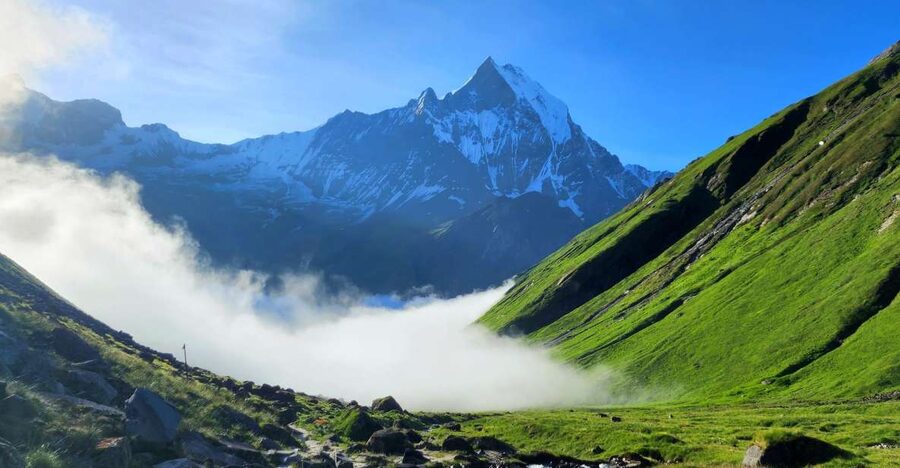
On Day 5, you go up again, about 6 hours from Sinuwa to Deurali (3,200m). The walk is described as lush forest with Annapurna and Machhapuchhre mountains as companions.
When you get to Deurali, you’ll feel that you’re entering the higher-world vibe. Nights tend to feel colder. Tea house walls get less playful and more practical. This is the day where good sleep matters, because Day 6 is the big push.
Day 6: Deurali to Annapurna Base Camp, the altitude payoff
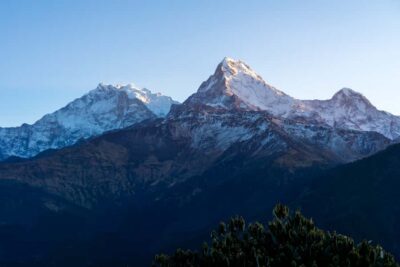
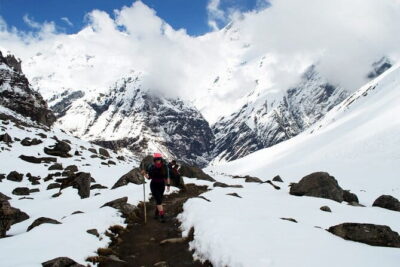
Day 6 is the pinnacle. You trek about 6 hours to Annapurna Base Camp (4,130m). This is where the scenery becomes all snow-capped drama, with peaks and glaciers filling the horizon.
Expect a different kind of quiet here. The air thins, your body moves slower, and the reward feels more physical than visual. You’ll be surrounded by the “big ring” of mountains, and that’s when you really understand why Annapurna Base Camp is on so many bucket lists.
Practical tip: keep your breathing steady and avoid sprinting uphill in the final stretch. You want to arrive feeling like you can enjoy the moment, not like you just survived a mountain marathon.
Day 7: Base Camp down to Bamboo, where you start feeling lighter
Day 7 is Annapurna Base Camp to Bamboo (2,300m) in about 6 hours, and it’s a classic descent day. Descending can feel better for altitude, but it can still be hard on knees and thighs.
This is a good day to re-focus on walking mechanics: shorter steps, controlled foot placement, and hydration. Bamboo is where the trek turns from “high and intense” to “still stunning, now recover.”
Day 8: Bamboo to Jhinu Dada Hot Spring, legs meet heat
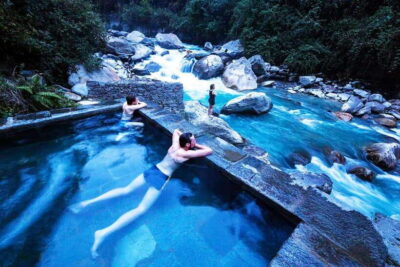
Day 8 is another long-ish hike, about 5 hours from Bamboo to Jhinu Dada (1,600m). The payoff is the natural hot springs, which are ideal after the Base Camp to Bamboo descent and another day of legs-on-trail hiking.
If you’re carrying any tension in calves or thighs, hot water helps. It won’t magically erase fatigue, but it can make your body feel human again. This is also the part of the trek that tends to feel emotionally rewarding, because you can see the end coming.
Day 9: Jhinu Dada back to Lakeside Pokhara
On Day 9, you do a 2-hour trek and then a ride back to Lakeside Pokhara. That final section matters because it gives you a “walk into normal life” feeling instead of instant whiplash back to city pace.
By this point, you’ll likely be thinking in mountain time: calm, reflective, and a bit proud of your legs. Even if you were tired earlier, the return day tends to feel easy.
Guides, food, and lodging: comfort is part of the value
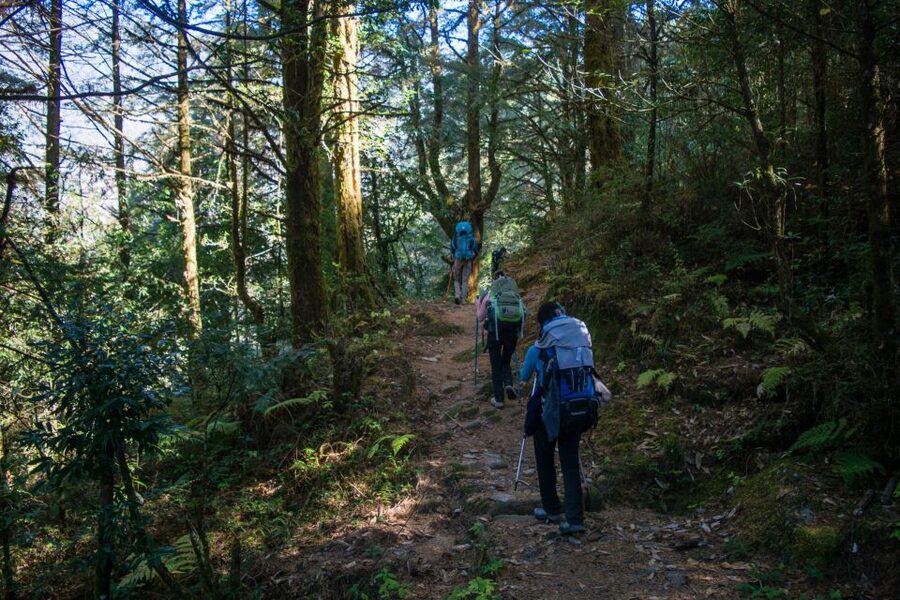
This is a private group with a live tour guide in English and Hindi. That matters more than it sounds, especially when you’re trying to understand routes, pacing, and what to do if the weather shifts.
From the human side, guides like Lalit and Pratiksha have been cited as big reasons groups feel safe and looked after. The practical theme is consistent: they help keep the trek moving on schedule, and they check that huts and restaurants match what your group needs.
Food and accommodation are part of the daily rhythm. Lodging is typically tea house style. Meals usually follow menu options at the stop you’re staying at, and there’s enough variety that you can find something that agrees with your appetite, even when the altitude is messing with it.
Two notes to keep expectations realistic:
- Hot showers aren’t included, and some places may charge or limit access.
- Soft drinks and alcohol are not part of the included package, so you’ll want cash or a plan if you expect those comforts.
Price and what $487 really buys you
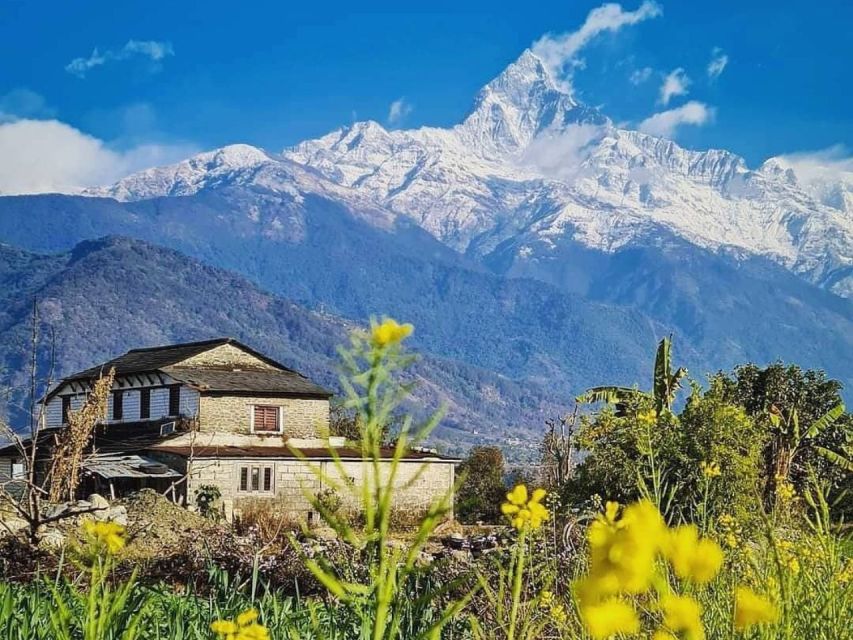
At $487 per person for a 9-day trek, you’re paying for logistics that can otherwise eat your time and energy. Included costs cover transportation during the trek, trekking permits and paperwork, government taxes, accommodation, and staff expenses during the trek.
That is the key value point. Permits, paperwork, and organized lodge stays are not glamorous, but they remove stress, especially if you’re trekking with limited Nepali logistics knowledge. Also, the trek includes staff time through the journey, not just on the walking days.
What’s not included is equally important for budgeting:
- Travel and rescue insurance
- Soft and hard drinks
- Personal expenses like phone calls, laundry, bar bills, battery recharge, bottle or boiled water, and hot shower
- Gear like trekking poles and sleeping bags is not listed as included
So the real question for value is not only the base price. It’s how much you plan to spend on “little stuff” like water and phone charging. If you’re a careful packer and you budget for the essentials, this trek can feel like a clean deal. If you plan to buy lots of add-ons every day, your total cost will rise.
Altitude, stairs, and who this trek is for
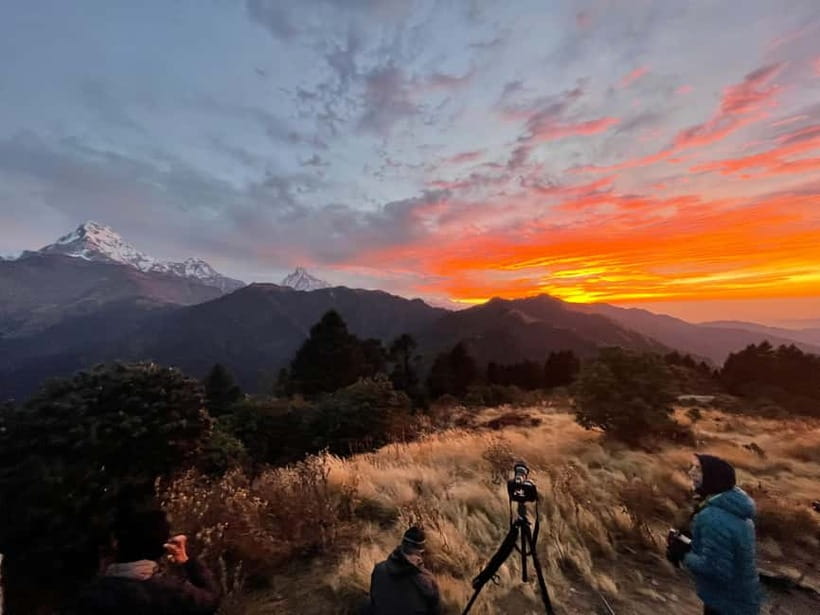
Altitude is the main consideration. The route reaches 4,130m at Annapurna Base Camp, and the provided info flags altitude sickness as a possibility, even if it’s rare.
This trek is listed as not suitable for:
- pregnant women
- people with altitude sickness
- people over 70
Even if you’re within those limits, take altitude seriously. Go slow on uphill sections, drink fluids, and tell your guide quickly if something feels off. You’re not trying to “win” the mountain.
Stairs are another reality. Ulleri includes over 3,000 steps, and later days involve plenty of steps and uneven ground. Good hiking shoes matter, and so does learning a comfortable pace you can repeat for 5 to 6 hours.
Weather and trail conditions: monsoon rain and leeches
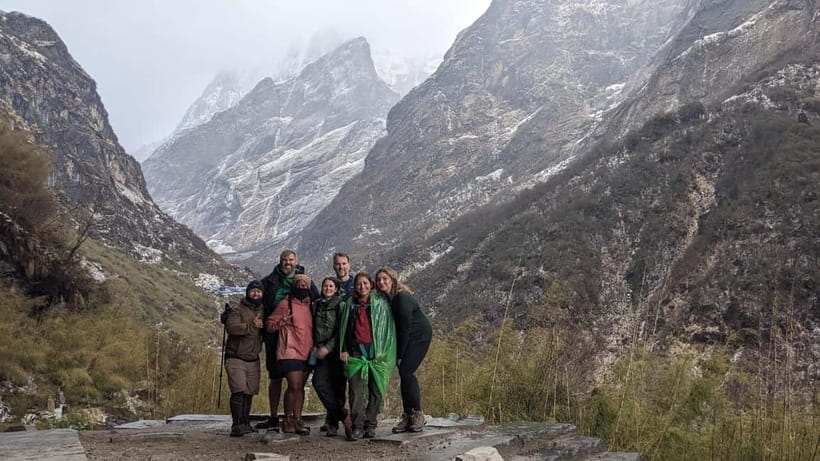
If you trek in June to August, expect erratic weather and heavy rainfall. That’s not just discomfort. Rain can make trails slick, and the best plan is to follow your guide’s advice on timing and caution.
Leeches can also be a nuisance, especially on lower trails during monsoon season. The practical prevention tips are simple:
- wear long pants tucked into gaiters
- use insect repellent
- check gear and legs regularly
If you’re flexible with dates, shoulder seasons usually feel easier underfoot. If monsoon is your only window, pack for wet conditions and accept that the trail can be damp and slow.
What to bring so you feel in control
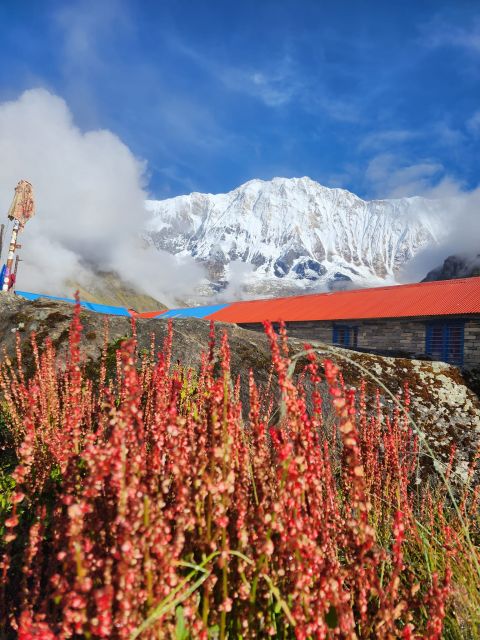
Based on the provided guidance, pack:
- comfortable shoes
- weather-appropriate clothing
- sunscreen
- sunglasses
Also plan around what’s not included. If you rely on trekking poles or a sleeping bag, you’ll need your own. And because hot shower and water purchases may fall under personal expenses, having a water plan matters.
One last detail that helps: keep your essentials in easy reach for quick stops, especially on sunrise morning and during cooler higher-altitude hours.
Should you book this Annapurna Base Camp with Poon Hill trek?
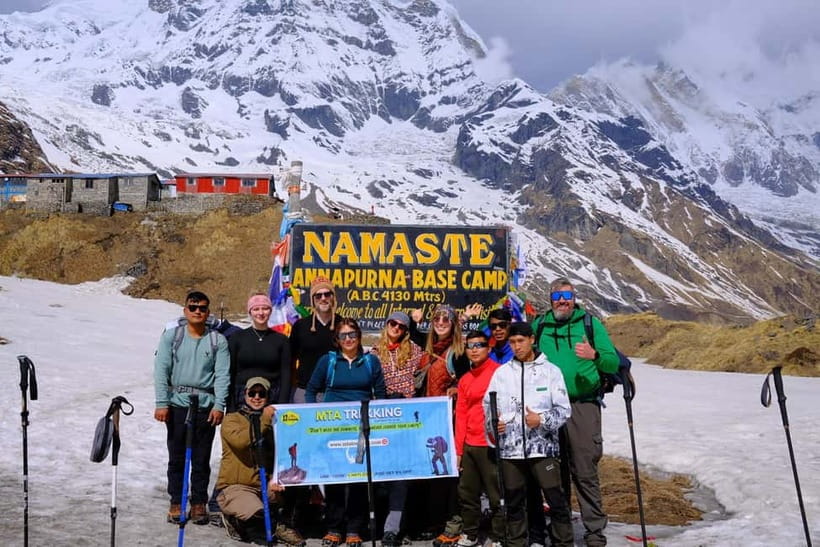
Yes, I’d book it if you want a classic Annapurna experience with a built-in motivation boost from Poon Hill sunrise, plus a well-paced walk that finishes with the Jhinu Dada hot springs recovery stop. It’s also a good fit if you appreciate organized trekking support, including permits, paperwork, and a guide in English or Hindi.
Skip it if altitude is already a concern for you, if you’re in the listed non-suitable groups, or if you know stairs and steep days will stress you out too much. This trek rewards steady hikers, not people hoping for flat walking.
If you’re ready for 5 to 6 hour hiking days, real mountain weather, and a final day of river-to-city transition, this is a strong value way to do Annapurna Base Camp without handling the logistics yourself.
FAQ
How high does this trek go?
You reach Annapurna Base Camp at about 4,130 meters. Poon Hill is listed at around 3,210 meters.
Is this a private trek?
Yes. It’s listed as a private group with a live tour guide.
What languages are the guides?
The guide is listed as English and Hindi.
What is included in the price?
The included items are transportation during the trek, trekking permits and paperwork, government taxes, accommodation, and staff expenses during the trek. Meals are included only for the full package.
Are meals included every day?
Meals are included only for the full package. If you book another package level, you may need to budget for meals during the trek.
What is not included?
Not included items are soft and hard drinks, travel and rescue insurance, and personal expenses such as phone calls, laundry, bar bills, battery recharge, porters, bottle or boiled water, and hot shower. Trekking poles and sleeping bags are also not listed as included.
Do I need trekking permits?
Yes. Trekking permits and paperwork are listed as included.
When and where is pickup in Pokhara?
Pickup is included. You wait in the hotel lobby about 10 minutes before the scheduled pickup time, and the driver holds a sign with your last name.
Is altitude sickness something I should worry about?
Altitude sickness is flagged as a possibility, though it’s described as rarely happening. The trek is also listed as not suitable for people with altitude sickness, so you should take acclimatization seriously and follow your guide’s advice.
The Rest of Our Pokhara Write Ups


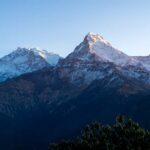
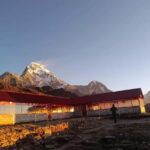
Ghorepani and the Poon Hill Ridge
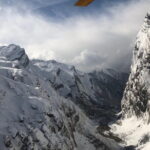
Through the Sanctuary Gate
Everything else we have reviewed around Pokhara
- Pokhara: Cable Car Tour – Bird Eye View of Mountain & Lake
★ 4.4 · 3 reviews - Jomsom Muktinath Tour by 4WD SUV 2 Days
★ 5.0 · 3 reviews - Ghorepani Poonhill Private Trek – 2 nights / 3 days
★ 4.5 · 3 reviews - Pokhara: 30-Minute Paragliding Adventure with pick up/drop off
★ 4.5 · 3 reviews - Pokhara: 7-Day Annapurna Base Camp Trek via Ghandruk
★ 4.3 · 3 reviews - Pokhara Group Joining Sarangkot Sunrise Himalayas Tour
★ 5.0 · 3 reviews
Annapurna Base Camp Treks worth a second look.
 ★ 5.0Annapurna base camp trek 5 DaysFrom $699252 reviews
 ★ 5.0Annapurna Base Camp TrekFrom $935111 reviews
 ★ 5.0Kathmandu to Annapurna Base Camp (ABC) 5-Day TrekFrom $99102 reviews
 ★ 5.0Annapurna Base Camp Trek 12 DaysFrom $80085 reviews
★ 5.0Annapurna Base Camp TrekFrom $92580 reviews
 ★ 4.95-Day Annapurna Base Camp (ABC) TrekFrom $9672 reviews
★ 5.0Annapurna Base Camp TrekFrom $69959 reviews
 ★ 5.011-Day Hike Tour to Annapurna Base Camp Bliss in KathmanduFrom $1,30052 reviews
Lists this tour sits in