

REVIEW · NEPALI CULTURE & CRAFT EXPERIENCES
1 day with our women empowerment and children development project
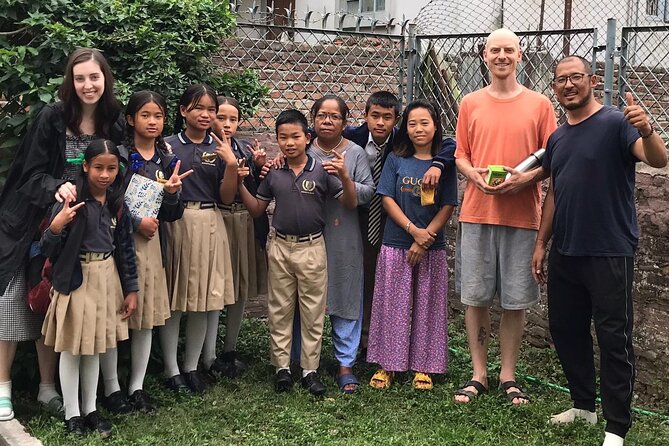
A day like this is about people, not postcards. In Kathmandu, the Human Welfare Committee pairs you with the women and children from underprivileged communities for a hands-on day: cook, eat together, make jewelry, then spend the afternoon playing and connecting. It is a structured program, but it still leaves room for real conversation and spontaneous laughs.
Two things I really like about this experience are the hands-on workshops and the time with the kids after school. You cook a Nepali staple (Dal Bhat or momo), then you make your own bead jewelry. After lunch, the day keeps building until the children return at 4 PM, and you join games, sports, walking, dancing, and even singing.
One possible drawback to consider: this is not a classic sightseeing tour. You will spend most of your day in and around one community center, so if you want Kathmandu landmarks and viewpoints, plan to pair this with other activities.
In This Review
- Key highlights you should know
- A community-centered day that feels honest, not scripted
- Morning logistics: where you start and how the timing works
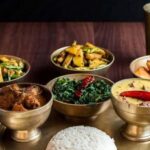
- Cooking class with local women: Dal Bhat or momo
- Lunch together: a shared meal that sets the tone
- Jewelry workshop with colorful beads: making something you can carry
- The 4 PM shift: walking to the main center and meeting the kids
- Dinner with children and a proper farewell
- Meeting the organization leadership: Tenzing’s role
- Price and value: what $120.13 buys you in real terms
- Who this experience suits best, and who should rethink it
- Small practical tips to make your day smoother
- Should you book? My decision guide
- FAQ
- How long is this experience in Kathmandu?
- What is included in the price?
- What activities are part of the schedule?
- What time do the children arrive for the activities?
- Where does the experience start and where does it end?
- Is it a private tour or shared group?
- What ticket type do I receive?
- What dish will I learn to cook?
- What are the operating hours for the Human Welfare Committee?
- What is the cancellation policy?
Key highlights you should know
- Dal Bhat or momo cooking class led by local women, so you learn by doing, not watching
- Lunch and dinner are included, and the day is designed around shared meals with the community
- Jewelry workshop with colorful beads, with a clear take-home purpose (for yourself or as a souvenir)
- Kids’ afternoon program starts at 4 PM, giving you a real window to connect after school
- A walk between locations is part of the rhythm, about 30 minutes together after lunch
- A private group format, so your day stays focused on your own group rather than mixing strangers
Slower, more local afternoons


A community-centered day that feels honest, not scripted
If you are the type of traveler who likes to understand daily life, this kind of program makes sense. Instead of rushing from one monument to the next, you spend your time where routines happen: cooking, eating, making things with your hands, and then playing with children when school ends.
What makes this day especially meaningful is the pacing. You start with the women, then you shift to food, then you move into craft, and only after that do you meet the children back at the main center. That flow matters. It gives you context, and it helps you interact with the kids as people, not as a separate “activity.”
Morning logistics: where you start and how the timing works
Your program runs about 8 to 10 hours, and the schedule is designed to fit around school hours. You begin at the meeting point near Paknajol, then you follow the day’s internal timing:
- You have the cooking class from 11:00 AM to 1:00 PM
- You eat lunch from 1:00 PM to 2:00 PM
- You do the jewelry workshop from 2:00 PM to 4:00 PM
- After that, there is a 30-minute walk together to the Human Welfare Committee main center, arriving around 4:30 PM
- Kids’ activities run 5:00 PM to 7:00 PM, with dinner after
- The day wraps up with a farewell around 8:00 PM
This sequencing is practical. The hardest part of many volunteer-style days is waiting around. Here, you keep moving, but you also get breaks that make the day feel manageable.
Also, the organization operates 10:00 AM to 6:00 PM daily (based on the stated hours), which helps explain why your core activities are concentrated earlier and then during the later afternoon.
Cooking class with local women: Dal Bhat or momo
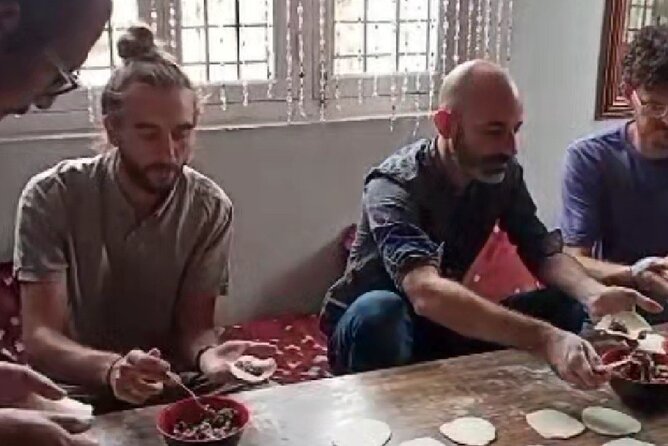
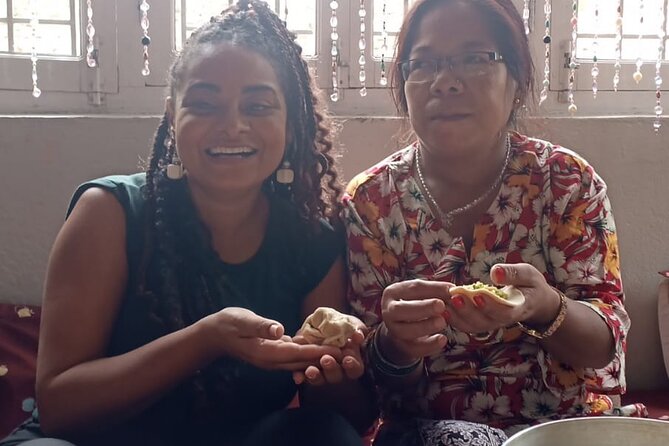
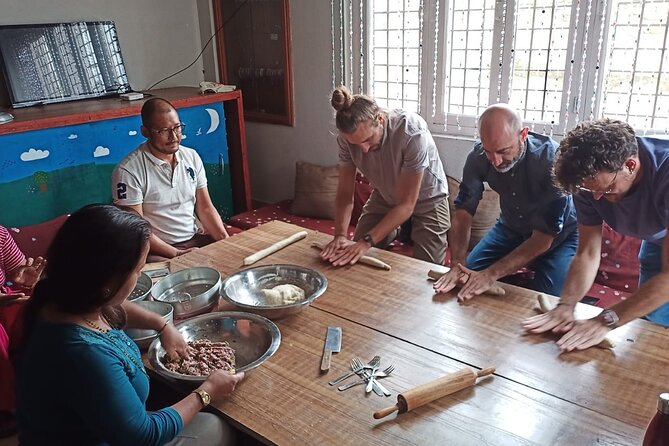
The cooking part is the first big reason people remember this day. You learn a traditional Nepali dish through participation, not just observation. Depending on the group and how the day is run, you will cook Dal Bhat or momo.
Why that matters for you as a traveler: both of these foods are everyday staples. Cooking them gives you more than a recipe. It gives you a feel for daily routines, what people eat when life is practical and busy, and how flavors come together through familiar technique.
I also like the structure of the session being two hours. Long enough for you to actually learn steps, but not so long that you feel worn out before lunch. You will likely be hands-on, so go in ready to get a little kitchen messy.
A small consideration: if you have any strict dietary needs, you should ask in advance how choices are handled. The program does promise a shared lunch, but the specific ingredients and spice level are not detailed here.
Lunch together: a shared meal that sets the tone
Lunch runs from 1:00 PM to 2:00 PM, and it is not a “grab and go” break. It is part of the experience, eaten together with the women involved in the program.
This is where the day starts to feel more human. Conversation is usually easiest during food because you can talk about what you just learned, compare simple kitchen tips, and connect in low-pressure ways. It also helps you understand that empowerment here is not just a workshop label. It is tied to work, community, and shared time.
Practical tip: since you will eat lunch right after cooking, keep your attitude simple. You are not trying to impress anyone with culinary knowledge. You are showing respect by being present and willing to try.
Other Kathmandu trips done inside a day


Jewelry workshop with colorful beads: making something you can carry
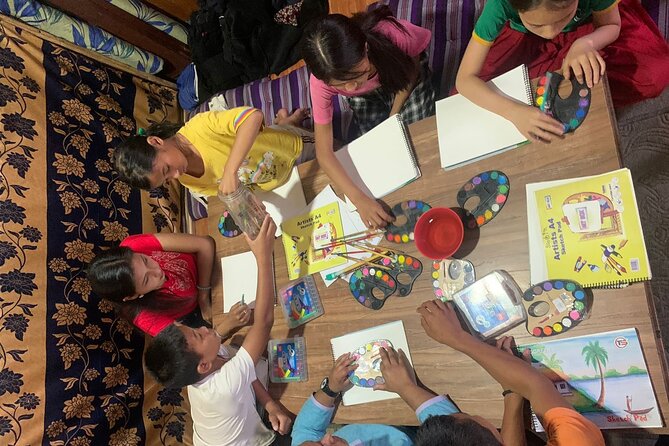
From 2:00 PM to 4:00 PM, you shift from the kitchen to the craft table for a jewelry-making workshop using colorful beads. You make your own piece, either for yourself or as a souvenir.
This is a strong value moment in the day. Many tours “give” you a photo and a story. This one gives you an object you made. Even if you are not a natural crafter, the workshop format is designed around guided participation with the women running it.
What you should expect: a learning session where you work step by step, likely choosing patterns or colors as you go. Bead work can be fiddly, so this is where patient focus comes in. If you relax and treat it like a fun brain exercise, you will probably enjoy it more than you expect.
One more reason I like this workshop: it creates a bridge to the rest of the day. If you keep your jewelry item with you, you have something tangible to talk about when you later join the kids’ activities.
The 4 PM shift: walking to the main center and meeting the kids
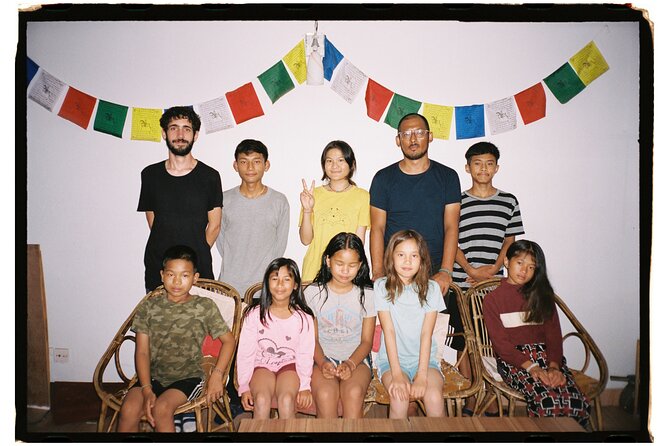
At 4:00 PM to 4:30 PM, you walk together to the Human Welfare Committee main center. That walk is not just transportation. It is part of the transition, and it gives you a moment to reset before school comes into the picture.
Then the day changes pace again. At 4 PM, the children return from school. Your big group interaction starts around 5:00 PM, and the program runs until 7:00 PM.
Activities you can expect with the children include:
- games
- sports
- walking
- dancing
- singing
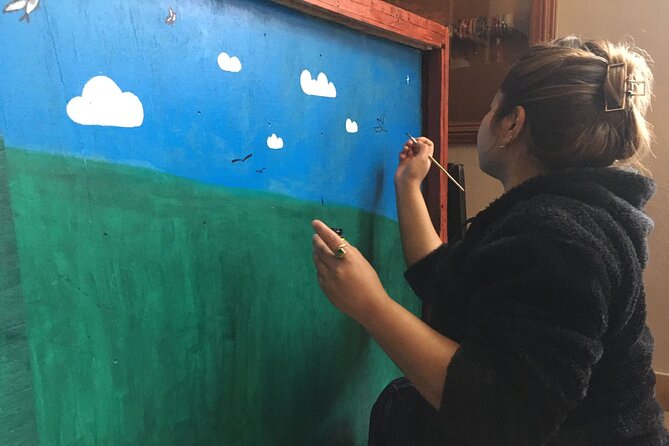
- painting
This is likely the most joyful part of the day for many people because it is spontaneous. You are not in a classroom role. You are in a play role. If you are comfortable being energetic, you will fit right in.
Also, you do not need to be a performer. The program is built so that you can participate in active ways without needing to have special skills.
Dinner with children and a proper farewell
After the kids’ activities come dinner with the children from 7:00 PM to 8:00 PM. Shared dinner is a quiet but important finish. It is a chance to slow down, ask simple questions, and show appreciation in a way that feels respectful, not performative.
The last part, around 8:00 PM, is a farewell end to the program.
Why that ending matters: some days feel incomplete because they stop abruptly. Ending with a meal and goodbye gives the day emotional closure. It also helps you avoid that odd feeling of being “done” with people the moment the program clock runs out.
Meeting the organization leadership: Tenzing’s role
One name that comes up in the day’s running is Tenzing, who leads the organization. In at least one version of the program, you may also have time for conversation with him and the chance to visit a Buddhist temple as part of the day.
If you like stories with context, this is a meaningful plus. Temple visits in Kathmandu can often feel like checkboxes for tourists, but when you add it to a community day, it can turn into something more reflective. You get a frame for what you are seeing and why it matters.
Because the temple stop is not described in every schedule detail here, treat it as a possibility rather than a guarantee.
Price and value: what $120.13 buys you in real terms
At $120.13 per person, this is not a budget “half-day cheapie.” Still, the value is fairly clear once you break it down.
You are paying for:
- a long, structured day (8 to 10 hours)
- multiple guided workshops (cooking and jewelry)
- included meals (lunch and dinner)
- a community-led afternoon with children through multiple activities
- a private format for your group
- an admission ticket included
- a mobile ticket
For many travelers, the real value is not the workshops as objects. It is the time. You are not dropping in for 30 minutes and leaving. You are present for the rhythm of a day, which makes your participation feel more connected.
The best way to judge the cost is to ask yourself what you want from your Kathmandu trip. If you want hands-on learning and meaningful interaction more than quick sights, this price looks reasonable for the time and the meals. If you want big-city sightseeing above all, you might consider pairing this with shorter neighborhood activities, because this one takes focus.
Who this experience suits best, and who should rethink it
This is a strong fit if you:
- enjoy hands-on activities like cooking and crafts
- like spending time with local people in real settings
- want a meaningful day that does not rely on nightlife or landmark hopping
- are comfortable with active play for part of the afternoon
- want a private group day rather than a large mixed crowd
It might be less ideal if you:
- need constant tourism viewpoints and guided sightseeing landmarks
- prefer quiet, low-energy activities all day
- are not comfortable interacting with children in group play settings
- get restless with long, community-focused schedules
Small practical tips to make your day smoother
A few things can make the experience feel better from start to finish:
- Wear comfortable clothes. You will be cooking, crafting, and active with kids.
- Bring a simple mindset: learn what you can, help where you are guided, and keep your expectations flexible.
- If you are sensitive about mess, be aware cooking and bead work can be slightly hands-on.
- For the walk after lunch, wear footwear that works on city paths.
If you do these basics, you will spend less energy worrying and more energy connecting.
Should you book? My decision guide
I think you should book this if you want a Kathmandu day that is practical, hands-on, and people-first. The cooking class, the jewelry workshop, and the time with children after school form a complete arc. You also get included meals, a private group format, and a schedule built around the community’s daily flow.
I would not book it if your trip goal is mostly monuments and viewpoints, because this experience focuses on one neighborhood and one community rhythm.
If you do book, go with curiosity and a relaxed attitude. Your best souvenirs here are the skills you practiced and the moments of shared play, not just the things you take home.
FAQ
How long is this experience in Kathmandu?
It runs about 8 to 10 hours, with a full program from late morning through evening.
What is included in the price?
An admission ticket is included. Lunch and dinner are part of the day.
What activities are part of the schedule?
You can expect a Nepali cooking class, lunch, a jewelry-making workshop with beads, a walk to the main center, activities with children such as games or sports, and dinner with children.
What time do the children arrive for the activities?
The schedule states that the children return from school at 4:00 PM, with activities starting afterward.
Where does the experience start and where does it end?
It starts at We handicraft Paknajol, Kathmandu 44600, Nepal, and ends at Human Welfare Committee Manjushree Galli, Kathmandu 44600, Nepal.
Is it a private tour or shared group?
It is private, meaning only your group participates.
What ticket type do I receive?
The ticket is mobile.
What dish will I learn to cook?
The cooking class is listed as Dal Bhat or momo.
What are the operating hours for the Human Welfare Committee?
The provided opening hours are 10:00 AM to 6:00 PM, Monday through Sunday.
What is the cancellation policy?
You can cancel for a full refund up to 24 hours in advance of the experience’s start time.
One Day in Kathmandu


The Rest of Our Kathmandu Write Ups





Craft, Ritual and Village Life

Everything else we have reviewed around Kathmandu
- 12 Days Everest Base Camp Trekking
★ 5.0 · 3 reviews - 1 Night 2 Days Chitwan Jungle Safari Tour from Pokhara or Kathmandu
★ 3.0 · 3 reviews - Thamel Rickshaw tour
★ 4.7 · 3 reviews - Kathmandu: Momo Making Class with a Local Chef
★ 5.0 · 3 reviews - Kathmandu: Full-Day Yoga, Body Massage and Pedicure Package
★ 5.0 · 3 reviews - From Kathmandu / Pokhara / Chitwan: River Rafting – 1 Day
★ 4.6 · 3 reviews
Nepali Culture & Craft Experiences worth a second look.
 ★ 5.0Knife (Khukuri) Making Workshop- Forge of the GurkhasFrom $68143 reviews
 ★ 4.9Knife Khukuri Making WorkshopFrom $7338 reviews
 ★ 5.0Sarangkot Village Coffee Culture and Authentic Local Life TourFrom $6029 reviews
 ★ 5.0Nepal BirdingFrom $22528 reviews
 ★ 4.2Cultural Dinner Show with Traditional DanceFrom $1827 reviews
 ★ 5.0Gurkha Knife MakingFrom $6619 reviews
 ★ 5.0Women Empowerment Project(Nepali cooking class & jewelry workshopFrom $5015 reviews
 ★ 5.0Discover Ranjana Lipi the Traditional Newari ScriptFrom $429 reviews
Lists this tour sits in