
REVIEW · LANGTANG & MANASLU TREKS
7 Days Langtang Valley Trek from Kathmandu
If you like mountains but hate long road days, this is for you. Langtang sits close to Kathmandu, so you spend more time walking and less time stuck in a vehicle. You also get a real mix of Tamang and Tibetan-influenced village life plus standout places like Kyanjin Gompa.
I really like two things about this trek setup: the way the route stays interesting day after day, and the practical inclusions that keep planning simple. Guides in the Nomad Mountain Club circle, including names like Biru and Amrit, are repeatedly praised for steady support and safety focus, and that matters when you are working on fatigue and altitude. One thing to consider is that this is still a moderate fitness trek with several 5 to 7 hour walking days, and accommodation can be basic since you sleep in guesthouses.
In This Review
- Key Highlights Worth Your Attention
- Close Enough to Feel Like a Real Trek, Not a Transit Test
- Day 1 Drive, Green Forest, and the Start at Shyabrubesi
- Day 2 Along the Langtang Khola: Woodlands, Bridges, and Tea Houses
- Day 3 in the Langtang Valley: Big Views, Chortens, and Busy Little Details
- Day 4 to Kyanjin Gompa: Yak Pastures, a Mani Divider, and Higher Elevation
- Day 5 Kyanjin View Sunrise, Then Downhill to Lama Hotel
- Day 6 Trek Down to Syabrubensi, Then a Real Meal Break
- Day 7 Back to Kathmandu and the Thamel Reset
- Price and Logistics: Is $410 Good Value?
- Guides, Safety, and Why Support Matters on Langtang
- What Your Daily Pace Really Means (and Who This Trek Suits)
- Should You Book This Langtang Valley Trek from Kathmandu?
- FAQ
- What time does the pickup in Kathmandu start?
- Where does the trek begin?
- How long is the Langtang Valley trek?
- Is there a guide and is the guide English-speaking?
- What kind of accommodation is included during the trek?
- Are permits included?
- What transportation is included to and from the trail start?
- What does the price include, and what is not included?
- What is the cancellation policy?
Key Highlights Worth Your Attention
- Shorter travel time from Kathmandu: more hours on the trail, less time on the road
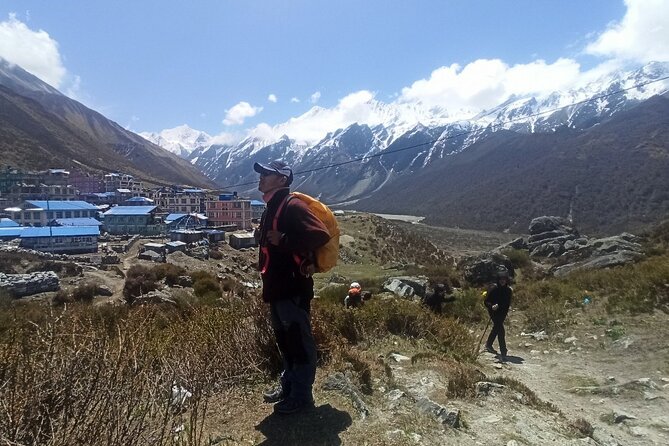
- Kyanjin Gompa visit: yak pastures, monastery atmosphere, and classic Langtang views
- Early sunrise at Kyanjin Viewpoint: a pre-breakfast push to catch the light
- Permits and TIMS included: Langtang National Park and paperwork handled as part of the trip
- Guide support is a big deal here: people specifically call out leaders like Biru and Amrit
The quieter valleys: Langtang and Manaslu
Close Enough to Feel Like a Real Trek, Not a Transit Test
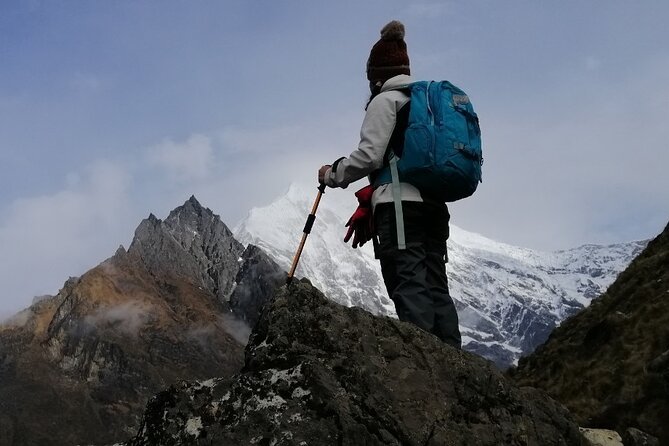
What makes Langtang Valley special is how reachable it is. Some Nepal treks start with a full day or two of getting to the trailhead. Langtang does not. You start from Kathmandu, then drive out to the trekking area, and the itinerary gets you walking quickly. For you, that usually means less stress. You are not spending the first days feeling wrecked from transport before the real effort begins.
Langtang also rewards you in two ways. First, you get scenery that changes often: forested stretches, river valleys, yak pasture areas, and higher terrain as the days go on. Second, you get cultural stops that feel tied to where you are. The route runs through Tamang villages with Tibetan-influenced touches, including chortens and monastery visits. It is not just a scenic hike, it is a corridor of communities and beliefs that show up naturally along the way.
I also like that the trek is designed around a steady rhythm. Days are mostly in the 5 to 7 hour walking range. That is long enough to feel like a trek, but it is not so extreme that it turns into a daily grind. If you pace yourself and keep your hydration up, you can enjoy the walking instead of surviving it.
Day 1 Drive, Green Forest, and the Start at Shyabrubesi
Your day starts early. The plan is a 6:30 am pickup from your Kathmandu hotel, with the representative meeting you at the door. Then you begin the drive through lush green forest and hills. It is a gentle way to shift from city life into countryside, and you also get a first preview of how quickly the scenery changes once you head away from Kathmandu.
The trekking portion begins at a hotel stop listed as Hotel Garden inn Shyfru Bensi. That is where the first day lands, roughly after about a 7 hour day including drive time. In practice, this matters because your first “day” is not the hardest day physically, but it still sets the tone. You learn how the schedule works, and you will likely have enough time to settle in before tomorrow’s real start.
What you should watch for on day 1 is timing and comfort. Early pickups can be tough if you are not used to them. And even though the first day is mostly travel, you will still want to pack smart for later: water, a light layer for mornings, and small things you can access without digging through everything.
Day 2 Along the Langtang Khola: Woodlands, Bridges, and Tea Houses
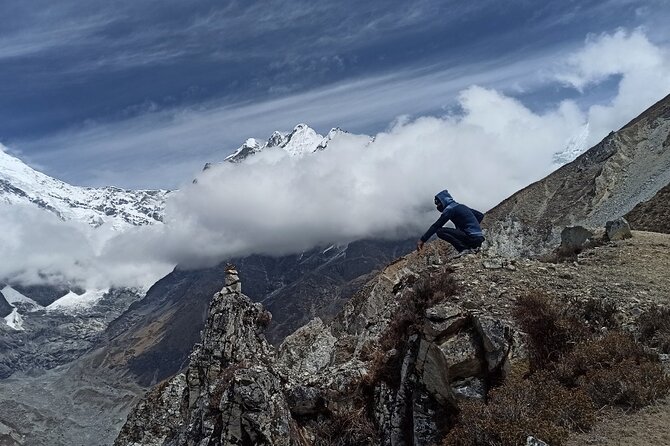
Day 2 is your first true trekking day from Lama Hotel. You follow the Langtang Khola (the river), which gives you a natural guide for the route. The trail goes through thick woodlands and includes suspension bridges. You will also pass tea houses along the way.
This is one of the reasons the Langtang Valley trek is such a solid first Himalayan experience for many people. The trail can look steep at first glance, but the day is described as exciting rather than brutally testing. You are getting movement and variety, not a single long push where you feel stuck.
The bridges and river corridor also help mentally. They break up the trek into “sections,” and your brain gets frequent visual cues that you are making progress. Tea houses can be handy for breaks, and even if you do not stop often, knowing there are places along the route makes the day feel more manageable.
Main drawback on days like this: you may feel fine at the start and then realize you have been walking steady for hours. That is normal. Keep your pace calm, take short breaks when you need them, and don’t chase speed for the sake of it.
Day 3 in the Langtang Valley: Big Views, Chortens, and Busy Little Details
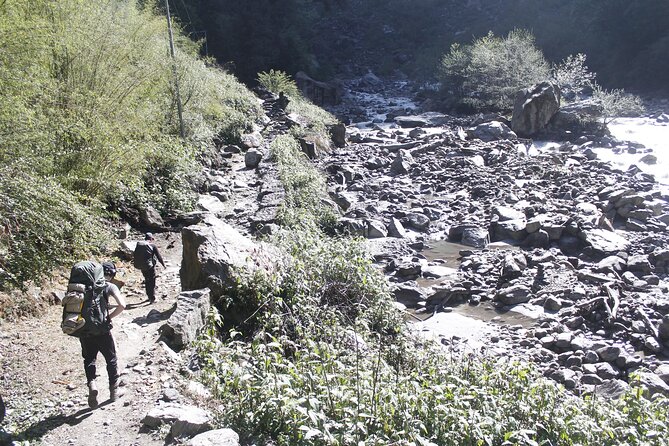
Day 3 continues the rhythm, following thick woods and then opening up to stronger views. This is where the trek starts to feel more “Himalaya” in a noticeable way. The route keeps pointing you toward towering peaks such as Langtang Lirung, and you also pass through moments that feel spiritually grounded: chortens and roadside religious features.
You will also see practical, local-built things along the trail, including water-related structures mentioned in the route description. Those small sightings do something valuable. They remind you the mountains are not just scenery. People live with them every day, and the trail is part of that working landscape.
The “6 hours” walking time on day 3 is a good middle day. If you plan for it, you can enjoy the changing views instead of feeling rushed. You might find yourself getting more photo breaks than you intended. That is okay as long as you do not stop so long that your body cools down completely.
Other lodge to lodge routes near Kathmandu
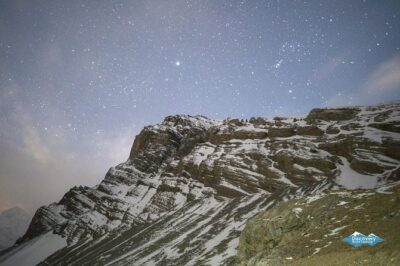
Day 4 to Kyanjin Gompa: Yak Pastures, a Mani Divider, and Higher Elevation
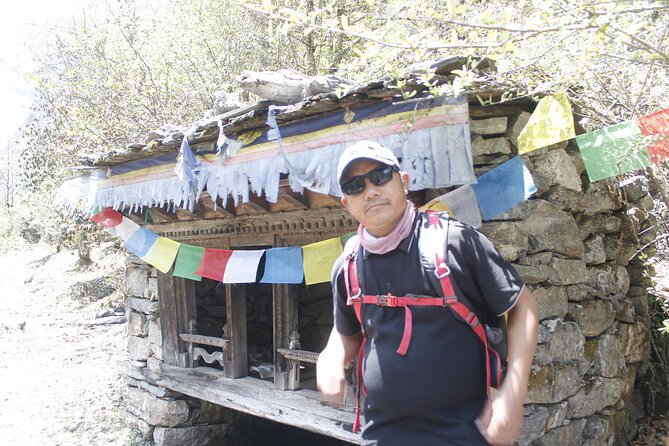
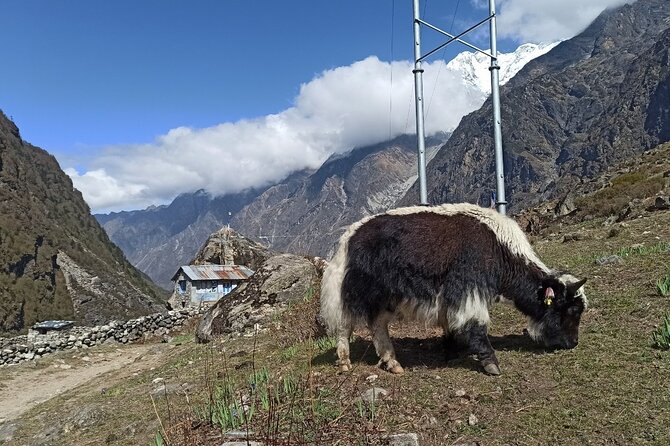
Day 4 is one of the most iconic parts of the trek: Kyanjin Gompa. Your walking time is about 5 hours, but this is not just a short day on paper. It is a day where the environment changes. You move away from the more town-like feel, then pass through yak pastures.
You will also cross the biggest mani divider in Nepal, plus wooden scaffolds along the route. Those details matter because they make the place feel real. You are not only going to a famous temple, you are traveling through a set of pathways that locals and trekkers have used for years.
The description also notes that you are truly getting into higher elevations. That is a cue for you to take altitude seriously, even if you do not feel dramatic symptoms. In practical terms: keep going at a pace you can sustain, avoid pushing hard “because you can,” and tell your guide if anything feels off.
This is where having a strong guide pays off. In the feedback you will hear the same theme: guides like Biru and Amrit are praised for constant support and for keeping safety and comfort front and center. That is the difference between feeling stressed and feeling guided.
Day 5 Kyanjin View Sunrise, Then Downhill to Lama Hotel
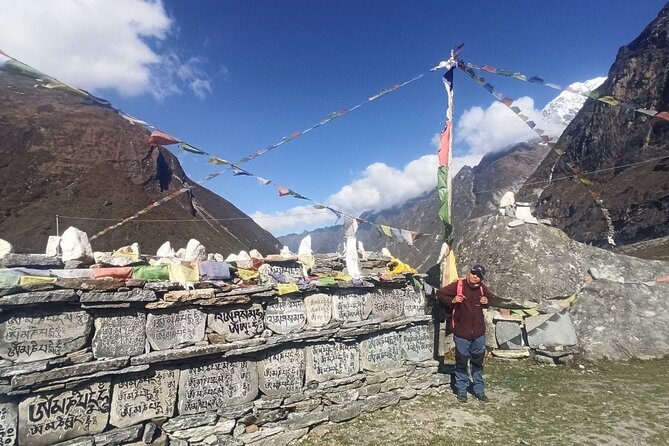
Day 5 starts before sunrise with a visit to Kyanji view, listed at 4,800 meters (16,404 feet). That early push is for stunning views. Then after breakfast, you continue on the route back to Lama Hotel, described as downhill. The trek is about 4 to 5 hours from Kanjin Gompa to Lama Hotel.
Here is the tradeoff: sunrise hikes feel rewarding, but they also add fatigue. If you are sensitive to early starts, plan your sleep and packing carefully on day 4. Keep your layers simple, since mornings at altitude can feel sharp.
Downhill days can trick you too. You might think it will be easy, and the walking can feel gentler. Still, downhill can be hard on knees and ankles if you step aggressively. Use short steps. Let your footing stay quiet and controlled.
This day also gives you something emotionally: it is a shift from “push higher” to “enjoy the high point you reached.” You are returning with views behind you, and that can make the whole trek feel complete.
Day 6 Trek Down to Syabrubensi, Then a Real Meal Break
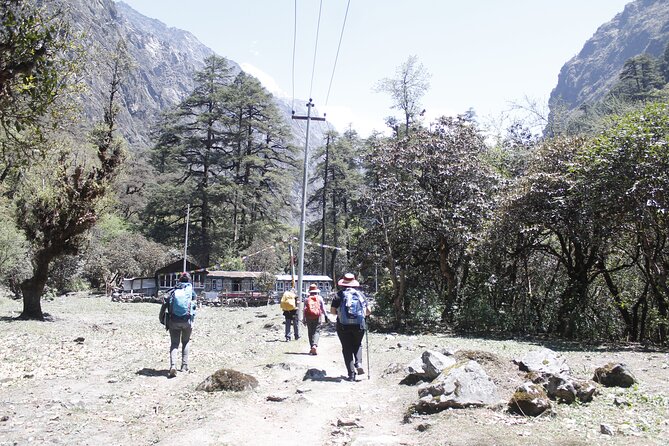
Day 6 walks down to Syabrubensi, taking about 5 hours. The route is described as simple downhill through lush green vegetation, arriving for lunch after you get there.
This is a relief day for many people. After a big elevation day and a sunrise morning, your body often appreciates a calmer descent. Lunch on arrival is one of those small details that matters, because you are not guessing where the next full break is. You land, you eat, you reset.
If you are carrying a pack, day 6 is also a chance to notice what you packed that you did not need. I like using this kind of descent day to fine-tune: refill water, air out sweaty layers, and stretch gently. Your body will thank you on day 7, when you are transitioning back to Kathmandu.
Day 7 Back to Kathmandu and the Thamel Reset
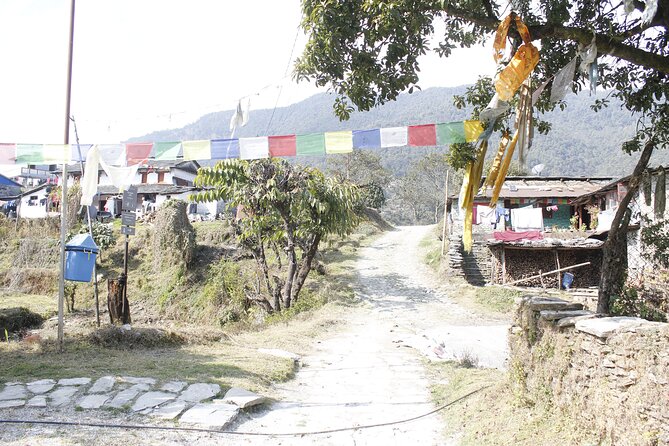
On day 7, you drive over to Kathmandu and get transferred to your hotel. The day is then free for rest at your leisure, with Thamel mentioned as part of the return experience.
This is not just downtime for its own sake. After several days of hiking, you need time for sleep, shower time, and a calmer pace. Thamel is practical for this kind of reset. It is a neighborhood where you can buy small travel items you might have forgotten and where it is easy to find food that is not a quick trail snack.
A good way to finish strong is to treat day 7 like recovery, not sightseeing. If you feel good, you can do a short walk. If you feel tired, staying close to your hotel is a smart call.
Price and Logistics: Is $410 Good Value?
The price is listed at $410 per person, and the inclusions are the part you should focus on. You get hotel pickup and drop off, a professional English-speaking guide, and accommodation in guesthouses during the trek. You also get transportation by sharing bus to and from the starting point.
On the “paperwork” side, the trek includes the Langtang National Park or Conservation Area Permit and the TIMS card. For you, that can be a big deal. These are the kinds of items that can slow you down if you try to do everything yourself, or turn into surprise costs if you forget them.
It is also listed as a private trip, meaning only your group participates. That often leads to a more comfortable experience when compared with large mixed groups, especially for pace and guide attention. Still, note that the transport is sharing bus. So you get privacy on the trek, but you might share vehicles at the start or end.
What is not included is personal expenses and gratitude (optional). So budget for extra snacks, drinks, hot drinks, and anything you want to buy along the way. Also, the trek uses guesthouse accommodation, and the feedback around lodging and meals is mixed, described as average by at least one set of comments. In other words, you should book for the trail and the views, not for a luxury hotel feel.
Given the guide support, permits, and the fact that it is run by Nomad Mountain Club, $410 can be solid value if you care about an organized trek with fewer headaches and you are ready for basic comforts.
Guides, Safety, and Why Support Matters on Langtang
For many people, the biggest difference between a stressful trek and a good one comes down to the guide. In the feedback tied to this trek, the guide is repeatedly singled out for being kind, supportive, and focused on safety and comfort. That shows up with specific names like Biru and Amrit.
I like this because it matches what you actually need in the mountains. The right guide helps you read the day, handle fatigue, and keep your pace sensible at altitude. They also help with practical decisions like when to rest, how to manage weather changes, and how to stay calm when walking conditions are uneven.
The trek also includes a first aid kit carried by the guide. That is not a guarantee of anything, but it does show the trip is run with responsibility in mind. When you are spending days on trails, those small preparedness steps help you relax.
What Your Daily Pace Really Means (and Who This Trek Suits)
The walking hours across days are about:
- Day 2: 6 hours
- Day 3: 6 hours
- Day 4: 5 hours
- Day 5: 6 hours
- Day 6: 5 hours
- Day 1 and 7 are mostly travel and transfer days
That pattern is a good mix for people with moderate fitness. You get enough time hiking to feel the trek spirit, but you are not locked into extreme daily mileage. It is also why Langtang works for people who want big scenery without adding weeks of logistics.
This trek likely suits you best if:
- you want a well-organized route from Kathmandu
- you like cultural and monastery stops like Kyanjin Gompa
- you enjoy early starts at least once, for sunrise views
It might not suit you if:
- you want luxury lodging and full-service meals on the trail
- you prefer very short walking days or no uphill work at altitude
- you cannot handle the early pickup timing and a steady trek schedule
Should You Book This Langtang Valley Trek from Kathmandu?
I think this trek is a smart pick if your goal is classic Langtang Valley scenery plus cultural stops, without turning the trip into an all-day transport mission. The combination of a close-by trail start, permits and TIMS included, and a guide that people praise for real support makes the value feel practical.
Book it if you are ready to walk 5 to 6 hours a day, accept guesthouse comfort levels, and focus on the mountains, monasteries, and village life. Skip it if you want a soft itinerary with minimal walking or if early sunrise hikes feel like a deal breaker.
If you want the kind of Nepal experience where each day has a purpose, Langtang is one of the best ways to get it.
FAQ
What time does the pickup in Kathmandu start?
The pickup is scheduled for 6:30 am, and the representative comes to your hotel door to collect you before the trip starts.
Where does the trek begin?
The trek begins from the Lama Hotel area on day 2, after day 1’s drive that ends at Shyabrubensi (Hotel Garden inn Shyfru Bensi).
How long is the Langtang Valley trek?
The tour is listed as 7 days, with the trekking days spread across about day 2 through day 6.
Is there a guide and is the guide English-speaking?
Yes. The tour includes a professional English-speaking guide, and the guide carries a first aid kit.
What kind of accommodation is included during the trek?
Accommodation during the trek is in guesthouses.
Are permits included?
Yes. The Langtang National Park or Conservation Area Permit and the TIMS card are included.
What transportation is included to and from the trail start?
You get transportation by sharing bus to and from the starting point, plus hotel pickup and drop off.
What does the price include, and what is not included?
The price includes hotel pickup and drop off, guide, guesthouse accommodation during the trek, sharing bus transportation, the permit and TIMS, and a first aid kit. Personal expenses and optional gratitude are not included.
What is the cancellation policy?
You can cancel for a full refund if you cancel at least 24 hours in advance of the experience start time. If you cancel less than 24 hours before, the amount you paid will not be refunded.
Lodge to Lodge Around Kathmandu
The Rest of Our Kathmandu Write Ups

Langtang and Manaslu, the Quiet Valleys
Everything else we have reviewed around Kathmandu
- 12 Days Everest Base Camp Trekking
★ 5.0 · 3 reviews - 1 Night 2 Days Chitwan Jungle Safari Tour from Pokhara or Kathmandu
★ 3.0 · 3 reviews - Thamel Rickshaw tour
★ 4.7 · 3 reviews - Kathmandu: Momo Making Class with a Local Chef
★ 5.0 · 3 reviews - Kathmandu: Full-Day Yoga, Body Massage and Pedicure Package
★ 5.0 · 3 reviews - From Kathmandu / Pokhara / Chitwan: River Rafting – 1 Day
★ 4.6 · 3 reviews
Langtang & Manaslu Treks worth a second look.
 ★ 5.0Trekking in Annapurna/Langtang/Everest/Upper Mustang regionsFrom $40161 reviews
 ★ 5.0Langtang Valley TrekFrom $555140 reviews
 ★ 5.0Manaslu Circuit Trek (15 Days)From $1,65750 reviews
 ★ 5.016 Day Private Manaslu Circuit Trek from KathmanduFrom $1,13542 reviews
 ★ 5.0Manaslu Circuit Trek 13 DaysFrom $1,40030 reviews
 ★ 5.010 Days Manaslu Circuit Trek in Larke La PassFrom $1,04930 reviews
 ★ 5.0Private 8 – Day Langtang TrekkingFrom $58429 reviews
 ★ 4.8Chisapani Nagarkot 3-Days 2-Nights TrekFrom $19029 reviews
Lists this tour sits in