
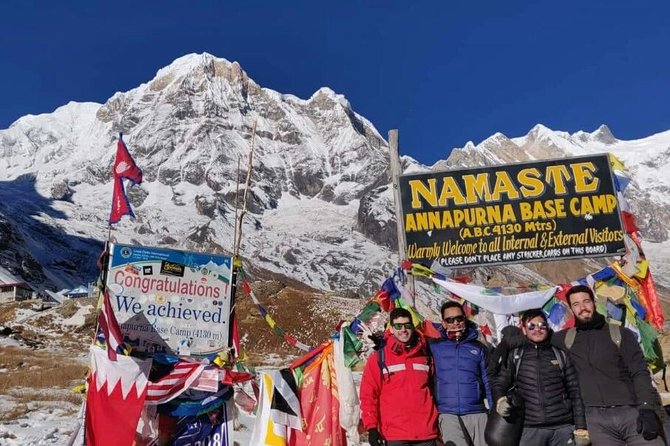
REVIEW · ANNAPURNA BASE CAMP TREKS
Annapurna base camp -9 days
That first glimpse of the mountains keeps pulling you back. This 9-day Annapurna Base Camp trek blends big panorama stops with a route through Gurung and Magar villages, so the walking feels connected to real Nepal, not just scenery. You also get a licensed English-speaking guide, permits handled, and key gear like a down jacket and sleeping bag.
I especially like the way the itinerary builds from foothill viewpoints into the Annapurna Sanctuary, so your effort feels rewarded in stages. The company’s guide teams, including people like Sona or Binod, are often described as friendly and practical, and that matters when weather shifts or you want to adjust the pace. One possible drawback to plan for: the trek is only part of the total cost, since a porter is extra and Kathmandu hotel nights and meals are not included.
In This Review
- Key highlights you’ll feel on the trail
- From Kathmandu to Poon Hill viewpoints, then into real trekking rhythm
- Phedi to Dhampus: gentle starts, big mountain payoffs
- Landrung and beyond: oak forest drops, terraced fields, and village life
- Seti Gandaki area: rhododendron forests and river crossings
- Machhapuchhare Base Camp: a sacred valley with real rules
- The Annapurna Base Camp day: entering the sanctuary and earning the views
- Sunrise and descent: watching the sanctuary light up, then following the Modi Khola
- Chhomrong and Jhinu: the hot springs finish and a softer landing
- Nayapul and the return to Pokhara: easy walking, then cars and comfort
- Gear, food, and support: what’s really included, and what you should budget
- Who this trek suits best, and who should think twice
- Should you book this 9-day Annapurna Base Camp trek?
Key highlights you’ll feel on the trail
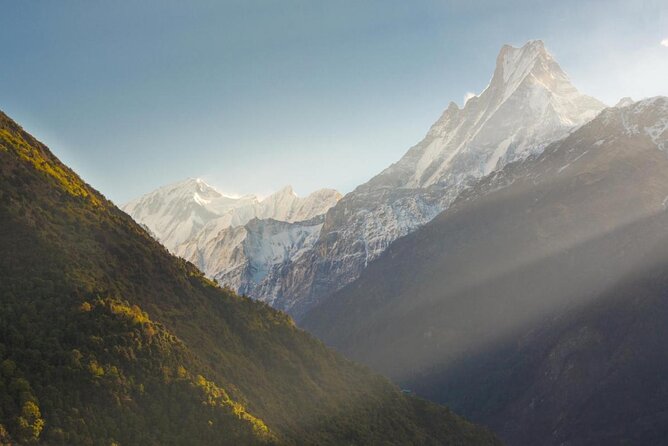
- Poon Hill sunrise-style viewpoints before you fully commit to the ABC grind
- Gurung and Magar culture on the Annapurna route, not just teahouse stops
- Sacred-valley rules near Machhapuchhare Base Camp, where no meat or fish is allowed
- A real route progression from forest trails to the Annapurna Sanctuary’s drier “desert wilderness” feel
- Early wake-up for sunrise at the sanctuary, then a descent that follows the Modi Khola rhythm
- Gear support with a down jacket and sleeping bag that you return after the trek
Other approaches to the Sanctuary gate
From Kathmandu to Poon Hill viewpoints, then into real trekking rhythm
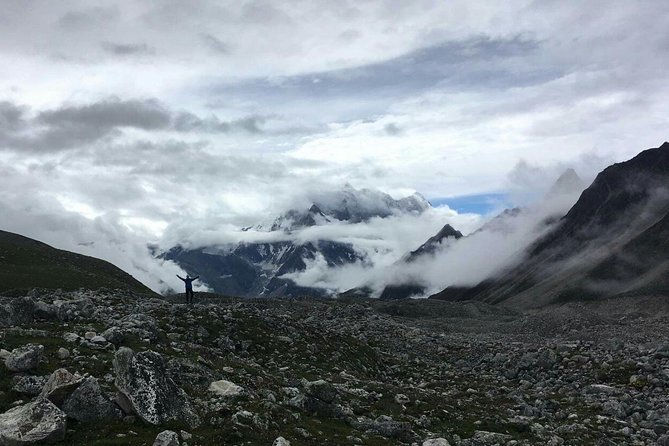
Most Annapurna Base Camp treks succeed or fail on two things: how smoothly you transition from city life to trail life, and whether the early days feel worth the early mornings. This trip starts with airport pickup at Tribhuvan International Airport and a transfer to your hotel, but the official program begins on day two. The meeting time is 6:30 am, so you should build a calm schedule on arrival day.
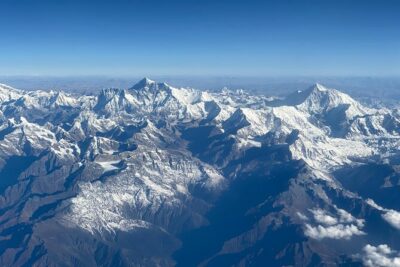
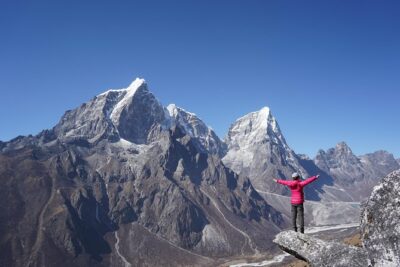
Before you’re deep in the mountains, you get the kind of foothill sight-seeing that helps you understand what you’re heading toward. Poon Hill is famous for sweeping views, and it’s a smart warm-up because it gets your eyes used to the geography. You start to recognize peaks like Himchuli, Annapurna South, and Machhapuchchre (Mt Fishtail) while your legs are still fresh.
I also like that the itinerary doesn’t waste your time with long stretches of nothing-to-do. Even when you are not trekking, the plan keeps moving toward the trekking region through transport connections (Kathmandu to Pokhara, then onward). That structure tends to reduce the stress of guesswork, especially if you arrive with a tight schedule.
One more practical note I appreciate: this is a private tour, meaning it’s only your group. That helps a lot on trekking days where weather, pace, and rest breaks can be negotiated without slowing everyone else down.
Phedi to Dhampus: gentle starts, big mountain payoffs
Day two is where the trek really kicks in. You drive to Phedi, then begin hiking toward Dhampus, a Gurung village built for those first-view moments. Dhampus is not just a waypoint. It’s a viewpoint in itself, and the description of the setting matters because it tells you what the trail is trying to do: show you Himchuli, Annapurna South, and Mt Fishtail without burning your legs on day one.
This is also a day where you feel the Nepal trekking rhythm shift. Early on, the trail tends to be more forgiving, and you’re usually walking through farmland and village paths. You get the sense that you’re passing through working communities, not stepping into a theme park. If you’re new to trekking, this day helps you learn how to regulate effort, which pays off later when the walking gets tougher and the air thins.
For people who hate feeling rushed, Dhampus also works psychologically. You get to stop, take photos, and actually enjoy the view before the itinerary starts stacking up longer climbs and descents.
Landrung and beyond: oak forest drops, terraced fields, and village life
On day three, the trail goes through classic middle-ABC Nepal scenery. You head down toward Landrung through oak forest, and you also pass terraced fields. This matters because the scenery changes as the altitude changes, and those transitions keep the day interesting.
Landrung is described as a charming village with Gurung, Magar, and Brahmin communities. That mix is part of what makes the Annapurna region feel lived-in. The walking isn’t only about altitude and distance, it’s also about crossing through places where people have built a life around the seasons and the foot traffic.
Day three is also a reminder that Annapurna trekking is rarely a straight-line story. Even when a day is described as one direction, your body will feel the rhythm of go-down, go-level, then negotiate the next section. If you come expecting a gentle climb the whole time, you may feel surprised. But once you accept that pattern, it becomes manageable.
You finish the day with a step further into the corridor of guesthouses and trails, including a stop at Jhinudanda. That kind of routing can feel slow in the moment, yet it’s often the reason the trek feels smooth overall: you’re not trying to do everything in one brutal day.
Seti Gandaki area: rhododendron forests and river crossings
Day four brings you from Chhomrong area down and across into Seti Gandaki (Seti River) territory. The day includes a bridge crossing, then an uphill to Sinuwa Danda, followed by a traverse through thick rhododendron forest to Khuldighar, and then more descent via stone steps.
This is a good day for two reasons. First, you get forest walking that breaks up the monotony. Second, river and ridge walking teaches you what kind of footing you’ll face later. When the ground is uneven, you learn how to place steps safely and keep your pace steady.
A practical consideration here: rhododendron season and weather can mean slippery stone and mud, especially earlier in the day. If you have trekking shoes with solid grip, you’ll appreciate it most on days like this.
Machhapuchhare Base Camp: a sacred valley with real rules
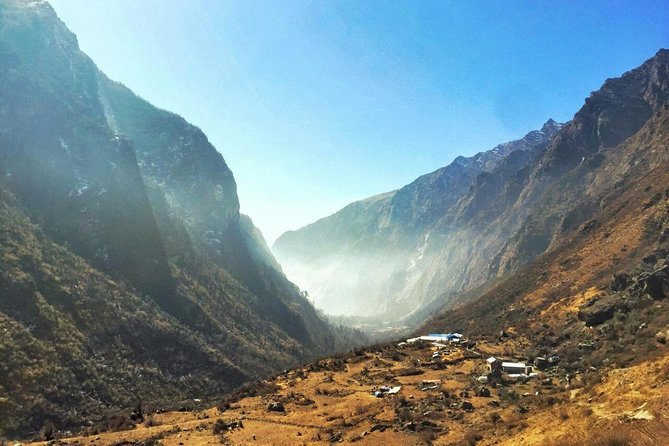
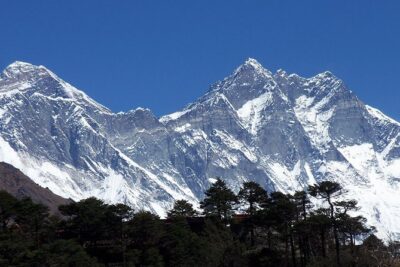
Day five is one of the most meaningful parts of the route. You follow the Madi River banks through what’s described as a sacred valley. There’s a clear rule in the area: no meat or fish is allowed, tied to Buddhist and Hindu beliefs.
That might sound like a small cultural note, but it changes the feeling of the trek. The area feels more restrained, more respectful, and less like a place where people treat the trail as purely a consumer product. When you notice rules like that, you start reading the landscape differently, and it makes the walk feel more grounded.
You pass bamboo trees and continue into the build-up toward the sanctuary. The trek up to this point is a mix of gradual work and short stressors, and day five tends to remind you that you’re climbing into a bigger, wilder zone.
If you’re someone who appreciates cultural details as much as big views, this day is likely to land well. If you want only scenery and nothing else, you may still enjoy it because the setting gives the day a distinct mood.
The Annapurna Base Camp day: entering the sanctuary and earning the views
Day six is the big target: Annapurna Base Camp Trek. After leaving Machhapuchhare Base Camp, the trail moves from vegetated sections into a desert wilderness type of environment within the Annapurna Sanctuary. That shift in scenery is part of the reward. You can feel, literally, that you’re entering a new zone.
The itinerary emphasizes the sanctuary’s pristine natural beauty and the towering peaks that surround you. While I can’t promise conditions, the practical truth is that ABC is often about patience. You might get mist, cloud, or clear hours, and the trekking rhythm you’ve built in earlier days helps you handle those changes without frustration.
This is also where good support shows up. A licensed English-speaking guide and the first aid kit carried by the guide are not luxury items on a longer trek. They matter most when the weather is changeable and the body needs steady pacing.
I also like that permits and paperwork are handled by the operator. On a trek like this, bureaucratic headaches can drain energy you’d rather spend on your next step and your next view.
Sunrise and descent: watching the sanctuary light up, then following the Modi Khola
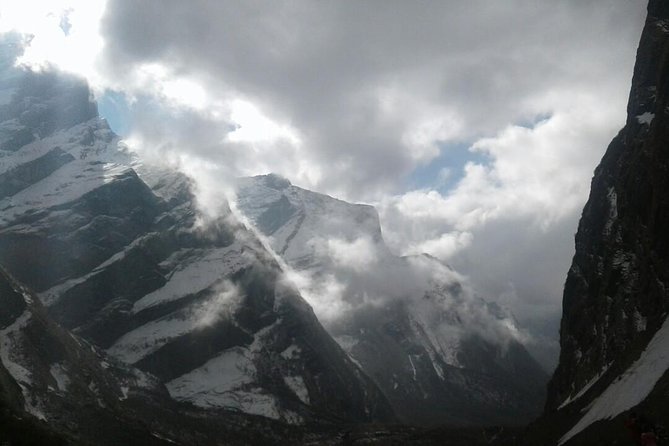
Day seven starts with an early wake-up so you can catch the sunrise views of the Annapurna Sanctuary. Then you begin descending, following the Modi Khola River toward Bamboo Hut.
Early mornings on ABC are both beautiful and taxing. The benefit is obvious: sunrise can turn the whole amphitheater into a different world. The drawback is less talked about: cold mornings can make your muscles stiff and your gear feel heavier. If you’ve been provided a down jacket and sleeping bag, use that to your advantage. Dressing in warm layers early helps you avoid wasting energy on shivering.
After sunrise, the descent can feel almost unfair because your body wants to keep resting. Yet descending along a river valley is often easier than scrambling steep climbs. You still need to watch your knees on stone steps and uneven trail, but the route’s shape is usually friendly enough to keep you moving.
If you’ve ever struggled to maintain motivation after a big day, this part of the itinerary is smart. The sunrise gives you closure to the sanctuary experience, then the river descent gives you a controlled way to reset.
Chhomrong and Jhinu: the hot springs finish and a softer landing
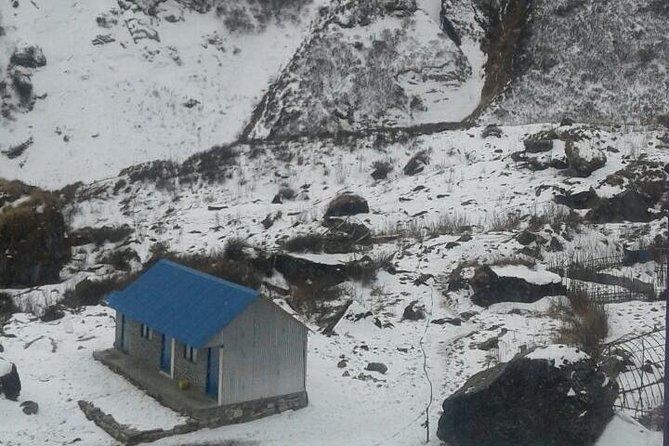
Day eight connects classic trekking terrain with a famous payoff. You start with an uphill to Sinewa, descend to meet the Chomrong Khola River, then go up again to Chomrong before the final descent to Jhinu. The highlight at the end is a chance to visit the natural hot springs.
Hot springs are not just a cute ending. They can make the last leg feel humane. Even if you don’t love soaking, the warmth can be relaxing for sore legs, and that matters when you still have one trekking day left plus driving.
This day is also a reminder that Annapurna Base Camp is never only about the summit moment. It’s about the full arc, including the “unsexy” parts like repeated climbs and descents. Chhomrong is a key village area, and finishing near Jhinu helps you transition to the final day with less stress.
Nayapul and the return to Pokhara: easy walking, then cars and comfort
Day nine is the last day of trekking. It’s described as an easy descent along the banks of the Modi Khola River to Nayapul. After Nayapul, you take a private car for about a one and a half hour drive back to Pokhara, then transfers to your next accommodation are arranged as part of the program.
I like a finish like this because it protects your energy. Your body is done with the hard parts by day nine, and you want a route that lets you feel proud without risking injury from pushing too hard.
Also, the private vehicle transfer matters for morale. After days of stepping carefully, being in a car can feel like a reward. It’s a clean break from the physical strain.
Gear, food, and support: what’s really included, and what you should budget
At $693.34 per person for a nine-day program, the key question is value. This price is meaningful if you’re counting the things most trekkers end up paying for anyway: a licensed English-speaking guide, permits handled, and meals and accommodation during the trekking days.
Here’s what is included:
- Airport pickup and drop in a private vehicle
- Kathmandu to Pokhara and back in tourist bus (optional flight exists with extra costs)
- Licensed English-speaking trekking guide plus food, accommodation, and insurance for the guide
- First aid medical kit carried by the guide
- All required permits and paperwork
- Breakfast, lunch, dinner for nine days
- 9 nights accommodation
- A complimentary welcome or farewell dinner in Kathmandu
- Down jacket and sleeping bag provided and returnable after trek completion
- Private group setup, plus a mobile ticket
Not included is where you need to be smart:
- International airfare and visa charges
- Your travel and medical insurance
- Kathmandu food and accommodation
- Personal expenses like laundry, bar bills, hot shower, phone use, and snacks
- Emergency expenses like a charted helicopter
- Tips for guides and porters
- A porter is extra: $220 per person
That porter line is the one you can’t ignore. If you carry your own pack, you might be fine. If you want a lighter load, plan for that added cost and then budget tipping appropriately for your guide and porter.
One more detail I appreciate for cost control: sleeping gear is part of the package. Renting or buying a sleeping bag can add up, so having a down jacket and sleeping bag supplied for the trek period is a real benefit.
Who this trek suits best, and who should think twice
This is a good fit for you if:
- You have moderate physical fitness
- You want a structured trek with permits and logistics handled
- You like village-based trekking, where you pass through communities rather than just walking between viewpoints
- You value sunrise moments and staged rewards, not just one big day
You should think twice if:
- You want a fully self-guided trek. This one is private with a licensed guide, and you’ll be following the plan.
- You are very price-sensitive because the base price still doesn’t include porter cost, tips, and Kathmandu stays.
A common plus based on how guide teams are described: flexibility. Some guide pairings like Binod have been mentioned as accommodating changes to match travel plans, and guides like him are also described as adjusting the experience, even including a hot springs night when plans shift. That kind of adaptability helps you avoid frustration if your schedule doesn’t match the perfect textbook timeline.
Should you book this 9-day Annapurna Base Camp trek?
If you want a solid, well-run ABC trek with meals included, gear provided, and permits handled, this one is worth serious consideration. The route progression gives you viewpoint moments early, then builds into the sanctuary, and the ending near Jhinu and Nayapul keeps the final day from feeling like punishment.
Book it if you match the target fitness level and you’re comfortable budgeting the porter add-on and tipping. If you’d rather carry everything yourself and keep costs tight, you can still make it work, just be honest about your pack weight and your hiking comfort.
If you want a trekking experience that feels personal because your guide and porter can help you manage pace, weather, and comfort, this package has the right ingredients.
The Rest of Our Kathmandu Write Ups

Through the Sanctuary Gate
Everything else we have reviewed around Kathmandu
- 12 Days Everest Base Camp Trekking
★ 5.0 · 3 reviews - 1 Night 2 Days Chitwan Jungle Safari Tour from Pokhara or Kathmandu
★ 3.0 · 3 reviews - Thamel Rickshaw tour
★ 4.7 · 3 reviews - Kathmandu: Momo Making Class with a Local Chef
★ 5.0 · 3 reviews - Kathmandu: Full-Day Yoga, Body Massage and Pedicure Package
★ 5.0 · 3 reviews - From Kathmandu / Pokhara / Chitwan: River Rafting – 1 Day
★ 4.6 · 3 reviews
Annapurna Base Camp Treks worth a second look.
 ★ 5.0Annapurna base camp trek 5 DaysFrom $699252 reviews
 ★ 5.0Annapurna Base Camp TrekFrom $935111 reviews
 ★ 5.0Kathmandu to Annapurna Base Camp (ABC) 5-Day TrekFrom $99102 reviews
 ★ 5.0Annapurna Base Camp Trek 12 DaysFrom $80085 reviews
★ 5.0Annapurna Base Camp TrekFrom $92580 reviews
 ★ 4.95-Day Annapurna Base Camp (ABC) TrekFrom $9672 reviews
★ 5.0Annapurna Base Camp TrekFrom $69959 reviews
 ★ 5.011-Day Hike Tour to Annapurna Base Camp Bliss in KathmanduFrom $1,30052 reviews
Lists this tour sits in