
REVIEW · ANNAPURNA BASE CAMP TREKS
Annapurna Base Camp, Nepal 10 days
Footsteps meet big mountain views here. A private Annapurna Base Camp trek in Nepal is one of the best ways to experience high-altitude walking plus the spiritual meaning of the Annapurna Sanctuary, guided at a human pace. I like that it is private and customizable, so you are not forced into a group stampede, and I also like that the route is built around hotels and teahouses so you get a real trek rhythm without living out of a backpack 24/7.
I also like the way this trip keeps you moving with “just right” daily effort. You walk about 3 to 8 hours a day, and the itinerary gives a steady ladder of villages and ridgelines, not random jumps.
One consideration: you are heading into high altitude, and the comfort level is simple. Hot water, hot showers, WiFi, and battery charging are not included, and starts are early (around 6:15 am), so plan your mornings and charging habits like you mean it.
In This Review
- Key Highlights Worth Your Attention
- What This Annapurna Base Camp Trek Really Means for You
- Day 1: Kathmandu to Pokhara, a Long but Important Setup
- Day 2: Siwai to Ghandruk, First Village Life of the Trek
- Day 3: Chhomrong Area via Kimrungdanda, the Peaks Start Showing
- Day 4: Chhomrong Steps and a Suspension Bridge, Where Your Legs Get Real
- Day 5: Bamboo to Deurali (3230 m), Cold Damp Forest to Higher Air
- Day 6: Toward Machhapuchhre Base Camp and Annapurna Base Camp, a Strenuous Turn
- Day 7: Retracing to Bamboo, Long Downhill That Still Feels Like Work
- Day 8: Bamboo to Jhinu Danda via Kuldighar and Chhomrong, Steps, Then a Breather
- Day 9: From Jhinudanda to Siwai, Then the Ride Back
- Day 10: Kathmandu Return, Souvenirs, and an Optional Flight
- Lodging and Meals: Teahouse Life Without the Chaos
- Altitude, Timing, and the Guide Factor
- Value Check: Is $848 a Fair Price for This Trek?
- Who This Trek Fits Best, and Who Should Skip It
- Should You Book This Private Annapurna Base Camp Trek?
- FAQ
- FAQ
- What is the duration of this Annapurna Base Camp trek?
- Where does the tour start, and what time are you picked up?
- Is this tour private, and can it be customized?
- What meals are included?
- What trekking support or transport is included?
- What happens if weather is poor or you need to cancel?
Key Highlights Worth Your Attention
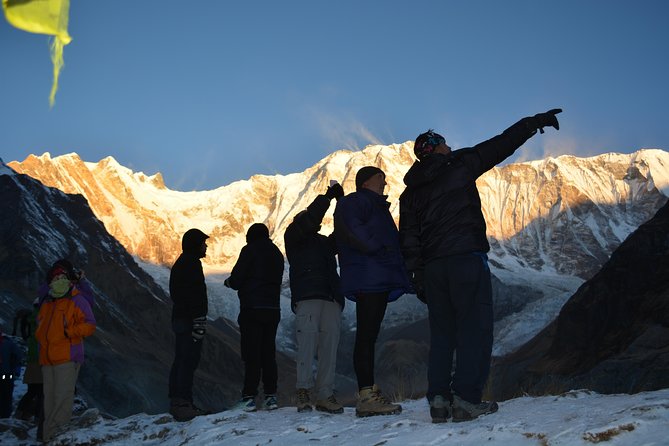
- Private pace, real guidance: Your guide talks through the Annapurna Sanctuary’s spiritual and environmental significance as you hike.
- Hotel then teahouse mix: You get Kathmandu and Pokhara comfort, then the classic teahouse stay style on the trek.
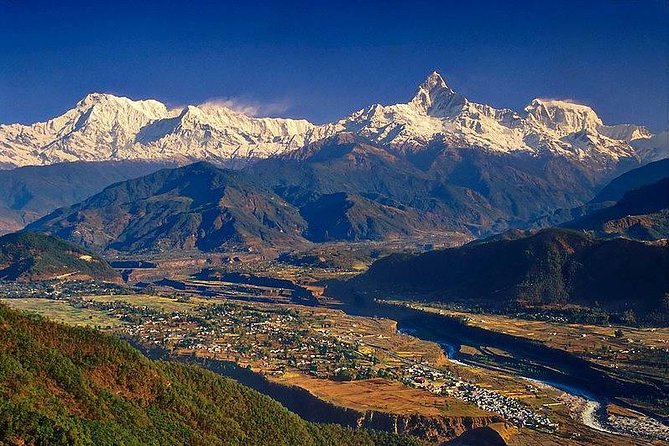
- Views you can point at: On the way up, you can expect mountain sightlines toward Annapurna South, Hiunchuli, Machhapuchhre (Fishtail), and Ganggapurna.
- Day-to-day physical tradeoffs: Long downhill and steep stone sections happen, even on “easier” recovery days.
- Most meals are covered: Breakfast is included every day, with lunches and dinners also largely included.
- Early starts and cold nights are normal: Bring layers and don’t count on a warm shower after every walking day.
Other approaches to the Sanctuary gate
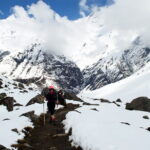
What This Annapurna Base Camp Trek Really Means for You
Annapurna Base Camp is not just a destination. It is a multi-day grind where the day’s real story is how you handle altitude, footing, and timing. This private format matters because your trekking pace can match your body. If you hike slower on a steep section or want extra time for photos, you can do it without feeling like you are holding up a busload of strangers.
I also appreciate the guide’s role beyond route navigation. The trip is framed as more than exercise, it is an education in how the Annapurna Sanctuary is viewed spiritually and environmentally. When a guide ties that meaning to what you are seeing, the walking feels less like a checklist and more like a lived place.
The itinerary does a good job of balancing “walk time” and “settle time.” You usually spend a chunk of the day walking, then you reach a village or base area where you can rest, eat, and recover for the next climb.
Day 1: Kathmandu to Pokhara, a Long but Important Setup
You start with a drive from Kathmandu to Pokhara, about 7 hours. Pokhara sits much lower than the trek route, around 820 m, which is exactly what you want on day one. It helps you start the trek with less immediate stress on your breathing.
What you should do with this day is simple: treat it like the warm-up act. Hydrate, eat a normal meal, and get your trekking layers ready. If you plan to do souvenir browsing, save it for Kathmandu on the last day, when you will have more daylight and a more relaxed mind.
Also note that the tour includes air-conditioned vehicle service for the drive segments, which is a small comfort that helps when you are traveling on a schedule.
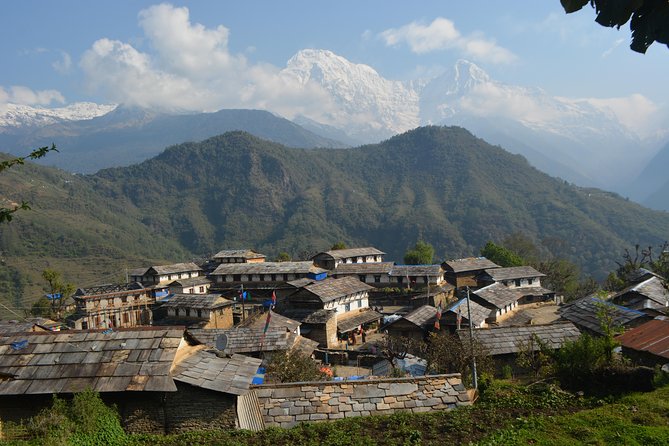
Day 2: Siwai to Ghandruk, First Village Life of the Trek
Day two begins after breakfast with a drive to Siwai, about 2.5 hours. Then you start trekking toward Ghandruk, a village largely inhabited by the Gurung community.
The trek to Ghandruk is listed at around 4 hours, so it is a good first day of actual trail walking. You get used to the rhythm: step, rest, step again, and keep your breathing steady. This is also where you start seeing how village design works in mountain Nepal. Houses, paths, and community spaces are arranged to handle slope life.
If you like cultural details, this is a strong early stop. Village days on trek routes often feel like a reset button, and Ghandruk is one of those places that gives you more than scenery.
Day 3: Chhomrong Area via Kimrungdanda, the Peaks Start Showing
On day three, the climb includes time up toward Kimrungdanda, with the trek taking about 6 hours. This is a day built for views, and it is not subtle about it.
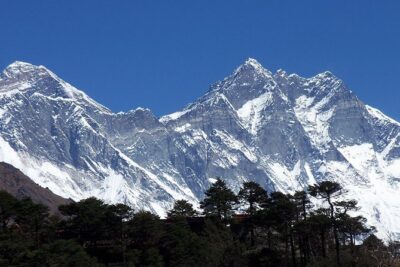
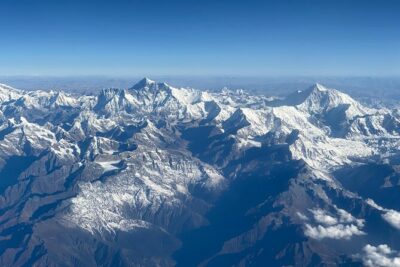
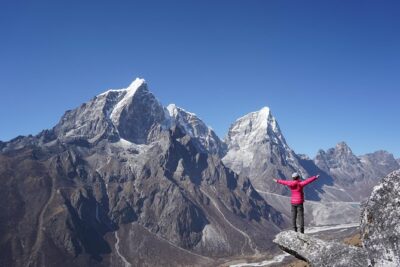
Along the way, you get outlooks toward Annapurna South, Hiunchuli, Fishtail Mountain (Machhapuchhre), and Ganggapurna. When those names show up in a route plan, it usually means the trail has open angles where you can actually see them, not just guess.
The climb sections can feel steep in short bursts. Your best move here is not speed, it is steady pacing. If you go too hard early, you pay for it later. With a private trek, you can find a pace that keeps your breathing calm and your legs functional.
Day 4: Chhomrong Steps and a Suspension Bridge, Where Your Legs Get Real
Day four is the kind of day that tests patience and ankle strength. The trail out of Chhomrong includes about 2500 stone steps, plus a crossing of the Chhomrong Khola on a suspension bridge.
Then comes uphill work to Sinuwa, followed by passing through forest areas and continuing toward Kuldih… (the plan trails off in the summary, but you can expect continued village-hopping and shorter re-alignments of the trail).
What matters for you is that step-heavy days do not just burn energy, they also teach your body how to manage descents and climbs. If your feet fatigue easily, use trekking poles if you have them. Take smaller steps on the way down. That one habit can save your knees and keep the day enjoyable instead of “leg negotiation.”
This is also one of those days where you will feel the benefit of having a guide. They can help you choose the smoother line across uneven sections and keep you from losing time by stopping too often.
Day 5: Bamboo to Deurali (3230 m), Cold Damp Forest to Higher Air
Day five is listed as Bamboo to Deurali (3230 m), about 4 to 5 hours. The route passes through bamboo forest, and the description calls it damp and cold, with steady ascent.
This is a classic acclimatization stage because the climb is persistent without constant wall-like steepness. You go higher, but you also get fewer extreme spikes in effort. That said, higher altitude still means your breathing will feel different. Plan for slower steps, especially if the air feels thin.
A practical tip: bamboo forest mornings can change your temperature fast. Wear what you can layer and remove without fuss. You will likely go from cool shade to brighter air as you climb out.
Day 6: Toward Machhapuchhre Base Camp and Annapurna Base Camp, a Strenuous Turn
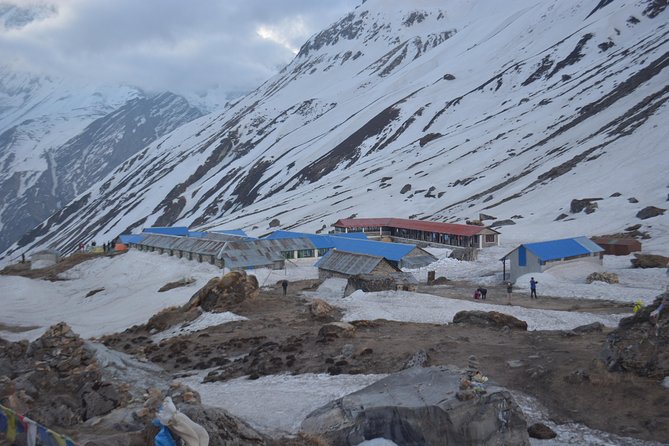
Day six is a key trekking day. The hike includes climbing gently through a river bed, then switching to a steeper trail over to the mountain side. The plan also highlights that the hike from Bagar to Machhapuchhre Base Camp is somewhat strenuous.
From Machhapuchhre base camp, you then get to continue onward with excitement building toward Annapurna Base Camp. This day is worth mentally preparing for. Even if you have walked all previous days, “somewhat strenuous” in Nepal often means sustained effort, uneven footing, and a slower pace.
You will probably notice the group’s morale changing on these days. People get quiet in a good way, phones come out for photos, and you can feel the day’s stakes. This is where your guide’s knowledge about the sanctuary’s meaning can make the final approach feel more personal than just reaching a point on a map.
Day 7: Retracing to Bamboo, Long Downhill That Still Feels Like Work
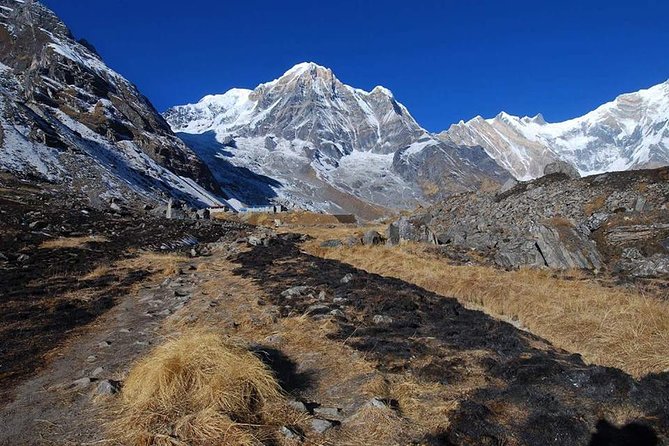
On day seven, you retrace your steps from Annapurna Base Camp back toward Bamboo. It is listed as downhill, so it should not feel as difficult as a climb, but the trek time is around 8 hours.
That is the main lesson: downhill does not equal easy. You may be going down, but your muscles still fatigue, and your feet still take hits on stone, roots, and uneven ground.
This is a good day to focus on technique: controlled steps, frequent short rests, and staying aware of where you place your feet. Also, keep your water intake steady. Even when it feels cooler, dehydration can creep in during long walking days.
Day 8: Bamboo to Jhinu Danda via Kuldighar and Chhomrong, Steps, Then a Breather
Day eight is about getting back through villages with mixed terrain. The plan shows an uphill trek from Bamboo to Kuldighar, then a downhill walk to Chhomrong Khola, followed by stone steps back up to Chhomrong. After that, you descend to Jhinudanda where you will rest for the night.
The total time is around 6 hours. This sounds manageable on paper, but the day includes both up and down, plus the reality of steps that return in different forms.
If your body dislikes stairs, be ready for repeat messaging from your legs. You can make it easier by taking breaks before you feel you must. A guide can also help you pace so the day stays steady instead of turning into a series of rushed bursts.
Day 9: From Jhinudanda to Siwai, Then the Ride Back
Day nine includes a trek from Jhinudanda toward Siwai, with about 6 hours walking. The plan also adds a fun nature detail: you can enjoy western Nepal hill scenery and even a wild bee hive under the cliff on the way.
Then the trekking ends at Siwai, and you board your vehicle (the summary cuts off here, but the intent is clear, you transition from trail to road). This day can feel emotional in a quiet way because you are leaving the trekking routine behind.
Pack what you want to keep handy for travel comfort. After days of foot travel, your back and shoulders will want simple, accessible storage, not frantic searching.
Day 10: Kathmandu Return, Souvenirs, and an Optional Flight
The final day drives back to Kathmandu, about 7 hours. The plan suggests you can look around shops and grab souvenirs, then rest.
If you do not want the full road segment back, the itinerary notes you can take a flight for an extra $100 cost. That option can be helpful if your body is done with motion after the trek.
This last day is your chance to decompress properly. Stretch gently, eat something familiar if you want, and let your sleep reset without alarms.
Lodging and Meals: Teahouse Life Without the Chaos
One of the strongest practical parts of this trek is that it includes accommodation in hotels and teahouses plus most meals. Breakfast is included for 10 days, lunch for 8, and dinner for 7.
On a trek like this, meal inclusion is not just savings. It reduces decision fatigue. You can focus on walking, resting, and eating well without constantly negotiating. Teahouse meals are typically straightforward, but they matter because you need fuel for cold nights and long days.
What is not included is also important. Hot water, hot shower, WiFi, and battery charge during the trekking are listed as not included. That is normal on many trekking routes, but it should shape your packing list. Bring a power plan that assumes limited charging. Also plan for cold water habits, even if you have daydreams of a steaming shower.
If you want the “right” comfort level, this is a good middle ground: you get real beds, but not spa amenities.
Altitude, Timing, and the Guide Factor
This trek is described as best suited to travelers who can handle high-altitude mountain trekking. The itinerary also gives a clue about how the route builds your body up gradually, with stops like Deurali at 3230 m and longer walking days that act like controlled training.
The tour also starts early, with a 6:15 am start time. Early starts help because mornings are usually clearer and cooler for hiking. The tradeoff is you need to be ready mentally, not just physically. Keep your bedtime realistic and avoid going to sleep late out of excitement.
A big plus is the private guiding. The guides mentioned in feedback include people like Resham GC and Sandip, described as welcoming, caring, and very helpful, and that kind of guidance is more valuable on a mountain trek than people think. A good guide keeps you safe, keeps you oriented, and helps you understand what you are moving through.
Also, this operator, Third Eye Adventure P. Ltd, appears in the notes as having active involvement from leaders like Ganesh Neupane and Bijane Neupane. You can take that as a sign that someone is paying attention to details, which matters when you are traveling far from home.
Value Check: Is $848 a Fair Price for This Trek?
At $848 per person, the value comes from what is included, not just the headline number. You get a private trek structure, accommodation in hotels and teahouses, and most meals covered. You also have transportation support between Kathmandu and Pokhara via vehicle, plus the trek transitions in the route.
Here is how I would think about it:
- If you had to pay separately for lodging and multiple meals, the cost climbs fast on a 10-day schedule.
- The private pace can be worth it if you know you hike differently than group tours.
- The air-conditioned vehicle segments reduce fatigue on the non-trek days.
Your extra costs are more predictable than many trips. You should budget for tipping to the crew member, and you should expect to handle things like WiFi, hot showers, and battery charging yourself.
If you want the best value for your money, this is the kind of trek where you should use the inclusions. Eat the included meals, use the included lodging plan, and treat the guide as part of the package, not an optional add-on.
Who This Trek Fits Best, and Who Should Skip It
This Annapurna Base Camp trek fits best if you:
- want a private experience with a pace that can slow down when the altitude asks for it
- are comfortable with daily walking from about 3 to 8 hours
- can handle basic trekking comfort (teahouses are fine, but amenities like WiFi and charging are limited)
- like cultural context and want your guide to explain the Annapurna Sanctuary’s meaning
You might want to skip or reconsider if you:
- need hot showers every day or expect WiFi on the trail
- are not ready for early starts (around 6:15 am) plus cold nights
- struggle with high-altitude trekking demands and longer hiking days
In plain terms, this trek rewards people who treat it like work that also pays in views and meaning.
Should You Book This Private Annapurna Base Camp Trek?
If your goal is to hike to Annapurna Base Camp without feeling rushed, this tour is a solid choice. The combination of private guiding, hotel and teahouse lodging, and most meals included means you are not constantly managing logistics while your body is adjusting to altitude.
Before you book, do one honest check: are you truly comfortable with simple trekking comforts and the reality that hot water, charging, and WiFi are not part of the plan? If yes, you will likely enjoy a smooth experience with careful human support. If you want luxury mountain life with every modern convenience, look for a different style of trip.
FAQ
FAQ
What is the duration of this Annapurna Base Camp trek?
The trek is listed as 10 days (approx.).
Where does the tour start, and what time are you picked up?
The start time is 6:15 am. Pickup is offered, and the meeting point is near public transportation.
Is this tour private, and can it be customized?
Yes, it is described as a private tour/activity, and it can be customized to suit your needs.
What meals are included?
Breakfast is included for 10 days, lunch for 8 days, and dinner for 7 days. The details also note that hot water, hot shower, WiFi, and battery charge are not included.
What trekking support or transport is included?
The package includes accommodation in hotels and teahouses, an air-conditioned vehicle, and pickup is offered. A mobile ticket is also included.
What happens if weather is poor or you need to cancel?
The experience requires good weather. If it is canceled due to poor weather, you are offered a different date or a full refund. Cancellation is listed as free up to 24 hours in advance for a full refund.
The Rest of Our Kathmandu Write Ups

Through the Sanctuary Gate
Everything else we have reviewed around Kathmandu
- 12 Days Everest Base Camp Trekking
★ 5.0 · 3 reviews - 1 Night 2 Days Chitwan Jungle Safari Tour from Pokhara or Kathmandu
★ 3.0 · 3 reviews - Thamel Rickshaw tour
★ 4.7 · 3 reviews - Kathmandu: Momo Making Class with a Local Chef
★ 5.0 · 3 reviews - Kathmandu: Full-Day Yoga, Body Massage and Pedicure Package
★ 5.0 · 3 reviews - From Kathmandu / Pokhara / Chitwan: River Rafting – 1 Day
★ 4.6 · 3 reviews
Annapurna Base Camp Treks worth a second look.
 ★ 5.0Annapurna base camp trek 5 DaysFrom $699252 reviews
 ★ 5.0Annapurna Base Camp TrekFrom $935111 reviews
 ★ 5.0Kathmandu to Annapurna Base Camp (ABC) 5-Day TrekFrom $99102 reviews
 ★ 5.0Annapurna Base Camp Trek 12 DaysFrom $80085 reviews
★ 5.0Annapurna Base Camp TrekFrom $92580 reviews
★ 5.0Annapurna Base Camp Trek 12 DaysFrom $80085 reviews
★ 5.0Annapurna Base Camp TrekFrom $92580 reviews
 ★ 4.95-Day Annapurna Base Camp (ABC) TrekFrom $9672 reviews
★ 5.0Annapurna Base Camp TrekFrom $69959 reviews
★ 4.95-Day Annapurna Base Camp (ABC) TrekFrom $9672 reviews
★ 5.0Annapurna Base Camp TrekFrom $69959 reviews
 ★ 5.011-Day Hike Tour to Annapurna Base Camp Bliss in KathmanduFrom $1,30052 reviews
Lists this tour sits in