
REVIEW · LANGTANG & MANASLU TREKS
Dancing in the Manaslu Circuit Trek
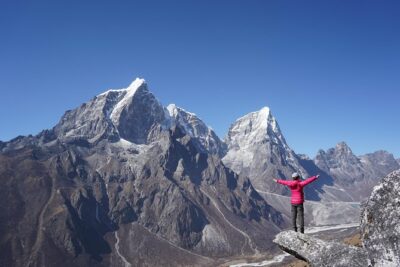
The Himalayas feel more personal on this loop. This trek circles Mount Manaslu and takes you through a restricted region, so the trail feels calmer than the big-name routes, with big altitude moments like Larkya La (5,100 m) and the cultural extras you only get when communities still feel part of daily life.
I especially love the mix of Tibetan-influenced villages and practical trekking variety, from river gorges to high, cold passes. I also like that the trip is set up for comfort between hard days, with full board meals and private twin rooms. One consideration: it is long, serious hiking with long days and altitude, and a porter is required, but porter cost and tips are on you.
In This Review
- Key highlights I think you’ll care about
- Manaslu Circuit, Tibetan villages, and the kind of “dancing” you actually notice
- Price and what you really get for $1,390
- Getting started in Kathmandu, then hitting the trail (Days 1-2)
- Day 1: Kathmandu to Maccha Khola area via road segments
- Day 2: Maccha Khola to Jagat, Budhi Gandaki and Tatopani
- Salleri to Shyala: mani walls, Prok village, and the gradual shift upward (Days 3-5)
- Day 3: Jagat toward Salleri and Deng
- Day 4: Namrung, Prok village, mani walls, and forest walking
- Day 5: Namrung to Shyala
- Samagaun, Pungeyn Gumpa, and your crucial acclimatization day (Days 6-7)
- Day 6: Shyala to Samagaun, plus the hike to Pungeyn Gumpa
- Day 7: Acclimatization at Manaslu, with optional Base Camp and Birendra Lake
- Toward Budhi Gandaki and the big pass build-up (Days 8-10)
- Day 8: Descend to Budhi Gandaki, wooden bridge, Larkya Glacier sightlines
- Day 9: Icy streams, Larke Bazaar, ascend toward Dharmasala
- Day 10: Larkya La Pass day, views of Cho Danda, Larkya Peak, and frozen lakes
- Dharapani downhill, forests and Dudh Khola crossings, then back to Kathmandu (Days 11-12)
- Day 11: Dharmasala to Dharapani via forests, Dudh Khola, and Karche Village
- Day 12: Jeep to Besisahar, then drive back to Kathmandu
- Guides, rooms, meals, and the kind of support that prevents stress
- What you should bring and how to plan for the realities (without guessing)
- Should you book this trek? My call
- FAQ
- Where does this trek start and where does it end?
- How long is the trek?
- Is pickup offered?
- What transfers are included?
- What meals are included?
- Are permits and government taxes included?
- Is a porter included?
- What should I do about travel insurance?
- What fitness level is needed?
Key highlights I think you’ll care about
- Restricted-access Manaslu region: fewer people on the trail, more chances to connect with village life.
- Cultural stops that are not “on a schedule”: mani walls, monasteries, prayer flags, and moments of local music and dance.
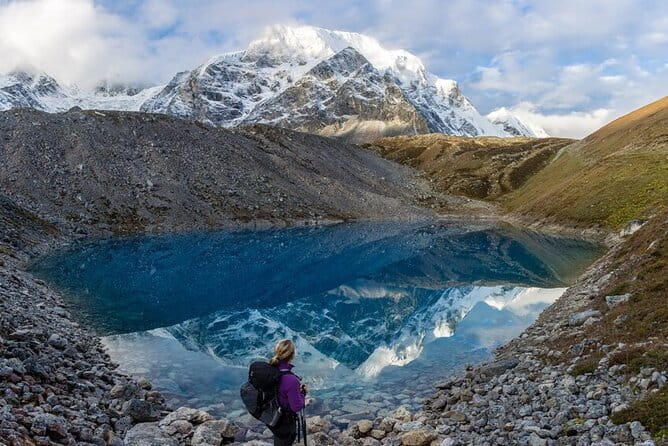
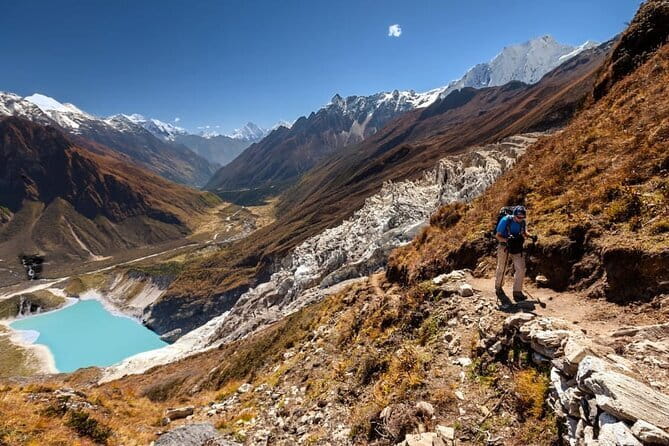
- High-pass payoff at Larkya La: sweeping views of Cho Danda, Larkya Peak, and even four frozen lakes on a clear day.
- Built-in acclimatization: you get a full day around Manaslu with an optional hike to Manaslu Base Camp and Birendra Lake.
- Transportation handled in chunks: deluxe bus segments plus shared jeep support helps you avoid losing energy on logistics.
The quieter valleys: Langtang and Manaslu
Manaslu Circuit, Tibetan villages, and the kind of “dancing” you actually notice
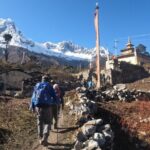
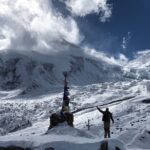
This trek earns its name in a low-key, real-world way. You will see Tibetan-influenced villages, prayer flags, and monastery areas where people still mark life with tradition. The fun part is that the cultural moments are not just a photo stop. They tend to happen while you are resting, walking through stone settlements, or sitting at tea houses long enough to hear local music and, on some days, dance.
The Manaslu area also feels quieter for a reason. Restricted access keeps numbers lower than many popular routes. That matters, because when you are not packed in a constant parade, your breaks feel normal. You might chat more. You might notice the details on mani walls. You might even catch a community celebration or a small local performance that would be drowned out on a busier trail.
Two practical wins make this trek easier on your brain. First, your daily rhythm is consistent, with meals planned and the route moving village to village. Second, you are not constantly guessing lodging logistics, because the operator is handling guides, rooms, and food throughout the trek.
Price and what you really get for $1,390
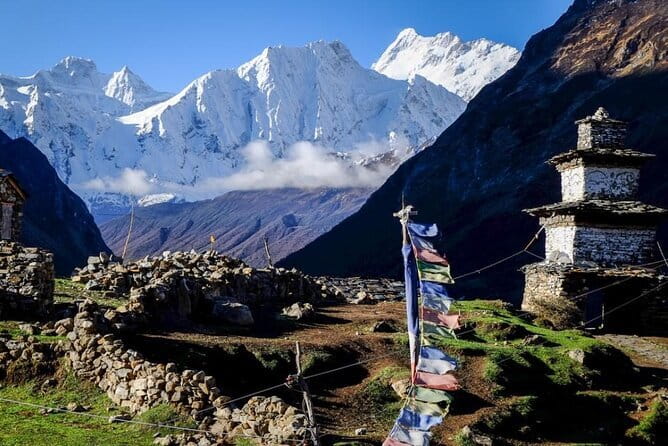
At $1,390 per person for about 12 days, this is not a budget-only trek. But it is also not an overpriced “tourist show.” The value comes from what is already included:
- Three full board meals (breakfast, lunch, dinner) during the trek
- Permits and government taxes
- English-speaking guide and a first aid kit
- Twin sharing private rooms throughout the trek
- Deluxe bus transfers for the Kathmandu to Sotikhola segment and the return from Besisahar to Kathmandu
- Shared jeep transportation from Dharapani to Besisahar
- A farewell dinner
What is not included is important for your planning. Porter cost is not included, even though a porter is required. You will need to budget for that porter arrangement, and you can hire a porter in Kathmandu or at Sotikhola. Tips for your guide and any other services are also on you.
So the smart way to judge the price is this: you pay for a supported, structured trek with permits, guide, meals, and sleeping space. If you can comfortably handle the physical side, that structure usually feels like money well spent. If you are trying to do everything the cheapest way possible, the porter requirement plus high-altitude logistics will likely push your costs anyway.
Getting started in Kathmandu, then hitting the trail (Days 1-2)
Your meeting point is in Kathmandu (P897+443, Kathmandu 44600, Nepal), and pickup is offered. You will start with transfers out of the city, and your first day is mostly about moving into trek country.
Day 1: Kathmandu to Maccha Khola area via road segments
You drive from Kathmandu toward the lower starting zone, passing rural villages and green hillsides. The plan may involve a vehicle change from Soti Khola toward Maccha Khola. This matters because those early segments can be slow, muddy, and sometimes bumpy, and changing vehicles can shift your comfort level.
What to expect walking-wise: you ease in, with a long day that still keeps you focused on getting used to Nepal trek mornings, including the way tea houses and trail snacks work.
Possible drawback: you are looking at long travel time before you properly settle into the walking rhythm. If you are prone to travel fatigue, plan to treat Day 1 as a warm-up rather than a “fitness day.”
Other lodge to lodge routes near Kathmandu
Day 2: Maccha Khola to Jagat, Budhi Gandaki and Tatopani
After breakfast at Maccha Khola, you trek along the Budhi Gandaki River, which is your steady companion on this side of the loop. You pass Tatopani, known for its natural hot spring. Even if you do not plan an extended soak, seeing it is a nice reminder that the body will need small comfort breaks as altitude creeps up.
You then trek into the restricted region and reach Jagat, a village with stone houses that gives you that sense of “this is still real.” It is not just a mountain backdrop. It is a place where people live, cook, trade, and move through the same weather challenges you are facing.
What I like about this day: it sets the tone. You start seeing the cultural layer early, not only after the big pass.
Salleri to Shyala: mani walls, Prok village, and the gradual shift upward (Days 3-5)
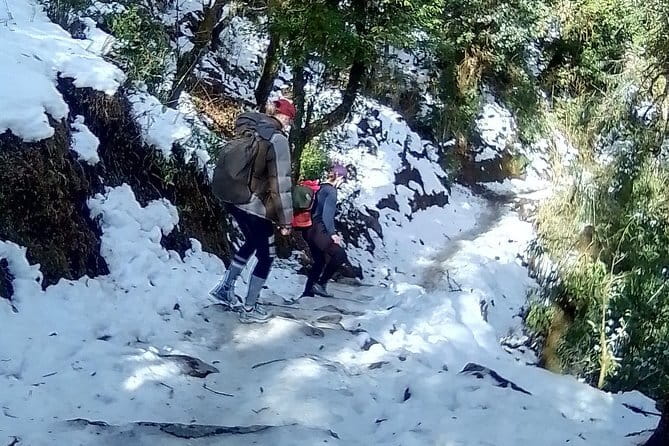
These days are where the trek starts to feel both cultural and physical. You are moving steadily upward, and each village adds new visual cues: mani walls, forest trails, and Tibetan-influenced settlement styles.
Day 3: Jagat toward Salleri and Deng
Day 3 connects Jagat with the Salleri/Deng area. Practically, this is a day that builds your stamina through steady trekking. You should expect long hours on the trail, because the itinerary pacing keeps you moving for about 12 hours.
Possible drawback: with such long days, you will want to manage your energy early. If you go out too fast, you will pay later with slower afternoons and cranky feet.
Day 4: Namrung, Prok village, mani walls, and forest walking
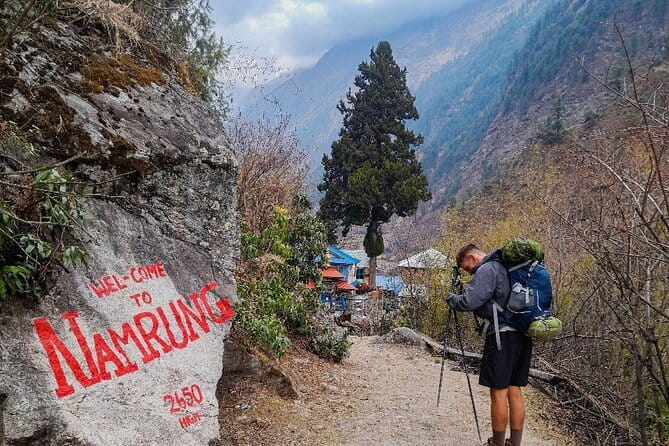
You reach Namrung and take in the Prok village atmosphere, plus mani walls and forest walking. This is a good day for slowing down. Mani walls are easy to treat like scenery, but if you spend a few minutes noticing how they sit along the path, you start understanding the trail as part of a living belief landscape. (Not metaphorical, just real, daily religious markings.)
You also feel the forest as a climate buffer. It can be cooler and calmer than the open higher areas, and that helps when the air begins changing.
Day 5: Namrung to Shyala
The route continues toward Shyala. This section is part of the slow climb toward the bigger altitudes. By this point, you likely know your routine. You know how you drink water, what snack you rely on, and how your legs feel on the last hour.
What to watch: weather. Even before high altitude, cloud cover and wind can make the trail feel colder than you expect. Layering matters.
Samagaun, Pungeyn Gumpa, and your crucial acclimatization day (Days 6-7)
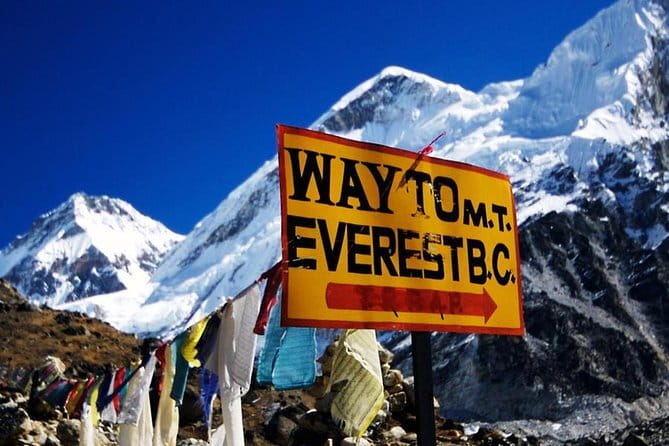
This is one of the smartest parts of the trek design. The itinerary does not just throw you at a big pass. You get time to adjust your body.
Day 6: Shyala to Samagaun, plus the hike to Pungeyn Gumpa
You trek to Samagaun, then hike to Pungeyn Gumpa. Gumpa areas are usually quieter and more spiritual, and they also tend to offer a chance to step away from constant uphill and take in the mountains with less rushing.
From a body perspective, this day feels like a bridge between the “getting there” stage and the “high terrain” stage. Your legs will work, but you also get breaks that feel meaningful rather than just logistical.
Day 7: Acclimatization at Manaslu, with optional Base Camp and Birendra Lake
You take a full day for acclimatization at Manaslu. There is an optional hike to Manaslu Base Camp and Birendra Lake, and the day is marked as included.
This is where you protect the rest of the trip. Acclimatization is not just a box check. It can be the difference between enjoying the pass and suffering through it.
My practical take: if you are feeling strong, the optional hike can be a great way to test your breathing without pushing too far. If you are already tired or your head feels off, stick to gentle movement and rest. This day gives you that permission.
Toward Budhi Gandaki and the big pass build-up (Days 8-10)
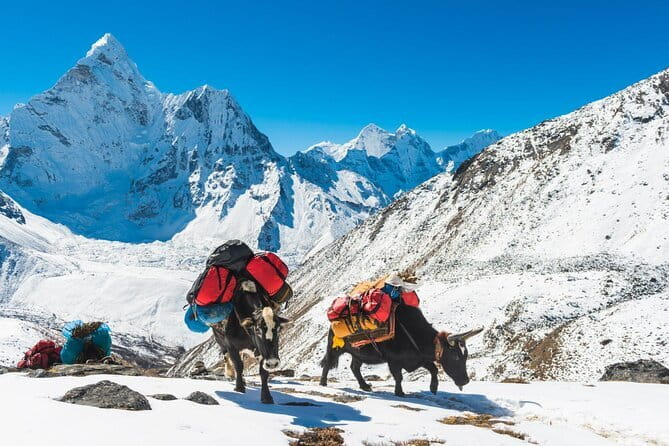
Now we move into the serious high-altitude phase. This is where the trek earns its reputation.
Day 8: Descend to Budhi Gandaki, wooden bridge, Larkya Glacier sightlines
You descend to the Budhi Gandaki River, cross a wooden bridge, and witness the Larkya glacier. Glacier views at this altitude can feel surreal, because the scenery is stark and the air is thin enough to make every breath feel louder.
The day is long and includes descent and crossing, so keep an eye on footing. Cold weather can make surfaces slick, and wind can sap energy quickly.
Possible drawback: it can feel mentally “in between.” You are not at the pass yet, but you are already deep into the high zone. Embrace the slow grind.
Day 9: Icy streams, Larke Bazaar, ascend toward Dharmasala
You trek through icy streams, pass Larke Bazaar, and ascend toward Dharmasala. You also pass monasteries and mani walls and enjoy views of the Larkya Glacier.
This is the day where the high trail character becomes obvious. Your walking pace often slows not because you cannot move, but because your body demands more air. If you keep your steps steady, you will arrive feeling less wrecked.
I also like the monastery and mani wall elements here. They break up the monotony that long days can bring, and they keep the cultural thread alive even in cold terrain.
Day 10: Larkya La Pass day, views of Cho Danda, Larkya Peak, and frozen lakes
You work through challenging terrain to Larkya La Pass, with views of Cho Danda, Larkya Peak, and four frozen lakes. This is your headline day.
What to expect: wind can be a bigger challenge than the climb itself. At a pass, the weather can swing fast. Bring layers and be ready for the temperature to drop right when you reach your highest point.
Practical strategy: keep the first part of the ascent controlled. Save your effort for the final push, so you can enjoy the pass view rather than just survive the route.
Dharapani downhill, forests and Dudh Khola crossings, then back to Kathmandu (Days 11-12)
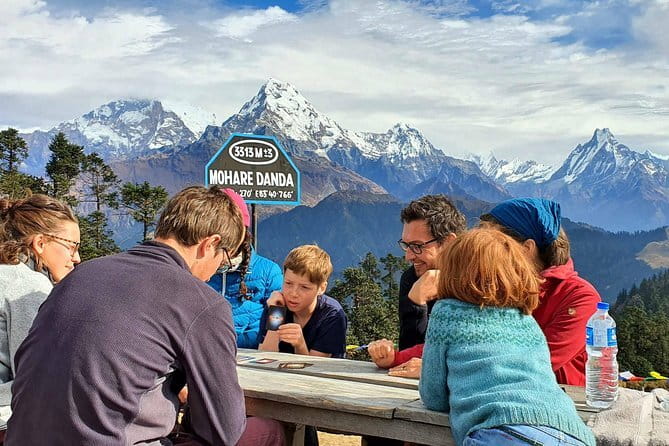
The ending days are both relief and realism. You are descending, but that means your knees and calves get the workout.
Day 11: Dharmasala to Dharapani via forests, Dudh Khola, and Karche Village
You descend through lush green forests, cross Dudh Khola, pass Karche Village, and reach Dharapani. This day can feel easier than the high passes, but it is still physical.
If you have sensitive knees, consider trekking poles if your gear setup allows. The itinerary description does not mention poles, so you will want to decide based on your comfort. Either way, go slow on descents.
Day 12: Jeep to Besisahar, then drive back to Kathmandu
You take a jeep drive from Dharapani to Besi sahar, then a drive from Besisahar back to Kathmandu. The day is shorter than the hiking days, but you still need to plan for a long travel day.
Why this matters for your experience: after high altitude, your body may feel stiff. A final travel stretch is fine if you treat it like recovery, not a sprint.
Guides, rooms, meals, and the kind of support that prevents stress
This trek is built around support. You get a government-certified English-speaking guide, and there is a first aid kit for basic medical needs. You also get twin sharing private rooms throughout the trek, plus a farewell dinner when you finish.
In the service style, I saw a pattern of names and roles that match what you want on a high trek: guides like Bijaya, Lakpa, Tenji, and Krishna are described as attentive, caring, and willing to explain the Himalayan world beyond just directions. Porters named like Nema also get credit for helping the trek feel manageable. Since your exact guide and porter depend on your group and dates, you cannot count on the same individuals, but you can count on the overall level of human support being a major part of the trip experience.
One more practical detail: you have full board meals. That removes a lot of uncertainty, especially when weather changes can affect where you stop. It also means you can focus on hydration and pacing instead of hunting for food.
What you should bring and how to plan for the realities (without guessing)
The itinerary requires moderate physical fitness, and the days are long. Several days list about 12 hours trekking, which is a big commitment. The pass at Larkya La means you should plan like you are going into cold, thin air.
From the provided info, you should also plan for the essentials:
- A porter is required, and you will arrange hire and pay separately
- You are responsible for travel insurance
- Personal expenses like phone charge and extra hot water are not included
- The experience requires good weather, so have some flexibility in expectations
My advice is to pack for cold wind and long walking. Even if you feel fine at lower villages, the pass can change the temperature fast.
Should you book this trek? My call
Book this tour if you want a less crowded Manaslu Circuit, with real village contact, Tibetan cultural details, and a strong chance of being moved by the pass views at Larkya La. The inclusion set is solid for value, especially with permits, full board meals, private rooms, and transfers.
Skip or reconsider if any of these are deal-breakers for you:
- You are not comfortable with long hiking days and altitude exposure.
- You are looking for a fully self-led trek where you handle everything on your own budget.
- You dislike weather uncertainty, because the trek depends on good conditions.
If you do book, treat your acclimatization day like a gift. Manage your pace on the pass approach. And when you get the chance to slow down in a village or monastery area, take it. That is where the quieter Manaslu Circuit story lives.
FAQ
Where does this trek start and where does it end?
The experience starts at P897+443, Kathmandu 44600, Nepal, and it ends back at the same meeting point.
How long is the trek?
It runs for 12 days approximately.
Is pickup offered?
Yes, pickup is offered.
What transfers are included?
A deluxe bus transfer is included for Kathmandu to Sotikhola and for Besisahar to Kathmandu. There is also shared jeep transportation from Dharapani to Besisahar.
What meals are included?
You get three full board meals during the trek, including breakfast, lunch, and dinner.
Are permits and government taxes included?
Yes, required permits and government taxes are included.
Is a porter included?
A porter is required, but porter costs are not included. You can hire a porter from Kathmandu or at Sotikhola.
What should I do about travel insurance?
Travel insurance is not included, so you are responsible for arranging it yourself.
What fitness level is needed?
You should have a moderate physical fitness level.
Lodge to Lodge Around Kathmandu


The Rest of Our Kathmandu Write Ups



Langtang and Manaslu, the Quiet Valleys
Everything else we have reviewed around Kathmandu
- 12 Days Everest Base Camp Trekking
★ 5.0 · 3 reviews - 1 Night 2 Days Chitwan Jungle Safari Tour from Pokhara or Kathmandu
★ 3.0 · 3 reviews - Thamel Rickshaw tour
★ 4.7 · 3 reviews - Kathmandu: Momo Making Class with a Local Chef
★ 5.0 · 3 reviews - Kathmandu: Full-Day Yoga, Body Massage and Pedicure Package
★ 5.0 · 3 reviews - From Kathmandu / Pokhara / Chitwan: River Rafting – 1 Day
★ 4.6 · 3 reviews
Langtang & Manaslu Treks worth a second look.
 ★ 5.0Trekking in Annapurna/Langtang/Everest/Upper Mustang regionsFrom $40161 reviews
 ★ 5.0Langtang Valley TrekFrom $555140 reviews
 ★ 5.0Manaslu Circuit Trek (15 Days)From $1,65750 reviews
 ★ 5.016 Day Private Manaslu Circuit Trek from KathmanduFrom $1,13542 reviews
 ★ 5.0Manaslu Circuit Trek 13 DaysFrom $1,40030 reviews
 ★ 5.010 Days Manaslu Circuit Trek in Larke La PassFrom $1,04930 reviews
 ★ 5.0Private 8 – Day Langtang TrekkingFrom $58429 reviews
 ★ 4.8Chisapani Nagarkot 3-Days 2-Nights TrekFrom $19029 reviews
Lists this tour sits in