
REVIEW · EVEREST BASE CAMP TREKS
Everest Base Camp with Gokyo Lake 17 Days
Everest and Gokyo in one tough, scenic loop. This trek through Sagarmatha National Park combines Everest Base Camp sights with the iconic calm of Gokyo Lake, plus big pass days like Cho La. It is built for travelers who want a real high-altitude experience without DIY planning stress.
I especially like two things about this route. First, you get a built-in acclimatization and exploration day in Namche Bazaar, right where you need it most. Second, there is an option on the key morning hike, letting you choose between reaching Everest Base Camp or pushing for Kala Patthar, then continuing down to lower altitude.
The main drawback to consider is the effort and altitude. You will climb to very high elevations, including the Cho La Pass area, so you need moderate fitness and a calm, steady pace, not bravado.
In This Review
- Key things to know before you go
- Kathmandu to Lukla: your first taste of the Khumbu
- Namche Bazaar acclimatization: the pause that keeps you going
- Dole and Machhermo: building height toward Gokyo
- Gokyo Lake and Gokyo Ri: the day trip that feels like a reward
- Cho La Pass to Dzonglha: where the trek turns serious
- Lobuche, Gorak Shep, and the Everest morning plan
- Tengboche to Monjo: descent with real meaning
- Price and logistics: what $1,480 buys you, and what it does not
- Guide and porter support in real life: the human difference
- Gear and cold nights: sleeping bag and down-jacket help
- Who should book this Everest Base Camp with Gokyo Lake trek
- Should you book it?
- FAQ
- How long is the Everest Base Camp with Gokyo Lake trek?
- Where does the tour start?
- Is the trek group size limited?
- What is included during the trekking days?
- Does the tour include permits?
- Are airport transfers and transportation included?
- Are sleeping bag and down-jacket included?
- What is not included in the price?
- What is the cancellation policy?
Key things to know before you go
- Chola Pass routing: one of the most memorable high crossings on the Everest-Gokyo link.
- Namche acclimatization day: extra time in town before the route climbs higher.
- Morning choice at the Everest zone: you can aim for Everest Base Camp or Kala Patthar.
- All meals during trekking: breakfast, lunch, dinner, plus tea or coffee, so you are not guessing daily.
- Small groups (max 18): easier logistics and a more manageable pace than huge trekking crowds.
- Support team included: guide, and porter support for your baggage, so you can keep moving comfortably.
Other routes to Base Camp, side by side
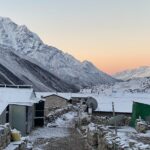
Kathmandu to Lukla: your first taste of the Khumbu
You start in Kathmandu, and the trip handles the basic logistics cleanly: airport pickup, city transportation, and a three-star hotel for your first nights with breakfast. This matters because the real trek stress starts once you are flying out and walking in thin air.
Then comes the big change of scenery, you fly from Kathmandu to Lukla, and the trek begins on foot toward Phakding. This is one of the smartest ways to do Everest region trekking. You skip the long, slow approach and jump straight into the Khumbu, with the first days acting like a gentle on-ramp. You still feel the altitude, but the schedule is paced so your body can start adjusting.
Expect day-one and day-two to feel like momentum building. There is a clear rhythm: walk, stop, eat, sleep in trekking lodges. You are not just doing scenic strolls though. Even early sections are setting up for the real climb days ahead.
A practical note: Lukla flights can add nerves even when everything is working as planned. If you are the type who hates any uncertainty, pack patience. This trek does not pretend the first transport day will be perfect in every season.
Namche Bazaar acclimatization: the pause that keeps you going
Namche Bazaar is not just a nice mountain town. On this trek, it is your altitude safety valve. You spend an acclimatization and exploration day there after the climb from Phakding and on the way up toward higher villages.
I like this structure because it respects how altitude works. You climb, you get there, then you do not immediately sprint to the highest points. Instead, you use the day to move around, look around, and adjust before the route asks more of you.
Namche also gives you a sense of the region’s culture and rhythm. You will feel why so many trekkers treat it as a checkpoint, a place where your pace and expectations reset. If you keep your routine simple that day, you will usually feel better in the following high-elevation hiking.
This is also where you will likely understand how the group will function. Your guide will set expectations, and you can see how your pace matches the rest of your team. That alone is worth the stop.
Dole and Machhermo: building height toward Gokyo
After Namche, the trek steps up from town climbing into more serious altitude travel. You move toward Dole, then continue to Machhermo. These days can feel like long work, but that is the point. Your feet are learning the style of trekking in higher thin-air country.
You are going higher each day, reaching around 4,110m on the way to Dole, and then climbing further to about 4,410m at Machhermo. The walking days are typically measured in hours, not just distance, and that is good. When you pace by time, you can avoid the common mistake of rushing at the start because you still feel okay.
I also appreciate that the trek keeps lodging and meals handled for you. When you are tired, planning where to eat and sleep becomes a distraction. Here, the structure turns your focus back to moving, hydrating, and resting.
For many trekkers, these are the transition days from easy-to-moderate hiking into high-altitude reality. If you have been saving your energy, this is when you spend it.
Gokyo Lake and Gokyo Ri: the day trip that feels like a reward
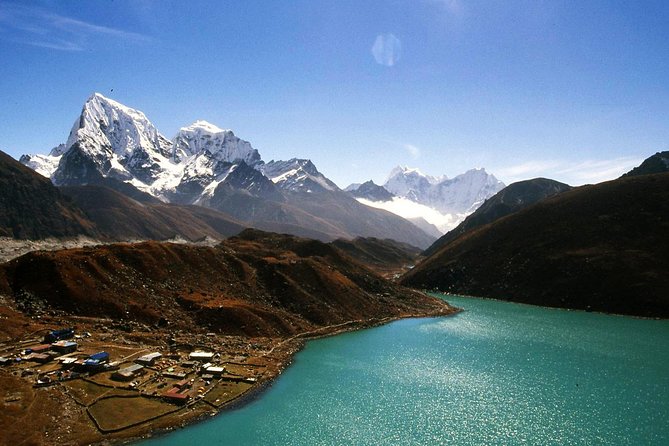
Gokyo is one of the highlights because it gives you both lake scenery and the higher views from Gokyo Ri. You reach Gokyo around 4,760m, and then you spend a day doing a hike to Gokyo Ri before continuing on.
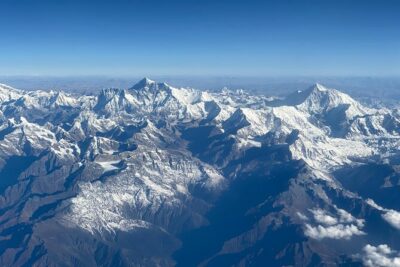
Gokyo Ri is the kind of morning push that makes the whole trek feel real. You get a better sense of how the mountains sit in this region, not just as peak silhouettes but as a layered mountain world. The walk is high effort, but it is also the kind of exertion that feels worth it because you come away with a strong sense of place.
After that, the plan takes you onward to Thagnak at around 4,678m. This is where the route starts to lock in toward the hardest terrain ahead.
The best part here is the pacing. You do not just drop into Gokyo and immediately suffer. You get time to enjoy it and then move on with purpose.
Cho La Pass to Dzonglha: where the trek turns serious
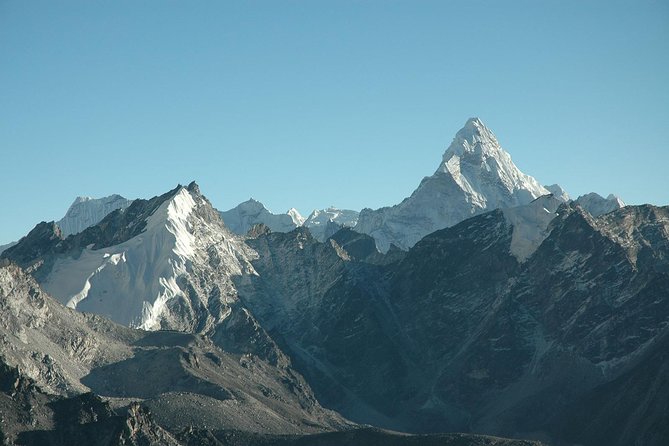
Now you hit one of the signature challenges on this route: Cho La Pass. You hike from higher territory toward Dzonglha via Cho La, with the pass area reaching about 5,420m.
This is a day you should treat with respect. I do not care how strong you feel early. At these elevations, strength means less than technique: slow steps, steady breathing, and quick adjustments when you feel the air thinning.
The payoff is that this is not just a “crossing” day. It is a moment where the trek’s identity becomes clear. You are leaving the comfort of Gokyo-area routines and entering the Everest side of the circuit, with a long view of what lies ahead.
If you tend to get impatient on hard days, make a plan before you start hiking. Decide that your only goal is steady movement. The pass is not the place for competitive trekking.
Lobuche, Gorak Shep, and the Everest morning plan
After Dzonglha, you continue toward Lobuche around 4,940m, and then onward to Gorak Shep at about 5,147m. You are now in the altitude zone where everyone slows down. Walking feels more deliberate. Every stop matters.
Then comes the morning hike with a choice. The plan is set up so you can go to Everest Base Camp in the morning and then trek onward to Pheriche, or you can aim for Kala Patthar for wide views, and then continue down.
Kala Patthar is the kind of decision point that makes sense for different hiking styles. If you want the classic Everest Base Camp experience, you choose that. If you want bigger panoramic views and are okay with a harder push, you choose Kala Patthar.
Either way, the second half of the plan takes you down to Pheriche around 3,950m. That is important. You are not stuck in the high zone longer than you need to be, which helps you recover and enjoy the descent days.
This is also where your guide’s judgment matters. You are hiking in very high country, and the right call on pace and rest breaks can make a huge difference in how you feel later.
Tengboche to Monjo: descent with real meaning
After the Everest zone morning, the trek shifts into a gentler rhythm, still active but easier than the big altitude days. You trek toward Tengboche around 3,860m, then continue down to Monjo around 2,635m.
This stretch feels like coming back into a more human-scale world. You are lower, and the air feels thicker. Your body can relax more, and the walking becomes about enjoying the route instead of surviving it.
You should also expect some cultural atmosphere as you move through this part of the Khumbu. The tour description highlights the region’s major monastery and sacred waters of Gokyo Lake, so you get more than just peak viewing. This kind of context makes the trek feel tied to people and places, not only elevations on a map.
The final days are a relief, but do not treat them as easy chores. The descent still offers big moments, and it is often when you realize how much you have done.
Price and logistics: what $1,480 buys you, and what it does not
At $1,480 per person, the value hinges on what the package includes. This trek is not just a guide and a route. It folds in a lot of the cost and hassle that usually eats up trekking budgets.
Included value you should care about:
- Three-star Kathmandu hotel in twin sharing with breakfast, then trekking lodge accommodations during the trek.
- Whole accommodations and transport around the program, including A/C car and tourist deluxe bus during trips.
- All meals during trekking: breakfast, lunch, dinner, plus tea or coffee.
- Trekking permits and TIMS covered (Trekking Information Management System and trek permit).
- Guide and porter support, with their salary, accommodation, meals, and insurance handled.
- One cultural show and a farewell dinner included.
- First aid medicine item, plus a T-shirt and trip achievement certificate.
- Sleeping bag and down-jacket if you need them during the trek.
Porter policy matters too. The plan calls for porter support so that for two guests you have one Sherpa porter to carry baggage. That can be a huge quality-of-life upgrade on long trekking days.
What you still need to budget for:
- International flights to Nepal.
- Travel insurance.
- Tips for the trekking crew.
- Extra meals in Kathmandu and personal expenses.
- Any tour entrance fees not covered.
If you compare this to a more barebones setup, the key value is that it reduces planning friction and shifts you into a guided, supported trek with permits handled. If you already have your own gear and like to plan everything, you might save money elsewhere. But if you want less stress and a smoother experience, this package makes sense.
Guide and porter support in real life: the human difference
This route can feel intense, even with a good plan. That is why the guide and porter team matters.
Guides associated with Sunrise Adventure, including Pemba and Pasang, have been described as friendly and helpful, with porters also noted for being very supportive. That kind of team tone helps on days when your body wants to slow down or your motivation dips.
In practical terms, a good guide does more than point the way. They help keep pacing steady, manage rest breaks, and handle the flow of the group so you do not spend energy worrying about what comes next. Porter support also keeps your load reasonable, which helps you keep a consistent rhythm.
Since the group size is capped at 18 travelers, you should get enough social support without feeling lost in a crowd.
Gear and cold nights: sleeping bag and down-jacket help
At high elevations, gear becomes more important than style. This trek includes the option to get a sleeping bag and down-jacket if you need them during the trek, which is a real advantage if you are traveling light or renting everything for the first time.
You still should take your comfort seriously. Cold nights and high mornings can drain energy faster than you expect. If you run cold, plan to take that seriously, not as an afterthought.
Also remember: this is a trek in very high country, so bring layers that you can adjust easily while walking. When you are climbing and then stopping, the temperature swings can be noticeable.
Who should book this Everest Base Camp with Gokyo Lake trek
You will likely love this trek if you want:
- A guided, structured route with meals and permits included during the trekking days.
- The combo of Everest Base Camp and Gokyo Lake, not just one side.
- A route with built-in acclimatization, including time in Namche Bazaar.
- The challenge of passes like Cho La, but with a plan that still makes room for recovery.
You might want to reconsider if:
- You are not ready for long, high-altitude trekking days.
- You get anxious about basic transport uncertainty, especially the Lukla flight day.
- You dislike fixed group pacing and prefer full DIY flexibility.
This is a moderate-fitness-friendly trip in the sense that it is guided and supported, but it is still an active, high-country trek.
Should you book it?
If you are aiming for the classic Everest region experience plus the distinct Gokyo Lake element, this trek is a strong fit. The best reasons to book are the value of what is included (meals, permits, guided support, accommodations) and the route design that gives you a true acclimatization stop in Namche plus a smart plan for the Everest morning choice.
My call: book it if you want the two most famous high-altitude highlights in one organized trek, and you are okay working hard at altitude without needing to manage details yourself. Skip it if you want an easy hike, or if you are not comfortable committing to the physical demands of very high passes and thin air.
FAQ
How long is the Everest Base Camp with Gokyo Lake trek?
The duration is listed as approximately 14 to 19 days.
Where does the tour start?
It starts in Kathmandu, Kathmandu Valley.
Is the trek group size limited?
Yes. The tour has a maximum of 18 travelers.
What is included during the trekking days?
The tour includes breakfasts, lunches, and dinners during the trek, plus tea or coffee, along with trekking lodge accommodations.
Does the tour include permits?
Yes. Trekking permit and TIMS card are included.
Are airport transfers and transportation included?
Yes. Airport pick up and departure are included, along with transportation using an A/C car and a tourist deluxe bus during trips.
Are sleeping bag and down-jacket included?
You can get a sleeping bag and down-jacket if you need them during the trek.
What is not included in the price?
Not included are international air ticket, travel insurance, tips, entrance fees, and extra meals in Kathmandu and personal expenses.
What is the cancellation policy?
You can cancel up to 24 hours in advance for a full refund. If you cancel less than 24 hours before the start time, the amount paid is not refunded.
The Rest of Our Kathmandu Write Ups

Base Camp, Three More Ways
Everything else we have reviewed around Kathmandu
- 12 Days Everest Base Camp Trekking
★ 5.0 · 3 reviews - 1 Night 2 Days Chitwan Jungle Safari Tour from Pokhara or Kathmandu
★ 3.0 · 3 reviews - Thamel Rickshaw tour
★ 4.7 · 3 reviews - Kathmandu: Momo Making Class with a Local Chef
★ 5.0 · 3 reviews - Kathmandu: Full-Day Yoga, Body Massage and Pedicure Package
★ 5.0 · 3 reviews - From Kathmandu / Pokhara / Chitwan: River Rafting – 1 Day
★ 4.6 · 3 reviews
Everest Base Camp Treks worth a second look.
 ★ 5.0Everest Base Camp Trek – 14 DaysFrom $1,8001,499 reviews
 ★ 5.0Everest Base Camp TrekkingFrom $1,350485 reviews
 ★ 5.0Everest Base Camp Trekking – 13 DayFrom $1,399365 reviews
★ 5.0Everest Base Camp Trek -14 DaysFrom $1,420321 reviews
 ★ 5.0Everest Base Camp Trekking – 2025/2026From $1,339199 reviews
 ★ 5.0Everest Base Camp TrekFrom $1,408193 reviews
 ★ 5.0Everest Base Camp Trek with Helicopter Return from Gorakshep to LuklaFrom $3,000161 reviews
14-Days Private Everest Base Camp TrekFrom $1,600152 reviews
Lists this tour sits in