
REVIEW · LANGTANG & MANASLU TREKS
From Kathmandu: 5-Day Gosaikunda Lake Trek
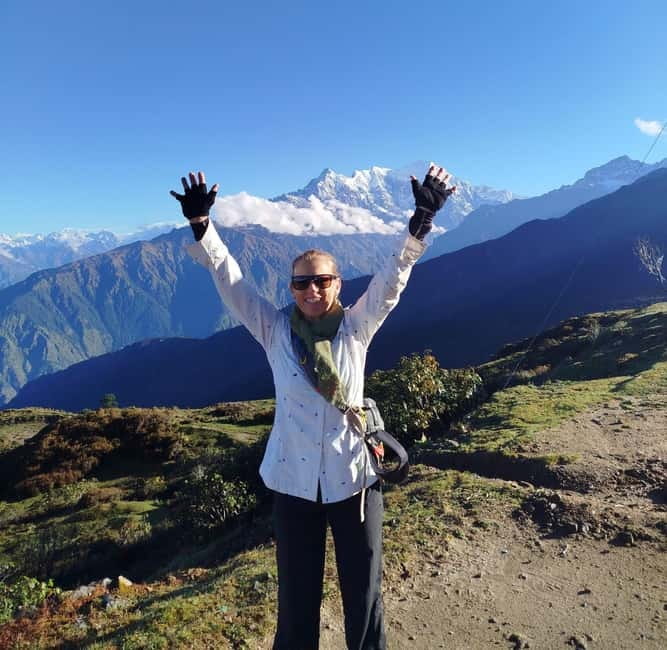
Gosaikunda Lake hits like a mountain reset. This short, guided trek takes you from Kathmandu into Langtang National Park, then up to the sacred glacial lake at 4,380 m, with Himalayan views that feel close enough to touch.
I like how this trip blends licensed guidance with a steady pace and real focus on safety, and I also like that you can travel lighter thanks to borrowed trekking gear. The one thing to consider is altitude and steep sections, especially on the ascent days, even though it is only 5 days long.
In This Review
- Key takeaways before you go
- Gosaikunda at 4,380 m: why this short trek feels big
- Day 1 from Kathmandu to Dhunche, then Deurali (2 nights of mountain energy start)
- Day 2 climb toward Laurebina (3,910 m) via Chandanbari
- Day 3 the big push to Gosaikunda (4,380 m) plus nearby kunda lakes
- Day 4 descend to Dhunche through rhododendron, pine, and bamboo
- Day 5 drive back to Kathmandu (and how to use your leftover daylight)
- Guides, small groups, and that safety-first vibe that matters
- Permits, TIMS card, and why your documents need to be ready early
- Gear loans that can actually change your packing plan
- Food and guest-house comfort: full board and private rooms
- Price and value: what $179 really buys you
- Weather, clear skies, and the “best conditions” reality
- Wildlife and flora, plus the cultural layer you can notice
- Who should do this trek, and who should choose something else
- Should you book the Kathmandu to Gosaikunda 5-day trek?
- FAQ
- How long is the trek, and where does it start?
- What is the highest altitude on this trek?
- What is included in the price for a typical full board option?
- What trekking gear can I borrow?
- Do I need permits, and are they included?
- What should I bring, and what is not allowed?
- Is this trek suitable for everyone?
Key takeaways before you go
- Small group size (up to 14) keeps the hike more relaxed and personal.
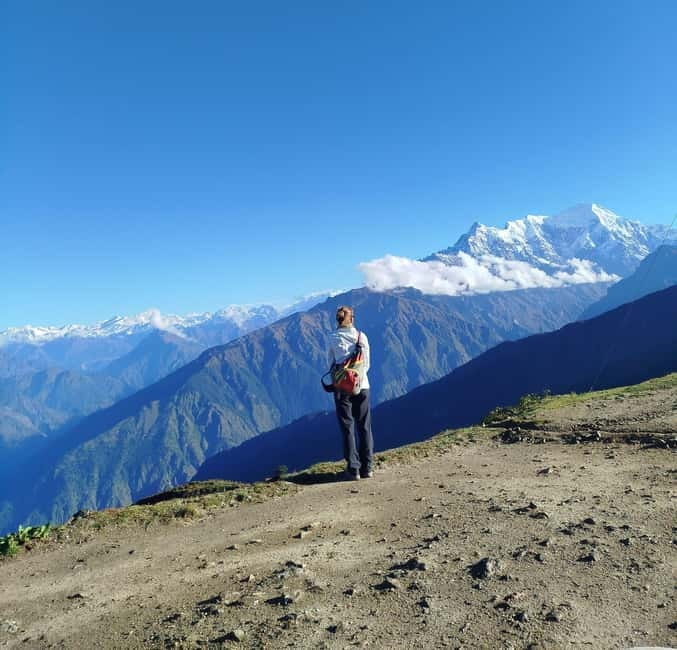
- Gosaikunda at 4,380 m is the main event, plus you’ll explore nearby kunda lakes.
- Langtang National Park gives you a chance to spot local flora and fauna along the trail.
- Gear loans help a lot: down jacket, sleeping bag, and trekking poles are provided.
- Private rooms are often part of the comfort setup at the guest houses.
- Guides like Ohm, Terence, and Raj bring facts, encouragement, and safety-first energy.
The quieter valleys: Langtang and Manaslu
Gosaikunda at 4,380 m: why this short trek feels big
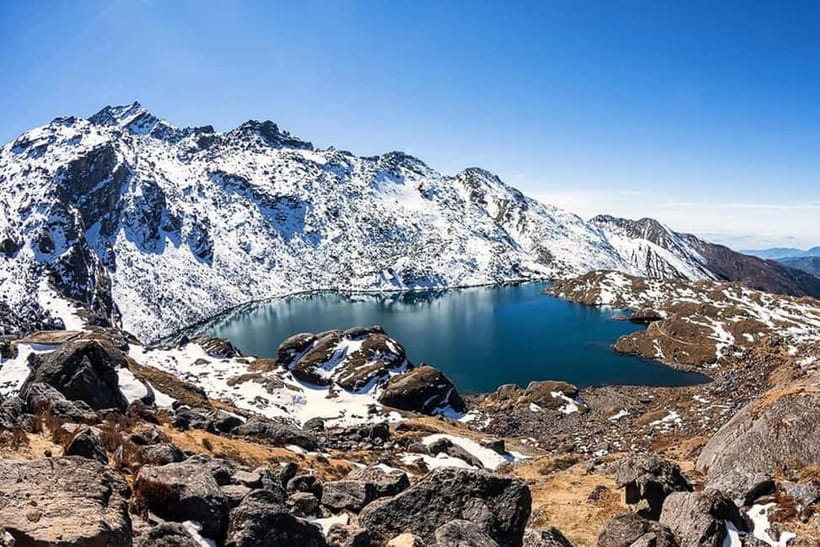
Even though this is a compact 5-day trek, it punches above its weight. You’re headed into high country, not a casual walk, and the payoff is Gosaikunda Lake, a sacred glacial lake in Langtang National Park. The area sits at a serious elevation, so the air is thinner and your effort is more noticeable than you might expect.
What makes it work is the pacing. Day 1 and Day 2 build altitude gradually, then Day 3 is the crown day where you push up to the lake and take in the view of the Langtang range in the background. I like that the experience also includes time around other nearby lakes in the region, not just a quick stop.
One small warning: this trek is short, so there’s less time to “ease in” with long acclimatization. If you get nervous about altitude, you should treat the first two days seriously and listen to your guide.
Day 1 from Kathmandu to Dhunche, then Deurali (2 nights of mountain energy start)
Your trip starts with pickup from your Kathmandu hotel. You’ll be collected at the lobby or main entrance area, and you’ll want to be ready about 5 minutes early. Then it’s a scenic bus ride toward Dhunche, with the drive taking roughly 5 to 6 hours.
This first travel day matters because it sets your expectations for the rhythm of the trek. You’ll pass lush green hills, terraced fields, and snow-capped peaks in the wider region, including mountains such as Manaslu, Ganesh, and Langtang. It is a lot of scenery for a relatively low-effort day.
Once you reach Dhunche, you start hiking to Deurali (2,790 m). The walk is brisk, about 2 hours, and it gets you moving in mountain air without jumping straight into the hardest climbs. You’ll sleep at a mountain guest house in Deurali.
Day 2 climb toward Laurebina (3,910 m) via Chandanbari
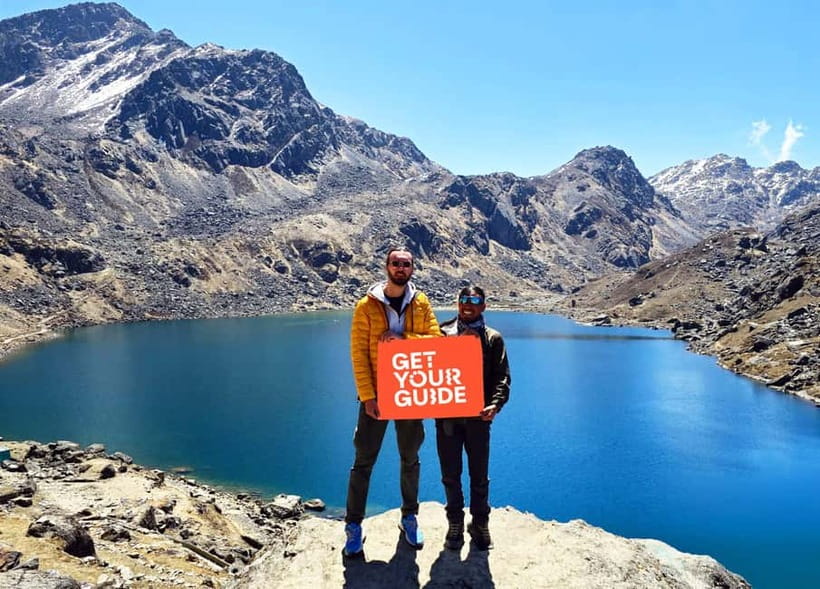
Day 2 begins with breakfast and a guide briefing, then you head for Laurebina (3,910 m). The route goes via Chandanbari, and the day is described as an ascend on a steep path. Translation: your legs will wake up here.
You’ll want to keep your breathing steady, especially because you’re climbing higher than the previous night. On a short trek like this, small pacing decisions make a real difference.
You’ll reach a mountain guest house in Laurebina for your night. This is also a nice place psychologically, because it positions you for the big day ahead. One common theme from guides on this route is encouragement when the trail gets steep. If your guide is someone like Ohm, Terence, or Raj, you can usually expect more than just logistics, you’ll get region context and motivation too.
Day 3 the big push to Gosaikunda (4,380 m) plus nearby kunda lakes
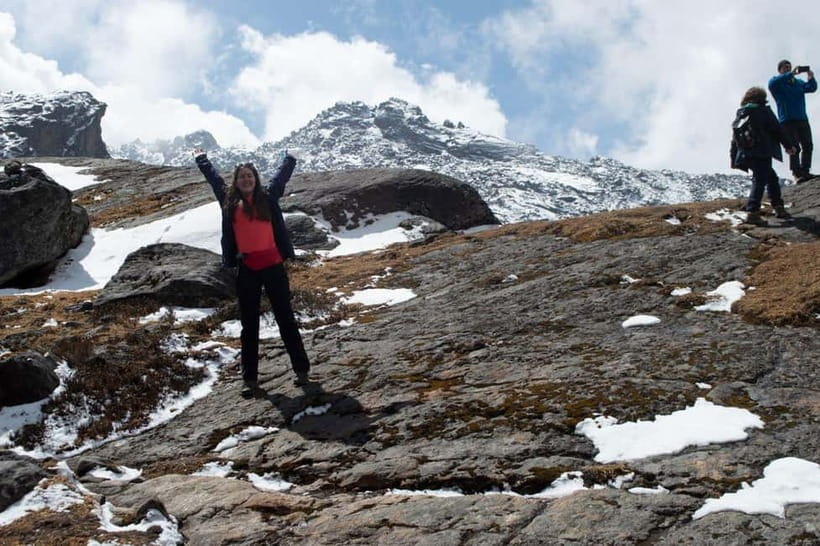
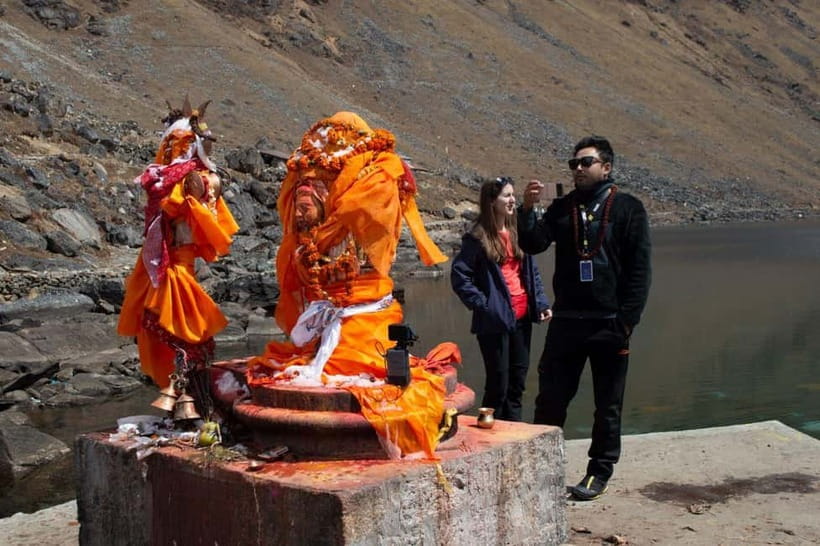
This is the day most people came for: the hike from Laurebina up to Gosaikunda (4,380 m). You’re moving through Langtang National Park, so you’re not only chasing views, you’re also walking through a real ecosystem where local flora and fauna can show up along the way.
Gosaikunda itself is described as an alpine freshwater oligotrophic lake, and it’s fed by melting ice that supports the Trishuli river system. It also stays frozen in winter, which is a useful mental note when you think about temperatures and the feel of the lake area.
The experience is not just a single lake photo moment. At Gosaikunda, you’ll explore other nearby lakes as well, including Bhairav Kunda, Chandra Kunda, and Saraswati Kunda. Having multiple stops like this matters. Even if the weather shifts, you still have several viewpoints and several small moments to keep the day satisfying.
Then, in the afternoon, you hike back to Laurebina for the night. This round trip element is why Day 3 feels intense even on paper. The climb demands effort, and the descent demands focus so you stay steady.
Other lodge to lodge routes near Kathmandu
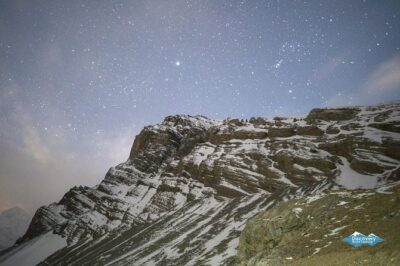
Day 4 descend to Dhunche through rhododendron, pine, and bamboo
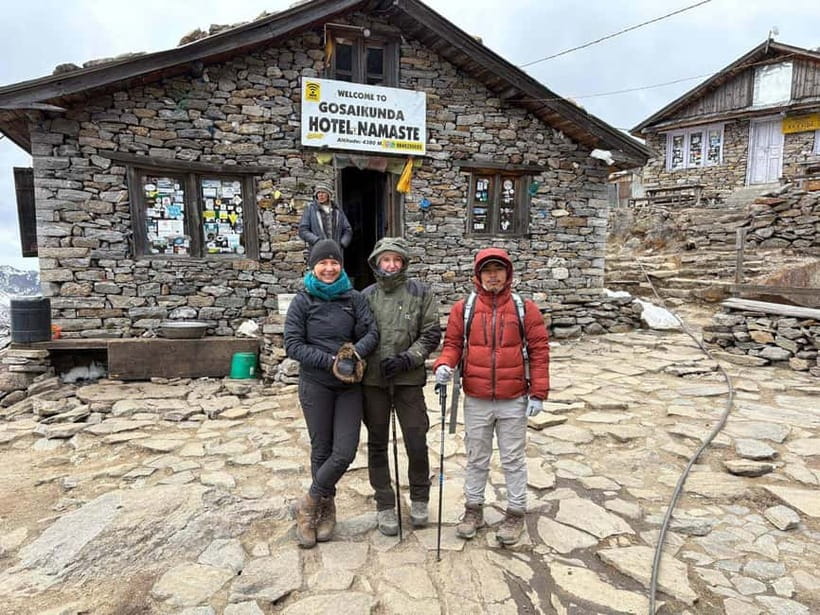
Day 4 is your reward for making it through the high point days. The trail gradually descends and moves through forests that include rhododendrons, pine, and bamboo. If you’re the type who likes variety, you’ll probably appreciate how the scenery changes from exposed high terrain into greener, shaded trails.
You’ll pass Deurali again, then continue down through more forest and cross a river on the way toward Dhunche. You’ll sleep in Dhunche at the end of the day.
This is also a day to think about your knees and feet. Descents can be harder than they look, especially after a high-altitude day. Your trekking poles can help, and the loaner poles are one of the smart inclusions here.
Day 5 drive back to Kathmandu (and how to use your leftover daylight)
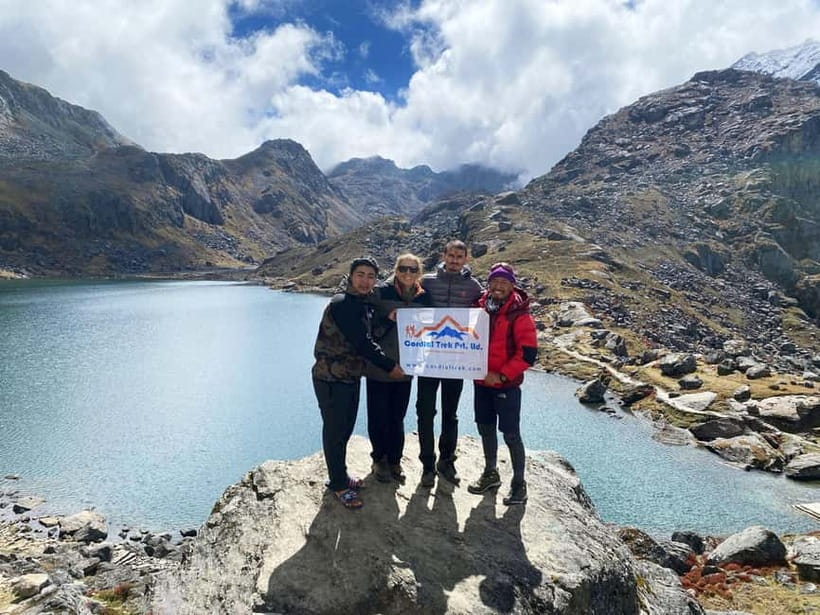
After breakfast, you’ll head back by bus to Kathmandu. The plan includes transfer back to the bus station and then a transfer to your hotel. You’ll end around Kathmandu at about 1,350 m.
Use Day 5 wisely. Your body will likely feel it most in the morning hours, then you can be pleasantly done once the drive starts. If you’re staying in Kathmandu afterward, this is a good day to keep plans light and enjoy a proper meal without rushing.
Guides, small groups, and that safety-first vibe that matters
This trek is built around an experienced, licensed trek guide, and the trip runs as a small group limited to 14 participants. That size is ideal for a short trek because you don’t spend time searching for each other on the trail.
From the guides, the standout pattern is how much they do beyond route guidance. You’ll likely get interesting facts about the region, clear plans for the day, and real encouragement when the trail gets tiring. Some guides also bring creativity to the experience, including fun videography, which can turn a tough moment into something you remember without stress.
Names you might see associated with this trek include Ohm, Terence, and Raj. Across that, one common thread is safety. If you want a guided trek that feels steady rather than chaotic, this format is a strong match.
Permits, TIMS card, and why your documents need to be ready early
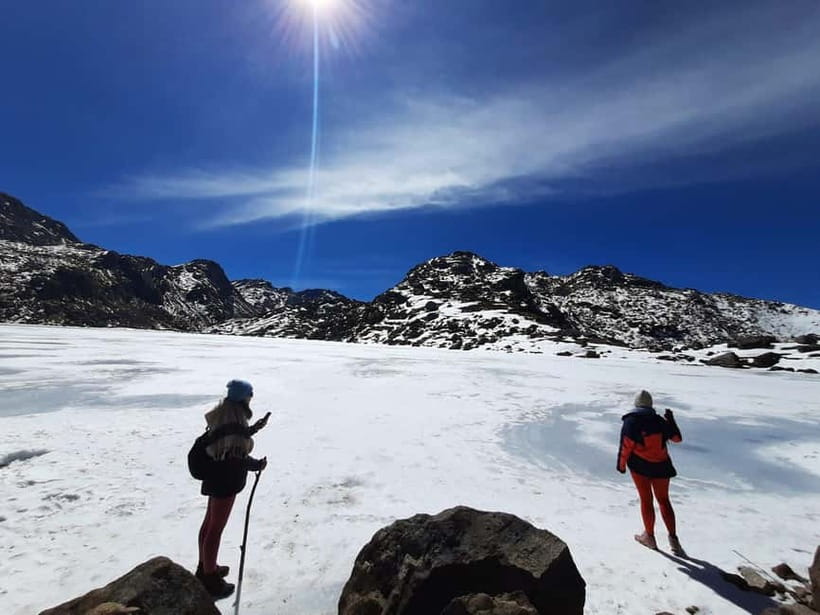
Permits are included, including necessary trek permits and a TIMS card. That is a big value point because permit processing can be slow when you try to scramble it last minute.
To make that work, you’ll need to provide a copy of your passport and a recent passport-sized photograph at least one day in advance. You should plan for this early in your booking timeline, not the night before you travel. It is one of those small tasks that can determine whether everything runs smoothly.
Also note the practical rule: you should bring your passport to the trip, along with your camera and cash, since cash is part of the listed what-to-bring set.
Gear loans that can actually change your packing plan
One of the smartest parts of this trek is the included equipment loan. You can borrow key cold-weather and trekking items, including:
- a down jacket
- a sleeping bag
- trekking poles
That means you can travel with less luggage if you plan your trip carefully. It also reduces the chance you arrive with the wrong gear, which is a real problem on high-altitude treks.
You should also be aware of the trip rules: alcohol and drugs are not allowed, and bare feet are not allowed. Baby carriages are also listed as not permitted. If you’re traveling with children, note that the trek is not suitable for children under 10.
Food and guest-house comfort: full board and private rooms
This trip includes accommodation for 4 nights at mountain guest houses. Meals are included under the full board option, listed as 4 breakfasts, 5 lunches, and 4 dinners.
I like that this removes the daily decision fatigue. When you’re hiking, you do not want to guess where to eat. Full board also tends to keep the schedule predictable, which matters when you’re walking at altitude.
Comfort is an interesting factor here. One of the strong impressions from the experience is that people have often had private rooms throughout the trek, not dorm-style setups. That can make the end of the day feel less stressful, especially after a steep climb.
Price and value: what $179 really buys you
At $179 per person, this trek is priced like a short guided experience, not a bare-bones adventure. The value comes from what is bundled in.
You’re getting:
- hotel pickup and drop
- transportation by bus Kathmandu to Dhunche to Kathmandu
- an experienced licensed trek guide
- permits and TIMS card
- 4-night accommodation
- meals under the inclusive full board option
- key gear loans (down jacket, sleeping bag, trekking poles)
- water purification tablets as required
- first aid if needed
- a company t-shirt
If you tried to piece those together yourself, you’d likely pay more and deal with coordination headaches. Even more, the permit and guide components are the kinds of things that are hard to improvise last minute. For the “short but intense” style of trekking, this bundling is a big reason people feel satisfied with the overall value.
Weather, clear skies, and the “best conditions” reality
The trek runs throughout the year, but the views are described as best when skies are predominantly clear. That is a practical note, because high altitude routes can shift fast, and clouds can shrink your visibility.
If your travel dates are flexible, you’ll want to aim for clearer periods. If not, don’t cancel your plans automatically. Even when visibility changes, the route still has a meaningful day structure and multiple lake points on Day 3, so the experience doesn’t rely on one single perfect panorama.
Wildlife and flora, plus the cultural layer you can notice
Because you’re walking through Langtang National Park, you’re not just moving through scenery, you’re moving through an active ecosystem. The trek is framed as an opportunity to see flora and fauna, and that makes the walk feel more alive than a simple mountain corridor.
Culture also shows up in the guide-driven storytelling. Guides on this route often share Nepalese culture context, not just a dry list of trail distances. If you like learning while you hike, this is one of the reasons the trip feels more than just exercise.
Who should do this trek, and who should choose something else
This is for you if:
- you want a short trek from Kathmandu without losing the excitement of high country
- you like guided structure and safety-first pacing
- you want to reach a major destination like Gosaikunda Lake and explore nearby lakes
This is not a great fit if:
- you’re under 10 years old
- you have mobility impairments
- you weigh over 309 lbs (140 kg)
Also, if you have medical concerns about altitude, you should take altitude seriously and consider a different plan, or at least ask questions before committing. The itinerary reaches 3,910 m and 4,380 m, so it is not a casual hike even though it is short.
Should you book the Kathmandu to Gosaikunda 5-day trek?
Book it if you want a focused, guided high-altitude hike with strong value, helpful gear support, and a route that gives you multiple meaningful moments, especially around Gosaikunda and the nearby kunda lakes. I also think it’s a smart choice if you like small groups and you want a guide who keeps morale up, like the experiences associated with Ohm, Terence, and Raj.
Skip it or switch options if altitude makes you nervous, if you know steep climbs will be a struggle, or if mobility and health limitations mean this elevation profile is not a good match. For the right traveler, this is a clean, efficient way to get to one of Nepal’s most memorable lake destinations without turning the trip into a month-long ordeal.
FAQ
How long is the trek, and where does it start?
The trip is 5 days long and starts with pickup in Kathmandu. You travel to Dhunche by bus and begin the hiking portion from there.
What is the highest altitude on this trek?
The maximum altitude is 4,380 m at Gosaikunda Lake.
What is included in the price for a typical full board option?
The package includes hotel pickup and drop, an experienced licensed guide, 4 nights of accommodation, meals under the full board inclusive option (4 breakfasts, 5 lunches, 4 dinners), bus transportation KTM-Dhunche-KTM, permits and TIMS card, and loaned trekking gear.
What trekking gear can I borrow?
You can borrow a down jacket, a sleeping bag, and trekking poles.
Do I need permits, and are they included?
Yes. Necessary trek permits and a TIMS card are included, and you must provide a passport copy and a passport-sized photograph at least one day in advance for permit processing.
What should I bring, and what is not allowed?
You should bring your passport, camera, and cash. Alcohol and drugs are not allowed, and bare feet are not allowed.
Is this trek suitable for everyone?
It is not suitable for children under 10, people with mobility impairments, or people over 309 lbs (140 kg).
Lodge to Lodge Around Kathmandu


The Rest of Our Kathmandu Write Ups



Langtang and Manaslu, the Quiet Valleys
Everything else we have reviewed around Kathmandu
- 12 Days Everest Base Camp Trekking
★ 5.0 · 3 reviews - 1 Night 2 Days Chitwan Jungle Safari Tour from Pokhara or Kathmandu
★ 3.0 · 3 reviews - Thamel Rickshaw tour
★ 4.7 · 3 reviews - Kathmandu: Momo Making Class with a Local Chef
★ 5.0 · 3 reviews - Kathmandu: Full-Day Yoga, Body Massage and Pedicure Package
★ 5.0 · 3 reviews - From Kathmandu / Pokhara / Chitwan: River Rafting – 1 Day
★ 4.6 · 3 reviews
Langtang & Manaslu Treks worth a second look.
 ★ 5.0Trekking in Annapurna/Langtang/Everest/Upper Mustang regionsFrom $40161 reviews
 ★ 5.0Langtang Valley TrekFrom $555140 reviews
 ★ 5.0Manaslu Circuit Trek (15 Days)From $1,65750 reviews
 ★ 5.016 Day Private Manaslu Circuit Trek from KathmanduFrom $1,13542 reviews
 ★ 5.0Manaslu Circuit Trek 13 DaysFrom $1,40030 reviews
 ★ 5.010 Days Manaslu Circuit Trek in Larke La PassFrom $1,04930 reviews
 ★ 5.0Private 8 – Day Langtang TrekkingFrom $58429 reviews
 ★ 4.8Chisapani Nagarkot 3-Days 2-Nights TrekFrom $19029 reviews
Lists this tour sits in