
REVIEW · LANGTANG & MANASLU TREKS
Kanchenjunga Circuit Trek 19 Days
If you want less crowds and more mountain time, go here.
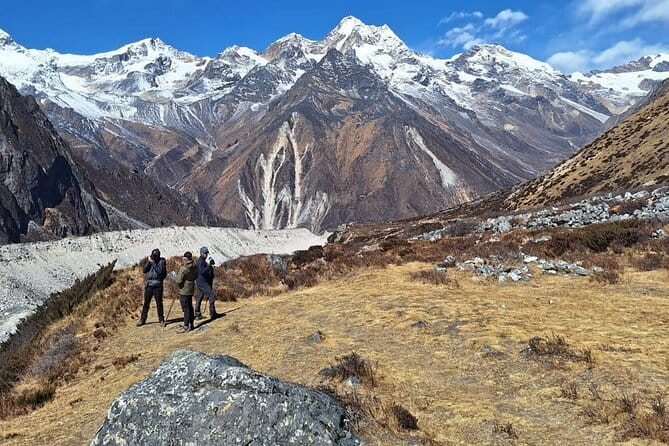
This Kanchenjunga trek (19 days) is built for varied scenery, from jungle woodland and crystal-clear rivers to unspoiled villages and big, multi-angle views of one of Earth’s tallest peaks. The route is newer than Nepal’s most famous trails, so you get a calmer pace and a quieter feel even in peak season. I like that the plan includes both the North and South Base Camps, so you see Kanchenjunga from more than one side.
Two things I really like: the support level is solid, with a government licensed guide and porter support (one porter for every two trekkers), and the logistics handle the hard parts so you can focus on walking. Also, the small group size (maximum 8 travelers) helps the trek feel personal. One consideration, straight up, is the amount of ground travel: you’ll do multiple jeep rides, including a long 4×4 approach into remote trekking areas, so it’s not just “walk, camp, repeat.”
In This Review
- Key things that make this trek special
- First steps in Kathmandu: Thamel, permits, and getting your boots ready
- The “get there” phase: flying to Bhadrapur and driving into Taplejung country
- Trek day by day: what each leg gives you (and what it costs)
- Days 5-7: Ghunsa Khola to the Ghunsa area, with bridges and forest breaks
- Days 8-9: Khambachen, altitude prep, and the wildlife tease
- North Base Camp focus: Lhonak, Pang Pema, and the “work pays off” climb
- Sele Le and the high-pass day: where the view pressure goes up
- Yalung Glacier and the peak-name sightings
- The descent and valley walking: Tortong to Yamphudin to Kanyam
- Final day in the lowlands: green tea area and the flight back to Kathmandu
- Food, comfort, and the real tea-house vibe
- Price and value: what you’re actually paying for
- Guides and group size: the human factor that shows up fast
- Small drawbacks you should plan for
- Should you book Kanchenjunga Circuit 19 Days with Nepal Nirvana Trails?
- FAQ
- What is the duration of the Kanchenjunga Circuit Trek?
- Where does the trip start and end?
- Are airport transfers and pickup included in Kathmandu?
- How do you travel between Kathmandu and Bhadrapur?
- What kind of lodging is used during the trek?
- Are trekking permits included?
- How many travelers are in a group?
- Is a porter included?
- What meals are included?
Key things that make this trek special
- Off-the-main-route quiet: the trail is newer, so expect fewer people than on bigger Nepali trekking circuits.
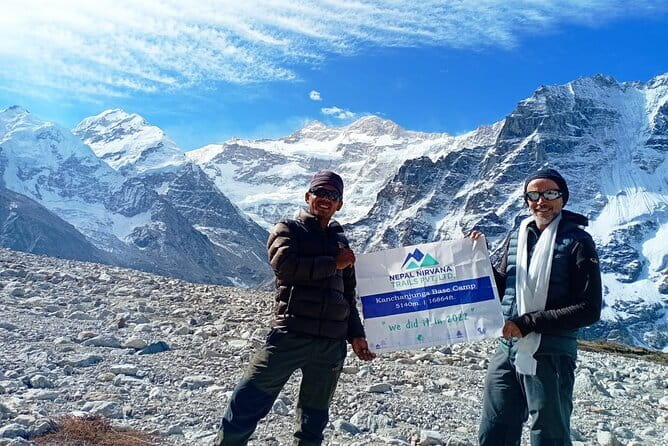
- Base Camp from multiple angles: the trek is designed to reach both North and South Base Camps for different viewpoints.
- High-pass day(s): you pass Sinion La (4,440 m), Mirgin La (4,480 m), and Sinelapche Bhanjyang (4,645 m).
- A serious acclimatization rhythm: rests and shorter hikes are built in around higher elevations.
- Guide and porter staffing is baked in: one guide plus porter support, with meals and insurance handled for the team.
- You get Kathmandu “admin time” taken care of: permits and passport prep are organized after arrival.
The quieter valleys: Langtang and Manaslu
First steps in Kathmandu: Thamel, permits, and getting your boots ready
Your trek starts in Kathmandu, with an arrival pickup from Tribhuvan International Airport and a transfer to your Kathmandu hotel (3-star, with breakfast) for three nights. Thamel is the classic base for trekking prep, and this part matters because it gives you time to sort gear, breathe, and get your paperwork straight before you fly out.
On the second day, the management meets you around 9 am and takes your original passport to prepare the trekking permit. Later, at about 5 pm, the passport is returned and you’re handed back what you need. This is one of those unglamorous tasks that can be a hassle if you do it yourself. Having it managed means you spend less time chasing offices and more time getting ready for the trail.
Tip I’d follow: keep your personal items organized for the days when your passport is held for permit prep. You won’t want to be scrambling for IDs or copies right after you start the process.
The “get there” phase: flying to Bhadrapur and driving into Taplejung country
On day 3, you fly Kathmandu to Bhadrapur (Chandragadhi Airport). The flight time is listed as about 45 to 50 minutes. Then you take a local jeep and drive through Kanyam via the Mechi Highway area, continuing toward Taplejung.
This is where you should expect the first real time commitment by vehicle. In one of the best pieces of feedback from past trekkers, the long 4×4 jeep ride is called out as a factor to know ahead of time. It’s not necessarily “bad,” but it is bumpy and it is long. If you hate car rides, plan to compensate with a good attitude (and maybe bring something that helps you stay comfortable).
On day 4, after breakfast, you continue by jeep toward Sekathum, your day’s destination. The plan notes that many trekkers prefer to walk up to Sekathum from Taplejung, but this approach uses transport for part of the route. Translation: you should arrive with less early-day uphill fatigue, which can help your body settle in before you start real trekking days.
Trek day by day: what each leg gives you (and what it costs)
What I like about this route is the flow. You don’t just “gain elevation forever.” You alternate between walking days, forest days, village days, and acclimatization.
Days 5-7: Ghunsa Khola to the Ghunsa area, with bridges and forest breaks
Day 5 starts with the hike from Sekathum to Amjilosha. The route follows the Ghunsa Khola and includes walking over many bridges. Bridges are more than scenery props here. They break up the day, and they keep you moving through a valley system that feels active even when villages are small.
Day 6 pushes onward to Gyabla (also called Kyapra). It’s described as a trail through dense forest with no human settlement. That can feel remote in a good way. You’ll likely be focused on foot placement, rhythm, and air temp more than on chatting with other hikers.
Day 7 reaches Ghunsa after passing through the Phale village area. Ghunsa is often used as an acclimatization stop, and the plan explicitly calls it out as a pace point. You’ll get that classic East Nepal trekking vibe: pine and mixed woods, small settlements, and the comfort of knowing you’re not rushing the body.
Other lodge to lodge routes near Kathmandu
Days 8-9: Khambachen, altitude prep, and the wildlife tease
Day 8 goes to Khambachen. The trek runs through an open pine forest, and the description highlights potential sightings like blue sheep and snow leopard. Nobody can promise wildlife on a trek, but knowing the route passes through habitat is useful. Also, this day is flagged for landslide-prone areas. That’s your reminder to keep attention on footing and to follow your guide’s safety calls.
Day 9 is your rest and acclimatization day at Khambachen. You take a short hike to nearby glaciers, viewpoints, and lakes. This is a smart pattern because it gets you higher effort without the pressure of a full relocation day. It also helps you feel the altitude difference before the big North Base Camp push.
North Base Camp focus: Lhonak, Pang Pema, and the “work pays off” climb
Day 10 is a move to Lhonak. It’s described as a track where you can meet other trekkers during the main season walking toward and returning from the North Base Camp. In other words, this is where your quiet solitude may loosen a bit. Still, compared to major routes, this circuit tends to stay calmer because the overall trail is less crowded.
Day 11 is the big day: hike to Kanchenjunga North Base Camp, also known as Pang Pema. You follow moraines gradually, which matters. Moraines can be uneven and physically tiring, and “gradually” is important advice for pacing. Base Camp days can trick people into speeding early. Don’t. Save energy for the viewpoint time.
Day 12 returns to Ghunsa, leaving the base camp behind. This day is about recovery and resetting your rhythm. It also gives you a new perspective on the same terrain because the light and body energy change after a big milestone.
Sele Le and the high-pass day: where the view pressure goes up
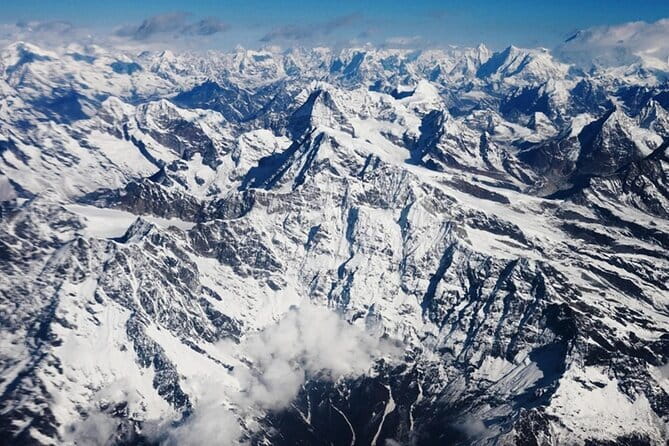
Day 13 brings you to Sele Le, with a chance of snow leopard mentioned again as you pass through dense forest. The description also notes isolated settlements with a few teahouses, and that some may be open only during certain periods. Practical takeaway: expect simpler village infrastructure than you’d find on more established trekking routes.
Day 14 is the high-pass sequence after leaving Sele Le:
- Sinion La at 4,440 m
- Mirgin La at 4,480 m
- Sinelapche Bhanjyang at 4,645 m
This is the day that turns your breathing into the main activity. High passes usually mean wind exposure and sharp temperature drops, so you’ll want a steady layering system and to keep moving at a pace your lungs can handle. The trek description promises spectacular panoramas, and on this kind of circuit, those panoramas are often the reward for a long day of concentration.
Yalung Glacier and the peak-name sightings
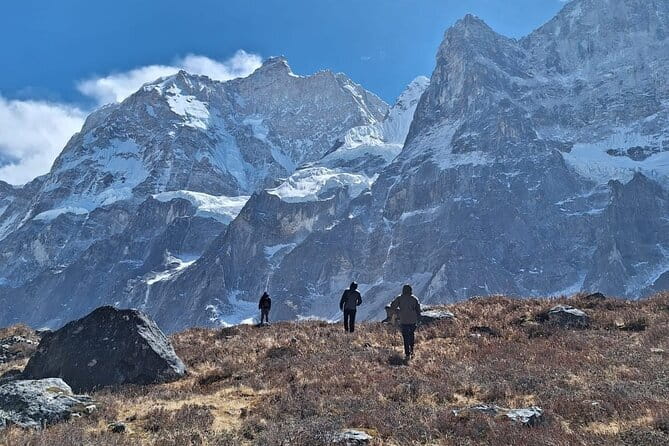
Day 15 goes to the Yalung glacier. You’re heading higher and closer to vistas, with listed views of Rathong (6,682 m) and Kabru (7,412 m). That matters because it gives you more than “just Kanchenjunga.” On clear days, this area can feel like a whole viewing gallery of neighboring giants.
Day 16 starts downhill and ends at Tortong, passing through Simbuwa Khola with rhododendron forests along the way. This is your relief from high elevations, but it’s not automatically easy. Downhill can still beat up your knees, especially after a big pass and glacier day.
The descent and valley walking: Tortong to Yamphudin to Kanyam
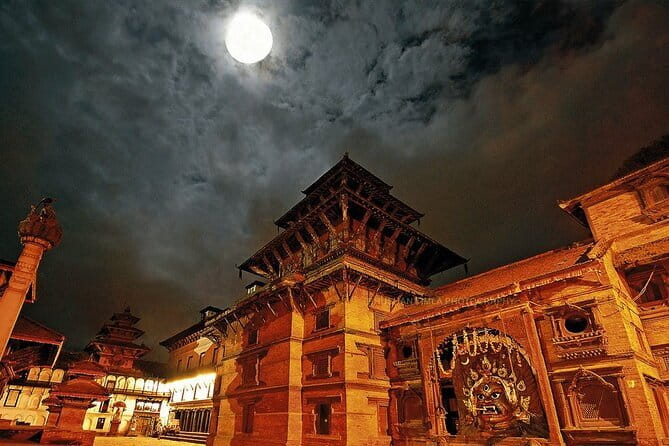
Day 17 continues the descent to the Amji Khola, passing through Lasiya/Lamite Bhanjyang (3,415 m) and Dhupi Bhanjyang (2,665 m) before reaching Yamphudin. A long descent day like this is all about managing pace and protecting joints.
Day 18 follows with exploration around Yamphudin and trekking alongside the Kabeli Khola pathway. Then you leave the mountain villages and drive to Kanyam. This day often feels like a bridge between wilderness trekking and the last push toward flights and civilization.
One thing I’d keep in mind: the program is full of walking, but it isn’t only walking. You’ll still be doing driving blocks that can affect how you feel when you reach each stop.
Final day in the lowlands: green tea area and the flight back to Kathmandu
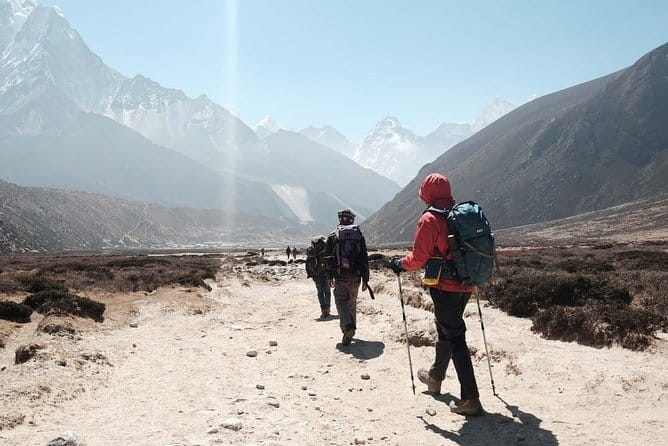
Day 19 starts with breakfast, a short exploration of the green tea cultivation area, then a 2 to 3 hour drive to Bhadrapur. You take the flight back to Kathmandu (45 to 50 minutes), late afternoon or evening.
That tea-plantation moment can be a nice emotional shift. After days of altitude and rugged trails, it’s a visual reset. You can also use it to understand just how different these regions are across Nepal, from Himalayan basins to lower-elevation agriculture.
Food, comfort, and the real tea-house vibe
This trek uses tea-house accommodations during the days on trail. Your meals are included: breakfast 18 times, lunch 17 times, and dinner 16 times. That’s a big deal because it reduces uncertainty and helps keep daily budgeting simple.
The practical catch is that the food is described as very basic. The best advice given is to opt for the veg foods available while you are in the trek. I’d treat that as smart, not restrictive. On remote trekking routes, simpler foods can be easier on digestion when your routine gets disrupted by altitude and cold.
Comfort is also part of expectations. Tea houses can be cozy, but they are not the same as a hotel. Bring a flexible mindset, plan to layer up when temperatures drop, and don’t assume you’ll get modern conveniences. Even if hot showers or charging are offered in some places, the tour does not list those as included.
Price and value: what you’re actually paying for
At $2,000 per person, this trek doesn’t look cheap until you break down what’s bundled. Here’s the real value math:
- Permits are included (all necessary trekking permits).
- Guides and porter support are included, including salary, food, equipment, and insurance for the guide and porter. Staffing is also clear: one porter for every two trekkers.
- Kathmandu base includes a 3-star hotel for 3 nights with breakfast.
- On-trail lodging is tea-house accommodation.
- Transport is included: flights Kathmandu to Bhadrapur and Bhadrapur to Kathmandu, plus private jeeps for the remote driving segments.
- A first aid kit with basic medication is included.
Where you need to be honest is what’s not included: international flights, the Nepal entry visa, and travel or health insurance for emergency rescue or evacuation. Also personal expenses like snacks, drinks, and charging are on you. Tips are appreciated but not included.
So, is it good value? If you want a guided, permit-handled, transport-covered trek with a small group and porter support, the price looks fair for the amount you get. If you already have your own permits, guides, and travel logistics lined up, then you can find cheaper options. But for most people, paying for the organized package is what keeps the trek smooth.
Guides and group size: the human factor that shows up fast
This is one of those tours where the guide really matters, and the feedback you have points to that. People highlight names like Raj and Jangbu for being hardworking, caring, and making the trek feel premium compared to bigger groups. Another review mentions Abinta as outstanding, with a strong focus on culture, nature, and trails, and that her warm personality helped people feel welcome from step one.
The company also gets praise for quick, clear communication before the trek, with KP noted as responsive and helpful. That matters when you’re trying to lock details for arrival and permits.
With a maximum of 8 travelers, you can also expect fewer “lost in the crowd” moments. It’s easier to ask questions, adjust pacing, and feel like a real team rather than a bus tour in hiking boots.
Small drawbacks you should plan for
A few realistic considerations based on what the route and logistics imply:
- The long jeep rides are real. If you get motion sick, plan for it.
- Tea-house food is described as basic, so keep it simple and favor the veg options.
- This is physically demanding. The program calls for a strong fitness level, and the altitude range includes multiple high points and passes.
- High pass days mean colder conditions and mental focus. If you panic when the air thins, practice calm pacing at altitude before you go.
None of this is meant to scare you. It’s meant to help you show up ready.
Should you book Kanchenjunga Circuit 19 Days with Nepal Nirvana Trails?
Book this trek if you want:
- a quieter circuit than the most famous Nepal treks
- real guide support with porter staffing built in
- the chance to see Kanchenjunga from North and South Base Camp angles
- a route that mixes forests, villages, and high passes, with acclimatization built into the pacing
Skip it or think twice if:
- you hate long vehicle days and rough remote transport
- you know you’ll struggle with basic tea-house meals and want a more comfortable food setup
- you’re not ready for high-altitude passes and altitude management, especially around the 4,440 m to 4,645 m zone
If you’re the type who likes quiet trails, clear planning, and guides who take care of the details, this is a strong match.
FAQ
What is the duration of the Kanchenjunga Circuit Trek?
It’s about 19 days, including travel days and the trek route through the Kanchenjunga region.
Where does the trip start and end?
It starts in Kathmandu (at Nepal Nirvana Trails) and ends in Kathmandu, with you dropped off at your hotel.
Are airport transfers and pickup included in Kathmandu?
Pickup is offered, and you’re also transferred from Tribhuwan International Airport to your booked Kathmandu hotel. On the final day, you’re dropped off at your hotel.
How do you travel between Kathmandu and Bhadrapur?
You fly from Kathmandu (TIA) to Bhadrapur (Chandragadhi Airport), with a flight time listed as about 45 to 50 minutes.
What kind of lodging is used during the trek?
You stay in tea-house accommodations during the trekking days.
Are trekking permits included?
Yes. All necessary trekking permits are included.
How many travelers are in a group?
The maximum group size is 8 travelers.
Is a porter included?
Yes. Porter support is provided between 2 trekkers for 1 porter, along with a government licensed trekking guide.
What meals are included?
Breakfast is included 18 times, lunch 17 times, and dinner 16 times. Kathmandu hotel breakfast is also included for your 3 nights in Kathmandu.
Lodge to Lodge Around Kathmandu


The Rest of Our Kathmandu Write Ups



Langtang and Manaslu, the Quiet Valleys
Everything else we have reviewed around Kathmandu
- 12 Days Everest Base Camp Trekking
★ 5.0 · 3 reviews - 1 Night 2 Days Chitwan Jungle Safari Tour from Pokhara or Kathmandu
★ 3.0 · 3 reviews - Thamel Rickshaw tour
★ 4.7 · 3 reviews - Kathmandu: Momo Making Class with a Local Chef
★ 5.0 · 3 reviews - Kathmandu: Full-Day Yoga, Body Massage and Pedicure Package
★ 5.0 · 3 reviews - From Kathmandu / Pokhara / Chitwan: River Rafting – 1 Day
★ 4.6 · 3 reviews
Langtang & Manaslu Treks worth a second look.
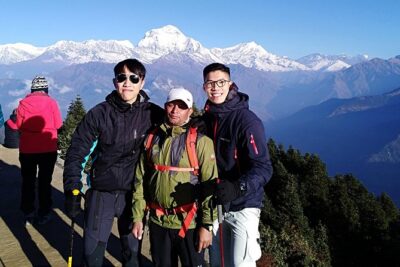 ★ 5.0Trekking in Annapurna/Langtang/Everest/Upper Mustang regionsFrom $40161 reviews
 ★ 5.0Langtang Valley TrekFrom $555140 reviews
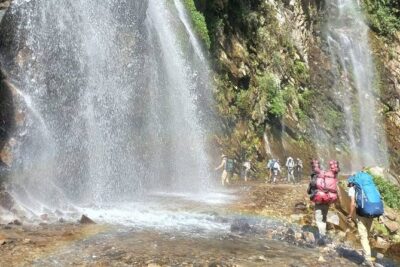 ★ 5.0Manaslu Circuit Trek (15 Days)From $1,65750 reviews
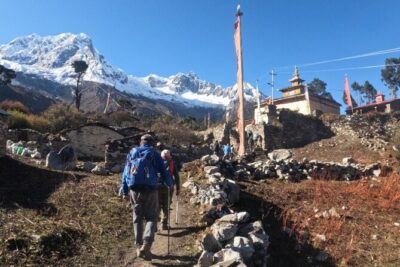 ★ 5.016 Day Private Manaslu Circuit Trek from KathmanduFrom $1,13542 reviews
 ★ 5.0Manaslu Circuit Trek 13 DaysFrom $1,40030 reviews
 ★ 5.010 Days Manaslu Circuit Trek in Larke La PassFrom $1,04930 reviews
 ★ 5.0Private 8 – Day Langtang TrekkingFrom $58429 reviews
 ★ 4.8Chisapani Nagarkot 3-Days 2-Nights TrekFrom $19029 reviews
Lists this tour sits in