
REVIEW · LANGTANG & MANASLU TREKS
Kathmandu: 6 Days Langtang Valley Trek with Kyanjin Ri
Rhododendron trails and mountain mornings. I love the time you spend with Tamang villages and the historic Kyanjin Gompa, plus the payoff of an optional early climb to Kyanjin Ri for big panoramic views. The main drawback to plan for is altitude, since the trek reaches up to 4,770m and acclimatization is not guaranteed for everyone.
This is a tightly paced 6-day loop that starts with a drive out of Kathmandu, follows the Langtang River through forests and village paths, then returns to Syabrubesi and back to the city. I also like that you get a private group with an authorized English-speaking guide (Hindi is also used), and the experience is built around comfort on the hard days, with private accommodation and clear daily targets.
In This Review
- Key things I’d watch for before you go
- Kathmandu to Syabrubesi: the jump-off day that sets the tone
- Day 1 stop: Pahiro (1,550m)
- Day 2 to Ghoda Tabela: forests, villages, and altitude that starts to matter
- Why Ghoda Tabela works as a night stop
- Day 3 to Kyanjin Gompa (3,870m): Tamang life meets major mountains
- The monastery visit and why it feels real
- Practical note for Day 3
- Day 4: Kyanjin Ri optional hike (4,770m) and the payoff viewpoint morning
- If you do Kyanjin Ri, plan for effort
- Returning to Thangsyap (3,200m)
- Day 5: Thangsyap back to Syabrubesi, where the valley becomes familiar
- Why this day matters more than it sounds
- Day 6: the return to Kathmandu and that post-trek reality check
- Guides, pacing, and why the private setup can be a big deal
- Porter option: comfort you might actually notice
- Season, weather, and the honest planning angle
- What’s included in the price, and why it can be good value
- Meals included depends on your package
- Not included items to budget for
- What you should bring, and what matters most at altitude
- The bottom line: who this trek suits best
- Should you book this 6-day Langtang Valley with Kyanjin Ri?
- FAQ
- What duration is this Langtang Valley trek?
- Where does the trek start and end?
- What are the main trekking stops and elevations?
- Is the Kyanjin Ri hike included?
- What is included in the price?
- Are meals included if I do not choose the Full Package?
- Do I need trekking permits?
- What should I bring?
- Is alcohol allowed on the trek?
Key things I’d watch for before you go
- The Kyanjin Ri sunrise option adds a real challenge, but it is the most memorable viewpoint moment.
- Tamang culture is part of the route, not a side stop, especially around Kyanjin Gompa.
- Cheese tasting at Kyanjin Gompa gives you a practical, local-food angle beyond just sightseeing.
- Day-to-day altitude climbs are significant, with the highest point at 4,770m.
- Private group pacing works well if you want stops for photos, breaks, and questions.
- Porter is extra, and some people find it worth it for comfort on steeper sections.
The quieter valleys: Langtang and Manaslu
Kathmandu to Syabrubesi: the jump-off day that sets the tone
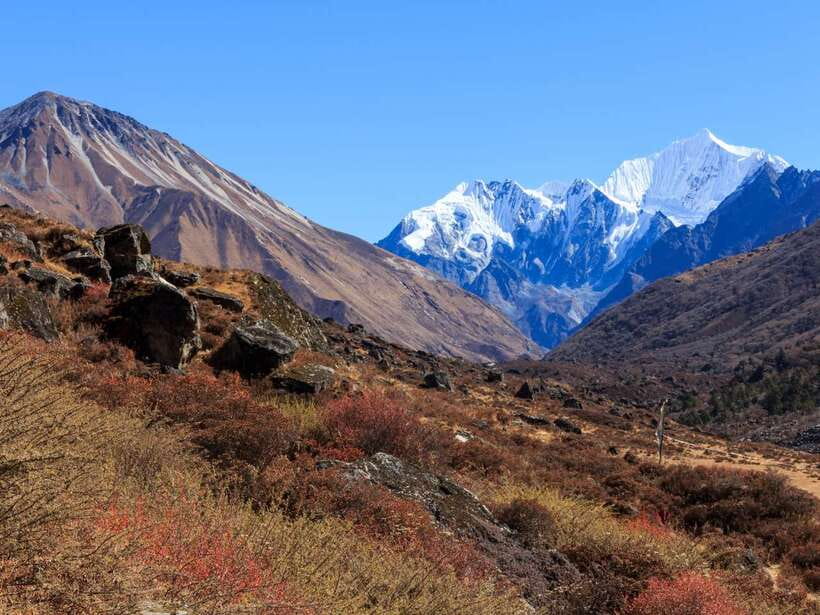
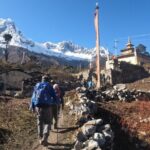
Your trek starts with transportation from Kathmandu to Syabrubesi, the usual gateway town for Langtang Valley. The drive is part of the experience, because it shifts you from city pace into mountain rhythm before you ever put on your boots.
Once you reach Syabrubesi, you begin trekking along the Langtang River. Day 1 is built to get you moving without crushing you. You’re walking up to around Pahiro at 1,550m, so it is a good day to settle into your gear, your breathing, and your rhythm. If you’re new to trekking, this is the day where you can figure out if your hiking shoes and daypack setup actually work for you.
Day 1 stop: Pahiro (1,550m)
Pahiro is a low-ish altitude night for the route, which matters because it sets up your next climbs. You’ll feel the difference as you go higher, and it helps to start with a gentler day instead of skipping right into steep altitude.
Day 2 to Ghoda Tabela: forests, villages, and altitude that starts to matter
Day 2 takes you from Pahiro up to Ghoda Tabela at 2,900m. That altitude jump is not small, so even if the trail feels manageable, your body will notice. The route follows a mix of green forest paths and village sections, with occasional glimpses of cascades along the way.
This is one of those trekking days where you learn quickly what your comfortable pace is. You do not need to sprint to feel like you are doing well. In fact, a steady pace usually helps more at altitude than forcing speed.
Why Ghoda Tabela works as a night stop
Ghoda Tabela is high enough to set you up for Kyanjin Gompa, but it is still a bridge night. You get another chance to eat early, hydrate, and manage your breathing before the highest point approaches.
Other lodge to lodge routes near Kathmandu
Day 3 to Kyanjin Gompa (3,870m): Tamang life meets major mountains
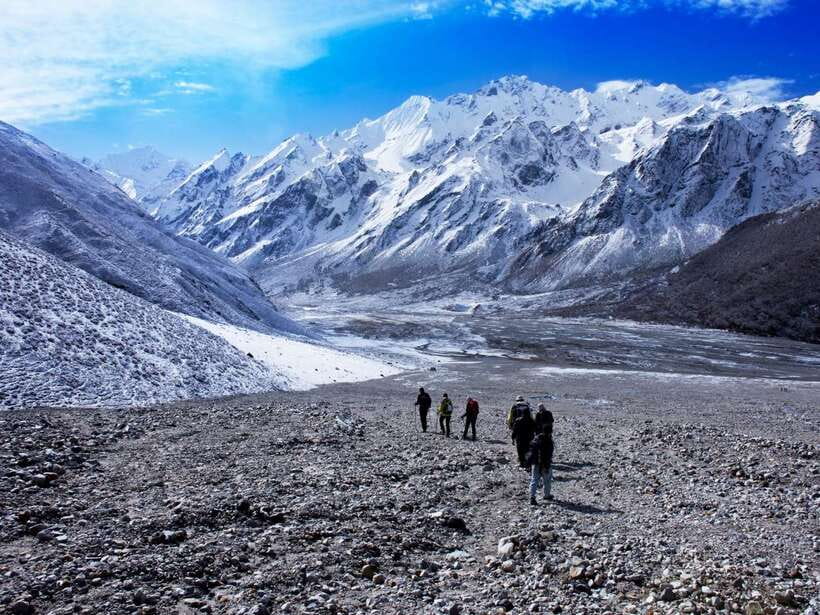
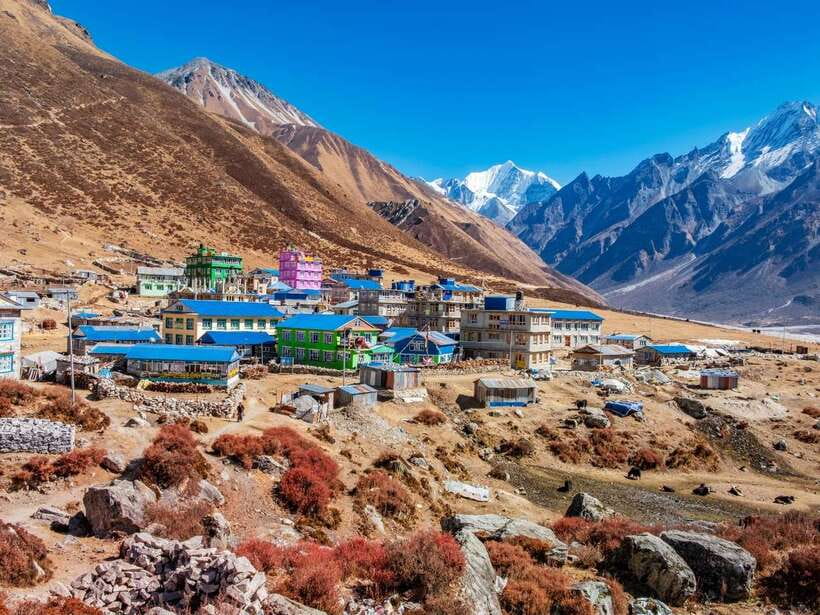
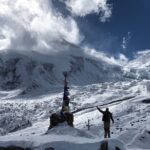
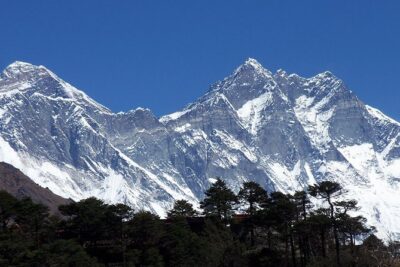
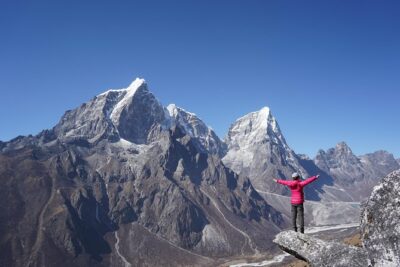
Day 3 is the cultural and scenic center of the trek. You hike up to Kyanjin Gompa at 3,870m, a traditional Himalayan village surrounded by towering peaks. This is where the Langtang Valley shift becomes obvious: you move from forest and river walks into a more defined mountain village world.
You can expect Tamang culture to show up in how people live around the monastery area, and you’ll have time to explore the monastery itself. Kyanjin Gompa is known for its historic monastery setting, and you’re also set up for a food and local-life touch, including a cheese factory visit and cheese tasting.
The monastery visit and why it feels real
A monastery stop can become a quick photo moment, but this one is different because it connects you to the place you’re actually hiking through. You are not just viewing a building, you’re spending time at a religious center that belongs to the local community and its day-to-day rhythms.
Practical note for Day 3
At 3,870m, you might feel fine, or you might feel the start of altitude effects. The tour info is clear that altitude affects everyone differently and that symptoms like headache, nausea, fatigue, or loss of appetite can happen if you ascend too quickly. If you feel off, tell your guide right away, because pacing adjustments are part of staying safe on this kind of trek.
Day 4: Kyanjin Ri optional hike (4,770m) and the payoff viewpoint morning
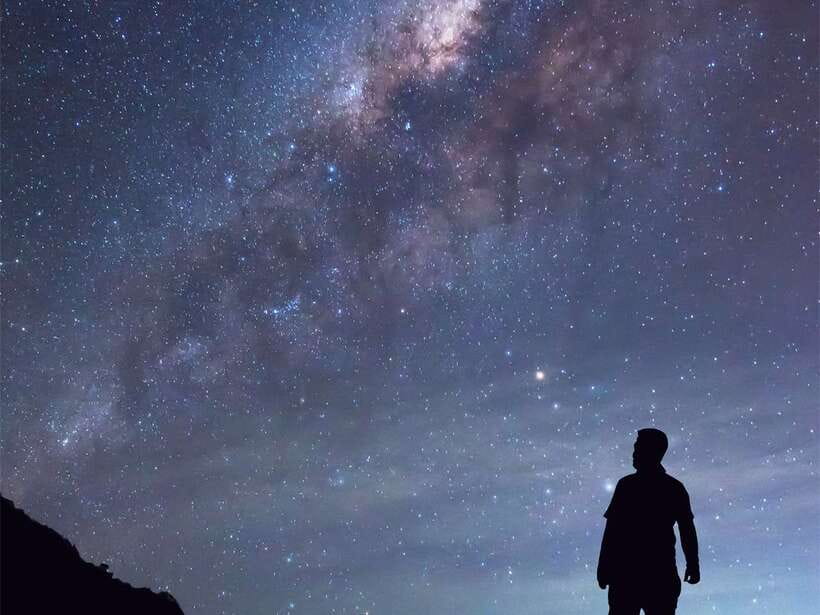
Day 4 is the big decision day. You can go straight to Thangsyap (3,200m), or you can add the optional hike to Kyanjin Ri at 4,770m.
If your legs and altitude response are good, Kyanjin Ri is the moment many people come for. The description calls it one of the most rewarding viewpoints in Langtang Valley, and the approach time is set up so you can experience the panorama in the best light. One of the most praised parts in the trip feedback is the sunrise experience when views are clear, along with wildlife sightings on the way.
If you do Kyanjin Ri, plan for effort
Even with a guide who adjusts your pace, this is still a high climb. It is a challenging altitude day, and you should treat it like a marathon, not a sprint. The route timing and the long view promise are worth it for the right hikers, but you do not want to force it if you feel shaky, nauseated, or overly winded.
Returning to Thangsyap (3,200m)
After the optional hike, you descend back down and settle for the night in Thangsyap. That descent is part of the value of doing the option: you get the hard-earned views, then you get a chance to recover at a lower altitude.
Day 5: Thangsyap back to Syabrubesi, where the valley becomes familiar
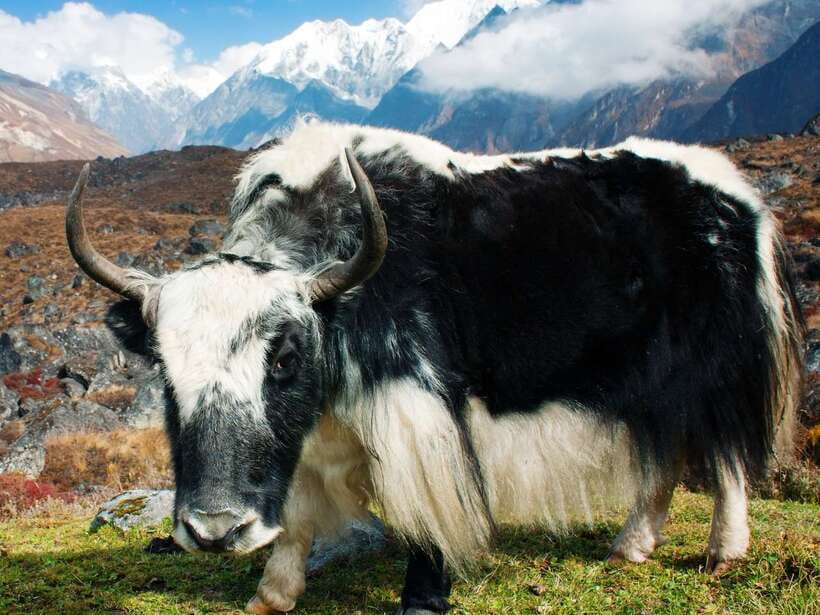
Day 5 goes from Thangsyap back down toward Syabrubesi at 1,550m. This is your “last look” day. Even though you are going down, it is not a free day. Your body still needs steady movement, and your knees will appreciate careful foot placement on worn sections.
You’ll walk through forests and along the Langtang River again, the same setting you first followed, but with a different understanding now. After four days, you know how the valley breathes. You notice details you missed earlier, like how villages sit around bends in the trail and how the weather shifts over the mountains.
Why this day matters more than it sounds
The return walk gives you time to process the trip. You also get one last chance to practice your trekking habits, like drinking consistently, eating before you’re starving, and not waiting until you feel exhausted to ask for a break.
Day 6: the return to Kathmandu and that post-trek reality check
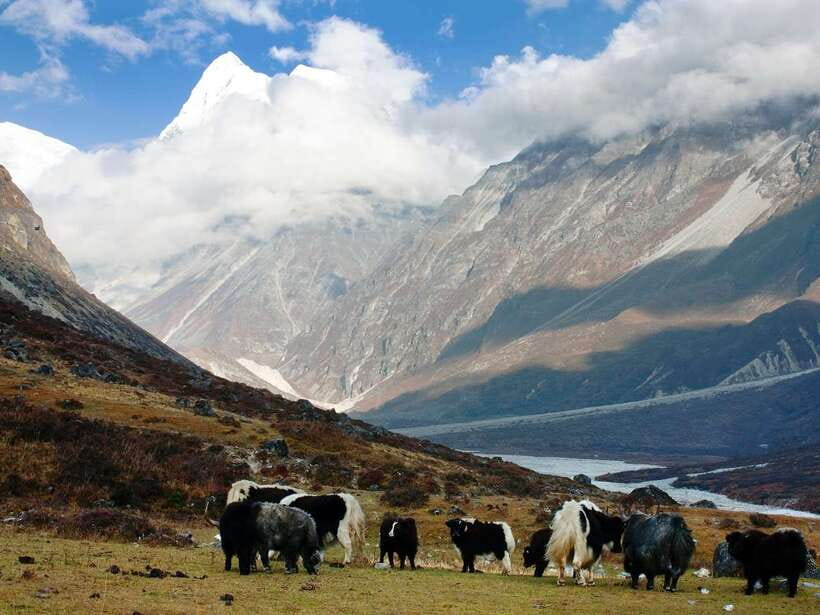
On Day 6, you leave Syabrubesi and drive back to Kathmandu. This part can feel oddly fast after several days of trekking, but that is the trade-off with a 6-day schedule. You get a solid adventure without stretching too long.
If you want to stay grounded, it helps to treat Day 6 as a soft landing. You’re not just finishing a trek, you’re also returning from a remote area with different routines, different altitude pressure, and a different pace of life.
Guides, pacing, and why the private setup can be a big deal
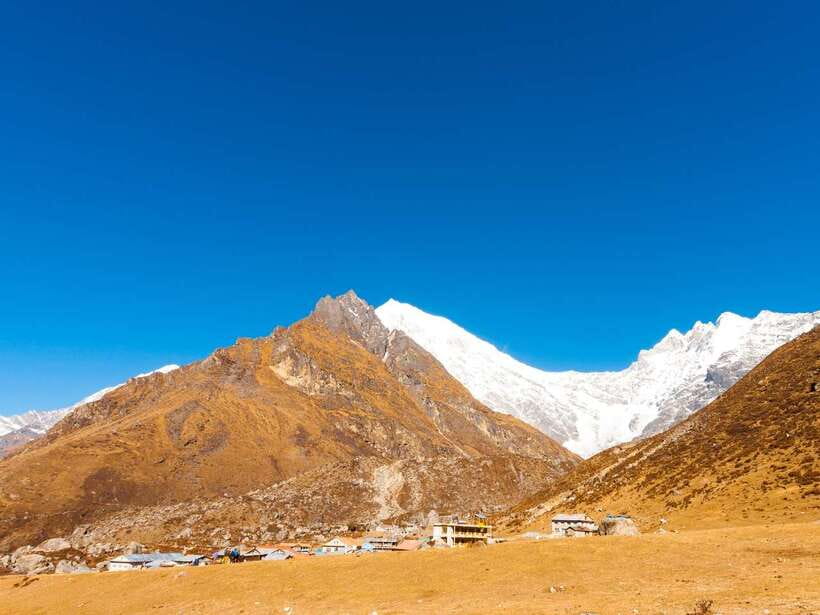
This trek runs as a private group with an authorized guide who can speak English and Hindi. In the feedback, multiple guides are highlighted for being caring, flexible, and attentive to health and pace, including Ghanshyam and Sudarshan. The repeated theme is not just friendliness, it is adjustment.
That matters because Langtang is not a theme park trail. You can have a good day or a rough day depending on sleep, altitude response, and weather. A guide who manages pace and breaks makes the difference between a trek that feels doable and one that turns stressful.
Porter option: comfort you might actually notice
Porter charges are listed as extra, and some people choose that option for a smoother experience. If you are carrying less, you spend more energy on walking, less on balancing fatigue. Even if you think you can do it alone, this is one of the places where the math can surprise you by Day 3 or Day 4.
Season, weather, and the honest planning angle
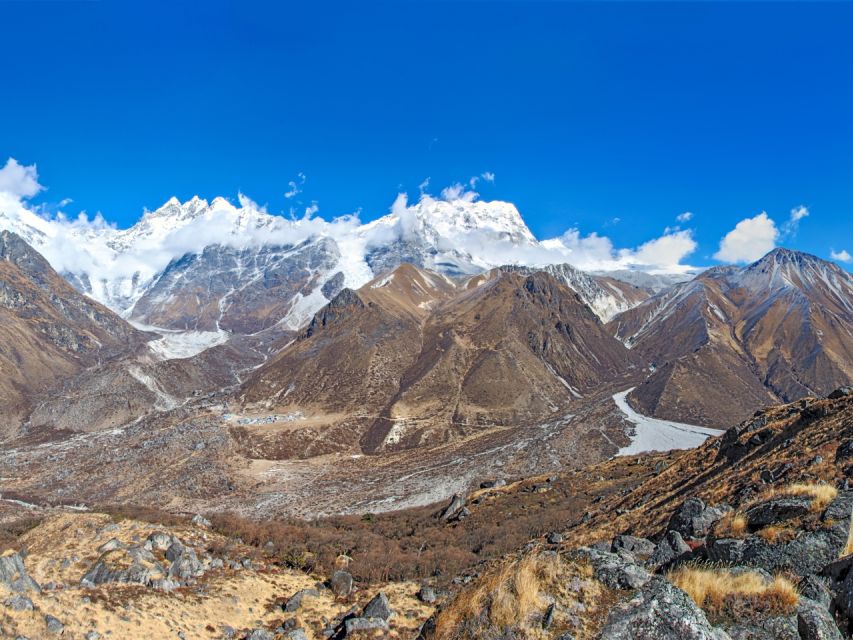
The best trekking windows in the Langtang Valley are usually mid-March to April and October to mid-November. During autumn, temperatures tend to be friendlier and winds are often less intense. In late March and April, you can get the added bonus of rhododendron blooms at lower elevations, which is part of why the lower days can feel so colorful.
Still, weather can be unpredictable year-round. That is why the itinerary may shift slightly depending on conditions. Build in flexibility in your mindset and your packing, especially for rain, cold mornings, and changing cloud cover around the higher viewpoints.
What’s included in the price, and why it can be good value
The listed price is $179 per person for a 6-day trek. What helps the value is that the package covers more than just a guide. You get hotel pickup and drop-off, trekking permits and required paperwork including TIMS fees, private comfortable accommodation for five nights, and staff costs (meals, lodging, salary, equipment, insurance, transportation).
You also have a luggage storage facility, which can reduce the stress of Kathmandu pre-trek logistics.
Meals included depends on your package
The data is specific that all meals during the trek are included only for the Full Package. If you’re not on the full meal plan, you need to verify what you’ll pay for each day. Either way, you should plan around hot drinks and meals that help you keep energy consistent on altitude days.
Not included items to budget for
Soft and hard drinks, travel and rescue insurance, international flights, and the Nepalese visa fee are not included. Personal expenses like phone calls, laundry, bar bills, battery recharges, and water are also on you. You’ll also need to arrange your own sleeping bag and trekking gear where the package does not cover it.
What you should bring, and what matters most at altitude
The checklist includes essentials that are not optional in real life: passport or ID card, sleeping bag, flashlight, sunscreen, hiking shoes, gloves, water, a jacket, and sunglasses. Trekking gear and a practical day pack matter too, especially for rainy or cold mornings when you might need to layer quickly.
A simple tip: treat your clothing as a system. One good jacket plus gloves plus a rain layer often beats packing too many items that don’t dry fast.
The bottom line: who this trek suits best
This is a strong choice if you want a short, intense trek with major culture stops, not just walking for walking’s sake. It works especially well if you like the idea of Tamang community time at Kyanjin Gompa, and if you think you can handle the optional push to Kyanjin Ri for a sunrise-style viewpoint.
It might be less ideal if you want a very relaxed trek with no altitude pressure. Even with good pacing, the route reaches high elevations, so you need to respect that risk and watch for symptoms.
Should you book this 6-day Langtang Valley with Kyanjin Ri?
I’d book it if you can commit to steady effort and you want a real mountain village experience in a tight schedule. The private guide support, permits and paperwork included, and the cultural anchor at Kyanjin Gompa make it feel like more than a basic hike.
I’d pause if altitude history is a concern for you or if you know you get altitude symptoms easily. In that case, talk to your doctor and bring a conservative mindset about Kyanjin Ri. The route gives you that option, and you should treat that choice as a safety tool, not a test of willpower.
FAQ
What duration is this Langtang Valley trek?
The trek lasts 6 days.
Where does the trek start and end?
It starts in Kathmandu with transport to Syabrubesi, and it ends with a return drive from Syabrubesi back to Kathmandu.
What are the main trekking stops and elevations?
Key overnight or major stops include Pahiro (1,550m), Ghoda Tabela (2,900m), Kyanjin Gompa (3,870m), Thangsyap (3,200m), and the optional Kyanjin Ri hike to (4,770m).
Is the Kyanjin Ri hike included?
The hike to Kyanjin Ri is optional on Day 4.
What is included in the price?
Included items are hotel pickup and drop-off, an authorized English-speaking guide (porter charge extra), trekking permits and TIMS-related fees, government tax, private comfortable accommodation for five trek nights, and staff expenses. All meals (breakfast, lunch, dinner) are included only for the Full Package.
Are meals included if I do not choose the Full Package?
The information provided specifies meals are included only for the Full Package, so you should confirm meal coverage for any other package option.
Do I need trekking permits?
Yes, trekking permits and required paperwork are included.
What should I bring?
Bring a passport or ID card, a sleeping bag, flashlight, sunscreen, hiking shoes, gloves, water, a jacket, trekking gear, and sunglasses.
Is alcohol allowed on the trek?
No. Alcohol and drugs are not allowed.
Lodge to Lodge Around Kathmandu
The Rest of Our Kathmandu Write Ups
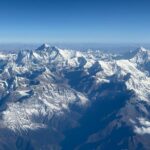
Langtang and Manaslu, the Quiet Valleys
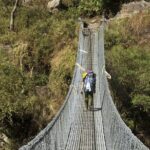
Everything else we have reviewed around Kathmandu
- 12 Days Everest Base Camp Trekking
★ 5.0 · 3 reviews - 1 Night 2 Days Chitwan Jungle Safari Tour from Pokhara or Kathmandu
★ 3.0 · 3 reviews - Thamel Rickshaw tour
★ 4.7 · 3 reviews - Kathmandu: Momo Making Class with a Local Chef
★ 5.0 · 3 reviews - Kathmandu: Full-Day Yoga, Body Massage and Pedicure Package
★ 5.0 · 3 reviews - From Kathmandu / Pokhara / Chitwan: River Rafting – 1 Day
★ 4.6 · 3 reviews
Langtang & Manaslu Treks worth a second look.
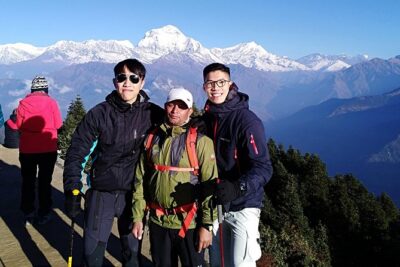 ★ 5.0Trekking in Annapurna/Langtang/Everest/Upper Mustang regionsFrom $40161 reviews
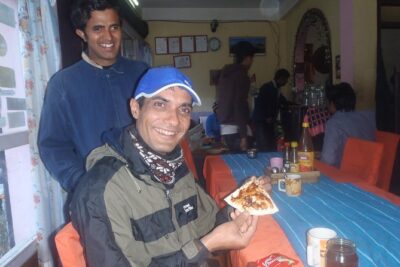 ★ 5.0Langtang Valley TrekFrom $555140 reviews
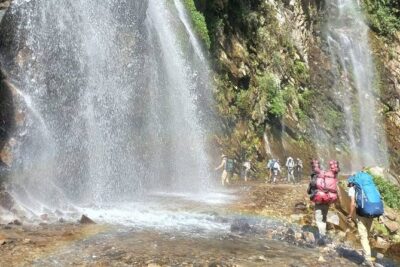 ★ 5.0Manaslu Circuit Trek (15 Days)From $1,65750 reviews
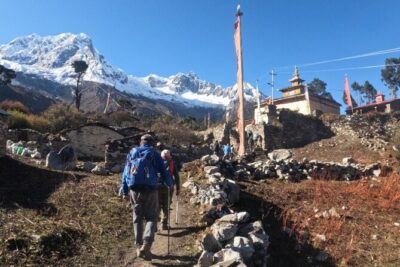 ★ 5.016 Day Private Manaslu Circuit Trek from KathmanduFrom $1,13542 reviews
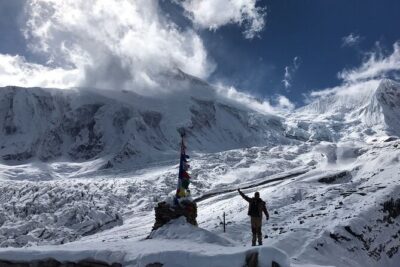 ★ 5.0Manaslu Circuit Trek 13 DaysFrom $1,40030 reviews
 ★ 5.010 Days Manaslu Circuit Trek in Larke La PassFrom $1,04930 reviews
 ★ 5.0Private 8 – Day Langtang TrekkingFrom $58429 reviews
 ★ 4.8Chisapani Nagarkot 3-Days 2-Nights TrekFrom $19029 reviews
Lists this tour sits in