
REVIEW · NEPALI FOOD & MARKET TOURS
Kathmandu Food & Drink Walking Tour Taste Local Delicacies
Street food, mapped by locals, changes everything. This Kathmandu Food & Drink Walking Tour strings together short stops in Thamel, Jyatha, Asan, Indrachok, and Chhetrapati so you get real flavor plus context, not just random snacks. I love how the guide connects each bite to what it means in daily Nepal, and I love the focus on Newari and Nepali street food you would never spot on your own.
One thing to plan for: it is a walking tour, and it needs good weather. If rain or heavy wind is around, you may need to switch dates, so keep your schedule flexible.
With a small max group of 15 and pickup offered, it feels social but not chaotic. And guides like Umesh and Ananta stand out in feedback for being patient, explaining food clearly, and making space for you to say yes or no without pressure.
In This Review
- Key things that make this Kathmandu street-food walk work
- Thamel start: the perfect place to get hungry and oriented
- Jyatha’s quieter blocks: where the food feels like daily life
- Asan spice-market stop: why the aromas matter
- Indrachok and the temple-square feel: food tied to place
- Chhetrapati intersection: ending with daily Kathmandu energy
- What you eat and drink (and how to handle it if you are picky)
- Price and value: $15 for a full 3-hour food hit
- Timing, pickup, and how the group size affects your comfort
- Who should book this tour (and who should pick something else)
- Should you book this Kathmandu Food & Drink Walking Tour?
- FAQ
- How long is the Kathmandu Food & Drink walking tour?
- Where does the tour start, and where does it end?
- Is pickup available?
- How much does the tour cost?
- What is included in the price?
- Is there a maximum group size?
Key things that make this Kathmandu street-food walk work
- A tight 3-hour route that connects Thamel with market and neighborhood stops like Asan and Indrachok
- Real street-food focus, including Newari specialties and Nepali comfort classics
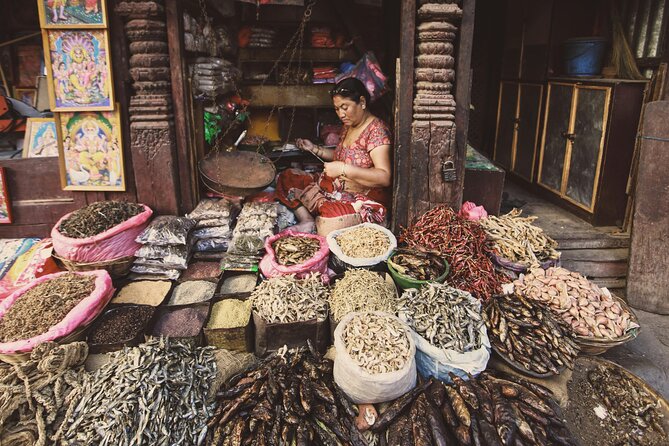
- Asan spice market time, where the smell and trade history explain why the food tastes the way it does
- Locally brewed drinks plus coffee or tea, with guided choices along the way
- Small group size (max 15), which keeps the pace friendly and questions easy
- Guides Umesh and Ananta, praised for patient, clear explanations and finding family-run spots
Other bazaar crawls and tasting walks


Thamel start: the perfect place to get hungry and oriented
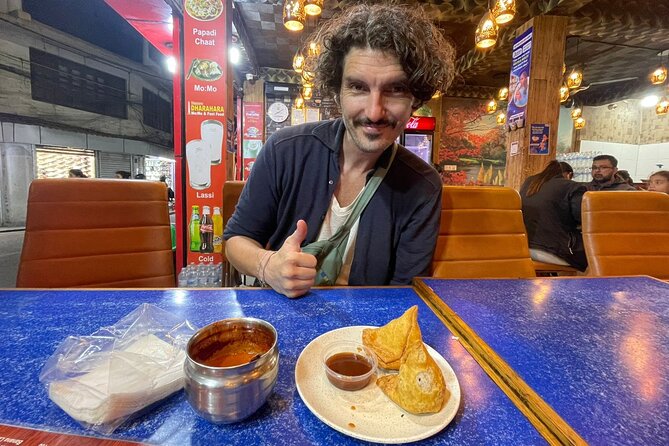
Thamel is where most people first land in Kathmandu, so it makes sense as a kickoff. You start in an area packed with shops, cafes, and street stalls, where the energy is high but the streets are easy to navigate once you know what you are looking for.
This first stretch is not about finding your hotel. It is about learning the rhythm of the food scene: how menus work, where vendors set up, and what you should expect to see at the next corner. I like that you get a quick entry point to local life before the tour shifts into more residential backstreets.
If you are the type who gets overwhelmed fast, this is still a good start because the guide is there to translate what you are seeing. Just keep in mind Thamel can be busy, so comfortable shoes matter.
Jyatha’s quieter blocks: where the food feels like daily life
From the tourist pulse of Thamel, you head toward Jyatha, which feels calmer and more residential. This is where the tour earns its keep, because it gives you a change of pace and lets you taste food in a setting that feels normal for locals, not staged for visitors.
In Jyatha, you are looking for small eateries and traditional shops tucked into side streets. That matters because street food is often best when it is part of a neighborhood routine: the same faces, the same stalls, the same smells that show up every day.
Expect your guide to point out what you might otherwise miss, the little cues like spice mixes, how dishes are portioned, and what a vendor’s setup says about freshness. The upside is you get tastings in places you would otherwise walk past.
Asan spice-market stop: why the aromas matter
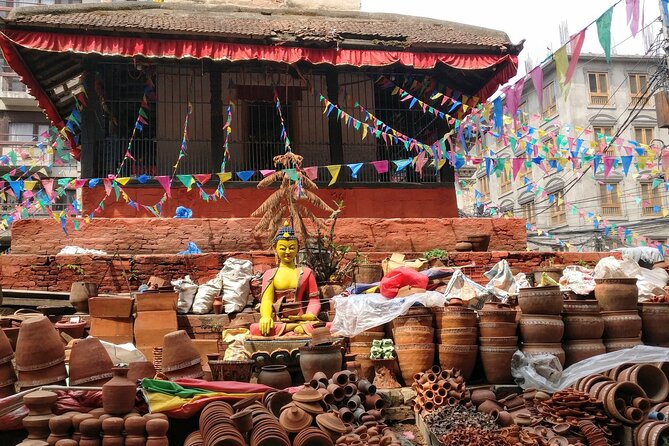
Asan is one of Kathmandu’s oldest marketplaces, and the tour uses it in a smart way. It is not just a photo stop. It is a crossroads where six streets converge, and historically it has been a center for trade.
That trade-history angle matters for food. Spices are not only flavor here, they are a story of supply and movement, and Asan is the kind of place where you start to understand how those ingredients get pulled into local cooking.
When you are standing near vendors selling spices, you will quickly notice that the scents are not one-note. Some smells read sharp and toasted, others feel earthy and warming. A good guide helps you connect those smells to the dishes you taste later, so the market becomes practical, not just scenic.
One practical note: markets can be intense for your senses. Go slow, stay close to your group, and keep an eye on the ground and your surroundings.
Indrachok and the temple-square feel: food tied to place
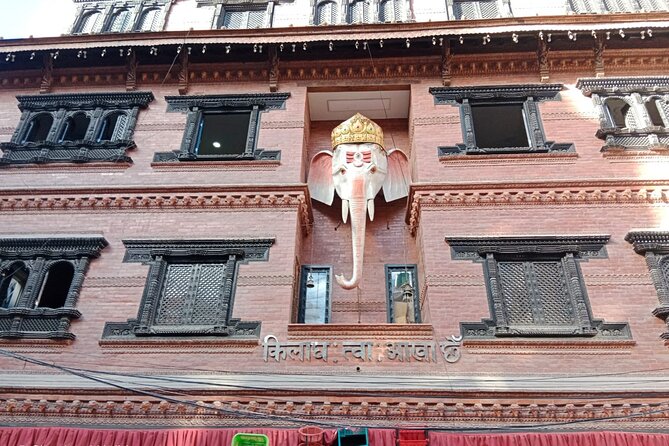
Near Kathmandu Durbar Square, Indrachok (Indra Chowk) brings you into an area known for cultural importance and active street life. Here, you get a mix of old temples, local textile shops, and vendors doing their daily work.
This stop works because it slows you down just enough to see Kathmandu as layered. You are not only eating, you are also walking through spaces where people gather, shop, and move through the day. That context makes the food feel less random.
Indrachok also tends to deliver the most “street-real” moments, and feedback highlights that guides like Umesh can lead you through some hair-raising street situations. I would translate that into this: there may be tight turns, busy crossings, and lots of attention on the flow of pedestrians and scooters. Your guide handles it, but it is still not a stroll in a park.
If you have mobility limits, this is where you might feel the most strain, since the area is active and streets can be uneven.
Keep walking: more Kathmandu routes
Chhetrapati intersection: ending with daily Kathmandu energy
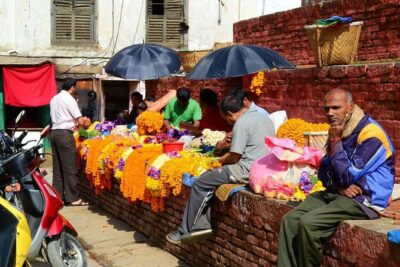
Chhetrapati is a busy neighborhood intersection that sits between Thamel and the historic core. It is not the first place people think of, but it is great for closing the loop because it shows you Kathmandu in motion rather than just food lanes and tourist corners.
This is where local charm shows up in small ways: everyday errands, casual vendor setups, and the way people pause for a bite and then keep going. The tour timing keeps you moving, so you finish still feeling engaged, not stuck in one scene too long.
For me, this kind of finish is practical. By the end, you understand where to eat later on your own, because you have already seen how streets change from block to block and what kinds of vendors cluster in busy intersections.
What you eat and drink (and how to handle it if you are picky)
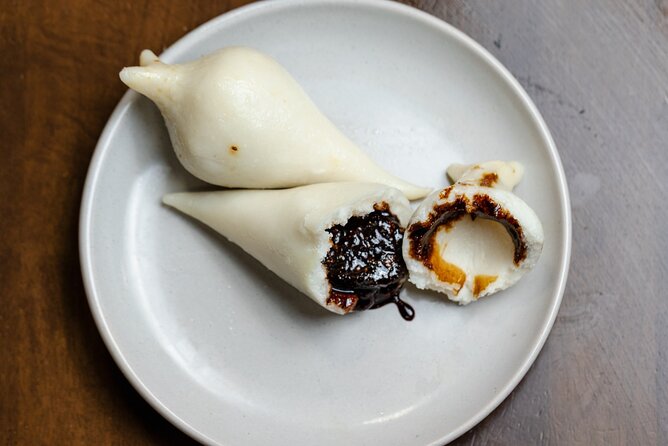
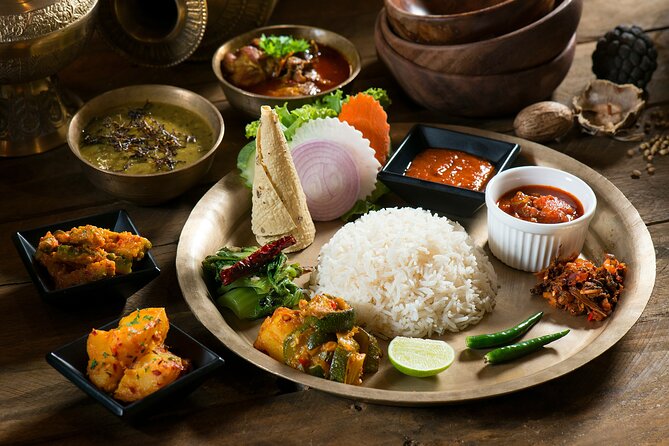
The tour is built around street-food tastings and local drinks, with coffee or tea included and bottled water on hand. You are also set up to try traditional delicacies, not just generic snacks.
One of the best signs in the feedback is that guides are patient and not pushy. One reviewer specifically noted they did not feel rushed or pressured to try anything they did not want. That is exactly what you want from a food tour, because Kathmandu has plenty of bold flavors and you should never feel trapped in a yes-only situation.
So here is my advice for picky eaters and first-timers:
- Start with small bites and ask your guide what each item is before you commit.
- If you dislike spicy food, tell your guide early. You do not need a long explanation, just a clear preference.
- If something looks intense, you can often pass without killing the vibe, since the guide is there to manage the pacing.
You will also taste locally brewed drinks. The tour does not list which specific drinks, but the general idea is you get a sense of what locals sip alongside street food. If you are wary of unfamiliar beverages, ask what is in it and how it is served. The guide can help you decide quickly.
Price and value: $15 for a full 3-hour food hit
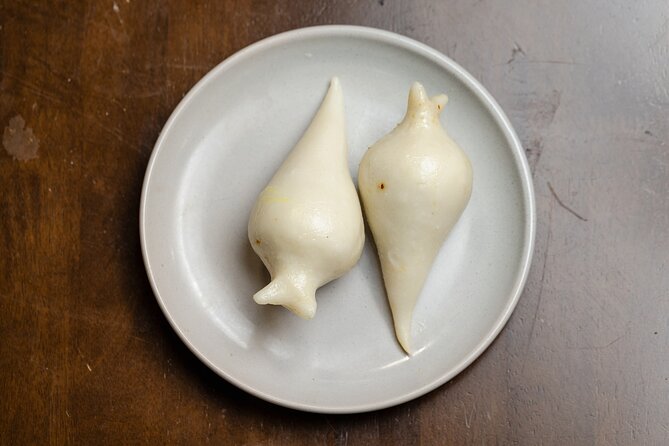
At $15 per person, this Kathmandu food tour is priced like a bargain, and the value comes from what is included and how the tour is paced.
You are paying for more than walking. The price covers a local experienced guide plus bottled water, coffee or tea, and a long list of meal-style tastings and snacks. The package also lists breakfast, lunch, and dinner, plus brunch, which tells you one thing: you are not meant to leave hungry.
For a visitor, that is the real savings. If you try to replicate the experience on your own, you would spend time figuring out which stalls are worth it, what to order, and how to not waste money on misses. Here, a small-group guide helps you choose and explains cultural significance along the way.
One consideration: $15 is great value, but it still means the tour is focused and efficient. You might not get a slow, sit-down restaurant meal at every stop. The trade-off is you get to see multiple neighborhoods and try more variety.
Timing, pickup, and how the group size affects your comfort
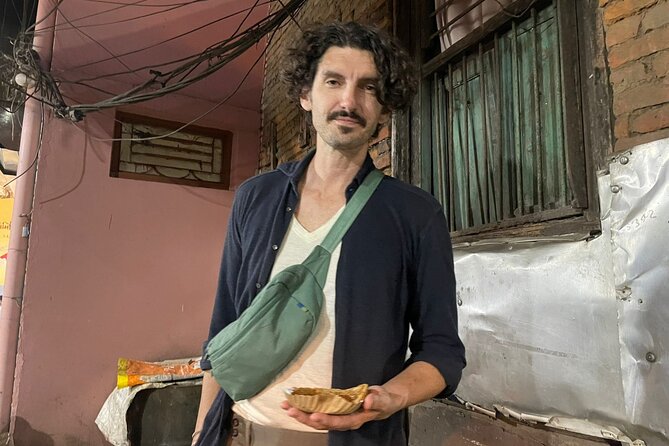
The tour runs about 3 hours, with roughly 30 minutes at each major stop. That structure is helpful because it gives you enough time to taste and ask questions without turning the walk into an all-afternoon marathon.
Pickup is offered, and that matters in Kathmandu where traffic and distance can eat time. If pickup is available for your location, it is an easy way to reduce stress and start tasting sooner.
The group max of 15 is also a practical advantage. Smaller groups make it easier to keep up, hear explanations, and avoid long waits at popular spots. You are also more likely to get personal attention if you have dietary concerns or want to skip a course.
Who should book this tour (and who should pick something else)
This is a strong fit if you:
- Want a first Kathmandu food experience that mixes street snacks with cultural context
- Like Newari and Nepali flavors and want guided help ordering
- Prefer a guided walk through real neighborhoods, not only a single market street
- Appreciate a patient guide who does not pressure you into every bite
It may be less ideal if you:
- Do not handle crowds or active street crossings well
- Want a fully seated restaurant experience
- Need a strictly flat, low-step route, since the areas covered are market and neighborhood streets
If you fall into the middle, you can still enjoy it, just wear supportive shoes and pace yourself. Think of it as a guided sampler, not a formal dining event.
Should you book this Kathmandu Food & Drink Walking Tour?
I think this tour is worth booking if you want the most efficient way to learn Kathmandu through food, especially early in your trip. The route covers Thamel, Asan’s spice market area, and key neighborhood stops like Jyatha, Indrachok, and Chhetrapati, so you get both flavor and place.
The biggest reason to book is the human factor. Feedback repeatedly praises guides such as Umesh and Ananta for clear explanations, patience, and the freedom to say no. For $15 with snacks, drinks, and a guide, it is a very good value for an experience that feels personal rather than commercial.
If you have flexible plans and you can travel on a day with good weather, you will likely have a smoother time. If you are only in Kathmandu briefly and you want a guided “taste map” you can use later on your own, this is one of the easiest ways to get it.
FAQ
How long is the Kathmandu Food & Drink walking tour?
It lasts about 3 hours.
Where does the tour start, and where does it end?
The meeting point is Nepal Handloom Pashmina Traders, Narsingh Chowk Marg, Kathmandu 44600, Nepal. The tour ends back at the same meeting point.
Is pickup available?
Yes, pickup is offered.
How much does the tour cost?
The price is $15.00 per person.
What is included in the price?
The tour includes a local experienced helpful guide, bottled water, coffee and/or tea, and food items such as snacks and meals (the package lists breakfast, lunch, brunch, and dinner), plus lunch and dinner as part of the tastings.
Is there a maximum group size?
Yes. The tour has a maximum of 15 travelers. Confirmation is received at booking, and the activity is listed as near public transportation.
Everything Bookable Around Kathmandu

The Rest of Our Kathmandu Write Ups

Eating Through the Bazaar
Everything else we have reviewed around Kathmandu
- 12 Days Everest Base Camp Trekking
★ 5.0 · 3 reviews - 1 Night 2 Days Chitwan Jungle Safari Tour from Pokhara or Kathmandu
★ 3.0 · 3 reviews - Thamel Rickshaw tour
★ 4.7 · 3 reviews - Kathmandu: Momo Making Class with a Local Chef
★ 5.0 · 3 reviews - Kathmandu: Full-Day Yoga, Body Massage and Pedicure Package
★ 5.0 · 3 reviews - From Kathmandu / Pokhara / Chitwan: River Rafting – 1 Day
★ 4.6 · 3 reviews
Nepali Food & Market Tours worth a second look.
 ★ 5.0Kathmandu Food and Drink Walking TourFrom $36266 reviews
★ 4.9Food and Drink Walking TourFrom $28119 reviews
 ★ 5.0Walking Street Food Tour in KathmanduFrom $48111 reviews
 ★ 5.0Secret Food Tour – Food Bites and Sights Kathmandu 14+ TestingsFrom $3582 reviews
 ★ 4.7Kathmandu Secret Food Crawl & Local Market TourFrom $2854 reviews
 ★ 5.0Kathmandu Food & Drink and Shopping Rickshaw TourFrom $2548 reviews
 ★ 5.0Walking Food Tour in Hidden Local Eateries of KathmanduFrom $3640 reviews
 ★ 5.0Kathmandu Food Crawl & Market TourFrom $2526 reviews
Lists this tour sits in