
REVIEW · KATHMANDU UNESCO HERITAGE TOURS
Kathmandu UNESCO Heritage Tour with Local Food Tasting
Monkey Temple and street food, all in five hours. This Kathmandu UNESCO heritage walk strings together Swayambhunath (Monkey Temple), Durbar Square, and Asan Market, then feeds you on the way. With English guide Rajan, you get cultural context as you move from hilltop calm to everyday city life.
I especially like the way this tour turns big landmarks into something you can actually understand. Seeing the stories around the stupa, the Durbar Square icons, and the working market makes the day feel practical, not just postcard sightseeing.
The food component is the other win. You’re set up for a real street-food tasting spread, and the schedule is built around actually eating, not just ordering one bite. The one consideration: it’s a 5-hour loop with steady walking and quick stop times, so comfy shoes and a flexible pace matter.
In This Review
- Key things you will like about this Kathmandu heritage and food tour
- Why this 5-hour UNESCO heritage walk feels like Kathmandu, not a checklist
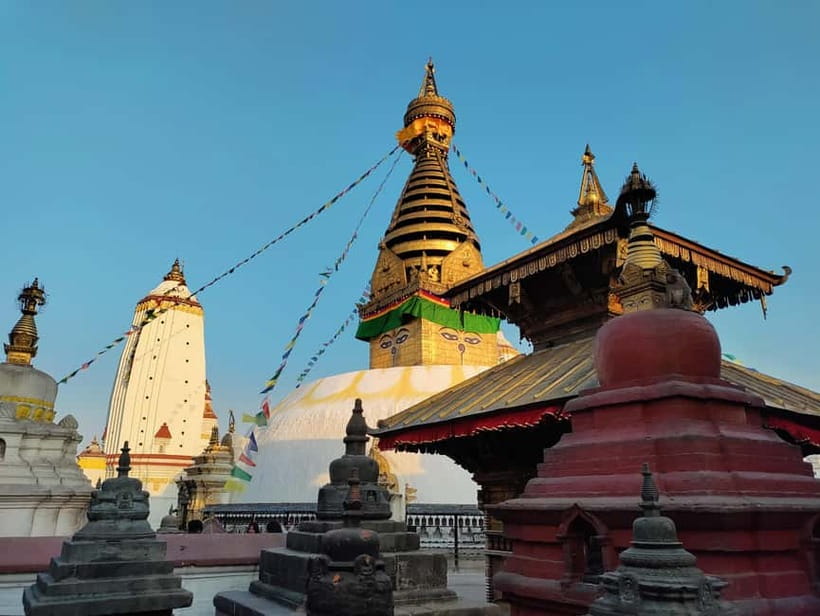
- Swayambhunath Monkey Temple: peace on the hill above Kathmandu
- Kathmandu Durbar Square: UNESCO temples, wood carvings, and the Kumari window moment
- Asan Market walk: spices, grains, brassware, and snack breaks built in
- The Nepali food lineup: what you’ll taste and how to pace it
- Guide and logistics: what Rajan and the driver add to the day
- Price and value: how $64 makes sense for an organized food-heavy day
- Who should book this tour, and who might want a different plan
- Should you book this Kathmandu UNESCO Heritage Tour with Local Food Tasting?
- FAQ
- What is the duration of the Kathmandu UNESCO Heritage Tour with Local Food Tasting?
- Where does the tour start and where do you get dropped off?
- Is the tour guide English speaking?
- What sites are included in the tour?
- Is local food included, and what kinds of dishes are served?
- Is there transportation included in the price?
- Can I cancel, and is there a pay later option?
Key things you will like about this Kathmandu heritage and food tour
- Swayambhunath hilltop views and Buddhist atmosphere with prayer flags and monk chanting you can hear up close
- Kathmandu Durbar Square UNESCO stop, with temples, carvings, and living traditions
- A chance to see the Living Goddess, Kumari, plus icons like Kal Bhairav and Swet Bhairav
- Asan Market practice in real daily trade, from spices and grains to brassware and clothing
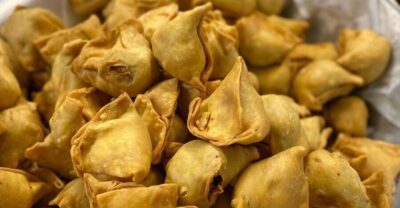
- A full Nepali snack line-up like momo, samaybaji, yomari, bara, chatamari, and gwaramari
- Good value for $64, since entrances, transport, guide, local food, water, and taxes are included
Other seven site heritage runs
Why this 5-hour UNESCO heritage walk feels like Kathmandu, not a checklist
This tour is in the Bagmati Zone, and it hits three Kathmandu zones of meaning in one morning block. You start around Thamel, which is where you’ll notice trekking gear shops and tourist energy, then you climb toward Swayambhu, where the vibe shifts fast. After that, you go to UNESCO Kathmandu Durbar Square, then straight into Asan Market, where daily commerce runs on old routines.
What makes the day work is the pacing. You get guided time at the big sites, plus a more casual stretch where you can browse and snack. That mix is what helps the city feel like a place you can navigate, not a place you rush through.
I also like that it’s a private group. Even with fixed durations, having your own guide and driver tends to reduce friction. Rajan, in particular, is described as flexible with the schedule, which matters when you’re managing crowds, lighting, and how long you want at each photo stop.
Swayambhunath Monkey Temple: peace on the hill above Kathmandu
The day’s tone changes as you rise away from street traffic. Swayambhunath, commonly called Monkey Temple, sits on a hilltop, and the approach gives you that step-by-step shift from noise to something more reflective. You’ll notice prayer flags, chanting from nearby monks, and a calm that feels separate from the city bustle below.
The guide time here matters because you’re not just looking at buildings. You learn the Buddhist culture and history tied to the stupa, and that context changes how you read the place. For me, the best part of Swayambhunath experiences is learning what people are doing there and why it matters, so the prayers and symbols don’t feel random.
You’ll also get panoramic Kathmandu Valley views, which is the practical payoff for the climb. Even if you only take a few photos, you’ll come away with a sense of where everything sits. That makes the later stops easier to understand.
Kathmandu Durbar Square: UNESCO temples, wood carvings, and the Kumari window moment
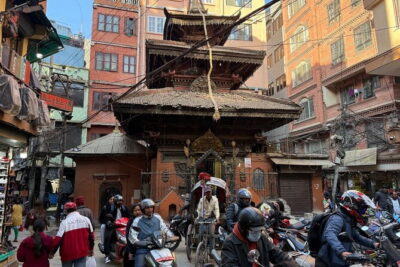
Kathmandu Durbar Square is where the tour gets archaeological and alive at the same time. This UNESCO World Heritage Site is packed with centuries-old temples, palace structures, and wood carvings. The key is that it’s not only museum material. It’s still connected to daily tradition and sacred icons, which is why it feels different from a typical temple visit.
Your guided time is especially useful for the figures tied to the square. You’ll have a chance to see Kumari, the Living Goddess of Nepal, as she appears at her window. The tour also points out sacred icons like Kal Bhairav and Swet Bhairav, which helps you connect what you’re seeing to how people interpret it.
A quick reality check: windows and appearances can depend on timing. That’s why the tour frames this as a chance rather than a guaranteed moment. Still, even if Kumari’s window moment happens on a different schedule day, you’ll have plenty of other meaningful sights in the square to anchor the stop.
Asan Market walk: spices, grains, brassware, and snack breaks built in
After Durbar Square, you head into Asan Market, and the contrast is immediate. Asan is one of those places where you sense the rhythm of Kathmandu life. You’ll walk through lanes where traders sell spices and grains, and you’ll also see traditional goods that make the market feel like a living system, not just a shopping area.
This is where the guide turns browsing into understanding. You get a guided walk, then you have free time to shop and snack at your own pace. You’ll likely notice stalls with colorful saris, handmade jewelry, brass utensils, and seasonal produce, which is a good snapshot of the types of commerce that keep the city moving.
If you’re hungry, you’re in the right place. The tour design includes local snacks and a food tasting slot here. That way, you get to experience the market senses, then actually taste what’s being sold and eaten around you.
Other Kathmandu tables and tea stops

The Nepali food lineup: what you’ll taste and how to pace it
Food is the big headline here, and it’s not just one item. The tour includes multiple tastings, and the pace is set so you can eat as much as you like during the scheduled stops. You’ll try dishes like:
- Momo (Nepali dumplings)
- Newari samaybaji, a ceremonial platter that includes beaten rice, marinated meat, fried eggs, and pickles
- Yomari, a sweet steamed dumpling filled with jaggery
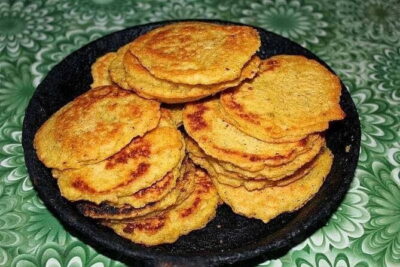
- Bara, a savory lentil pancake
- Chatamari, a rice flour crepe often called Nepali pizza
- Gwaramari, crispy fried bread
- Indrachowk lassi, a refreshing glass to balance all that savory and sweet
My advice is to let the guide steer your order. If you go straight for the sweets, you can run out of stomach space before the savory highlights. Also, start with something that’s easier to share and nibble, then build from there.
A practical note: Newari samaybaji is a platter, so it tends to feel filling in a good way. Pair that with a lassi later, and you reset your palate for the next fried or doughier bite. By the end of this tour, you should feel like you ate Kathmandu street food properly, not like you sampled a single curbside thing and called it a day.
Guide and logistics: what Rajan and the driver add to the day
A heritage walk lives or dies on the guide. Rajan’s style is described as insightful and flexible, which you’ll feel in real time when you’re threading through Kathmandu streets and switching from one sacred setting to another. His explanations help the stupa and Durbar Square feel connected, so you’re not memorizing names, you’re understanding meaning.
The day also runs with transportation included. That matters because you’re doing hilltop and city center segments in one block. Even with walking, the transport reduces fatigue and keeps the tour from turning into pure endurance.
Drop-off and pickup are simple. You can start from Thamel or a Kathmandu pickup option, and you’ll return with drop-offs at Thamel or Kathmandu. The result is that the day stays attached to the hotel-area reality most people have in Kathmandu.
Also included: entrance fees for the sites, local food, an English-speaking guide, a bottle of drinking water, and government taxes. That’s part of the value story, because you’re not constantly stopping to figure out extra costs mid-walk.
Price and value: how $64 makes sense for an organized food-heavy day
At $64 per person for about 5 hours, this tour sits in the “worth it if you want structure” category. You’re paying for three things that are hard to self-organize:
- Guided time at major heritage stops where context makes a huge difference
- A planned food tasting sequence, including multiple dishes and lassi
- Entrance fees and transport handled, plus water and taxes
If you tried to do this on your own, you’d spend time figuring out routes, entry logistics, and where to safely eat in a market context. Even if you save a little money, you often lose the time and meaning that make the day click. Here, the tour gives you a tight route, and it also gives you permission to eat without guessing.
The other value point: you’re in a private group. That usually means less waiting, more comfort, and a better chance your guide can adjust when you want extra minutes at a site or want to slow down in the market.
Who should book this tour, and who might want a different plan
This is ideal for you if you like to explore on foot and you want the Kathmandu highlights tied to food and daily-life context. The tour also fits well if you care about cultural details, like why prayer flags matter or who Kal Bhairav and Swet Bhairav are in the square.
It’s also a strong match if you enjoy trying different foods in one day. You’re not just choosing one or two items. You’re getting a full snack map across savory, sweet, fried, and a refreshing drink.
The trade-off is time. With a 5-hour duration, it’s not a slow, linger-all-day plan. If you want hours of sitting and drifting, you may find the structure a bit intense. If you want a guided, food-focused introduction to Kathmandu’s heritage core, this one fits.
Should you book this Kathmandu UNESCO Heritage Tour with Local Food Tasting?
I’d book it if you want a single morning that pairs Swayambhunath, Durbar Square, and Asan Market with a real Nepali food tasting lineup. The guide experience matters here, and Rajan’s flexibility helps keep the day from feeling rigid.
Pass or consider another option if you dislike walking or you want long stays at each site. Also, if street food overwhelms you in general, you might prefer a lighter food route. But if you’re curious, hungry, and okay with a packed 5-hour plan, this tour is an efficient way to understand Kathmandu, then eat your way through it.
FAQ
What is the duration of the Kathmandu UNESCO Heritage Tour with Local Food Tasting?
The tour lasts 5 hours.
Where does the tour start and where do you get dropped off?
You can choose pickup from Thamel or Kathmandu, and the drop-off locations are also Thamel or Kathmandu.
Is the tour guide English speaking?
Yes, the tour includes an English-speaking live guide.
What sites are included in the tour?
The tour includes Swyambhunath Temple, Kathmandu Durbar Square, and Asan Market.
Is local food included, and what kinds of dishes are served?
Yes. The local food and tastings included include items such as momo, Newari samaybaji, yomari, bara, chatamari, and gwaramari, plus Indrachowk lassi.
Is there transportation included in the price?
Yes. Transportation is included.
Can I cancel, and is there a pay later option?
Yes. Free cancellation is available up to 24 hours in advance for a full refund, and there is a reserve now & pay later option.
Everything Bookable Around Kathmandu

The Rest of Our Kathmandu Write Ups


Seven Sites, Other Routes
Everything else we have reviewed around Kathmandu
- 12 Days Everest Base Camp Trekking
★ 5.0 · 3 reviews - 1 Night 2 Days Chitwan Jungle Safari Tour from Pokhara or Kathmandu
★ 3.0 · 3 reviews - Thamel Rickshaw tour
★ 4.7 · 3 reviews - Kathmandu: Momo Making Class with a Local Chef
★ 5.0 · 3 reviews - Kathmandu: Full-Day Yoga, Body Massage and Pedicure Package
★ 5.0 · 3 reviews - From Kathmandu / Pokhara / Chitwan: River Rafting – 1 Day
★ 4.6 · 3 reviews
Kathmandu UNESCO Heritage Tours worth a second look.
 ★ 5.0Full Day 7 UNESCO Tour with Lunch – Private/GroupFrom $10415 reviews
 ★ 5.0Full Day Top 4 UNESCO Tour with Lunch – Private/GroupFrom $10269 reviews
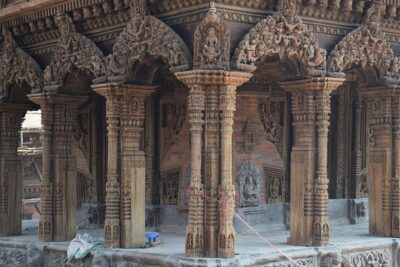 ★ 5.0UNESCO Seven World Heritage Tour in KathmanduFrom $180253 reviews
★ 4.9Full-Day 7 UNESCO Tour with Lunch – Private/GroupFrom $5247 reviews
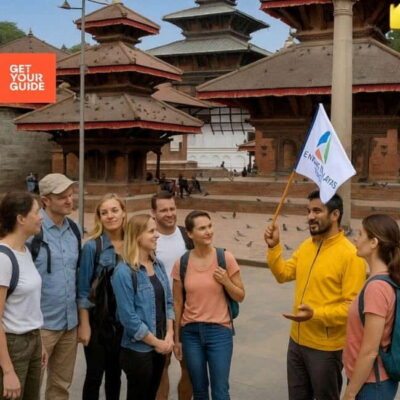 ★ 4.97 UNESCO Sites Tour in 1 Day (Private Tour)From $4204 reviews
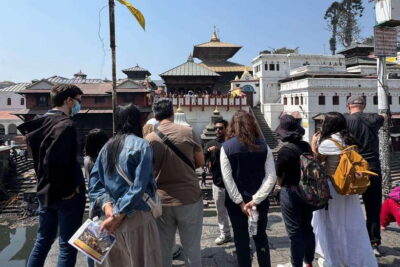 ★ 4.9Top 4 UNESCO Tour with Lunch – Private/GroupFrom $5181 reviews
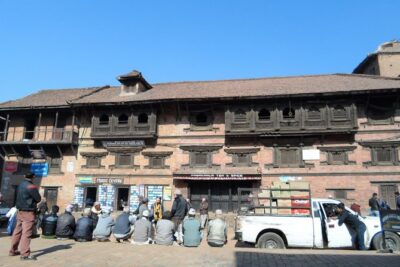 ★ 5.0Bhaktapur & Patan Durbar Square Day ToursFrom $50122 reviews
 ★ 5.0Kathmandu Private Sightseeing Tour | UNESCO World Heritage SitesFrom $35109 reviews
Lists this tour sits in