
REVIEW · LANGTANG & MANASLU TREKS
Langtang Trek from Kathmandu 7 Days
This trek turns off the highway noise fast. The Langtang Valley route mixes Tamang and Sherpa village culture with big mountain scenery on a schedule that still feels manageable.
I like that the days build gradually through forests and riverside paths, so the walk is active without feeling like a forced march. I also like the spiritual stops, where monasteries and village life are part of the trail, not an add-on.
You’ll get those classic Langtang views, plus a high point that hikers remember. I especially like Kyanjin Gompa around 3,800 meters, with crisp air and mountain focus, followed by the chance to reach Kyanjin Ri (around 4,700 meters).
One thing to keep in mind is altitude and weather, since the higher segments can feel tough if you start the trek underprepared.
In This Review
- Key things that make this Langtang Trek work
- Why the Langtang Valley feels special on a 7-day trek
- Price and value: what you get for $410 per person
- Your first day: Kathmandu to Hotel Garden Inn Shyfru Bensi in Syabrubesi
- Days 2 to 3: Langtang Khola walking to Lama Hotel and Langtang Village
- Day 4: rising to Kyanjin Gompa near 3,800 meters
- Day 5: Kyanjin Ri around 4,700 meters, then down to Lama Hotel
- Day 6: Lama Hotel down to Syabrubesi and that post-trek relief
- Day 7: the 7 to 8 hour drive back to Kathmandu
- What’s included, what you must send, and the permit reality
- Lodges, guide service, and practical expectations on the ground
- Who should book this Langtang Trek, and who should think twice
- Should you book this Langtang Trek with My Dream Adventure?
- FAQ
- What’s included in the Langtang Trek from Kathmandu?
- Do I need a trekking permit and a TIMS card?
- How is transportation handled for the trek?
- How long is the trek?
- What kind of fitness level do I need?
- Where does the trek start and end?
- What’s the highest point on the itinerary?
- Is free cancellation available?
Key things that make this Langtang Trek work
• Village culture on the way up and down: Tamang and Sherpa villages, monastery visits, and real daily life along the trail
• Forests plus rhododendrons: oak and rhododendron woodland early on, with cooler air as you gain height
• Kyanjin Gompa at about 3,800 meters: a calm spiritual stop with rewarding panoramas
• Kyanjin Ri around 4,700 meters: a clear target day for viewpoint seekers
• Permits and TIMS card handled: trekking permit plus TIMS card included, with help from your English speaking guide
• Logistics that reduce stress: hotel pickup and drop off, lodge stays, and sharing local bus transfers, with only your group participating
The quieter valleys: Langtang and Manaslu
Why the Langtang Valley feels special on a 7-day trek
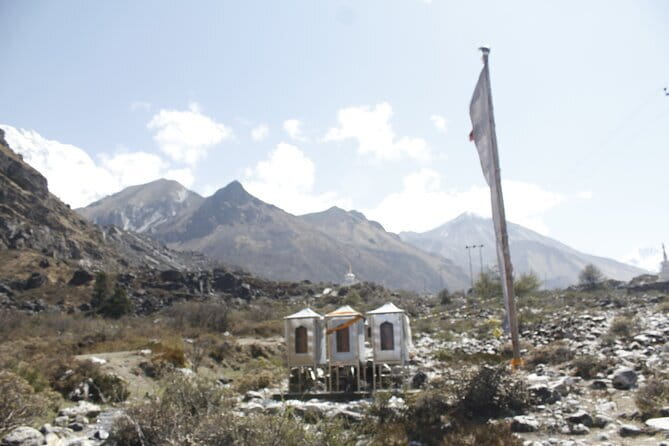
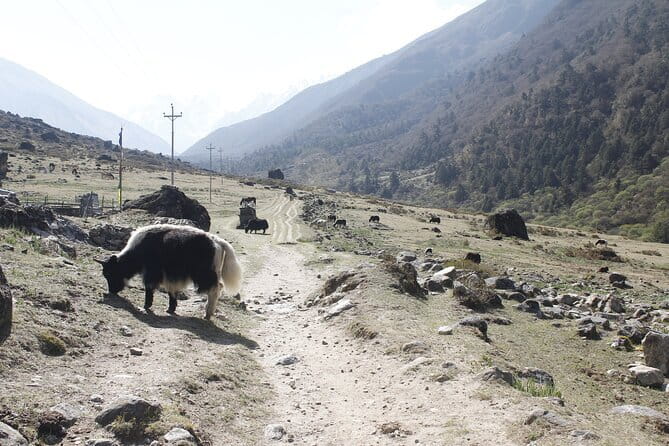
Langtang Valley has a way of turning a hike into a full experience. You’re not just walking to a view and checking out. You pass through communities where daily routines continue, and that adds texture to every day. On this trek, you travel through Tamang and Sherpa villages, where hospitality feels normal, not staged. You also visit monasteries, including Kyanjin Gompa, which gives the higher days a spiritual rhythm.
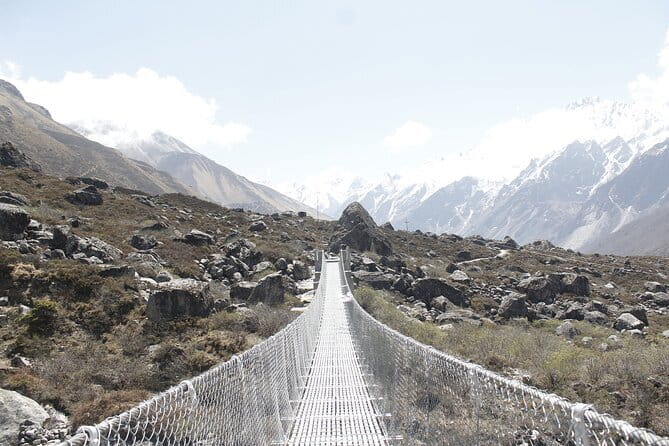
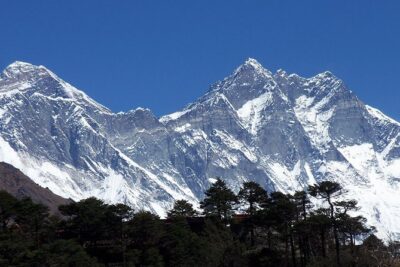
What makes the route appealing for many people is the mix of scenery without the feeling of nonstop punishment. The walk trends upward through dense forests, then opens into alpine-style sections as you get higher. Expect oak and rhododendron woodland, mossy tree cover, and riverside segments tied to the Langtang Khola. The overall shape is a gradual build, which is exactly what you want when you’re on a week-long itinerary.
If you’re the kind of traveler who likes walking through places rather than just looking at them, you’ll probably enjoy how varied each day feels. One day can be heavy on forest and river sounds. Another day shifts toward crisper air and rockier ridges. And on your key viewpoint day, the mountains feel close enough to plan your whole route by what you see.
Price and value: what you get for $410 per person
At $410 per person for about 7 days, the value is mostly in what’s included, not just the guide’s time. This price covers hotel pickup and drop off, round trip transfer by sharing local bus, trekking permit and TIMS card, an English speaking trekking guide, and lodge accommodation during the trek. It also includes a private trip, meaning only your group participates.
That package matters because permits are not optional, and arranging them yourself takes time and risk. TIMS card plus trekking permit handling is one less thing to chase in a busy city like Kathmandu. The guide also changes the experience. You’re not stuck figuring out routes, pacing, or what to prioritize on each day.
The main gap is personal expenses, which is where you need to budget your own spending. Think snacks, hot drinks, extra gear purchases, and anything you decide to do in town before or after the trek. If you come prepared with your essentials, you’ll keep costs closer to the tour price.
Also, you’ll want to pay attention to the transfer style. The trek includes sharing local bus transport, so you should expect some waiting and group scheduling. For many people, that’s fine because it keeps the overall cost reasonable.
Your first day: Kathmandu to Hotel Garden Inn Shyfru Bensi in Syabrubesi
Day 1 is a long travel day, about 7 hours, taking you out of Kathmandu and into the trek region toward Syabrubesi, with a lodge or hotel stay at Hotel Garden inn Shyfru Bensi. This is where the trip starts feeling real. The road views matter here, but the bigger win is that you arrive with time to settle, eat, and get your altitude routine started.
You’ll likely start bright and early. Whether you use the included sharing bus or arrange your own ride, the goal is the same: get to Syabrubesi, unpack, and let your body adjust before the real climbs begin. If you’re with family, this day is also a good moment to confirm everyone is comfortable with the pace and the gear. You’re still in “setup mode,” not “challenge mode.”
One practical tip is to treat Day 1 as a warm-up. Don’t burn energy wandering too far. Hydrate, keep your layers sensible, and aim for a solid night of sleep. Later days involve sustained walking, and tired legs make everything feel harder.
Days 2 to 3: Langtang Khola walking to Lama Hotel and Langtang Village
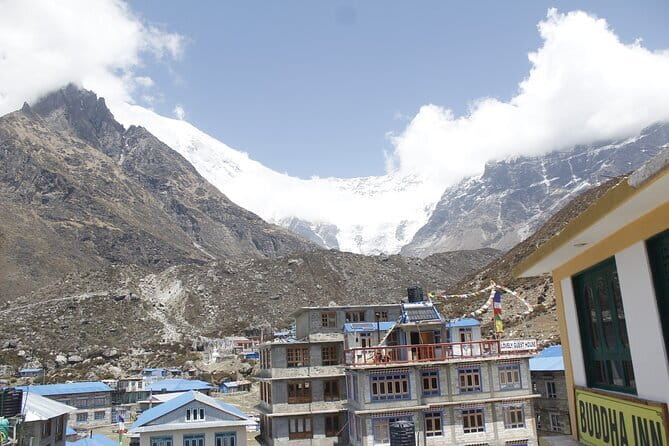
On Day 2, you move from Syabrubesi to Lama Hotel, around 6 hours on the trail. This section is tied closely to the Langtang Khola, so you get the steady soundtrack of the river and the visual payoff of green surroundings. The walking is described as following clearly marked paths, which is reassuring if you’re not an expert navigator.
Lama Hotel is also a useful staging point. By the time you sleep here, you’ve already covered a chunk of trek time and your body has started to understand the rhythm: steady uphill or uneven footing, then rest, repeat.
Day 3 takes you onward to Langtang Village, again about 6 hours. This is where the trail mood shifts. Expect dense forest with mossy tree cover and bursts of rhododendron blooms when conditions are right. Even without chasing photos, this kind of forest walking changes how you feel. It’s cooler, shaded in places, and visually varied.
Langtang Village is also a culture moment. You’re walking through Tamang and Sherpa areas, and it’s easier to talk with locals when the day’s pace is more conversational. If you enjoy small interactions, this is the day to take it slow for a few minutes, order a warm drink, and ask what people think about the season.
A consideration for both Day 2 and Day 3 is that you should be ready for muddy or uneven sections depending on weather. The trail is manageable for moderate fitness levels, but it still asks for solid footing skills.
Other lodge to lodge routes near Kathmandu
Day 4: rising to Kyanjin Gompa near 3,800 meters
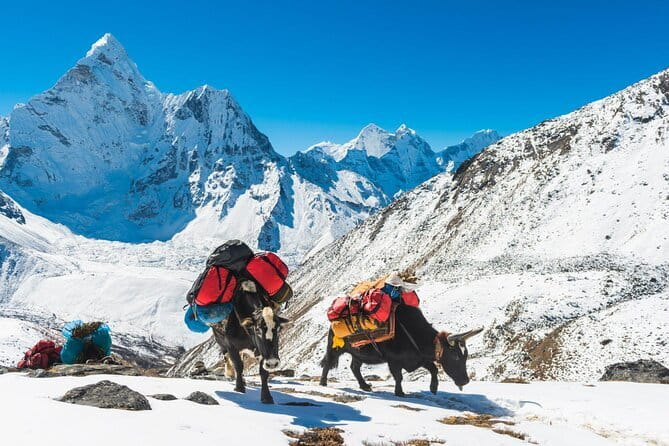
Day 4 brings the “air changes” feeling. You’re headed to the Kyanjin Ri area, about 6 hours, and the description emphasizes the air growing crisper as you gain height. This is a good day to practice smart trekking habits. Slow down slightly, breathe through your effort, and use short breaks before you feel desperate for one.
Along the way, you’ll spot Kyanjin Gompa, a Buddhist monastery at approximately 3,800 meters. That matters because it gives your ascent a clear destination with a purpose. It’s not just another viewpoint stop. It’s a calmer scene that helps you transition from “getting there” to “being there.”
Kyanjin Gompa is also useful for altitude planning. Even if you don’t feel fully adapted yet, the monastery area gives you a chance to rest your body while still staying engaged with what’s around you. If you’re traveling with family or you’re sensitive to altitude, this stop can make the day feel less rushed.
The only drawback is emotional timing. When you see higher sights ahead, it can be tempting to speed up. Don’t. Day 5 includes the summit-style effort to Kyanjin Ri, so you want energy in the tank.
Day 5: Kyanjin Ri around 4,700 meters, then down to Lama Hotel
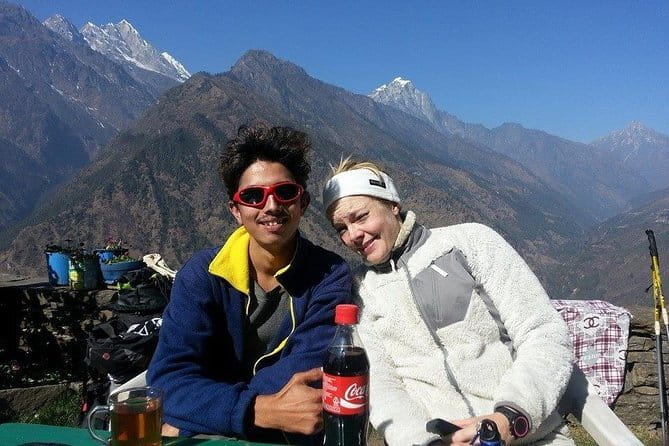
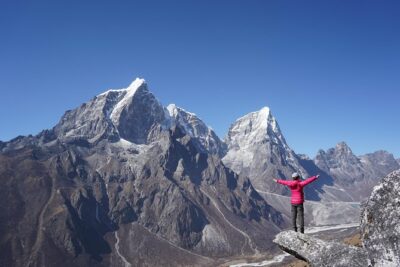
Day 5 is the big one for viewpoint energy. The trek notes include reaching the summit of Kyajin Ri, about 4,700 meters, with the walk described as having rocky ridges, narrow paths, and occasional steep sections. You should treat this day as your main cardio day.
If you’re planning your gear and pacing, this is where it counts. Trekking poles can help for steep or uneven bits. Keeping your steps small and controlled helps you avoid a breathing blow-up, especially as altitude rises. Because the route is described as narrow with occasional steep segments, you’ll also want to watch footing carefully, particularly when weather shifts.
Once you reach the top, you’ll understand why the trek has a strong draw. This is the day your eyes get the widest Langtang focus. Then you still have to move back toward Lama Hotel, since the lodge stop on this day is Lama Hotel. So this isn’t a “hike up, hang out, and go home” situation. It’s a climb, a reward, and then a descent that still asks for attention.
This day is also where a good guide makes a difference. An English speaking trekking guide can help you manage pacing and decide when to take breath breaks. It’s not about pushing harder. It’s about finishing strong.
Day 6: Lama Hotel down to Syabrubesi and that post-trek relief
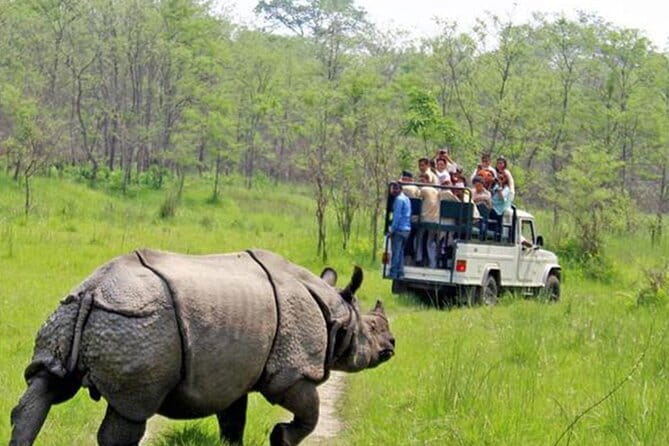
Day 6 is a descent from Lama Hotel to Syabrubesi, typically 5 to 6 hours. Descent days can feel easier than ascent, but they can also feel hard on knees and legs. The trail passes lush forests, streams, and local villages, so you’re not just “going downhill.” You still get scenery, movement, and small cultural interruptions.
If you’ve been carrying tension in your legs, this is where it releases. The air feels warmer as you drop, and you get a sense that your body is on the home stretch. Your stay on this day is at Hotel Garden inn Shyfru Bensi.
This is also a great time to check in with yourself. If you had a rough time any morning, Day 6 is your chance to reset your pace mentally and finish the last walking day calm. Eat well, hydrate, and avoid overdoing alcohol or rich food, since Day 7 involves a long drive back to Kathmandu.
Day 7: the 7 to 8 hour drive back to Kathmandu
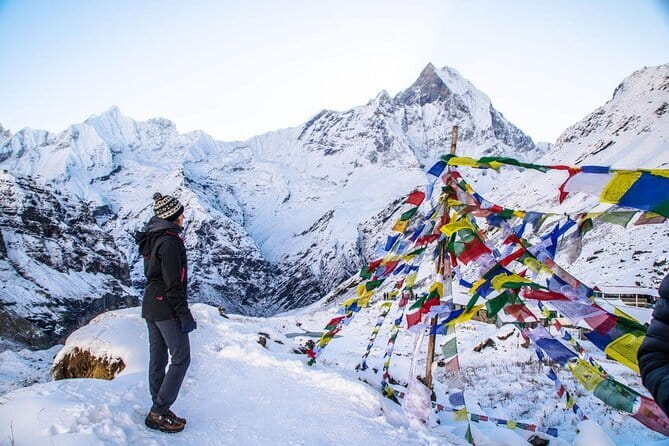
Day 7 is the transition day, with a 7 to 8 hour drive from Syabrubesi back to Kathmandu, with breaks for stretching. This part matters more than people think. After days of walking, you want to keep moving just enough to avoid stiff legs from locking up.
During the drive, you’ll likely get a final look at mountain views, and you’ll shift from trekking time to city time. If you have extra energy, you can use Kathmandu to decompress. If you don’t, you’ll still appreciate arriving home with the trek finished, permits squared away, and a clear end point.
If you’re sensitive to motion sickness, it’s worth bringing your usual remedy, since roads in the mountains can be bumpy. But even without that, this last day is usually the easiest logistically.
What’s included, what you must send, and the permit reality
This trek includes trekking permits and a TIMS card. That’s a big deal because it keeps your trek legal and organized in the region. To issue those documents, you’ll need to provide your passport details and a photo, and the note even says a selfie works.
That means you should plan ahead. If you wait until the last minute to sort out passport scans or a clear photo, you’ll slow things down. Send what’s required promptly so the permit process can move on schedule.
You also get an English speaking trekking guide, plus lodge accommodation during the trek. The trip includes hotel pickup and drop off, which reduces the confusion of meeting points, especially if this is your first time navigating Kathmandu.
One practical detail: you’ll be using sharing local bus transport for the round trip transfers. That’s common for routes like this, but it’s still good to mentally prepare for some waiting, shared schedules, and the fact that your timing may not be as flexible as a private vehicle.
Lodges, guide service, and practical expectations on the ground
The trekking experience depends on daily comfort as much as it depends on scenery. This tour includes lodge accommodation, so you can expect simple, functional stays rather than luxury. The good news is that the idea of nice accommodation comes up repeatedly, and that usually means clean, comfortable enough rooms, plus the basic comfort you need after long walking days.
Service quality is another major theme. People highlight good service, excellent service, a friendly and well trained guide, and the kind of support that feels reassuring when you’re trekking as a family. You’re not just getting someone who points the direction. You’re getting a guide who manages pacing, group safety, and the day to day flow of the route.
Because this is a private trip where only your group participates, you avoid the stress of being lost in a crowd of strangers. That can matter on narrow trail segments and during viewpoint stops, where space and timing matter.
What you should bring is your own comfort. Since personal expenses are not included, keep some cash or a card for snacks and drinks. Also bring a daypack, layers for temperature swings, and anything you personally use to stay comfortable on long walks.
Who should book this Langtang Trek, and who should think twice
This trek is geared for moderate physical fitness. The route is described as accessible compared with more extreme Himalayan treks, with gradual ascent and varied terrain. That’s encouraging if you’re comfortable hiking 5 to 7 hours a day at least some days.
It also fits travelers who want a blend of nature and culture. You’re not just walking in the mountains. You’re passing traditional Tamang and Sherpa villages, stopping at monasteries, and spending time in community spaces like Langtang Village and Kyanjin Gompa.
Family groups can also find it workable, especially with an attentive guide and a pace that matches the group. The viewpoint day at around 4,700 meters is the main test, so everyone should be honest about their altitude comfort and stamina.
Consider thinking twice if you have limited tolerance for altitude or if you tend to rush uphill when you feel anxious. The route includes narrow paths, steep sections, and a summit-style climb. Even with moderate fitness, you still need a calm, steady approach.
Should you book this Langtang Trek with My Dream Adventure?
If you want a well structured 7-day trek with permits handled, an English speaking guide, and lodge stays built into the plan, this is a strong option. The pricing is reasonable for what’s included, and the focus on Tamang and Sherpa villages plus monastery stops makes it feel authentic rather than just scenic.
I’d book it if you like the idea of forests, river walking, and a clear high point at Kyanjin Ri. I’d also book it if you’re traveling with family and you want support that feels organized without being overly complicated.
I’d be cautious if you want a super flexible itinerary or if you need fully private ground transport, since the trek uses sharing local bus transfers. Also, be ready for altitude and keep your expectations realistic on Day 5.
If you prepare your documents early, pack for colder higher air, and hike at a steady pace, this kind of Langtang Valley trek can be the Nepal trip you remember for the right reasons.
FAQ
What’s included in the Langtang Trek from Kathmandu?
The tour includes hotel pickup and drop off, round trip transfers by sharing local bus, trekking permit and TIMS card, an English speaking trekking guide, lodge accommodation, and a private trip where only your group participates.
Do I need a trekking permit and a TIMS card?
Yes. The trekking permit and TIMS card are included in the tour, and you’ll need to provide passport details and a photo to issue them.
How is transportation handled for the trek?
You get hotel pickup and drop off, plus round trip transfer by sharing local bus. The itinerary also includes a drive back to Kathmandu on the final day.
How long is the trek?
It’s listed as 7 days (approx.). The travel segments and hiking days are described with day-by-day durations around 6 hours, with the driving day to Kathmandu around 7 to 8 hours.
What kind of fitness level do I need?
Travelers should have moderate physical fitness level. The route is described as accessible, with gradual ascent, though there are steeper and rocky sections on higher days.
Where does the trek start and end?
It starts in Kathmandu and the itinerary includes travel to Syabrubesi for the trek. It ends with a return drive to Kathmandu on the final day.
What’s the highest point on the itinerary?
The trek includes reaching the summit of Kyajin Ri at approximately 4,700 meters, and Kyanjin Gompa is noted at around 3,800 meters.
Is free cancellation available?
Yes. You can cancel up to 24 hours in advance for a full refund, and cancellations closer than 24 hours before the start time are not refundable.
Lodge to Lodge Around Kathmandu


The Rest of Our Kathmandu Write Ups



Langtang and Manaslu, the Quiet Valleys
Everything else we have reviewed around Kathmandu
- 12 Days Everest Base Camp Trekking
★ 5.0 · 3 reviews - 1 Night 2 Days Chitwan Jungle Safari Tour from Pokhara or Kathmandu
★ 3.0 · 3 reviews - Thamel Rickshaw tour
★ 4.7 · 3 reviews - Kathmandu: Momo Making Class with a Local Chef
★ 5.0 · 3 reviews - Kathmandu: Full-Day Yoga, Body Massage and Pedicure Package
★ 5.0 · 3 reviews - From Kathmandu / Pokhara / Chitwan: River Rafting – 1 Day
★ 4.6 · 3 reviews
Langtang & Manaslu Treks worth a second look.
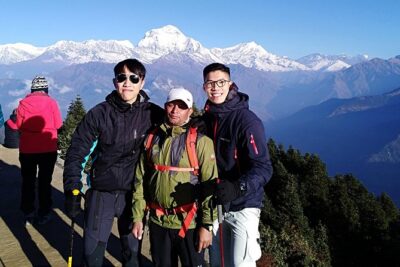 ★ 5.0Trekking in Annapurna/Langtang/Everest/Upper Mustang regionsFrom $40161 reviews
 ★ 5.0Langtang Valley TrekFrom $555140 reviews
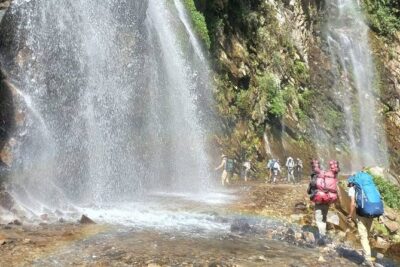 ★ 5.0Manaslu Circuit Trek (15 Days)From $1,65750 reviews
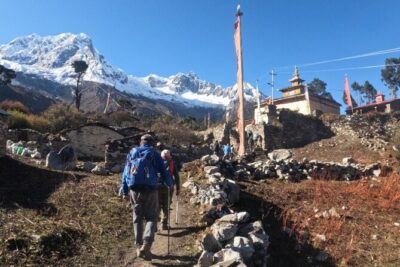 ★ 5.016 Day Private Manaslu Circuit Trek from KathmanduFrom $1,13542 reviews
 ★ 5.0Manaslu Circuit Trek 13 DaysFrom $1,40030 reviews
 ★ 5.010 Days Manaslu Circuit Trek in Larke La PassFrom $1,04930 reviews
 ★ 4.8Chisapani Nagarkot 3-Days 2-Nights TrekFrom $19029 reviews
 ★ 5.0Private 8 – Day Langtang TrekkingFrom $58429 reviews
Lists this tour sits in