
REVIEW · LANGTANG & MANASLU TREKS
Langtang Valley Trek
Eight days in Langtang feels like a reset. You start with a 6:45 am bus ride to Syabrubesi and then hike through pine forests, riverbank paths, and big Himalayan views toward Kyanjin Gompa. I love how the trek is structured for steady progress, not just a grind, and I love that the package includes teahouse stays and most meals, so you can focus on the trail instead of logistics.
The only real catch is altitude planning. You climb into the 3,000-meter range by Langtang Village and you can push even higher on optional viewpoint days, so you will want a calm pace, good hydration habits, and the right mindset if you feel slow.
In This Review
- Key highlights before you go
- Why the Langtang Valley trek feels special from Kathmandu
- Getting there: the 6:45 am bus to Syabrubesi
- Days 2 to 3: Lama Hotel and Langtang Village, the forest and river days
- Day 4 to 5: Kyanjin Gompa, then choose Kyanjin Ri or Tsergo Ri
- Day 6 to 7: heading back to Lama Hotel, then down to Syabrubesi
- Day 8: Kathmandu recovery, hot shower and Thamel time
- Price and logistics: what $560 buys you in real terms
- Guide and porter support: why names like Purna and Ram matter
- Who should book this Langtang Valley trek, and who should reconsider
- Should you book this Langtang Valley Trek?
- FAQ
- What time does the trek start?
- How do you get to the trekking area from Kathmandu?
- Where do you stay during the trek?
- Is a porter included?
- What meals are included?
- What optional hikes are available on Day 5?
- What is not included in the price?
Key highlights before you go
- Up to 12 people keeps the vibe friendly and manageable on narrow trails.
- Teahouse accommodation + meals included means fewer money decisions on the mountain.
- Kyanjin Gompa gives you that classic monastery setting with intense mountain views.
- Two viewpoint options on Day 5 (Kyanjin Ri, Tsergo Ri) let you match effort to energy.
- Porter support (one between two participants) helps you carry smarter, not heavier.
- Wildlife-rich national park setting means the walk stays interesting even on slower days.
The quieter valleys: Langtang and Manaslu
Why the Langtang Valley trek feels special from Kathmandu
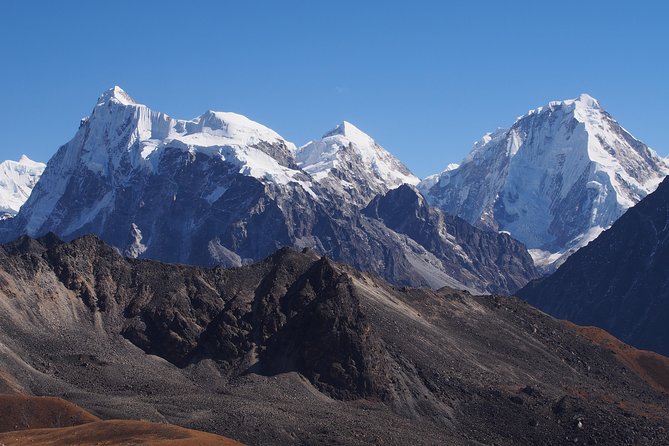
Langtang Valley is one of the most reachable highland sanctuaries from Kathmandu, especially if you want something wilder than day-hikes but more direct than far-flung regions. The valley sits north of Kathmandu near the Tibetan border, and that location matters because the scenery feels remote fast. Within a few days, the mix of snow-capped peaks, deep river gorges, and village life starts to feel like you left the modern world behind.
I also like that the area is described as unspoiled and wildlife-friendly, not just scenic. You are walking through forests of rhododendron, oak, maple, and alder, with a chance to see animals like langur monkeys and (at least in theory) the endangered red panda. Even if you do not spot wildlife every day, knowing the habitat is there makes the forest walks more than just scenery.
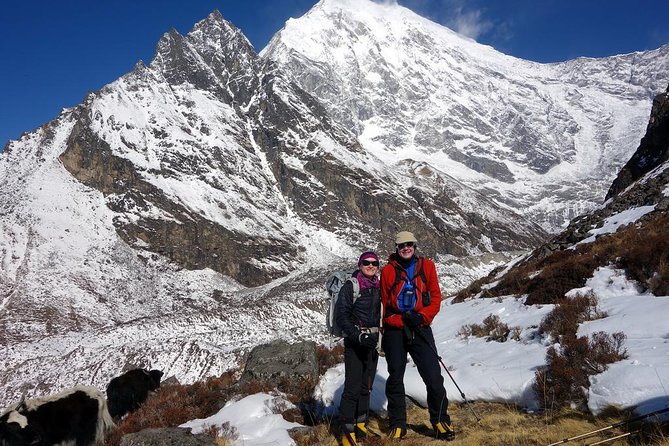
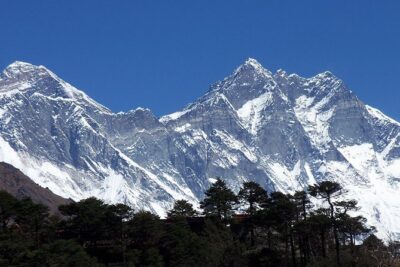
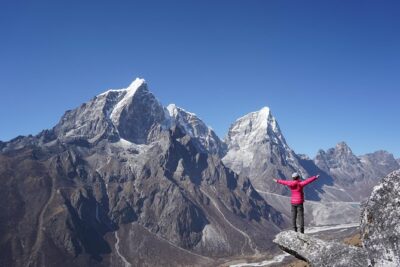
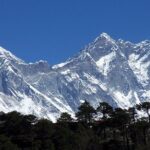
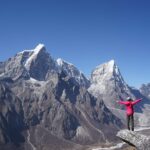
And yes, you will get the mountains. Langtang Lirung dominates the skyline, and the surrounding peaks frame everything you look at, especially around higher villages and viewpoint climbs. It turns the trek into a mix of culture, breathing space, and nonstop photo angles.
Getting there: the 6:45 am bus to Syabrubesi
Your trek starts with a long local bus ride. You meet at 6:45 am and ride to Syabrubesi, roughly a seven-hour drive depending on traffic. This is not a short transfer, so I treat it like part of the trip, not a nuisance.
What you can expect on the drive is exactly what helps people get excited: countryside views, villages passing by, and a gradual shift from city rhythm to rural mountain rhythm. Bring snacks, plan a comfortable seat position, and keep your daypack accessible. The goal is to arrive at Syabrubesi feeling ready to walk, not stiff and frustrated.
Another practical note: with a trek like this, you will often want a simple division of luggage. Keep your hiking gear easy to grab for Day 2, and let the rest follow the trekking routine through teahouses. If you are offered pickup, that can reduce stress in Kathmandu, which matters when you are starting early.
Days 2 to 3: Lama Hotel and Langtang Village, the forest and river days
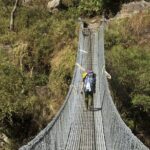
Day 2 is your first step into the trekking routine. You go from Syabrubesi to Lama Hotel at about 2,500 meters, with an easy-to-moderate approach. The trail includes gentle inclines, well-defined paths, riverbank walking, forest tracks, and even suspension bridge sections. That variety is a big deal on an early day because it keeps your body working but your brain engaged.
This is the day to get your pacing dialed in. If you start too fast, you will feel it later when the climb continues. I like starting early on these first trekking legs because you get the best balance of daylight, cooler temperatures, and fewer crowds on the trail.
Then Day 3 brings you up to Langtang Village at about 3,430 meters after roughly 6.5 hours of hiking. This route is described as forest and riverbank trails with gentle inclines, plus grassy meadows. What makes it memorable is the way the mountain views start to open up. You are also walking through pine forest sections, which can feel like a “reset zone” for your senses after hours near water.
A heads-up for Day 3: as you gain height, your appetite, sleep, and energy can change even if the climb is not brutal. This is normal. If you feel slightly off, that does not mean you are in trouble, it just means you are acclimating. Slow down a touch, keep sipping water, and let the day be steady rather than heroic.
Day 4 to 5: Kyanjin Gompa, then choose Kyanjin Ri or Tsergo Ri
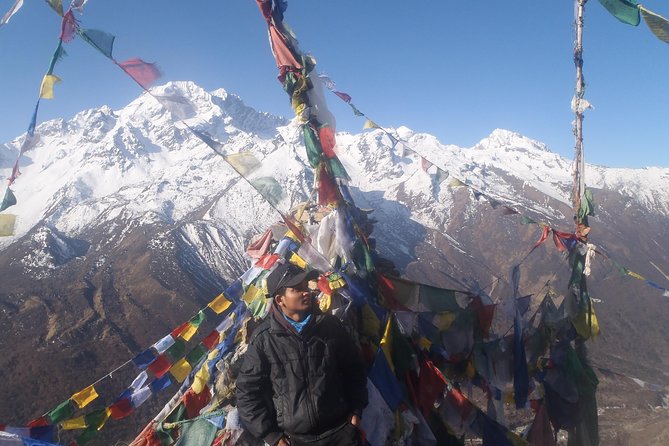
Day 4 is when the trek starts to feel ceremonial. You walk for about 5 hours to reach Kyanjin Gompa, with routes that include farmland stretches, bridges, and gentle ascents. The reward is the monastery setting, plus big views that bring peaks like Langshisha and Langtang Lirung into clearer focus.
This is also the day when you are most likely to notice how the valley life blends with the scenery. Farmland and bridges remind you that this is not a wilderness hike with empty pockets. People live here, grow things here, and manage their daily life under the shadow of huge mountains.
Then Day 5 gives you flexibility. You have a choice for a day trip from the Kyanjin area:
- Kyanjin Ri at 4,773 meters, about 3 hours round trip
- Tsergo Ri at 4,984 meters, about 7 to 8 hours round trip
If you want an efficient dose of altitude without committing to a long day, Kyanjin Ri makes sense. If you want more time on the move and a bigger effort, Tsergo Ri is the tougher option. Either way, the best strategy is to be honest about how you felt the day before. The higher you go, the more your breathing and stamina matter.
One practical tip: bring layers you can manage fast. Daylight can change how warm you feel within an hour, and viewpoint hikes tend to feel colder than you expect when wind picks up.
Other lodge to lodge routes near Kathmandu
Day 6 to 7: heading back to Lama Hotel, then down to Syabrubesi
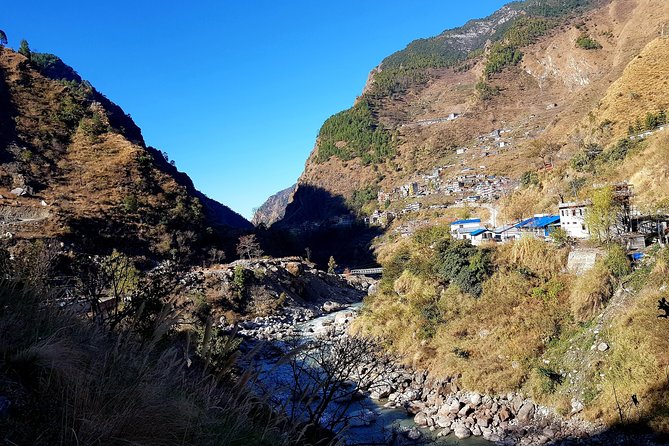
Day 6 retraces your path back to Lama Hotel for about 6 hours. The difference on the way down is mental, not just physical. Instead of pushing toward the monastery, you are absorbing the same forest and river sections with a different focus. You are also more aware of smells and small details, because you are not constantly scanning for the next “big moment.”
This is the day mentioned for sweet-smelling pine forests and for the possibility of seeing giant beehives. Even if you are not tracking wildlife, beehive sightings add texture to the trek. It is one of those reminders that local livelihoods run alongside the trails.
Day 7 is another descent back toward Syabrubesi, with gentle sections and some steeper drops. The route is still described as well-defined trekking paths, which helps. The main thing to plan for on a descent is your knees and ankles. Trekking poles can make a big difference here, especially if you tend to feel strain on downhill days.
At the end of Day 7, you are back at Syabrubesi, then you are ready for the ride back to Kathmandu.
Day 8: Kathmandu recovery, hot shower and Thamel time
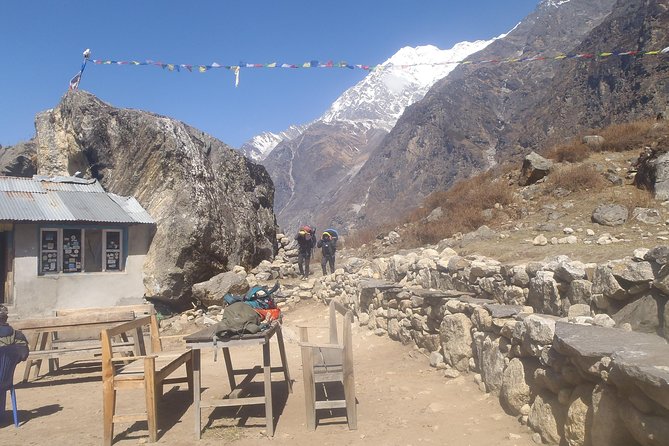
Day 8 brings you back to Kathmandu by local bus. Then you get to do the most important post-trek ritual: good food, a hot shower, and an easy evening in Thamel.
This is not about sightseeing for me. It is about letting your body reset after nights in teahouses and long walking days. A massage in the Thamel area is mentioned as part of the vibe, and honestly, that sounds like a wise use of energy. You walk a lot on this trek, so use your last evening to recover, not to chase an itinerary.
If you still have stamina, a short stroll is perfect. You can also use this time to check what worked for your gear choices, since Langtang is the kind of trek that makes you want to refine your system before the next one.
Price and logistics: what $560 buys you in real terms
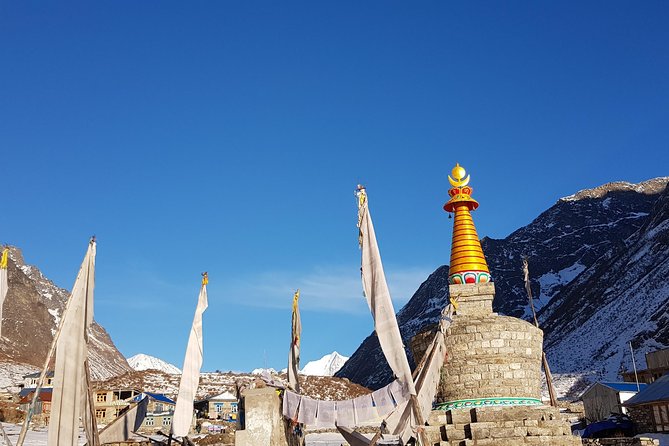
At $560 per person for an about 8-day trek, the value here comes from the bundle of essentials. You are paying for transport to the trailhead and back, teahouse accommodation, and a lot of your daily meals. That matters because Nepal treks can become expensive in a slow, annoying way when every snack and drink turns into a separate decision.
Here is what is included based on the package details you get:
- Bus to and from Syabrubesi
- All fees and taxes
- Teahouse accommodation
- Porter support, listed as one between two participants
- Meals: 7 breakfasts, 7 dinners, and 8 lunches
What is not included:
- Beverages like tea, coffee, and bottled water
- Tipping
Two practical takeaways:
- Plan to budget extra for drinks. On high days, hydration matters, and so does caffeine if you use it.
- Treat the porter as a weight-management tool. If you pack well, you can hike more comfortably with less strain.
Also, the small-group cap of 12 travelers helps keep the trek feeling personal. You are not fighting for attention at lunch, and you are more likely to get pacing that fits your group.
Guide and porter support: why names like Purna and Ram matter
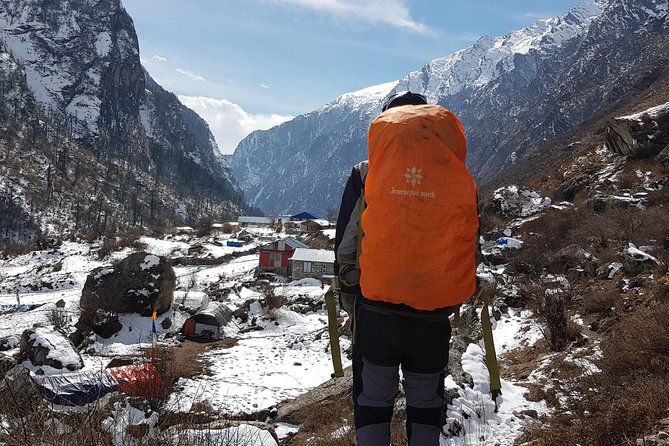
The trek is more enjoyable when someone can read the trail, the weather mood, and your body in real time. In this package, guide and porter support is part of the core experience, and the staff are often praised for being helpful and flexible.
Guides mentioned include Purna and Madan, and porters like Ram, plus other names such as Rupak, Naresh, and Kesab. What I take from that pattern is this: the operation tends to focus on people, not just routes.
A key example of how this matters in real life: there is mention of a guide supporting a young trekker who experienced altitude sickness, with extra time and care during the climb. That kind of responsiveness is exactly what you want from a team, because high altitude does not follow schedules.
As you walk, you will feel the value in smaller ways too: help finding your pace, help answering questions, and help smoothing out the day when energy dips. On a trek like this, the difference between pushing too hard and walking smart can decide how much you enjoy the view.
Who should book this Langtang Valley trek, and who should reconsider
This trek is suited for people with moderate physical fitness who want an eight-day rhythm of walking, eating well, and seeing big mountains without needing technical climbing skills. The daily structure helps you manage effort, especially since Day 2 is described as easy to moderate.
It is also a good fit if you want options. Day 5 gives you a clear decision tree based on how you are feeling. That flexibility is helpful when your body acclimates faster or slower than expected.
You might think twice if you have knee issues that do not tolerate descents well, because Day 7 includes gentle and some steep downhills. You will be walking a lot on uneven terrain, river paths, and forest tracks, and those descents will test your legs.
That said, the route is well-defined, and the pacing is designed for normal trek stamina. With a smart attitude and the willingness to slow down, most people can handle it.
Should you book this Langtang Valley Trek?
If you want a mountain trek that is close enough to Nepal’s capital to feel practical, but remote enough to feel like you earned your views, this is a strong choice. The combination of Kyanjin Gompa, optional viewpoint hikes, and teahouse comfort makes it an efficient package for a first serious trek, or a satisfying second one.
I would book it if:
- you like steady hiking with daily goals (not random scrambling)
- you want a small group with support from a guide and porter
- you want the option to choose how hard Day 5 gets
I would hesitate if:
- you do not handle altitude well, or you cannot commit to a slower pace
- you are very sensitive to downhill stress on knees and ankles
For most walkers who plan smart and pack light, this trek hits a sweet spot: authentic valley life, big mountain attention, and enough support to keep you moving confidently.
FAQ
What time does the trek start?
The start time is 6:45 am.
How do you get to the trekking area from Kathmandu?
You ride a local bus from Kathmandu to Syabrubesi. You also take a local bus back to Kathmandu after the trek.
Where do you stay during the trek?
You stay in teahouses throughout the trek.
Is a porter included?
Yes. A porter is included as one between two participants.
What meals are included?
The package includes 7 breakfasts, 7 dinners, and 8 lunches.
What optional hikes are available on Day 5?
You can choose Kyanjin Ri (about 3 hours round trip to 4,773 meters) or Tsergo Ri (about 7 to 8 hours round trip to 4,984 meters).
What is not included in the price?
Beverages such as tea, coffee, and bottled water are not included, and tipping is not included.
Lodge to Lodge Around Kathmandu
The Rest of Our Kathmandu Write Ups

Langtang and Manaslu, the Quiet Valleys
Everything else we have reviewed around Kathmandu
- 12 Days Everest Base Camp Trekking
★ 5.0 · 3 reviews - 1 Night 2 Days Chitwan Jungle Safari Tour from Pokhara or Kathmandu
★ 3.0 · 3 reviews - Thamel Rickshaw tour
★ 4.7 · 3 reviews - Kathmandu: Momo Making Class with a Local Chef
★ 5.0 · 3 reviews - Kathmandu: Full-Day Yoga, Body Massage and Pedicure Package
★ 5.0 · 3 reviews - From Kathmandu / Pokhara / Chitwan: River Rafting – 1 Day
★ 4.6 · 3 reviews
Langtang & Manaslu Treks worth a second look.
 ★ 5.0Trekking in Annapurna/Langtang/Everest/Upper Mustang regionsFrom $40161 reviews
 ★ 5.0Langtang Valley TrekFrom $555140 reviews
 ★ 5.0Manaslu Circuit Trek (15 Days)From $1,65750 reviews
 ★ 5.016 Day Private Manaslu Circuit Trek from KathmanduFrom $1,13542 reviews
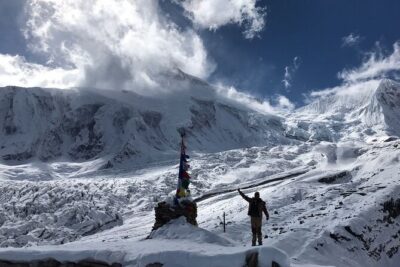 ★ 5.0Manaslu Circuit Trek 13 DaysFrom $1,40030 reviews
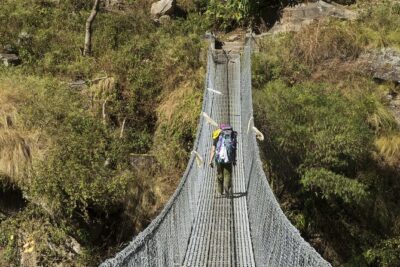 ★ 5.010 Days Manaslu Circuit Trek in Larke La PassFrom $1,04930 reviews
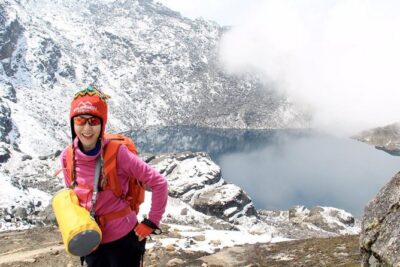 ★ 5.0Private 8 – Day Langtang TrekkingFrom $58429 reviews
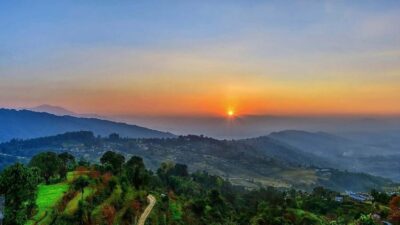 ★ 4.8Chisapani Nagarkot 3-Days 2-Nights TrekFrom $19029 reviews
Lists this tour sits in