
REVIEW · LANGTANG & MANASLU TREKS
Manaslu Circuit Trek – 14 days of Himalayan Adventure
Manaslu Circuit gives you big Himalayan drama. You walk into the Manaslu Conservation Area with serious payoff, especially the close views of Mt. Manaslu and the Manaslu massif scenery across the route.
I love how this trek is set up for moderate fitness, with a guided plan that includes an acclimatization day plus supportive people on the ground.
What also won me over is the mix of nature and culture, from forested trails and swaying suspension bridges to Tibetan-influenced villages and monasteries like Labrang Gompa / Kargya Chholing. The only real consideration is altitude, especially the day you cross Larkya La Pass, so you will want to be realistic about pace and breathing.
In This Review
- Key highlights to look for on this Manaslu Circuit trip
- Why the Manaslu Circuit still feels like a secret route
- Day 1 to Day 3: Landing in Kathmandu and starting the trek for real
- Days 4 to 5: Dense forests, rhododendron, and the sway of suspension bridges
- Days 6 to 7: Namrung to Shyala and then to Sama Gaon
- Day 8: The acclimatization reset with Birendra Taal and Labrang Gompa
- Days 9 to 10: Higher trails, prayers flags, and building altitude safely
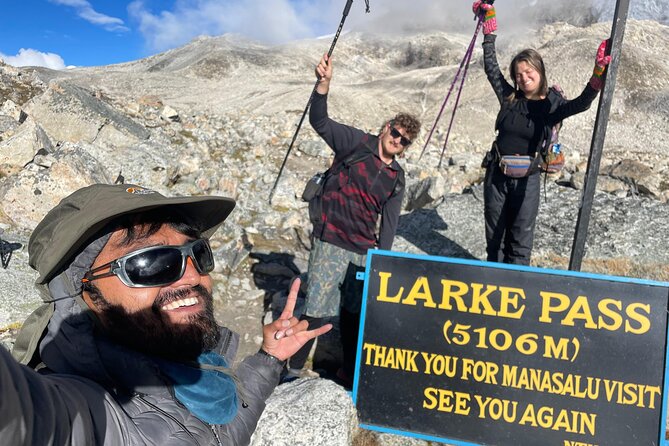
- Day 11: Crossing Larkya La Pass to Bhimtang, the toughest day
- Days 12 to 13: Descent through pine and rhododendron, plus the long drive home
- Day 14: Finish in Kathmandu with airport transfer
- Price and value: what $1,099 covers (and where you still spend)
- Guides and safety habits: why the human touch matters
- What to pack when the sleeping bag and poles are provided
- Who should choose this Manaslu Circuit trek
- Should you book this Manaslu Circuit trek with Wonder Himalaya?
- FAQ
- Where is the trek based, and how do I get to the start?
- What permits are included in the trek?
- Are meals included during the trek?
- Do you provide trekking gear like a sleeping bag and poles?
- Is there any health or oxygen monitoring during the trek?
- What is the cancellation window for a full refund?
Key highlights to look for on this Manaslu Circuit trip
- Oxi-meter included so your guide can keep an eye on oxygen saturation and heart rate while you hike
- A real acclimatization day in Sama Gaon, plus a short hike to Birendra Taal
- Licensed, govt-registered guide and strong support, with porters and crew built into the experience
- Less-crowded vibe compared with many popular Nepal routes, which helps the trek feel more personal
- Trail flavor all the way through, from subtropical river valley forests to higher alpine ridges and passes
The quieter valleys: Langtang and Manaslu
Why the Manaslu Circuit still feels like a secret route
The Manaslu Circuit is popular now, but it does not feel like a highway. Much of what makes it special is that you are trekking around the Manaslu massif inside the conservation area, where the environment stays protected and the scenery feels focused on the mountains and local life instead of constant crowds.
I also like the wildlife angle, even if you cannot count on sightings. This region is famous for Himalayan tahrs and blue sheep, and there is even a chance of snow leopard in the right conditions. On most days, you will notice small signs of animals rather than guaranteed sightings, but that sense of living wilderness matters.
Then there is the big-picture promise you feel with every climb: you keep getting close-up Manaslu massif views, plus sweeps toward neighboring peaks like Ganesh Himal and the wider Annapurna region you can sometimes catch from higher points. The trek earns its reputation for 360-degree feeling, because the landscape keeps opening as you go higher.
Finally, I appreciate that the route is designed for trekkers with moderate physical fitness. You still earn the pass, but the plan is structured so you do not just suffer for fun.
Day 1 to Day 3: Landing in Kathmandu and starting the trek for real
Day 1 is straightforward and human. You land at Tribhuvan International Airport, and a Wonder Himalaya representative meets you with a placard, so you are not trying to figure out logistics while jet-lagged. That is a small detail, but it makes the next steps feel calm instead of chaotic.
Day 2 kicks off with an early breakfast in Kathmandu, then a scenic drive toward Maccha Khola. Along the way you get window views of the Trishuli and Budhi Gandaki river areas. Driving in Nepal can be bumpy, but it also acts like a gentle warm-up, shifting you from city time into river valley rhythm.
Then Day 3 becomes your official start on foot. You move from Maccha Khola to Jagat, walking through lush subtropical forests and following the Budhi Gandaki River banks. This early stretch matters because it builds your legs and your comfort with the trail before the route turns rockier and higher later.
If you are nervous about being cold at night, remember this stage is still in a lower elevation zone. Nights can be chilly, but they are usually more manageable than high-altitude sleeping.
Days 4 to 5: Dense forests, rhododendron, and the sway of suspension bridges
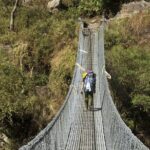
On Day 4, you trek from Jagat through dense forest with rhododendron and towering trees. You also cross multiple suspension bridges over rushing rivers and streams. That is not just scenery, it is practice. You learn how the trail feels underfoot and how to keep steady when the bridge deck moves slightly.
These bridges also give you a break from the monotony of hiking straight uphill or straight downhill. They force a rhythm check, slow down, and let your breathing settle. By the time you are high in the trip, those skills become useful.
Day 5 shifts into a more culturally textured section as you go from Deng toward Namrung. You pass through Bihi Phedi and Bihi, villages where Tibetan influence becomes more visible. In plain terms, this is where the route starts feeling like more than a scenic walk, you begin to meet communities whose culture and architecture reflect nearby Tibetan traditions.
The trail here is also about steady progress. You are not just walking for photos; you are learning the cadence of a multi-day trek where small distances still add up.
Days 6 to 7: Namrung to Shyala and then to Sama Gaon
Day 6 begins with trekking from Namrung to Shyala after early breakfast. Expect an uphill feel with forests full of rhododendron and pine. Along the way, you pass traditional Buddhist mani walls and chortens. These are the kind of trail-side details that can make you slow down, read, and notice how locals travel through their spiritual landscape every day.
You will also feel the temperature shift as you climb. Even when the day is sunny, the air tends to feel thinner. Plan to dress in layers, and do not rely on one warm item alone.
Day 7 takes you onward from Shyala to Sama Gaon through alpine forests and open ridges. This is also a visibility day, since the route offers breathtaking views of the Manaslu massif. One of the reasons this segment feels so memorable is that it is not just one viewpoint. The landscape keeps offering new angles.
You also pass traditional mani stone sites again, so the spiritual cues keep reinforcing that this trek is moving through living culture, not a theme park.
Other lodge to lodge routes near Kathmandu
Day 8: The acclimatization reset with Birendra Taal and Labrang Gompa
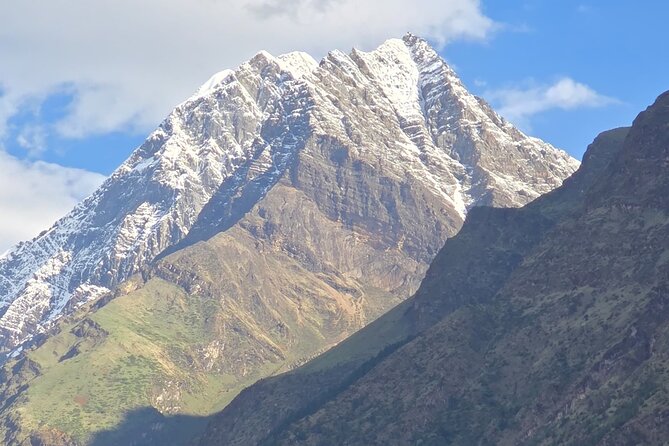
Day 8 is a full acclimatization and rest day in Sama Gaon. It is scheduled for a reason. Your job is to be both physically and mentally ready for the higher terrain. If you skip this day, you may pay for it later with fatigue and stress. If you take it seriously, you hike the next stages with a clearer head.
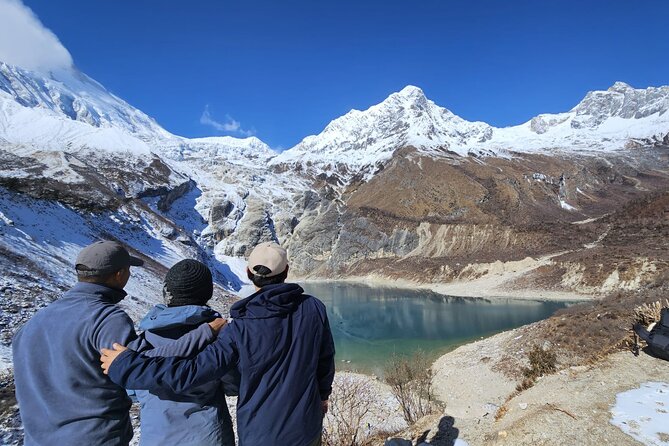
The day also includes a short hike to Birendra Taal, named after Nepal’s late King Birendra. This is the kind of detour that feels like a reward instead of an extra chore. You are moving your body lightly, not grinding it.
You also visit Labrang Gompa / Kargya Chholing monastery, where monks perform blessing ceremonies. This part is valuable because it adds meaning to all the earlier mani walls and chortens you have been walking past. You are seeing the living religious practice tied to the route.
Admission for this day hike is listed as free, so you can budget your time without worrying about ticket costs for the key activities.
Days 9 to 10: Higher trails, prayers flags, and building altitude safely
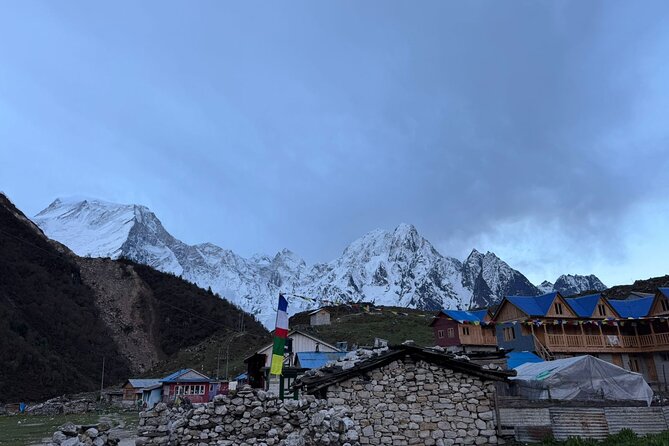
On Day 9, you trek from Sama Gaon toward Samdo Village. As you climb, the terrain becomes more challenging and the air gets noticeably different. The scenery here is the kind that makes you stop without even meaning to. You feel like Manaslu is watching you back, and that is not just poetic. The mountain stays prominent when the weather cooperates.
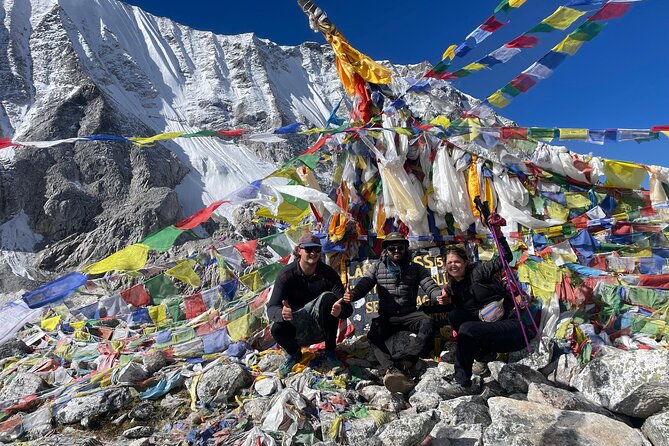
Day 10 continues the ascent into more rugged terrain. You move through rockier trails, and you start seeing views of tall peaks like Manaslu and nearby mountains. You will also see prayer flags fluttering in the wind, which helps the route feel both atmospheric and unmistakably Himalayan.
This is the stretch where I suggest you keep your pace controlled. Do not try to “win the trail.” Let the guide set the rhythm. When you feel pressure to hurry, it is often a sign you need to slow down, drink water, and keep breathing evenly.
Also, this is where the oxi-meter becomes psychologically useful. Even if numbers fluctuate, having monitoring built into the plan helps you trust the schedule rather than guessing.
Day 11: Crossing Larkya La Pass to Bhimtang, the toughest day
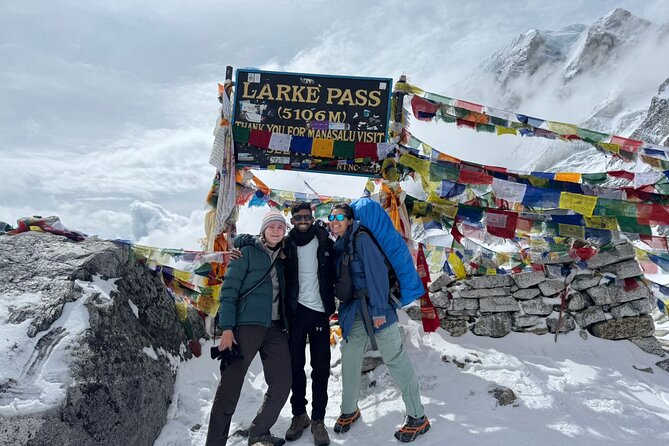
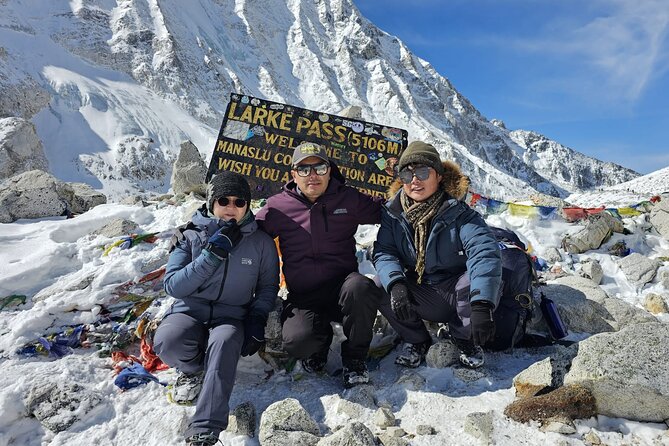
Day 11 is the big one. You start early with breakfast and then you cross Larkya La Pass. After the pass, you head toward Bhimtang, crossing streams along the way. The morning effort is usually where altitude anxiety hits people, even confident hikers, because you can feel the thin air fast.
Then you continue downhill for about four to five hours through rocky paths and open valleys before reaching Bhimtang. The contrast is what makes this day so intense: you climb into the cold edge of the pass, then you shift into a longer descent where your legs might feel heavy.
I find this day is easiest when you treat it like two different treks. First, focus on steady movement and breathing over speed. Second, once you start descending, watch your footing and manage fatigue because the rocks can make your ankle joints work harder.
When you finally reach Bhimtang, the payoff is usually the feeling of relief plus a big visual reward. Snow-capped mountain views around camp are part of the point of getting through this day.
Days 12 to 13: Descent through pine and rhododendron, plus the long drive home
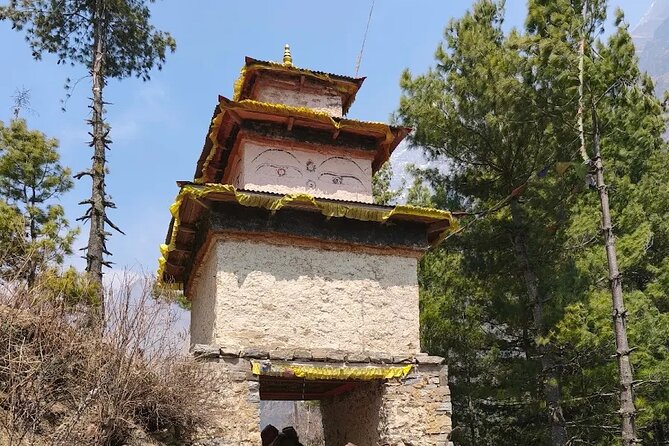
Day 12 begins with an early start from Bhimtang and a descent into lower elevations. The trail goes through pine and rhododendron forests, and you get occasional glimpses of distant mountains. This is where the trek becomes easier on your body. Not easy like flat walking, but easier than high, windy climbs.
Still, descent takes effort. Your quads will feel it. Take short steps, use trekking poles if you have them, and give your knees a break.
Day 13 is the transition day back to civilization. You leave the trek area and travel to Kathmandu via jeep and road connections. The plan includes exploring scenery from the jeep window and driving over rough road sections to reach Besisahar and then onward.
This kind of travel day is long and bumpy in Nepal style, so it helps to bring comfortable clothes for sitting and a plan for how you will keep warm. You are not just leaving the mountains, you are also shifting from outdoor body rhythm into travel body rhythm.
Day 14: Finish in Kathmandu with airport transfer
Day 14 is a farewell and your transfer to Tribhuvan International Airport. The key practical note is simple: pack luggage carefully and double check what you leave behind. On trekking trips, the small stuff becomes annoying fast once you are in the airport line.
Because the tour includes pickup and transfers, you are not dealing with last-minute taxi hunting. That is one less stress when your legs are tired and your head is already in “home” mode.
Price and value: what $1,099 covers (and where you still spend)
At $1,099 per person for a roughly 14-day trek, the main value is that this plan includes several cost items that add up fast on independent travel. You get required permits, a govt-registered guide, monitoring with an oxi-meter, and even trekking equipment support like a down-filled sleeping bag and walking poles.
Also included: transport segments from Kathmandu to Machikhola, Tilche to Besishahar, and Besisahar to Kathmandu. You also get route mapping and set meal coverage with multiple breakfasts, lunches, and dinners.
Now the tradeoffs. You still need to budget for things not included, like bottled water, snacks, tea and coffee, alcohol, personal expenses, and any costs for electronic device recharging. Travel insurance and medical evacuation are not covered either, so you will need to arrange that separately based on your own risk comfort.
If you want the smoothest experience, I suggest you treat this as an all-in trek with some everyday add-ons. In Nepal, your spending often comes less from the trekking package and more from these small daily purchases.
Guides and safety habits: why the human touch matters
The reviews you can trust most here focus on people doing the job well. In particular, guides like Santosh are praised for caring behavior, including staying with people who fall behind or checking on anyone who wanders. That matters because on long mountain days, the person who looks okay at 9 AM can feel wiped out by 3 PM.
I also liked the way the team experience shows up through named staff in feedback. Niranjan is mentioned as helping shape the best offer according to preferences, and Pradip comes up in one positive note. When an agency pays attention to matching the right trek fit, you spend less time fighting logistics and more time enjoying the mountains.
From a practical angle, the tour includes an oxi-meter to check heart rate and oxygen saturation. That does not replace good pacing, but it gives the guide data to guide decisions. If you tend to push when you feel strong, this monitoring can help correct that instinct.
Finally, the plan includes strong porters and a support crew. Porters make a difference because they remove load stress, and it helps you stay consistent across days rather than fading early.
What to pack when the sleeping bag and poles are provided
The trek includes a down-filled sleeping bag and walking poles, which is a big help if you are traveling light from another country. Still, you should plan around cold nights and sun exposure.
I recommend you pack:
- Layering clothes for changing temperatures, especially as you move toward higher elevations
- A warm hat and gloves for pass day conditions, even if the morning starts clear
- Sunscreen and sunglasses for glare on open ridges
- A small daypack for water, snacks, and layers during the walk
- Your own electronics and charging plan, since recharging is not listed as included
Since bottled water is not included, plan how you will handle hydration each day. Your guide may suggest ways to source or manage water, but you should assume you will be purchasing or treating water rather than expecting everything to be handed to you.
Also, tea and coffee are not included. If you like a warm drink routine in the morning or evening, budget a little for it.
Who should choose this Manaslu Circuit trek
Pick this if you want:
- A guided route with permits handled and a govt-registered guide
- A trek that is challenging but suited to moderate physical fitness with built-in acclimatization
- A less crowded Himalayan circuit feel, with frequent cultural encounters
- Consistent structure, including rest, monitoring with an oxi-meter, and a clear return plan to Kathmandu
If you are an experienced high-altitude trekker looking for a faster, more extreme itinerary, you might find the pacing to be more measured than you want. But for many hikers, that measured pace is exactly what keeps the trip enjoyable instead of just survival.
Should you book this Manaslu Circuit trek with Wonder Himalaya?
I would book this trek if you want a strong value package, especially the fact that it bundles permits, guide leadership, and basic trekking equipment support like a sleeping bag and poles. I also think the structure is ideal for people who like mountains but do not want uncertainty to drive the trip, since the plan includes an acclimatization rest day and uses an oxi-meter for monitoring.
You should reconsider if you are expecting a totally independent adventure with no monitoring and no set meals. This is a guided experience with set expectations on timing and inclusions. Also, if altitude scares you, treat the Larkya La Pass day as serious preparation time, and do not try to “out-stubborn” the climb.
If you want a balanced Himalayan circuit with real culture, mountain views you can track day by day, and a team that stays on top of safety, this is a solid choice.
FAQ
Where is the trek based, and how do I get to the start?
The experience is based in Kathmandu, Nepal. It includes transfers from Kathmandu to Machikhola, and later transportation back to Kathmandu. On the final day, you are arranged transfer to Tribhuvan International Airport.
What permits are included in the trek?
The price includes entrance fees for the Manaslu Conservation Area Permit, the Annapurna Conservation Area Permit, and the Restricted Area Permit.
Are meals included during the trek?
Yes. Lunch is included for 11 days, dinner is included for 11 days, and breakfast is included for 13 days.
Do you provide trekking gear like a sleeping bag and poles?
Yes. The trekking equipment included is a down-filled sleeping bag and walking poles.
Is there any health or oxygen monitoring during the trek?
Yes. An oxi-meter is provided to check heart rate and oxygen saturation.
What is the cancellation window for a full refund?
You can cancel up to 24 hours in advance for a full refund. If you cancel less than 24 hours before the start time, the amount you paid will not be refunded.
Lodge to Lodge Around Kathmandu
The Rest of Our Kathmandu Write Ups

Langtang and Manaslu, the Quiet Valleys
Everything else we have reviewed around Kathmandu
- 12 Days Everest Base Camp Trekking
★ 5.0 · 3 reviews - 1 Night 2 Days Chitwan Jungle Safari Tour from Pokhara or Kathmandu
★ 3.0 · 3 reviews - Thamel Rickshaw tour
★ 4.7 · 3 reviews - Kathmandu: Momo Making Class with a Local Chef
★ 5.0 · 3 reviews - Kathmandu: Full-Day Yoga, Body Massage and Pedicure Package
★ 5.0 · 3 reviews - From Kathmandu / Pokhara / Chitwan: River Rafting – 1 Day
★ 4.6 · 3 reviews
Langtang & Manaslu Treks worth a second look.
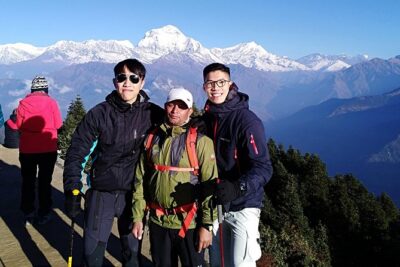 ★ 5.0Trekking in Annapurna/Langtang/Everest/Upper Mustang regionsFrom $40161 reviews
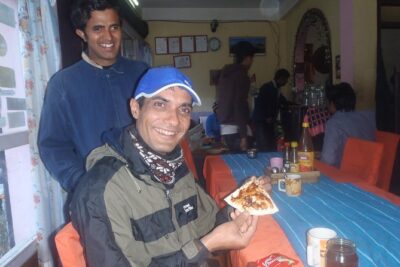 ★ 5.0Langtang Valley TrekFrom $555140 reviews
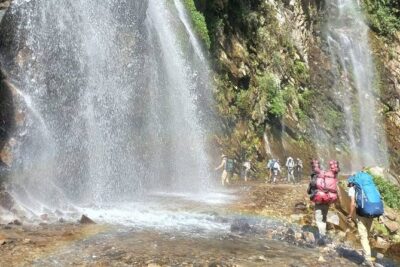 ★ 5.0Manaslu Circuit Trek (15 Days)From $1,65750 reviews
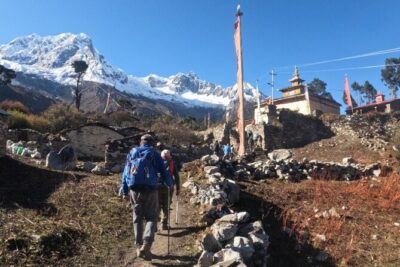 ★ 5.016 Day Private Manaslu Circuit Trek from KathmanduFrom $1,13542 reviews
 ★ 5.0Manaslu Circuit Trek 13 DaysFrom $1,40030 reviews
 ★ 5.010 Days Manaslu Circuit Trek in Larke La PassFrom $1,04930 reviews
 ★ 5.0Private 8 – Day Langtang TrekkingFrom $58429 reviews
 ★ 4.8Chisapani Nagarkot 3-Days 2-Nights TrekFrom $19029 reviews
Lists this tour sits in