
REVIEW · LANGTANG & MANASLU TREKS
Manaslu Circuit Trek 8th Highest in the World
Manaslu feels like Nepal’s quiet cousin. This trek is famous for its remote restricted-region feel, yet it’s also carefully organized: you get Kathmandu setup, daily guidance, and a route that keeps changing scenery as you climb toward the high passes. What makes it especially interesting is the mix of Himalayan views, quiet valleys, and traditional villages, plus a route that includes an optional side trip to the Tibetan border area from Samdo. I love how the remoteness changes the vibe from checkpoint trekking to real day-to-day movement.
My second favorite part is the human support. People who’ve gone with Adventure Glacier Treks highlight guides like Roshan and team members like Dil for making things feel safe and manageable, and one reviewer even called out porter Sudip by name. You’ll have professional help for the whole route, including their insurance and equipment, and that matters when the days get long and the weather shifts.
The main drawback to consider is effort and altitude exposure. This is a strong-physical-fitness trek, and the itinerary also notes timing around wind on the pass approaches, plus long drives and early starts. If you’re not comfortable with steep, high, and changeable conditions, you should think hard before committing.
In This Review
- Key highlights worth knowing
- Why Manaslu Circuit feels different from most Nepal treks
- Price and value: what $1,600 really covers
- Kathmandu start: Thamel, Durbar Square, and gear reality checks
- Day 3 to Day 5: Machha Khola to Sirdibas and Tatopani country
- Day 6 to Day 8: Ghap, Samagaun, and the Manaslu viewpoints you came for
- Day 9 and Samdo time: optional Tibetan border side trip
- Day 10 to Day 11: Larkya La pass approach, torch advice, and wind timing
- Day 12 to Day 13: Dharapani and rejoining the Annapurna trail
- Day 14: Besisahar to Kathmandu, with a view from the road
- Guide and porter support: safety, comfort, and how to use it well
- Who should book this Manaslu Circuit trek, and who should pause
- Should you book this Manaslu Circuit experience?
- FAQ
- What is the duration of the Manaslu Circuit trek on this program?
- Where does the tour start and end?
- What does the $1,600 price include?
- Are meals included during the trek?
- Are drinks included?
- What kind of support do I get on the trail?
- Is cancellation free?
Key highlights worth knowing
- Restricted area access with included permits, including a $100 special permit
- Daily structure with guesthouse stays and three meals a day on trek
- Samdo free time plus an optional 8-hour Tibetan border side trip with a packed lunch
- Larkya La pass day planning, including an early start and advice to keep a torch handy
- Guides and porters named in feedback, including Roshan, Dil, and Sudip, with repeated praise for comfort and safety
- Kathmandu prep time to review gear needs before you drive out to the trekking start
The quieter valleys: Langtang and Manaslu
Why Manaslu Circuit feels different from most Nepal treks
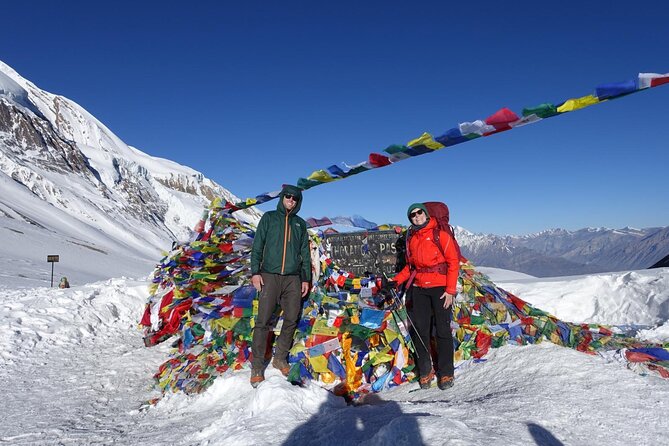
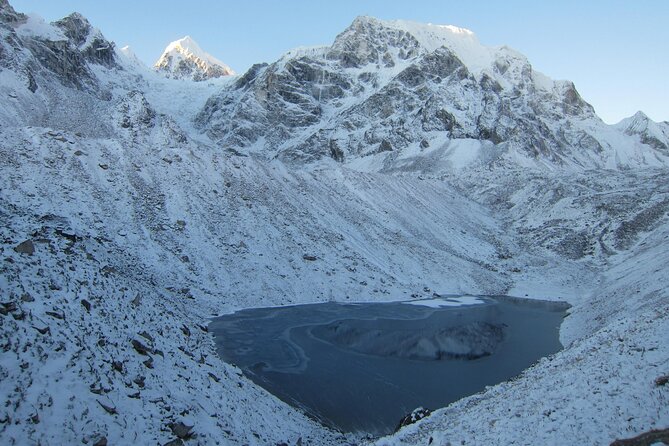
Manaslu has a “less crowded, more remote” reputation for a reason. The route runs through a restricted area of Nepal, and that changes how the trek feels on the ground. There are fewer people moving through each village and valley, and you get a more lived-in rhythm: small guesthouses, local routines, and long stretches where the mountains do the talking.
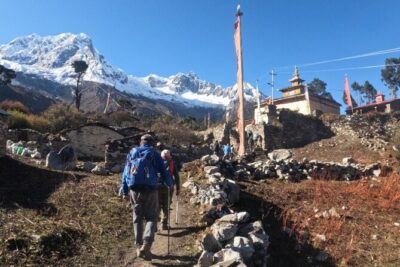
I also like how the trek’s character comes through in the route progression. You start with road time, then you shift into river-valley walking, then the terrain gradually builds into colder, higher country. You’ll pass through a range of cultural influences too, with Tibetan influences showing up strongly in the Manaslu region. That’s not just a vague promise. The itinerary specifically calls out Tibetan culture influence around Samagaun and viewpoints over Manaslu and nearby peaks.
One more thing: this isn’t sold as an easy stroll. The trek’s rules require trekking with a registered Nepali trekking company and meeting group rules that include at least two trekkers (not counting the guide and porter). That sounds administrative, but it’s actually part of the experience because it supports a more accountable, organized trek operation in a restricted zone.
Price and value: what $1,600 really covers
At $1,600 per person for roughly 14 days, this trek isn’t the cheapest option in Nepal. But the value comes from what’s bundled, especially when you factor in permits and logistics.
Here’s what you get included:
- Airport pickup and drop
- 3 nights in Kathmandu at a tourist standard hotel
- Ground transportation connected to the trek
- Necessary permits and entrance fees, including the $100 special permit
- A professional guide plus porter or porters, including their insurance and equipment
- Guesthouse accommodation during the trek
- Three meals a day (breakfast, lunch, dinner) as specified in the itinerary
What this means for you in practice: you’re not just paying for scenery. You’re paying for smoother movement through Nepal. Someone handles the paperwork and the hard parts, so you can focus on acclimatization, steady walking, and day-by-day decision-making.
What’s not included is also important:
- Beverages
- Tips
- Your travel insurance
- Personal or nature expenses
- Food in Kathmandu except daily breakfast
So if you tend to spend on bottled drinks, snacks, or frequent hot drinks at tea houses, budget for that. And if you’re the type who likes to add extras, plan for side costs beyond the trek itself.
Kathmandu start: Thamel, Durbar Square, and gear reality checks
Your trip begins in Kathmandu with help on the ground. You’ll meet a representative around your arrival time and get to your hotel with pickup and drop included. The itinerary also gives you a Kathmandu day to explore Kathmandu Durbar Square.
But the smart part is the gear review. Before you head out, the team looks at what you have and advises what you may need to buy, rent, or obtain through them if possible. That matters because good gear is how you stay comfortable at night and safer when the wind picks up on higher ground.
If you’re arriving from overseas, also use this time to organize your layering system. Nepal weather can shift quickly. Even on lower days, you’ll be walking through varied light and temperature. The sooner you get your system dialed, the less you’ll struggle later.
Finally, this trek is private, meaning it’s arranged for your group rather than a mixed crowd. That usually helps with pacing and decisions like when to push on a long day versus when to take short breaks.
Day 3 to Day 5: Machha Khola to Sirdibas and Tatopani country
After breakfast in Kathmandu, you drive to Machha Khola. The itinerary warns the ride can be lengthy and bumpy depending on road conditions, and that’s honest. This is a good day to settle in and treat it like part of the trek transition, not a separate headache.
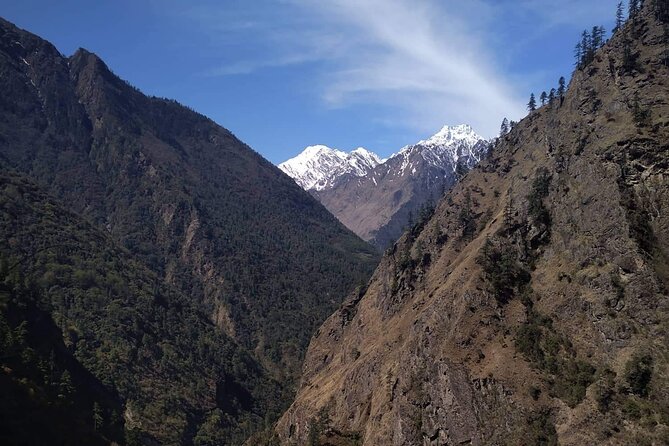
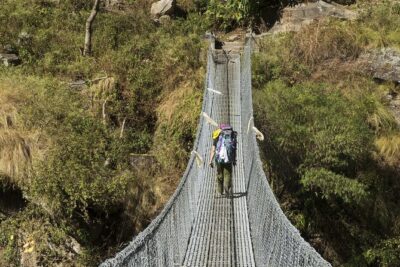
Once you’re on foot, Day 4 takes you by river valley terrain. You’ll cross a river, ascend toward Khorla Besi, and then walk along the valley. The itinerary mentions waterfalls and landslides along the way, which is exactly what you want to experience early on: real terrain changes, not just straight “stair up, stair down” walking.
You reach Tatopani village on this day, a place known for natural hot springs. Even if you don’t plan to soak, it helps you feel how locals use the area. Then on Day 5 you trek toward Sirdibas at 1,430 meters and onward to Salleri around 1,440 meters, with your first clear signs of Buddhist culture on the route.
There’s a useful practical takeaway here: these early days give you a chance to learn how your body responds to continuous walking. You’re not yet in the high pass zone, so you can adjust pack weight and pace without the full altitude pressure.
Other lodge to lodge routes near Kathmandu
Day 6 to Day 8: Ghap, Samagaun, and the Manaslu viewpoints you came for
Day 6 is about settling into a rhythm. You trek down to the Sringi Khola valley, cross the river, and walk through forests until you reach Ghap. The itinerary highlights cooler nights and Himalayan views developing more clearly. That’s the pattern you’ll notice more often as you go higher: daylight feels bright and sharp, while evenings become colder fast.
Day 7 brings you to Samagaun. This is one of the cultural and scenic anchors of the trek. Tibetan cultural influence is noted here, and you’re also in a zone where the itinerary directly calls out views over Manaslu (8,163 meters), Manaslu North (7,157 meters), and Naike Peak (5,515 meters). Even if the sky isn’t perfect every day, just being in that viewing corridor is a major reason people choose Manaslu over other circuits.
Then Day 8 moves toward Samdo. The itinerary describes it as easier feeling at first, with mostly flat walking through juniper and birch forests via Kermo Kharka. You then hike down to cross the river and reach the merging of the Budhi Gandaki and Shyale Khola. That kind of junction point matters because it’s where the trail begins to feel more remote, less like a busy corridor and more like a sustained trek.
Practical note: enjoy the “easier feeling” days. They’re not free days. They’re the days that help your body catch up so you can handle the harder sections later.
Day 9 and Samdo time: optional Tibetan border side trip
Day 9 is a flexible day from Samdo. You have an option to take an interesting 8-hour side trip to the Tibetan border area, with a packed lunch and plenty of drinking water. If you’d rather not do the side route, you can instead walk around Samdo and observe daily life.
I like this setup for one reason: it gives you control. When you’re in high country, energy management is everything. If you did well on the previous days, the side trip becomes a meaningful bonus. If your legs feel heavy or the weather looks iffy, you can stay local and recharge.
It also helps you appreciate what makes Manaslu special beyond the famous mountains. Even small villages and daily routines become memorable when you’re not rushing through everything.
Day 10 to Day 11: Larkya La pass approach, torch advice, and wind timing
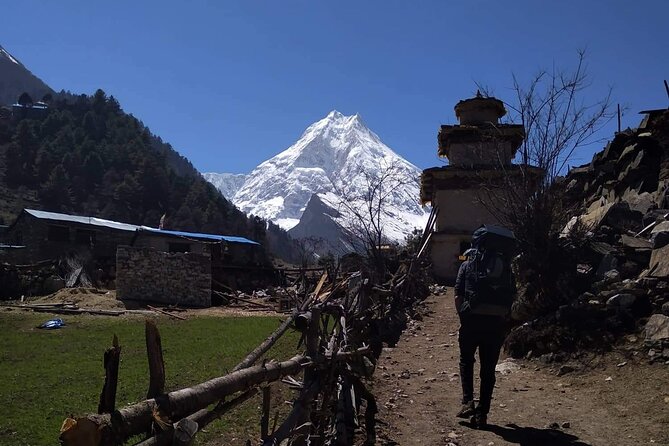
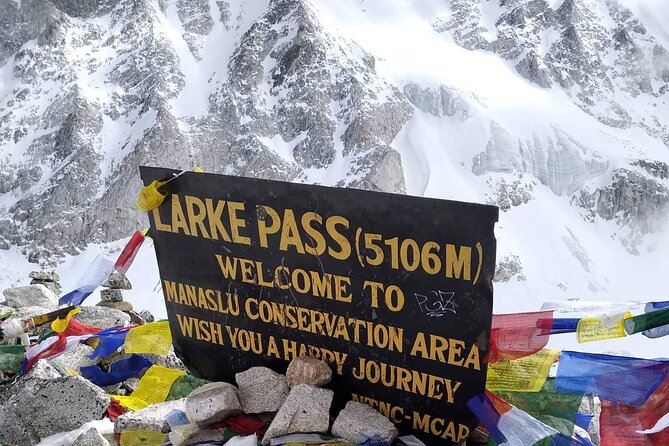
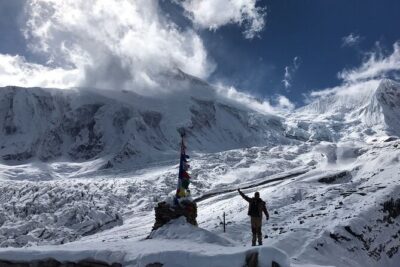
Crossing Larkya La is the big moment of the circuit. Day 10 is described as descending to 3,850 meters to cross the Budhi Gandaki, then ascending through juniper and tundra in and out of ravines to Larkya Guest House. That means you’re already working at elevation and in changing terrain before you even reach the pass.
The itinerary also notes Dharamsala as another stop name on that day, which signals that this portion is about positioning yourself for the real crossing effort. Expect the day to be long, and plan to treat your arrival at the guesthouse as a reset period: early sleep, water management, and food that agrees with you.
Day 11 is the crossing day. You leave early in the morning to catch sunrise over the pass and to avoid strong wind after midday. The itinerary even advises you to keep your torch close by at the start of the steep, stunning walk over several ridges.
This is one of the most practical bits of information you can act on:
- Start early, because weather can turn quickly with wind.
- Bring your headlamp or torch access so you’re not digging in your bag on a steep section.
- Expect that the most difficult or uncomfortable moment can happen later if you delay, which is why the schedule stresses morning timing.
Day 12 to Day 13: Dharapani and rejoining the Annapurna trail
After the pass, the trek shifts tone. Day 12 goes from Bimtang through forests and pastures of the Dudh Khola valley to Dharapani. The itinerary notes a 7-hour journey and says you join the more popular Annapurna Circuit trek trail thanks to Manaslu.
That connection is meaningful. The Manaslu Circuit is known for its restricted access and quieter feel, and then you briefly step into a more frequented corridor. You’ll likely notice that in the guesthouses, foot traffic, and the general pace around the trail.
Day 13 continues the descent from Dharapani to Jagat in about 6 hours, descending near the Marsyangdi Nadi Gorge. The itinerary also mentions that depending on roads, you can charter a Jeep, but the details are incomplete in the information provided. Still, the key idea is that you get more travel options as you drop into lower country.
The practical thing I recommend here is to keep your body moving steadily, not fast. Post-pass fatigue is real. Even when the terrain is easier, the downhill can stress your knees and ankles if you rush.
Day 14: Besisahar to Kathmandu, with a view from the road
On the final day, the plan is half travel and half decompression. You travel in a shared jeep to Besisahar for the first half of the day. You’ll get views of the village surroundings, then you take a bus from Besisahar to Kathmandu, taking about the time stated in the itinerary.
This final day matters because you’re not just ending the trek. You’re resetting your muscles and your sleep schedule for city life. If you can, keep your evening light. You’ll probably want a meal that doesn’t feel like trek food, and a short walk just for fun, not miles.
Guide and porter support: safety, comfort, and how to use it well
One of the strongest themes in feedback about this trekking company is the quality of the team. Names come up repeatedly, including Roshan and Dil, and porter Sudip is mentioned specifically. The consistent idea is that the guide watches out for your needs and the porters help you feel comfortable with the practical side of trekking.
Here’s how to make that support work for you:
- Tell your guide early what pace feels good and what doesn’t. Don’t wait until you’re suffering.
- Ask about timing for windy sections. The itinerary already warns about wind after midday on the pass approach, so use your guide to plan breaks and turns.
- Use the gear check and advice time in Kathmandu. Even good travelers can overlook one key item, like layering, gloves, or staying warm at night.
Also, note what’s included: your guide and porters’ insurance and equipment. That’s part of why the trek feels organized instead of improvisational.
Who should book this Manaslu Circuit trek, and who should pause
This trek is a fit if you:
- Have strong physical fitness and can handle long days on changing terrain
- Want a restricted area experience that feels more remote than the most famous Nepal routes
- Like a circuit that mixes river valleys, forests, villages, and high-pass pressure
- Want guidance for permits, logistics, and daily planning
It’s a pause-worthy choice if you:
- Don’t feel ready for a demanding schedule and cold or windy conditions near the pass
- Prefer fully flexible solo trekking without rules about companies and group composition
- Want frequent shortcuts or lots of built-in buffer time. The itinerary has a clear structure, and it expects you to keep moving
The sweet spot is hikers who want real mountain travel with strong support, but still like the challenge of getting there under their own power.
Should you book this Manaslu Circuit experience?
If you want a Manaslu Circuit trek that’s built for remoteness but still organized enough to feel safe and comfortable, this is a strong option. The inclusion of permits (including the $100 special permit), professional guiding and porter support, Kathmandu hotel nights, and three meals a day on trek is where the value really shows. You’re paying for fewer unknowns, and that matters when the route climbs toward the pass.
I’d book it if your priority is an experience that’s scenic, quiet, and well managed from start to finish. I’d also book it if you appreciate practical planning details, like starting early for sunrise and keeping a torch handy for steep ridge walking.
If you’re uncertain about fitness or you hate early mornings, consider a lighter alternative. Manaslu does not hand out comfort for free.
FAQ
What is the duration of the Manaslu Circuit trek on this program?
The trek is scheduled for about 14 days.
Where does the tour start and end?
The experience starts at Best Tour & Travel agency in Nepal, Adventure Glacier Treks, in Kathmandu, and it ends back at the same meeting point.
What does the $1,600 price include?
It includes airport pickup/drop, 3 nights in Kathmandu at tourist standard hotel, ground transportation, necessary permits including the special $100 permit, entrance fees, professional guide and porters with their expenses, guesthouse accommodation during the trek, and three meals a day on the trekking days as outlined in the itinerary.
Are meals included during the trek?
Yes. The itinerary specifies breakfast, lunch, and dinner each day on trek, with breakfasts also listed for the relevant days.
Are drinks included?
Beverages are not included.
What kind of support do I get on the trail?
You get a professional guide and porter or porters, and their insurance and equipment are included. You also have your accommodation in guesthouses.
Is cancellation free?
Yes. You can cancel up to 24 hours in advance for a full refund. If you cancel less than 24 hours before the experience start time, the amount paid is not refunded.
Lodge to Lodge Around Kathmandu


The Rest of Our Kathmandu Write Ups



Langtang and Manaslu, the Quiet Valleys
Everything else we have reviewed around Kathmandu
- 12 Days Everest Base Camp Trekking
★ 5.0 · 3 reviews - 1 Night 2 Days Chitwan Jungle Safari Tour from Pokhara or Kathmandu
★ 3.0 · 3 reviews - Thamel Rickshaw tour
★ 4.7 · 3 reviews - Kathmandu: Momo Making Class with a Local Chef
★ 5.0 · 3 reviews - Kathmandu: Full-Day Yoga, Body Massage and Pedicure Package
★ 5.0 · 3 reviews - From Kathmandu / Pokhara / Chitwan: River Rafting – 1 Day
★ 4.6 · 3 reviews
Langtang & Manaslu Treks worth a second look.
 ★ 5.0Trekking in Annapurna/Langtang/Everest/Upper Mustang regionsFrom $40161 reviews
 ★ 5.0Langtang Valley TrekFrom $555140 reviews
 ★ 5.0Manaslu Circuit Trek (15 Days)From $1,65750 reviews
 ★ 5.016 Day Private Manaslu Circuit Trek from KathmanduFrom $1,13542 reviews
 ★ 5.0Manaslu Circuit Trek 13 DaysFrom $1,40030 reviews
 ★ 5.010 Days Manaslu Circuit Trek in Larke La PassFrom $1,04930 reviews
 ★ 5.0Private 8 – Day Langtang TrekkingFrom $58429 reviews
 ★ 4.8Chisapani Nagarkot 3-Days 2-Nights TrekFrom $19029 reviews
Lists this tour sits in