
REVIEW · LANGTANG & MANASLU TREKS
Manaslu Trekking
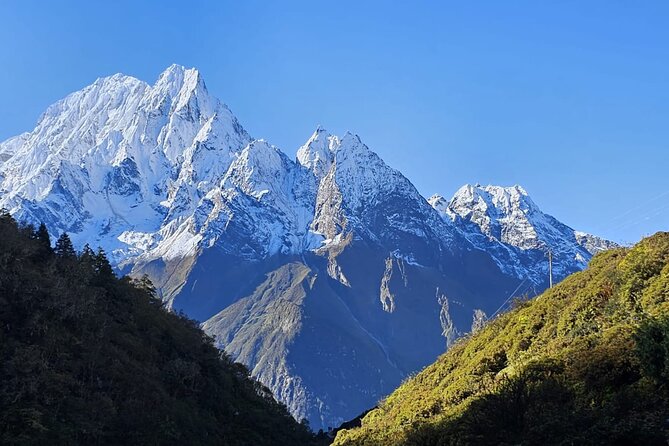
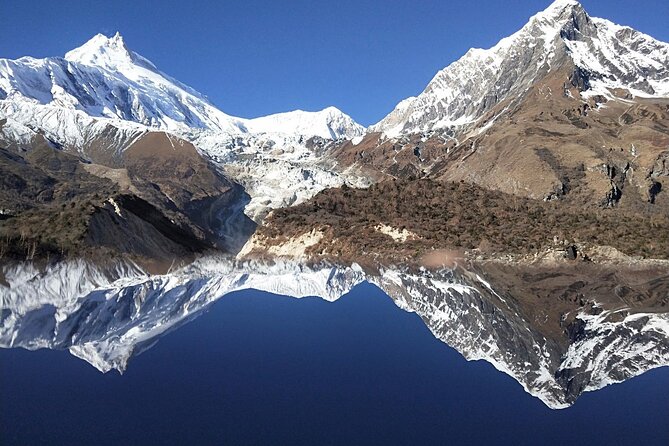
Manaslu feels like Nepal’s slower side. The Manaslu Circuit Trek circles Mount Manaslu (8,163 meters) with a special permit, so you get a serious remote trekking vibe without the big-trail crowd energy.
I love how well this trip handles the day-to-day basics. Expect tidy teahouse or mountain lodge stays and full breakfast, lunch, and dinner on the trail, which means less time figuring out food and more time focusing on walking and altitude changes (without any drama).
One note if you are considering it: this is still a real trek. You hike about 4 to 6 hours most days, and you do a high pass segment with tundra hiking, so you want decent stamina and a calm pace.
In This Review
- Key things you will care about most
- Why the Manaslu Circuit feels quieter than Nepal’s headline treks
- Price and logistics: what $1,900 buys you (and what it does not)
- Kathmandu setup: Pashupatinath, Boudhanath, and Swayambhunath before you hike
- Day 3 to Day 6: river valleys, suspension bridges, and your first hot-spring payoff
- Day 7 to Day 9: Namrung and Samagaon, plus Peak 29 views
- Day 10 to Day 12: Samdo, then Larkya Bhanjyang pass day to Bimthang
- Day 13 to Day 14: Bhimtang Lake viewpoint, forests on the way down, Chamje nights
- Days 15 to 17: return to Kathmandu, Thamel time, and a final shopping loop
- Who this trek is best for, and who should think twice
- Should you book this Manaslu Trek?
- FAQ
- Where is the meeting point in Kathmandu?
- How many days is the trek?
- What is the price per person?
- What permits and cards are included?
- Is airport pickup and drop included?
- What meals are included during the trek?
- What accommodation do I get in Kathmandu and during the trek?
- How does the porter system work?
- Is this a private tour?
- What is not included, and what is the cancellation window?
Key things you will care about most
- Remote Manaslu Circuit: less commercial and more off the radar than Nepal’s top trekking hotspots
- Full-board meals included: breakfast, lunch, dinner during the trek
- Permits handled: trekking permit, TIMS card, and national park entry fees included
- Iconic pass day: ascent through tundra and juniper, then panoramic summit views
- Kathmandu culture warm-up: Pashupatinath, Boudhanath, and Swayambhunath with a professional guide
- Porter support system: 1 porter for 2 people, with porter expenses and insurance covered
The quieter valleys: Langtang and Manaslu
Why the Manaslu Circuit feels quieter than Nepal’s headline treks
This trek is built around circling the Manaslu region, including time near the world’s eighth-highest peak. That alone makes it a step up in ambition. But the bigger practical win is the feeling of distance. The Manaslu area is described as less crowded than the Annapurna and Everest regions, which usually means fewer bottlenecks on trails and a more human pace in the villages.
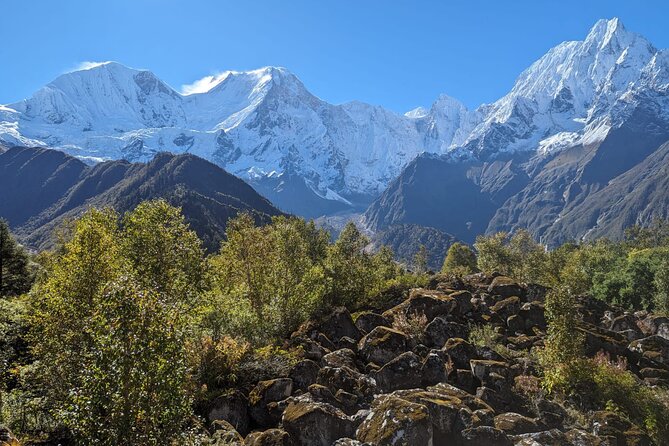
You also get variety, not just mountain views. The route moves through places like Sal forests, rocky river corridors, and Gurung villages, plus Buddhist-influenced areas as you climb. In other words, you’re not only chasing photos of big peaks, you’re actually walking through multiple Nepal ecosystems and cultures.
Finally, there is a logistics advantage. A special permit is required for this trek, and in this package the key permit-related items are included. When permits are handled properly, the whole experience feels smoother once you are on the ground.
Price and logistics: what $1,900 buys you (and what it does not)
At $1,900 per person for about 17 days, you are paying for more than a walking route. This is the part that matters: the package includes airport pickup and drop, Kathmandu sightseeing with a professional guide, and full board meals during the trek.
On the trek side, you are also covered for the stuff that can derail a trip if you manage it yourself. The plan lists all the necessary trekking permits, national park entry fees, and a TIMS card as included. You also get an experienced guide and porters, with porter expenses and insurance included. If you have ever worried about whether the paperwork is correct, you will appreciate that this is part of the deal.
There are still costs you should plan for. Beverages are not included, and personal expenses are not included. Tips for guides and porters are not included (even though tips are accepted in Nepal). Travel insurance is also not included, and you should bring your own.
Kathmandu setup: Pashupatinath, Boudhanath, and Swayambhunath before you hike
Your trip starts in Kathmandu with a real buffer between arrival and trekking. Day 1 is arrival and rest, plus a welcome dinner and a briefing. That matters more than you might think, because it helps you show up to the trek days with your questions handled, not multiplied.
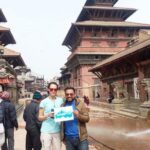
Day 2 is Kathmandu culture with a professional guide. You visit Pashupatinath Temple, then Boudhanath Stupa, and later Swayambhunath (Monkey Temple). This is not a random pile of stops. These sites give you context for what you will see on the trail: religious influence, village life, and the way Nepalese communities connect mountains, rivers, and spirituality.
If you like practical travel days, this is a good one. You get walking experience, but at a city pace. You also get time to buy a few essentials before the trek fully takes over your schedule.
Day 3 to Day 6: river valleys, suspension bridges, and your first hot-spring payoff
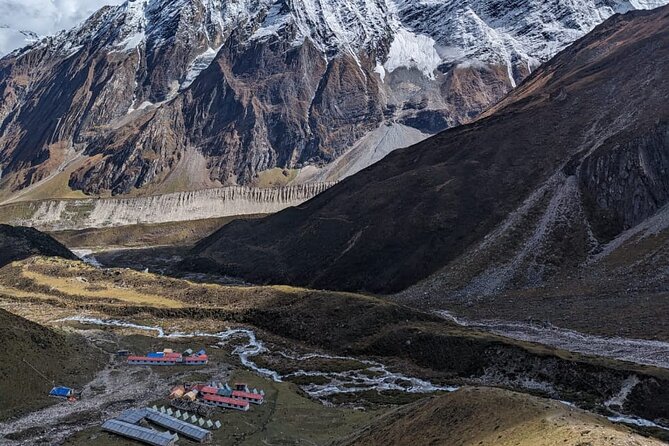
These early trekking days do a smart job of easing you into rhythm. The schedule puts you on trail for about 5 to 6 hours on multiple days, with frequent crossings and changing terrain.
Day 3, Budhigandaki to Machha Khola
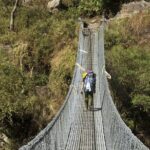
You start through Sal forests, then climb above large rapids on the Budhi Gandaki. The trail weaves up and down along rocky paths, including past two tropical waterfalls on a steep section that clings to a cliff. You finish the day at Machha Khola, after descending to the sandy river bed and crossing suspension bridges.
What to expect: lots of river energy. It is scenic, but the footing can feel uneven, especially where trails are rocky and narrow.
Day 4, Jagat
This is the day that includes a small hot spring at Tatopani. You cross suspension bridges over the Budhi Gandaki and Yaru Khola, plus you climb and descend stone stairs after landslide sections. The finish is Jagat, built into the river corridor and approached via ridges and riverbank trails.
Possible consideration: the description includes climbs, descents, and landslide areas. That usually means slower steps and more care on the ground.
Day 5, Sirdibas to Deng
You climb over a rocky ridge to Salleri, then descend to Sirdibas. The route continues upstream past Ghatta Khola and includes a long suspension bridge in Philim. After crossing millet fields to Ekle Bhatti, you enter a steep uninhabited gorge segment, then weave back across river banks as the valley widens. Bamboo forests show up before you reach Deng.
If you like variety, this is a solid day. You are not stuck with one kind of walking.
Day 6, Namrung (via Ghap/Gamp)
Today shifts tone. You enter a Buddhist-influenced area, then move through forest and reach Ghap, with an overnight at Gamp. It’s a transition day, the kind where you feel the trek becoming more focused toward the higher Manaslu region.
Other lodge to lodge routes near Kathmandu
Day 7 to Day 9: Namrung and Samagaon, plus Peak 29 views
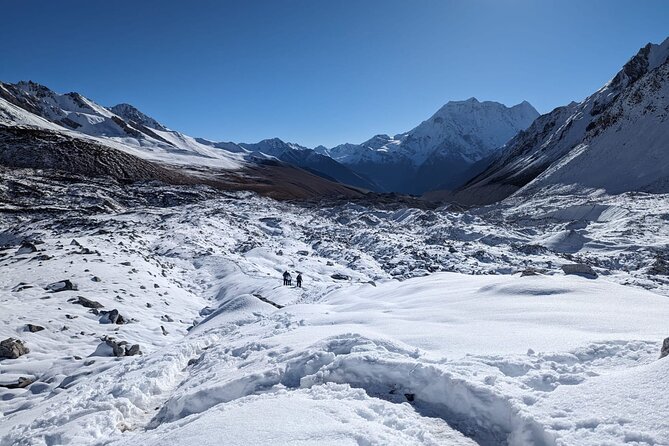
These days are where the trek starts feeling more like the classic “Manaslu” story: broader mountain sightlines, calmer village nights, and more time spent near the route’s core.
Day 7, Namrung
You climb through bamboo and rhododendron forests to Namrung, then enter the Nupri region. This is a forest day that still ladders you upward toward the bigger mountain angle.
Day 8, Samagaun
You follow the river with views of Peak 29, then arrive at Samagaon with views of Manaslu. You spend the night at camp, which in practice means basic lodging options along the route.
Day 9, Samagaon village and monastery
Instead of just walking through, you explore the monastery and village with great views. This pause is valuable. It helps you slow down, take in the place, and process what you have walked through so far.
Day 10 to Day 12: Samdo, then Larkya Bhanjyang pass day to Bimthang
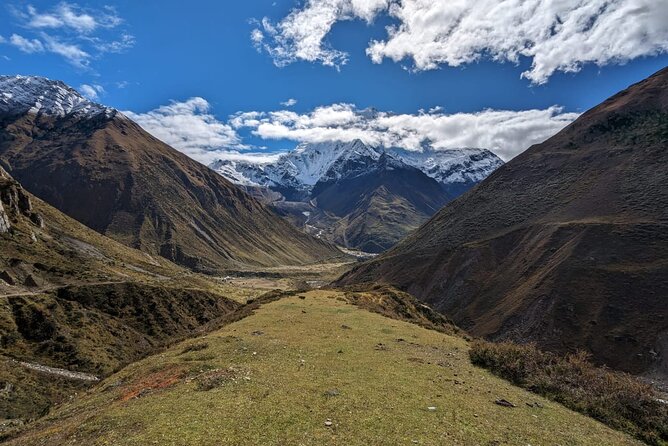
This is the “work” section, and it is also where you should expect some of the most dramatic sense of altitude and exposure. The plan keeps you moving, but the days are clearly designed around a pass push.
Day 10, Budhigandaki to Samdo
You follow the Budhi Gandaki to Samdo. This is a continued river corridor with a higher, more remote feel as you move forward.
Day 11, Larkya Bhanjyang
You start the ascent to the pass through tundra and juniper. That mix tells you a lot about temperature swings, wind exposure, and the kind of trail surface you may face compared to earlier forest days.
Day 12, pass summit views, then to Bimthang
The itinerary describes reaching the summit with panoramic views, then descending to Bimthang. Even without exact numbers, the route wording signals that you earn your views, not just stroll into them.
Practical consideration: pass days tend to reward a steady pace and an early start, because you are walking longer in colder, more exposed conditions.
Day 13 to Day 14: Bhimtang Lake viewpoint, forests on the way down, Chamje nights
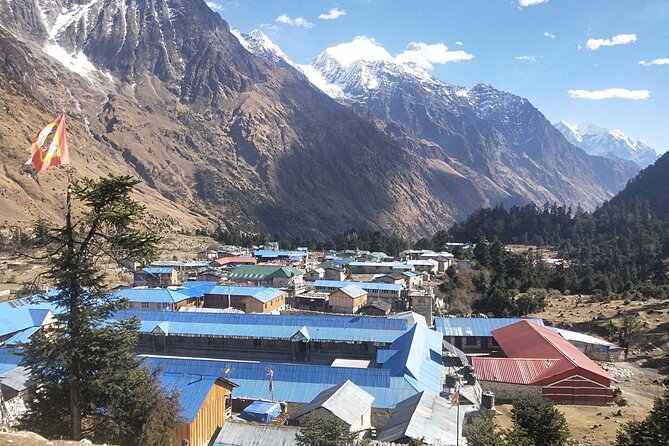
After the pass, the trek shifts to a descent and recovery rhythm. You will still hike, but the vibe changes from exposure and effort to forest walking and gradual settling.
Day 13, Bhimtang Lake viewpoint to Tilje
You descend through forests, reach a Bhimtang Lake viewpoint, then continue to Tilje for the night at camp.
Day 14, Tilje to Chamje
You follow the trail through scrub forests and arrive at Chamje. Again, the focus is on descent and flow, with less of that tundra feeling from the pass approach.
This is the stretch where you can appreciate the contrast between high, open areas and lower, softer vegetation.
Days 15 to 17: return to Kathmandu, Thamel time, and a final shopping loop
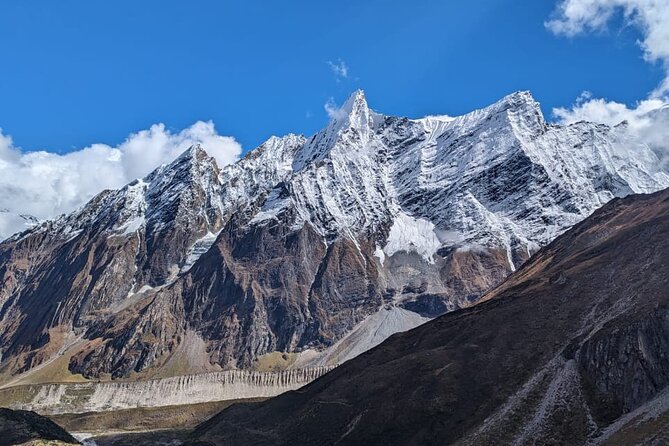
After Day 14, you drive back to Kathmandu through the countryside on Day 15. It is a good break from boots-on-stone reality, and it also means you avoid trying to squeeze too much into one last hiking day.
Day 16 is full day at leisure. The plan mentions relaxing or exploring Thamel, which is a practical option if you want a relaxed day with shops, cafes, and easy logistics.
Day 17 keeps it light: free time for last-minute shopping or activities, then transfer to the airport for departure. You finish with a buffer so you are not sprinting around town at the last minute.
Who this trek is best for, and who should think twice
This is described as challenging and requiring a moderate physical fitness level. That usually points to experienced walkers who can handle uneven trails and long days, and who are comfortable with the idea of a high pass segment.
You will likely love this trek if:
- You want a remote, less commercial circuit compared with Nepal’s headline routes
- You value organization, permits, and included meals that keep friction low
- You enjoy river corridors, village culture, and forest-to-tundra changes
You might want to think twice if:
- You are not comfortable with long uphill and downhill days, especially the tundra pass ascent segment
- You prefer trekking where the route is more settled and predictable than rocky river trails and suspension crossings
Should you book this Manaslu Trek?
If you want an authentic Manaslu Circuit experience with the hard logistics handled, this package is a strong match. The included permits, TIMS card, full board meals, and the guide plus porter system reduce a lot of stress, which lets you spend your energy on the trail itself.
Book it if you like the idea of circling Mount Manaslu, walking through Budhi Gandaki valley terrain, and earning that Larkya Bhanjyang pass day. Consider a different trek if you are looking for an easy walk with minimal effort, because this one clearly asks you to move most days for several hours and handle pass conditions.
FAQ
Where is the meeting point in Kathmandu?
The meeting point is World Himalaya Treks & Expeditions, सात घुम्ती मार्ग, Kathmandu 44600, Nepal.
How many days is the trek?
The duration is about 17 days.
What is the price per person?
The price is $1,900.00 per person.
What permits and cards are included?
The trip includes all necessary trekking permits, national park entry fees, and the TIMS card.
Is airport pickup and drop included?
Yes, airport pickup and drop are included.
What meals are included during the trek?
Breakfast, lunch, and dinner are included during the trek, described as full board meals.
What accommodation do I get in Kathmandu and during the trek?
In Kathmandu, you stay in three star deluxe twin share accommodation with breakfast as per the itinerary. During the trek, you stay in teahouse or mountain lodge accommodation.
How does the porter system work?
You get an experienced guide and porters, with a ratio of 1 porter for 2 people, and porter expenses and insurance are covered.
Is this a private tour?
Yes. It is described as private, with only your group participating.
What is not included, and what is the cancellation window?
Not included: beverages, personal or natural expenses, tips for guides and porters, and travel insurance. You can cancel up to 6 days in advance for a full refund.
Lodge to Lodge Around Kathmandu
The Rest of Our Kathmandu Write Ups

Langtang and Manaslu, the Quiet Valleys
Everything else we have reviewed around Kathmandu
- 12 Days Everest Base Camp Trekking
★ 5.0 · 3 reviews - 1 Night 2 Days Chitwan Jungle Safari Tour from Pokhara or Kathmandu
★ 3.0 · 3 reviews - Thamel Rickshaw tour
★ 4.7 · 3 reviews - Kathmandu: Momo Making Class with a Local Chef
★ 5.0 · 3 reviews - Kathmandu: Full-Day Yoga, Body Massage and Pedicure Package
★ 5.0 · 3 reviews - From Kathmandu / Pokhara / Chitwan: River Rafting – 1 Day
★ 4.6 · 3 reviews
Langtang & Manaslu Treks worth a second look.
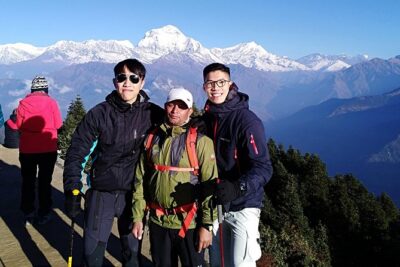 ★ 5.0Trekking in Annapurna/Langtang/Everest/Upper Mustang regionsFrom $40161 reviews
 ★ 5.0Langtang Valley TrekFrom $555140 reviews
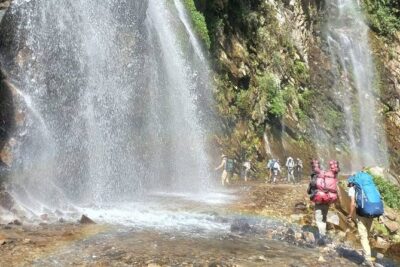 ★ 5.0Manaslu Circuit Trek (15 Days)From $1,65750 reviews
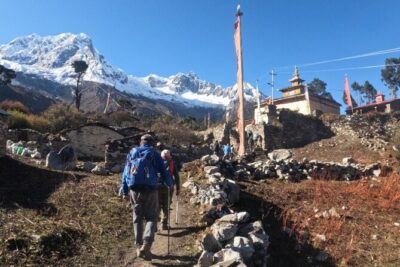 ★ 5.016 Day Private Manaslu Circuit Trek from KathmanduFrom $1,13542 reviews
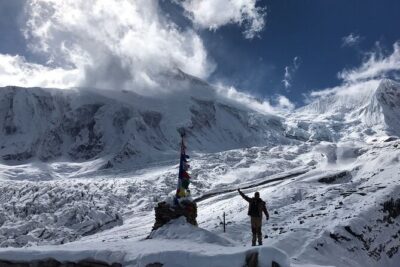 ★ 5.0Manaslu Circuit Trek 13 DaysFrom $1,40030 reviews
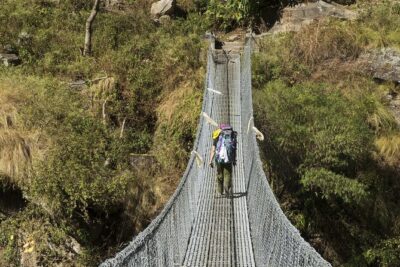 ★ 5.010 Days Manaslu Circuit Trek in Larke La PassFrom $1,04930 reviews
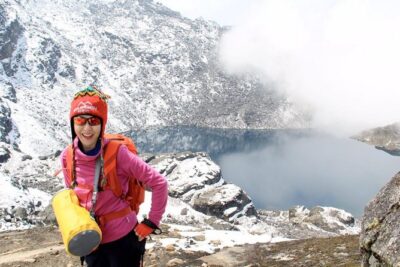 ★ 5.0Private 8 – Day Langtang TrekkingFrom $58429 reviews
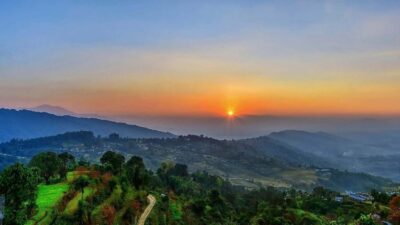 ★ 4.8Chisapani Nagarkot 3-Days 2-Nights TrekFrom $19029 reviews
Lists this tour sits in