
REVIEW · EVEREST BASE CAMP TREKS
Mera Peak Climbing
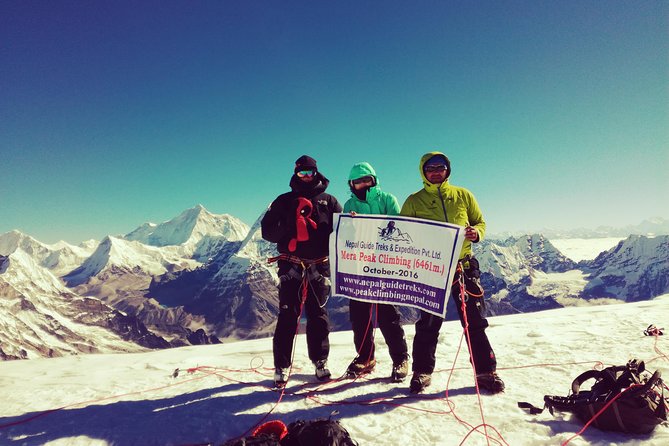
Mera Peak is a serious summit, with smart support. I love the 8000m view list you’re chasing, including Everest, Cho Oyu, Makalu, Kanchenjunga, Lhotse, and more. I also like that the route builds in time around the wild Hongu and Hinku valleys, not just a straight line to the top.
One thing to keep in mind, though, is that altitude and weather are real here. The plan includes clear guidance on acclimatizing, drinking enough, and descending early if you’re not improving, which is good, but it means you must take health decisions seriously.
In This Review
- Key Things I’d Pay Attention To
- Mera Peak’s Big View Promise, and What It Really Means
- Kathmandu Prep: The Part That Makes the Climb Easier Later
- Trekking Through Hongu and Hinku Valleys, With Real Community Time
- Tea House Meets Camping: What You’re Actually Signing Up For
- The Climb Phase: Permits, Acclimatization, and the Health Rules You Should Follow
- Hydration, food, and behavior
- Acclimatization and when you must descend
- Gear and emergency readiness
- Summit-Day Views: Chasing the Everest Region in One Frame
- Guides, Sherpas, and How Support Shows Up in Real Life
- Price and Value: What $3,000 Includes, and Why It Can Be Worth It
- Who This Mera Peak Climb Fits Best
- Should You Book This Mera Peak Experience?
- FAQ
- Where does the Mera Peak climbing trip start?
- How long is the experience?
- What’s included in the trip price?
- What is not included?
- What are the main physical requirements?
- Does the tour offer pickup and mobile ticketing?
- Can I cancel and get a full refund?
Key Things I’d Pay Attention To
- Mera Peak is Nepal’s highest permitted trekking peak south of Everest, so the climb comes with big expectations
- Big 8000m panoramas are part of the promise, including Everest, Cho Oyu, Makalu, Kanchenjunga, and Lhotse
- Hongu and Hinku valleys give you more quiet, less scripted trekking
- Highland Sherpa culture is built into the experience around local communities
- Small group size (max 15) means logistics are usually less chaotic than giant groups
- Real flexibility when conditions turn is a recurring theme in the team’s approach
Other routes to Base Camp, side by side
Mera Peak’s Big View Promise, and What It Really Means
Mera Peak is officially the highest of Nepal’s permitted trekking peaks that rise to the south of Mount Everest. That matters because it sets the tone for your whole trip. You’re not just doing a high trail, you’re aiming at a climb where weather windows and altitude management define the outcome.
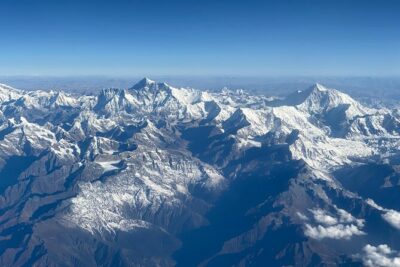
The most tempting part is the view list. The itinerary description highlights stunning sightlines of multiple 8000-meter mountains: Everest (8848m), Cho Oyu (8201m), Makalu (8485m), Kanchenjunga (8586m), and Lhotse (8516m), plus other peaks within the Everest region. On a clear day, that’s the kind of horizon that makes your photos look too good to be real.
But here is the practical reality: you should treat summit views as a best-case scenario, not a guarantee. Clouds, wind, and timing all affect what you see. The good news is the trip still earns its keep even on less perfect days because you’ll be trekking through Hongu and Hinku, and you’ll be living high among highland Sherpa communities rather than sprinting through a single scenic corridor.
Kathmandu Prep: The Part That Makes the Climb Easier Later
Your trip is based out of Kathmandu, with 4 nights in Kathmandu on a bed and breakfast plan. This is valuable because Mera Peak is not a “show up and wing it” experience. You want a buffer day or two to get yourself organized, check gear, and settle in at altitude-adjacent logistics levels where problems are still fixable.
In your shared details, the start point is Tribhuvan Airport in Kathmandu, and pickup is offered. There’s also a “Stop 1” on the Kathmandu side tied to Nepal Guide Treks and Expedition, which signals that you should plan on at least one real setup conversation. That matters because you’ll need to understand pacing, acclimatization expectations, and how your guide wants you to handle food, water, and rest.
Also pay attention to these small logistics details listed in the info:
- Mobile ticket use means you’ll want your phone charged and usable for key info
- The tour says it’s near public transportation, so you’re not stuck in the middle of nowhere if you need to grab something last minute
- The maximum group size is 15, which usually helps you get quicker answers when questions come up
Trekking Through Hongu and Hinku Valleys, With Real Community Time
The route highlight that I think most people underestimate is the focus on exploration around Hongu and Hinku valleys. These are described as wild, uninhabited, and beautiful. Translation: you’re likely to spend more time in quieter terrain rather than constant village-to-village motion.
This is the part you’ll feel most in your body. When the scenery is consistent but not crowded, your pace tends to settle. You walk longer with fewer distractions, and that can be good training for a summit push later.
The other culture angle that shows up in the overview is time with highland Sherpa tribe communities and their traditions. That’s not “museum culture.” It’s everyday life at high elevation, and it’s where you start to understand why locals treat mountain time differently than city schedules. You’ll also see the value of having an experienced guide, because culture and trail knowledge are both part of the same skill set at this altitude.
If you like trekking that feels like it has breathing room, Hongu and Hinku are a big part of the reason to book.
Tea House Meets Camping: What You’re Actually Signing Up For
During the trek, your package is described as Tea House + Camping combined food and accommodation. That mix is a practical choice for routes where you might not have fully consistent teahouse coverage or where the scenery and terrain encourage a camping segment.
Here’s how this affects you:
- Tea houses usually mean you can eat warm meals and sleep in a more settled setup
- Camping means more responsibility for your comfort basics and your ability to handle colder nights
Because the data says climbing permits and all necessary climbing gears are included, you’re not carrying everything. But it also says personal climbing gears are not included. That means you should treat “included” as one layer of equipment and still prepare for your own essentials (especially items that keep you warm, dry, and protected).
The smartest way to avoid surprises is to ask your organizer to confirm exactly what “necessary climbing gears” covers for your departure. The trip description even hints you should verify altitude gear availability. Don’t assume. Ask.
The Climb Phase: Permits, Acclimatization, and the Health Rules You Should Follow
Mera Peak is a trekking peak, but it’s still a serious altitude project. Your provided guidance in the “What to Expect” section is the key to how the team expects you to handle risk. Read it like a checklist, not like general advice.
Hydration, food, and behavior
You’re specifically told to:
- Drink enough water, and lukewarm water around 2 to 3 liters a day is recommended
- Avoid alcohol and smoking
- Eat light food that’s high in calories
- Add ginger and garlic to your food
This is practical because appetite can drop at altitude. High-calorie, light portions keep you fueled without forcing heavy meals that sit badly in your stomach.
Acclimatization and when you must descend
The guidance also gives clear decision points:
- If sickness is mild, stay put, don’t panic, sleep sufficiently, and drink enough water
- If it doesn’t improve even after acclimatizing, start descending
- If the case is serious, descend immediately
- It mentions using Diamox pills for serious cases
- It also mentions a Gamow bag to restore oxygen level and air pressure, but reminds you to check whether the trekking company provides all the needed altitude gear
Even if you’ve climbed elsewhere before, this kind of explicit protocol is worth respecting. At this altitude, you don’t “tough it out” your way back into safety.
Gear and emergency readiness
You’ll want to understand what your operator has on hand for altitude emergencies. The information you shared calls out the Gamow bag and Diamox, but it doesn’t say those are included. So treat it as a must-ask item:
- Is a Gamow bag available
- What altitude gear is provided versus what you must bring
- How your guide handles serious altitude sickness situations
Summit-Day Views: Chasing the Everest Region in One Frame
The climb is sold on views, and the math is impressive. You’re aiming for a vantage point where, if conditions cooperate, you can see a heavy concentration of major 8000-meter peaks. The overview highlights:
- Everest (8848m)
- Cho Oyu (8201m)
- Makalu (8485m)
- Kanchenjunga (8586m)
- Lhotse (8516m)
- plus other peaks in the Everest region
This is why many people choose Mera Peak over other permitted trekking peaks. It’s not just a summit badge, it’s a panorama assignment.
The best value mindset is this: don’t only plan for the peak. Plan for the whole climb day experience. That means dressing for cold winds, moving smoothly when you feel tired, and following the pacing advice your guide gives. If visibility is bad, you still get something from the journey, because you’ll have already built a high-altitude body rhythm through trekking in valleys like Hongu and Hinku and through Sherpa community time.
Guides, Sherpas, and How Support Shows Up in Real Life
This tour is explicitly described as having an experienced trekking and climbing guide, with all necessary climbing gears included. In the team stories included with your data, you can see how support works when things go sideways.
Several guide and Sherpa names show up, including Sonam Sherpa, Dandee, Samdu, Dende, and Sherpa support like Ming-ma. That pattern matters because it signals a consistent local climbing ecosystem rather than a random “figure it out” approach.
The other repeated theme is responsiveness and problem-solving. Your details highlight strong pre-trip communication and planning help, including messaging support (WhatsApp shows up in the shared notes) and the ability to adjust when conditions change.
One example from the shared experiences: an original route that involved Mera Peak to Amphu Laptsa Pass to Island Peak could not happen due to heavy snowstorms and pass closure. The team adjusted the plan so climbers could still aim for their goals. That is exactly the kind of flexibility you want on a mountain trip. Weather does not follow your calendar, so you need a team that can revise safely.
If you’re the type who worries about logistics, this is reassuring. It’s also reassuring for solo travelers. The shared notes include at least one solo female traveler choosing this group specifically for safety and having a logistics-focused setup.
Price and Value: What $3,000 Includes, and Why It Can Be Worth It
At $3,000 per person, this is not a budget trekking weekend. The value comes from what’s covered, not from the view alone.
From the details you provided, the price includes:
- 4 nights in Kathmandu (bed and breakfast)
- Climbing permits for Mera Peak
- Tea house + camping combined food and accommodation during the trek
- An experienced trekking and climbing guide
- All necessary climbing gears
And it also includes helpful practical features like pickup offered and mobile ticket.
What’s not included is equally important:
- International airfares and departure tax
- Personal climbing gears
- Personal expenses
- Tips to guides/porters
So here’s the balanced way to judge the deal: you’re paying for core mountain infrastructure (permits, guide, and core trekking and camping coverage). You’re not paying for your personal kit, and you’re not paying for getting to Nepal. If you plan your own packing and tipping thoughtfully, the price can feel straightforward for what you receive.
One more value factor: group size maxes out at 15, which usually helps with coordination. You’re less likely to feel like a number when it’s time for check-ins, pacing adjustments, and altitude health discussions.
Who This Mera Peak Climb Fits Best
This trip requires:
- Minimum age 18
- Strong physical fitness
- A willingness to follow altitude health guidance
So I’d point you toward this experience if you:
- Want a serious high-altitude day that’s still framed as a trekking peak
- Care about big 8000-meter mountain sightlines
- Like trekking that includes quieter valleys like Hongu and Hinku, not just crowded checkpoints
- Prefer a smaller group experience with guided support
I’d think twice if you:
- Are hesitant about taking early descent decisions seriously
- Don’t have the fitness baseline for multi-day high effort trekking
- Hate cold, basic sleep setups, since the package includes camping in addition to tea houses
Also, keep in mind the “What to Expect” guidance suggests you should talk to your guide about traveling to lower altitude if possible depending on your condition. That tells you this trip expects you to be flexible, not stubborn.
Should You Book This Mera Peak Experience?
If your goal is Mera Peak specifically, and you want a package that handles permits, guide support, and the core trekking stay setup, this tour looks like a solid match. The strongest reason to book is the combination of big Everest-region views and a trekking plan that includes Hongu and Hinku plus Sherpa community time. The second reason is the team approach: clear altitude rules, and a track record of adjusting routes when conditions turn difficult.
Before you commit, I’d do three quick checks:
- Ask what your team provides versus what you must bring for altitude gear and personal climbing items
- Confirm emergency readiness details tied to the Gamow bag reference
- Be honest about your fitness and your ability to follow the “descend if not improving” health approach
If you can say yes to those, then booking is an easy recommendation. If you’re still on the fence about fitness or altitude discipline, talk to a medical professional and your guide early. The right choice here is the one that keeps your plan flexible and your body safe.
FAQ
Where does the Mera Peak climbing trip start?
The start point is Tribhuvan Airport in Kathmandu, Nepal.
How long is the experience?
The duration is listed as approximately 18 days (about 18 days and 2 hours).
What’s included in the trip price?
Included are 4 nights in Kathmandu with a bed and breakfast plan, Mera Peak climbing permits, tea house plus camping combined food and accommodation during the trek, an experienced trekking and climbing guide, and all necessary climbing gears.
What is not included?
Not included are international airfares and departure tax, personal climbing gears, personal expenses, and tips to guides/porters.
What are the main physical requirements?
The tour states that travelers should have strong physical fitness, and the minimum age is 18.
Does the tour offer pickup and mobile ticketing?
Yes. Pickup is offered, and mobile ticketing is listed as a feature.
Can I cancel and get a full refund?
Yes. Free cancellation is available if you cancel at least 24 hours in advance for a full refund.
The Rest of Our Kathmandu Write Ups
Base Camp, Three More Ways
Everything else we have reviewed around Kathmandu
- 12 Days Everest Base Camp Trekking
★ 5.0 · 3 reviews - 1 Night 2 Days Chitwan Jungle Safari Tour from Pokhara or Kathmandu
★ 3.0 · 3 reviews - Thamel Rickshaw tour
★ 4.7 · 3 reviews - Kathmandu: Momo Making Class with a Local Chef
★ 5.0 · 3 reviews - Kathmandu: Full-Day Yoga, Body Massage and Pedicure Package
★ 5.0 · 3 reviews - From Kathmandu / Pokhara / Chitwan: River Rafting – 1 Day
★ 4.6 · 3 reviews
Everest Base Camp Treks worth a second look.
 ★ 5.0Everest Base Camp Trek – 14 DaysFrom $1,8001,499 reviews
 ★ 5.0Everest Base Camp TrekkingFrom $1,350485 reviews
 ★ 5.0Everest Base Camp Trekking – 13 DayFrom $1,399365 reviews
★ 5.0Everest Base Camp Trek -14 DaysFrom $1,420321 reviews
★ 5.0Everest Base Camp Trekking – 13 DayFrom $1,399365 reviews
★ 5.0Everest Base Camp Trek -14 DaysFrom $1,420321 reviews
 ★ 5.0Everest Base Camp Trekking – 2025/2026From $1,339199 reviews
 ★ 5.0Everest Base Camp TrekFrom $1,408193 reviews
 ★ 5.0Everest Base Camp Trek with Helicopter Return from Gorakshep to LuklaFrom $3,000161 reviews
14-Days Private Everest Base Camp TrekFrom $1,600152 reviews
★ 5.0Everest Base Camp Trek with Helicopter Return from Gorakshep to LuklaFrom $3,000161 reviews
14-Days Private Everest Base Camp TrekFrom $1,600152 reviews
Lists this tour sits in