
REVIEW · EVEREST BASE CAMP TREKS
Mt Everest Base CampTrek | Budget Package
Everest feels close on a budget. I love how this trek targets the big moments, especially Kala Patthar at dawn, while keeping the overall plan efficient with flights and tea house stays. I also like the human side, the responsive coordination from Jiban and the way guides Tony and Tika keep the pace steady and the group focused. One thing to think about upfront is that meals (breakfast, lunch, dinner) and key gear are not included, so you will spend more once you get on the trail.
This is a 14-day, up-and-over style trek in a small group (up to 15 people). You climb from warm valley altitudes into serious thin-air country, with planned acclimatization days so you do not just rush toward Everest Base Camp and hope for the best.
In This Review
- Key Points Worth Budgeting For
- Price and Logistics: What Your $400 Really Buys
- Kathmandu Arrival: Where the Trek Starts Before the Trail
- The Lukla Flight and the Phakding First Day: Expect Awe, Not Comfort
- Namche Bazaar: Acclimatization Makes the Difference
- Tengboche and Dingboche: Big Views Start After the Work
- Lobuche to Gorak Shep: The Trek Becomes Serious
- Everest Base Camp Area: What You Will Actually See
- Kala Patthar: Dawn Climb, Big Reward, Heavy Legs
- The Return Down: Pheriche to Namche to Lukla
- Tea Houses, Meals, and Gear: Where the Budget Shows
- Who This Trek Fits Best (And Who Should Rethink It)
- Should You Book This Budget Everest Base Camp Trek?
- FAQ
- How much does the Mt Everest Base Camp trek cost?
- How long is the trek?
- Where does the trek take place, and where does it start?
- Are flights included in the package?
- Is airport pickup and drop included?
- What kind of accommodation is provided during the trek?
- Does the package include a guide?
- What meals are included in the price?
- Do I need to arrange visa, insurance, and trekking equipment?
- What happens if the trek cannot run due to weather?
Key Points Worth Budgeting For
- Kala Patthar pre-dawn timing for classic Everest views when the air is calmer
- Small group size (max 15) for a more manageable, supportive trek rhythm
- Strong guide support highlighted by coordinator Jiban and guides Tony and Tika
- Tea house accommodation for 10 nights so you travel light and sleep where you can
- Long walking days near the end that test your legs, especially after Base Camp
Other routes to Base Camp, side by side
Price and Logistics: What Your $400 Really Buys
This trek is priced as a true budget option at $400, and that price makes the big region feel attainable. What you are getting for the money is the core moving parts: round-trip flights between Kathmandu and Lukla, a private airport pickup and drop, and 10 nights tea house accommodation with a guide and safety basics like a medical kit plus a preparatory session.
What you are not getting is food and gear. The package does not include breakfast, lunch, or dinner, and it does not include trekking equipment or insurance. That is not a deal-breaker, but it changes how you plan.
My advice: budget your trail day spending separately and bring the basics you will need (or arrange renting locally if the operator can help). Also, get travel insurance before you go. The trek is high altitude and weather can shut things down fast.
Kathmandu Arrival: Where the Trek Starts Before the Trail
You start in Kathmandu, with a pickup and drop included. That matters more than people think, because getting organized in the city is part logistics, part confidence-building. There is also a preparatory session before and after arrival, which is useful when you are going from normal life to a serious altitude trek.
This is where the coordination quality shows. In past experiences with Adventure Vision Treks and Travels, the trip coordinator Jiban has been described as highly responsive and on top of what you need. That kind of follow-through helps you avoid the common stress of missing papers, misunderstandings about meeting points, or being unclear about what day feels like.
Then you shift to the flight day. Kathmandu is not the altitude test yet, but it is the place where you confirm your plan.
The Lukla Flight and the Phakding First Day: Expect Awe, Not Comfort
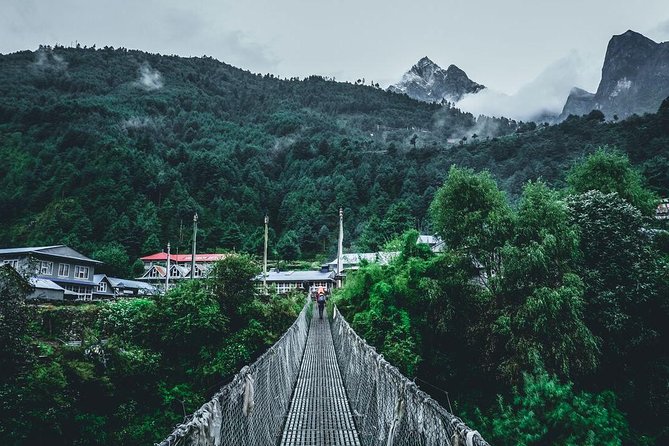
Day two begins with the flight from Kathmandu to Lukla, then a trek to Phakding (around 8 km, about 3 to 4 hours). Lukla is where the Everest dream becomes real. Even if you have seen photos, the first steps out of the airport area feel sharper and more immediate.
Phakding sits around 2,651 m, and that first hiking day is designed to get your legs moving without smashing you with altitude pressure. It is still uphill and rocky in places, and you will feel every clunky shoe choice, so wear something you trust.
This is also a day where pacing is everything. I like how the first day is short enough that you can focus on breathing, foot placement, and getting used to the thin air.
One practical note: after flights and early trekking, you will probably want an easy meal and a calm night. The itinerary includes a stop at an Irish Pub in the mix of town breaks, which can be a nice place to reset, but do not let it turn into a late night. Altitude mornings punish sloppy sleep.
Namche Bazaar: Acclimatization Makes the Difference
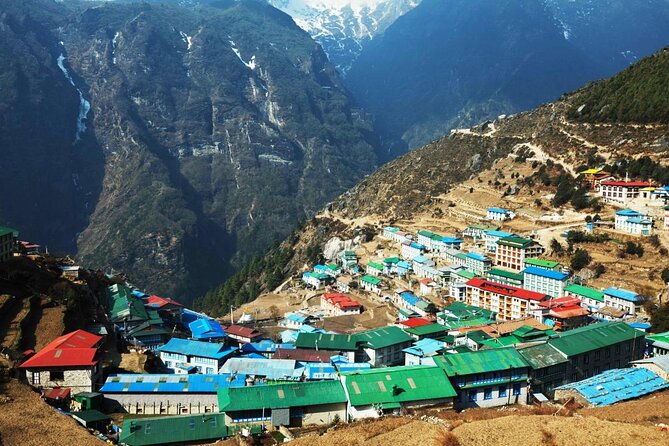
Day three takes you from Phakding to Namche Bazaar (about 11 km, 5 to 6 hours) climbing to roughly 3,438 m. Namche is the big hub. It is where you see more trekkers, more Sherpa villages culture, and more of that Everest-adjacent everyday life.
Then you get the big gift: an acclimatization day at Namche on day four. You are around 3,440 m during that rest day, and you build in time for your body to adjust. That is one reason this budget package feels more complete than some bargain versions that rush you.
If you want a simple rule for acclimatization, use this: move a little, rest a lot, drink water regularly. You will still feel tired, but you should not feel helpless. Acclimatization is not a guarantee, but it is a smart design choice.
Tengboche and Dingboche: Big Views Start After the Work
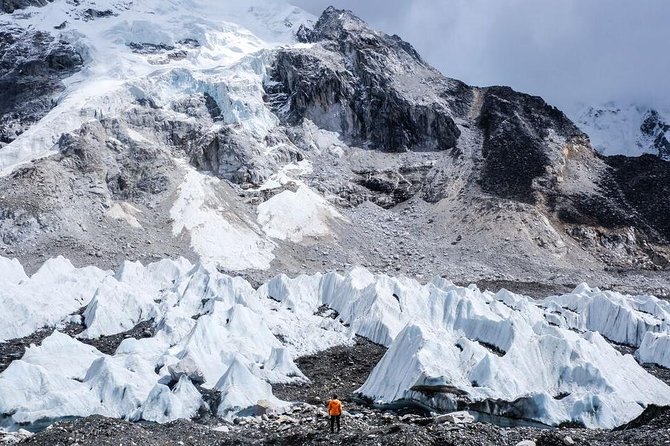
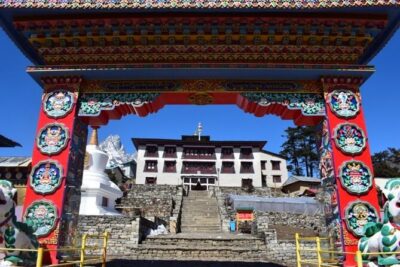
Day five is Namche to Tengboche (about 10 km, 5 to 6 hours), landing you near 3,870 m. Tengboche is known for its gompa, and the itinerary specifically includes Tengboche Gompa. Even if you are not into religious sites, this stop is meaningful because it is where the trail energy changes. You see peak walls and you feel the spiritual seriousness of the region.
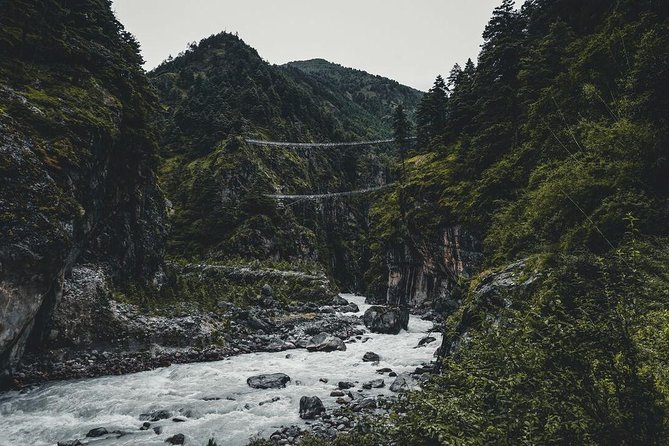
Day six continues to Dingboche (around 9 km, 5 to 6 hours) rising to about 4,360 m. That is a noticeable jump. You will feel it in your breathing and your pace.
Day seven is another acclimatization day in Dingboche. Again, this is not wasted time. At this elevation, you are working against oxygen, not just distance. A second acclimatization day is one of the most valuable parts of the itinerary because it helps reduce the odds that you will get hit hard later.
Lobuche to Gorak Shep: The Trek Becomes Serious
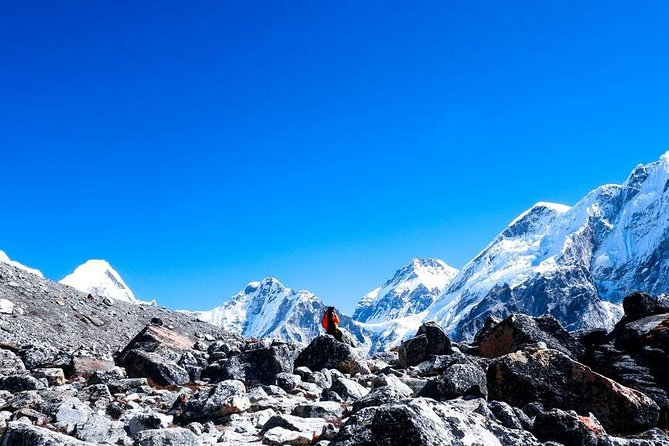
Day eight takes you from Dingboche to Lobuche (about 7 km, 5 to 6 hours), climbing to roughly 4,940 m. Day nine goes from Lobuche to Gorak Shep (about 13 km, 6 to 7 hours), and Gorak Shep sits around 5,170 m.
This segment is where the terrain and fatigue stack up. The walking can feel long, and the air gets thinner. You are also closer to the glaciated scenery, which can bring strong winds and temperature drops, even when the sky looks calm.
The itinerary does something smart here: it schedules your Everest Base Camp visit on the next day’s run, so day nine ends with you positioned high and ready.
Also, if you want the honest truth about budget treks: tea houses can be basic, and you need to plan your energy. Keep your snacks simple and light, and save your big meal appetite for when you get back down later.
Everest Base Camp Area: What You Will Actually See
Day nine includes visiting Everest Base Camp around 5,364 m, after you reach Gorak Shep. The plan is built around reaching the Base Camp zone at an altitude where the air feels thin and your legs feel heavy.
This is the moment many people came for. Up close, the area feels less like a single photo and more like a working gateway to Everest season, with activity, movement, and a serious sense of scale in the air around you.
You will also likely see other trekkers making the same choice: slow down, take photos, and then keep going because the route does not wait.
The itinerary mentions Everest Camp II (2) as a stop, so expect that you are not just walking to one exact marker. The area around Base Camp can mean multiple viewpoints and trekking lines depending on conditions and timing.
Kala Patthar: Dawn Climb, Big Reward, Heavy Legs
Day ten is one of the signature moments: Gorak Shep to Kala Patthar (about 5,545 m) and then trekking down to Pheriche (around 4,288 m). It is roughly 16 km total and listed as 7 to 8 hours, including the pre-dawn push.
This is the segment where people often find out what they truly packed, how well they paced, and how they manage cold. A pre-dawn climb means you will feel temperature fast, and your hands and feet will tell you how prepared you are.
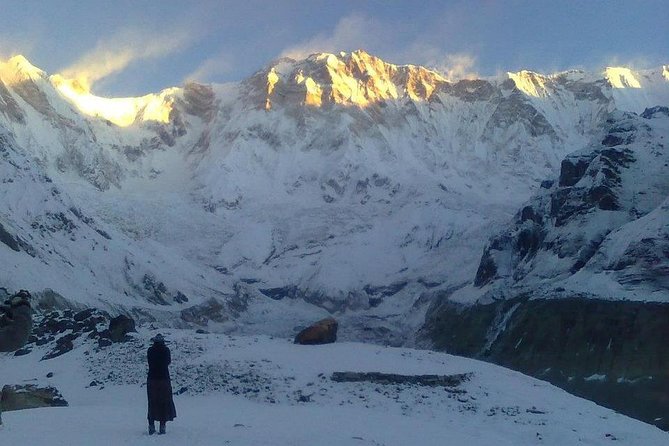
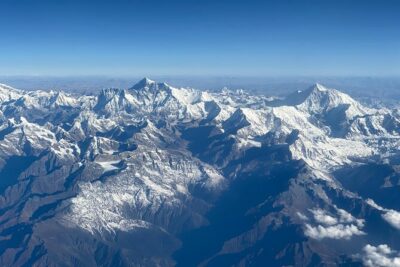
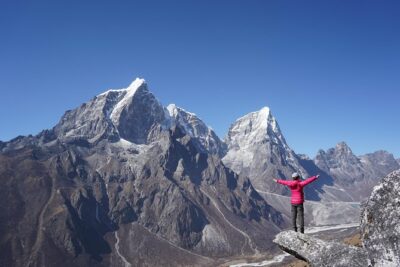
But the payoff is exactly what the route promises: the grand view of Everest, south Col, Nuptse, and lower glaciers from the Kala Patthar vantage point. This is also when you get a cleaner line of sight, when the light is new and the wind sometimes behaves.
For value, this is the best use of your time and budget. If you are spending money to be this high, this is the view that makes the effort make sense.
One thing to remember: day ten is long. Even though you go downhill after Kala Patthar, your legs are tired. Plan for aching ankles and take it slow on steps.
The Return Down: Pheriche to Namche to Lukla
After Kala Patthar and the drop to Pheriche, day eleven goes from Pheriche to Namche Bazaar (about 20 km, 6 to 7 hours). Day twelve continues from Namche to Lukla (about 19 km, 6 to 7 hours), descending a lot to around 2,860 m.
Downhill sounds easy, and it can be, but it can also be brutal. Long days after high-altitude efforts often mean sore knees and tired muscles. This is where good trekking habits matter: short steps, steady cadence, and not rushing because you want the finish line.
Also, the itinerary includes an Irish Pub stop again around this phase, which can be a welcome reset point after a long trek day. Just keep it practical, eat early, and protect your sleep for the flight day.
Finally, day thirteen is the flight back to Kathmandu, and day fourteen is your final departure.
Tea Houses, Meals, and Gear: Where the Budget Shows
This package includes 10 nights tea house accommodation. That means you will sleep in the basic trekking lodges that line the route. What is not included is your food: breakfast, lunch, and dinner are on your own.
That is a big practical point for a budget trek. Tea houses can offer meals, but you will pay for them, and prices can rise as you gain altitude. Plan to carry some snacks, and do not assume you will always find your preferred options far up high.
As for gear, trekking equipment is not included. This matters because high altitude demands warm layers, good gloves, and footwear that can handle cold stone and loose sections. You do not want to improvise here. If you do not have the right gear, you will end up spending extra and feeling it in your body.
Insurance is also not included. For Nepal treks at altitude, insurance is part of the responsible equation. The itinerary mentions a comprehensive medical kit is included, which is helpful, but it does not replace coverage for emergencies.
And yes, altitude does not care about your budget. It cares about your pace.
Who This Trek Fits Best (And Who Should Rethink It)
This trek is designed for travelers with moderate physical fitness. That is an honest match if you are comfortable walking for several hours at a time, managing steep sections, and handling long days near the end.
It also suits you if you want a structured plan with acclimatization days and a guide team that keeps you organized. The reviews around Adventure Vision Treks and Travels highlight that the guides Tony and Tika are patient and helpful, and that they guide well in a way that helps you build trekking skills. That kind of teaching tone can make the trek feel less scary if you are not a seasoned hiker.
You might want to rethink if:
- you are not ready for long trekking days around 5,000 m-plus
- you hate cold early mornings, since Kala Patthar is a pre-dawn climb
- you do not want to handle additional costs like meals, gear, and insurance
Should You Book This Budget Everest Base Camp Trek?
I would book this if you want the core Everest Base Camp experience without paying for luxury extras, and you want a team that seems to take coordination seriously. The best signals are the guide support and the way the itinerary builds in acclimatization, then rewards it with a Kala Patthar dawn climb.
Do not book it on autopilot, though. Because meals and equipment are not included, your real cost will depend on your choices in Kathmandu and on the trail. Also, make sure your training matches the plan, especially the long walking days after Base Camp.
If you prepare your gear, pace your effort, and treat acclimatization days as part of the climb, this budget package has a strong chance of delivering the feeling people chase when they come to Everest country.
FAQ
How much does the Mt Everest Base Camp trek cost?
The package price is listed as $400.
How long is the trek?
The duration is approximately 14 days.
Where does the trek take place, and where does it start?
The tour is based in Kathmandu, Nepal, and it includes flights from Kathmandu to Lukla and back.
Are flights included in the package?
Yes. The package includes round trip flights KTM to Lukla and back to KTM.
Is airport pickup and drop included?
Yes. Private transportation pickup and drop is included.
What kind of accommodation is provided during the trek?
You get 10 nights of tea house accommodation.
Does the package include a guide?
Yes. You get an English speaking trekking guide.
What meals are included in the price?
None of the meals are included. Breakfast, lunch, and dinner are not included.
Do I need to arrange visa, insurance, and trekking equipment?
Visa cost, insurance cost, and trekking equipment are not included. Tips and personal expenses are also not included.
What happens if the trek cannot run due to weather?
The experience requires good weather. If it is canceled due to poor weather, you will be offered a different date or a full refund.
The Rest of Our Kathmandu Write Ups

Base Camp, Three More Ways
Everything else we have reviewed around Kathmandu
- 12 Days Everest Base Camp Trekking
★ 5.0 · 3 reviews - 1 Night 2 Days Chitwan Jungle Safari Tour from Pokhara or Kathmandu
★ 3.0 · 3 reviews - Thamel Rickshaw tour
★ 4.7 · 3 reviews - Kathmandu: Momo Making Class with a Local Chef
★ 5.0 · 3 reviews - Kathmandu: Full-Day Yoga, Body Massage and Pedicure Package
★ 5.0 · 3 reviews - From Kathmandu / Pokhara / Chitwan: River Rafting – 1 Day
★ 4.6 · 3 reviews
Everest Base Camp Treks worth a second look.
 ★ 5.0Everest Base Camp Trek – 14 DaysFrom $1,8001,499 reviews
 ★ 5.0Everest Base Camp TrekkingFrom $1,350485 reviews
 ★ 5.0Everest Base Camp Trekking – 13 DayFrom $1,399365 reviews
★ 5.0Everest Base Camp Trek -14 DaysFrom $1,420321 reviews
 ★ 5.0Everest Base Camp Trekking – 2025/2026From $1,339199 reviews
 ★ 5.0Everest Base Camp TrekFrom $1,408193 reviews
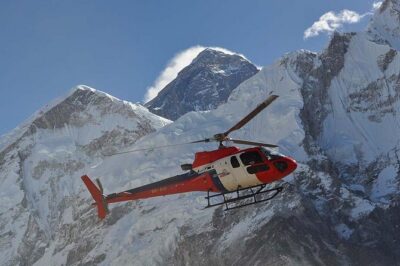 ★ 5.0Everest Base Camp Trek with Helicopter Return from Gorakshep to LuklaFrom $3,000161 reviews
14-Days Private Everest Base Camp TrekFrom $1,600152 reviews
Lists this tour sits in