
REVIEW · LANGTANG & MANASLU TREKS
Private Manaslu Circuit Trek at Himalayas
Manaslu feels quieter than the big routes. I love the restricted-area approach and the chance to see Tibetan-influenced villages with mani walls and prayer wheels, and I love that you get real acclimatization days at base camp and Samdo. The main drawback to plan for is altitude pressure, especially once the itinerary pushes toward Larkya La.
This trip runs as a private trek, so you are not squeezed into someone else’s pace. You travel by bus to start and end, sleep in tea house or lodge-style accommodation on the trail, and you hike with a licensed guide who brings insurance, food for the guide, and key safety tools like an oximeter.
At $1,500 per person for about 13 days, it is not a budget deal, but it can be good value if you want someone handling the permits, trekking logistics, and most of your on-trail costs in one package.
In This Review
- Key highlights I’d focus on
- Why the Manaslu Circuit can feel calmer than the famous treks
- Price and value: what $1,500 buys on this Manaslu trek
- Permits, private group rules, and who can book
- Day-by-day: Machha Khola to Lho, from first steps to real altitude
- Day 1: Kathmandu to Machha Khola, then you start the circuit
- Day 2: Jagat, narrow trails, and a hot spring stop
- Day 3: Pewa, long transfer time
- Day 4: Namrung, scenery climbing begins to show
- Day 5: Lho, a shorter trekking day that still matters
- Day 6: Sama Gaon, reaching the edge of the trekking world
- Day 7 to 9: Acclimatization at Manaslu Base Camp and Samdo
- Day 7: acclimatization at Manaslu Base Camp (about 4,400 m)
- Day 8: Samdo, about 4 to 5 hours of trekking
- Day 9: Samdo rest day, village time and a short hike option
- Day 10 to 13: Larkya La at 5,160 m, then down to Bimthang and Dharapani
- Day 10: toward Larkya Phedi or Larkya Base Camp (about 4,460 m)
- Day 11: Larkya La Pass, about 5,160 m
- Day 12: descend to Bimthang (about 3,720 m)
- Day 13: down to Dharapani, then back toward Kathmandu
- Lodges, meals, and keeping warm when the air changes
- Guide support and pace: why private can feel easier
- Who should book this Manaslu Circuit trek
- Should you book this Manaslu Circuit Trek?
- FAQ
- What permits are included for the Manaslu Circuit trek?
- Is this trek private?
- How does the trek handle altitude acclimatization?
- What meals are included during the trek?
- What trekking equipment is provided?
- What is not included in the tour price?
- Is there a minimum number of people required to book?
Key highlights I’d focus on
- Manaslu Restricted Permit plus MCAP and ACAP handled for you, which matters a lot in this region
- Acclimatization planning built into the schedule with a base camp day and a Samdo day
- Tea house or lodge stays with a set meal plan on the trekking days
- Lodge-to-lodge rhythm with some long travel segments by bus to manage effort
- Guides who match pace and prioritize safety, with examples like Yaka, Laxman, and Raj in past journeys
The quieter valleys: Langtang and Manaslu
Why the Manaslu Circuit can feel calmer than the famous treks
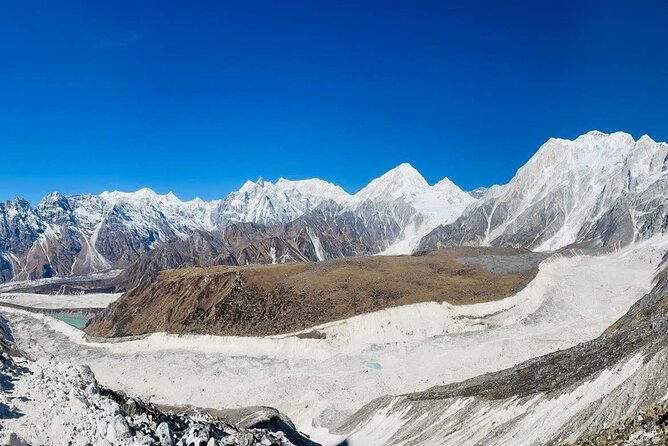
The Manaslu Circuit sits in Nepal’s restricted trekking zone for a reason: access is regulated, and that alone helps reduce the kind of crowd pressure you see on other routes. For you, that can mean more breathing room in villages, less traffic on the trail, and a trek that feels more like a long conversation with the mountains instead of a conveyor belt.
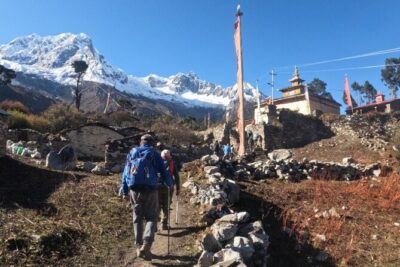
I also like how the journey leans into Tibetan-influenced culture as you move through smaller settlements. You’ll see Buddhist markers like prayer wheels and mani walls, and those details show up in daily life, not just at a single viewpoint photo stop.
The trade-off is that “quieter” doesn’t mean “easy.” You still face serious altitude changes, and the Larkya La section is where you need to be mentally ready for cold, effort, and slow steps.
Price and value: what $1,500 buys on this Manaslu trek
Let’s break down what the price covers, because this is where the value story is either solid or not.
Included in the tour price:
- Transport by bus from Kathmandu to Machha Khola, and from Dharapani back to Kathmandu
- A professional trekking guide (government licensed) with insurance and food
- Tea house or lodge accommodation during the trek
- Key paperwork: Manaslu Restricted Permit, plus Manaslu Conservation Area Permit (MCAP) and Annapurna Conservation Area Permit (ACAP)
- Trekking-support items if necessary: sleeping bag, down jacket, and duffle bag (returned after the trek)
- Safety kit: well-equipped first aid kit and an oximeter
- Farewell dinner in Kathmandu on the last night
- Most meals on the trail: breakfast 13 times, lunch 13 times, dinner 12 times
Not included (things you should budget for separately):
- Meals in Kathmandu (so you’ll want spending money for at least some hotel or pre-trek days)
- All drinks during trekking
- Porter service (your bag is your responsibility unless you add help)
- Personal travel insurance, and rescue and evacuation service
- International airfare, visa fees, and taxes
- Tipping the guide and porters
- Any upgraded Kathmandu accommodation
One practical way to judge value is this: if you would otherwise pay for a licensed guide, handle restricted permits, and cobble together bus transfers and on-trail meals, this package can save you time and stress. If you already have a guide, have permits sorted, and plan to do self-supported lodge trekking, then $1,500 might feel high. But for most people planning a restricted-area circuit, it is a straightforward “less to organize” deal.
Permits, private group rules, and who can book
This is a restricted trekking area, so rules matter. The tour includes the Manaslu Restricted Permit and the conservation permits you need: MCAP and ACAP. That removes the biggest paperwork headache from your side.
It is also a private tour/activity, meaning it is run for just your group. At the same time, because this is restricted territory, there’s a minimum booking requirement: at least two people are needed to book this trek.
Fitness note: the trip is aimed at people with moderate physical fitness. The itinerary has day-to-day walking and travel segments, plus altitude, so it is not a “casual hike,” even if some days include shorter walking.
Day-by-day: Machha Khola to Lho, from first steps to real altitude
This first phase is about getting moving, learning the rhythm, and gradually turning up the altitude dial without jumping straight to the hard days.
Private guides for Kathmandu, a few more
Day 1: Kathmandu to Machha Khola, then you start the circuit
You take a 7 to 8 hour bus ride from Kathmandu, with the plan pushing you toward the trek start near Machha Khola. The max altitude listed is about 1,400 m. This is a travel day first, so it helps to treat it like that: hydrate, don’t overstuff your evening, and sleep early.
Day 2: Jagat, narrow trails, and a hot spring stop
Day 2 adds real trekking: 6 to 7 hours walking with max altitude around 1,410 m in Jagat. The route is described as narrow, and it crosses the Tharo Khola, reaching Khorlabesi. There’s also a hot spring along the way, which can be a nice reset if you’re feeling stiff after Day 1.
A practical tip here: hot spring time can make you feel good, but it can also cool you down after. Aim for warm, comfortable, then get your layers back on before the trail turns colder.
Day 3: Pewa, long transfer time
You spend about 7 hours traveling toward Pewa, with max altitude around 1,860 m. Because this day leans more toward travel than constant hiking, it can feel like a gearing-up day. Use it to keep your legs warm and your attitude patient.
Day 4: Namrung, scenery climbing begins to show
Another 6 hours travel brings you toward Namrung, max altitude about 2,630 m. This is where the air starts feeling noticeably thinner for many hikers. Keep your effort controlled, even if you feel okay early.
Day 5: Lho, a shorter trekking day that still matters
Day 5 is listed as a 4 hour travel day with max altitude about 3,180 m at Lho. The trek day is noted as relatively short, which can be a blessing, but don’t treat it like vacation time. Sleep matters, because you are building toward a higher baseline over the next couple of days.
Day 6: Sama Gaon, reaching the edge of the trekking world
Day 6 runs about 7 hours travel, topping out around 3,530 m at Sama Gaon. You are now in the zone where altitude effects can show up even for experienced walkers. This is also a good time to start moving with a slow, steady pace and to speak up early if you feel off.
Day 7 to 9: Acclimatization at Manaslu Base Camp and Samdo
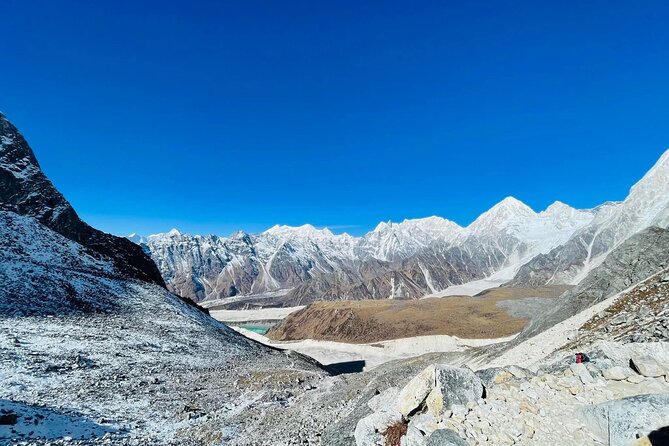
These are some of the most important days on the entire itinerary. Not because they are long, but because they help your body adjust.
Day 7: acclimatization at Manaslu Base Camp (about 4,400 m)
Day 7 is your acclimatization day, reaching a max altitude around 4,400 m. This is where you stop treating the trek like a straight line and start treating it like altitude management. You’ll use the day to support your breathing and get your systems used to sleeping at higher elevations.
Day 8: Samdo, about 4 to 5 hours of trekking
Day 8 brings a 4 to 5 hour trek, and the max altitude listed is about 3,690 m at Samdo. The route descends to the Budhi Gandaki River, then continues to Manaslu Base Camp area. You also pass along the Larkya la Trail. Translation for your day: you might feel both higher and lower than you expected, so stick to a controlled pace.
Day 9: Samdo rest day, village time and a short hike option
Day 9 is another acclimatization day, again around 3,690 m. The plan calls for exploring Samdo and possibly hiking up the valley, including a hike to a trade pass area connected to Tibet for views. This is the type of day where you can soak in culture and take pressure off your legs, while still keeping some gentle movement.
If you get a choice in how hard to go, I’d steer toward moderate effort. Save your energy for the next phase, when the climb toward Larkya La gets serious.
Day 10 to 13: Larkya La at 5,160 m, then down to Bimthang and Dharapani
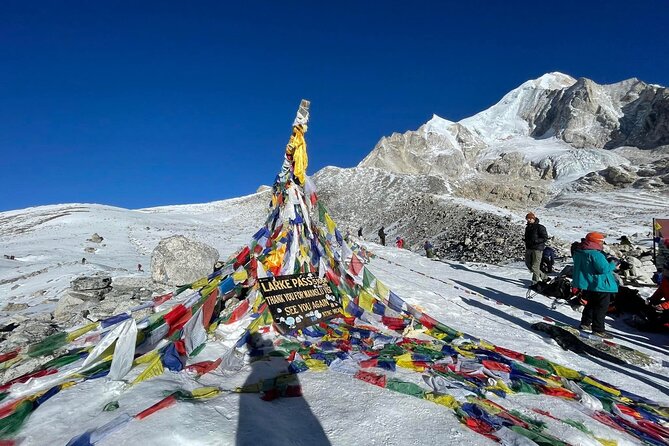
This final section is the heart of the Manaslu Circuit. It is where the views can be huge, and where your pacing and cold tolerance matter most.
Day 10: toward Larkya Phedi or Larkya Base Camp (about 4,460 m)
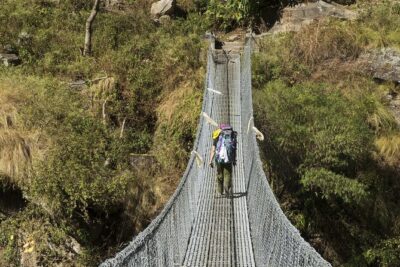
You hike about 4 to 5 hours toward Dharamshala, max altitude around 4,460 m, often referred to as Larkya Phedi or Larkya Base Camp. You cross a wooden bridge over the Budhi Gandaki, then cross two streams.
A bridge is more than a detail. It’s where you’ll notice wind chill and footing conditions. Take your time, keep your pack stable, and aim for steady steps. This is the sort of day where being careful saves you from being tired later.
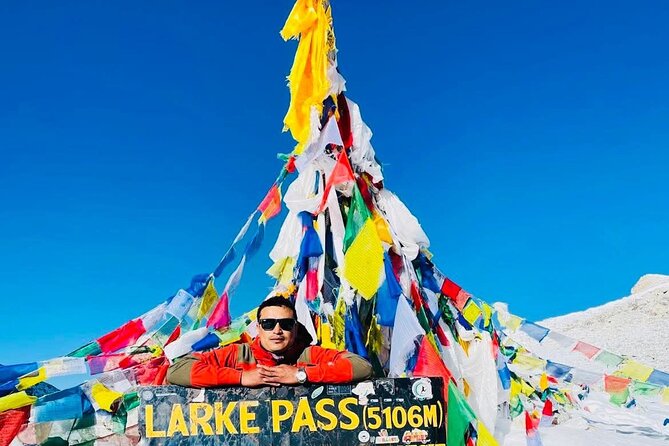
Day 11: Larkya La Pass, about 5,160 m
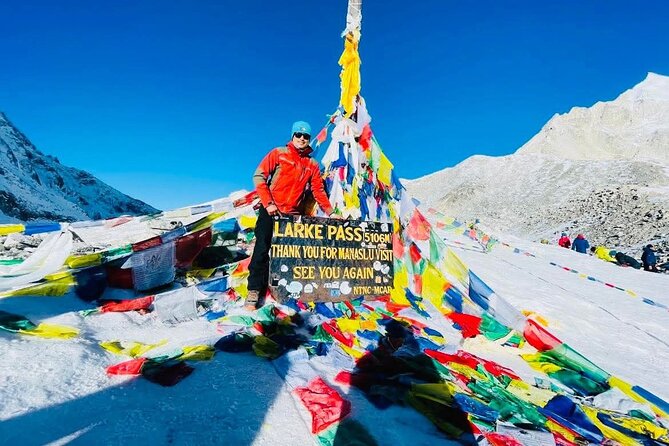
Day 11 lists 7 to 8 hours walking, reaching max altitude around 5,160 m at Larkya La Pass. The description mentions reaching a valley after a short walk, with views of Cho Danda and Larkya Peak. The trail then heads through moraines of glaciers.
For you, this is the day to think about effort management. Even if you feel strong, keep moving smoothly, take breaks before you feel panicky, and let your guide set the rhythm.
Day 12: descend to Bimthang (about 3,720 m)
Day 12 is about 9 hours traveling, with max altitude around 3,720 m at Bimthang. After a high pass day, descent days can still be hard because your knees and ankles do the real work. Expect long time on your feet, and plan to keep your stride short and controlled.
Day 13: down to Dharapani, then back toward Kathmandu
Day 13 includes about 8 to 10 hours travel, with max altitude around 1,963 m at Dharapani. It is the finish line day, and from here you return by bus to Kathmandu, which is included in the tour.
By the end, you should feel that specific kind of trekking satisfaction: not just that you reached the end, but that you learned how your body handles altitude, wind, and long days.
Lodges, meals, and keeping warm when the air changes
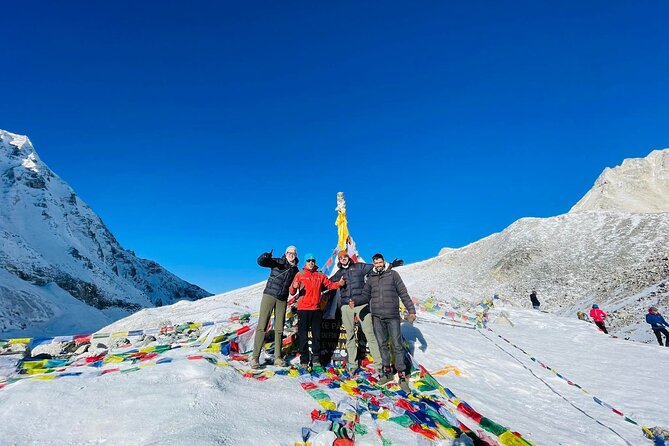
On this trek, you stay in tea house or lodge accommodation. That means you are not sleeping in tents, and you are not going fully wilderness-supply free. It keeps the experience realistic for most walkers, and it supports a smoother daily routine.
Meals are planned on the trail:
- Breakfast 13 times
- Lunch 13 times
- Dinner 12 times
What is not covered is Kathmandu meals, plus all drinks during trekking. For many people, drinks are where the extras add up, especially as the temperature drops. If you want a comfortable budget, plan on paying for water and warm drinks yourself.
Warmth matters here, and the tour includes key cold-weather support if you need it: sleeping bag, down jacket, and duffle bag (to be returned after the trek). That is helpful because gear rental can be confusing if you arrive without the right pieces.
Guide support and pace: why private can feel easier
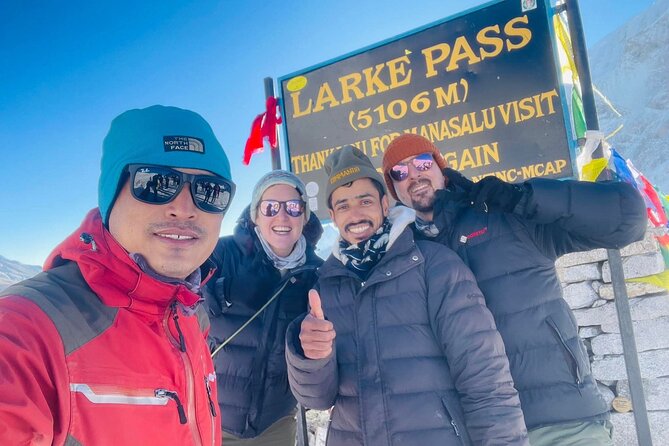
With a private group trek, you are not competing with someone else’s shoe speed. You get a professional guide with a government license, plus insurance coverage and his food included.
The guide experience has been highlighted with real names in past journeys, which gives you something concrete to look for. If your team includes Yaka and Laxman, past trekkers praised a caring, kind approach and appreciated how bags were carried. When the guide is Raj, people described it as fast, safe, and well-organized, with pace matched to what the group wanted while keeping altitude management in check.
Even if your guide is someone else, the guiding style you want is consistent: steady pace, altitude awareness, and clear decisions when weather and trail conditions change.
Who should book this Manaslu Circuit trek
This trek fits you best if:
- You want a restricted-area circuit with permits already handled
- You prefer tea house or lodge trekking, not full camping
- You want a plan that includes acclimatization days rather than pushing straight through
- You can handle altitude progression toward 5,160 m
You might think twice if:
- You are aiming for a short, low-altitude walk. This route climbs and includes Larkya La
- You do not want to budget for drinks during trekking, Kathmandu meals, or tipping
- You need porter help but did not arrange it, since porters are not included in the package
Also note: the operator requires at least two people to book, because of the restricted trekking rules.
Should you book this Manaslu Circuit Trek?
I’d say book if you want a well-organized Manaslu Circuit that handles the hardest parts for you: permits, licensed guiding, on-trail meals, lodge stays, and altitude pacing. The private setup is a real advantage when you care about your own walking rhythm.
I would hesitate if you are sensitive to extra costs like drinks, or if you hate altitude days where the itinerary forces slower effort. Also make sure you are comfortable being responsible for your own bag, since a porter is not included.
If you’re the type of traveler who likes quiet trails, Buddhist villages, and the big payoff of a high pass day, this is a strong match.
FAQ
What permits are included for the Manaslu Circuit trek?
The package includes the Manaslu Restricted Permit, Manaslu Conservation Area Permit (MCAP), and Annapurna Conservation Area Permit (ACAP).
Is this trek private?
Yes. It is listed as a private tour/activity, and only your group participates.
How does the trek handle altitude acclimatization?
The itinerary includes an acclimatization day at Manaslu Base Camp on Day 7 and another acclimatization day in Samdo on Day 9.
What meals are included during the trek?
Breakfast is included 13 times, lunch is included 13 times, and dinner is included 12 times during the trekking days.
What trekking equipment is provided?
If necessary, sleeping bag, down jackets, and a duffle bag are provided, and the duffle bag is returned after the trek.
What is not included in the tour price?
Not included are meals in Kathmandu, all drinks during trekking, porter service, personal travel insurance, rescue and evacuation service, international airfare, visa fees and tax, tipping the guide and porters, and any upgraded accommodation in Kathmandu.
Is there a minimum number of people required to book?
Yes. Because this is a restricted trekking area, the trek requires a minimum of two people to book.
Kathmandu Without the Group Bus
The Rest of Our Kathmandu Write Ups
Langtang and Manaslu, the Quiet Valleys
Everything else we have reviewed around Kathmandu
- 12 Days Everest Base Camp Trekking
★ 5.0 · 3 reviews - 1 Night 2 Days Chitwan Jungle Safari Tour from Pokhara or Kathmandu
★ 3.0 · 3 reviews - Thamel Rickshaw tour
★ 4.7 · 3 reviews - Kathmandu: Momo Making Class with a Local Chef
★ 5.0 · 3 reviews - Kathmandu: Full-Day Yoga, Body Massage and Pedicure Package
★ 5.0 · 3 reviews - From Kathmandu / Pokhara / Chitwan: River Rafting – 1 Day
★ 4.6 · 3 reviews
Langtang & Manaslu Treks worth a second look.
 ★ 5.0Trekking in Annapurna/Langtang/Everest/Upper Mustang regionsFrom $40161 reviews
 ★ 5.0Langtang Valley TrekFrom $555140 reviews
 ★ 5.0Manaslu Circuit Trek (15 Days)From $1,65750 reviews
 ★ 5.016 Day Private Manaslu Circuit Trek from KathmanduFrom $1,13542 reviews
 ★ 5.0Manaslu Circuit Trek 13 DaysFrom $1,40030 reviews
 ★ 5.010 Days Manaslu Circuit Trek in Larke La PassFrom $1,04930 reviews
 ★ 5.0Private 8 – Day Langtang TrekkingFrom $58429 reviews
 ★ 4.8Chisapani Nagarkot 3-Days 2-Nights TrekFrom $19029 reviews
Lists this tour sits in