
REVIEW · NEPALI COOKING CLASSES
Traditional Momo Making Class
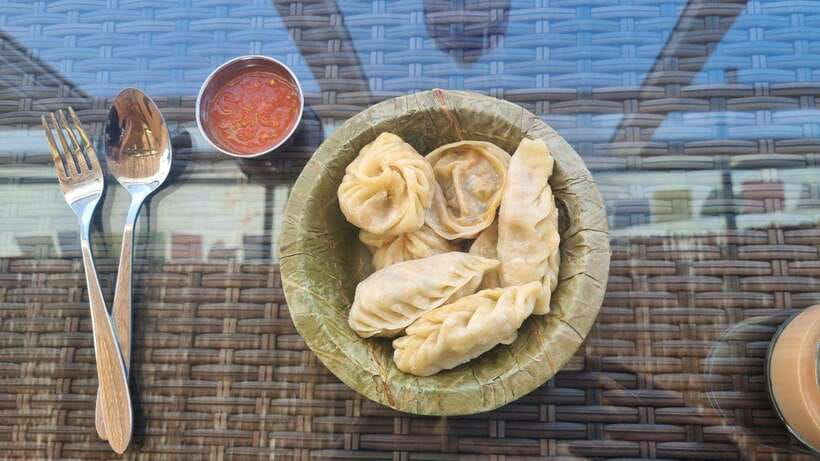
Dumplings teach fast when the women guide you. In this Thamel class at Women Led Namaste Cooking School, I like that you start from scratch and really get your hands in the dough (kneading dough) and that you finish by tasting what you fold.
One consideration: the class can run a bit longer than the 1.5 hour target, especially when the group is having fun and chatting.
In This Review
- Key takeaways before you go
- A Women-led Momo Class in Thamel, Kathmandu
- What Happens in the 1.5 Hour Class, and Why It May Take Longer
- Dough, Fillings, and Folding: The Skills You Actually Take Home
- Kneading dough
- Preparing fillings with real flavor
- Folding momos into traditional shapes
- Clean Kitchen Setup, Calm Pace, and a Friendly Team
- Masala Chai Welcome and the End-of-Class Tasting
- Price and Value for $15, Plus What You Should Plan For
- Who This Momo Making Class Fits Best
- Should You Book It? My Practical Take
- FAQ
- How long is the Traditional Momo Making Class?
- Where does the class take place?
- What does the class include?
- Is hotel pickup or drop-off included?
- What language will the instructor teach in?
- Do I need to arrive early?
- What should I wear?
- What is the cancellation policy?
- Is there a reserve and pay later option?
Key takeaways before you go
- Women-led, hands-on teaching: you are not watching from the sidelines.
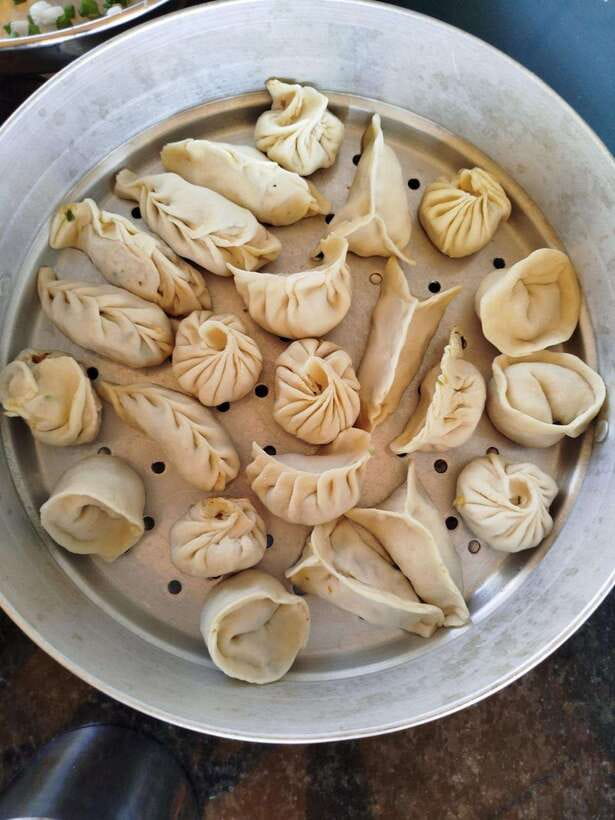
- Learn the workflow: dough first, filling next, then the folding technique.
- English instruction: the steps are explained in plain language.
- Fresh ingredients and Nepali spices: you build flavor from real pantry basics, not shortcuts.
- A clean, calm kitchen setup: bright space, good rhythm, and a relaxed vibe.
Fold more momos: other Nepali kitchens



A Women-led Momo Class in Thamel, Kathmandu
If you want one simple way to understand Nepalese food, momos are it. They show up in daily life and celebrations, and the way you make them is almost as important as how they taste. This class in Thamel is set up to teach you the core skills, not just hand you a plate and send you off.
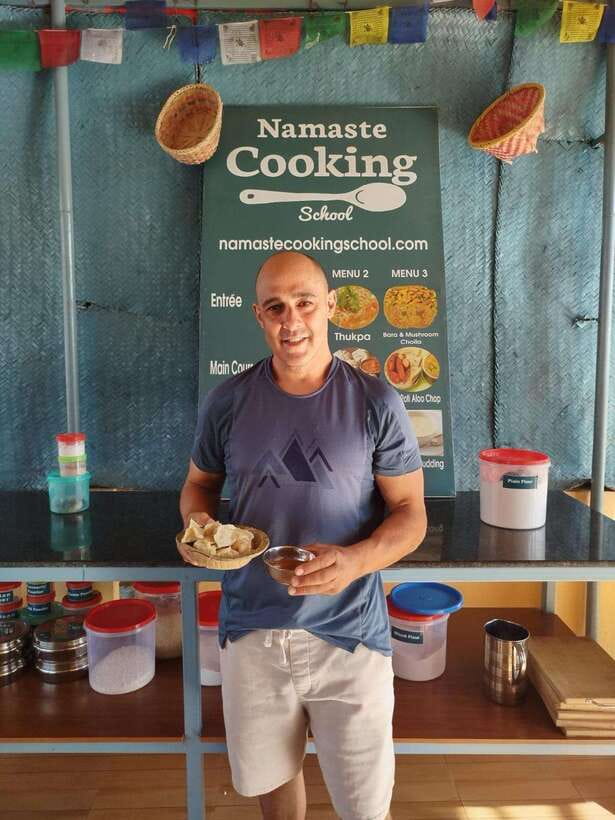
Women Led Namaste Cooking School runs the session with local women chefs who explain each step while keeping it practical. You’ll hear English guidance, and you’ll have plenty of chances to do the work yourself, like kneading and folding. Several instructors are friendly and patient, and the energy in the room matters here. When the teaching feels easy and warm, you learn faster and you’re more likely to remember the method later.
One more reason I’d pick this over a quick tasting tour: it’s built around process. You end the class with dumplings you made, and that turns the whole thing from a fun snack into a real skill you can repeat at home.
What Happens in the 1.5 Hour Class, and Why It May Take Longer
The core structure is straightforward: you arrive, get set up, learn the dough, prepare fillings, fold your momos, then enjoy a tasting. The headline duration is 1.5 hours, but plan some breathing room. A previous booking noted that the session can go longer than described, and that makes sense when everyone is learning at their own pace and conversations keep rolling.
Here’s the typical flow, step by step:
You’ll start with dough. You learn what the dough should feel like, and how kneading develops the texture you need later. Then you move to filling prep, where you portion and mix ingredients with Nepali spices. After that comes the folding lesson, which is the real “make or break” part of momo making. You’ll practice shaping until your dumplings look like dumplings, not dumpling ideas.
Finally, you taste what you made. That tasting moment is the payoff, because it tells you if your dough and filling choices worked together. You also get a welcome masala chai, which helps you settle in and makes the whole thing feel more like a home-style cooking lesson than a factory demo.
Dough, Fillings, and Folding: The Skills You Actually Take Home
People assume momos are complicated because they look delicate. The key lesson from this class format is that the complexity is mostly in technique, not in mystery. You learn a repeatable sequence, so you are not guessing at home later.
Kneading dough
This is where most beginners get nervous. The class helps you understand how to knead, what you’re building, and why it matters for shape and bite. If you’ve ever tried dumplings at home and had dough that tears or doesn’t seal well, this is the stage you’ll want to pay attention to.
Other Kathmandu workshops you leave carrying something from
Preparing fillings with real flavor
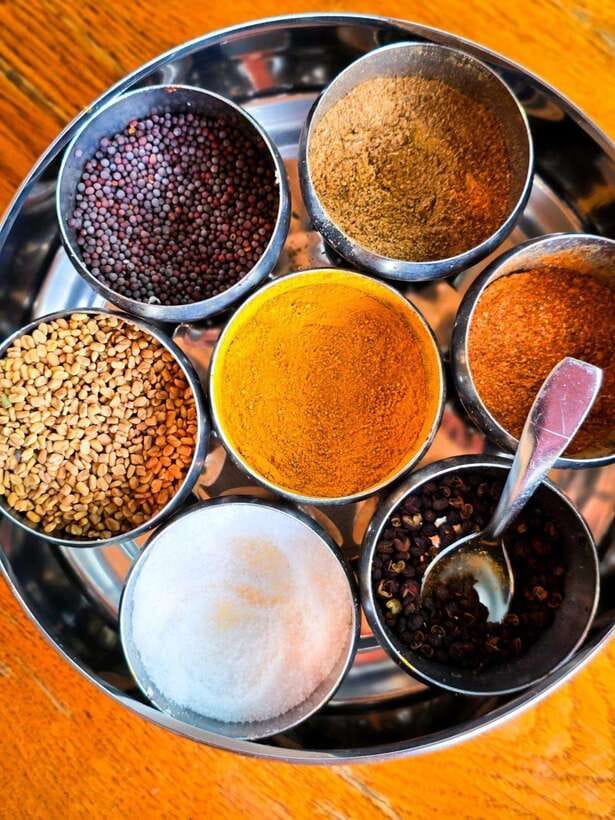
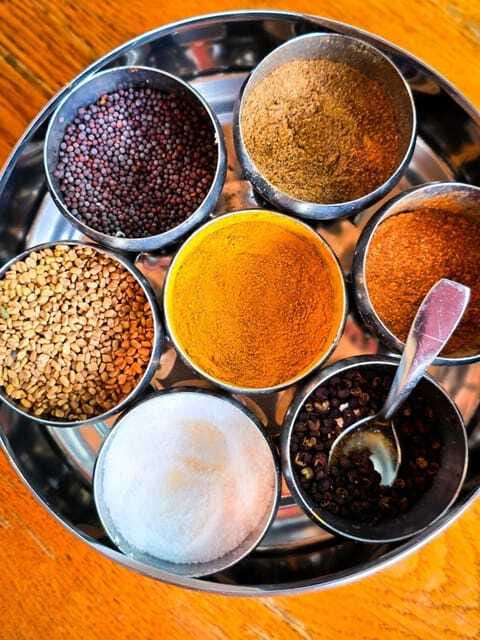
You’ll prepare fillings using fresh, locally sourced ingredients and authentic Nepali spices. That matters because momo filling flavor is usually a mix of spice, aromatics, and seasoning balance. When you make it yourself, you learn how the mixture should feel and smell, not just what goes into it.
Folding momos into traditional shapes
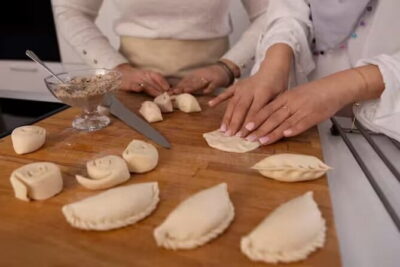
Folding is the part where you feel like a beginner and then suddenly you don’t. You’ll practice shaping until your momos close properly. A big value here is muscle memory. Even if your first batch is slightly uneven, you’ll understand how to fix it next time: seal, pinch, and keep edges aligned.
And if you’re traveling with kids, this kind of folding practice can be perfect. One booking mentioned an 11-year-old doing chopping and folding with real enthusiasm, which tells you the class works for mixed ages as long as everyone follows directions.
Clean Kitchen Setup, Calm Pace, and a Friendly Team
Good cooking classes have two things: instructions you can follow and an environment that feels comfortable. This class gets both. The kitchen is described as very clean and bright, including a rooftop setting for the session. That kind of light and space helps you focus while you’re learning a hands-on process.
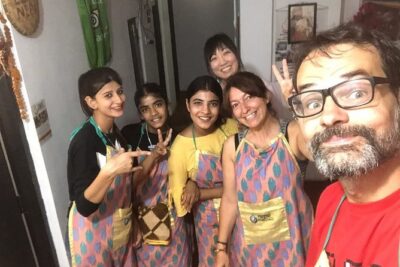
The teaching approach is also a big plus. One highlight from a booking was that Sushi, the lead trainer, was a joy to work with. Another noted that the chefs speak very good English and let participants do the steps instead of taking over. When instructors keep it relaxed and guide you through decisions like texture and seasoning, you get more confidence.
There’s also a social side. At least one class included dancing a bit to traditional Nepali music, which might sound like an extra detail, but it’s actually a useful sign. It suggests the school is comfortable teaching, not just performing. And when people feel at ease, they ask questions, try again, and learn faster.
Masala Chai Welcome and the End-of-Class Tasting
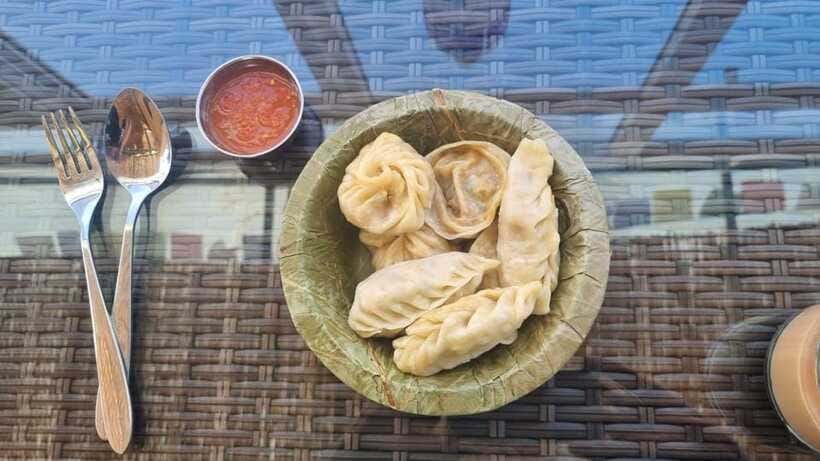
You don’t want a cooking class that ends with you leaving hungry and disappointed. Here, the session ends with tasting your own handmade momos, plus a welcome masala chai. That combination makes the lesson feel complete.
The chai is not just a nice perk. It sets the tone for Nepalese hospitality and gives you something warm while you’re working, especially if you’re coming in after Kathmandu walking. It also helps you slow down a bit, so you can taste with intention instead of rushing to the next thing.
The tasting part is where you judge your results. You’ll notice things like whether the dough feels right, whether the filling has enough spice, and how the whole thing comes together in each bite. If something felt off while you were making it, you’ll remember the moment you made that choice. That memory is what makes the class useful later.
Price and Value for $15, Plus What You Should Plan For
At $15 per person, this class is strong value if you compare it to typical Kathmandu food experiences. You’re paying for ingredients, hands-on instruction, and a meal-like tasting moment, not just a short walkthrough. For many travelers, the cost feels more reasonable because you leave with something you can replicate, at least in method.
What you should plan for:
- No hotel pickup or drop-off is included. You’ll need to get yourself to the cooking school in Thamel.
- The class is 1.5 hours on paper, but give yourself extra buffer time because it can run long.
- Wear comfortable shoes and clothing you can move in. Kneading and folding get physical.
If you’re staying in Thamel, getting there is usually easy on foot. If you’re not, build extra time for the short ride you’ll need.
Also, the vibe is practical and friendly. It’s not an ultra-formal restaurant setting. If you like learning by doing, and you don’t mind a hands-on mess, this price makes sense.
Who This Momo Making Class Fits Best
This class fits well if you want an experience that feels local without being complicated. You’ll probably enjoy it if:
- you like cooking and want to learn a specific technique, not just eat
- you prefer small, friendly teaching over big group tours
- you want an activity that pairs well with exploring Thamel before or after
- you’re traveling with family and want a hands-on task like folding
It may not be your best choice if you are short on time and need something strictly timed to the minute. Because the class can run longer than the 1.5 hour headline, you’ll want flexibility in your day.
If you are sensitive to being active, note that kneading and folding require some hand work and standing. Comfortable clothing helps a lot.
Should You Book It? My Practical Take
Book this momo class if you want a skill, not just a snack. The best part is that you make the dumplings yourself, learn the sequence from dough to folding, and then taste your results. At $15, the value is solid, especially because instructions are in English and the chefs let you do the hands-on steps.
I’d also book it if you enjoy atmosphere. A clean kitchen, a calm bright setting, and friendly energy make learning easier. If you’re the type who likes a light social moment, this school’s style seems to create that, including music and good conversation.
Skip it only if your schedule is too tight to handle possible extra time, or if you want a purely observational food experience. Otherwise, this is one of those Kathmandu activities that leaves you with a tangible memory you can repeat later.
FAQ
How long is the Traditional Momo Making Class?
The class lasts 1.5 hours.
Where does the class take place?
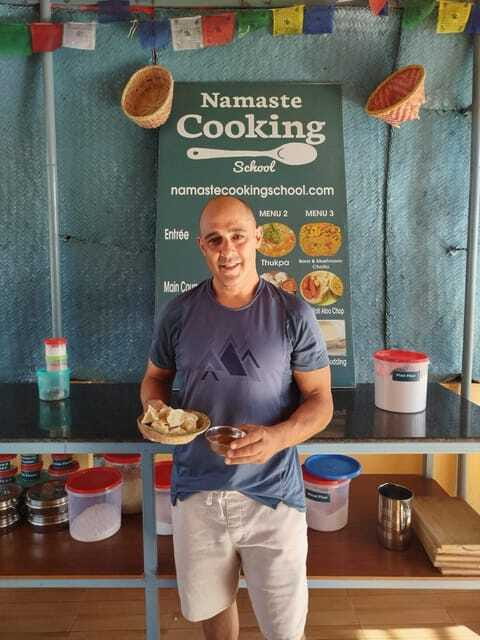
It’s held at Women Led Namaste Cooking School in Thamel, Kathmandu (Bagmati Zone, Nepal).
What does the class include?
You get the 1.5-hour momo making class, ingredients, guidance from local chefs, tasting of your handmade momos, and welcome masala chai.
Is hotel pickup or drop-off included?
No, hotel pickup and drop-off are not included.
What language will the instructor teach in?
The instruction is in English.
Do I need to arrive early?
Yes. You should arrive 10 minutes before the class starts.
What should I wear?
Wear comfortable clothing and shoes suitable for cooking.
What is the cancellation policy?
Free cancellation is available up to 24 hours in advance for a full refund.
Is there a reserve and pay later option?
Yes. You can reserve now and pay later, keeping your travel plans flexible.
Hands On in Kathmandu

The Rest of Our Kathmandu Write Ups




More Kitchens, More Momos
Everything else we have reviewed around Kathmandu
- 12 Days Everest Base Camp Trekking
★ 5.0 · 3 reviews - 1 Night 2 Days Chitwan Jungle Safari Tour from Pokhara or Kathmandu
★ 3.0 · 3 reviews - Thamel Rickshaw tour
★ 4.7 · 3 reviews - Kathmandu: Momo Making Class with a Local Chef
★ 5.0 · 3 reviews - Kathmandu: Full-Day Yoga, Body Massage and Pedicure Package
★ 5.0 · 3 reviews - From Kathmandu / Pokhara / Chitwan: River Rafting – 1 Day
★ 4.6 · 3 reviews
Nepali Cooking Classes worth a second look.
 ★ 5.0Half day cooking class in Thamel kathmanduFrom $28607 reviews
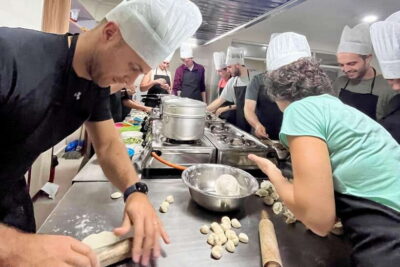 ★ 4.9Local Women-Led Nepali Cooking & Momo ClassFrom $4360 reviews
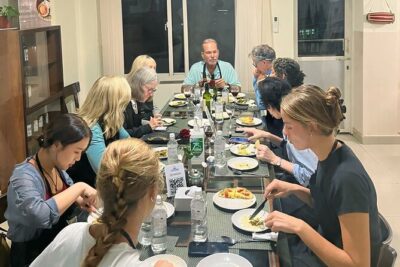 ★ 5.0Local Lead Nepali Cooking & Momo-Making ClassFrom $5212 reviews
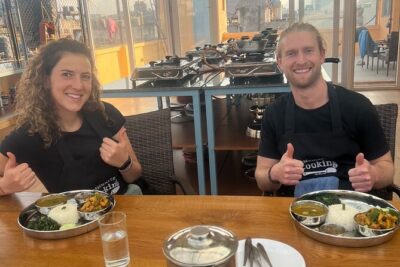 ★ 5.0Local Women Lead Nepali Cooking ClassFrom $30125 reviews
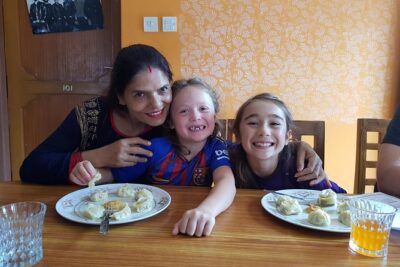 ★ 5.0Nepalese Momos or Dal Bhat Cooking Class (Cook with Delight)From $5099 reviews
 ★ 5.0The best Private Nepali Cooking Class in KathmanduFrom $2483 reviews
 ★ 5.0Nepalese Kitchen in Pokhara: Momos or Dal Bhat Cooking ClassFrom $2867 reviews
 ★ 4.8Traditional Momo Making Class & PickupFrom $460 reviews
Lists this tour sits in