
REVIEW · EVEREST BASE CAMP TREKS
12 Days Everest Base Camp Trek
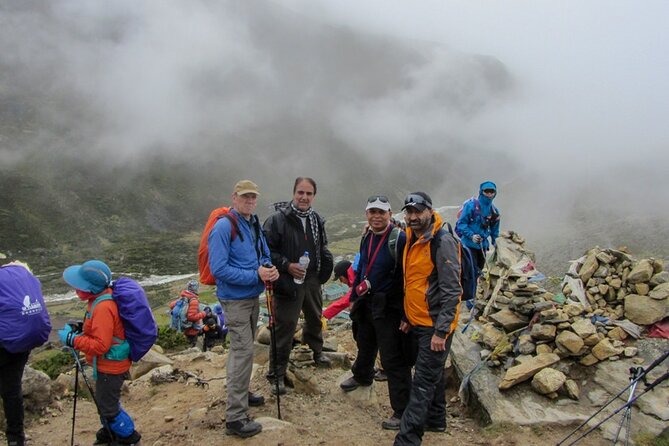
Everest Base Camp starts with a small-plane hop. This 12-day trek through the Khumbu region mixes real high-altitude trekking with the comfort of pre-arranged logistics and teahouse meals, so you spend your energy on walking and acclimatizing, not paperwork. You’ll pass Sherpa villages, glacier country, and big Himalayan views as you work your way toward Everest Base Camp.
The two things I like most are how smoothly the trip handles the heavy stuff for you and how much practical support you get along the way. Permits and paperwork are already managed up front, including the Everest National Park permit and TIMS, which is one less thing to stress about at altitude where time matters.
One possible drawback to plan for: the Kathmandu to Lukla flight, and the return, can get delayed or canceled due to weather. If that happens, you may face long waits at airports, and extra nights in Kathmandu are on you if the schedule shifts beyond the planned return timing.
In This Review
- Key highlights to know before you go
- From Kathmandu to Lukla: the rhythm of day one
- Permits, permits, permits: why this tour feels easier
- Day by day: what the itinerary gives you (and where it can bite)
- Days 1 to 3: Phakding, Namche Bazaar, and your first altitude check
- Days 4 to 6: Tengboche monastery day, then Dingboche acclimatization
- Days 7 to 9: Lobuche, Gorak Shep, Everest Base Camp, Kala Pathar
- Days 10 to 12: Namche again, Lukla return, Kathmandu reset
- Teahouses, meals, and porter support: how all-inclusive helps
- Price and value at $1,390: what you’re actually paying for
- Altitude reality check: how the schedule helps you survive it
- Who this tour suits best
- Should you book this Everest Base Camp trek?
- FAQ
- What time does the tour meeting start?
- Are trekking permits included?
- What flights are included in the package?
- Are meals included during the trek?
- Do I need to pay for a Nepal visa?
- What if the Lukla flight gets delayed or canceled?
Key highlights to know before you go
- Bishnu communication and smooth coordination showed up again and again in feedback, from start to finish planning through the end of the trek
- Permits handled in advance (National Park Permit and TIMS) so you do not scramble last minute
- Porter support with a 2 trekkers to 1 porter ratio so you can keep your pack sane on steep days
- Acclimatization built into Namche Bazaar and Dingboche to help you handle altitude more intelligently
- Long day to Everest Base Camp via Gorak Shep with built-in time for Kala Pathar views before the descent
Other routes to Base Camp, side by side
From Kathmandu to Lukla: the rhythm of day one
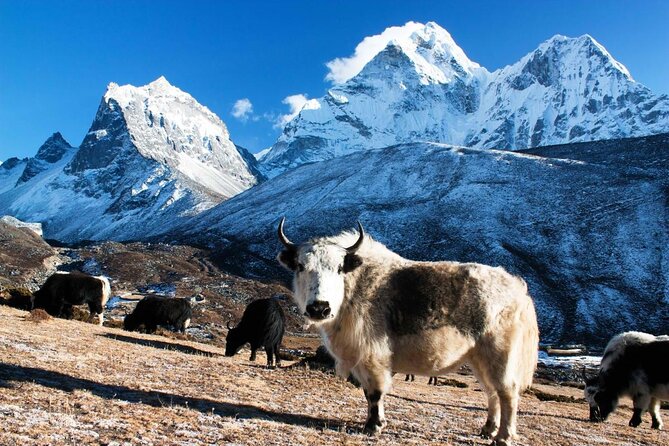
The trek begins the way Everest trips often do, with an early start and a domestic flight. You meet at 5:15 am, then fly from Kathmandu to Lukla for the start of the walking. Even before the trail, you’re hit with the key Everest lesson: weather and timing matter, and small-plane schedules are part of the deal.
From Lukla, you trek toward Phakding, usually a short day by trekking standards. The route runs about 3 to 4 hours, passing through places like Cheplung village. You also get your first big Himalayan moments early, including views linked to sacred peaks in the region.
What I like here is pacing. You ease into the mountains instead of going straight into a brutal climb. It’s still real effort, but it gives you time to settle in with your crew and find a walking rhythm before the bigger altitude days.
Permits, permits, permits: why this tour feels easier
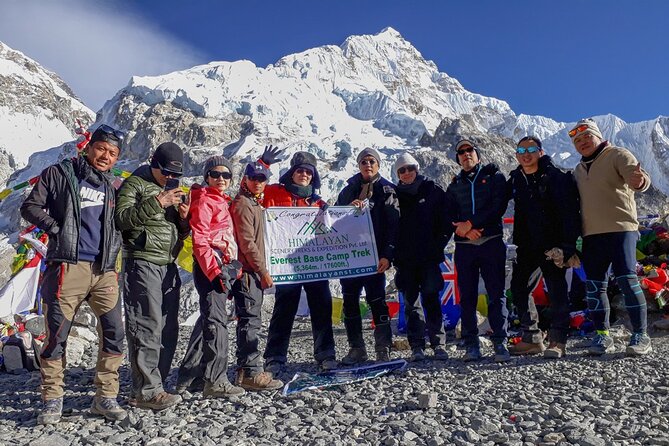
Everest trekking can be paperwork-heavy. This itinerary keeps that burden off your shoulders. You get the paperwork and permits arranged, including the National Park Permit and TIMS, plus staff costs covered for the operational side.
That may sound boring, but it’s practical value. When you’re trekking high and far from offices, “I’ll fix it later” turns into stress fast. Having that sorted means you can focus on the real work: hydration, steady steps, and acclimatization.
The trip also lists an experienced, English-speaking, government-licensed trekking guide, plus a medical kit carried by the trek leader. I would still tell you to bring your own basic first-aid items too, but it’s good to see health preparation baked in rather than left to luck.
Finally, the trip is private, meaning only your group participates. That matters for comfort and how your day-to-day pace feels, especially if your group has mixed trekking speeds.
Day by day: what the itinerary gives you (and where it can bite)
Days 1 to 3: Phakding, Namche Bazaar, and your first altitude check
Day 1 to Phakding: After the Lukla flight, you walk about 3 to 4 hours to settle at roughly 2,651 m (8,700 ft). You’re not just traveling. You’re moving your body toward altitude while still keeping the day manageable.
Day 2 to Namche Bazaar: The next day ramps up. You walk about 4 to 5 hours to reach Namche around 3,438 m (11,280 ft). The trail crosses the Dudh Koshi River, passes villages like Chumoa and Monjo, and enters Everest National Park. You also cross the suspension bridge at Jorsale and keep moving alongside major river valleys.
This day is where your legs learn the style of Khumbu trekking. It’s not just “up or down,” it’s constant movement, short climbs, and the kind of uneven footing that rewards a steady pace.
Day 3 acclimatization in Namche: You stay in Namche at about 3,440 m (11,284 ft) and explore and hike higher for views. The itinerary describes sunrise viewing over multiple major peaks, plus a possible day hike to Khumjung village if you want extra walking.
This is smart. Altitude does not care about your enthusiasm. Namche is one of the classic places to gain confidence and let your body adjust. If you treat Day 3 as a true acclimatization day and not a “let’s race,” you’ll feel it later in the trek.
Other lodge to lodge routes near Kathmandu
Days 4 to 6: Tengboche monastery day, then Dingboche acclimatization
Day 4 to Tengboche: You trek about 5 to 6 hours and climb to roughly 3,870 m (12,694 ft). The day includes an easier segment toward Phunki, then a steeper push as you approach Tengboche.
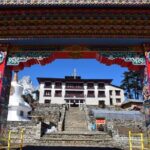
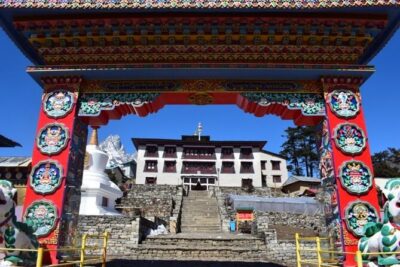
The standout here is Tengboche Monastery, described as the biggest monastery in the Everest region. If you arrive around 4 o’clock, the itinerary notes you can observe a Buddhist religious ceremony since the monastery opens at 3:00 pm. Even if you do not catch a ceremony, the monastery stop gives you a cultural anchor in the middle of a very physical journey.
Day 5 to Dingboche: Another 5 to 6 hour day brings you to about 4,360 m (14,300 ft). You’ll trek downhill toward Debuche, cross the Imja River, and pass Pangboche. You can also visit the Pangboche Monastery.
The rhythm here often shifts from “look around” to “lock in.” Your lungs work harder, and small decisions matter, like walking slow enough to keep breathing stable.
Day 6 acclimatization in Dingboche: This is a full acclimatization day at about 4,360 m. The itinerary suggests hiking to a viewpoint around four hours behind Dingboche for views including Lhotse, Makalu, and Cho Oyu.
This is one of the best “you will thank yourself later” days on the whole schedule. Your goal is not to break records. Your goal is to help your body adapt so the next big high-altitude section feels like trekking instead of survival.
Days 7 to 9: Lobuche, Gorak Shep, Everest Base Camp, Kala Pathar
Day 7 to Lobuche: Expect about 7 hours and roughly 9 km, reaching around 4,900 m. The itinerary describes the walk along the Himalayan trail toward the Everest Base Camp area, then continuing via Dughla Pass to Lobuche.
This is where the trek gets noticeably more serious. You’ll feel it in the air and the way your pace slows naturally. If you keep your effort steady, this section becomes more manageable than trying to “finish fast.”
Day 8 to Gorak Shep and Everest Base Camp: This is the classic long day, described as nearly 12 hours and about 17 km total. First you reach Gorak Shep at about 5,160 m, then you check in for lunch, and walk to Everest Base Camp for views of nearby peaks including Nuptse, Khumbuste, and Pumori. Afterward, you walk back to Gorak Shep for overnight.
Base Camp day is the payoff, but also the day where fatigue can sneak up. The trick is not burning too much energy to chase every view angle. Take breaks. Keep moving. Let the mountain show itself at your pace.
Day 9: Kala Pathar and down to Pheriche: After early breakfast, you climb to Kalapatthar (Kala Pathar) around 5,555 m for one of the highest viewpoint angles described on this route. The itinerary says it takes about three hours to reach the top, then you return for lunch at Gorak Shep, and continue down to Pheriche around 4,200 m.
If Everest Base Camp is the goal, Kala Pathar is often the “how big is this place, really” moment. It tends to be dramatic because you’re looking from high ground with huge mountain walls all around you. Build your day around steady breathing and short pauses on the climb.
Days 10 to 12: Namche again, Lukla return, Kathmandu reset
Day 10 down to Namche Bazaar: Your descent takes you back through Pangboche and Tengboche, then to Namche. The itinerary mentions about 5 hours on this return segment to Namche, with an overnight guesthouse stay.
Down days still matter. Your knees will notice. I recommend you treat descents as training for control, not speed. It’s better to walk carefully and arrive with energy for the next flight day.
Day 11 to Lukla: You return to Lukla for the last trekking day, described as about 5 to 6 hours. The afternoon is free, with time to wander, relax, and enjoy a hot shower according to the tour plan. It’s also framed as a group reflection day, which can be a welcome mental reset after intense altitude days.
Day 12 to Kathmandu: You catch an early flight back to Kathmandu and then transfer to your hotel. The plan includes a farewell cultural dinner in the evening in Kathmandu, giving you a final night to put memories in order before you head home.
The itinerary also notes a reality check: flights can be delayed or canceled. If that happens, you might wait in Kathmandu or Lukla airports. If you’re the type who gets stressed by uncertainty, it helps to plan your expectations and keep your mindset flexible.
Teahouses, meals, and porter support: how all-inclusive helps
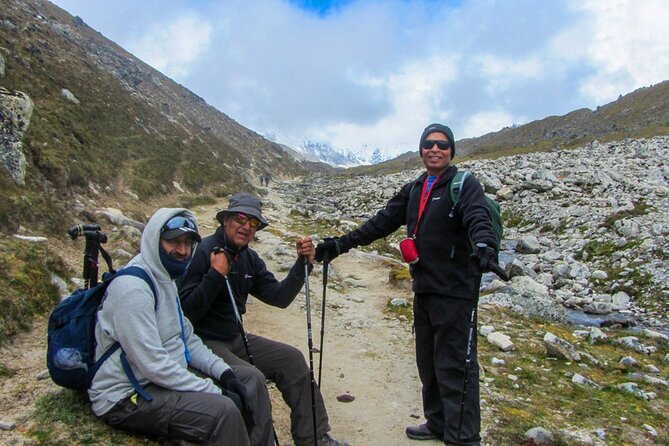
This trek uses teahouse accommodation and includes breakfast, lunch, and dinner during the trek. Having meals handled makes a difference. You don’t waste daylight negotiating or searching, and you keep your energy steady on long days.
That said, the included meals are on the mountain plan. Meals in Kathmandu are not included, and hot and cold drinks like cola and mineral water are also listed as not included. So while you get fed on the trail, you still need a small daily budget for snacks, drinks, and personal comforts.
You also get porter service, listed as 2 trekkers to 1 porter. Practically, that means you do not carry everything yourself. You’ll want to pack efficiently because your porter’s capacity is limited, and the tour notes personal expenses like battery recharge and extra porters are on you if needed.
One more practical detail from feedback: some groups appreciated the tour’s duffel-bag setup, because it helps porters manage loads efficiently. That’s the kind of “small thing” that makes a big difference once you’re tired and high.
Finally, there’s a farewell dinner at the end of the trip. It’s a nice cultural bookend, and it also helps your group decompress together before flying home.
Price and value at $1,390: what you’re actually paying for
At $1,390 per person, this trek is not cheap, but it also is not just paying for a trail map. The price explicitly covers:
- domestic flights Kathmandu to Lukla and back
- teahouse accommodation with full meal plan on trek days
- guide support and porter service
- paperwork and permits
- staff costs, taxes, and a medical kit carried by the leader
- airport pickup and drop
So you’re paying for time and logistics, not just scenery. For Everest specifically, the cost is mostly about coordination, safety systems, and getting everyone through Lukla and back without chaos.
Where value gets tricky is in what you still pay separately:
- Nepalese visa fee
- tips for guide and porter and driver
- travel and rescue insurance
- personal expenses like phone calls, laundry, shower costs, and drinking water
- any extra Kathmandu night if flights get delayed or canceled
If you already know you’ll want extra luxuries, you may spend more than the base price. If you’re comfortable keeping it simple and planning your essentials, the included structure is strong for the money.
Altitude reality check: how the schedule helps you survive it
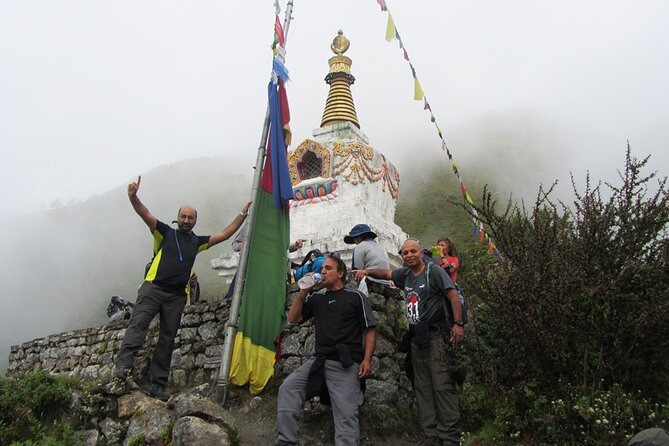
Even when everything is organized, Everest trekking is still altitude trekking. This itinerary builds acclimatization into the big jumps, which is the single most important “value” feature after permits.
You acclimatize in Namche Bazaar and later in Dingboche, then you move toward higher country. That pattern is exactly what your body needs: gradual altitude gains with built-in rest and light hiking.
The itinerary also includes viewpoint days and long days. The key is to match your effort to the terrain and air. If you try to power through too fast, you’ll likely pay for it with headaches, nausea, or heavy fatigue. If you walk slower than you think you need, you tend to arrive with more control, especially on summit view days like Kala Pathar.
Who this tour suits best
This option works well if you want:
- a structured route with permits and paperwork handled
- teahouse comfort and organized meal planning
- porter support that keeps your load reasonable
- a clear plan for acclimatization and high point days
It may be less ideal if you want total independence, because you’re following an organized schedule with guided navigation and fixed day plans. It may also feel challenging if you dislike long flight-day uncertainty, since Lukla schedules can change.
Should you book this Everest Base Camp trek?
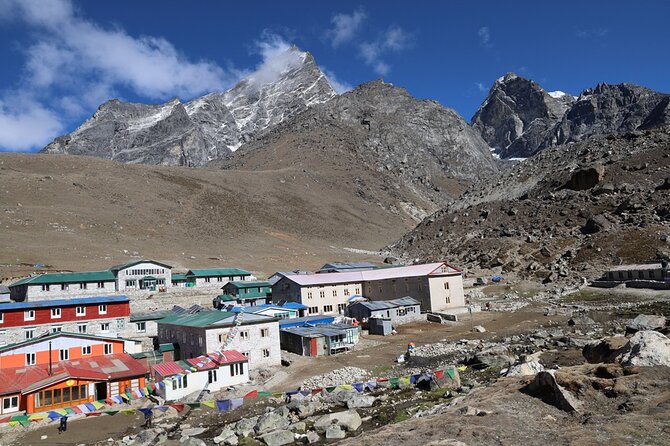
If you want the Everest Base Camp experience without turning the trip into a project, I’d say yes. The combination of arranged permits, domestic flights, teahouse meals, and porter support makes it a practical choice for people who care about reaching the goal safely and with less hassle.
Book this trek if you:
- are willing to follow an acclimatization rhythm
- pack smart and keep your expectations flexible about Lukla flight delays
- want a strong support system, not just a guide with a phone number
Hold off if you:
- cannot handle uncertainty around flight timing
- need every Kathmandu meal included
- expect the price to cover insurance, tips, and all personal spending
If you’re okay with those tradeoffs, this itinerary gives you a well-run path to the Everest Base Camp area, plus major viewpoint moments like Kala Pathar, in a format that respects your time and energy.
FAQ
What time does the tour meeting start?
The meeting start time is 5:15 am.
Are trekking permits included?
Yes. The tour includes the necessary paperwork and trekking permits, including the National Park Permit and TIMS.
What flights are included in the package?
Domestic flights are included between Kathmandu and Lukla, and then Lukla back to Kathmandu.
Are meals included during the trek?
Yes. Teahouse accommodation includes breakfast, lunch, and dinner during the trek. A farewell dinner is also included at the end.
Do I need to pay for a Nepal visa?
Yes. The Nepalese visa fee is not included in the tour price.
What if the Lukla flight gets delayed or canceled?
The tour notes that the Kathmandu to Lukla to Kathmandu flights can be delayed or canceled due to weather, and you should be prepared for long waits at airports. Extra night accommodation in Kathmandu may also be needed and is not included if timing changes.
Lodge to Lodge Around Kathmandu
The Rest of Our Kathmandu Write Ups

Base Camp, Three More Ways
Everything else we have reviewed around Kathmandu
- 12 Days Everest Base Camp Trekking
★ 5.0 · 3 reviews - 1 Night 2 Days Chitwan Jungle Safari Tour from Pokhara or Kathmandu
★ 3.0 · 3 reviews - Thamel Rickshaw tour
★ 4.7 · 3 reviews - Kathmandu: Momo Making Class with a Local Chef
★ 5.0 · 3 reviews - Kathmandu: Full-Day Yoga, Body Massage and Pedicure Package
★ 5.0 · 3 reviews - From Kathmandu / Pokhara / Chitwan: River Rafting – 1 Day
★ 4.6 · 3 reviews
Everest Base Camp Treks worth a second look.
 ★ 5.0Everest Base Camp Trek – 14 DaysFrom $1,8001,499 reviews
 ★ 5.0Everest Base Camp TrekkingFrom $1,350485 reviews
 ★ 5.0Everest Base Camp Trekking – 13 DayFrom $1,399365 reviews
★ 5.0Everest Base Camp Trek -14 DaysFrom $1,420321 reviews
 ★ 5.0Everest Base Camp Trekking – 2025/2026From $1,339199 reviews
 ★ 5.0Everest Base Camp TrekFrom $1,408193 reviews
 ★ 5.0Everest Base Camp Trek with Helicopter Return from Gorakshep to LuklaFrom $3,000161 reviews
14-Days Private Everest Base Camp TrekFrom $1,600152 reviews
Lists this tour sits in