
REVIEW · EVEREST BASE CAMP TREKS
12 Days Everest Base Camp Trek from Kathmandu
Altitude has a way of teaching fast. This 12-day Everest Base Camp trek strings together Sherpa culture and high-mountain scenery, with a flight to Lukla, acclimatization days at Namche Bazaar and Dingboche, and big moments at Tengboche Monastery and Everest Base Camp. What I like most is that you get a government-licensed English-speaking guide plus a clear rhythm for adjusting to altitude. The one consideration is physical readiness, since you should have strong fitness for long uphill days and a high-elevation trek plan.
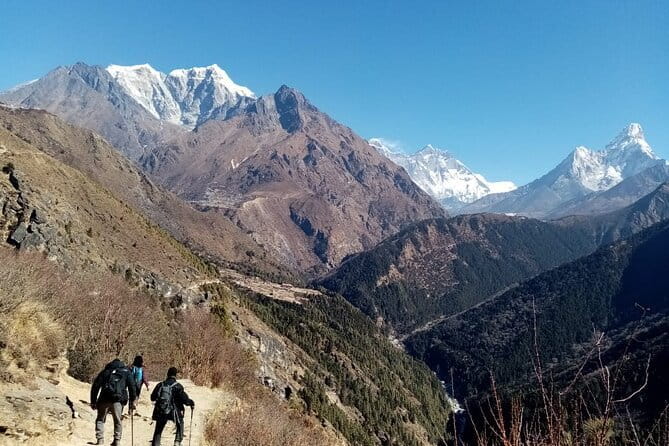
You’ll walk through rhododendron forests, cross streams and suspension bridges, and watch prayer flags and Buddhist rituals become part of the daily scenery. Highlights include Namche Bazaar as the busy gateway to the region, Tengboche as a spiritual stop with a mountain backdrop, and Kala Patthar for famously wide views.
Service matters on this kind of route. The guide names that come up again and again are Prakash, Milan, and Dev, praised for professional, safety-minded pacing, clear acclimatization tips, and keeping morale steady when the air gets thin.
In This Review
- Key things to know before you go
- Lukla to Phakding, where the Everest trek really begins
- Namche Bazaar acclimatization, not just a stopover
- Rhododendron forests to Tengboche Monastery, the spiritual centerpiece
- Dingboche and the Nagarjun Hill rest day that actually helps
- Lobuche to Everest Base Camp via Gorka Shep, where the trail narrows
- Kala Patthar, the 360-degree viewpoint above the Base Camp area
- The return loop: Namche, Lukla, then Kathmandu recovery
- Guides, safety-minded pacing, and why Prakash, Milan, and Dev come up
- Price value for a private 12-day EBC trek, plus the costs you must budget
- Fitness reality check for Everest Base Camp in 12 days
- Who should book this trek, and who might want a different style
- Should you book CAN Travels for the 12-day Everest Base Camp trek?
- FAQ
- What is included in the Everest Base Camp trek price?
- Are flights between Kathmandu and Lukla included?
- Is accommodation provided during the trek?
- What about meals and drinks during the trek?
- How fit do I need to be?
- If my plans change, can I get a full refund?
Key things to know before you go
- Lukla flight is part of the real plan: Kathmandu to Lukla and back is included, so you’re not stuck with extra days just to reach the trail.
- Acclimatization is built in, not tacked on: Namche Bazaar and Dingboche both include rest or lighter days to help your body adjust.
- You hit the Everest icons in the right order: Namche, Tengboche, Dingboche, Lobuche, Everest Base Camp, then Kala Patthar.
- Trek rhythm is mostly 6 to 8 hours/day: Expect a steady pace, with one longer push toward Everest Base Camp.
- Guest house stays keep things practical: You’re sleeping in guest houses on the trek rather than camping gear.
- Guide quality is a main selling point: Reports highlight Prakash, Milan, and Dev for safety and stress-free logistics.
Other routes to Base Camp, side by side


Lukla to Phakding, where the Everest trek really begins
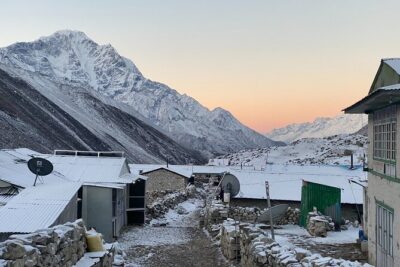
Day 1 starts with the Kathmandu to Lukla flight, then you meet the crew and switch from city pace to trail pace. From Lukla you follow the Dudh Koshi River, and the day leans into getting your legs working without immediately going full-throttle uphill. Your first night is in Phakding, a classic way to ease into the Khumbu trekking flow.
Why this matters: Everest Base Camp treks succeed or fail on the small stuff early on, like settling into hiking rhythm, watching your effort level, and not burning matches on day one. Even if your lungs feel fine at first, you’ll appreciate an easier start.
Possible drawback: you’re starting the trek after a flight. If you’re the type who gets anxious about travel days, plan to take it slow in the afternoon and let your body settle before you start trying to push pace.
Namche Bazaar acclimatization, not just a stopover
On Day 2 you trek toward Namche Bazaar, moving through Monjo and entering Sagarmatha National Park. The trail includes crossings of streams and passes through small villages, with a mix of nature and local life around you. You reach Namche Bazaar after about 7 hours, and you’re in the region’s main hub, with shops, lodges, and the feel of people actively preparing for higher elevations.
Day 3 is where the trek gets smarter. Instead of rushing onward, you stay in Namche Bazaar for acclimatization and exploration. You also do a short excursion to Syangboche Airstrip or Everest View Hotel, a great way to get a sense of elevation without turning it into a punishing hike.
Why I like this setup for you: Namche is the point where altitude starts to matter more. A dedicated acclimatization day helps you build routine, hydrate, and walk a bit without climbing higher all day. If your guide is Prakash or Milan, this is exactly the kind of day they tend to use for clear, practical acclimatization advice, and that can make a big difference in how confident you feel.
Consideration: don’t treat the acclimatization day as a free day to snack endlessly and wander forever. The best version of this day is the one where you move enough to feel normal, then rest enough to recover.
Rhododendron forests to Tengboche Monastery, the spiritual centerpiece
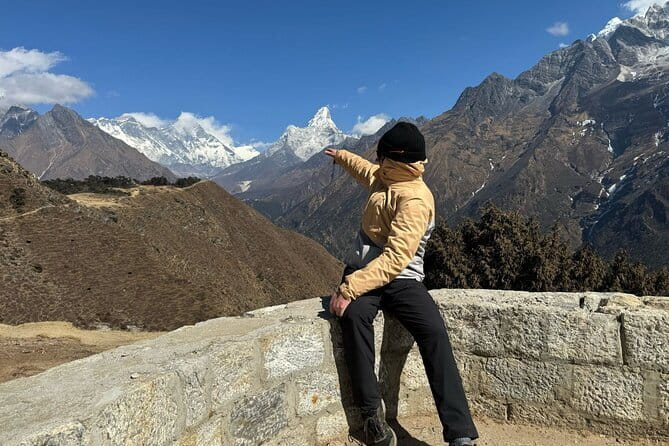
Day 4 takes you toward Tengboche, and the path gradually ascends through dense rhododendron forests. Along the way you pass Imja Khola before reaching Tengboche village. This is one of the most memorable parts of the trek because you’re not just hiking, you’re arriving at a place where Buddhist life is woven into the landscape through prayer flags and monastery culture.
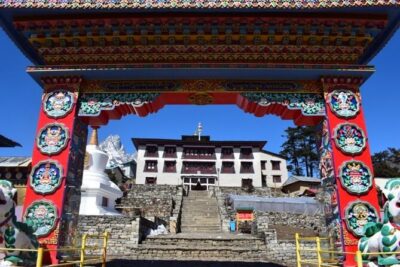
In Tengboche, you’ll explore the Tenboche Monastery, described as the oldest monastery in the Khumbu region. You can expect Buddhist rituals, including the chance to see prayer wheels in action as part of everyday devotion. Even if you’re not a religion person, it’s powerful to watch the calm routine of people continuing life at the edge of the world’s highest peaks.
Why this stop is worth planning for: it gives you a mental break from climbing pressure. Instead of making the day only about altitude, you also get meaning, craft, and tradition.
Possible drawback: it’s another 6-hour hiking day, and monastery time still sits on top of a trekking schedule. If you’re sensitive to cold, plan for sudden temperature drops in the late afternoon once you’re higher up.
Dingboche and the Nagarjun Hill rest day that actually helps
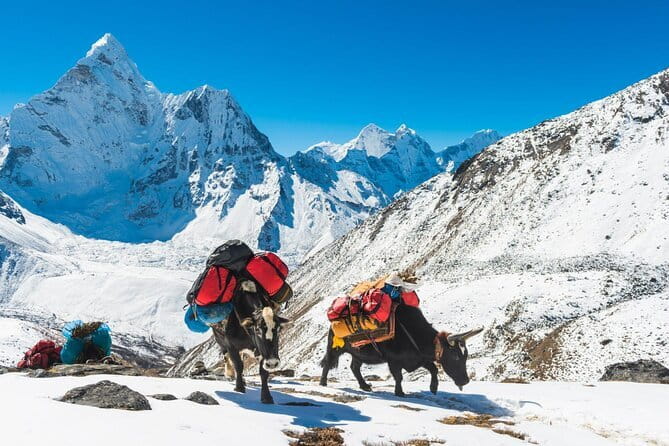
Day 5 heads to Dingboche. The trail climbs and includes suspension bridges, plus smaller settlements along the way like Pangboche and Orsho. You’ll pass stupas and chortens, and the presence of prayer symbolism keeps showing up as you gain elevation.
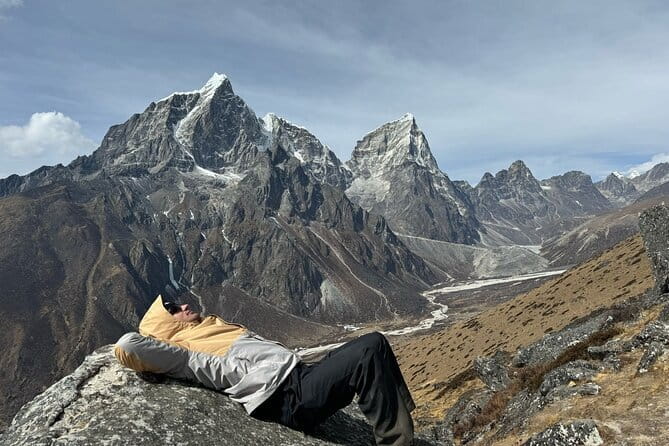
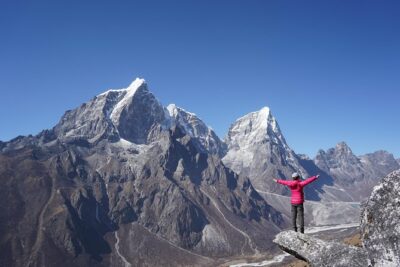
Dingboche is about adjusting now. Day 6 is your break day, built specifically for elevation adjustment. You hike to Nagarjun Hill, which offers wonderful views of peaks like Everest, Lhotse, Ama Dablam, Nuptse, Thamserku, and Pumori.
This day is the kind that can separate an enjoyable trek from a suffering one. The goal isn’t to “win” the hike, it’s to walk up, get your body moving, then come back down feeling steadier. You’ll also get a clearer picture of the mountain cluster you’ve been hearing about, so the route feels real instead of theoretical.
Consideration: viewpoints can tempt you into overextending. If you feel your breathing is slowing more than it should, treat that as information. A good guide will keep you from turning a short hike into a bigger effort than your body can handle.
Other lodge to lodge routes near Kathmandu
Lobuche to Everest Base Camp via Gorka Shep, where the trail narrows
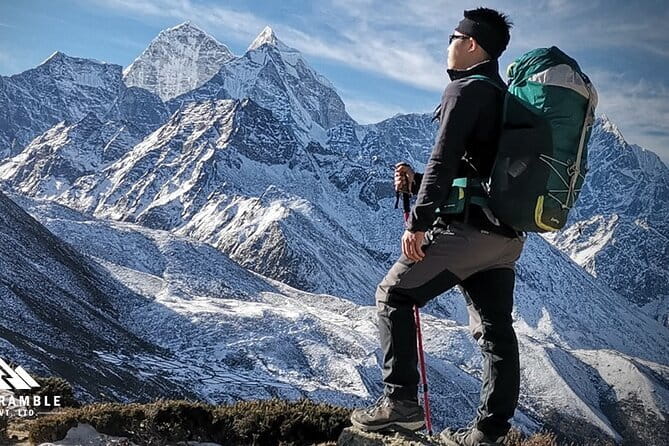
Day 7 moves from Dingboche to Lobuche. You gradually ascend through small villages, but the terrain changes as you go. Instead of lush forests, you’ll see a more sparsely dotted shrub environment, which is a strong sign you’re moving into harder, thinner air.
On Day 7 you reach Lobuche, a higher staging point before the big push. This segment is important because your body is now preparing for the final climb toward Everest Base Camp.
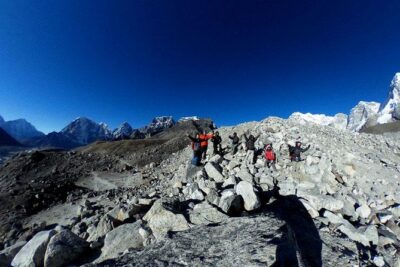
Day 8 is the big day. You start early and trek toward Everest Base Camp. The route passes through Gorka Shep, described as the last human settlement area on the trail, and then you reach Everest Base Camp. This is where climbers prepare for their attempts, so the atmosphere is different from village trekking days.
This is one of the best reasons to choose a guided trip like this. With the itinerary structured to get you there after acclimatization, you reduce the risk of arriving under-recovered. If your guide is Dev, that style of pacing and attention to comfort is exactly what has been praised, including making a challenging trek feel more manageable.
Possible drawback: Day 8 is listed at about 8 hours, so it can feel long when you’re already tired from altitude. Plan to move steadily, not fast.
Kala Patthar, the 360-degree viewpoint above the Base Camp area
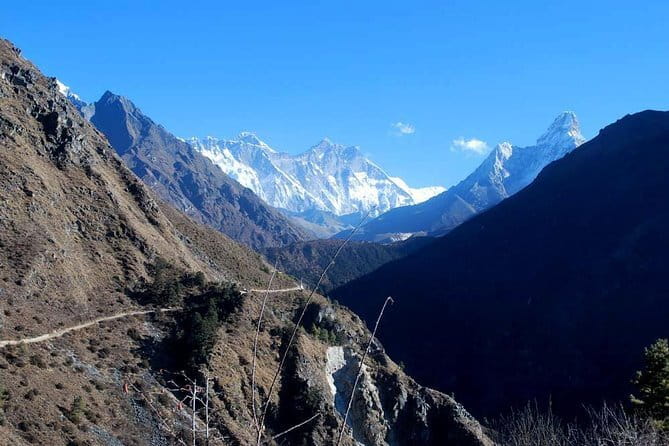
Day 9 adds another high-impact day with a classic goal: hike up to Kala Patthar. The plan calls it a famous viewpoint and places it just above the Everest Base Camp area. The big selling point is the 360-degree views of Everest.
Even if you’ve already seen Everest Base Camp, this is different. Kala Patthar is about seeing the mountains as a system, with wider angles and more of the surrounding peaks. It’s also a day where you’ll likely feel every step, but it’s also a day where the payoff tends to justify the effort.
Consideration: because it’s a viewpoint day, it can create a temptation to stop too often taking photos and chatting. A good guide will help you balance breaks with progress, so you don’t feel rushed at the top or exhausted on the way back down.
The return loop: Namche, Lukla, then Kathmandu recovery
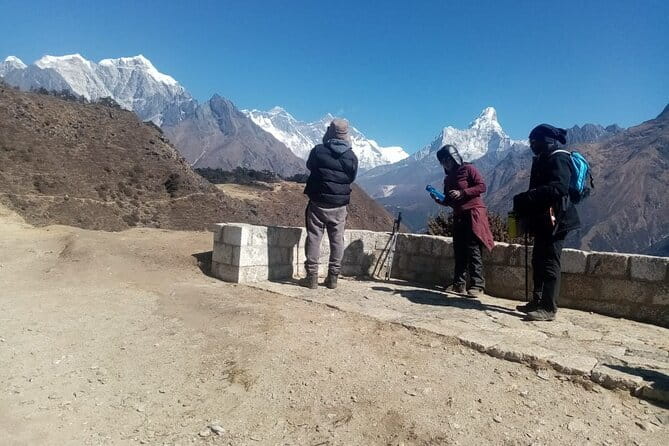
After Kala Patthar, Day 10 starts the return. You trek through dense forests and small villages, following the Imja River, reach Tengboche, then descend to Phungki Thanka. From there you drop down to Namche Bazaar again. It’s about movement and recovery at the same time, since going down still uses your legs and knees.
Day 11 heads to Lukla and retraces the path back. From Namche Bazaar the trail descends through dense forests and crosses numerous streams. You pass small villages again, reach Phakding, and then continue onward toward Lukla. This day often feels mentally easier than the going-up days, but physically it can still be work.
Day 12 returns to Kathmandu by another flight. After landing, the plan includes hotel time and a farewell dinner in the evening, plus time to prepare for your next steps.
Why I like the way this ending is set up: it doesn’t end with a chaotic scramble. You get a clean finish with the flight built in, then a final communal meal before you head back to normal life.
Guides, safety-minded pacing, and why Prakash, Milan, and Dev come up
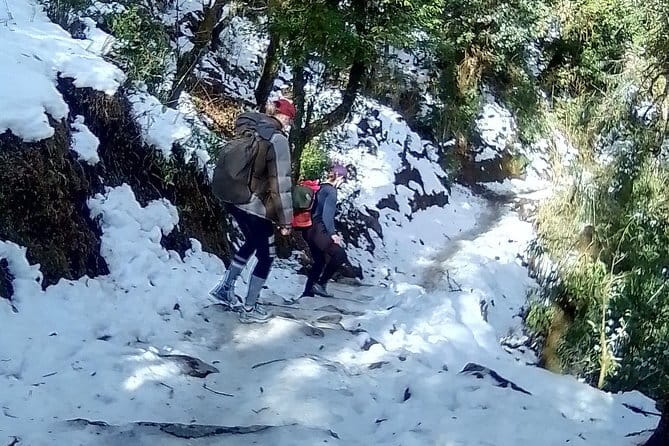
This itinerary is only as good as how it’s carried on the trail. The strongest theme from feedback about this trek is guide quality, especially Prakash, Milan, and Dev.
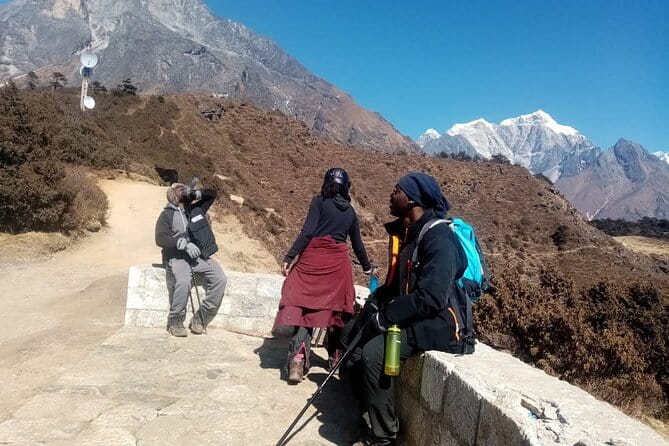
Across the names, the praised traits are consistent: professionalism, keeping you safe, being comfortable with the route, and using positive, steady energy to keep everyone moving well. People specifically call out acclimatization tips and the way a guide can make a challenging trek feel more doable.
What you can do to make this work even better: before you start climbing higher, ask your guide what their plan is for your pace on the acclimatization days. If you have any concerns about breathing, headaches, or fatigue, bring it up early. A good guide will adjust your day without making you feel like you’re slowing the group.
Also helpful: the package includes an emergency normal first aid kit with the guide. It’s not magic, but it’s a sign the operator is planning for real conditions on the route.
Price value for a private 12-day EBC trek, plus the costs you must budget
The price is listed at $1,380 per person for about 12 days in total. On paper, that’s not cheap, but you’re paying for the parts that usually cost real money on Everest treks: the Kathmandu to Lukla to Kathmandu flights, permits and official documents, a guide, and guest house accommodation during the trek.
What’s included:
- Hotel pick up and drop off in Kathmandu
- Government-licensed English-speaking trekking guide
- Kathmandu to Lukla to Kathmandu flight ticket
- Trekking permit and all official documents
- Guest house accommodation during the trek
- Private tour (your group only)
- Emergency normal first aid kit with guide
What’s not included:
- Food and drinks, available for purchase (approx. $25 per day)
- Gratuities, optional
How to think about value: if you try to assemble this trip yourself, flights, permits, guiding, and route planning tend to add up fast. Here, those main cost drivers are bundled. Your biggest variable cost is food and drinks, and the list gives a handy daily estimate.
Practical budgeting tip: if you want to avoid surprises, set a daily spending cap for tea, meals, and snacks early. The mountain version of “small purchases” can grow quickly when you’re walking all day.
Fitness reality check for Everest Base Camp in 12 days
The plan explicitly notes that you should have a strong physical fitness level. The days are often around 6 hours, with some at 7 to 8 hours, so the trek is more than a gentle stroll. You’re also gaining elevation over multiple days, which changes how effort feels even if you’re walking the same pace you use on flatter hikes.
If you’re currently training, focus on consistent walking time, stair or hill intervals, and endurance. Also practice pacing yourself, because altitude can trick you into hiking harder than you should at the start.
If you don’t feel confident in your stamina yet, the built-in acclimatization days can help, but they don’t replace fitness. This trek is best for hikers who want structure and can handle a steady climb and long return days.
Who should book this trek, and who might want a different style
This version is a good fit if you want:
- A structured itinerary that includes acclimatization at Namche Bazaar and Dingboche
- A private setup, so you’re not negotiating pace with strangers
- A guide-led plan that handles permits, documents, and flights
- A mix of big views and cultural stops like Tenboche Monastery and Buddhist prayer practices
You might rethink it if you:
- Know you struggle with long hiking days
- Prefer fully flexible, self-guided trekking (this isn’t that style, it’s a guided plan with set stops)
- Don’t want to deal with higher-altitude trekking demands, since the itinerary clearly climbs toward Everest Base Camp and then Kala Patthar
Should you book CAN Travels for the 12-day Everest Base Camp trek?
If you want a guided Everest Base Camp trek with flights built in, permits handled, and a route that takes acclimatization seriously, this plan is a solid choice. The guide reputation is a major part of the value story, especially the emphasis on Prakash, Milan, and Dev as safety-minded, morale-keeping professionals.
Book it if your goal is to reach Everest Base Camp and also earn the Kala Patthar viewpoint without guessing your way through altitude. Consider passing if you’re uncertain about fitness, because the itinerary keeps you moving most days, and the mountains do not care about good intentions.
FAQ
What is included in the Everest Base Camp trek price?
The package includes hotel pick up and drop off, a government-licensed English-speaking trekking guide, Kathmandu to Lukla to Kathmandu flight tickets, trekking permits and official documents, guest house accommodation during the trek, a private tour setup, and an emergency normal first aid kit with the guide.
Are flights between Kathmandu and Lukla included?
Yes. Kathmandu to Lukla to Kathmandu flight tickets are included in the tour.
Is accommodation provided during the trek?
Yes. You’ll stay in guest houses during the trekking days.
What about meals and drinks during the trek?
Food and drinks are not included, but they are available for purchase. The listed estimate is about US$25 per day.
How fit do I need to be?
You should have a strong physical fitness level for this trek.
If my plans change, can I get a full refund?
You can cancel up to 3 days in advance of the experience for a full refund. For a full refund, you must cancel at least 3 full days before the experience’s start time.
Lodge to Lodge Around Kathmandu
The Rest of Our Kathmandu Write Ups



Base Camp, Three More Ways
Everything else we have reviewed around Kathmandu
- 12 Days Everest Base Camp Trekking
★ 5.0 · 3 reviews - 1 Night 2 Days Chitwan Jungle Safari Tour from Pokhara or Kathmandu
★ 3.0 · 3 reviews - Thamel Rickshaw tour
★ 4.7 · 3 reviews - Kathmandu: Momo Making Class with a Local Chef
★ 5.0 · 3 reviews - Kathmandu: Full-Day Yoga, Body Massage and Pedicure Package
★ 5.0 · 3 reviews - From Kathmandu / Pokhara / Chitwan: River Rafting – 1 Day
★ 4.6 · 3 reviews
Everest Base Camp Treks worth a second look.
 ★ 5.0Everest Base Camp Trek – 14 DaysFrom $1,8001,499 reviews
 ★ 5.0Everest Base Camp TrekkingFrom $1,350485 reviews
 ★ 5.0Everest Base Camp Trekking – 13 DayFrom $1,399365 reviews
★ 5.0Everest Base Camp Trek -14 DaysFrom $1,420321 reviews
 ★ 5.0Everest Base Camp Trekking – 2025/2026From $1,339199 reviews
 ★ 5.0Everest Base Camp TrekFrom $1,408193 reviews
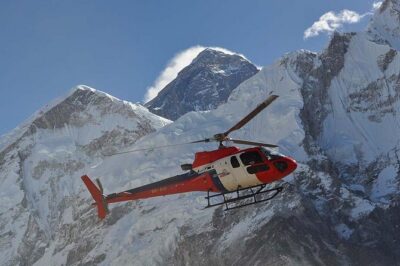 ★ 5.0Everest Base Camp Trek with Helicopter Return from Gorakshep to LuklaFrom $3,000161 reviews
14-Days Private Everest Base Camp TrekFrom $1,600152 reviews
Lists this tour sits in