
REVIEW · EVEREST BASE CAMP TREKS
12 Days Everest Base Camp Trek
That Lukla flight changes everything. This is the classic Everest Base Camp journey, built around acclimatization and big-mountain payoff, from Lukla’s Tenzing-Hillary Airport to Kalapatthar at 5,545m. You’ll also spend meaningful time alongside the Dudhkoshi (Milk River) and pass Sherpa villages where the daily rhythm feels human, not touristy.
I like how the trip is set up to reduce stress for real people, not hardcore athletes. You get domestic flights Kathmandu to Lukla and back, three meals a day, a licensed high-altitude trained guide, and a porter (1 for 2 trekkers), plus an oximeter and first aid kit for altitude checks.
One consideration: you are still heading into high altitude every day. Even with a smart pace, the early starts and the cold at higher elevations can feel like a lot, especially if you’re not used to steep, rocky walking.
In This Review
- Key points before you go
- Lukla to Kalapatthar: why this trek feels like a true Khumbu classic
- Price and value: what you get for $605
- Your 12-day route in plain language, stop by stop
- Day 1: Lukla, then down to Phakding
- Day 2: Phakding to Namche Bazaar
- Day 3: Acclimatize in Namche, then up to Everest View Hotel
- Day 4: Namche to Tyangboche
- Day 5: Tyangboche down toward Deboche, then onward to Dingboche
- Day 6: Dingboche acclimatization day to Nagarjuna
- Day 7: Dingboche to Lobuche
- Day 8: Lobuche to Gorakshep, then to Everest Base Camp
- Day 9: Kala Patthar sunrise day
- Day 10: Back down to Namche Bazaar
- Day 11: Namche down to Lukla via Phakding
- Day 12: Fly Lukla back to Kathmandu, then a free afternoon
- How altitude and pacing are handled, and where you still need discipline
- Guides, porter support, and the small logistics that protect your day
- Flights to Lukla: the only part you should treat as unpredictable
- When to go, and what you might spot along the Dudhkoshi
- Should you book this Everest Base Camp trek?
Key points before you go
- Lukla flights plus a tight Kathmandu buffer: you fly in and out with the trek, so you’re not stuck guessing logistics on your own
- Acclimatization built into the plan: Namche and the Dingboche area are used to catch your breath before higher ground
- Sunrise payoff is part of the schedule: Everest View Hotel on one day, then Kala Patthar for a steep, early climb
- Everest Base Camp is reached via Glacier terrain: expect rocky sections and a real sense of scale around Gorakshep
- Support details matter: walkie-talkies for group coordination, plus a government-licensed, high-altitude trained guide
- You’re guided, but you still hike: the included pace can be adjustable, yet you need moderate fitness and good stamina
Other routes to Base Camp, side by side
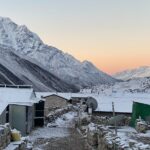
Lukla to Kalapatthar: why this trek feels like a true Khumbu classic
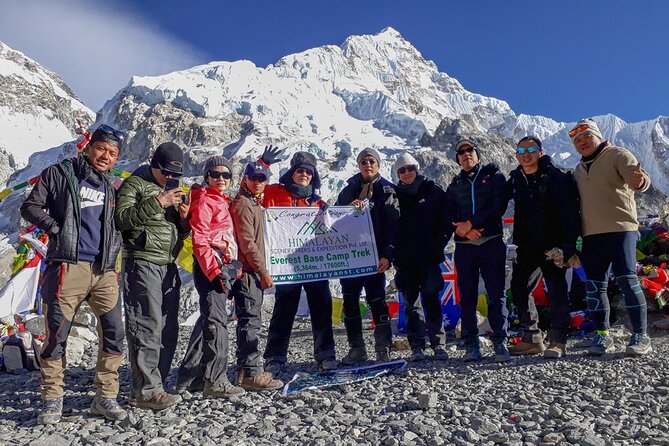
Everest Base Camp is famous for a reason. It’s not just a destination, it’s a route through the Khumbu region where you watch the mountains get closer in a very physical way. Starting at Lukla, you begin with an engine-thrumming launch into the mountains, then transition into trails that follow rivers, forests, and villages step by step.
What makes this specific 12-day format appealing is how it balances two needs you’ll actually have in the field: you need time to acclimatize, and you need enough trekking days to reach the high points that make the effort worth it. You go up to Kalapatthar (5,545m) for the sunrise perspective, and the Base Camp area sits around 5,364m.
And along the way, the scenery isn’t only mountains. You’ll pass through rhododendron forests, monastery areas, and the everyday life of Sherpa settlements. Keep an eye out for the Danphe, Nepal’s national symbol and an endangered bird, if you’re lucky with timing and light.
Price and value: what you get for $605
At $605 per person, the value comes from what’s bundled. This is not a bare-bones guided walk where you still pay extra for the key mountain pieces. Your package includes:
- Domestic flights Kathmandu to Lukla and back
- Three meals a day during the trek
- Twin-sharing lodge accommodation
- A government-licensed guide who is high-altitude trained
- Porter support (1 porter for every 2 trekkers)
- Trekking permits fees for Sagarmatha National Park plus the TIMS card
- Trekking essentials included in the trip kit: trekking map, trekking hat, duffel bag, and trekking pole
- Basic altitude and safety tools: an oximeter for checking pulse and oxygen saturation, and a first aid kit
- Walkie-talkies available for group trekkers
- Airport transfers in Kathmandu by private/shared vehicle
- A trek achievement certificate after completion
Where the value can quietly pay off is in the “small stuff” you’d otherwise manage: permits, planning, and daily coordination. When you’re moving through remote areas, having someone else handle the smooth-running basics lets you spend your energy on hiking and recovering.
The trade-offs are also clear. Personal travel insurance is not included. Snacks, drinks, and personal expenses are on you. And you still need your own personal trekking gear. If you show up under-prepared, you’ll end up buying or improvising, which can turn an easy day into a stressful one.
Your 12-day route in plain language, stop by stop
This trek is designed like a stepped staircase. Some days feel long, but they also give your body a chance to adjust. Here’s what the days generally feel like, and what each stop is good for.
Day 1: Lukla, then down to Phakding
You start with that classic Lukla flight, about 45 minutes to the Tenzing-Hillary Airport. The flight is short, but it’s a moment because the landscape instantly looks more serious than Kathmandu.
Once you land, the trail begins for real with a descent to Phakding. The upside of starting with downhill is that you can settle into the rhythm without immediately grinding uphill. The downside is you still feel the altitude the moment you stop moving, so don’t celebrate too early with big sightseeing plans.
Other lodge to lodge routes near Kathmandu
Day 2: Phakding to Namche Bazaar
Today is your first long hiking day, roughly 7 hours in the schedule. You’ll follow and cross the curves of the Dudhkoshi and move along the established trail through suspension bridges and cable routes.
Namche Bazaar is where the trekking world starts to feel more organized and high-mountain. It’s also where you’ll want to remember your goal: acclimatize, not race. Pushing too hard on day two is the classic way to feel rough later.
Day 3: Acclimatize in Namche, then up to Everest View Hotel
You go to Everest View Hotel via tea stops near the Syangboche airstrip. This is the day where you “work less, climb smarter.” The plan is a full acclimatization day, even if you think you feel fine.
This day’s big value is perspective. You’ll be higher, you’ll be closer to big views, and you’ll learn what the altitude feels like in daily life. If you’re going to struggle, it usually shows itself here as breathlessness that doesn’t match your effort.
Day 4: Namche to Tyangboche
The trail resumes with a steep climb early, then turns into a more moderate trek for a while. You’re heading toward Tyangboche and the monastery area in the broader Tengboche region.
This is a day to watch your breathing and keep your steps steady. Steep sections punish quick pacing, but they also deliver one of the classic “mountains are right there” moments as you approach the monastery viewpoints.
Day 5: Tyangboche down toward Deboche, then onward to Dingboche
You’ll wake up for the sunrise from the monastery area, then descend through a rhododendron forest toward Deboche at about 3,320m. After that, you continue toward Dingboche.
The special part of this day is the change of scenery. Rhododendron forests mean softer gradients and a different kind of quiet. The drawback is that sunrise wake-ups stack fatigue. If you’re prone to short sleep, start managing it the night before, not on the trail.
Day 6: Dingboche acclimatization day to Nagarjuna
Since you’re above 4,400m, this is your “don’t skip it” day. You take it easy and hike to a nearby hill called Nagarjuna for acclimatization and views.
This is where a good guide earns trust. Acclimatization days should feel purposeful, not wasted. If you take the day too lightly, you risk doing too much later. If you take it too hard, you risk feeling it on the push toward Lobuche.
Day 7: Dingboche to Lobuche
This is a forward-driving day. You head up through the wider valley under Cholatse and Tawache peaks, with more of the terrain feeling like a lead-in to the glacier zone later.
This day matters because it positions you for the dramatic “today is the dream” feeling the next day. If you arrive tired, you’ll still reach the sights, but you might not enjoy them as much.
Day 8: Lobuche to Gorakshep, then to Everest Base Camp
Today is the big one. You leave Lobuche, and the path becomes rocky and climbs toward Gorakshep. From there, you continue to Everest Base Camp, described as moving along the glacier area, then onto a rocky downhill and uphill trail.
You’re on the Khumbu Glacier route in parts, which means the ground is not “walk in the park” terrain. This is where you want to keep your footing careful, take breaks when your body asks, and avoid charging just because the Base Camp sign is close.
The payoff is the kind of scale that messes with your brain. You’re not only looking at the mountain, you’re walking in the same high-altitude zone where expeditions once planned, trained, and waited.
Day 9: Kala Patthar sunrise day
You wake super early and hike to Kala Patthar for sunrise. It’s steep and rocky. This is not the day to use “I’ll be fine” energy on tired legs.
But the reward is the viewpoint over Mount Everest. If you want the photo moment, this is it, and it’s worth respecting the effort.
Practical tip: sunrise days are also about cold management. You’ll be in motion, then stopping, then moving again, and your body will swing between warm and freezing fast.
Day 10: Back down to Namche Bazaar
You have a heavy breakfast, then begin trekking toward Namche Bazaar. The schedule calls it a long walk but comparatively easier because the elevation drops as you go.
That drop helps your lungs and legs, but it can also be tough on your knees and ankles. Take downhill seriously. Shorter strides and frequent pauses make the difference between finishing feeling okay and limping into the evening.
Day 11: Namche down to Lukla via Phakding
Today you descend through lush forests and remote villages. You cross bridges and streams, then retrace through Monjo and back toward Lukla via Phakding.
This day feels like closing chapters. The mountain is still there, but you’re now moving with the knowledge that you’re heading home. It’s a good day for slowing down and paying attention to the small village life you might have missed earlier.
Day 12: Fly Lukla back to Kathmandu, then a free afternoon
You fly back from Lukla to Kathmandu, then drive to your hotel. The remaining day is free, so you can recover, eat something normal, and do Kathmandu-style relaxing.
This final day is valuable because it’s not packed with hiking. You get real recovery time after the physical push of sunrise, Base Camp, and the trek out.
How altitude and pacing are handled, and where you still need discipline
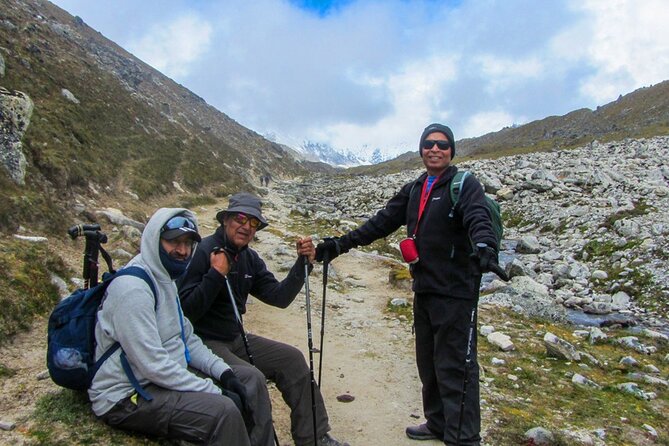
This trek is built for acclimatization, but it cannot replace common sense. Here’s what the plan does well based on the structure:
- It includes dedicated acclimatization time around Namche and Dingboche
- It schedules the big Base Camp and Kala Patthar effort after you’ve already moved into higher zones gradually
- It provides an oximeter for checking pulse and oxygen saturation, which gives your guide practical data during altitude stress moments
- It uses a group approach with coordination tools like walkie-talkies, which can matter if someone needs extra attention
What you still control is pacing and rest. The biggest altitude mistake is often not “walking fast,” it’s “recovering poorly.” If you ignore symptoms, push late into the day, or sleep badly, your body pays the price.
Also, this trek hits substantial heights. Kalapatthar is listed at 5,545m, Base Camp at 5,364m, and you spend time in the 4,400m range on the way. That’s why the physical fitness requirement is listed as moderate, and why the guide is described as high-altitude trained.
Guides, porter support, and the small logistics that protect your day
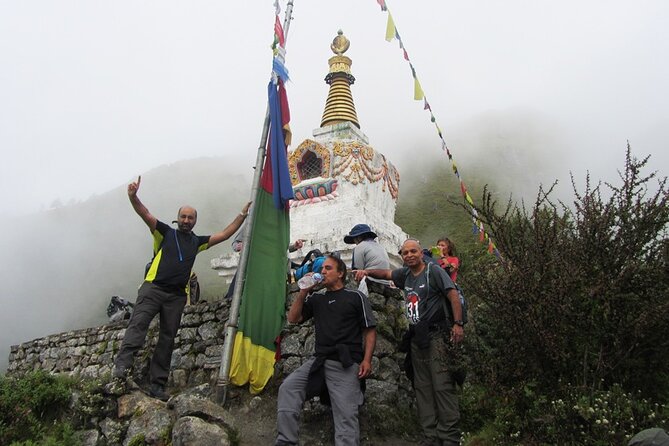
One of the most praised parts of this kind of trek is not a dramatic story, it’s how the team handles the day when things get hard. In past experiences, the guide names that pop up often include people like Rajesh Magar, Narayan Ntc, Bikram, and Gopal, and the theme is consistent: competent pace choices and real help when people need it.
Even without assuming you get any specific person, the structure tells you what you’ll benefit from:
- A government-licensed, high-altitude trained guide
- Porter support (1 for 2 trekkers), which helps you avoid carrying every heavy item
- A first aid kit and accident insurance for staff (meaning the team is operating inside a safety framework)
- Trekking poles included, plus other basic gear like the duffel bag and hat
For you, the practical effect is simple. Less load equals more stable steps, and stable steps equals safer hiking. Porter support also helps when you’re moving through colder mornings and your hands are less coordinated.
Porter note: you still need to pack smart. Use the included duffel bag system, and keep frequently needed items accessible so you’re not unpacking constantly.
Flights to Lukla: the only part you should treat as unpredictable
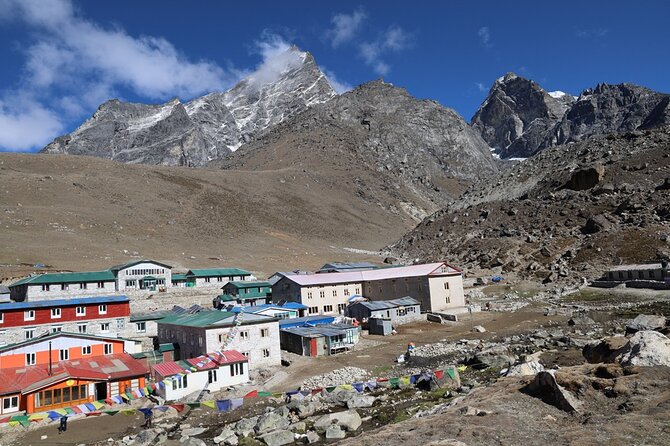
Lukla flights are short, but they can be sensitive to weather. This matters because the trek hinges on flying in on day one and returning on day twelve.
So I recommend packing with flexibility in mind. Keep important items easy to access, and be ready for adjustments if the flight schedule changes. Even if everything goes smoothly, you’ll feel better if your planning isn’t based on perfect timing.
The good news is that the trip includes domestic flights and transfers, so you’re not managing flight booking on your own. That reduces the risk of last-minute confusion, especially if you’re new to Nepal logistics.
When to go, and what you might spot along the Dudhkoshi
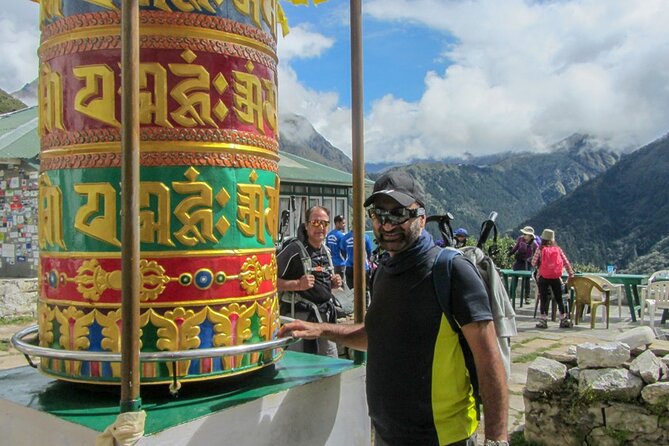
The best seasons are described as favorable for about eight months each year. That’s a helpful clue if you’re planning your year around a specific window rather than chasing one perfect week.
Along the way, the Dudhkoshi (Milk River) is a recurring companion for about three days. It’s not just scenery. River valleys often feel easier to walk because the route has natural alignment, and it’s easier to spot landmarks as you move.
Also, if you’re a bird person, keep an eye out for the Danphe. A rare species and a national symbol is the kind of thing you remember because it connects the trek to Nepal beyond the big postcard peaks.
Should you book this Everest Base Camp trek?
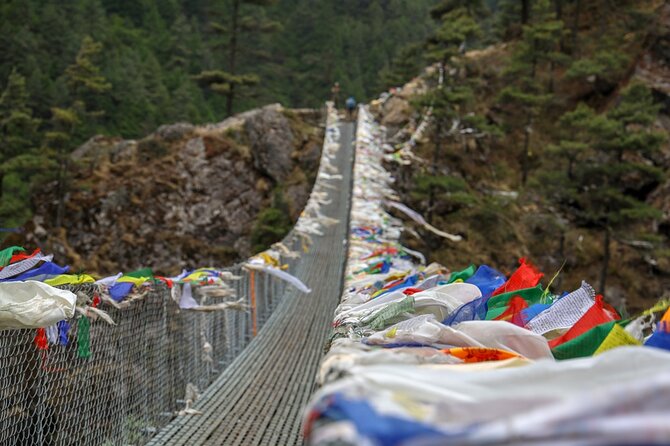
I’d book it if you want the classic Everest Base Camp experience with solid built-in support, including flights, meals, permits, and high-altitude trained guidance. The structure is especially appealing if you’re coming with moderate fitness and you want a plan that takes acclimatization seriously rather than treating it like optional cardio.
Skip or reconsider if you know you struggle with early starts, you’re not comfortable with steep, rocky walking, or you’re counting on a relaxed pace. This trek is manageable, but it’s still a real mountain effort, and it rewards people who show up prepared and hike with discipline.
If you want an EBC trek that keeps logistics tight and focuses on getting you to Kala Patthar and Base Camp without turning the trip into a project, this one is a strong match.
Lodge to Lodge Around Kathmandu
The Rest of Our Kathmandu Write Ups

Base Camp, Three More Ways
Everything else we have reviewed around Kathmandu
- 12 Days Everest Base Camp Trekking
★ 5.0 · 3 reviews - 1 Night 2 Days Chitwan Jungle Safari Tour from Pokhara or Kathmandu
★ 3.0 · 3 reviews - Thamel Rickshaw tour
★ 4.7 · 3 reviews - Kathmandu: Momo Making Class with a Local Chef
★ 5.0 · 3 reviews - Kathmandu: Full-Day Yoga, Body Massage and Pedicure Package
★ 5.0 · 3 reviews - From Kathmandu / Pokhara / Chitwan: River Rafting – 1 Day
★ 4.6 · 3 reviews
Everest Base Camp Treks worth a second look.
 ★ 5.0Everest Base Camp Trek – 14 DaysFrom $1,8001,499 reviews
 ★ 5.0Everest Base Camp TrekkingFrom $1,350485 reviews
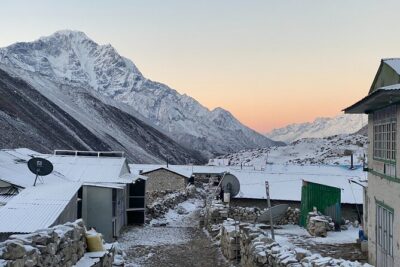 ★ 5.0Everest Base Camp Trekking – 13 DayFrom $1,399365 reviews
★ 5.0Everest Base Camp Trek -14 DaysFrom $1,420321 reviews
★ 5.0Everest Base Camp Trekking – 13 DayFrom $1,399365 reviews
★ 5.0Everest Base Camp Trek -14 DaysFrom $1,420321 reviews
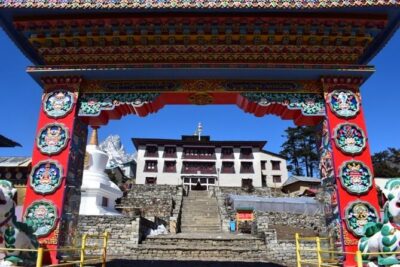 ★ 5.0Everest Base Camp Trekking – 2025/2026From $1,339199 reviews
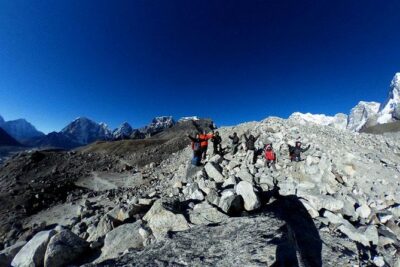 ★ 5.0Everest Base Camp TrekFrom $1,408193 reviews
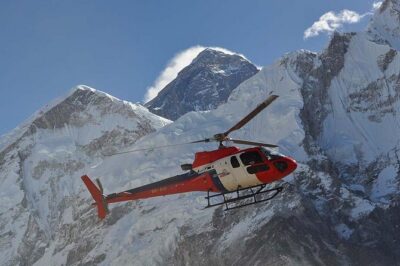 ★ 5.0Everest Base Camp Trek with Helicopter Return from Gorakshep to LuklaFrom $3,000161 reviews
14-Days Private Everest Base Camp TrekFrom $1,600152 reviews
★ 5.0Everest Base Camp Trek with Helicopter Return from Gorakshep to LuklaFrom $3,000161 reviews
14-Days Private Everest Base Camp TrekFrom $1,600152 reviews
Lists this tour sits in