
REVIEW · EVEREST BASE CAMP TREKS
14 Days Everest Base Camp Trek
Everest isn’t reached by luck, it’s earned step by step. This 14-day trek strings together classic Khumbu moments like Namche Bazaar acclimatization, the old-school monastery at Tengboche, and big-sky viewpoints that feel almost unfair. You also get cultural stops in Sherpa country, not just altitude.
I especially like the mix of built-in recovery days and the “why” behind them. The itinerary gives you a smart acclimatization rhythm around Namche and later at Dingboche, so your body has a chance to catch up with the altitude. I also like that you’re not doing this alone, with a licensed trekking guide and a porter system set up for luggage.
One consideration is the altitude and the early starts. You’ll go high, including a pre-dawn push to Kala Patthar at 5,545 meters, and that takes real fitness and a calm approach to breathing and pace.
In This Review
- Key highlights worth your attention
- Kathmandu to Lukla: the journey starts before the trail
- Phakding and the first walking rhythm that actually matters
- Namche Bazaar: where acclimatization becomes part of the adventure
- Tengboche monastery: views, prayer flags, and the calm between climbs
- Dingboche and Nagarjun Hill: rest day, but not a couch day
- Lobuche, Gorak Shep, and the approach to Everest Base Camp
- Kala Patthar before dawn: why this is the trek’s loudest payoff
- The return to Namche and Lukla: long hours, simpler goals
- Kathmandu wrap-up: you land back in regular life
- What $2,200 covers, and what you still need to budget
- Meals, lodges, and the stamina game on an Everest route
- Fitness, altitude, and who this trek suits best
- Should you book this Everest Base Camp trek?
- FAQ
- Where does the trek start in Kathmandu?
- Are airport transfers included?
- Do I get flights as part of the package?
- Are trekking permits included?
- Will there be a guide and porter?
- What meals are included during the trek?
- Is travel insurance included?
- What happens if my plans change and I need to cancel?
Key highlights worth your attention
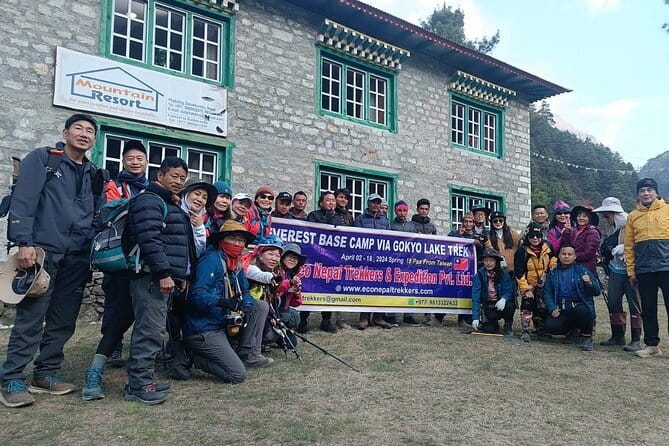
- Namche Bazaar acclimatization with Everest View Hotel for 360-degree panoramas
- Tengboche monastery day for ancient sights plus photo-friendly prayer flags and stupas
- Dingboche rest day with Nagarjun Hill to help you acclimatize without burning out
- Gorak Shep and Everest Base Camp arrival on the lateral moraine of the Khumbu Glacier
- Pre-dawn Kala Patthar for one of the trek’s best high-altitude viewpoint payoffs
- Local support and organization that past clients linked to owner Pemba Tamang and guides such as Prayash
Other routes to Base Camp, side by side


Kathmandu to Lukla: the journey starts before the trail
The trek begins in Kathmandu, with airport pickup and a stay in Thamel. You get 2 nights in a 3-star hotel on twin sharing with breakfast, which matters because the first day can be a bit of a blur. Thamel is convenient for gear checks, quick meals, and getting your bearings before the mountains start bossing you around.
What I like here is the early structure. Day 1 keeps you in “human mode,” then Day 2 shifts into the Khumbu rhythm: drive toward the departure area, fly to Lukla, then start walking. That’s a better feel than trying to cram sightseeing and hiking into one stressed day.
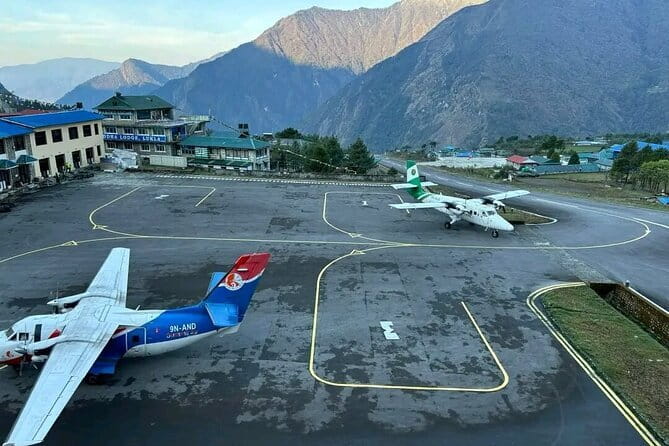
On Day 2, you’ll drive about 4 to 5 hours from Kathmandu to Manthali, Ramechhap, then take a short flight to Lukla. Even though the flight is brief, it’s a big deal psychologically, because you’ll see how quickly Nepal goes from city noise to high-altitude terrain. From there, the trek begins toward Phakding.
Phakding and the first walking rhythm that actually matters
Your first trekking stop is Phakding, and it’s a classic warm-up stage in the Khumbu region. You’re not just counting miles today, you’re learning how your body handles walking time, steady climbs, and the “stop and breathe” rhythm that altitude demands.
Expect a real change in air feel once you start gaining elevation. This is also where your trekking pace choices show up: slow and steady keeps you moving well, and it sets up the harder days later. If you’re tempted to race ahead early, resist. Save energy for the long acclimatization logic coming up.
This stage is also practical for photo lovers. You’ll see mountain views and Sherpa landscapes opening up, without the pressure of a summit-style day.
Namche Bazaar: where acclimatization becomes part of the adventure
Namche Bazaar is the gateway hub of the Everest region, and two days here are the heart of the trek’s planning. On Day 3, the trek is described as difficult but rewarding, with uphill sections as you walk past Sherpa communities such as Benkar and Chumoa. You’ll also reach Monjo, the Sagarmatha National Park entrance, so you’re stepping into a protected high-mountain zone rather than just wandering trails.
On Day 4, the focus shifts to acclimatization, and it’s smartly done. You walk to the Everest View Hotel, known for 360-degree panoramas. This kind of viewpoint stop is not just for photos, it’s also for pacing, because you can take breaks, drink water, and let your breathing settle as you gain height.
I like this approach because it helps you avoid the most common mistake on EBC-style treks: treating acclimatization days like free days. Here, you’re moving, but in a controlled way. That tends to make the later high-altitude segments feel less like a sudden shock.
Tengboche monastery: views, prayer flags, and the calm between climbs
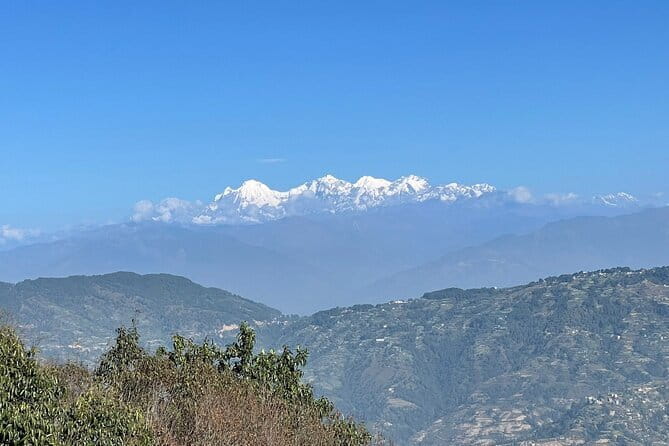
Tengboche is one of the trek’s emotional stops. Day 5 is set up as a more leisurely walking day with fewer steep sections, which makes it a great time for photos and for enjoying the rhythm of the Khumbu. Along the way, the details matter, prayer flags and stupas show up as you move through Sherpa-influenced spiritual landscapes.
You’ll arrive at Tengboche, with its revered monastery and that wide, dramatic feel you only get in big-mountain country. Sunrise and sunset views of Everest can be seen from this area, so if weather cooperates, you’ll get a “look again” moment. On a trek like this, those moments can be the difference between finishing and truly remembering the trip.
Possible drawback: monastery-area weather can be fickle. Cloud can swallow peaks, so have a flexible mindset and plan to get your best views by being present at the right times, not by forcing it.
Other lodge to lodge routes near Kathmandu
Dingboche and Nagarjun Hill: rest day, but not a couch day
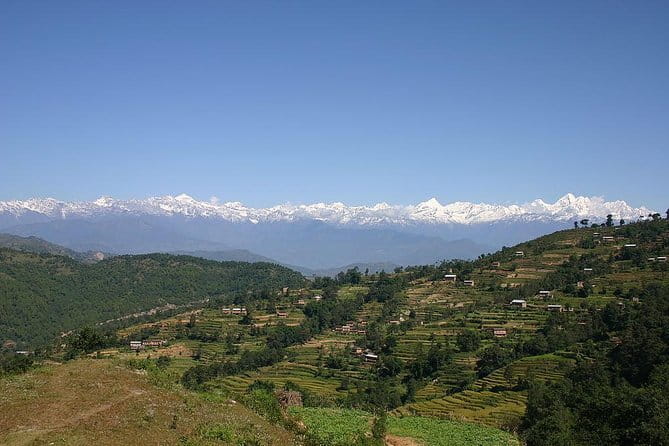
Dingboche is your next acclimatization anchor point, and Day 6 builds toward it with scenery and culture. You’ll pass picturesque places like Pangboche, with views of Mt. Ama Dablam, plus chortens and mani walls. This is one of those sections where the trail feels like more than a route, it feels like a moving gallery.
Day 7 is a crucial rest and acclimatization day. Even though the schedule says you take it easy, you stay active with a walk to Nagarjun Hill at about 5,100 meters. That’s the key idea: you gain altitude in a controlled way, then you return to sleep lower if the trek’s plan supports it.
I like days like this because they help you avoid the “one big push and hope” mindset. If you follow the pacing guidance and don’t overdo it on the hill climb, the next segments tend to feel more manageable.
Lobuche, Gorak Shep, and the approach to Everest Base Camp
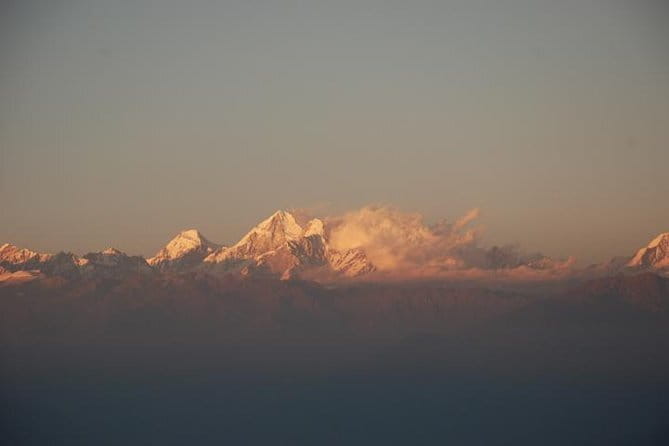
On Day 8, you head toward Lobuche and the Pheriche Valley area. The itinerary highlights gradual ascent through alpine brush and yak pastures, and it calls out major viewpoint candidates like Ama Dablam, Tawoch, and Cholotse. This is where the trek starts to feel more alpine, less village-and-meadow, more high-world and stone.
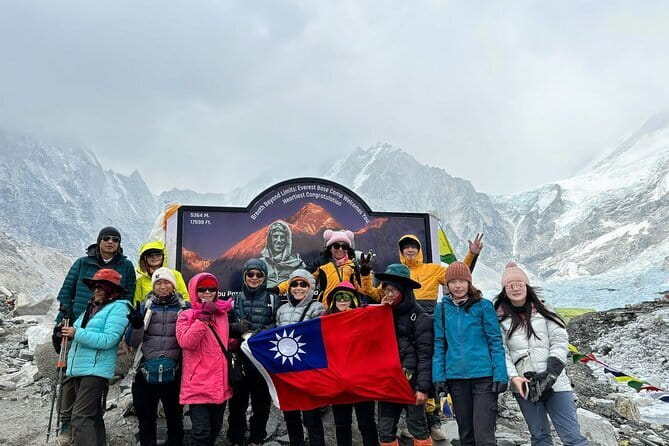
Day 9 is the big one: you reach Everest Base Camp. The schedule describes arriving at Everest Base Camp by way of Gorak Shep Village, encircled by snow-capped mountains along the lateral moraine of the Khumbu Glacier. Even if you’ve seen photos before, the physical scale of glacier terrain is hard to replicate on a screen.
This is also where logistics and energy matter. Base Camp days can be emotionally high and physically draining, because you’re close to the endpoint but still deep in the high-altitude zone. If you want the full experience, you’ll want to balance looking around with conserving energy for the next day’s highlight.
Kala Patthar before dawn: why this is the trek’s loudest payoff
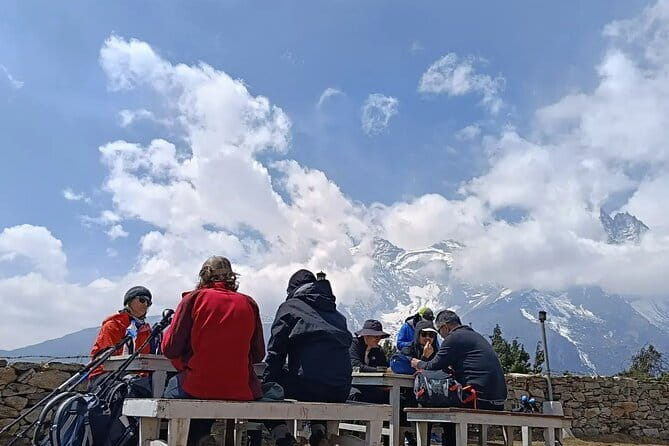
Day 10 is a pre-dawn start for Kala Patthar, described as the trek’s highest point at 5,545 meters. The reward is a 360-degree panorama, including Everest, Nuptse, Lhotse, Ama Dablam, and more. This is one of those moments where weather decides a lot, but preparation decides whether you get to be part of the moment instead of stuck watching from regret.
What I like about this day is the timing logic. Going early gives you a better shot at clear views and calmer trail conditions. Also, it turns a hard day into a focused one, because your only mission is to reach the viewpoint and take it in.
Practical consideration: bring layers you can actually manage in early morning cold. You’ll likely be standing around for sunrise-style scenery, so comfort affects your enjoyment more than you’d think.
The return to Namche and Lukla: long hours, simpler goals
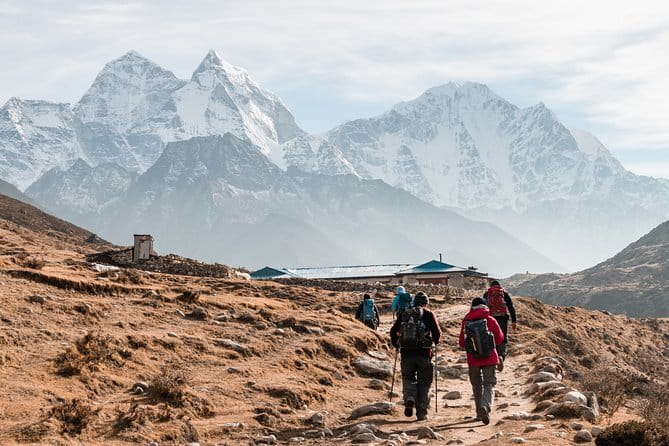
After the highest viewpoint day, the trek shifts toward returning. Day 11 moves toward Namche Bazaar, and the schedule notes a trail that declines with some uphill sections. It also mentions the restoration of forests and flora as you go, which is a nice shift in feel after the more stark high-altitude environment.
Day 12 is the last hiking day back to Lukla. Once you arrive in Lukla, you’re set up for rest with an emphasis on sleeping well. That matters because the last stages include travel time, and your body will appreciate downtime after a long run of altitude days.
The return path is a good reminder that trekking is not only about big moments. It’s also about handling tired legs, staying hydrated, and keeping a steady pace when motivation dips.
Kathmandu wrap-up: you land back in regular life
Day 13 brings you back to Kathmandu depending on flight availability and weather. The itinerary says you may fly to Kathmandu or return via Manthali Airport, which is typical in mountain regions where conditions can change.
Day 14 is a final airport transfer, timed about three hours before your scheduled departure. You’ll also have some time on the way in Kathmandu for shopping before your flight, which is a nice bonus if you want practical souvenirs rather than just photos.
I like the way this kind of wrap-up works for Everest treks. After the mountains, it’s satisfying to eat normal food, get a little sleep catch-up, and take time to sort through what you actually remember, not just what you photographed.
What $2,200 covers, and what you still need to budget
At $2,200 per person, this is not a budget trek, but it is a value-style package if you want someone else to manage the core systems. Included highlights include airport pickup and drop-off by private vehicle in Kathmandu, the domestic flight ticket listed as LUK-RMH-LUK plus domestic airport tax, and 2 nights in Kathmandu hotel with breakfast.
You also get permits included, including Sagarmatha/Everest National Park permits and TIMS. Those are essential for trekking legally in this region, and it’s one less thing to juggle.
Meals are included during the trek, with breakfast, lunch, and dinner. You’ll also get a farewell dinner in a typical Nepali restaurant, plus an achievement certificate after completing the trip. There’s also a porter system: one porter assigned to two clients to carry luggage, which can make a huge difference on long days.
What’s not included matters for real budgeting. You will need to cover your Nepal entry visa fee and international airfare. The package also does not include travel insurance, including high-altitude emergency evacuation coverage, and it does not include your personal trekking gear. On top of that, drinks and extras are on you, including mineral water and hot drinks, plus tips for your trekking guide, porter, and driver.
My practical advice: budget for tips and insurance as part of the true cost. For an Everest region trek, skipping high-altitude evacuation coverage is the one financial decision I would not make.
Meals, lodges, and the stamina game on an Everest route
The trek includes breakfast, lunch, and dinner while you’re on the route, so you’re not constantly hunting for food. That reduces stress, which matters when your appetite might be weird due to altitude.
You should still plan for conditions changing day to day. The itinerary suggests a mix of harder and easier walking segments, and your food experience will follow that pattern. More intense days can make simple meals feel like a superpower, so I suggest you eat consistently and don’t skip meals just because you feel slow.
Lodges are implied by the day-to-day structure and the stop at villages like Gorak Shep, but the exact lodge level is not spelled out here. So if lodge comfort is a top priority for you, ask ahead what level of lodge accommodations you’ll be using.
A small but useful tip: bring a snack strategy for yourself. The package notes that sweets like chocolates and dessert during the trek are not included, so if you like a treat, plan it.
Fitness, altitude, and who this trek suits best
This trek is listed as requiring moderate physical fitness. That’s a helpful starting point, but altitude makes moderation mean something different. The presence of acclimatization days at Namche and Dingboche helps, yet you still face steep days and high elevations, including Kala Patthar.
If you enjoy hiking for long hours and you handle early mornings fairly well, you’ll likely find this plan works. The route also suits people who want classic Everest region scenery, monastery culture at Tengboche, and the Everest Base Camp arrival moment.
If you have health issues that altitude can worsen, you should think carefully. The data is clear that travel insurance with high-altitude emergency evacuation coverage is not included, which is a hint that altitude risk is real and should be handled before you go.
Should you book this Everest Base Camp trek?
I’d book this if you want a well-paced EBC route with acclimatization built into the schedule, not just tacked on. You also get strong practical value from the included permits, meals, licensed guide support, and porter arrangement that cuts down on carrying burden.
I wouldn’t book it if you’re trying to keep costs ultra-low or if you’re not ready for pre-dawn movement and high-altitude days. The trip can be demanding, and the extra costs like insurance, visa, and drinks can surprise you if you only look at the headline price.
If you do book, my best advice is simple: take the acclimatization days seriously, keep your pace conservative, and prepare for cold mornings on summit-style viewpoints.
FAQ
Where does the trek start in Kathmandu?
You get picked up from the airport in Kathmandu and taken to a convenient hotel in Thamel for the start of the trip.
Are airport transfers included?
Yes. Airport pick up and drop off are included via private vehicle.
Do I get flights as part of the package?
Yes. Domestic flight ticket is included as LUK-RMH-LUK, along with domestic airport tax.
Are trekking permits included?
Yes. Permits for Sagarmatha and Everest National Park and TIMS are included.
Will there be a guide and porter?
Yes. The trip includes an experienced trekking guide licensed by the government, and there is a porter available during the trek. The porter allocation is 1 porter for two clients.
What meals are included during the trek?
Breakfast, lunch, and dinner are included during the trekking days. Lunch and dinner in Kathmandu are not included.
Is travel insurance included?
No. Travel insurance is not included, and the package specifically notes that high-altitude emergency evacuation coverage is not included.
What happens if my plans change and I need to cancel?
You can cancel up to 6 days in advance for a full refund, 2 to 6 days for a 50% refund, and less than 2 days before the start time is not refunded.
Lodge to Lodge Around Kathmandu
The Rest of Our Kathmandu Write Ups



Base Camp, Three More Ways
Everything else we have reviewed around Kathmandu
- 12 Days Everest Base Camp Trekking
★ 5.0 · 3 reviews - 1 Night 2 Days Chitwan Jungle Safari Tour from Pokhara or Kathmandu
★ 3.0 · 3 reviews - Thamel Rickshaw tour
★ 4.7 · 3 reviews - Kathmandu: Momo Making Class with a Local Chef
★ 5.0 · 3 reviews - Kathmandu: Full-Day Yoga, Body Massage and Pedicure Package
★ 5.0 · 3 reviews - From Kathmandu / Pokhara / Chitwan: River Rafting – 1 Day
★ 4.6 · 3 reviews
Everest Base Camp Treks worth a second look.
 ★ 5.0Everest Base Camp Trek – 14 DaysFrom $1,8001,499 reviews
 ★ 5.0Everest Base Camp TrekkingFrom $1,350485 reviews
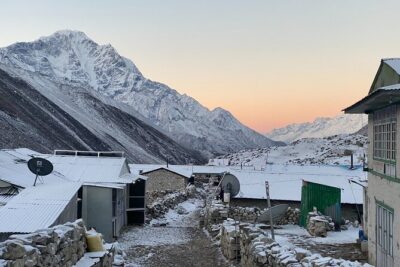 ★ 5.0Everest Base Camp Trekking – 13 DayFrom $1,399365 reviews
★ 5.0Everest Base Camp Trek -14 DaysFrom $1,420321 reviews
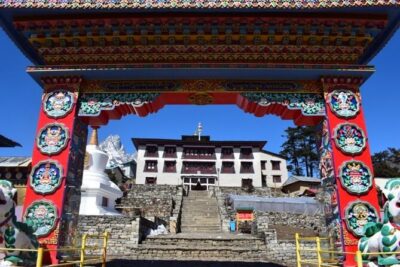 ★ 5.0Everest Base Camp Trekking – 2025/2026From $1,339199 reviews
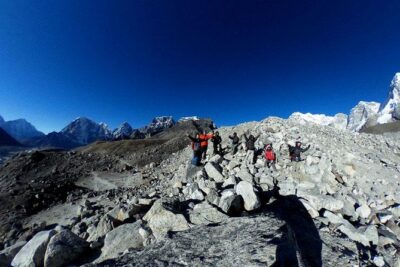 ★ 5.0Everest Base Camp TrekFrom $1,408193 reviews
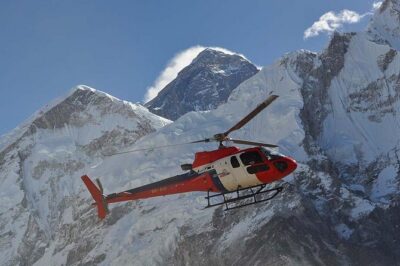 ★ 5.0Everest Base Camp Trek with Helicopter Return from Gorakshep to LuklaFrom $3,000161 reviews
14-Days Private Everest Base Camp TrekFrom $1,600152 reviews
Lists this tour sits in