
REVIEW · EVEREST BASE CAMP TREKS
14 Days Everest Base Camp Trek
Everest begins with a bumpy flight and careful pacing. This 14-day trek is interesting because you go from Kathmandu to the Khumbu, then work your way up through Sherpa villages, acclimatize the smart way, and finish with high-elevation viewpoints at Everest Base Camp (around 5,463m) and Kalapather Hill (around 5,450m). I love the focus on licensed guidance and real porter support, plus the way rest days still move you toward better acclimatization. I also like the built-in early-morning plan for sunrise views from Kalapather. A possible drawback: altitude is not optional here, and the trek is listed for travelers with strong physical fitness.
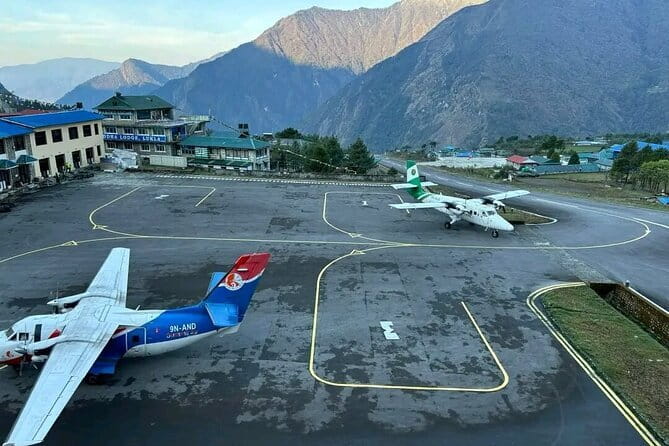
You’ll sleep in the teahouse rhythm, walk days that can feel long on the legs, and still get a lot of variety in views. The trek also includes a domestic flight to Lukla, famous for its tricky landings, which adds real adventure to day 2. If you like straightforward logistics and want a trip where someone else is handling the route and basics, this kind of private guided setup can be a good fit.
In This Review
- Key reasons this Everest Base Camp trip earns attention
- Kathmandu first, then you start moving for real
- Lukla flights, first steps, and why that day is a big deal
- Following the Dudhkoshi: bridges, river views, and Namche Bazaar (Day 3)
- Namche rest day that still helps: Syangboche and the Everest View Hotel area (Day 4)
- Tyangboche views: Everest straight ahead and monastery country (Day 5)
- Dingboche is shorter and smarter (Day 6)
- Second rest day, but you climb anyway: Nangkartshang hill (Day 7)
- Thukla Pass and memorials: Lobuche day (Day 8)
- Gorekshap to Everest Base Camp: the long day and the big finish (Day 9)
- Kalapather sunrise: best early view at 5,450m (Day 10)
- Down to Namche: longer control, passing key villages (Day 11)
- Lukla return on Day 12: 7 hours, Phakding lunch, and porter respect
- Kathmandu reset: flight home timing and a full rest day (Days 13 and 14)
- Price and logistics: what $1,680 actually buys
- Guides and support: the human part you feel each day
- Is this Everest Base Camp trek right for you?
- Should you book Magic Himalaya Treks for Everest Base Camp?
- FAQ
- What is the duration of the Everest Base Camp trek in this package?
- Where does the trip start?
- What is included in the price?
- What is not included?
- What are the meeting and start details?
- Do I need travel insurance?
- How high do Everest Base Camp and Kalapather Hill are?
- Do I need to be physically fit?
Key reasons this Everest Base Camp trip earns attention
- Lukla flight plus guided structure: you’re picked up and transferred, then flown onward with the tour handling the key pieces
- Smart acclimatization on rest days: extra hikes like viewpoint walks help you adjust without “doing nothing”
- Big viewpoint payoff at Kalapather (5,450m): sunrise timing gives you one of the closest general looks at Everest
- Everest Base Camp timing and glaciers: base camp is described as changing year to year with glacier shifts
- Safety-minded support team: a licensed guide and porters are part of the package, with a medical kit included
- Culture built into the route: you pass through Sherpa hubs like Namche Bazaar and major monastery areas like Tyangboche
Other routes to Base Camp, side by side


Kathmandu first, then you start moving for real
Most Everest treks feel like they start in the air, but this one starts in Kathmandu. On arrival at Tribhuvan International Airport, you’re met by representatives from Magic Himalaya Treks and Expeditions, with your name used for the meet-up. It’s a small thing, but it helps you get your bearings fast, especially after international travel.
Day 1 is mostly about landing, meeting the team, and setting up your gear. You’re also dealing with practical Nepal items around this stage, like making sure your passport, visa situation, and cash for personal expenses are sorted. The trip lists Nepal entry visa fees as not included, so you’ll want that handled before you reach the airport stage.
One note: the tour starts at 12:45 pm, so if your international flight lands early in the day, you may have extra time to wait around Kathmandu. It’s not a problem, but it’s something to plan for if you hate sitting.
Lukla flights, first steps, and why that day is a big deal
Day 2 brings the domestic jump from Kathmandu to Lukla, with a guide meeting you at your hotel and then taking you to the domestic terminal. You meet porters, then begin trekking downhill. Even when you’re not yet deep in altitude, this day matters because it sets the tempo.
Why I think the flight day is worth paying attention to:
- It compresses your “setup time.” Instead of spending days getting to the trekking villages, you start walking quickly.
- Lukla’s reputation for difficult landings means your weather buffer matters. Clear forecasts are important in the Himalayas, and this tour’s cancellation rules also point to that reality.
This trek is priced with the Lukla flights in the mix for guide and clients. That’s one of the most expensive and most time-sensitive parts of the classic EBC route, so having it handled reduces stress later.
Following the Dudhkoshi: bridges, river views, and Namche Bazaar (Day 3)
By Day 3, you’re trekking along the Dudhkoshi River and crossing suspension bridges multiple times. That repeated bridge rhythm is more than scenery. It breaks the walk into smaller segments, and it keeps your focus from wandering too much when your legs start to feel the climb.
You stop for lunch in Jorsella village, then continue toward Namche Bazaar. The day is listed at about 6 hours, which is a nice “growing into it” length after the first flight day. You’re also moving toward one of the key hubs of the Khumbu: Namche Bazaar, where weather can shift quickly and where the trekking world feels much more concentrated.
If you’re prone to getting a headache at altitude, hydrate early and don’t treat the first days like a race. This kind of route gives you plenty of time to adjust later, but it starts testing you immediately.
Namche rest day that still helps: Syangboche and the Everest View Hotel area (Day 4)
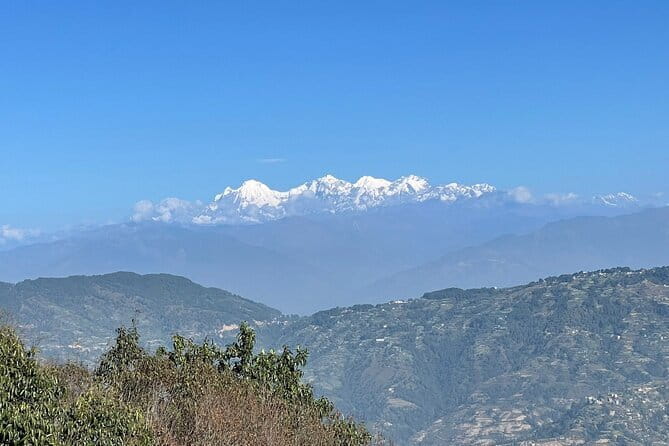
Day 4 is a rest day, but it’s not a do-nothing day. Instead, you take a walk for better acclimatization, with options like Syangboche viewpoint or the Everest View Hotel area.
This is one of my favorite parts of the plan because it follows a simple logic: acclimatize gradually, and keep your body learning without exhausting yourself. You get movement with a payoff, viewpoint-style, rather than “rest” that turns into stiff legs.
A possible drawback here: even though it’s called a rest day, you still need a working amount of stamina. If you’re traveling with someone who insists on pushing hard every day, you’ll want to remind yourself that the goal is altitude adaptation, not personal records.
Other lodge to lodge routes near Kathmandu
Tyangboche views: Everest straight ahead and monastery country (Day 5)
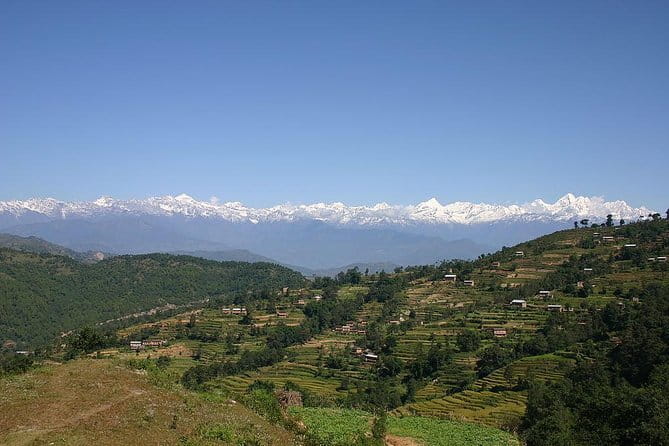
On Day 5, you trek to Tyangboche and get one of the best “Everest facing you” experiences of the trip. The route is described as walking facing Mount Everest and other Himalaya ranges, with mountains like Ama Dablam, Thamserku, and Tabauche mentioned along the way.
The value of a day like this is not just the photos. Tyangboche is a spiritual and cultural stop in the Khumbu. Even if you don’t treat it as a sightseeing day, the monastery-country atmosphere helps break up the nonstop trekking mindset.
This is also a good day to check how your breathing is changing. If you’re short of breath earlier than you expected, pace down and keep your plan gentle for the rest of the week.
Dingboche is shorter and smarter (Day 6)
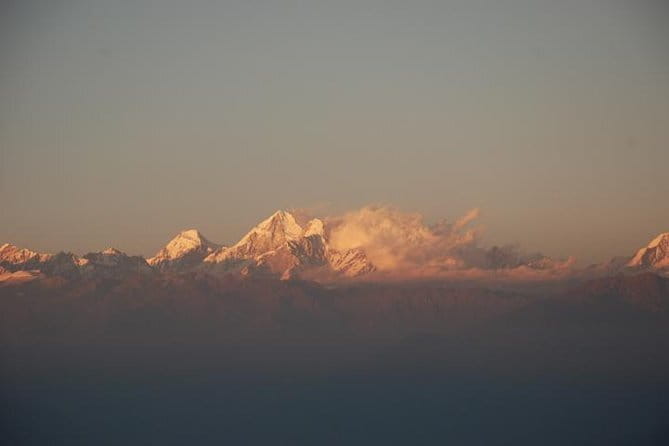
Day 6 is the shortest walking day, about 5 hours, to reach Dingboche. You pass through Pangbochea and Sanasa on the way, with lunch in Dingboche and an “incredible” view of Ama Dablam.
Shorter days at higher altitude are not a luxury. They’re part of what keeps the trip survivable for average trekkers. In practical terms, this day gives your body extra time to adjust before you climb again or hike extra.
Dingboche is also a great place to slow down mentally. By now, you’ve had bridges, river valleys, and Sherpa hubs. Dingboche feels more remote, and that can be exactly what you want before you head toward the higher, more austere parts of the route.
Second rest day, but you climb anyway: Nangkartshang hill (Day 7)
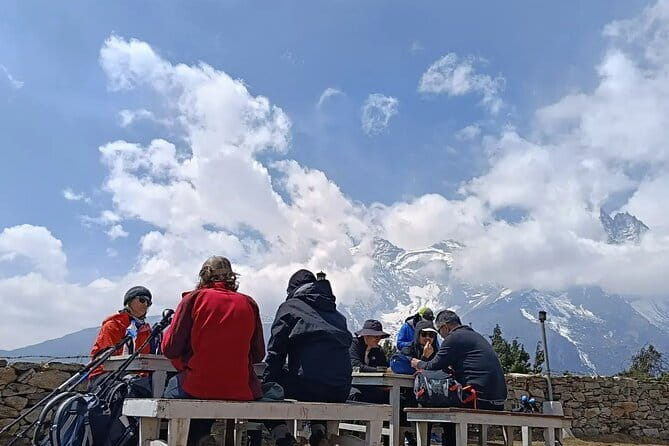
Day 7 is the second rest day, and it includes a hike to Nangkartshang hill around 5,000m. The goal is viewpoint-focused acclimatization, with views of Imja Tse Valley and peaks like Island Peak mentioned.
This is a key “why this trek works” moment. Instead of resting flat and hoping your body adapts, you give it an altitude stimulus, then recover. You’re still walking, but you’re not walking like Day 1 to Day 9 is the only plan.
One practical consideration: the cold gets more serious around this band of elevation. Even if the daytime feels manageable, bring warm layers and plan for early starts. Sunrise and early viewpoints mean your hands and feet will notice the temperature first.
Thukla Pass and memorials: Lobuche day (Day 8)
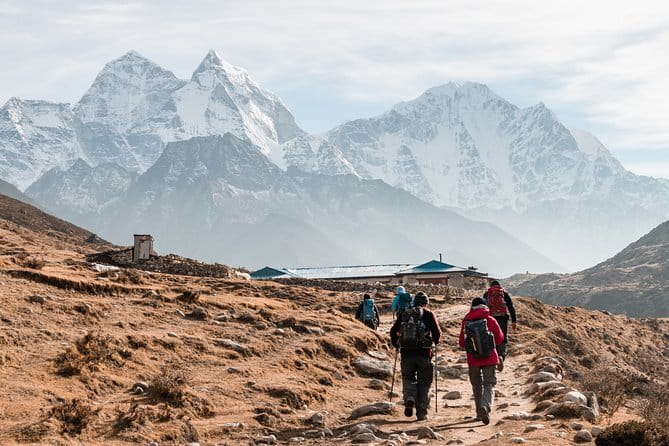
Day 8 takes you toward Lobuche, passing Thukla and Thukla Pass. You stop for lunch at Laubecha (also spelled Laubecha in the tour information), and you’ll see monuments made by famous climbers at Thukla Pass.
This day matters emotionally, not just visually. Those memorials add context to what it means to come this high. They also help explain why Everest routes can feel both inspiring and sobering.
The walk time is about 6 hours. It’s a steady climb and a good “bridge day” between the comfort of earlier villages and the more intense terrain toward Gorekshap and Base Camp.
Gorekshap to Everest Base Camp: the long day and the big finish (Day 9)
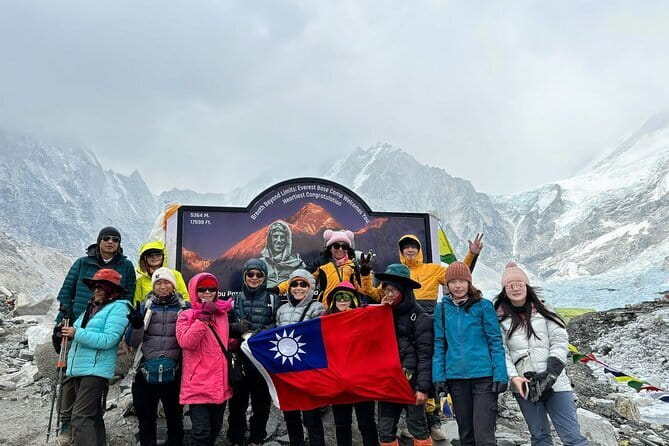
Day 9 is described as one of the longest days. You walk toward Gorekshap in the morning, then after a light lunch, continue for about two hours to Everest Base Camp.
This is where Everest Base Camp becomes real. The tour info places Base Camp at around 5,463m, and it also notes an important detail: base camp changes every year because glaciers shift. You’re not visiting a fixed landmark that looks identical forever. You’re seeing what the ice is allowing that year.
What to expect on this day:
- You’ll feel the altitude most strongly when you’re close to the base camp area.
- You’ll likely move slower than you think, and that’s normal. The goal is arrival, not speed.
Also, with any high-elevation trek, hydration and rest matter. If you’re tempted to power through discomfort, don’t. This is the part where your body demands respect.
Kalapather sunrise: best early view at 5,450m (Day 10)
Day 10 starts early with a hike to Kalapather for sunrise and mountain views. Kalapather is listed at about 5,450m, making it a prime location for the “closest big picture” of Everest described in the tour overview. After you reach the top, you take pictures, sit for a bit to enjoy the view, then descend back to Gorekshap for breakfast.
This is the day that many trekkers remember most because sunrise has a way of making all the effort feel worth it. But there’s a catch: early means cold, and cold means you need layers that work in real mountain weather.
Practical tip: keep your gloves and hat accessible. You don’t want to dig through your pack right when you’re trying to enjoy the moment.
Down to Namche: longer control, passing key villages (Day 11)
Day 11 is a descent day. After breakfast, you walk down toward Namche Bazaar passing Pangbochea and Tengboche, with lunch at Phortse Tangha. You also get time to enjoy the bar and pubs when you reach Namche, which is a nice morale boost after days of quiet tea house routines.
The day is listed at about 6 hours. Descent can be harder than it feels because knees and shins take the load. If your trekking poles are solid, use them.
Also, this is when you’ll start noticing that your body is still working on altitude effects. Many people feel better on the down days, but don’t assume you’re “fully normal” again. Sleep well, keep eating, and don’t rush your posture.
Lukla return on Day 12: 7 hours, Phakding lunch, and porter respect
Day 12 brings the trek from Namche Bazaar to Lukla, about 7 hours. You’ll have lunch on Phakding, then finish the walking portion for the trek and celebrate, including the idea of making porters happy.
I like that this is written into the trip. Porters and guides are not extras on a Himalayan trek. They’re part of the whole system that keeps you moving safely and on schedule. Since tips are listed as compulsory and personal expenses are not included, you should plan your budget so your gratitude does not become stressful later.
Celebration isn’t just tradition here. It’s also a good psychological close to the hardest stretch of the trip.
Kathmandu reset: flight home timing and a full rest day (Days 13 and 14)
Day 13 is the return to Kathmandu. You fly early depending on flights, then a driver picks you up for transfer to your hotel. You get a full rest day, with accommodation and breakfast provided.
Day 14 is your final day in Nepal, with breakfast provided and time to fly home, depending on your departure schedule.
These two days are where the trip becomes a holiday again. Your legs might feel tired, but you’re not facing another climbing day. This is a good time to shower, eat something comforting, and review how the trek went without rushing.
Also, note that travel insurance is explicitly not included. For a high-altitude trek, you’ll want a policy that covers trekking and possible evacuation.
Price and logistics: what $1,680 actually buys
At $1,680 per person for 14 days, this trek sits in the mid-range for guided Everest Base Camp packages. The big value drivers are:
- Licensed guide and porters included, with salaries and expenses covered
- Meals included: breakfast (13), lunch (11), dinner (13)
- Government fees included, including Khumbu Municipality charges and Sagarmatha National Park entrance fee
- Lukla round-trip flights are included for guide and clients
- Private transportation in Kathmandu with airport pickup and drop
- A medical kit box and required medicine are included
What you should expect to pay extra for:
- Nepal entry visa fee
- Travel insurance
- Tips for guide and porters (listed as compulsory)
- Personal expenses and any bar bills
- Rescue operation in case of an emergency
- Extra items during meals
Here’s the practical way to look at it: if you already know you want full-service guidance, teahouse meals, permits, and Lukla flights, this package can feel cost-effective. If you already have flights and guide logistics arranged, you might compare a la carte options. But most people choose a package because Everest punishes guesswork.
Guides and support: the human part you feel each day
The operator is clear about using a licensed guide and required porters. That matters when the route gets long, when altitude slows you down, and when you need decisions made calmly, not impulsively.
In the tour feedback that shaped my sense of this company, names like Nabin and Santaji come up as helpful, organized, and supportive. Shanta is also mentioned in connection with trip organization. The consistent theme is people who stay professional, focus on safety, and keep you motivated without turning it into a pep talk circus.
You’ll also feel how porters affect your pace. When porters are doing their job properly, you can focus on walking rhythm and letting acclimatization work.
Is this Everest Base Camp trek right for you?
This trek is clearly built for people who want a guided, structured route with acclimatization plans baked in. It suits:
- First-time Everest trekkers who want help navigating altitude and logistics
- Travelers who prefer teahouses and cultural stops over camping-style expeditions
- People who can walk 4 to 6 hours on most days, plus a longer push on Day 9
It may not fit you if:
- You’re not comfortable with altitude risk and the need for rest-day hikes
- You want a fully relaxed vacation with minimal exertion
- You’re expecting base camp to feel like a fixed, always-identical landmark (glaciers shift it year to year)
One more thing: this trip lists a strong fitness level requirement. That’s not marketing fluff. A good portion of the value in this kind of trek comes from arriving and adjusting well, not from “surviving at the last minute.”
Should you book Magic Himalaya Treks for Everest Base Camp?
I’d lean yes if you want a package that handles the key hard parts: guide and porter support, permits, meals, Lukla flights, and Kathmandu transfers. The route includes the kind of acclimatization mechanics that experienced trekkers recommend in practice: rest days with extra hikes and a high-reward sunrise plan at Kalapather.
I’d hesitate only if you are very altitude-sensitive, dislike early mornings, or haven’t budgeted for the items not included, especially travel insurance and mandatory tips. If you handle those, you’re setting yourself up to focus on the best part of Everest trekking, the day after day movement through Sherpa country, and the moment you finally see what 5,000-plus meters looks like when it’s real.
FAQ
What is the duration of the Everest Base Camp trek in this package?
The itinerary is for 14 days, with the trek taking place over those days and a return to Kathmandu near the end.
Where does the trip start?
It starts in Kathmandu, Nepal, with an airport meet-up on arrival and a guide pickup from your hotel before the domestic flight day.
What is included in the price?
The package includes government fees (Khumbu Municipality charges and Sagarmatha National Park entrance fee), an experienced licensed guide, required porters, a medical kit box and required medicine, Kathmandu to Lukla round tickets for guide and clients, airport pickup and drop by private transportation, and meals (breakfast, lunch, and dinner for listed days).
What is not included?
Not included are personal expenses, tips for guide and porters (compulsory), bar bills, rescue operation in case of emergency, extra items during meals, Nepal entry visa fee, travel insurance, and international flight and departure tax.
What are the meeting and start details?
The start time is listed as 12:45 pm, and the trip is private, meaning only your group participates.
Do I need travel insurance?
Travel insurance is listed as not included, so you should arrange it for the trek.
How high do Everest Base Camp and Kalapather Hill are?
Everest Base Camp is listed at about 5,463 meters. Kalapather Hill is listed at about 5,450 meters.
Do I need to be physically fit?
Yes. The additional info states travelers should have a strong physical fitness level, since it’s a high-altitude trek with multiple long walking days and rest-day hikes.
Lodge to Lodge Around Kathmandu
The Rest of Our Kathmandu Write Ups



Base Camp, Three More Ways
Everything else we have reviewed around Kathmandu
- 12 Days Everest Base Camp Trekking
★ 5.0 · 3 reviews - 1 Night 2 Days Chitwan Jungle Safari Tour from Pokhara or Kathmandu
★ 3.0 · 3 reviews - Thamel Rickshaw tour
★ 4.7 · 3 reviews - Kathmandu: Momo Making Class with a Local Chef
★ 5.0 · 3 reviews - Kathmandu: Full-Day Yoga, Body Massage and Pedicure Package
★ 5.0 · 3 reviews - From Kathmandu / Pokhara / Chitwan: River Rafting – 1 Day
★ 4.6 · 3 reviews
Everest Base Camp Treks worth a second look.
 ★ 5.0Everest Base Camp Trek – 14 DaysFrom $1,8001,499 reviews
 ★ 5.0Everest Base Camp TrekkingFrom $1,350485 reviews
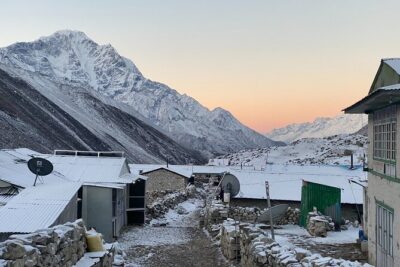 ★ 5.0Everest Base Camp Trekking – 13 DayFrom $1,399365 reviews
★ 5.0Everest Base Camp Trek -14 DaysFrom $1,420321 reviews
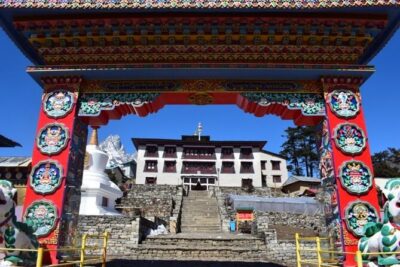 ★ 5.0Everest Base Camp Trekking – 2025/2026From $1,339199 reviews
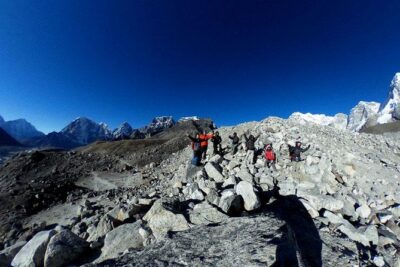 ★ 5.0Everest Base Camp TrekFrom $1,408193 reviews
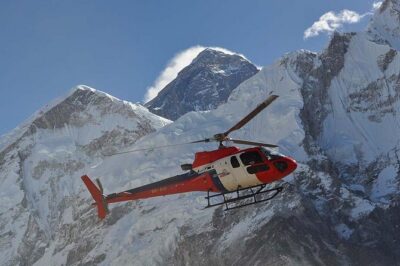 ★ 5.0Everest Base Camp Trek with Helicopter Return from Gorakshep to LuklaFrom $3,000161 reviews
14-Days Private Everest Base Camp TrekFrom $1,600152 reviews
Lists this tour sits in