
REVIEW · EVEREST BASE CAMP TREKS
14 Days Everest Base Camp Trekking
Everest Base Camp starts with a high-altitude hop into the Khumbu. This 14-day trek strings together Lukla flights, lodge stays, and an in-person English guide so you can spend your energy on breathing, walking, and staring at big mountains.
I also like that the trip handles the “paperwork and logistics” side, including permits and round-trip domestic flights, plus a porter to keep things realistic on steeper days. One consideration: Kathmandu is extra, since trekking includes food and lodging on the trail but not in Kathmandu, and drinks plus hot showers cost extra too.
In This Review
- Quick hits worth knowing
- What You’re Really Buying on This Everest Base Camp Trek
- Kathmandu Day 1: Getting Oriented Before the Real Climb
- Lukla Flight and the Trek Start: Phakding, Bridges, and Sagarmatha Park
- Namche Bazar Rest Day: Where You Adjust, Stock Up, and Look Hard
- Tyangboche Views, Pangboche Culture, and Dingboche’s Acclimatization Day
- Lobuche to Gorakshep: Setting Up Your Everest Base Camp Day
- Kala Pathar and the Downhill Reset: Pheriche and Namche Back Track
- Finishing the Loop: Tengboche to Lukla, then Kathmandu
- Price, Inclusions, and the Real Cost Picture (So You Can Budget)
- Support Style That Gets Praised: Calm Guides, Good Food, and Good Pace
- Who This Trek Fits Best, and Who Should Rethink It
- Should You Book This Everest Base Camp Tour?
- FAQ
- What is the meeting point and start time for the trek?
- Are flights included for Lukla?
- Is a guide included, and is English available?
- What accommodation and meals are included during the trek?
- What about costs for Kathmandu?
- Do I need a Nepal visa?
- Can I cancel for a full refund?
Quick hits worth knowing
- Lodge-to-lodge trekking means you are not hunting for beds or negotiating with tea houses every day
- English guide plus porter support keeps pace and comfort in check on longer climbs
- Sagarmatha National Park and trek permits are included, which saves time and stress
- Kala Pathar day is built in for Everest views before you turn downhill again
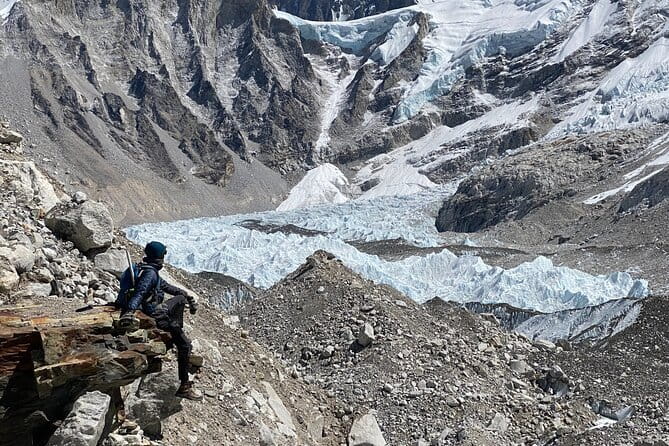
- Everest Base Camp is a high route (ice pinnacles and crevasse areas on the approach) with a long afternoon push
- Food is mostly covered on trek days, plus seasonal fruits, so you can pack lighter
Other routes to Base Camp, side by side
What You’re Really Buying on This Everest Base Camp Trek
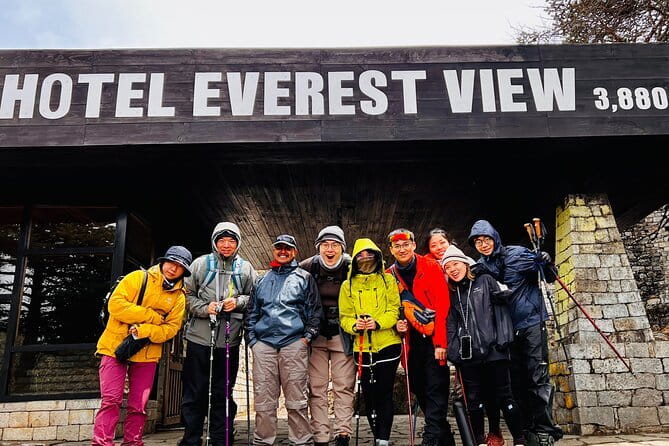
At this price point, you are paying for a very classic Everest Base Camp setup: guided, supported, and run like a smooth machine from Kathmandu to Lukla and back. The “value” is less about fancy extras and more about removing the common headaches, especially around logistics and daily decisions.
For me, the best part is that your crew is built into the plan. You get an in-person English guide, a porter (with the tour noting a 2 trekkers to 1 porter structure), and a first aid kit. That matters because Everest is not just scenery, it is a routine of early starts, altitude management, and choosing when to push and when to slow down.
Still, you should go in with a clear idea of costs. Kathmandu food and lodging are not included, and neither are travel insurance or international flights. Drinks are also on you, and a hot shower is listed as USD 5 per person. If you can handle those add-ons, the overall package feels solid.
Kathmandu Day 1: Getting Oriented Before the Real Climb
Your trip begins at Tribhuvan International Airport in Kathmandu, with a start time of 6:15 am for the first meeting and transfers. The itinerary also mentions a panoramic flight into Kathmandu on a clear day, which is the kind of start that makes the rest of the journey feel real fast.
This is also where the “human part” kicks in. You are picked up and moved around in a private vehicle for the ground transport portions linked to the domestic airport. That reduces the scatter-chaos factor of early travel days, especially if you arrive tired or jet lagged.
A practical note: plan for your Kathmandu evening like you are fueling a long engine. The tour covers trek meals and many lodge stays, but your Kathmandu time is where you will pay for your own hotel and meals (the tour lists USD 45 per day for Kathmandu accommodation and food).
Lukla Flight and the Trek Start: Phakding, Bridges, and Sagarmatha Park
On Day 2, the plan is simple and big: a flight to Lukla (2850 m), followed by walking into the Dudh Koshi valley. The trek starts in Phakding (2656 m) after meeting your crew. Lukla is the door into the Khumbu, and even the first day’s altitude feels different than Kathmandu.
You then spend Day 3 hiking from Phakding toward the Namche Bazar area, crossing the river multiple times on high suspension bridges. After Monjo (2845 m), the route enters Sagarmatha National Park, set up to protect the fragile mountain environment. This is the day where the trek shifts from “it is a hike” to “it is a Himalayan system with rules.”
The potential drawback here is that bridge days can be mentally draining even when the walking is not at its hardest. If you are the type who hates wobbly footing or gets anxious, you will still likely manage, but you should take it slow and keep your breathing steady.
Namche Bazar Rest Day: Where You Adjust, Stock Up, and Look Hard
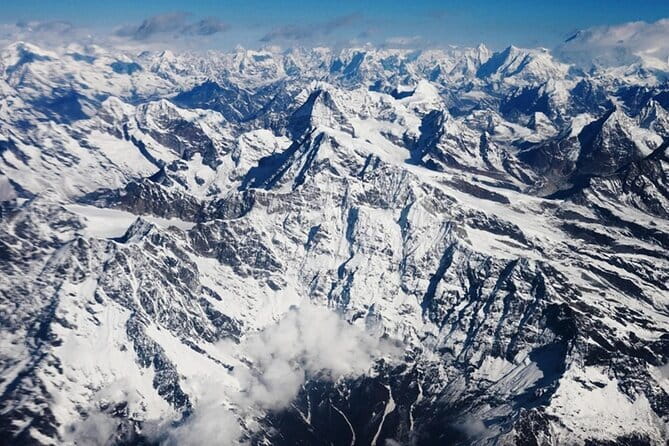
Day 4 is built as an acclimatization pause in Namche Bazar with a stop at an Everest View Point. Namche sits between ridges, and the tour description highlights the number of lodges, tea shops, and souvenir stores. For you, that means you can actually function like a traveler while still taking altitude seriously.
I like rest days that come with options. Namche is where you can browse, hydrate, and practice the small routine that keeps you healthy: drink often, eat simply, and avoid the urge to sprint just because the town is fun.
One thing to remember: the next days keep stacking higher. A rest day works only if you treat it as part of the plan, not a day off to do everything at once.
Other lodge to lodge routes near Kathmandu
Tyangboche Views, Pangboche Culture, and Dingboche’s Acclimatization Day
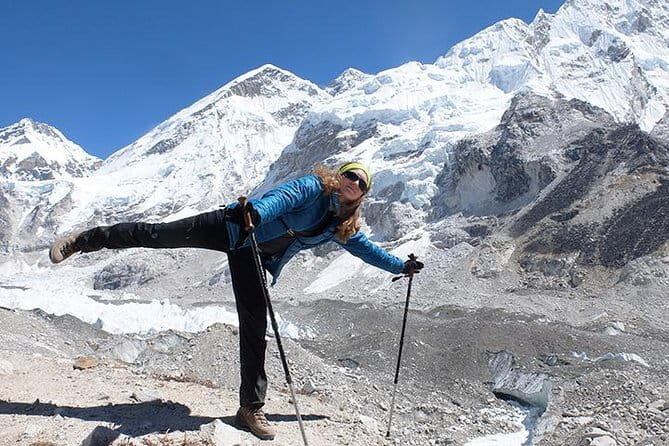
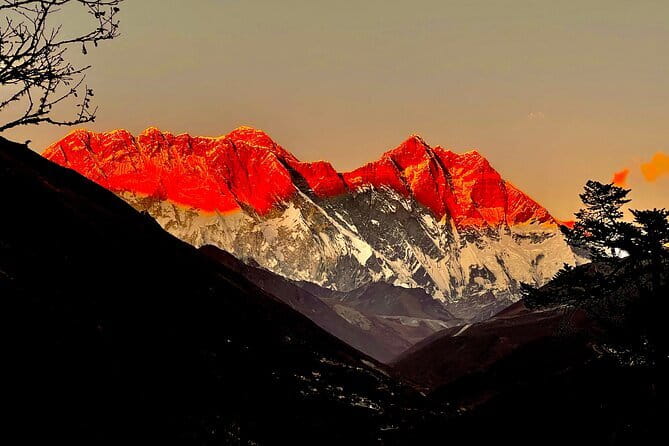
Your trek really gains momentum around Day 5, when you move toward Tyangboche. This is where the tour calls out the first really strong panorama moments, with views of peaks including Everest, Lhotse, Nuptse, and Ama Dablam. If you are hoping for that first “I get it now” Everest moment, this is the day to watch the sky and pay attention.
Day 6 pushes you toward Pangboche and the Dingboche area, including a stop that links directly to views of Ama Dablam. The itinerary mentions a gompa, mani walls, and stone carvings in the villages you pass. That matters because Everest treks are not just altitude and calories, they are also walking through long-standing Sherpa religious and daily life.
Day 7 is your bigger acclimatization block in the Dingboche area, including time to wander up the valley to Tshola Tsho (4510 m) and viewpoints toward Cholatse and Taboche. The plan even notes the idea of climbing toward Nagarjun (5100 m). You do not need to treat every optional higher walk like a race, but having the chance helps if you want a structured acclimatization approach.
Lobuche to Gorakshep: Setting Up Your Everest Base Camp Day
Day 8 heads toward Lobuche, with a turn that leads to the Khumbu Glacier area. The trek is described as including a steep climb toward the glacier, and Dughla (4620 m) is flagged as a lunch stop with a tea house. This day is where the air can feel thinner, but your body is also starting to adapt.
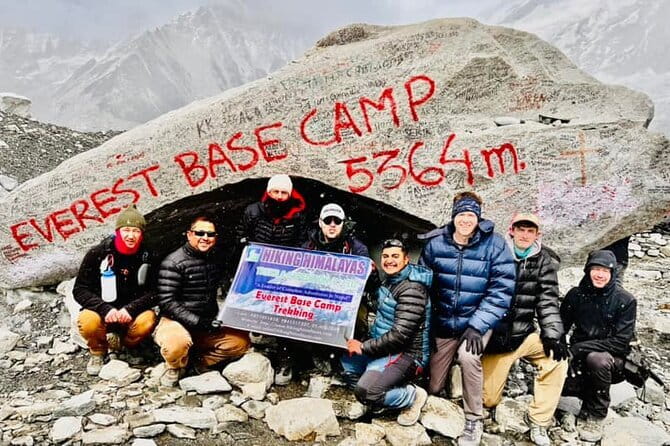
On Day 9, you reach Gorakshep (5164 m) first, then go for Everest Base Camp later in the day. The tour describes the approach as following the Khumbu Glacier route, then moving through ice pinnacles and past crevasse areas, with the Base Camp area listed at 5364 m. You should expect this to be the trek’s long push, not just a photo stop.
A useful detail from the itinerary: the return leg notes that you can take a higher route for spectacular views. That choice can be great for photos, but it also means more effort. If you are feeling tight or lightheaded, you will appreciate that you are not forced into a single option.
Kala Pathar and the Downhill Reset: Pheriche and Namche Back Track
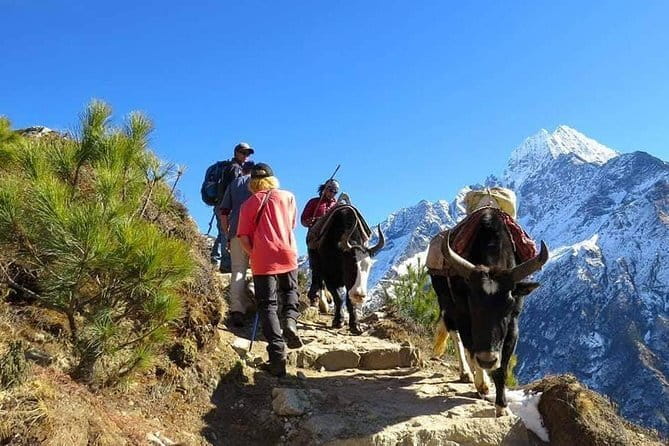
Day 10 is the classic “big viewpoint day,” starting early with the hike to Kala Pathar (5565 m). The tour calls it one of the finest viewpoint spots for Everest, Nuptse, Amadablam, Pumari, Lola, Lhumbute, and more. From here, you start the mostly downhill segment back toward Pheriche, passing through Duglha on the retrace.
This is where the trek shifts. Going up is hard, but descending can be hard too, especially on knees and fatigue. The good news is that the itinerary is thoughtful about pacing it as a turnaround day rather than another endless climb.
Day 11 keeps you moving toward the Tengboche (3860 m) area, with the route described as following the river, crossing back, and climbing through birch and rhododendron forest. Views of peaks are listed again, including Kwangde, Tawache, Everest, Nuptse, Lhotse, Ama Dablam, Kantega, and Thamserku. This is a nice payoff after the high days, because it breaks up the stark feeling with forest and village routines.
Finishing the Loop: Tengboche to Lukla, then Kathmandu
Day 12 is your final trekking day, following the Dudh Kosi down to Lukla (2800 m). The tour specifically notes a celebration party with your Sherpa guide, which is a welcome morale boost after days that can blend together.
Day 13 is travel recovery. You pack up early, head to the airstrip, and fly back to Kathmandu, then get the rest of the day free. Day 14 is a support transfer to Tribhuvan International Airport for your flight home.
One small reality check: that free time is only useful if you have energy left. Keep it low-key, eat well, and do your souvenir and shopping errands at a pace that does not punish you.
Price, Inclusions, and the Real Cost Picture (So You Can Budget)
This trek is priced at $1,420. The value comes from what is folded into that number and what is not.
Included items that matter:
- Round-trip flights Kathmandu to Lukla and back, with departure taxes included
- Private vehicle ground transport from your hotel to the domestic airport and back
- Best available twin sharing lodge to lodge accommodation during the trek
- In-person English guide plus their food, accommodation, and insurance
- Porter support (with the tour describing a 2 trekkers to 1 porter structure)
- Permits, government taxes, and office service charge
- Meals on trek days (the tour lists lunch 11 times, breakfast 13 times, dinner 11 times) and seasonal fruits
- Trekking map and an achievement certificate
- First aid medical kit
Not included items that you should plan for:
- Kathmandu food and lodging at USD 45 per day
- Travel insurance
- International airfares to Nepal
- Nepal entry visa: USD 40 for 30 days (obtained at the airport on arrival)
- Drinks and snacks during the trek
- Hot shower during the trek at USD 5 per person
- Personal trekking equipment
- Tips and gratuities for trekking staff and drivers
- Anything beyond the trek, like optional extensions
So the budget answer is this: if you handle your Kathmandu costs, insurance, and daily extras, the fixed trek structure feels like good value. If you expected everything, you will want to tighten your plan before you land in Nepal.
Support Style That Gets Praised: Calm Guides, Good Food, and Good Pace
The best part of any guided Everest trek is not the altitude facts, it is how your day feels when you are tired. In recent feedback tied to this operator, guide names like Hari and Kapil show up with notes about calm, careful guidance and arrangements that run smoothly from start to finish.
Food and rooms also get called out as very good, which is not a small thing at altitude. Tea houses can vary, but consistent lodge selection makes the trek easier on your morale and sleep.
And pacing matters. The itinerary includes multiple rest or acclimatization style blocks, including the Namche rest day and the Dingboche acclimatization day. When that structure fits your body, you walk more confidently. If it does not, you still have the right rhythm to adjust.
Finally, porter support comes up with names like Ram and Mongol in past trips. That is exactly the kind of practical care that helps you carry less and move with fewer stops.
Who This Trek Fits Best, and Who Should Rethink It
This trek is best for people with strong physical fitness who want a guided Everest Base Camp experience with structure. If you like having your schedule handled, your permits sorted, and your daily meals planned, you will appreciate this approach.
It also fits well for couples and groups because it is listed as a private tour, meaning your group is the only group participating. That tends to make early starts and trekking decisions easier.
You might rethink if:
- you dislike budgeting for extra costs in Kathmandu and daily drinks
- you have low experience with altitude walking and do not want a guide-based pacing plan
- you need every detail spelled out for equipment, since trekking equipment is not included
Should You Book This Everest Base Camp Tour?
Yes, if you want a classic route with guide-led structure and you value having flights, permits, and lodge stays handled. The itinerary includes the big Everest moments you probably came for, including Everest Base Camp and Kala Pathar, while still building in acclimatization days where it counts.
I would book with confidence if your biggest goal is to hike smart, get real Sherpa village immersion on the way, and avoid guesswork about daily logistics. Just go in with a clear budget for Kathmandu, visa, insurance, tips, and small on-trail extras like drinks and hot showers.
If you want, tell me your age range, hiking experience, and your month of travel, and I can suggest a practical packing and pace plan for this exact 14-day flow.
FAQ
What is the meeting point and start time for the trek?
You meet at Tribhuvan International Airport in Kathmandu, Nepal, with a start time listed as 6:15 am.
Are flights included for Lukla?
Yes. The tour includes round-trip domestic flights Kathmandu to Lukla and Lukla to Kathmandu, including departure taxes.
Is a guide included, and is English available?
Yes. The tour includes an in-person English speaking certified guide.
What accommodation and meals are included during the trek?
The trek includes twin sharing lodge to lodge accommodation during the trek. Meals on the trekking days are included, with lunch 11 times, breakfast 13 times, and dinner 11 times, plus seasonal fruits.
What about costs for Kathmandu?
Food and accommodation in Kathmandu are not included, listed at USD 45 per day.
Do I need a Nepal visa?
Yes. The tour states the Nepal entry visa can be obtained at the airport upon arrival for USD 40 for 30 days.
Can I cancel for a full refund?
You can cancel for a full refund if you cancel up to 24 hours in advance of the experience start time. If you cancel less than 24 hours before, the amount paid is not refunded.
Lodge to Lodge Around Kathmandu
The Rest of Our Kathmandu Write Ups
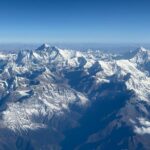

Base Camp, Three More Ways
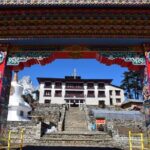
Everything else we have reviewed around Kathmandu
- 12 Days Everest Base Camp Trekking
★ 5.0 · 3 reviews - 1 Night 2 Days Chitwan Jungle Safari Tour from Pokhara or Kathmandu
★ 3.0 · 3 reviews - Thamel Rickshaw tour
★ 4.7 · 3 reviews - Kathmandu: Momo Making Class with a Local Chef
★ 5.0 · 3 reviews - Kathmandu: Full-Day Yoga, Body Massage and Pedicure Package
★ 5.0 · 3 reviews - From Kathmandu / Pokhara / Chitwan: River Rafting – 1 Day
★ 4.6 · 3 reviews
Everest Base Camp Treks worth a second look.
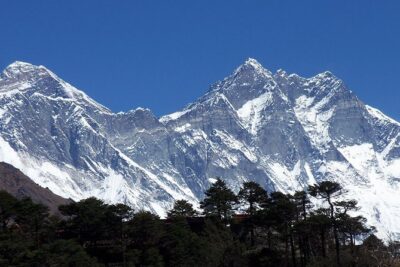 ★ 5.0Everest Base Camp Trek – 14 DaysFrom $1,8001,499 reviews
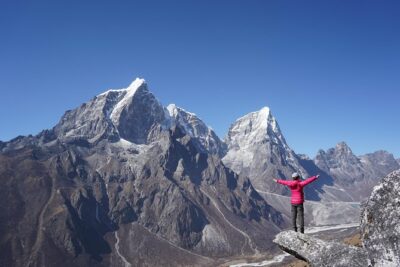 ★ 5.0Everest Base Camp TrekkingFrom $1,350485 reviews
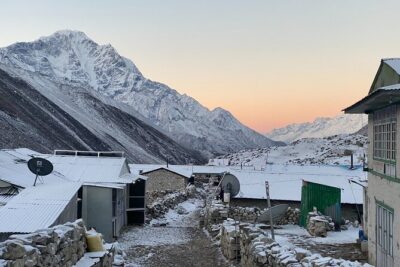 ★ 5.0Everest Base Camp Trekking – 13 DayFrom $1,399365 reviews
★ 5.0Everest Base Camp Trek -14 DaysFrom $1,420321 reviews
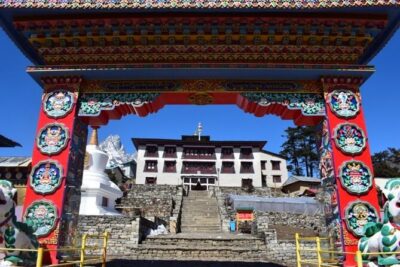 ★ 5.0Everest Base Camp Trekking – 2025/2026From $1,339199 reviews
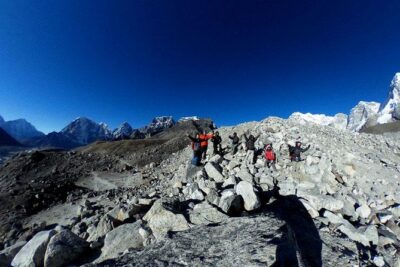 ★ 5.0Everest Base Camp TrekFrom $1,408193 reviews
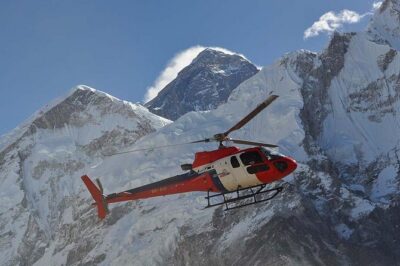 ★ 5.0Everest Base Camp Trek with Helicopter Return from Gorakshep to LuklaFrom $3,000161 reviews
14-Days Private Everest Base Camp TrekFrom $1,600152 reviews
Lists this tour sits in