
REVIEW · EVEREST BASE CAMP TREKS
4 Days Pikey Peak Trek : The Best View of Mt Everest
If you want Everest views without a long expedition, this is a smart pick. I like how Pikey Peak delivers major Himalayan panorama in just four days, with sunrise timing that feels special even on a short schedule. You also get real village life, with trails that pass Buddhist landmarks and Sherpa communities in the Lower Khumbu area.
Two things I especially appreciate: first, the chance to see Mt. Everest framed by other giants like Dhaulagiri and Kanchenjunga, plus the big-sky mood that comes with the summit day. Second, the walking is varied and scenic, moving through rhododendron forests and open alpine meadows instead of feeling like one long grind.
One drawback to keep in mind is the logistics on the road. You can expect a long drive out and back from Kathmandu to Dhap, and that makes the trip feel more like a full-day commitment even though the hiking is only a few days.
In This Review
- Quick hits before you commit
- Why Pikey Peak fits Everest dreams in limited time
- Timing, hiking rhythm, and what your day really feels like
- Day 1: Kathmandu to Dhap Bazar, then to Jhapre at 2,820m
- Day 2: Jhapre to Pikey Base Camp, 3,640m and calm altitude
- Day 3: Summit morning on Pikey Peak (4,065m) and the long, rewarding descent
- Day 4: Dhap return trek and the drive back to Thamel
- Lodges, showers, and food you can actually manage
- Packing advice that keeps you comfortable without overpacking
- Price and value: what $350 buys, and what it does not
- Best seasons for clear views of Everest
- Who should do the Pikey Peak trek, and who should skip it
- Should you book this trek? My practical recommendation
- FAQ
- FAQ
- Where does this trek start and end?
- How long is the Pikey Peak trek?
- What is the highest point you reach?
- What is the altitude of Pikey Base Camp?
- How much trekking time is included each day?
- Is an English-speaking guide included?
- What kind of accommodation do you get?
- Are meals included in the price?
- Do you need a porter?
- Can you use your phone on the trail?
Quick hits before you commit
- Everest sunrise from Pikey Peak at 4,065m gives you the headline view without Everest route crowds
- Lower Khumbu scenery mixes rhododendron forest and alpine meadows with quieter trails
- Cultural stops include Tibetan-influenced Kerung and Buddhist monasteries along the way
- Himalayan panoramas stretch from Kanchenjunga (east) to Dhaulagiri (west), with Everest in sight
- Short duration means you can do a Himalayan-style trip close to Kathmandu
- Small group size (up to 8) helps keep the pace relaxed and the experience personal
Other routes to Base Camp, side by side


Why Pikey Peak fits Everest dreams in limited time
Pikey Peak is one of those routes that makes the high Himalaya feel possible. You’re not dealing with the big-camp treadmill of a major Everest expedition. Instead, you get a focused trek length, a moderate altitude profile compared with higher Khumbu peaks, and a clear goal: panoramic views that include Mt. Everest.
The big advantage for most people is how the trek balances effort with reward. The trail climbs steadily, then saves its main payoff for the summit day. You’re walking high enough to feel like you are in the mountains, but the itinerary stays short enough that you can stay mentally fresh and comfortable with your pace.
The other reason this trek works well is that it is not just about the view. The route threads through places where Buddhist stupas and monasteries are part of daily landscape. You also pass through villages tied to Sherpa culture and Tibetan influence, so the trek feels human, not just scenic.
Timing, hiking rhythm, and what your day really feels like
The trek runs for 4 days total, with pick up from Thamel in Kathmandu. Expect a mix of jeep or van travel and several hours of hiking each day. Based on the planned schedule, you will hike roughly:
- Day 1: about 2 hours on the trail to Jhapre
- Day 2: about 6 hours up to Pikey Base Camp
- Day 3: about 1.5 hours to the summit, then a longer descent trek back to Jhapre
- Day 4: a final trek to Dhap, then drive back to Kathmandu
That pattern matters because it keeps the hardest climb concentrated. You are not constantly going uphill all day. On summit day, you have a relatively short push to the top, then the long, satisfying part is taking your time on the way back down.
You should also plan for early mornings and cold conditions at altitude. Even though Pikey Peak is at 4,065m, the provided altitude guidance is clear: mild altitude sickness can still happen. That means walking slowly, drinking water, and getting decent rest are not optional. The trek gives you a reasonable profile, but your body still needs respect.
Finally, this is a small group trek limited to 8 participants, led by an English-speaking guide. From past groups, guides such as Pemba, Sukbir Tamang, and Ngima Chhechi Sherpa have been specifically mentioned for being friendly and attentive. That is a good sign if you want more than just a route follower.
Day 1: Kathmandu to Dhap Bazar, then to Jhapre at 2,820m
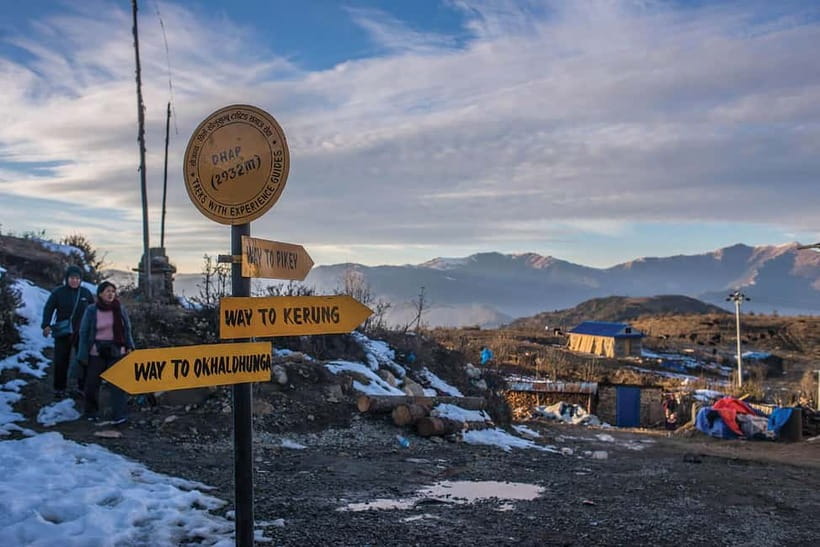
Day 1 starts with a long, scenic transfer from Kathmandu toward Dhap Bazar, following the trail area alongside the Sunkoshi River. This section is not about hiking. It is about slowly shifting from city life to countryside, with terraced rice fields and forested stretches along the river route.
Then comes the walking portion of the day: a trek toward Jhapre (2,820m). It is listed as about 2 hours, so it is more of a warm-up than a test. The value of this first hiking day is that it helps you settle your legs before the steeper climbing starts tomorrow.
On the way, the itinerary includes passing the Tibetan-influenced village of Kerung, plus traditional Buddhist monasteries placed in a landscape with wild orchids. This is the kind of detail that makes a trek feel layered. You are not just trudging uphill, you are moving through places with spiritual and cultural markers.
That night you sleep in a local lodge. Accommodation is twin sharing with blankets. You are not guaranteed luxury, but the idea here is simple: rest, hydrate, and get ready for the higher day.
Day 2: Jhapre to Pikey Base Camp, 3,640m and calm altitude
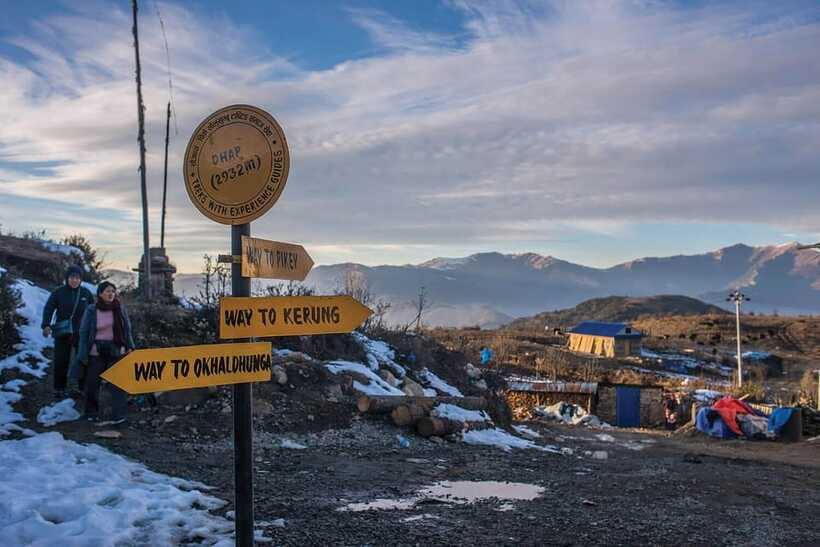
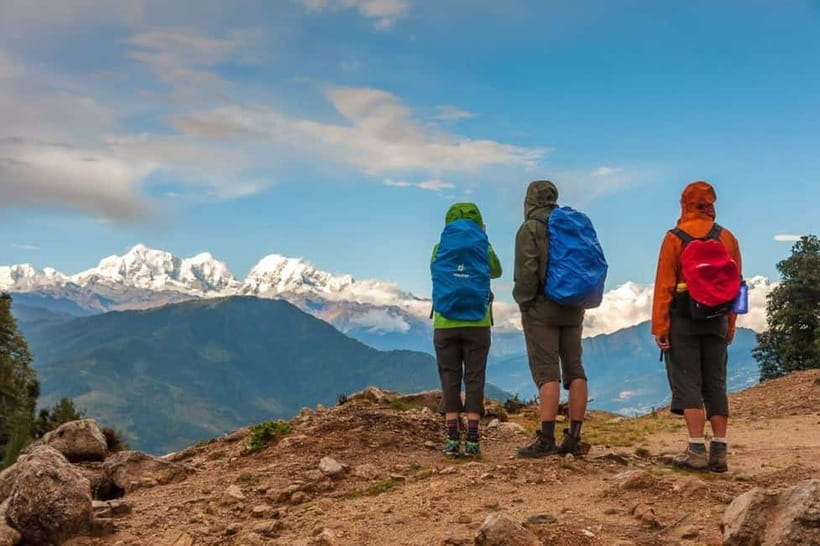
Today’s goal is Pikey Base Camp at 3,640m, with about a 6-hour trek time. This is where the Lower Khumbu tone becomes clearer. The path is described as scenic and high enough to feel like a real mountain walk, with stone walls, ancient stupas, and centuries-old Buddhist monasteries along the trail.
These landmarks do more than look nice. They remind you that people have walked these routes for generations, and that the trail is part of village life and belief systems, not only a modern recreation path.
Expect steady climbing through terrain that fits the region’s signature vegetation. The overview highlights alpine meadows and rhododendron forests, and in practice that often means your scenery changes as you gain elevation. That variation helps you keep a steady pace, because you are not staring at the same view for hours.
You reach Pikey Base Camp, which is described as the second-highest point on this trek. The practical benefit is psychological: you are already high, so the next day’s summit push feels like a focused ascent rather than a massive leap.
That night continues in lodge style with breakfast included. Plan to go to bed early. At altitude, sleep quality can affect how you handle summit morning.
Other lodge to lodge routes near Kathmandu
Day 3: Summit morning on Pikey Peak (4,065m) and the long, rewarding descent
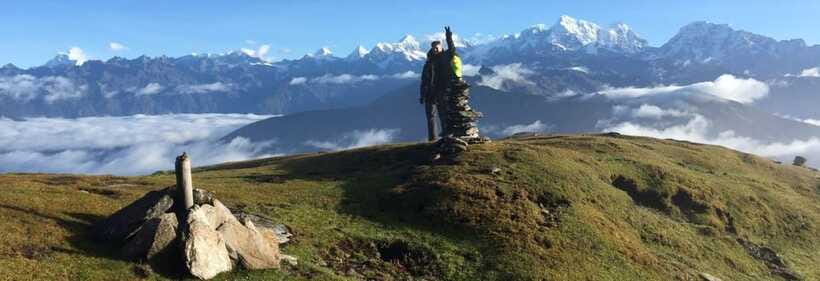
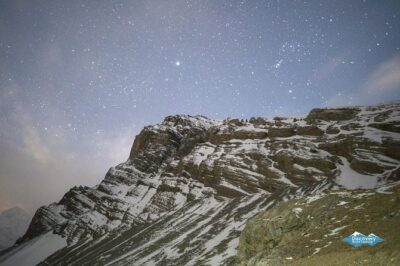
This is the day you came for: Pikey Peak at 4,065m. The schedule says about 1.5 hours to reach the summit, which means you should save energy and keep your steps calm rather than aggressive.
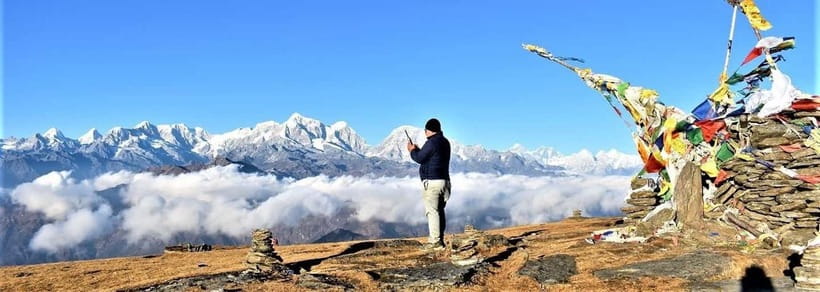
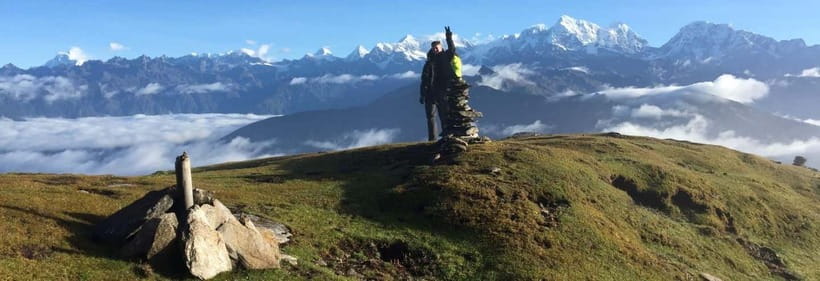
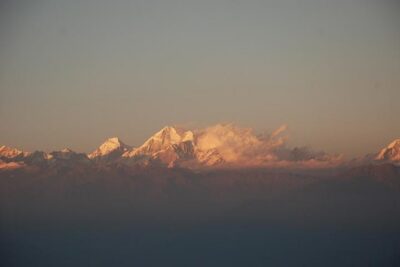
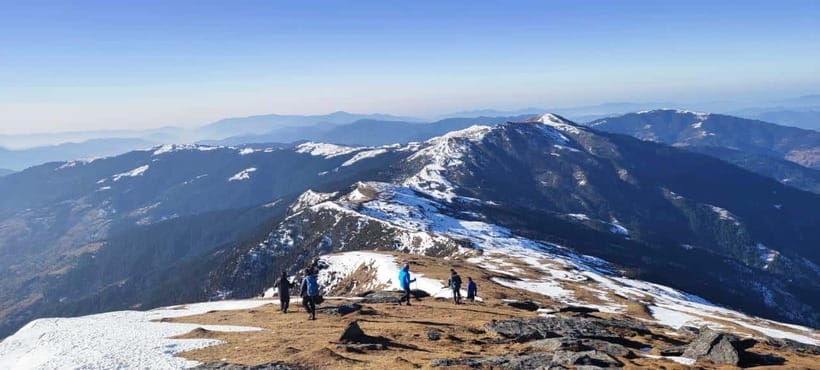
From the top, you get the real payoff. The view is described as panoramic, running from Kanchenjunga in the east to Dhaulagiri in the west, with the world’s highest peak Mt. Everest (8,848m) visible. Even if the weather shifts, you are unlikely to feel like you climbed for nothing.
What I like about this summit setup is that it supports beginners and short on-time trekkers. You still earn altitude, but the itinerary avoids a multi-day high-camp ladder. The summit effort is concentrated, and then you can enjoy the moment before descending.
After soaking up the views, the day continues downward. You descend back toward Pikey Base Camp and then hike onward to Jhapre, with about 6 hours of hiking. This is where your trekking fitness and smart pacing matter most. Descents can be harder than they seem because knees and quads take the load.
Altitude tip is built into the plan: you might experience mild AMS symptoms such as headache, nausea, or fatigue even at this relatively moderate altitude. The guidance is to drink water, walk slowly, avoid alcohol, and sleep lower after the summit day. That last part is important because it helps your body recover while you move back down.
Day 4: Dhap return trek and the drive back to Thamel
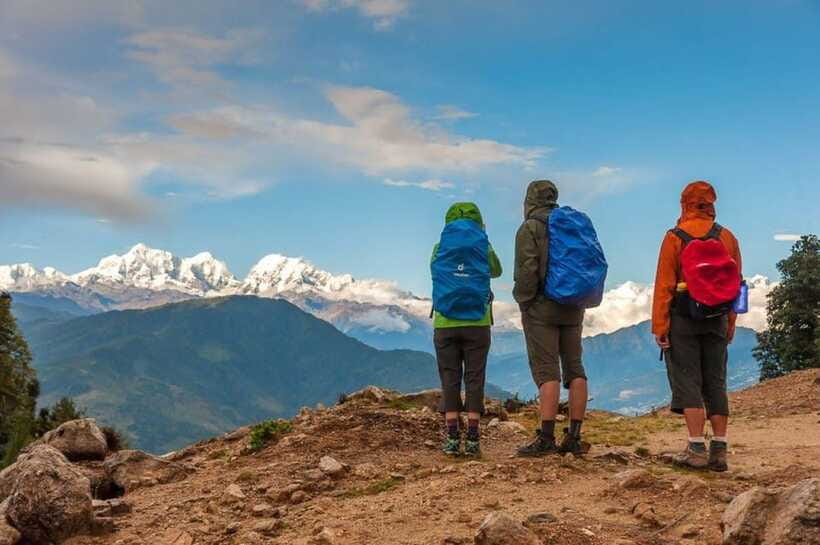
Day 4 is a reset day. You trek to Dhap, then drive back to Kathmandu and get dropped off near your accommodation in Thamel.
The itinerary says the final trek follows after breakfast, and the overall trip ends with reflection and a return to normal routine. Practically, this is your chance to hydrate, eat a proper meal, and let your legs loosen up after the summit-day descent.
One detail to plan around: the road trip can be long. The program includes private jeep or van transfers both ways, with the trip described as taking roughly 7 to 9 hours by jeep or bus from Kathmandu to Dhap. So your last day is both trekking and driving, not just one or the other.
Lodges, showers, and food you can actually manage
This is teahouse and lodge style accommodation. Rooms are twin sharing with blankets, and the setting is basic but cozy. What you should expect is simple mountain comfort: a warm place to sleep, meals served on schedule, and less electricity than you are used to.
Food is not included in the tour price, so you will pay for meals separately. The good news is that the trail food options are familiar and practical, with dal bhat, noodles, soup, eggs, potatoes, Tibetan bread, tea, and coffee listed in the plan. These are exactly the kinds of foods that help you stay stable during a short trek.
Hot showers are available in some lodges, but the plan notes this may cost extra. If showers are part of your comfort routine, ask ahead or plan for the possibility you will go without a hot one at least once.
Electricity is limited, and the plan encourages you to use solar or limited power sources when available, plus bring a power bank. This matters because you may want to charge your camera or phone for photos of sunrise and mountain panoramas.
Packing advice that keeps you comfortable without overpacking
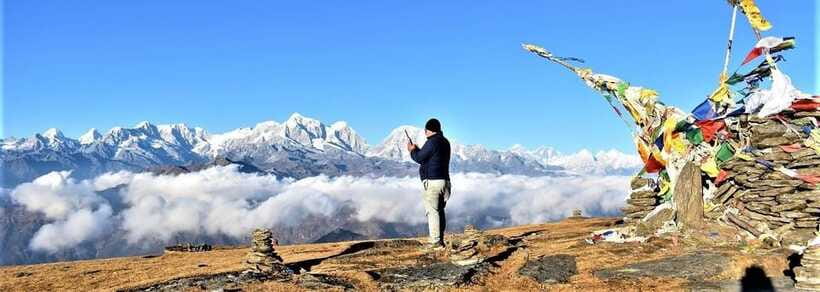
Even though this is a short trek, altitude changes and weather changes still happen. Your best strategy is light but smart layering.
The gear checklist you should take seriously includes:
- Trekking boots (broken in)
- Layered clothing: base layer, fleece, down jacket, waterproof shell
- Gloves, hat, and a buff or scarf
- Sunglasses and sunscreen
- Headlamp (dark mornings happen fast)
- Water purification tablets or a filter
- Snacks like energy bars and nuts for extra fuel
- Small first-aid kit, including altitude and stomach medicine
- Power bank, because charging can be limited
A sleeping bag is listed for your own comfort, but the lodging provides blankets. So you can choose based on your cold tolerance rather than assuming you must buy or bring a full bag.
Also bring your documents: passport or ID card. The trip includes permits, but your ID still matters for smooth administration.
Finally, cash matters. The plan says there are no ATMs on the trail, and you should bring enough Nepali rupees. Mobile networks NTC and Ncell work in most villages but can be patchy, so do not count on stable connectivity.
Price and value: what $350 buys, and what it does not
At $350 per person, this trek is priced for a short, guided mountain experience. You are not paying for a high-camp expedition. You are paying for several key pieces that would be annoying to arrange yourself:
- An experienced English-speaking trekking guide
- Necessary permits
- Government taxes
- Private jeep or van from Kathmandu to Dhap and back
- Hotel pickup and drop in Kathmandu
- Lodge accommodation during the trek with breakfast
What is not included is just as important:
- Meals and beverages are extra
- Porter is not included
- Personal expenses are extra
That means your real cost will depend on how you eat and whether you want extra help carrying a daypack. For many people, the lack of porter is the biggest practical decision point. If your pack is already light, you will be fine. If you carry too much, your summit-day energy could suffer.
The small group limit to 8 participants also adds value. It tends to keep the pace sensible and makes it easier to adjust for weather and altitude needs.
Best seasons for clear views of Everest
The tour guidance lists the best seasons as:
- Spring (March to May) for rhododendrons and clearer views
- Autumn (September to November) for the best visibility and weather
- Winter (December to February) for cold but often clear skies
You cannot control clouds, of course. But if seeing Everest is your priority, you can pick your odds. Autumn is your safest bet based on the stated visibility advantage, while spring adds the bonus of rhododendron scenery.
If you are traveling in winter, plan for colder nights and faster cold mornings. Bring layers you trust.
Who should do the Pikey Peak trek, and who should skip it
This trek is described as ideal for beginners, families, and people short on time. The altitude is listed as relatively moderate, and the schedule avoids the extreme acclimatization of higher routes.
It also fits bird watchers and photographers, because the ridge views and Himalayan angles are a major part of the appeal. And if you want a taste of Sherpa culture without spending weeks on the road, the village route is part of the experience.
The one clear non-starter listed is pregnancy. Beyond that, you should consider your comfort with altitude, your ability to walk several hours on uneven trails, and whether you can handle a long drive day.
Also, if you hate basic lodging, this might feel too rustic. The trip does provide cozy, blanket-covered rooms, but it is still teahouse and lodge style, not hotel comfort.
Should you book this trek? My practical recommendation
Book it if you want a focused Everest-view trek that fits into a 4-day timeframe and you care about panoramic mountain views plus Sherpa-influenced culture. This is especially appealing if you are nervous about high-altitude complexity but still want to stand at Pikey Peak (4,065m) for the big skyline moment.
Hold off if your schedule can’t handle long transfers, or if you need meals and a porter included as part of the package. Here, you can absolutely manage the trek, but you should budget for food and think carefully about carrying your gear.
If you do book, do yourself a favor: plan for slow steps on summit day, drink water consistently, and keep your pack light. The view is the prize, but your choices before the summit decide whether it feels effortless or punishing.
FAQ
FAQ
Where does this trek start and end?
The tour includes pickup from Thamel in Kathmandu and returns you to Thamel after the trek and the drive back.
How long is the Pikey Peak trek?
It is a 4-day trek.
What is the highest point you reach?
You reach Pikey Peak at 4,065 meters.
What is the altitude of Pikey Base Camp?
Pikey Base Camp is at 3,640 meters.
How much trekking time is included each day?
The schedule includes about 2 hours on Day 1, around 6 hours on Day 2, about 1.5 hours to the summit on Day 3 plus about 6 hours back to Jhapre, and a final trek to Dhap on Day 4.
Is an English-speaking guide included?
Yes. The guide is listed as English-speaking, and the trek is organized in a small group limited to 8 participants.
What kind of accommodation do you get?
You stay in teahouses or lodges with twin sharing rooms and blankets, and breakfast is included during the trek.
Are meals included in the price?
No. Meals and beverages are not included, but lodge food options like dal bhat, noodles, soup, eggs, potatoes, Tibetan bread, tea, and coffee are listed.
Do you need a porter?
A porter is not included, so you should plan to carry your own pack.
Can you use your phone on the trail?
NTC and Ncell work in most villages, though coverage can be patchy. There are also no ATMs on the trail, so bring enough cash in Nepali rupees.
Lodge to Lodge Around Kathmandu
The Rest of Our Kathmandu Write Ups



Base Camp, Three More Ways
Everything else we have reviewed around Kathmandu
- 12 Days Everest Base Camp Trekking
★ 5.0 · 3 reviews - 1 Night 2 Days Chitwan Jungle Safari Tour from Pokhara or Kathmandu
★ 3.0 · 3 reviews - Thamel Rickshaw tour
★ 4.7 · 3 reviews - Kathmandu: Momo Making Class with a Local Chef
★ 5.0 · 3 reviews - Kathmandu: Full-Day Yoga, Body Massage and Pedicure Package
★ 5.0 · 3 reviews - From Kathmandu / Pokhara / Chitwan: River Rafting – 1 Day
★ 4.6 · 3 reviews
Everest Base Camp Treks worth a second look.
 ★ 5.0Everest Base Camp Trek – 14 DaysFrom $1,8001,499 reviews
 ★ 5.0Everest Base Camp TrekkingFrom $1,350485 reviews
 ★ 5.0Everest Base Camp Trekking – 13 DayFrom $1,399365 reviews
★ 5.0Everest Base Camp Trek -14 DaysFrom $1,420321 reviews
 ★ 5.0Everest Base Camp Trekking – 2025/2026From $1,339199 reviews
 ★ 5.0Everest Base Camp TrekFrom $1,408193 reviews
 ★ 5.0Everest Base Camp Trek with Helicopter Return from Gorakshep to LuklaFrom $3,000161 reviews
14-Days Private Everest Base Camp TrekFrom $1,600152 reviews
Lists this tour sits in