
REVIEW · ANNAPURNA BASE CAMP TREKS
7-Day Trek to Annapurna Base Camp from Pokhara
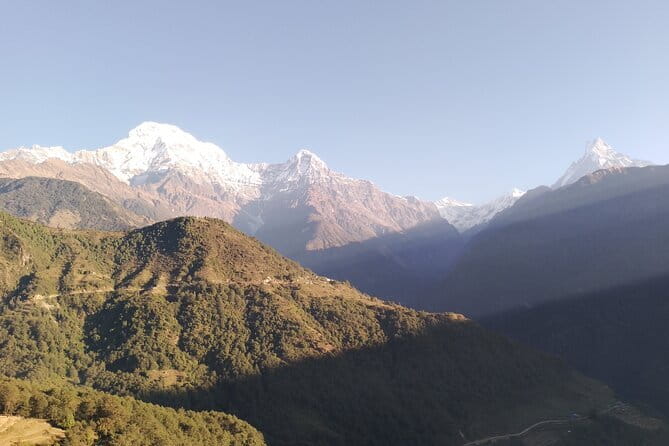
Base Camp is the kind of view you remember for years. This 7-day trek from Pokhara mixes classic mountain trails, warm stops in mountain villages, and an English-speaking trekking guide who helps you keep moving. I also like that hotel pickup and drop-off are built in for Pokhara Lakeside. One drawback to plan for: food and drinks are not included, so you will budget for meals along the way.
I’m a big fan of itineraries that feel “organized but still real,” and this one does that with official permits, guesthouse stays during the trek, and practical transport segments by shared jeep or bus. You also get a private setup, meaning the pace is usually more comfortable for your group than big chaos. Just keep your expectations aligned with the effort level, because the route includes long hike days and a meaningful climb to Annapurna Base Camp.
In This Review
- Key highlights worth your attention
- From Lakeside to Siwai: why the first transfer sets the tone
- Day 1 Ghandruk: Modi River views and real village life
- Day 2 Upper Sinuwa: a steady slog that pays off
- Day 3 Deurali toward Annapurna Sanctuary: cooler air, steadier focus
- Day 4 Machhapuchhre Base Camp and the climb to Annapurna Base Camp
- Day 5 Bamboo: descending is your workout, too
- Day 6 KhuldiGhar, Sinuwa Danda, and the Chomrong bridge moment
- Day 7 Samrung Khola and the return to Pokhara Lakeside
- Price and logistics: what you really get for $345
- Guides like Biru, Amrit, and Shiva, and why that matters on the trail
- Accommodation in guesthouses: what to expect from the day-to-day rhythm
- Who should take this trek, and who should think twice
- Should you book this 7-day Annapurna Base Camp trek from Pokhara?
Key highlights worth your attention
- Pokhara Lakeside pickup and drop-off, so your first and last day start and end smoothly
- English-speaking guides and an emergency first aid kit carried with the guide
- Permits and official documents included, which saves you time and hassle
- Guesthouse accommodation during the trek, with the rhythm of mountain life built in
- A 730 m climb to Annapurna Base Camp and an arrival that hits hard at altitude
Other approaches to the Sanctuary gate
From Lakeside to Siwai: why the first transfer sets the tone
Day 1 starts with pickup in Pokhara Lakeside, then you transfer toward Siwai before you hike. The schedule is designed so you do not waste your limited time with slow, disjointed logistics. It also matters because the trek proper begins once you are already in the right starting zone, so your legs get to work sooner and you do not feel like day one is just “getting there.”
The meeting time is listed as 2:15 pm, so plan for an afternoon start. If you like a clean first day, this helps. If you hate late starts, consider what that means for your evening before the trek, since you will likely need a calm, early night once the trail days begin.
Also, this route is described as private, meaning it is only your group. You still may see other trekkers on the trail, but your guide handling permits, pacing, and timing is easier when it is not managing a huge mixed group.
Day 1 Ghandruk: Modi River views and real village life
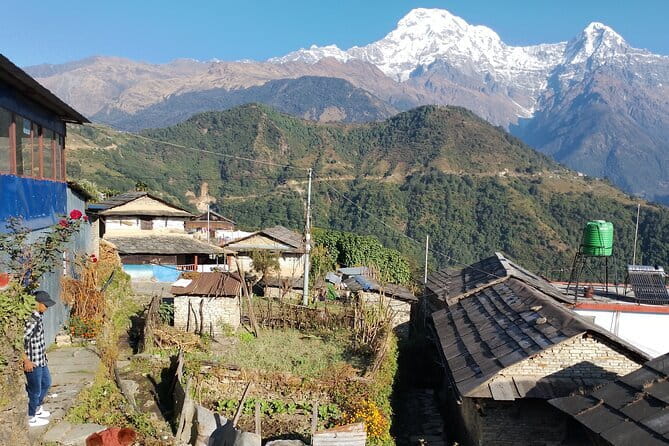
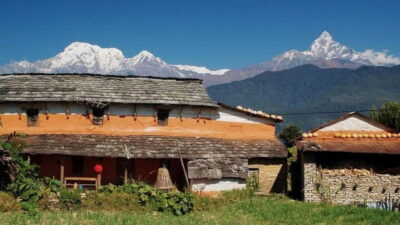
On Day 1, you hike to Ghandruk after the drive to Siwai. The trail runs through the Modi River area and passes authentic villages and hillside terrain with Annapurna valley views. That combination is a big deal: you get early scenery, but you also get a feel for how people live around the trekking routes.
Ghandruk is the kind of place where the trek starts to feel like more than exercise. You are not just walking through scenery, you are moving through a living network of homes, paths, and local rhythms. Along the way, the tour emphasizes cultural exchange with Gurung and Magar communities, which usually means you see the social side of trekking, not just the photo side.
Practical reality check: Day 1 is listed at about 7 hours, so start steady. If you go out too fast early, the climb days ahead will feel longer.
Day 2 Upper Sinuwa: a steady slog that pays off
Day 2 pushes you from Ghandruk toward Upper Sinuwa. The route “fluctuates,” and it is described as strenuous to reach Upper Sinuwa. Translation: it is rarely a straight grind. You will likely face ups and downs that keep your heart rate active without letting you settle.
The listed hiking time is about 7 hours (with lunch as a break). This is the day I’d treat like training with scenery. Keep your pace controlled so you do not blow your energy budget before the altitude gets more serious.
Upper Sinuwa is also one of those staging points where you feel the trek getting more alpine. The air tends to change as you move higher, and the tour’s overall pacing makes the shift gradual rather than sudden.
If you are prone to sore shins or tight calves, this is where good foot care matters. The itinerary later includes careful descents, so think of Day 2 as the day you set up your legs for the return.
Day 3 Deurali toward Annapurna Sanctuary: cooler air, steadier focus
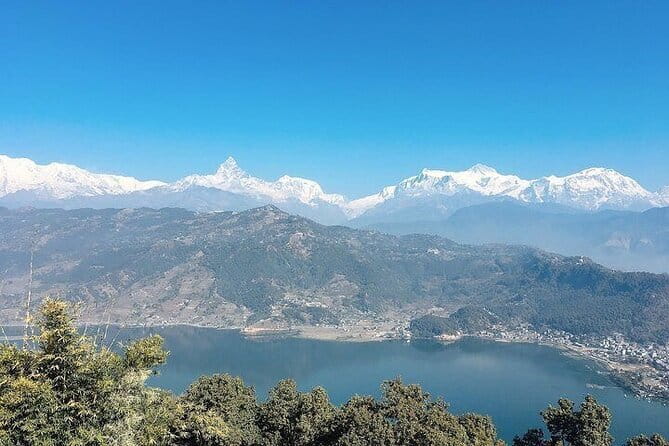
Day 3 takes you onward from Upper Sinuwa toward Deurali and the Annapurna Sanctuary area. The description calls out the trail going uphill and the air getting cooler and fresher, which is exactly the kind of change that can mess with your comfort if you dress too lightly.
The walking time is listed at about 6 hours. Compared to Day 1 and Day 2, that feels shorter. But do not treat it like an easy day. When the terrain is up and the air feels different, shorter hours can still be demanding.
This is also a key emotional shift day. As you get closer to the Sanctuary zone, your attention naturally narrows to footing, breathing, and timing. That is not a bad thing. It helps you stop overthinking logistics and just enjoy the fact that you are getting near the high-point payoff.
Other lodge to lodge routes near Pokhara
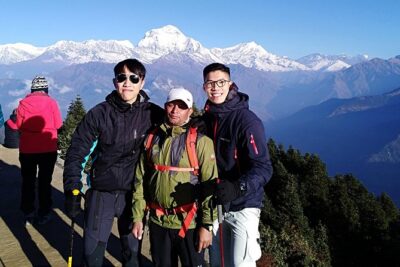
Day 4 Machhapuchhre Base Camp and the climb to Annapurna Base Camp
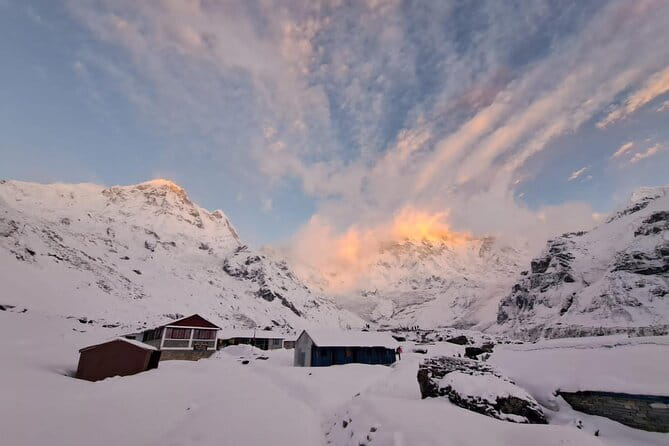
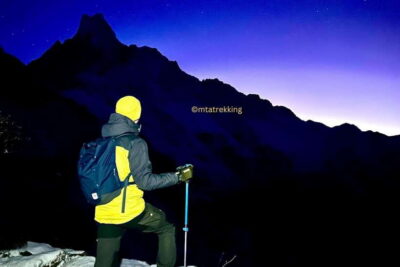
Day 4 is the show day. After breakfast, the trail goes up to Machhapuchhre Base Camp, which the itinerary notes at 3,900 m above sea level. Then you climb 730 m to Annapurna Base Camp.
It is listed as about 7 hours total, so you should expect a long day with effort focused upward. If you are thinking about energy management, this is it. You do not need to sprint. You need to keep breathing controlled and your steps consistent.
The tour description frames Annapurna Base Camp as awe-inspiring, surrounded by major peaks including the Annapurna massif. That is exactly what draws people. But I also like that the route builds to the day rather than dropping you into base camp like an elevator ride. The approach route gives you time to adjust mentally to the altitude and the scale.
One more consideration: the itinerary emphasizes safety and includes an emergency normal first aid kit with the guide. That matters because base camp days can be exhilarating and sometimes people act like they are invincible. Your guide’s job is to keep the group moving smart, not just fast.
Day 5 Bamboo: descending is your workout, too
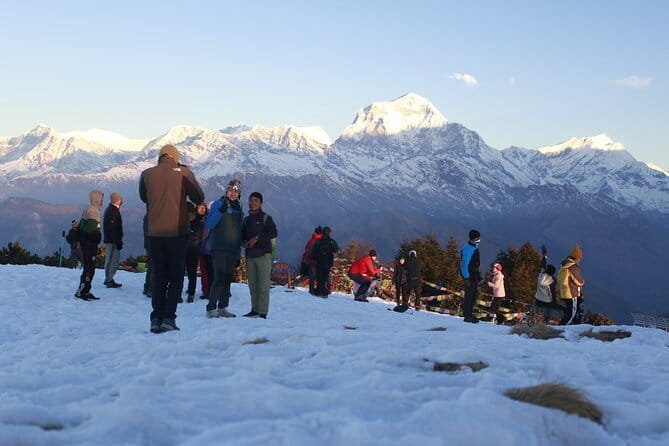
After a great base camp time, Day 5 takes you back down to Bamboo. The description calls the trail decent, but it warns you to walk carefully on the way down. That is a fair warning. Descents can be trickier than climbs because your knees and ankles do more work while your mind assumes it is an easier day.
Day 5 is listed at about 6 hours and includes route sections via Deurali, Himalaya, and Dovan. Even if you do not memorize the names, it helps to know the descent is not just one long slope. There will be changes in trail rhythm, and you will probably feel it in your legs by the end.
This is where trekking poles are not optional-feeling. Your trek includes a trekking pole per person, which helps with stability and reduces stress on knees during downhills. Use them. Do not leave that support in your pack.
Day 6 KhuldiGhar, Sinuwa Danda, and the Chomrong bridge moment
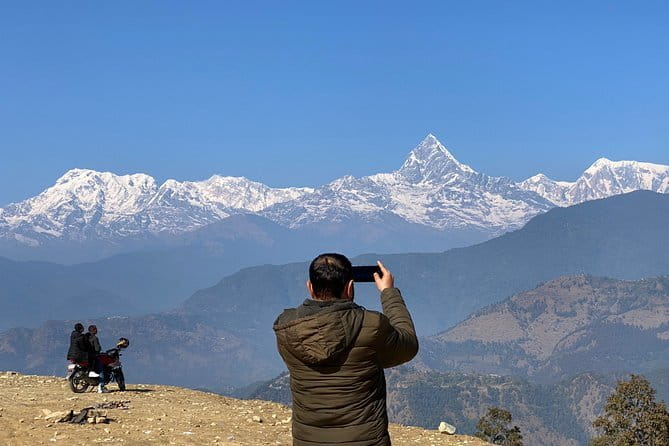
Day 6 has a layered route description that actually makes the day more interesting. You start with a short steep up to KhuldiGhar, then you descend through forest sections to Sinuwa-Danda. From there, you descend to Chomrong Khola.
There is also a bridge segment: you climb briefly after crossing, then you reach Chomrong village. The itinerary describes it as a bridge and a short climb, which often becomes a memorable “okay, we’re back in the rhythm” moment.
This day is listed at about 6 hours. It is not a rest day, but it is also not Day 4. Still, since you are heading back toward lower elevations, forest shade can make your legs feel better for a while and then stiffen again on the downhill you did not expect.
If you are traveling with family or friends, Day 6 is often where group pacing becomes important. Private or not, hikers vary. A calm guide helps you keep the group together without forcing anyone into a painful push.
Day 7 Samrung Khola and the return to Pokhara Lakeside
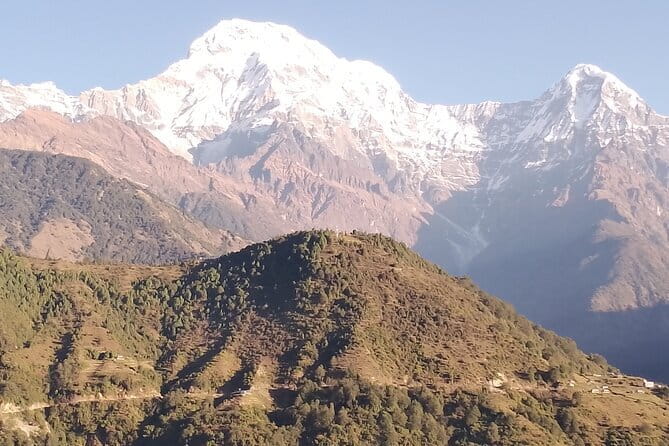
Day 7 is your finishing day, and the itinerary keeps it active but manageable. You start with short downhill hiking and cross a long suspension bridge to reach Samrung Khola. From there, the group catches a local jeep back to Pokhara, and the ride time is described as taking you to the Lakeside area.
The walking time is listed at about 6 hours, but the day’s real value is that it connects your final hiking effort to a clear end point. You get to stop thinking about trail timing and start thinking about shower time and a proper meal.
This is also when the cultural and community side of the trek becomes more than a slogan. You can feel how these villages tie into tourism through guides, guesthouses, and the constant flow of trekkers coming and going.
And yes, your legs will remind you it is day 7. But the suspension bridge moment helps. It is one of those “we did it” checkpoints that turns exhaustion into relief.
Price and logistics: what you really get for $345
The price is listed as $345 per person for the 7-day trek. The best way to judge value here is to look at what is bundled.
Included items that help you save money and stress:
- Hotel pickup and drop-off within Lakeside area
- English-speaking trekking guide
- Trekking permit and all official documents
- Guesthouse accommodation during the trek
- Pokhara to Siwai and Samrung Khola to Pokhara transfer by shared jeep or bus
- Trekking pole per person
- Emergency normal first aid kit with guide
Not included costs to plan for:
- Food and drinks (available to purchase)
- Personal expenses
- Porter per day $25 (not included, and listed as one porter for two people)
- Gratuities (optional)
Here is how I think about the budget: if you tried to piece this together yourself, you would still need a guide, permits, and transport coordination, plus you would likely end up paying similar money for poles and guesthouse logistics. The $345 price looks more reasonable when you treat it as “guided, permitted, and organized” rather than just “a walking route.”
One more nuance: the trek is described as private, only your group participates. Private often means higher per-person cost in many places, but your price already includes key services, so it is not just you paying for exclusivity. It is you paying for someone to handle the operational part of high-touch trekking.
Guides like Biru, Amrit, and Shiva, and why that matters on the trail
The trek includes a friendly English-speaking trekking guide, and the guide names tied to strong feedback include Biru, Amrit, and Shiva. You might get one of those guides or someone else, but the pattern is clear: the guide experience is a core part of why people rate the trek so highly.
Why you should care:
- On a multi-day trek, a guide helps you match your pace to the route and keeps energy from draining too early.
- When weather changes or trail conditions get slow, someone with local experience can adjust timing.
- Guides often help you feel safe about the hard parts, especially the days with longer uphill work or major descents.
Also, the itinerary notes an emergency normal first aid kit with guide, which adds a layer of reassurance. It is not a guarantee of anything, but it signals the trek provider is thinking about real-world risk management.
If you are traveling with family or friends who may not have identical stamina, having a guide that can keep things calm and organized makes the whole trip more enjoyable.
Accommodation in guesthouses: what to expect from the day-to-day rhythm
The itinerary includes accommodation in guest house during the trek. That is important because it keeps the trip grounded in the local system rather than constantly changing lodgings.
Guesthouses also change your rhythm in a good way. You hike, you eat what is available, you rest, and you repeat. It is a simple pattern that lets you focus on the trek rather than constant scheduling. And because permits and official documents are handled, you are not doing extra admin in the middle of your mountain days.
That said, guesthouse travel can be less predictable than a hotel chain. If you are the type who needs consistent room standards, plan for variation. You are choosing a trek experience, not a resort bubble.
Who should take this trek, and who should think twice
This is listed for travelers with strong physical fitness. That matters because the trek includes long days like 7 hours on Day 1 and Day 2, plus the base camp effort on Day 4 with a 730 m climb.
This trek is a strong match if:
- You want a classic Annapurna Base Camp route with a structured plan
- You value a guide-led experience and included permits
- You want village-to-village trekking and cultural contact with local communities
It might be a tougher choice if:
- You struggle with long hiking days or repeated descents
- You dislike paying extra for on-trail meals
- You prefer fully flexible schedules with no fixed route steps
Should you book this 7-day Annapurna Base Camp trek from Pokhara?
I think you should book if you want a high-impact trek where the hard logistics are handled for you: permits, guide, guesthouses, and transport are included, plus trekking poles help on the downhill days. The base camp day is the main event, and the route gets you there in a way that feels earned, not rushed.
You might skip or choose a different option if you are not ready for a route that can feel strenuous, especially with 7-hour hiking days and a big climb day. Also, make sure you budget for food and drinks, and consider whether you want a porter if you plan to keep a lighter pack.
If your goal is Annapurna Base Camp with solid support, this looks like a good value at $345, with the kinds of guides that people repeatedly mention by name for keeping trekking days smooth.
Lodge to Lodge Around Pokhara
The Rest of Our Pokhara Write Ups

Through the Sanctuary Gate
Everything else we have reviewed around Pokhara
- Pokhara: Cable Car Tour – Bird Eye View of Mountain & Lake
★ 4.4 · 3 reviews - Jomsom Muktinath Tour by 4WD SUV 2 Days
★ 5.0 · 3 reviews - Ghorepani Poonhill Private Trek – 2 nights / 3 days
★ 4.5 · 3 reviews - Pokhara: 30-Minute Paragliding Adventure with pick up/drop off
★ 4.5 · 3 reviews - Pokhara: 7-Day Annapurna Base Camp Trek via Ghandruk
★ 4.3 · 3 reviews - Pokhara Group Joining Sarangkot Sunrise Himalayas Tour
★ 5.0 · 3 reviews
Annapurna Base Camp Treks worth a second look.
 ★ 5.0Annapurna base camp trek 5 DaysFrom $699252 reviews
 ★ 5.0Annapurna Base Camp TrekFrom $935111 reviews
 ★ 5.0Kathmandu to Annapurna Base Camp (ABC) 5-Day TrekFrom $99102 reviews
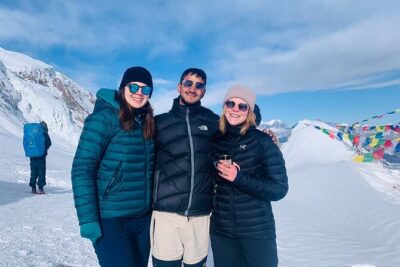 ★ 5.0Annapurna Base Camp Trek 12 DaysFrom $80085 reviews
★ 5.0Annapurna Base Camp TrekFrom $92580 reviews
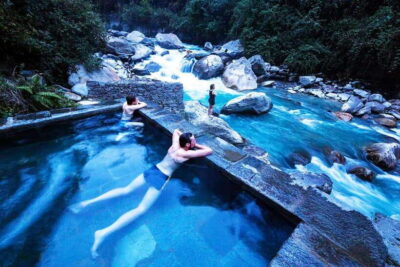 ★ 4.95-Day Annapurna Base Camp (ABC) TrekFrom $9672 reviews
★ 5.0Annapurna Base Camp TrekFrom $69959 reviews
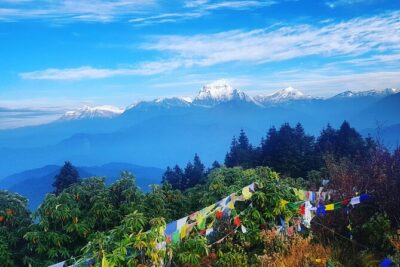 ★ 5.011-Day Hike Tour to Annapurna Base Camp Bliss in KathmanduFrom $1,30052 reviews
Lists this tour sits in