
REVIEW · ANNAPURNA BASE CAMP TREKS
Annapurna Base Camp Trek from Pokhara and Kathmandu
Annapurna Base Camp starts with easy logistics. What I like is the all-inclusive setup that handles transportation, permits, meals, and porters, so you spend energy where it counts, on the trail. I also like the pacing mix: trek days leading into the Annapurna massif, then a proper unwind in Pokhara and the natural hot springs of Jhinu Danda. The one drawback to consider is altitude and long hiking days, so you will want moderate fitness and patience.
This is a private tour/activity, so it’s just your group. Your English, Hindi, and Japanese speaking guide support is built in, and that matters for comfort and safety when the trail gets steeper or the weather shifts.
In This Review
- Key Things I’d Focus On Before Booking
- From Kathmandu to Pokhara, the Trek Feels Organized From Day One
- Your Route Into the Annapurna Massif: Day-By-Day Reality Check
- Day 1: Kathmandu pickup and a smooth start
- Day 2: Pokhara to Nayapul, then trek to Chumrung
- Day 3: Chhomrong to Dovan through rhododendron country
- Day 4: Dovan to Deurali for stronger altitude gains
- Day 5: Deurali to Annapurna Base Camp, the big goal day
- Day 6: Descend from Annapurna Base Camp to Bamboo
- Day 7: Bamboo to Jhinu Danda, then natural hot springs
- Day 8: Jhinu Danda to Nayapul, back to Pokhara
- Day 9: A rest day in Pokhara at your own pace
- Day 10: Private vehicle transfer back to Kathmandu
- What Is Actually Included, and What You’ll Still Need to Handle
- The Value Case: Is $1,150 a Fair Price for a 10-Day Private Trek?
- Guides and Office Support That Keep Things From Feeling Chaotic
- Who This Trek Is Best For, and Who Should Rethink It
- Practical Tips for Getting the Most From Days 3 to 7
- Should You Book This Annapurna Base Camp Trek?
- FAQ
- How long is the Annapurna Base Camp trek from Pokhara and Kathmandu?
- What does the tour price of $1,150 per person include?
- Are drinks included during the trek?
- Is this a private tour?
- What languages will the trekking guide speak?
- Is there time to relax in Pokhara and enjoy hot springs?
- What is the cancellation policy?
Key Things I’d Focus On Before Booking
- All-inclusive travel support: transportation, permits, meals, accommodation, and porters are part of the package, which keeps the trek from turning into a logistics project.
- Multilingual guide team: English, Hindi, and Japanese support helps you understand what you’re walking through and why.
- Jhinu Danda hot springs after trekking: a real payoff day that gives your body a chance to reset.
- A structured route into the Annapurna massif: the itinerary builds toward Annapurna Base Camp with gradual altitude gains and planned descents.
- A genuine Pokhara break: you’re not just dropped off and hurried along, you get a rest day to enjoy the lakeside area.
- Private, stress-free feel: only your group participates, and that usually means fewer confusion points.
Other approaches to the Sanctuary gate
From Kathmandu to Pokhara, the Trek Feels Organized From Day One
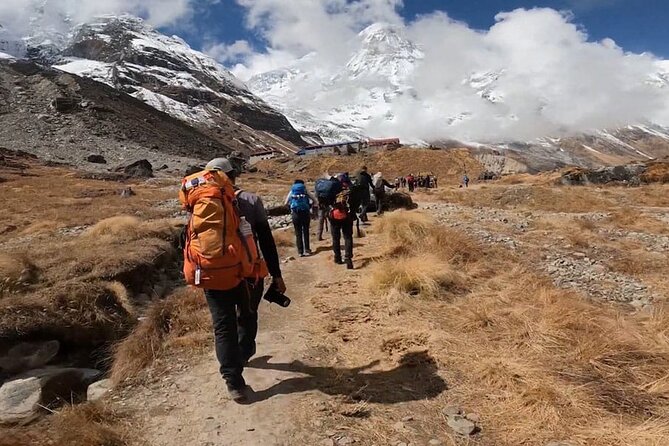
If you’re the kind of traveler who hates chasing details, this package is designed for you. The experience starts with a pickup from your Kathmandu hotel, and from there the trip is run with private transportation. That’s a big deal on a trek, because the best walking day in the world can get ruined by missed transfers, unclear meeting points, or scrambling for cash and paperwork.
Once you’re on the Pokhara side, the trek begins in a classic way: drive to Nayapul, then step onto the trail through villages and forested paths. You do not have to figure out how to get from point A to point B while also trying to keep your legs fresh. You can also move through the planning stage with confidence because confirmation comes at booking, and you have a mobile ticket to reference.
The other smart part here is the guide setup. You’re not relying on a random local contact. The package lists English, Hindi, and Japanese speaking guides, which helps when you want straightforward explanations and quick answers during tight moments on the route.
Your Route Into the Annapurna Massif: Day-By-Day Reality Check
This is a 10-day trek that mixes steady climb, time near the base, then a return with a memorable recovery stop. Here’s what each day is really about, and what you should watch for.
Day 1: Kathmandu pickup and a smooth start
Day 1 is about getting you from Kathmandu in a way that feels settled. You’ll be picked up from your hotel in Kathmandu, and the operation asks for your hotel name and address to arrange that pickup. If you’re not staying in a traditional hotel, you’re prompted to share your accommodation details so the team can coordinate.
The big value: you’re starting without the mental load of figuring out transport before trekking. The only consideration is that this part matters for timing, so double-check your exact pickup information when you book.
Day 2: Pokhara to Nayapul, then trek to Chumrung
You drive from Pokhara to Nayapul and begin hiking toward Chumrung. Expect lush forests and village scenery early on. This is usually where trekking shoes get tested, and you get your first taste of daily rhythm: slow forward steps, regular breaks, and lots of small uphill stretches.
For many people, Chumrung is the kind of stop that feels like the trail has officially started. It also helps psychologically because you’re no longer just traveling, you’re earning the view.
Other lodge to lodge routes near Pokhara
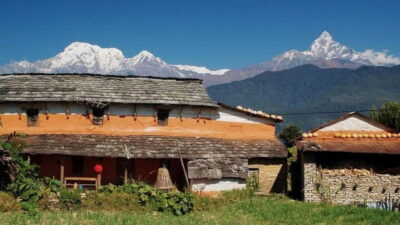
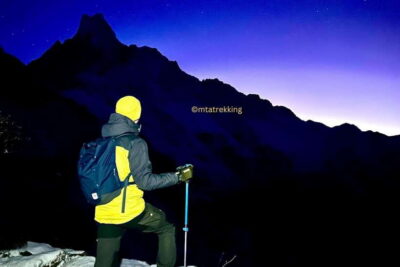
Day 3: Chhomrong to Dovan through rhododendron country
Today’s hike runs from Chhomrong to Dovan. The route is described through rhododendron forests and ascending toward higher altitudes. Rhododendron forests tend to feel shaded and cool, which can be a blessing in warmer weather, but it also means footing can be slick if there’s moisture.
This day matters because you’re building altitude, and your breathing starts to become more noticeable. Go steady, don’t chase speed, and keep water intake consistent.
Day 4: Dovan to Deurali for stronger altitude gains
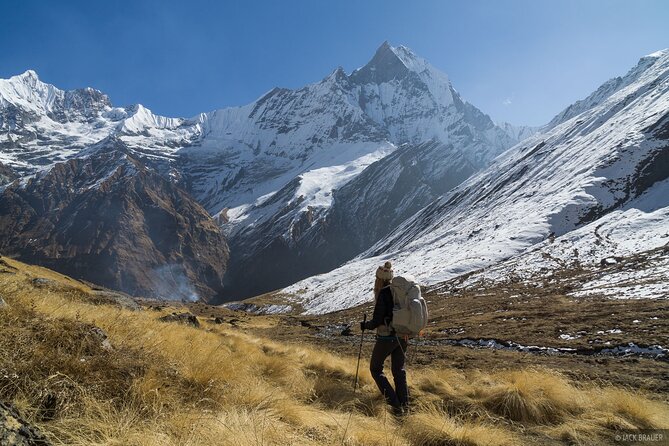
You hike from Dovan to Deurali with more altitude gain and dense forest sections. The promise here is spectacular mountain views, and that’s the payoff for the effort.
One practical consideration: forest hikes can make the time feel longer because the views are limited until you reach openings. Keep your pace calm and your stops intentional. Your energy budget is what makes the next days enjoyable rather than exhausting.
Day 5: Deurali to Annapurna Base Camp, the big goal day
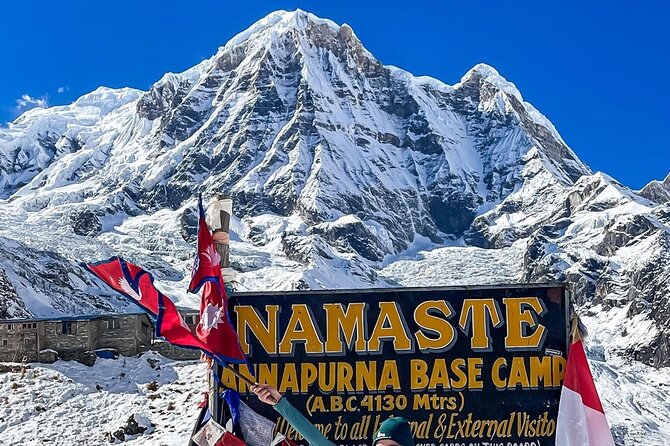
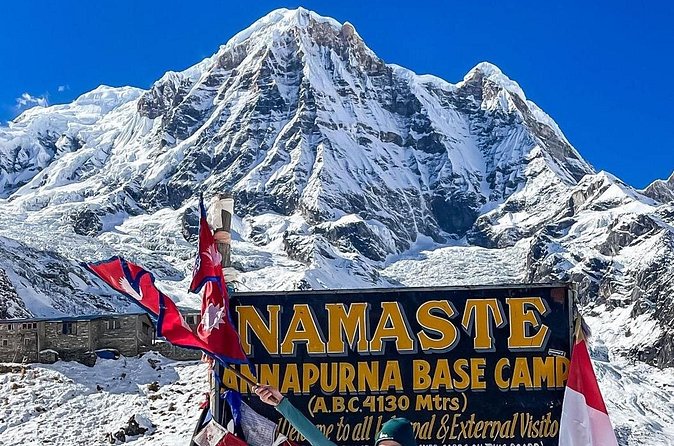
This is the day you reach Annapurna Base Camp. The route goes from Deurali to the base area, with breakfast, lunch, and dinner included during the day. The description focuses on breathtaking panoramic views of surrounding peaks, and that’s exactly what you’re walking for.
What I love about making Base Camp a distinct day is that it gives you closure. You’re not just arriving and instantly turning around. You have time to take in the views, soak up the “you did it” feeling, and adjust mentally before your descent.
The drawback to consider is weather. Base Camp experience depends on visibility. If clouds roll in, you may get a different version of the scenery than the clear-photo version. This is where being flexible with expectations helps.
Day 6: Descend from Annapurna Base Camp to Bamboo
You go from Annapurna Base Camp down to Bamboo. The day is described as enjoying the changing landscape as you head back. This is where many trekkers feel the trail differently: legs may feel tired, but the descent can also be easier on the lungs.
Downhill still takes work on knees and ankles. Take shorter steps, and don’t let speed fool you. A slow descent usually means you feel better the next day.
Day 7: Bamboo to Jhinu Danda, then natural hot springs
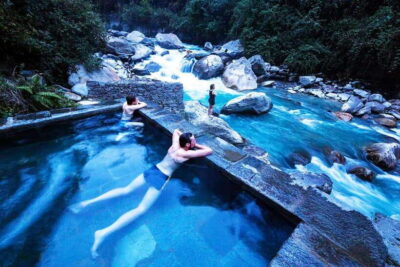
This is the most relaxing sounding day, and it’s not just marketing. You trek from Bamboo to Jhinu Danda, and then you relax in natural hot springs.
For me, a hot springs day after long hiking is a big quality signal. It turns the return into something restorative rather than just surviving. It’s also a morale booster, because after a steep-ish trek effort, your body finally gets a reward.
Day 8: Jhinu Danda to Nayapul, back to Pokhara
After the hot springs recovery, you trek from Jhinu Danda to Nayapul, then drive back to Pokhara. You unwind and relax in Pokhara with meals included.
This day is your transition from mountain mode to city mode. Expect less hiking stress and more time for real rest, a hot shower, and basic comfort things that feel extra special after the trail.
Day 9: A rest day in Pokhara at your own pace
Day 9 is a rest day to explore Pokhara on your own. You can enjoy the lakeside area, local cafes, and the natural beauty.
This is the “do what you feel like” day, and it’s important. Trekking is physical, but it’s also mentally demanding. A free day helps you reset so the last transfer does not feel like one long sprint.
Day 10: Private vehicle transfer back to Kathmandu
You travel back from Pokhara to Kathmandu by private vehicle, concluding the trek adventure. Meals are noted for the day, so you are not left scrambling after a final stretch of trekking fatigue.
The key value here is continuity. The trek doesn’t end with a stressful scramble to find transport. You get a final handoff that lets your trip close cleanly.
What Is Actually Included, and What You’ll Still Need to Handle
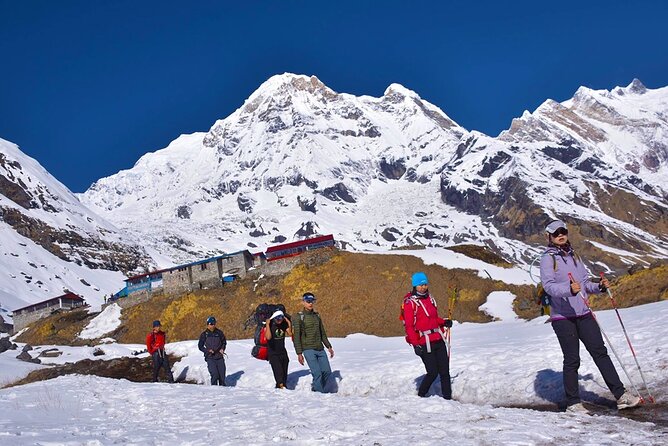
This package is set up as an all-inclusive trekking experience. The included items list and the overview align on the main categories you care about:
- Food: meals are included, including lunch and dinner, and the itinerary notes breakfast, lunch, and dinner during trekking days.
- Guide support: an English, Hindi, and Japanese speaking guide is included.
- Transportation: private transport is included.
- Permits and fees: all fees and taxes are included.
- Accommodation and porters: described as part of the all-inclusive service.
What’s not included is also clear: drinks or other beverages are not provided, plus personal expenses are your responsibility.
This matters because on treks, people often forget that beverages can add up, and personal items can become urgent (sun protection, snacks, basic toiletries, small medical needs). Bring a budget mindset for those extras, even if the core trek is covered.
The Value Case: Is $1,150 a Fair Price for a 10-Day Private Trek?
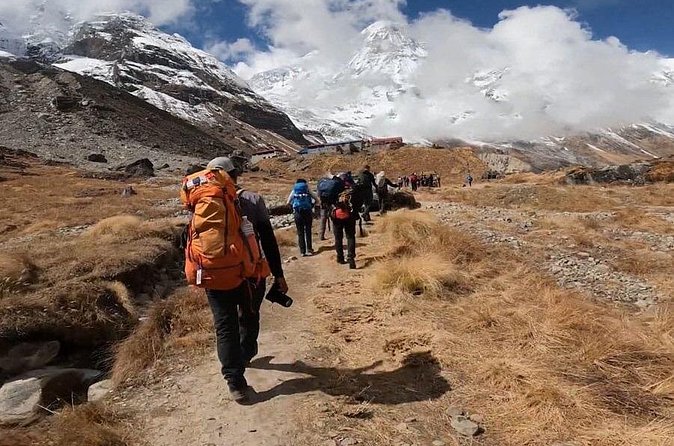
At $1,150 per person for an approximately 10-day experience, you’re paying for a lot of real, costly services: private transportation, meals, permits and taxes, guide staffing, and the operational effort required to run a multi-day mountain itinerary.
Here’s how I think about value for a trek like this:
- Private logistics cost money. Private transport and a private tour setup reduce uncertainty. That uncertainty is time and energy you do not want to spend when altitude and long days already demand attention.
- Meals on the trail add up. If meals are included daily, you avoid a common trekking pain point, unpredictable meal planning.
- Guides matter more than people expect. Clear explanations, pacing help, and practical safety guidance can make the difference between an enjoyable trek and a stressful one.
- Hot springs and a rest day are built-in. Many trek packages stop at arrival and departure. Here, a recovery element and a Pokhara break are scheduled, which can improve how you remember the trip.
Now, the tradeoff: $1,150 is not a budget-only trek price. If you’re traveling ultra-minimal with your own guide and planning every leg, you might find cheaper options. But if you want the trek to feel organized and worry-light, this pricing aims to deliver that.
Guides and Office Support That Keep Things From Feeling Chaotic
The best trek experiences often share one trait: the people handling details are calm and responsive. In this case, the overall team support is highlighted as helpful during planning, and the trekking guide experience is praised as professional and friendly.
One name that comes up in the team highlights is Santosh. That kind of personal mention tends to show the office staff is not just running a system, they’re supporting real travelers through the prep phase and during the trip.
This matters because Annapurna Base Camp treks are not just walking. You’re managing daily changes in effort, weather, and how your body handles altitude. A guide who communicates well and keeps you on track can make the whole thing feel smoother.
Who This Trek Is Best For, and Who Should Rethink It
This experience is described as suitable for travelers with moderate physical fitness. That’s helpful guidance, but it still requires honesty with yourself. If you know you struggle with steep climbs, you’ll want to train a bit before you go.
This trek is a strong match if you:
- Want an organized, private trekking package with guidance and porters
- Like having meals and logistics taken care of
- Want a trip that includes both trekking and a relaxing Pokhara day
- Enjoy the idea of a recovery stop at Jhinu Danda hot springs
You might want to think twice if you:
- Have very limited tolerance for uphill hiking and long walking days
- Expect perfect weather and fully clear mountain views every day
- Prefer to bring and manage every aspect of the trip yourself
Practical Tips for Getting the Most From Days 3 to 7
The middle days are where trekking becomes a routine, and routine is where small choices matter.
- Pace like a pro, not like a tourist: keep effort steady on the uphill segments. Saving energy on Day 3 and Day 4 makes Day 5 more enjoyable.
- Plan for recovery: the hot springs day is not just a treat, it’s part of your recovery plan. Give yourself time to actually relax after the trek to Jhinu Danda.
- Hydrate even when you feel fine: altitude and effort can fool you into thinking you don’t need water.
- Budget for beverages: drinks are not included, so plan for water and any additional beverages you want.
Should You Book This Annapurna Base Camp Trek?
I’d recommend this Annapurna Base Camp trek if you want a well-run, private, all-inclusive experience with professional guide support, included meals, and built-in downtime in Pokhara plus hot springs at Jhinu Danda.
Book it if your priority is comfort with less logistical stress and you’re comfortable committing to a multi-day trek with altitude considerations. I would not book it if you’re chasing the cheapest possible trek price or you only want short hikes. This is a real trek, just with the hard parts of planning handled for you.
If you read the route and think, yes, I can handle steady uphill days plus a big Base Camp goal, you’re likely to love how this trip comes together.
FAQ
How long is the Annapurna Base Camp trek from Pokhara and Kathmandu?
The trek is listed as 10 days approximately.
What does the tour price of $1,150 per person include?
It includes private transportation, all fees and taxes, meals (including lunch and dinner), and a guide with English, Hindi, and Japanese support. The package also describes accommodation, permits, and porters as part of the all-inclusive service.
Are drinks included during the trek?
No. Drinks or other beverages are not provided.
Is this a private tour?
Yes. This is a private tour/activity, and only your group participates.
What languages will the trekking guide speak?
The guide included with the experience speaks English, Hindi, and Japanese.
Is there time to relax in Pokhara and enjoy hot springs?
Yes. There is a rest day to explore Pokhara at your own pace, and the itinerary includes Jhinu Danda where you can relax in natural hot springs.
What is the cancellation policy?
Cancellation is free up to 24 hours in advance for a full refund. If you cancel less than 24 hours before the experience starts, the amount paid is not refunded. The experience requires good weather, and if it is canceled due to poor weather, you will be offered a different date or a full refund.
Lodge to Lodge Around Pokhara
The Rest of Our Pokhara Write Ups

Through the Sanctuary Gate
Everything else we have reviewed around Pokhara
- Pokhara: Cable Car Tour – Bird Eye View of Mountain & Lake
★ 4.4 · 3 reviews - Jomsom Muktinath Tour by 4WD SUV 2 Days
★ 5.0 · 3 reviews - Ghorepani Poonhill Private Trek – 2 nights / 3 days
★ 4.5 · 3 reviews - Pokhara: 30-Minute Paragliding Adventure with pick up/drop off
★ 4.5 · 3 reviews - Pokhara: 7-Day Annapurna Base Camp Trek via Ghandruk
★ 4.3 · 3 reviews - Pokhara Group Joining Sarangkot Sunrise Himalayas Tour
★ 5.0 · 3 reviews
Annapurna Base Camp Treks worth a second look.
 ★ 5.0Annapurna base camp trek 5 DaysFrom $699252 reviews
 ★ 5.0Annapurna Base Camp TrekFrom $935111 reviews
 ★ 5.0Kathmandu to Annapurna Base Camp (ABC) 5-Day TrekFrom $99102 reviews
 ★ 5.0Annapurna Base Camp Trek 12 DaysFrom $80085 reviews
★ 5.0Annapurna Base Camp TrekFrom $92580 reviews
 ★ 4.95-Day Annapurna Base Camp (ABC) TrekFrom $9672 reviews
★ 5.0Annapurna Base Camp TrekFrom $69959 reviews
 ★ 5.011-Day Hike Tour to Annapurna Base Camp Bliss in KathmanduFrom $1,30052 reviews
Lists this tour sits in