
REVIEW · NEPALI COOKING CLASSES
Cook and Dine with a Local family
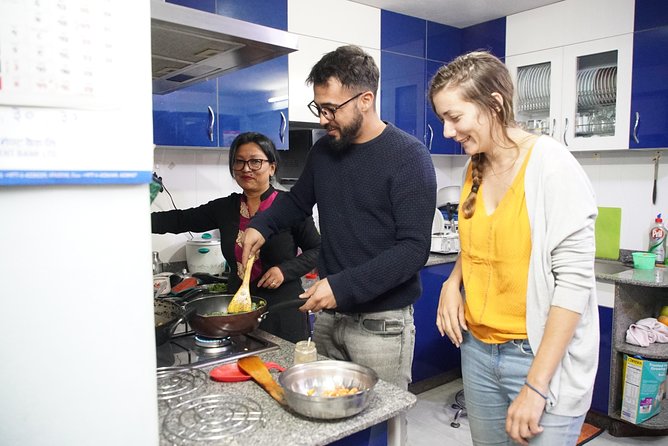
This starts with a friendly kitchen invitation. It is a hands-on Kathmandu class where an English-speaking host family picks you up, shops spices at a local market, and teaches you a classic Nepali meal in their home.
I love the spice shopping part, because it turns flavors into real ingredients you can name and buy later. I also love the family dinner component, since you eat with the people teaching you, not after a quick presentation.
One thing to keep in mind: the experience depends on good weather and a minimum number of travelers, so build in a little schedule flexibility.
In This Review
- Key Highlights Worth Noting
- Spice Market Shopping in Kathmandu, Before You Touch a Stove
- Your Host Home in Kathmandu: Conversation Plus Daily Life
- The Dal Bhat Cooking Lesson: Cutting, Mixing, and Getting Flavor Right
- Dinner Together: Eating Your Work While It Still Feels Fresh
- What You Get for $45: Value Based on Time, Transportation, and Teaching
- Pickup, Schedule, and How the Afternoon Flows
- Who Should Book This Cooking Class in Kathmandu?
- Should You Book Cook and Dine with a Local Family?
- FAQ
- How long is the cooking experience?
- What is the price per person?
- What time does the experience start?
- Where is the meeting point?
- Is pickup offered, and how do you get there?
- What is included in the price?
- What is not included?
- What is the group size limit?
- What happens if the weather is poor?
Key Highlights Worth Noting
- Market-to-stove learning: You shop for groceries and spices before cooking, then use what you chose.
- English-speaking host family: You can ask questions and follow along without guessing.
- Dal bhat, taught step by step: You learn a straightforward method using common spices.
- Dinner included: You cook, sit down, and eat as part of the same experience.
- Small group size (max 4): More conversation, less waiting around.
- Private transportation and pickup: Getting from your hotel area is part of the comfort.
Fold more momos: other Nepali kitchens

Spice Market Shopping in Kathmandu, Before You Touch a Stove
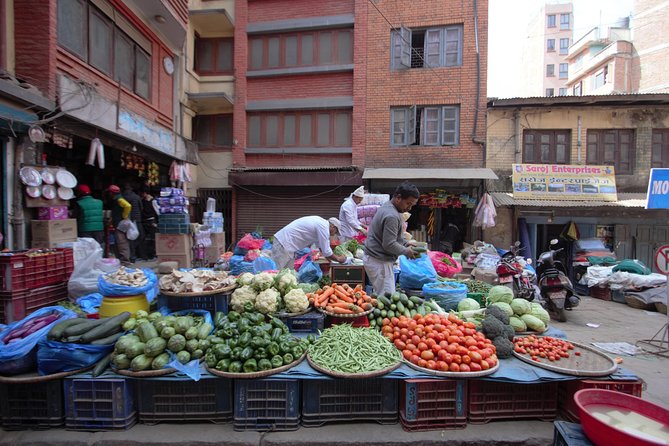
I like cooking classes most when the flavor story starts outside the kitchen. Here, you begin with pickup and go to a local market to choose ingredients and spices, guided by your host family. That early step matters, because you learn what each spice does, not just how it tastes in one bite.
You’ll pick out groceries the same way locals do, which helps you understand Nepali cooking as everyday life, not a food show. Markets also train your nose and eyes fast. Turmeric, cumin, ginger, and garlic come to the forefront, and you start connecting the smell of each ingredient to the dish you’ll make later.
Practical tip: come with a plan for notes. Even if you do not write down exact amounts, jot the spice names you see and how your host describes the flavor. When you repeat the recipe at home, those quick notes will save you from vague memory.
Your Host Home in Kathmandu: Conversation Plus Daily Life
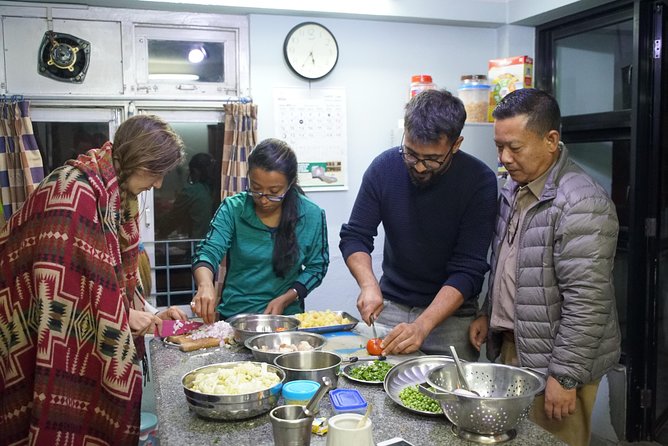
The best part of this experience is the home setting. You will visit your host family’s home, see daily life, and interact with them during the class and dinner. Since the host family is English-speaking, you should be able to ask questions and keep the exchange natural instead of awkward.
This is also where the experience becomes more personal. With a maximum group size of 4, you are less likely to feel like you are being processed. Instead, you can follow along with questions, watch what the host is doing, and actually talk about the food and routines that surround it.
Something I appreciate from similar small family meals is that the host can explain what matters most to them. In this case, the class focuses on traditional flavors and the way spices build character in Nepali dishes. Expect more “why” than “do this, then this.”
Photo and privacy note: a home is a home. If you want photos, ask first and follow the family’s comfort level.
The Dal Bhat Cooking Lesson: Cutting, Mixing, and Getting Flavor Right
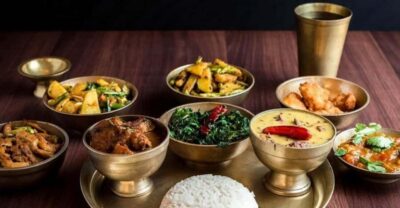
You will cook a Nepali dish taught in an easy, follow-along way. Dal bhat is the meal at the center of the class, and the method is simple enough that you should feel capable even if you are not a confident cook.
Here is the core approach you’ll practice: cut the vegetables, then mix them with a set of spices so the dish is full of flavor. The spices highlighted in the class are turmeric, cumin, ginger, garlic. That is a useful lineup because those flavors are also common in home kitchens around the world.
What you gain is technique you can reuse. When a host explains how spices change the final taste, you stop treating seasoning as a guess. You start thinking in layers: aromatic spices early, grounding warmth and earthiness from cumin and turmeric, and the extra punch ginger and garlic bring to the mix.
If you want to get more out of the hands-on part, focus on texture and smell while you work. When you see the mixture come together, ask how long the flavor should develop and what to watch for. Even if the class is guided, your senses are part of the lesson.
Dinner Together: Eating Your Work While It Still Feels Fresh
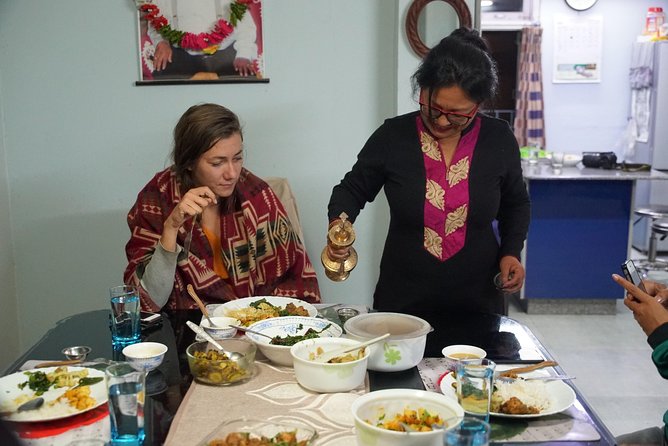
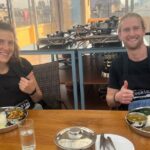
Dinner is included, and it is not just an afterthought. You eat the meal you helped prepare, which makes the flavors easier to remember. There is something satisfying about tasting what you made moments earlier, with the host nearby to correct, explain, or answer questions.
This is where you also learn what the meal feels like in context. You are not eating in a restaurant vacuum. You are part of a family setting, where the food fits into daily life and conversation. That cross-cultural interaction is often what makes cooking classes worth it, especially when the host family leads the experience.
Tip for your taste memory: while you eat, connect flavors back to the ingredients you purchased at the market. If cumin tastes stronger than you expected, ask why. If ginger feels bright, ask how much should feel right. Those small conversations turn the meal into a real skill.
Slower, more local afternoons
What You Get for $45: Value Based on Time, Transportation, and Teaching
At $45 per person for about 5 hours, this class can be good value, especially because it includes more than just the cooking part. You get dinner, spice shopping at a local market, an English-speaking host family, and private transportation.
A lot of food experiences only cover the meal. This one covers the lead-up and the learning. You are spending time with people who teach you what you are cooking, and you leave with a better understanding of how Nepali flavors are built.
The private transportation is a practical bonus. Kathmandu navigation can take energy, particularly if you are planning around one specific afternoon slot. Having pickup offered, plus return at the end of the activity back at the meeting point, reduces stress so you can focus on the experience.
Small group size also adds value in a quiet way. With a max of 4, the class tends to feel less rushed. You get more attention, and the host family can spend time explaining what you are doing.
Pickup, Schedule, and How the Afternoon Flows
The experience starts at 3:00 pm and runs about 5 hours. You are picked up from the meeting point at Royal Mountain Travel, Lal Durbar Marg, Kathmandu 44601, Nepal, and the activity ends back at the meeting point. The tour is near public transportation, and you also receive a mobile ticket.
This timing has an advantage. Afternoon classes give you time to settle after sightseeing and still reach a dinner meal without the stress of a late night. Also, cooking later in the day often means you can pay attention to the market stop as a real errand, not a rushed stopover.
Group size matters here too. With up to 4 people, you should not be stuck waiting for long stretches while other participants finish. The host can keep the flow moving and still guide everyone.
Weather note: the experience requires good weather. That does not mean it will always run the same way, but it does mean you should keep an eye on conditions for the day you book. If it is canceled due to poor weather, you will be offered a different date or a full refund.
Who Should Book This Cooking Class in Kathmandu?
This experience is a great match if you want practical Nepali cooking skills and a real family encounter. It is also a strong option if you care about the ingredient part of cooking. The market stop is not filler. It directly supports the recipe and helps you remember what to buy later.
You will likely enjoy this class if you:
- want hands-on cooking, not a lecture
- like conversation with locals in a home setting
- want to learn a traditional dish like dal bhat using a clear spice method
- prefer a small group size for more interaction
You might want to rethink it if your schedule is very rigid, because good weather and a minimum number of travelers can affect dates. Also, if you have very specific dietary needs, the class structure might not be able to address them without more coordination during booking. In that case, ask questions early.
Should You Book Cook and Dine with a Local Family?
I would book this if your goal is authentic Nepali food with real people behind it. The best reasons are simple: you shop for spices with your host, you cook a traditional dal bhat meal step by step, and dinner is included in the same family context.
Book with confidence if you can be flexible about weather and you like the small-group style. Skip it only if you want a hands-off experience or you cannot spare the full 5 hours.
FAQ
How long is the cooking experience?
It lasts about 5 hours.
What is the price per person?
The price is $45.00 per person.
What time does the experience start?
It starts at 3:00 pm.
Where is the meeting point?
The meeting point is Royal Mountain Travel, Lal Durbar Marg, Kathmandu 44601, Nepal.
Is pickup offered, and how do you get there?
Pickup is offered, and private transportation is included.
What is included in the price?
Dinner is included, along with spice shopping at a local market, an English-speaking host family, and private transportation.
What is not included?
Personal expenses are not included.
What is the group size limit?
The experience has a maximum of 4 travelers.
What happens if the weather is poor?
This experience requires good weather. If it is canceled due to poor weather, you will be offered a different date or a full refund.
The Rest of Our Kathmandu Write Ups




Craft, Ritual and Village Life


More Kitchens, More Momos
Everything else we have reviewed around Kathmandu
- 12 Days Everest Base Camp Trekking
★ 5.0 · 3 reviews - 1 Night 2 Days Chitwan Jungle Safari Tour from Pokhara or Kathmandu
★ 3.0 · 3 reviews - Thamel Rickshaw tour
★ 4.7 · 3 reviews - Kathmandu: Momo Making Class with a Local Chef
★ 5.0 · 3 reviews - Kathmandu: Full-Day Yoga, Body Massage and Pedicure Package
★ 5.0 · 3 reviews - From Kathmandu / Pokhara / Chitwan: River Rafting – 1 Day
★ 4.6 · 3 reviews
Nepali Cooking Classes worth a second look.
 ★ 5.0Half day cooking class in Thamel kathmanduFrom $28607 reviews
 ★ 4.9Local Women-Led Nepali Cooking & Momo ClassFrom $4360 reviews
 ★ 5.0Local Lead Nepali Cooking & Momo-Making ClassFrom $5212 reviews
 ★ 5.0Local Women Lead Nepali Cooking ClassFrom $30125 reviews
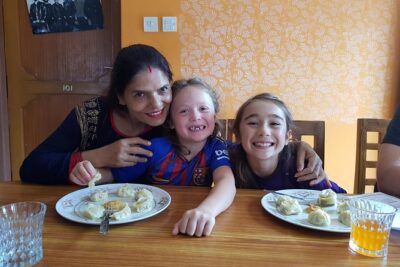 ★ 5.0Nepalese Momos or Dal Bhat Cooking Class (Cook with Delight)From $5099 reviews
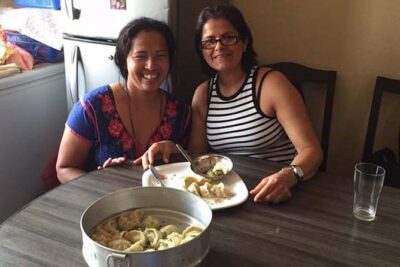 ★ 5.0The best Private Nepali Cooking Class in KathmanduFrom $2483 reviews
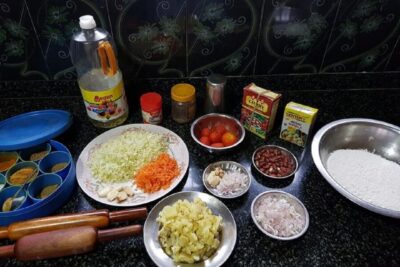 ★ 5.0Nepalese Kitchen in Pokhara: Momos or Dal Bhat Cooking ClassFrom $2867 reviews
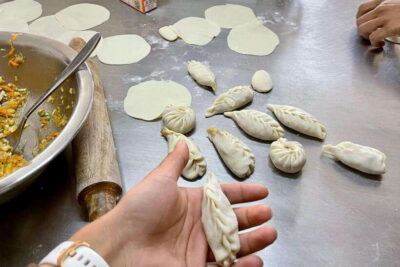 ★ 4.8Traditional Momo Making Class & PickupFrom $460 reviews
Lists this tour sits in