
REVIEW · EVEREST BASE CAMP TREKS
Everest Base Camp trek- 11 days
A short flight puts you in Everest country. This 11-day Everest Base Camp trek from Kathmandu through Lukla delivers big mountain mornings, Sherpa towns, monasteries, and a hard-earned day near the roof of the world.
I love how the schedule kicks off with a sunrise flight to Lukla and then eases you into trekking with an early hike to Phadking. I also love the built-in support, with a government license holder guide plus a porter to carry your baggage, so you can focus on walking and views.
One consideration is sheer altitude and effort. You’ll climb from roughly 2660m up toward 5545m at Kalapathar, so a moderate fitness level really matters before you go.
In This Review
- Key things that make this Everest Base Camp trek work
- From Thamel to Lukla: getting into Everest mode fast
- Namche Bazaar: the gateway town that also helps you breathe
- Tengboche, Dingboche, and the ladder upward toward 5000m
- Everest Base Camp day, plus the Gorekshep setup
- Kalapathar at 5545m: the viewpoint that makes the trek feel complete
- On the ground: lodges, meals, and what full board really means
- Guide support and porter help: the underrated value
- Permits, TIMS, and the paperwork your body won’t want
- Price and value for $1,699 in 11 days
- Who this Everest Base Camp trek fits best
- Should you book this Everest Base Camp trek with Mount Face Nepal?
- FAQ
- What is included in the Everest Base Camp trek price?
- What is not included?
- Where does the trek start, and what time does it begin?
- Is this a private tour?
- Do I need a moderate fitness level?
- Are trekking permits and the TIMS card included?
Key things that make this Everest Base Camp trek work
- Lukla flight plus sunrise timing helps you start the trek with momentum rather than getting stuck in logistics
- A real acclimatization day in Namche Bazaar gives your body time to adjust at about 3435m
- A monastery-and-market route through the Khumbu region mixes culture with altitude gains
- Support that handles the details like TIMS, permits, and porter baggage so you stay on the trail
- A Kalapathar viewpoint day that aims you at the highest peak in the clearest way this trek can offer
Other routes to Base Camp, side by side
From Thamel to Lukla: getting into Everest mode fast
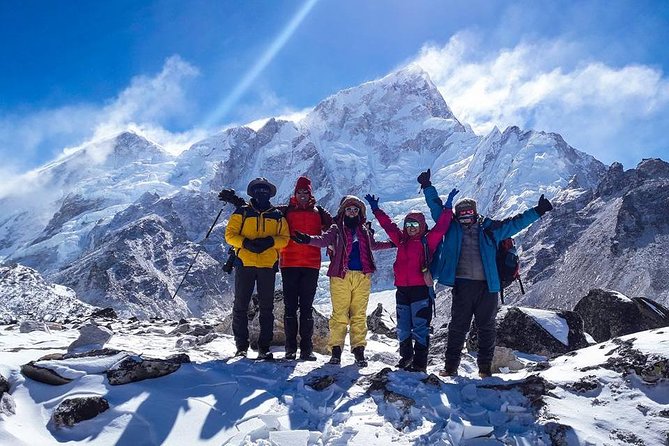
Most Everest Base Camp trips feel like they start the moment you land in Kathmandu. This one starts the moment you walk out the door in Thamel at 7:15am, where you meet your team and head to the local airport for your Lukla flight. If you want a trek that feels organized from day one, this rhythm helps a lot.
The Lukla flight is the spark. Early sunrise over snowcapped peaks sets a tone you rarely get in other mountain regions. Then you transition quickly into walking, starting with a hike to Phadking around 2660m. That first day matters more than it sounds. It’s not about distance, it’s about getting your legs used to trail time and your head used to the scale of the Himalaya.
If you’re the type who hates “waiting around” to get to the good part, you’ll likely appreciate the way this trip compresses the setup into Kathmandu and gets you hiking early.
Namche Bazaar: the gateway town that also helps you breathe
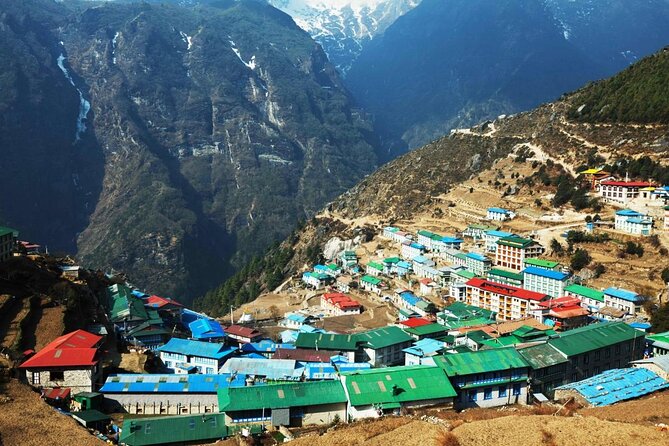
Namche Bazaar sits around 3435m, and you reach it after trekking up from Phakding. It’s a classic hub in the Khumbu region for a reason: it’s where trails converge, and it’s where you’ll feel daily life in the mountains. Expect the town to function like a gateway, with viewpoints and a mix of routes that lead deeper toward Everest.
Then comes the acclimatization day in Namche at the same altitude. That free day is one of the best design choices on any Everest Base Camp route. Your body needs adjustment when elevation keeps climbing, and Namche gives you a chance to do it while staying in a familiar base town rather than pushing higher the very next morning.
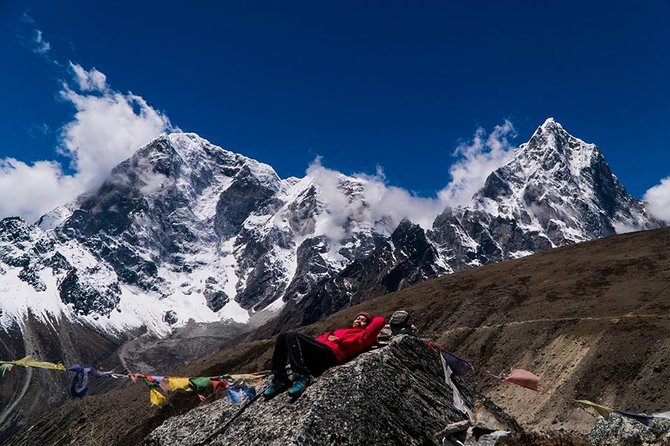
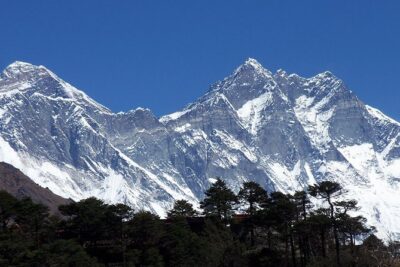
In terms of what you’ll actually experience there, you’ll be moving through a Sherpa home-town feel: monasteries, local culture, and standout views of Everest and nearby giants like Lhotse and Nuptse. The Khumbu region also has a strong spiritual thread, so monasteries add more meaning than just photo stops.
Practical note: acclimatization days don’t mean vacation mode. You’re still in “mountain living,” which often comes with a faster heartbeat and less comfort than you’re used to. Build in patience. Your pace here sets the tone for the rest of the trek.
Tengboche, Dingboche, and the ladder upward toward 5000m
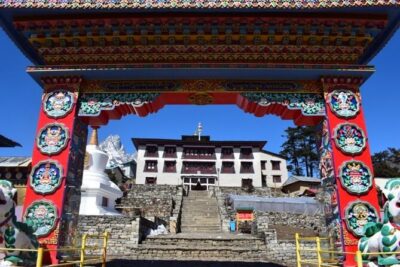
From Namche, you go on to Tengboche around 3890m. Tengboche is known for its monastery setting, and that fits perfectly into an Everest Base Camp route that balances altitude gains with culture. This part of the trek is where views start getting noticeably “direct.” You’re still walking uphill, but you can feel the world opening up toward Everest country.
Next, you reach Dingboche at about 4400m. That altitude shift is significant. It’s the kind of climb where you’ll likely feel it with every step, especially if you try to match a fast group pace without giving your breathing time to settle. Dingboche works as a stepping stone toward higher elevations like Lobuche.
Then you move to Lobuche around 4910m. This is where the trek begins to feel more alpine and less village-like. The overview also points to Khumbu Icefall and the natural park area, which is an important reminder that you’re trekking in a protected mountain ecosystem. You’re not just chasing points on a map. You’re walking through a living landscape at high elevation.
A quick reality check here: by the time you’re near 4900m, you’ll stop taking your body for granted. If you’ve packed too much enthusiasm and not enough pacing discipline, this is where it can show up. Let your guide steer your effort. A government-licensed guide is there for more than route knowledge, and on Everest routes, the “how” of walking often matters as much as the “where.”
Everest Base Camp day, plus the Gorekshep setup
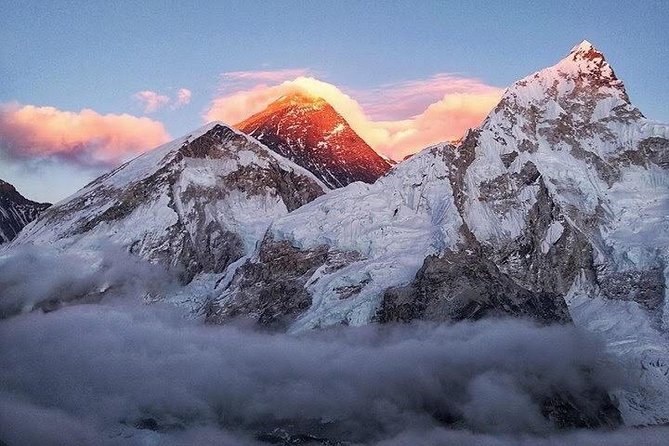
Your route pushes up to the Everest Base Camp area via Gorakshep. The heights in the plan include a high point near Everest Base Camp around 5380m, then a return to Gorakshep around 5180m. That sequence is typical for making Base Camp feel like a goal, not a random stop.
This day is memorable for obvious reasons. But it’s also memorable because of contrast. You’ve been steadily climbing for days, and then Everest Base Camp becomes a concentrated moment, where the scale hits you all at once. The trek promises the Khumbu Icefall views and the natural park experience, and by the time you’re there, those elements make the region feel real rather than distant.
What I like about the way this trek structures the day is the build. You don’t go from “normal life” in Kathmandu to “Base Camp viewpoint” without steps. You build from Namche to Tengboche to Dingboche to Lobuche, then you earn the Base Camp moment with time at elevation.
One thing to keep expectations honest: this is not an easy stroll. Even if the distance is manageable, your body is working harder at these altitudes. Treat it like a stamina day, not a speed day.
Other lodge to lodge routes near Kathmandu
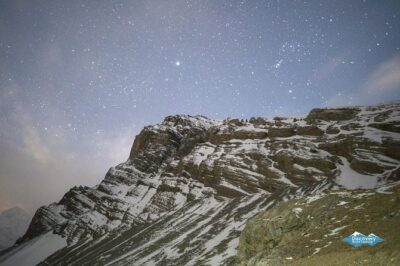
Kalapathar at 5545m: the viewpoint that makes the trek feel complete
After Gorakshep, you move to Kalapathar around 5545m. Kalapathar is a viewpoint day, which is why it’s often considered the trek’s emotional closer. The goal is simple: see Everest and the surrounding giants clearly from a high, sweeping perspective.
Then you go down to Pheriche around 4320m. That descent matters. It gives you a chance to recover and absorb what you’ve just done. Pheriche being lower also helps you feel less “clipped” by altitude fatigue, which is useful because the trek still continues after this big day.
Then you retrace back to Namche, around 3435m, and eventually toward Phakding and Lukla. The return legs are sometimes overlooked when people only focus on the summit-like day at Base Camp and Kalapathar. I think that’s a mistake. The descent-to-recovery rhythm helps you leave space in your brain for enjoying the mountains again.
On the ground: lodges, meals, and what full board really means
You get full board meals during the trekking period, with breakfast, lunch, and dinner included. That’s not a small detail. It reduces decision fatigue at altitude when your brain wants simple choices. It also helps keep your walking energy stable, because you’re not guessing what you’ll eat later.
Accommodations are described as the best available during the trek. In practice, that usually means lodge-style stays at the stops along the route, with shared dining areas and basic rooms. You’ll want to assume comfort is functional, not luxury. Still, having lodging handled and not worrying about last-minute gaps is a big quality-of-life win.
One more advantage is that the tour includes a first aid kit, and it also covers support staff costs like equipment, transportation, and salary for guides and porters. Even though the trek is in Nepal, this kind of built-in preparedness helps you feel like the operation is real.
Guide support and porter help: the underrated value
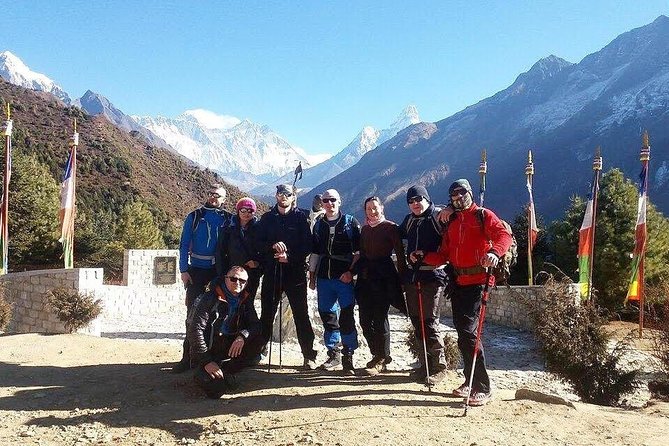
This is a private tour/activity, which means you’re not sharing your experience with random strangers. That can make a difference on Everest routes, where pace and timing matter. With your own group, your guide can manage the rhythm more cleanly.
You also get a government license holder guide. That’s important because altitude treks are as much about judgment as they are about route. A licensed guide and a first aid kit help keep the experience safer and smoother.
Then there’s the porter setup. The program notes that you normally get 1 porter for 2 clients. Your porter carries your baggage, which helps your knees and shoulders. The practical takeaway for you: keep your valuables and personal essentials on you. Let the porter handle the bulk, not the things you need immediately.
A standout from the experience feedback tied to this company is strong communication and calm logistics. The name Dipu appears as a guide who keeps you supported through the hike and stays in touch to help you stay on track. When the trail gets tough, that kind of steady guidance is the difference between feeling stressed and feeling focused.
Permits, TIMS, and the paperwork your body won’t want
On Everest Base Camp, the administrative side matters because it affects what route you’re allowed to travel and how you’re registered. This trek includes the TIMS card, plus trekking permits needed for restricted area trekking. It also includes all government taxes and service charges related to guides and porters.
Why you should care: permits and registrations are not optional on many trekking routes, and it’s easy to lose time if you have to chase documents after you land. Having these handled in the package means you spend your first days walking, not sorting paperwork.
The tour also includes a farewell dinner prior to departure, which is a nice cultural wrap-up after 10 full trekking days.
Price and value for $1,699 in 11 days
At $1,699 per person, this trek can look like a premium price tag. But when you break down what’s included, a lot of the biggest cost drivers are already inside the offer.
Included items that typically add up fast:
- Air fare Kathmandu to Lukla and back
- Pickup and drop to the local airport for Lukla flight
- Full board meals during the trekking period (breakfast, lunch, dinner)
- Best available accommodations during the trek
- Government-licensed guide
- Porter support (normally 1 porter for 2 clients)
- TIMS card, trekking permits, and related taxes
- Ground transportation charge while returning back to Kathmandu from the trek destination
- Farewell dinner
- First aid kit
What’s not included is also clear, and it matters for your budgeting:
- Lunch and dinner in Kathmandu, plus a Kathmandu hotel
- Travel insurance
- Nepal entry visa fee
- International airfare and airport departure tax
- Tips for trekking staff
- Drinks like hot, soft, or cold beverages, plus liquors
- Personal shopping and laundry, plus personal trekking equipment
My take on value: this price is strongest if you want the internal flights and trekking logistics handled in advance, and if you’re not trying to micromanage permits and guide arrangements yourself. If you already have your own Kathmandu hotel and you’re self-sufficient on logistics, the price might feel less “special.” But for most people, the included airfare to Lukla, full board, and permit handling are exactly what remove stress from an altitude trek.
Who this Everest Base Camp trek fits best
This trek is a solid match if you:
- Have moderate physical fitness and want a structured 11-day plan
- Want to experience Sherpa culture, monasteries, and Everest-region views without juggling logistics
- Appreciate a private group and steady guidance, especially when altitude fatigue builds
- Prefer full board meals and accommodations arranged for you
It might be less ideal if you:
- Are looking for high-end comfort, because lodging is described only as the best available, not luxury
- Want to control every detail yourself, because this is built around guided support and included permits
- Need lots of downtime, because the trek is day-after-day trekking with only a planned acclimatization break
Should you book this Everest Base Camp trek with Mount Face Nepal?
I’d book this trek if you want Everest Base Camp plus Kalapathar, but also want the day-to-day work handled: licensed guide support, a porter setup, full board meals, and the key documents like TIMS and trekking permits. The biggest advantage is that it’s designed to keep you focused on walking and views, not chasing logistics.
If you’re the type who already has all your gear, insurance, and Kathmandu plans sorted, you might still find it good value because the expensive moving pieces, the Lukla flight, meals, accommodations during the trek, and permit handling are included. Just make sure you’re honest about fitness. The trek climbs high enough that altitude will demand respect.
FAQ
What is included in the Everest Base Camp trek price?
The price includes pickup and drop to the local airport for the Lukla flight, air fare Kathmandu to Lukla and back, full board meals during trekking (breakfast, lunch, dinner), best available accommodations during the trek, a government license holder guide, porter support, TIMS card, trekking permits needed for restricted area trekking, a first aid kit, and ground transportation back to Kathmandu. It also includes a farewell dinner prior to departure and covers guide and porter insurance, salary, equipment, transportation, and local taxes.
What is not included?
Not included are lunch and dinner in Kathmandu, hotel in Kathmandu, travel insurance, Nepal entry visa fee, international airfare and airport departure tax, tips for trekking staff, drinks (hot/soft/cold) and liquors, personal shopping and laundry, personal trekking equipment, and gifts or souvenirs.
Where does the trek start, and what time does it begin?
The start meeting point is Thamel, Kathmandu 44600, Nepal. The start time is 7:15am.
Is this a private tour?
Yes. It is listed as a private tour/activity, and only your group will participate.
Do I need a moderate fitness level?
Yes. The experience description says travelers should have a moderate physical fitness level.
Are trekking permits and the TIMS card included?
Yes. TIMS card and trekking permits needed for restricted area trekking are included, along with government taxes and service charges.
Lodge to Lodge Around Kathmandu
The Rest of Our Kathmandu Write Ups

Base Camp, Three More Ways
Everything else we have reviewed around Kathmandu
- 12 Days Everest Base Camp Trekking
★ 5.0 · 3 reviews - 1 Night 2 Days Chitwan Jungle Safari Tour from Pokhara or Kathmandu
★ 3.0 · 3 reviews - Thamel Rickshaw tour
★ 4.7 · 3 reviews - Kathmandu: Momo Making Class with a Local Chef
★ 5.0 · 3 reviews - Kathmandu: Full-Day Yoga, Body Massage and Pedicure Package
★ 5.0 · 3 reviews - From Kathmandu / Pokhara / Chitwan: River Rafting – 1 Day
★ 4.6 · 3 reviews
Everest Base Camp Treks worth a second look.
 ★ 5.0Everest Base Camp Trek – 14 DaysFrom $1,8001,499 reviews
 ★ 5.0Everest Base Camp TrekkingFrom $1,350485 reviews
 ★ 5.0Everest Base Camp Trekking – 13 DayFrom $1,399365 reviews
★ 5.0Everest Base Camp Trek -14 DaysFrom $1,420321 reviews
 ★ 5.0Everest Base Camp Trekking – 2025/2026From $1,339199 reviews
 ★ 5.0Everest Base Camp TrekFrom $1,408193 reviews
 ★ 5.0Everest Base Camp Trek with Helicopter Return from Gorakshep to LuklaFrom $3,000161 reviews
14-Days Private Everest Base Camp TrekFrom $1,600152 reviews
Lists this tour sits in