
REVIEW · EVEREST BASE CAMP TREKS
Everest Base Camp Trek 12 Days – Best Himalayan Adventure
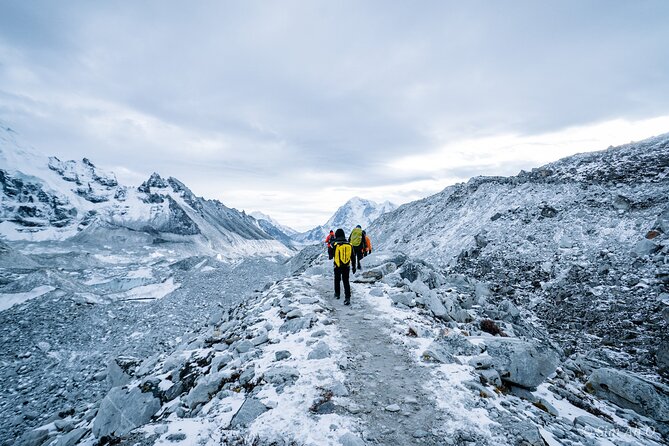
Everest Base Camp feels close, not distant. A private, Sherpa-led trek through the Khumbu region, with included acclimatization days and classic viewpoints like Kala Patthar, is what makes this 12-day adventure so special. I also like that you get tea-house lodging for 11 nights during the hike, which keeps day-to-day logistics simple. One real consideration: altitude and the Lukla flight window can be weather-sensitive, so expect a plan that prioritizes safety over speed.
In practical terms, you start in Kathmandu at Scenic Nepal Treks & Expedition Pvt. Ltd., then fly to Lukla and walk through Sherpa towns and high-altitude villages on the way to the Everest region. There’s also an optional porter setup so you’re not fighting your pack every step, and your group stays small (the operator lists a maximum of 10 travelers, with booking info also noting up to 15).
In This Review
- Key highlights that matter on the trail
- The Sherpa-led advantage, and why private trekking feels easier
- From Kathmandu to Lukla: the first big hurdle is the flight day
- Namche Bazaar: where altitude starts teaching lessons
- Tengboche: monasteries, big views, and a calmer walking rhythm
- Dingboche: acclimatization in the real world
- Everest Base Camp and the Kala Patthar moment you plan for in advance
- Tea-house trekking: basic comfort, real warmth, and smart expectations
- Packing and gear: what you should bring versus what’s provided
- Price and value for a private 12-day Everest Base Camp trek
- Who should book this trek, and who should pause
- Should you book this Everest Base Camp trek?
- FAQ
- How long is the Everest Base Camp trek?
- Where does the trek start and where does it end?
- Are flights included?
- Is a Sherpa guide included?
- Are trekking permits included?
- Is tea-house accommodation included?
- Do I get a porter?
- Is vegetarian food available?
- What cancellation options do I have?
- What group size should I expect?
Key highlights that matter on the trail
- Sherpa guide-led pace with safety-focused acclimatization built into the schedule
- Roundtrip domestic flights to Lukla (with flights that may depart from Ramechap)
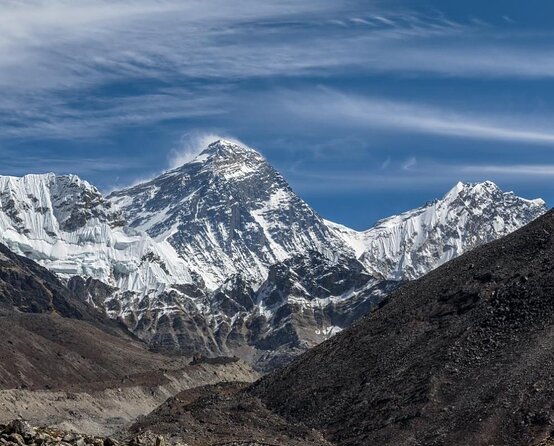
- Classic Everest-region viewpoints, including Kala Patthar for wide views of multiple peaks
- Tea-house comfort with twin sharing during 11 nights of trekking
- Porter option to reduce what you carry (2 hikers share 1 porter)
- Small group size for a more personal trekking experience
Other routes to Base Camp, side by side
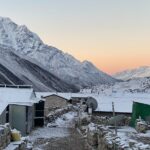
The Sherpa-led advantage, and why private trekking feels easier
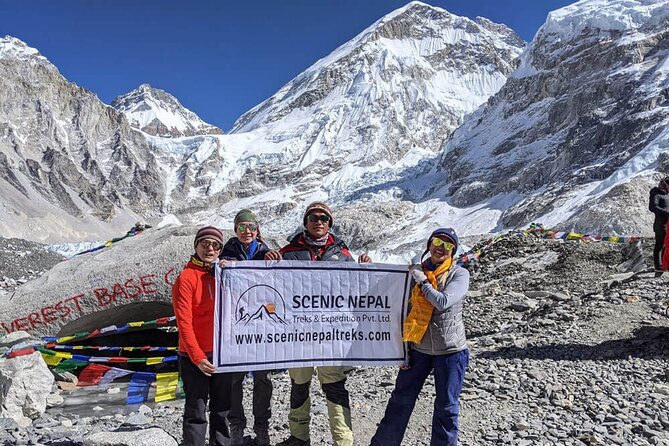
This kind of Everest Base Camp trek works best when your guide is calm, organized, and used to the rhythm of altitude walking. Here, the trek is private and guided by an experienced Sherpa trekking guide, with the minimum group size set at two travelers. That matters because on the Everest route you spend a lot of time adjusting to conditions that change fast, from weather to energy levels to trail congestion in popular areas.
I like that the itinerary explicitly includes acclimatization days for safety. That sounds like a standard line, but in the Khumbu it is the difference between feeling challenged and feeling defeated. The best guide help is often not dramatic, it’s practical: pacing you correctly, watching for early signs of altitude trouble, and keeping your day plan realistic.
You’ll also see names tied to smooth leadership in customer feedback, including chief guides Shankar and Santosh, plus guides like Binod and Ramjee. If you’re comparing agencies, those repeated, specific names are a good signal that the company actually staffs real people who look after you, not just a booking desk.
From Kathmandu to Lukla: the first big hurdle is the flight day
Your trek starts in Kathmandu, and your meeting point is Scenic Nepal Treks & Expedition Pvt. Ltd. on Bhagwati Marg. The tour also lists pickup offered, and you’ll use a mobile ticket. After that, the plan is straightforward: you take domestic flights to Lukla, where the walking begins.
One practical detail: the included return domestic flight may depart from Ramechap Airport. If you’re the type who likes to control every variable, this is worth noting early, because it can affect timing and how you plan your Kathmandu logistics. Still, the good news is that flights are included, which removes a common budget headache on Everest itineraries.
A heads-up based on what can happen in the region: weather can impact schedules. One trek experience in this time frame included snow disruption near Lobuche, and the team managed it while keeping the goal in view. That’s not something you can avoid with any operator, but it is something you want someone experienced to handle.
Namche Bazaar: where altitude starts teaching lessons
Namche Bazaar is often your first real checkpoint where the trail starts to feel like a place, not just a path. This is where high-altitude village life becomes obvious: stone buildings, busy tea-house routes, and the sense that you are in the heart of the Khumbu region.
For you, Namche is valuable because it’s where you can start building acclimatization habits the right way. Even if you are fit, the altitude asks for consistency. A good day here usually means moving steadily, drinking water, and letting your body adjust rather than trying to “win” the route.
The tour structure places Namche Bazaar as a clear stop, and that helps you understand the flow. You’re not just rushing to the Everest zone, you’re transitioning into it.
Tengboche: monasteries, big views, and a calmer walking rhythm
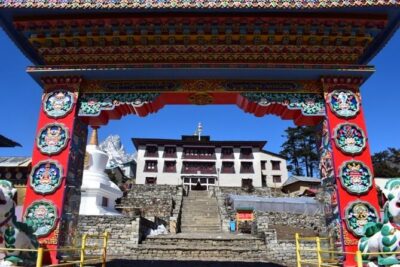
Tengboche is known for two things you’ll feel fast: the spiritual feel of mountain monasteries and the chance for sweeping views when the weather plays nice. On a trek like this, that mix works because it changes your pace. You walk, you arrive, you breathe, you look outward, and then you continue.
This stop also supports the bigger goal of the trek: seeing more than just the end destination. Your route moves through suspension bridges, alpine forests, and glacial valleys along the way. Tengboche sits in that “spiritual and scenic” band where the trek stops feeling purely physical and starts feeling like you’re actually traveling through a living culture.
The drawback to plan for: Tengboche, like other viewpoints, can be weather-dependent. If clouds roll in, the monastery might still be memorable, but the view part can be muted. A strong guide helps by keeping the day useful, even when the skies are not cooperating.
Other lodge to lodge routes near Kathmandu
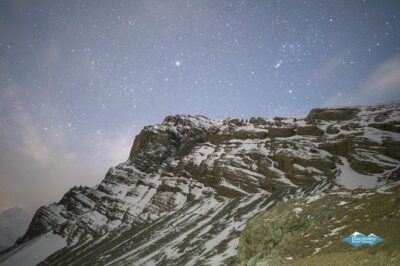
Dingboche: acclimatization in the real world
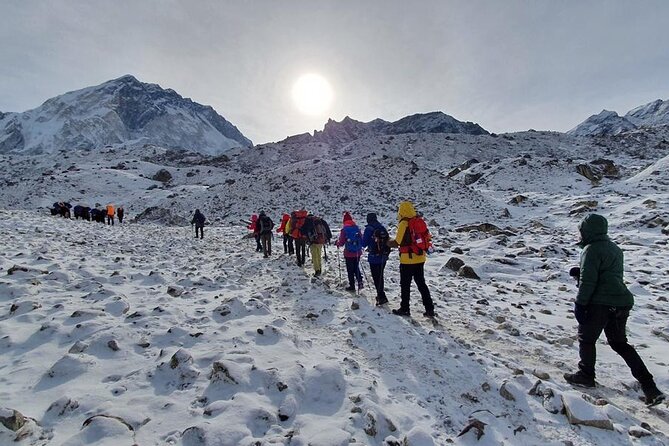
Dingboche is where the trek starts to demand more focus from you. It’s high enough that your body will notice every slow change: your breathing, your sleep, your appetite, even your motivation. The included acclimatization days are designed around this reality, and it’s why this trek style is not just for hikers who want a photo, it’s for hikers who want to finish feeling proud.
From Dingboche, you’re moving deeper into the Everest area. The tour’s promise includes high-altitude villages and serious views, and Dingboche is one of the stops that makes those later moments feel earned.
Practical tip: if you have a tendency to push ahead when you feel good early, Dingboche is where you should resist that urge. Slow and steady is not a slogan on Everest, it’s a survival strategy.
Everest Base Camp and the Kala Patthar moment you plan for in advance
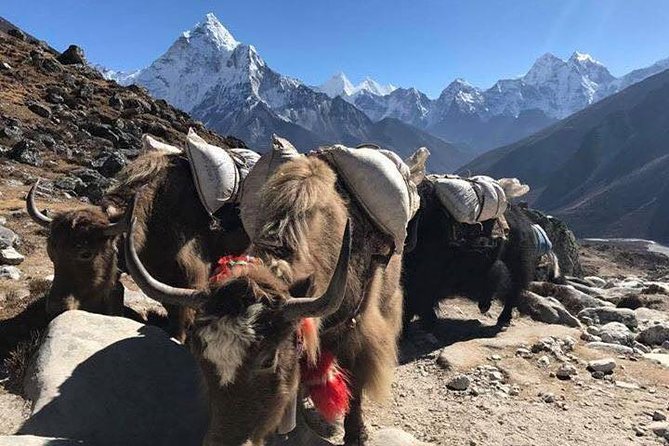
The Everest Base Camp goal is built into this trek, reaching the Everest Base Camp area at 5,364m. That number is impressive, but the feeling is more important: the sense of standing in the shadow of the world’s highest peak, while realizing how much work it takes to get there.
This itinerary also highlights Kala Patthar as a key panoramic viewpoint, with views described for Mount Everest, Lhotse, Nuptse, Ama Dablam, and Pumori. This is the kind of viewpoint you plan for mentally before you arrive, because you’ll spend time there in cold, high altitude conditions.
A specific detail that shows up in customer experience is sunrise at Kala Patthar, where the early light turns the mountains into something sharp and unreal. If you’re planning your energy for the trek, think of Kala Patthar as the “why” of the whole itinerary. Keep your legs fresh in the days leading up to it, and don’t treat it like an optional detour.
One more note: there is a stop labeled Mount Everest in the schedule, and there’s also a stop at Gorak Shep. Taken together, this is the Everest-zone framework. Expect that your days in this area focus on getting close to Everest Base Camp, spending time in the surrounding high zone, and then using Kala Patthar for the wide panorama.
Tea-house trekking: basic comfort, real warmth, and smart expectations
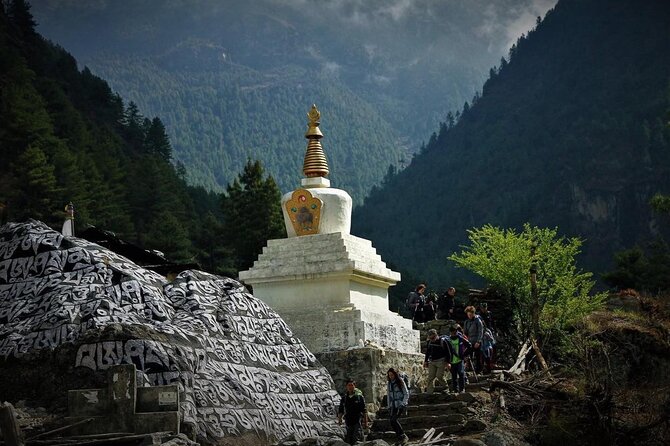
Tea houses are simple places with a purpose. You get a bed, hot drinks, and a warm spot to regroup, but you should not expect hotel-style comfort. Here, you’ll have twin sharing tea-house accommodation for 11 nights during the hike.
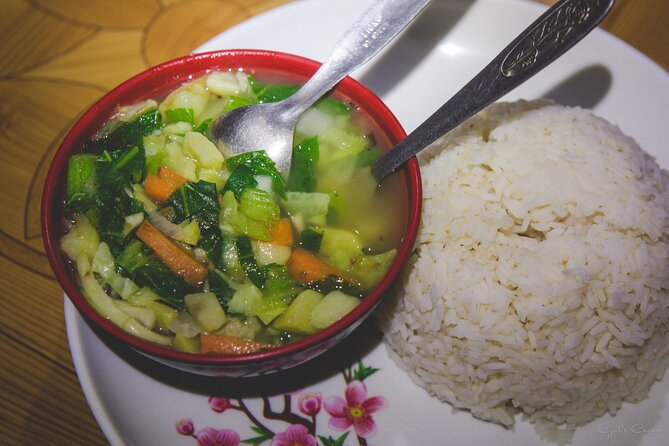
Meals are mentioned as part of the journey, and vegetarian is available if you request it at booking. That’s helpful, because one of the unglamorous challenges on Everest is food consistency. Even with meals included, you’ll still want money set aside for personal snacks, extra hot drinks, and anything beyond the set meal rhythm. The tour notes personal expenses and meals during the trek are not included, so plan on some trail spending.
Here’s what I’d plan for from the start: your comfort depends on staying warm and managing dryness. The packing list from the operator is detailed for a reason. You’ll want real layers, warm headwear, gloves, and a waterproof jacket. They also highlight bringing trekking boots and spare laces, plus a down jacket depending on the time of year and the specific trekking window.
Packing and gear: what you should bring versus what’s provided
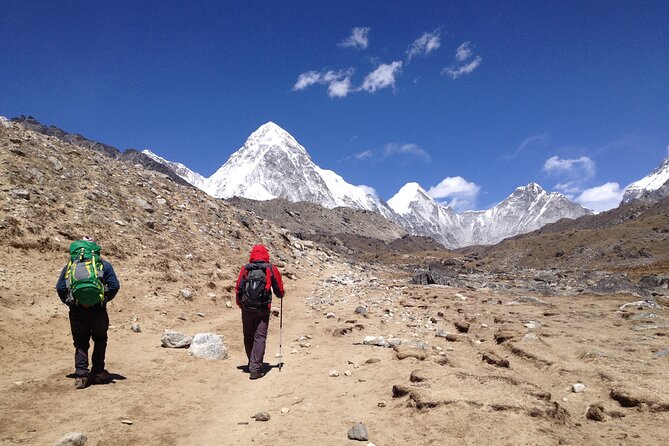
This trek is set up with a lot of the heavy gear logistics handled, but you still need to show up ready to walk in cold altitude conditions.
The operator provides items like a sleeping bag and silk liner, a duffel bag, maps, a torch/flash light, and a water bottle. They also list camp towel, toiletries, laundry soap powder or bar, toilet paper, and basic medical and first aid kit box support (with a recommendation that you bring your own if you prefer).
What you should bring yourself is mostly clothing and footwear suited for altitude weather changes:
- trekking boots with spare laces
- warm hat, scarf, and gloves
- waterproof jacket
- thermal underwear, fleece layers, and a down jacket (they note min -10C depends on timing)
- backpack plus lighter options like running shoes or sandals/flip-flops for downtime
- sun hat, sunscreen, and polarizing sunglasses
A slightly humorous but important truth: on Everest treks, it’s usually not the big decisions that slow you down, it’s wet feet, cold fingers, and poor layering. If you follow their list closely, you’ll spend more time enjoying the views and less time negotiating with your own discomfort.
Price and value for a private 12-day Everest Base Camp trek
At $1,439 per person, this trek is priced like a full-service Everest package, not a DIY expedition. The value comes from what’s bundled in, especially if you’d otherwise have to coordinate flights, permits, guides, and daily logistics yourself.
Included highlights that drive value:
- highly experienced Sherpa trekking guide
- return domestic flights to Lukla (with possible Ramechap departure)
- trekking permits
- staff insurance, medication and equipment, plus a first aid kit
- twin sharing tea-house accommodation for 11 nights
- porter to carry your bags (2 hikers share 1 porter)
- sightseeing excursions (listed)
What is not included, so budget carefully:
- international airfare
- Nepal entry visa
- personal travel and trekking insurance
- personal expenses and meals during the trek
- personal trekking equipment
- tips and gratuities for staff and drivers
Here’s how I’d judge value for you: if you want a private, guided Everest trek with flights and permits handled, this price looks reasonable. If you already have your own guide, your own equipment, and you’re comfortable booking flights and permits separately, you might be able to shave costs elsewhere. But you’re paying for safety, coordination, and a team that knows the Khumbu rhythm.
Who should book this trek, and who should pause
This Everest Base Camp trek is a good fit if you want:
- a private guided trek with at least two travelers
- a plan that includes acclimatization days
- a small-group experience with tea-house lodging
- an Everest goal plus Kala Patthar views, not just “we’ll see what happens” trekking
It also targets fit beginners through experienced hikers, based on the description. The key is that you still need moderate physical fitness, because altitude does not care about confidence.
Who should pause and reassess:
- If you know you struggle with cold weather, long days of uphill walking, or altitude exposure, you might want to train longer before attempting Everest-region heights.
- If you’re relying on very specific meal preferences, confirm your needs in advance. Vegetarian is available, but the details of included versus personal meal costs can still matter.
Should you book this Everest Base Camp trek?
I’d lean toward booking if you want an organized, Sherpa-led Everest Base Camp trek where the logistics are mostly handled: flights to Lukla, trekking permits, tea-house stays, and a guide who keeps acclimatization and safety in the front seat. I also think the porter option is a smart value add, especially if you want to arrive at Kala Patthar with energy left in your legs.
I’d hold off if you hate uncertainty around flight weather, or if you’re trying to keep costs super tight after accounting for visa, insurance, and personal trail expenses. Also, given the altitude demands, be honest about your fitness and your willingness to move slowly and listen to your guide.
If you book, do the boring homework: gear prep, hydration habits, and a realistic attitude about weather. You’ll get the thing that brings people back to the Khumbu year after year, that wide, high, world-scale feeling when Everest is finally in front of you.
FAQ
How long is the Everest Base Camp trek?
The trek is listed as 12 days (approx.).
Where does the trek start and where does it end?
It starts at Scenic Nepal Treks & Expedition Pvt. Ltd., Bhagwati Marg, Kathmandu 44600, Nepal. The activity ends back at the same meeting point.
Are flights included?
Yes. Return domestic flights are included, and the flight may fly from Ramechap Airport.
Is a Sherpa guide included?
Yes. The trek includes a highly experienced Sherpa trekking guide.
Are trekking permits included?
Yes. All necessary trekking permits are included.
Is tea-house accommodation included?
Yes. Twin sharing tea-house accommodation is included for 11 nights during the hike.
Do I get a porter?
Porter support is included for carrying bags. The note says 2 hikers get 1 porter.
Is vegetarian food available?
Yes. Vegetarian options are available if you advise at the time of booking.
What cancellation options do I have?
You can cancel for free up to 24 hours in advance for a full refund, based on local time cut-off.
What group size should I expect?
The information lists a maximum of 10 travelers for this activity, and it also states a maximum of 15 people per booking.
Lodge to Lodge Around Kathmandu
The Rest of Our Kathmandu Write Ups

Base Camp, Three More Ways
Everything else we have reviewed around Kathmandu
- 12 Days Everest Base Camp Trekking
★ 5.0 · 3 reviews - 1 Night 2 Days Chitwan Jungle Safari Tour from Pokhara or Kathmandu
★ 3.0 · 3 reviews - Thamel Rickshaw tour
★ 4.7 · 3 reviews - Kathmandu: Momo Making Class with a Local Chef
★ 5.0 · 3 reviews - Kathmandu: Full-Day Yoga, Body Massage and Pedicure Package
★ 5.0 · 3 reviews - From Kathmandu / Pokhara / Chitwan: River Rafting – 1 Day
★ 4.6 · 3 reviews
Everest Base Camp Treks worth a second look.
 ★ 5.0Everest Base Camp Trek – 14 DaysFrom $1,8001,499 reviews
 ★ 5.0Everest Base Camp TrekkingFrom $1,350485 reviews
 ★ 5.0Everest Base Camp Trekking – 13 DayFrom $1,399365 reviews
★ 5.0Everest Base Camp Trek -14 DaysFrom $1,420321 reviews
★ 5.0Everest Base Camp Trekking – 13 DayFrom $1,399365 reviews
★ 5.0Everest Base Camp Trek -14 DaysFrom $1,420321 reviews
 ★ 5.0Everest Base Camp Trekking – 2025/2026From $1,339199 reviews
 ★ 5.0Everest Base Camp TrekFrom $1,408193 reviews
 ★ 5.0Everest Base Camp Trek with Helicopter Return from Gorakshep to LuklaFrom $3,000161 reviews
14-Days Private Everest Base Camp TrekFrom $1,600152 reviews
★ 5.0Everest Base Camp Trek with Helicopter Return from Gorakshep to LuklaFrom $3,000161 reviews
14-Days Private Everest Base Camp TrekFrom $1,600152 reviews
Lists this tour sits in