
REVIEW · EVEREST BASE CAMP TREKS
Everest Base Camp trek 12 days from Kathmandu
Everest Base Camp is one of those trips that turns into a habit. This 12-day route gets you to the Everest region’s heart, plus Kala Pathar for big summit-area views. You’ll also hit the usual must-dos, Namche Bazaar, Tengboche Monastery, and a day hike to Everest View Hotel.
I especially like that this trip is set up for real pacing, not a speedrun. You get two acclimatization moments built into the schedule, which matters a lot when you’re gaining altitude fast. And the support feels practical, with a highly experienced government-licensed guide and lodge-based comfort along the way.
One consideration: in peak trekking months, Lukla flights shift to Ramechhap Airport, and that means either a long early drive the day before or a 1 AM departure from Kathmandu. It’s doable, just plan your sleep and sanity accordingly.
In This Review
- Key highlights worth caring about
- Starting in Kathmandu, then launching into the mountains
- Lukla to Phakding: the warm-up day that still feels iconic
- Namche Bazaar and Everest View Hotel: acclimatization with pay-off
- Tengboche to Dingboche: monastery vibes and higher air practice
- Lobuche to Gorak Shep to Everest Base Camp: your big day lands here
- Kala Pathar and the descent: views plus a lesson in gravity
- Kathmandu ride-ins, Ramechhap, and why early planning matters
- What’s included, and why it changes your cost and comfort
- Your guide, porters, and the pace you can actually manage
- Who this Everest Base Camp trek is for
- Price and value: what $1,600 buys you in the real world
- Final call: should you book this 12-day Everest Base Camp trek?
- FAQ
- How long is the Everest Base Camp trek from Kathmandu?
- What time do we meet in Kathmandu?
- Are flights to Lukla included?
- What changes during peak season flights to Lukla?
- What kind of accommodation and meals are included during the trek?
- What gear is provided for the trek?
- Is there an acclimatization day during the trek?
- Do I need to arrange a porter myself?
- Is cancellation free?
Key highlights worth caring about
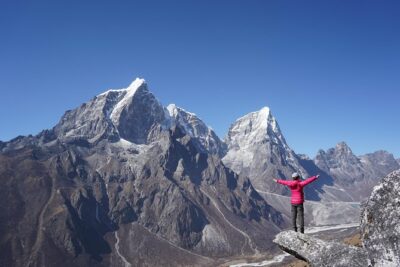
- Kala Pathar (5,550 m), for close Everest-area views and a 360-degree Khumbu panorama
- Namche Bazaar as your altitude gateway, plus an Everest View Hotel day hike
- Tengboche Monastery on the trail, with the region’s spiritual rhythm in the middle of your climb
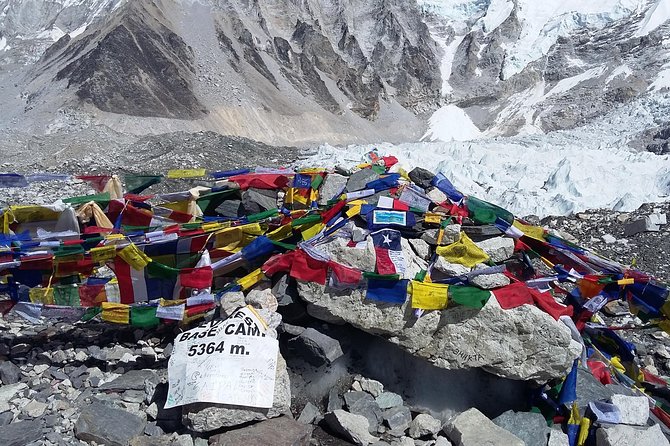
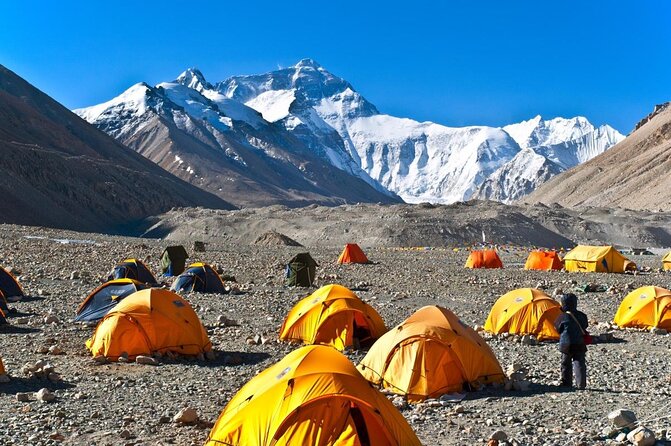
- Everest Base Camp (5,320 m) and the Khumbu Glacier area, where expeditions actually start
- Gear provided (down jacket, sleeping bag, walking pole), which saves you money and hassle
- Built-in acclimatization, including an extra hike day before higher passes get serious
Other routes to Base Camp, side by side
Starting in Kathmandu, then launching into the mountains
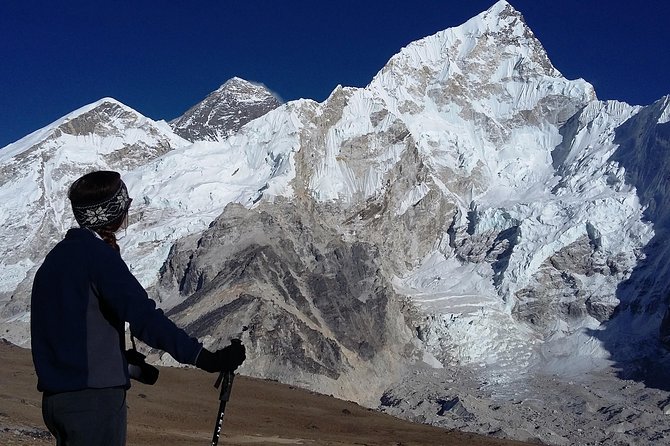
Your trek begins in Kathmandu, with a meeting time of 5:15 am. That early start isn’t just for show. It helps you stay on schedule for your Lukla flight, and the morning vibe in Kathmandu tends to be calmer than later in the day.
Day 1 moves fast in the best way: you fly from Kathmandu to Lukla (about 40 minutes), then start hiking to Phakding at roughly 2,652 m. This first day is long enough to wake up your legs, but it’s not the cruel kind of long. You’re basically trading city breathing for mountain breathing, and you’ll feel that shift by the time you reach Phakding’s guest-house rhythm.
What I like about this setup is that it respects the reality of trekking in Nepal. You don’t jump straight into the highest terrain without easing in first. The drawback is obvious: the trip starts early, and if you’re coming from a long flight, you’ll want a solid night’s sleep before that 5:15 am meeting.
Also, transfers to and from the airport area are sharing basis, so you may wait a bit for the group to assemble. It’s normal, but if you hate delays, just mentally tag this as part of the adventure package.
Lukla to Phakding: the warm-up day that still feels iconic
Lukla is the gateway village for a lot of Everest treks, and Day 1 uses it well. The short flight helps you skip hours of road travel and puts you on the trail quickly. After that, the trek to Phakding (3 to 4 hours) is a gentle on-ramp.
Phakding is where you’ll start noticing the logistics of mountain life: lodge meals, simple rooms, and the way every day becomes a routine. Breakfast, lunch, and dinner are covered during the trek, so you’re not stuck hunting for food or figuring out menus in the middle of fatigue.
The altitude start is also smart. While you’re climbing, you’re not yet at the point where every step feels like a negotiation. This matters because Everest Base Camp is not just about distance, it’s about recovery and respiration. The first day sets your baseline.
If you’re thinking about value, Day 1 is where some of your included items start paying off: lodge accommodation, meals, and a guide who can keep your pace steady. You get the sense that the plan is designed to prevent common new-trek mistakes, like going too hard on day one because the views look so good.
Namche Bazaar and Everest View Hotel: acclimatization with pay-off
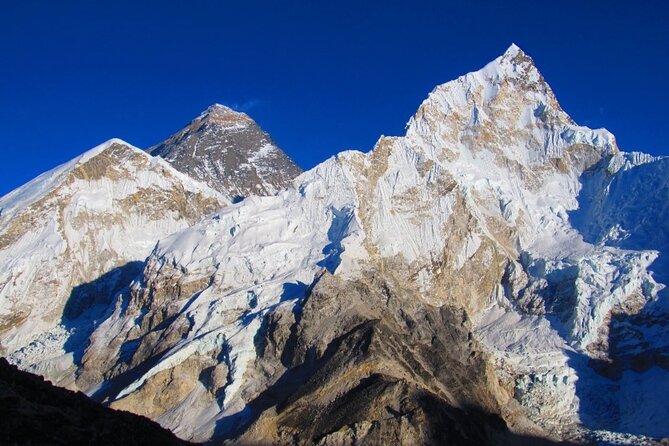
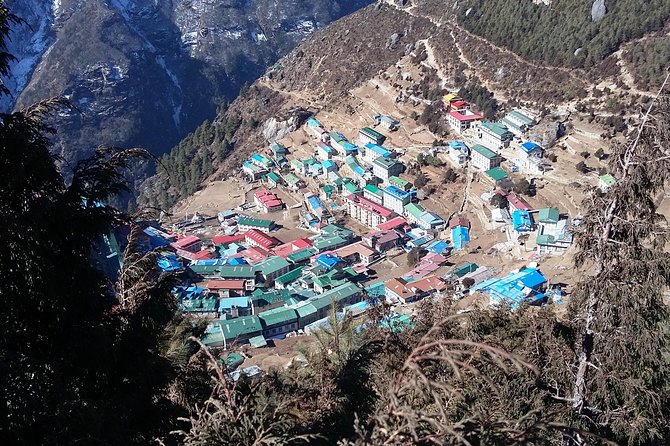
Day 2 climbs from Phakding to Namche Bazaar, and it’s one of the first big physical tests. Plan on 6 to 7 hours. Namche sits high around 3,440 m, and by the time you arrive you’ll understand why this place is called a gateway.
Day 3 is your acclimatization day. Instead of adding another relentless travel day, you hike to Everest View Hotel around 3,900 m (about 3 to 4 hours). This is the kind of acclimatization you actually like, because you get viewpoints without having to do maximum suffering.
Namche Bazaar is also more than just a waypoint. It’s where you start getting used to the Everest region’s rhythm: Sherpa culture, tea-house stops, and the way people talk about weather like it’s an important character in the story.
A practical note: the schedule is built to slow you down on purpose. That’s a win. If you’ve ever heard the advice to take acclimatization seriously, this itinerary puts it into motion with a real hike day and a clear place to rest after.
One small drawback: acclimatization days still feel like work. You’re not getting a full day off. But you are giving your body a chance to adapt, and that trade usually pays off later.
Tengboche to Dingboche: monastery vibes and higher air practice
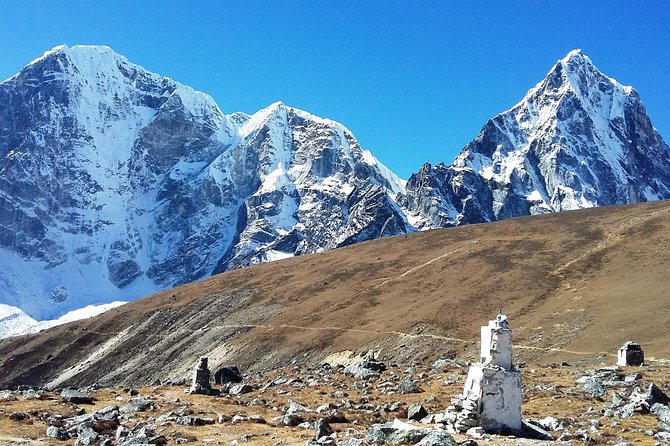
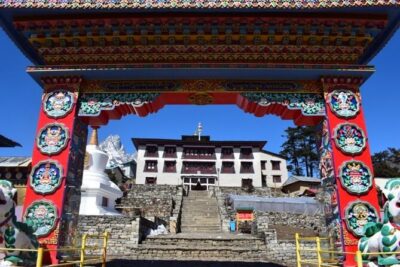
From Namche, Day 4 is a trek to Tengboche around 3,860 m (about 5 to 6 hours). Tengboche Monastery is the standout here, an important religious site in the region. Even if you’re not a monastery person, it adds meaning to a trek where days can blend together.
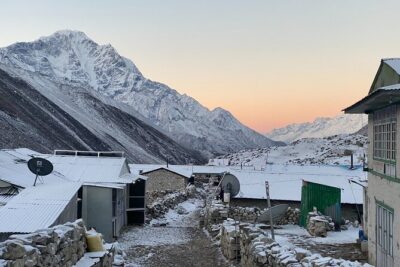
Then Day 5 moves you onward to Dingboche around 4,410 m, again roughly 5 to 6 hours. Dingboche is higher, cooler, and more “high-altitude practical” than Namche. You’ll start to feel how cold night temperatures can be, and why sleeping arrangements matter.
Day 6 is another acclimatization day, with a hike to Nagarjun hill around 5,100 m (about 4 to 5 hours). This day is a big reason the trip feels manageable. You’re not just moving upward, you’re learning how your body behaves as you go higher.
If you’re wondering what makes this segment worth it: it’s the balance between scenery, culture, and altitude preparation. Tengboche gives you a human pause in the mountains. Dingboche and Nagarjun teach you what altitude will feel like when the Everest-area days get closer.
Potential drawback: these are still solid hike days. If you’re coming in with low endurance, this is where you’ll feel it first. You don’t need past trekking experience, but you do need basic fitness and willingness to keep a steady pace.
Other lodge to lodge routes near Kathmandu
Lobuche to Gorak Shep to Everest Base Camp: your big day lands here
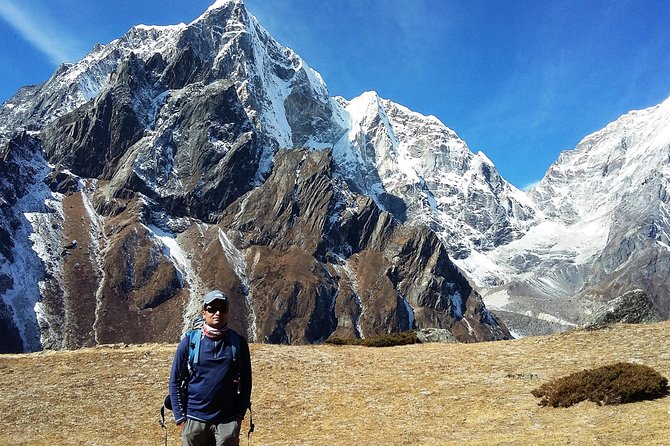
Day 7 treks from Dingboche to Lobuche around 4,910 m (about 4 to 5 hours). Lobuche is where the terrain starts feeling more rugged and less like “village trekking.” The air is thinner, and your body will likely ask you to slow down.
Day 8 is a long one. You hike from Lobuche to Gorak Shep, then go on to Everest Base Camp (5,320 m), around 7 to 8 hours. This is the day that earns the whole journey.
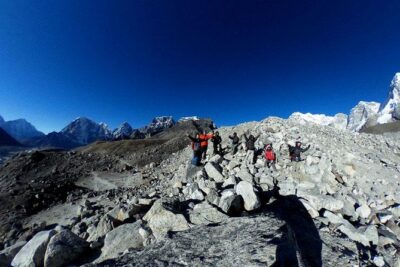
Gorak Shep is often your staging area, and from there, the Base Camp approach hits a different emotional gear. You go from walking through the Khumbu region to reaching the exact spot where expeditions begin, and you’re surrounded by views of the Khumbu Glacier area.
What I like about structuring the day this way is that you’re not rushing into Base Camp after a rough previous day without a plan. You have time to reach Gorak Shep, adjust, and then make your Base Camp push.
A real consideration: this day is long, and Base Camp at 5,320 m changes how you feel even if you’re fit. Build your energy around steady movement, hydration, and taking slow breaks. Your guide’s job is to keep that balance, especially when your brain wants to hurry.
Kala Pathar and the descent: views plus a lesson in gravity
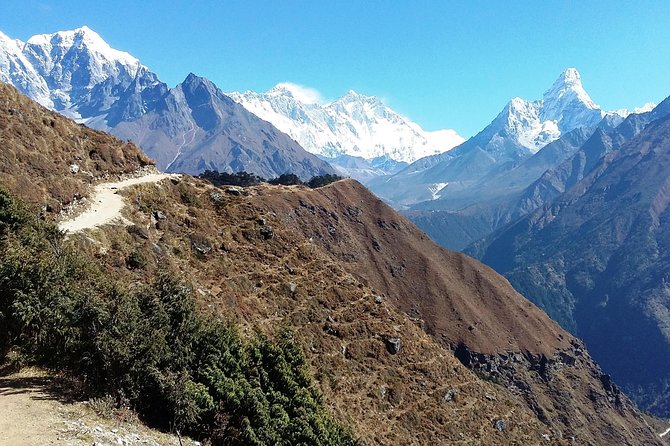
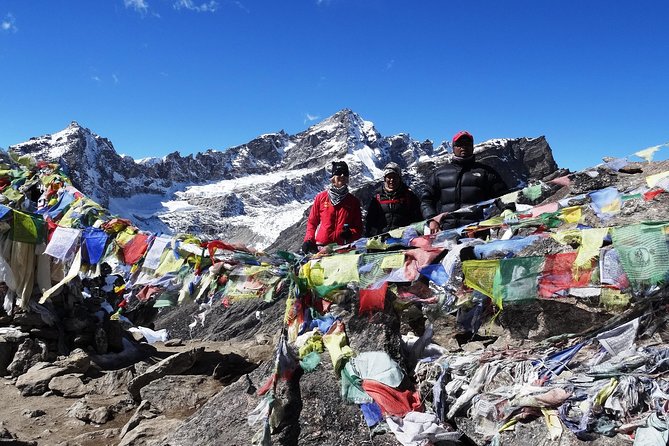
If Everest Base Camp is the destination, Kala Pathar is often the memory-maker. Day 9 hikes from Gorak Shep up to Kala Pathar around 5,550 m, then down to Pheriche around 4,371 m. Expect 6 to 7 hours.
This is the day for close views of Everest and a wide 360-degree panorama of the Khumbu mountains. It’s also a reminder that altitude is physical, not theoretical. Even short stretches can feel demanding, and the cold at high elevations adds another layer.
But here’s the practical beauty of this day: you get the payoff, then you go downward. Pheriche brings you back to a more livable altitude, and that sets you up for the long walk back toward Namche.
Day 10 is Pheriche to Namche Bazaar, again about 6 to 7 hours. Day 11 drops back toward Lukla with another 6 to 7 hours. You’ll feel tired, and your knees will probably start sending messages. The good news is that your route is structured for gradual return.
Day 12 finishes it with the flight back to Kathmandu. It’s a classic ending, but it hits home because the last day is “recover, breathe, repeat,” instead of adding another climbing push.
Kathmandu ride-ins, Ramechhap, and why early planning matters
Most trekkers don’t think about airports until they have to. In peak season, the plan changes. During March to May and September to November, flights to Lukla operate from Ramechhap Airport due to high air traffic in Kathmandu.
Ramechhap is a 5 to 6 hour drive from Kathmandu. You usually get two options:
- Travel to Ramechhap the day before and stay overnight
- Depart Kathmandu at 1 AM on the day of your flight
Both options keep you moving, but they affect sleep a lot. If you’re the type who needs rest to perform well physically, I’d lean toward the overnight option. If you hate hotel uncertainty and want one clean travel day, the 1 AM departure can work, but you’ll want to treat it like a serious logistics day, not a casual wake-up.
Transfers are on a sharing basis, so expect a bit of waiting. Still, once you’re on the flight track, the big structure is stable.
What’s included, and why it changes your cost and comfort
At $1,600 per person for 12 days, you’re paying for far more than walking. The value is in the bundle of items that remove common expenses and decision fatigue.
Here’s what’s included:
- Kathmandu or Ramechhap airport pick up and drop off on sharing basis
- Flight fare to and from Lukla
- Guest house/lodge accommodation on twin sharing
- Meals (breakfast, lunch, dinner) during the trek
- A highly experienced government-licensed guide
- All necessary trek permits and fees
- Duffle bag, down jacket, sleeping bag, and walking pole
- Trekking map and a trip achievement certificate
- Government taxes, VAT, and office service charge
That gear list is a big deal. Buying or renting a down jacket and sleeping bag for a high-altitude trek can add up quickly. You also get a walking pole, which helps take pressure off knees on both ascents and descents.
The other value piece is meals. In remote regions, meal quality and timing can swing your energy. Having breakfast, lunch, and dinner planned makes it easier to eat regularly, which matters when you’re trying to avoid energy dips at altitude.
One more thing from real-world feedback: the guide style seems to matter here. Reviews point to guides giving an overview each evening for the next day, plus naming mountains during climbs. That kind of attention can make the trek feel clearer and less stressful, especially if it’s your first Everest-region hike.
Your guide, porters, and the pace you can actually manage
This trek includes a highly experienced government-licensed guide. That’s important because altitude hiking isn’t only physical, it’s decision-making. Even with a good itinerary, weather and fatigue can force small changes in pace.
The schedule itself supports steady pacing:
- Shorter pushes early on
- Acclimatization days with hikes that help your body adjust
- A long Base Camp day, then a long Kala Pathar day
- A structured return with long but manageable descent-focused legs
Your pace also connects to your support system. Reviews include praise for guides and porters being helpful and taking care of the team. One review specifically mentions a guide who provided a daily evening overview and could name mountains during ascents. That means you’re not just following tracks, you’re understanding what you’re walking toward.
Porters: a trekking porter is not included if needed. If you want that extra human support, you’ll likely need to arrange it yourself. Consider this if you’re trying to keep pack weight low or if you want energy saved for acclimatization.
Who this Everest Base Camp trek is for
This trek suits anyone with basic fitness and no prior experience needed. That’s a strong claim, and the itinerary largely supports it because it avoids extreme day-to-day altitude spikes without adjustment.
I think it’s a great fit if you:
- Want a classic Everest region route without technical climbing
- Prefer lodge-based trekking with meals included
- Appreciate cultural stops like Tengboche Monastery
- Want built-in acclimatization rather than improvising it
It may be less ideal if you:
- Hate long hike days around 6 to 8 hours
- Need a fully rest day during the trek, because acclimatization days still involve hiking
- Are sensitive to early mornings, especially in peak season when the schedule can start with an extremely early transfer
Price and value: what $1,600 buys you in the real world
Let’s talk value, because in Nepal trekking, “cheap” can get expensive fast. At $1,600 per person, you’re paying for:
- Flights, which are usually one of the hardest parts to arrange and price surprises
- Permits and fees, handled for you
- Lodging and meals, so you’re not budgeting day by day
- Gear, including high-utility items like a down jacket and sleeping bag
- A guide, plus the systems that keep the trek moving
If you tried to piece this together on your own, the common friction points are: flights to Lukla (or Ramechhap in peak), permit paperwork, and then figuring out whether you’re covered for safety and pace planning. This trip bundles those pieces into one price.
Is it a luxury price? Not really. But it is a “no big surprises” price, which is the kind of value I like on a trek where you’re already spending mental energy just staying well.
Final call: should you book this 12-day Everest Base Camp trek?
If you want the classic Everest Base Camp experience with Kala Pathar views, Namche’s altitude hub energy, Tengboche Monastery, and a schedule that takes acclimatization seriously, I’d say this is a smart choice. The biggest reasons are practical: meals and lodging are handled, gear is included, and the route is paced with acclimatization built in.
Before you book, do two checks:
- Are you okay with early starts and possibly a 1 AM day in peak season?
- Are you comfortable with long hiking days, especially the Base Camp and Kala Pathar days?
If you answer yes to both, you’re in the right place for a trek that feels demanding but managed, and ends with the kind of Everest-area memory you do not forget.
FAQ
How long is the Everest Base Camp trek from Kathmandu?
The trek is about 12 days.
What time do we meet in Kathmandu?
The meeting start time is 5:15 am.
Are flights to Lukla included?
Yes. Flight fare from Kathmandu or Ramechap to Lukla, and back to Kathmandu or Ramechap, is included.
What changes during peak season flights to Lukla?
During peak seasons (March to May and September to November), flights to Lukla operate from Ramechhap Airport instead of Kathmandu. Ramechhap is a 5 to 6 hour drive from Kathmandu, and you can either travel there the day before and stay overnight, or depart Kathmandu at 1 AM on the flight day.
What kind of accommodation and meals are included during the trek?
You stay in guest houses or lodges on twin sharing. Meals during the trek include breakfast, lunch, and dinner.
What gear is provided for the trek?
The tour includes a duffle bag, down jacket, sleeping bag, and walking pole.
Is there an acclimatization day during the trek?
Yes. The itinerary includes acclimatization, including a hike to Everest View Hotel from Namche Bazaar and another acclimatization hike to Nagarjun hill from Dingboche.
Do I need to arrange a porter myself?
A trekking porter is not included. If you need one, you would arrange it separately.
Is cancellation free?
Yes, you can cancel for a full refund up to 24 hours in advance of the experience’s start time.
Lodge to Lodge Around Kathmandu
The Rest of Our Kathmandu Write Ups

Base Camp, Three More Ways
Everything else we have reviewed around Kathmandu
- 12 Days Everest Base Camp Trekking
★ 5.0 · 3 reviews - 1 Night 2 Days Chitwan Jungle Safari Tour from Pokhara or Kathmandu
★ 3.0 · 3 reviews - Thamel Rickshaw tour
★ 4.7 · 3 reviews - Kathmandu: Momo Making Class with a Local Chef
★ 5.0 · 3 reviews - Kathmandu: Full-Day Yoga, Body Massage and Pedicure Package
★ 5.0 · 3 reviews - From Kathmandu / Pokhara / Chitwan: River Rafting – 1 Day
★ 4.6 · 3 reviews
Everest Base Camp Treks worth a second look.
 ★ 5.0Everest Base Camp Trek – 14 DaysFrom $1,8001,499 reviews
 ★ 5.0Everest Base Camp TrekkingFrom $1,350485 reviews
 ★ 5.0Everest Base Camp Trekking – 13 DayFrom $1,399365 reviews
★ 5.0Everest Base Camp Trek -14 DaysFrom $1,420321 reviews
 ★ 5.0Everest Base Camp Trekking – 2025/2026From $1,339199 reviews
 ★ 5.0Everest Base Camp TrekFrom $1,408193 reviews
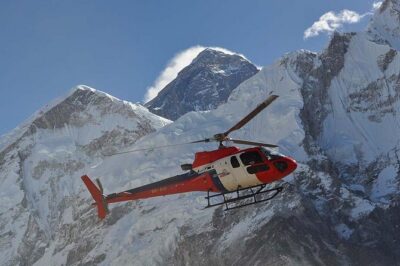 ★ 5.0Everest Base Camp Trek with Helicopter Return from Gorakshep to LuklaFrom $3,000161 reviews
14-Days Private Everest Base Camp TrekFrom $1,600152 reviews
Lists this tour sits in