
REVIEW · EVEREST BASE CAMP TREKS
Everest Base Camp Trek 14 Days
Everest begins with a jump into the clouds. This 14-day Everest Base Camp trek runs from Kathmandu to the Khumbu region with Lukla flights and a private group setup, so you follow one clear plan. I like that the team handles the first big moving pieces, starting with airport pickup in Thamel and a smooth evening meet with your guide. One key thing to plan for: the price covers flights and permits, but it does not include your accommodation and meals on the trek.
What I really like is the altitude timing. You get a built-in adjustment day in Namche Bazaar and a second acclimatization day in Dingboche, with options for shorter or higher hikes like Chhukung Ri or Nangkartshang Peak. And from what comes through in real experiences with guides such as Raju, Roshan, and Abinash, you can expect a guide who brings real care, not just route knowledge.
In This Review
- Key highlights worth knowing before you go
- From Thamel to Lukla: how the trek really starts
- Phakding and Namche Bazaar: acclimate without wasting days
- Everest View Point day in Namche, then Tengboche Gompa culture stop
- Dingboche acclimatization and your choice between Chhukung Ri and Nangkartshang
- Rocky roads to Lobuche, then Gorakshep and Everest Base Camp
- Kalapatthar viewpoint on Day 10, then the return trek that tests your legs
- Back to Lukla, then Kathmandu free time in Thamel
- Price and logistics: what $999 actually buys you
- The itinerary rhythm that keeps you moving, not just surviving
- Guide support that sounds personal, not generic
- What to pack and how to protect your energy (practical, not fancy)
- Who should book this Everest Base Camp trek?
- Should you book Nepal Nirvana Trails for this 14-day EBC trek?
- FAQ
- How long is the Everest Base Camp trek?
- Where does the trek start and when do I meet?
- Is airport pickup included?
- Are the flights to Lukla included?
- Are park permits included?
- What about accommodation and meals for me during the trek?
- Is travel or health insurance included?
- Does the tour include an expert guide?
- Is this a private trek?
- What is the cancellation policy?
Key highlights worth knowing before you go
- Private trek rhythm: only your group participates, so you are not being pulled around by strangers’ pace.
- Lukla flight included: Kathmandu to Lukla and the return are part of the package, which is usually the hardest part to organize.
- Acclimatization built in: Namche Bazaar and Dingboche are used for adjustment, not just “walk through and hope for the best.”
- Everest Base Camp plus Khumbu glacier day: you do the long push to Everest Base Camp and return to Gorakshep.
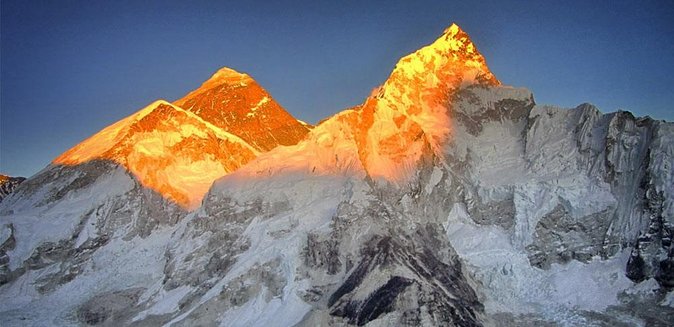
- Kalapatthar viewpoint: you end the hardest days with a big payoff look down at Everest and the Khumbu region.
- Permits included: TIMS and national park permits are included in the tour cost.
Other routes to Base Camp, side by side
From Thamel to Lukla: how the trek really starts
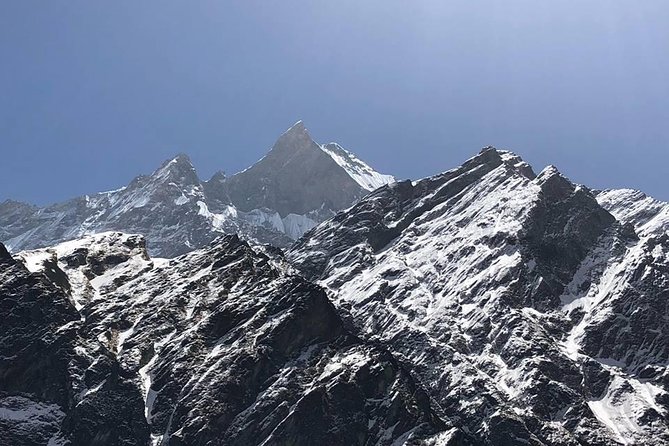
Day 1 is low stress, and that matters. You land in Kathmandu, then your airport representative takes you to your hotel or hostel in Thamel, the classic base area for many Nepal trips. In the evening, you meet your guide, check gear, and get a realistic sense of what the next morning will demand.
Day 2 is where you shift from city life to mountain life. You fly to Lukla, landing at Tenzing Hillary Airport, and then begin walking toward Phakding village. This is a great way to start, because the first walking day is not all grind. It helps your body wake up for the altitude, and it lets you get used to the feel of trail steps, stone paths, and trail dust without attacking your legs too early.
Practical note: your day starts early, and the meeting/start time listed is 5:45 am. If you are the type who panics when plans begin before sunrise, build in extra sleep the night before.
Phakding and Namche Bazaar: acclimate without wasting days
From Phakding, the route pushes into the Sagarmatha National Park area. You cross the Dudh Koshi river and pass through Monjo village, then you enter the kind of dense forest that makes you feel like you are walking inside a green corridor (even before you see major peaks). The day ends in Namche Bazaar, a key stop for mountain travelers because it is both a town and a breathing checkpoint.
Namche Bazaar on Day 3 is more than a place to sleep. This is where you start getting your altitude routine under control. You are not just arriving, you are settling, because the plan builds time for adjustment later too. The benefit for you is simple: when the trek gets steeper, your body already has the chance to respond.
This style of pacing also helps mentally. Namche feels like a real town with bakeries, tea houses, and people who know what it means to be tired but determined. It is easier to stay motivated when you are not only counting minutes until exhaustion.
Everest View Point day in Namche, then Tengboche Gompa culture stop
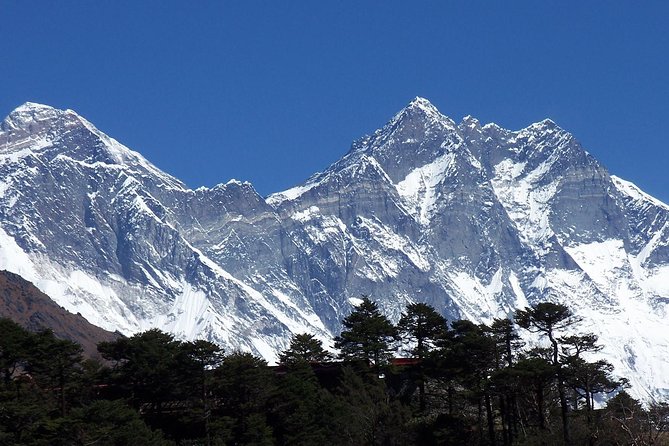
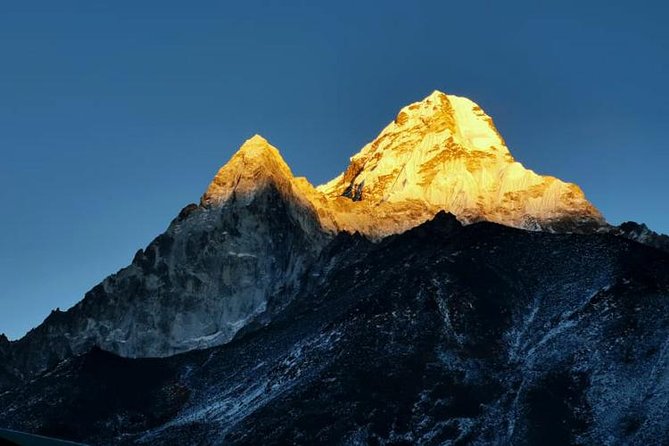
Day 4 is your first real view payoff. You stay in Namche Bazaar to adjust with the climate and altitude, then hike to the Everest View Hotel area. From there, you can see big names across the region, including Mount Everest, Ama Dablam, Thamserku, and Lhotse. Even if you do not get perfect visibility every time, this kind of viewpoint day helps you understand what the Everest trek is actually about.
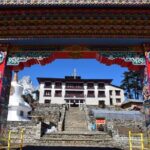
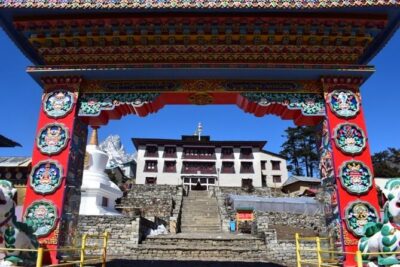
Day 5 shifts from big views to Sherpa life and spiritual landmarks. You leave Namche behind and follow trails through juniper and rhododendron forests. The highlight is Tengboche Gompa, where you visit the monastery area. This stop is one of those “this is why the trek feels human” moments. You are not only walking toward a mountain, you are learning how Sherpa communities live with the Everest region as part of daily life.
A small drawback to consider: Day 3 is labeled as a long walk, and Day 5 is also a long day. Even with acclimatization, you should expect tired feet. Plan for the fact that your best moments might still come after you stop thinking about comfort.
Dingboche acclimatization and your choice between Chhukung Ri and Nangkartshang
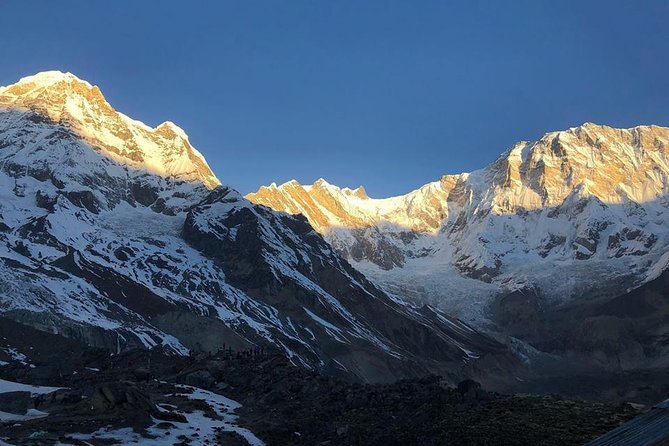
Day 6 takes you to Dingboche. You cross the Imja Khola and keep climbing through paths that give you wide panoramas, with peaks like Island Peak and Ama Dablam showing up in the view mix. Dingboche is a classic base for people who want acclimatization done right, because it is high enough to matter and structured enough to feel like a real plan.
Day 7 is your second acclimatization day, and this is where the trek becomes smarter. You get options: hike to Nangkartshang Peak (5083 m) or hike to Chhukung Ri (5546 m). You also get the big picture views of Everest, Ama Dablam, Island Peak, and Pumori.
Here is why this choice is valuable for you. If you are feeling strong, you can push upward for the view. If you are not, you still get a day that helps your body adapt without forcing a max-effort slog. This reduces the chances of the classic mistake, where people try to “win” altitude too fast.
Other lodge to lodge routes near Kathmandu
Rocky roads to Lobuche, then Gorakshep and Everest Base Camp
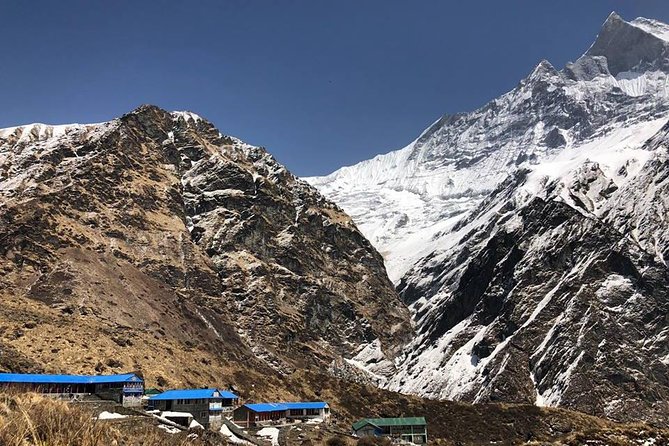
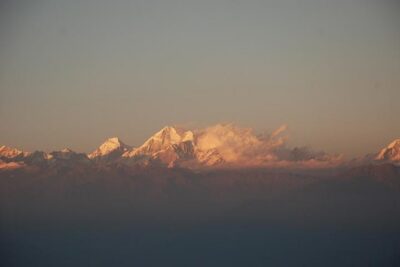
Day 8 carries you toward Lobuche. The trail is described as uneven and rocky, which is typical for higher elevations where the ground changes. Along the way, you get standout views of peaks like Pumori, Nuptse, and Lobuche Peak.
Then Day 9 is the long day: you walk through the Khumbu Glacier zone toward Everest Base Camp, and you return to Gorakshep. This is the day most people remember, because you are finally at the destination.
What is especially important here is timing and expectations. Everest Base Camp is not a short photo stop. It is a full-day effort, and conditions can be changeable. Even when everything goes as planned, you will feel the fatigue in your legs when you turn back toward Gorakshep.
Good news: the day also includes the chance to view the Khumbu icefall from Everest Base Camp. If your goal is to understand how enormous and active the glacier world is, this is one of the best ways to do it.
Kalapatthar viewpoint on Day 10, then the return trek that tests your legs
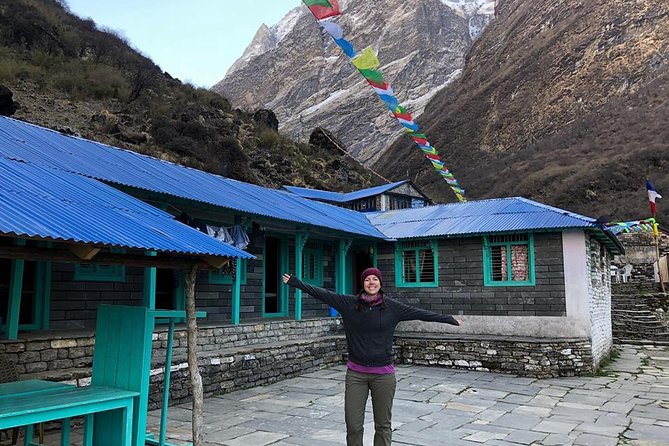
Day 10 is the classic second big view day. You hike up to Kalapatthar for magnificent Everest views, then you trek down to Pheriche. This is a smart pairing: you do the higher, payoff viewpoint, then you start descending while your body is still functioning.
Day 11 keeps the momentum but shifts the focus to the return. You head back toward Namche Bazaar, leaving the mountains behind for a while, and you cross suspension bridges and pass beautiful villages. The suspension bridges are more than scenery. They are also a psychological reset. You see the familiar rhythm of villages and you realize you are moving out of the most intense section.
Reality check: return days can feel deceptively hard. Your heart thinks you are nearly done, but your knees often say otherwise. This is why the order matters: you get viewpoint effort first, then the descending leg.
Back to Lukla, then Kathmandu free time in Thamel
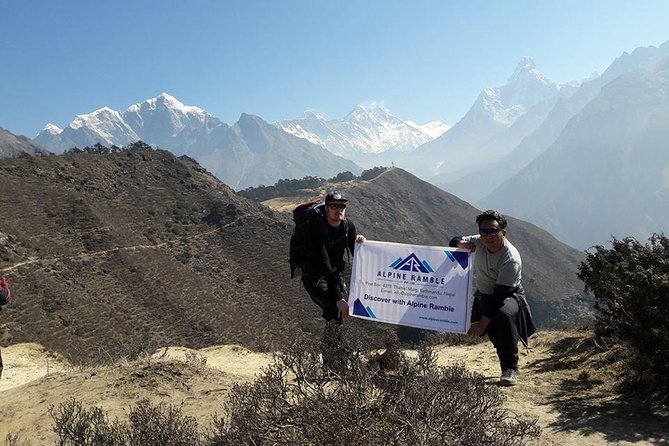
Day 12 is the walk from Namche area back to Lukla via Jorsale and Monjo, reaching Phakding again and crossing many bridges over Dudh Koshi. It is another long day, and it is built to get you back to the flight point safely and on schedule.
Day 13 starts with an early flight, about 35 minutes, back to Kathmandu. You then have the rest of the day free, with Thamel as your easy choice for souvenirs and a simple reset. You get the feeling of switching back into normal life, where your biggest decision might be what meal to eat first.
Day 14 is your wrap-up day. If you do not extend your tour in Nepal, your representative drops you at the airport. If you like the country and want more time, you have the option to extend.
Price and logistics: what $999 actually buys you
At $999 per person, the value depends on what you are comparing it to. This price includes several expensive and hard-to-organize parts: airport transfers in Nepal, the local flight schedule, your guide’s salary plus food and equipment needs, insurances for the guide, and official park permits (TIMS and local permits). It also includes flight tickets from Kathmandu or Manthali to Lukla and the return.
What is not included is equally important. Your accommodation and food as the guest during the trek are not included in the tour price. Travel and health insurance that covers emergency rescues and evacuations is not included either. Tips for your guide are expected.
So the practical way to judge this price is like this: the package protects you from the biggest coordination headaches, especially around Lukla and permits. You still need to budget for your daily mountain-life costs, plus insurance and tips.
Also, it is a private tour/activity, meaning only your group participates. For two people or a family, this can feel more efficient and more comfortable than joining a larger group with different walking speeds.
The itinerary rhythm that keeps you moving, not just surviving
What makes this plan work is its structure. You have long walking days, yes, but the route includes stopovers that serve a purpose.
- Namche Bazaar is used for adjustment before you push higher.
- Dingboche is used again for a second acclimatization day.
- The hardest destination, Everest Base Camp, comes after you already had time to adapt.
In plain terms: you are not walking uphill every day like a video game. You are given moments where your body can catch up. If you are the type who tends to overdo day one and then feel wrecked later, this plan actually helps you correct that habit.
Still, you should assume you will be uncomfortable at some point. The days are long, the paths can be uneven and rocky, and you are at altitude. Your job is to respect the pace, drink enough, and treat every uphill stretch like it is training, not a race.
Guide support that sounds personal, not generic
One of the most consistent themes in the experiences shared is how involved the team feels. People describe smooth airport handling, professionalism, and a guide who keeps things calm even when logistics get tricky.
You might trek with different guides depending on your date, but the names that come up in real experiences include KP Dhital and guides such as Raju, Roshan, Ram, and Abinash. Across those accounts, the common message is care, humor, and attention to how you are doing, not just where you walk next.
That matters because Everest Base Camp is not only physical. It is mental stamina, and a good guide helps you manage the “why am I so tired” part that hits when your body finally asks for a break.
What to pack and how to protect your energy (practical, not fancy)
Because accommodation and meals are not included, you should plan for spending in the mountain towns and tea houses along the route. That means you will want to travel light and still stay warm, because you will pay for convenience with weight.
For fitness, the tour calls for moderate physical fitness. That is realistic for this itinerary, but it does not mean easy. You should expect long days, uneven steps, and altitude fatigue. The best way to prepare is to build leg endurance before you go, and to practice hiking on hills or stairs if you can.
On the trail, the most important habit is pacing. The plan includes acclimatization days for a reason. If you go too fast early, you lose the benefit of those rest and adjustment blocks.
Who should book this Everest Base Camp trek?
This trek fits best if you want an organized, guided route with the big logistics handled. It is especially good for:
- You if you want Lukla flights and permits included in the package.
- You if you like the idea of private group pacing rather than sharing decisions with strangers.
- You if you want acclimatization built in, with options on Day 7 rather than a single forced climb.
- You if you value both viewpoints and culture, with Tengboche Gompa on the way.
It can also work for people trekking as a pair, including parents traveling with a teen, as shown by past arrangements. Just be honest about fitness, because the plan helps, but altitude still demands respect.
Should you book Nepal Nirvana Trails for this 14-day EBC trek?
If your priority is a well-run trek with the hardest planning parts handled, this looks like a solid choice. The $999 cost makes sense for the inclusions, especially Lukla flights, permits, and a guide who has insurance and support structure behind them.
I would only hesitate if you already know you want a fully catered package with lodging and meals included, because those guest costs are not part of the tour price. Also, if you are expecting a short, comfortable hike, this is not that. This is a serious mountain trek with long days and real altitude pressure.
My advice: book if you like the structure of acclimatization days and you are willing to manage your own daily on-trail comforts. Then focus on pacing and patience, because that is how you get to Everest Base Camp with your energy still intact.
FAQ
How long is the Everest Base Camp trek?
It is listed as 14 days, approximately.
Where does the trek start and when do I meet?
The start is in Kathmandu, at your hotel or at Tribhuwan Airport. The start time is 5:45 am.
Is airport pickup included?
Yes. Airport transfer services for arrival and departure are included.
Are the flights to Lukla included?
Yes. Flight tickets from Kathmandu or Manthali to Lukla, and from Lukla back to Kathmandu or Manthali, are included.
Are park permits included?
Yes. TIMS and national park/local permits are included.
What about accommodation and meals for me during the trek?
Accommodation and food of guests are not included.
Is travel or health insurance included?
No. Travel and health insurance that covers emergency rescues and evacuations is not included.
Does the tour include an expert guide?
Yes. A guide is included, along with guide salary, food of the guide, equipment, and insurances.
Is this a private trek?
Yes. It is private, and only your group participates.
What is the cancellation policy?
Free cancellation is available if you cancel up to 24 hours in advance for a full refund.
Lodge to Lodge Around Kathmandu
The Rest of Our Kathmandu Write Ups
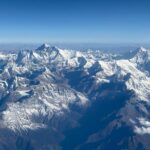

Base Camp, Three More Ways
Everything else we have reviewed around Kathmandu
- 12 Days Everest Base Camp Trekking
★ 5.0 · 3 reviews - 1 Night 2 Days Chitwan Jungle Safari Tour from Pokhara or Kathmandu
★ 3.0 · 3 reviews - Thamel Rickshaw tour
★ 4.7 · 3 reviews - Kathmandu: Momo Making Class with a Local Chef
★ 5.0 · 3 reviews - Kathmandu: Full-Day Yoga, Body Massage and Pedicure Package
★ 5.0 · 3 reviews - From Kathmandu / Pokhara / Chitwan: River Rafting – 1 Day
★ 4.6 · 3 reviews
Everest Base Camp Treks worth a second look.
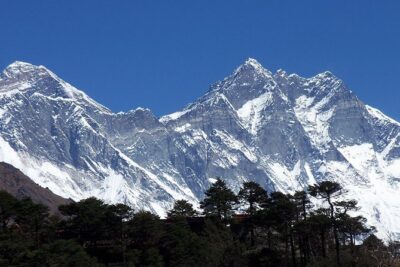 ★ 5.0Everest Base Camp Trek – 14 DaysFrom $1,8001,499 reviews
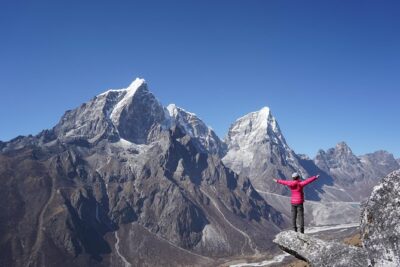 ★ 5.0Everest Base Camp TrekkingFrom $1,350485 reviews
 ★ 5.0Everest Base Camp Trekking – 13 DayFrom $1,399365 reviews
★ 5.0Everest Base Camp Trek -14 DaysFrom $1,420321 reviews
★ 5.0Everest Base Camp Trekking – 13 DayFrom $1,399365 reviews
★ 5.0Everest Base Camp Trek -14 DaysFrom $1,420321 reviews
 ★ 5.0Everest Base Camp Trekking – 2025/2026From $1,339199 reviews
 ★ 5.0Everest Base Camp TrekFrom $1,408193 reviews
 ★ 5.0Everest Base Camp Trek with Helicopter Return from Gorakshep to LuklaFrom $3,000161 reviews
14-Days Private Everest Base Camp TrekFrom $1,600152 reviews
★ 5.0Everest Base Camp Trek with Helicopter Return from Gorakshep to LuklaFrom $3,000161 reviews
14-Days Private Everest Base Camp TrekFrom $1,600152 reviews
Lists this tour sits in