
REVIEW · EVEREST BASE CAMP TREKS
Everest Base Camp trek 14 days
One reason this Everest Base Camp trek works is its planning. You get a full route with 13 nights of accommodations and transport lined up, plus a clear rhythm for the altitude. What makes it especially appealing is the start with the short, dramatic Kathmandu to Lukla flight, then days that build steadily toward Everest.
I also like that the basics are handled so you can focus on walking. You get most meals included during the trek, and you end with a cultural show and farewell dinner that feels like a real Nepal finish, not just a checkout. The only real consideration is that the itinerary is built for people with at least moderate fitness, because you still have long hike days at higher elevations.
Another smart touch is how tightly the logistics are stitched together. Permits (including TIMS and the trekking permit), guide support, and even a first-aid item are included, so you are not scrambling in Kathmandu. Group size is capped at 18, which is big enough to meet people but small enough that the trek does not feel like airport queues.
In This Review
- Key highlights worth your attention
- Everest Base Camp trekking without the planning headache
- Price and value: what $1,380 covers in real trekking terms
- Day-by-day route: Kathmandu to Base Camp, then Kalapatthar and back
- Day 1: Arrive in Kathmandu
- Day 2: Kathmandu to Lukla, then Lukla to Phakding
- Day 3: Phakding to Namche Bazaar
- Day 4: Acclimatization day in Namche Bazaar
- Day 5: Namche Bazaar to Tengboche
- Day 6: Dingboche acclimatization
- Day 7: Trek in the Dingboche area to about 4,410m
- Day 8: Dingboche to Lobuche
- Day 9: Everest Base Camp, then back to Gorakshep
- Day 10: Kalapatthar sunrise hike, then down to Periche
- Day 11: Periche to Namche Bazaar
- Day 12: Namche Bazaar to Lukla
- Day 13: Fly to Kathmandu
- Day 14: Farewell and departure
- What acclimatization days really do for you (and why you should take them seriously)
- Food, lodges, and the routine that keeps you moving
- Gear and what you should pack anyway
- Guides, sherpas, and why the team matters
- The cultural show and farewell dinner: a satisfying Nepal ending
- So, who is this EBC tour best for?
- Should you book this Everest Base Camp trek?
- FAQ
- How long is the Everest Base Camp trek?
- Where does the trek start?
- What meals are included?
- What gear is provided for the trek?
- Are trekking permits included?
- Is a guide included?
- How many people are in the group?
- What about cancellation and refunds?
Key highlights worth your attention
- No-stress logistics: airport transfers, flights, and transport handled end-to-end
- Lukla, then altitude by design: acclimatization stops in Namche and Dingboche
- Most meals included: breakfast, lunch, and dinner are covered during trekking days
- Gear support: sleeping bag and down jacket provided if you need them
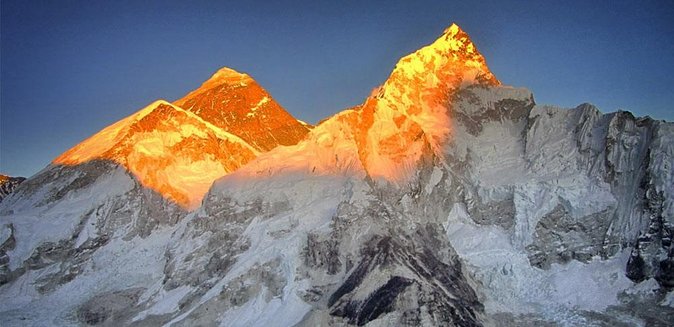
- Real summit-view moment: Kalapatthar hike at 5,550m for huge Everest-area views
- Guides and safety focus: guide costs, insurance, and support staff are included in the package
Other routes to Base Camp, side by side
Everest Base Camp trekking without the planning headache
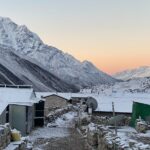
Everest Base Camp is famous, but the prep can feel like a second job. This tour is built for people who want the trip, not the spreadsheet. You start in Kathmandu, you fly to Lukla, and you follow a schedule that accounts for altitude without turning your days into a rushed grind.
The overall vibe is practical. You do not have to figure out how permits work, how transfers run, or which lodge to stay in. Instead, you show up, get picked up, and follow the plan. That matters because with EBC, small planning errors can turn into big problems once you are already in the mountains.
The other win is pacing. The trek includes acclimatization in Namche Bazaar and another acclimatization day in the Dingboche area. That is not just “nice to have.” It is one of the clearest ways a guided itinerary reduces stress and helps your body adjust while still keeping you moving forward.
The only place you still need to bring your own discipline is your fitness and pace. Even with planning handled, you are still hiking long days at elevation. If you know you get winded easily, build in extra training at home. If you can handle a steady hike, you’ll be able to enjoy the journey instead of just surviving it.
Price and value: what $1,380 covers in real trekking terms
At $1,380 per person, this tour is not trying to be the cheapest possible EBC option. But it also does not nickel-and-dime you for the big stuff. Here is what is included that usually costs real money or time when you plan yourself:
- Flights: Kathmandu to Lukla and back to Kathmandu are included
- Permits: trekking permit and TIMS card are included
- Lodging: standard hotels in Kathmandu (twin sharing) and trekking lodge stays during the trek
- Meals during trek: breakfast, lunch, and dinner on trekking days (as listed)
- Guide and support costs: guide salary, accommodation, meals, and insurance are included
- Basic gear support: sleeping bag and down jacket provided if you need them
- Transportation: airport pickups and inter-trip transport by A/C car and tourist deluxe bus
So where does the value come from? Mostly from removing the “hidden chores.” Getting permits, arranging flights, coordinating lodge stays, and paying for guide time are the exact parts that stretch out planning. If you would rather spend your energy training, not coordinating, this price starts to make sense fast.
Also, the reviews point to organization and smooth coordination as a standout. People describe well-run transport, permits handled correctly, and good meals and accommodation. That matches what you get on paper here: a package that aims to be complete.
Day-by-day route: Kathmandu to Base Camp, then Kalapatthar and back
This is a 14-day itinerary with trekking days that gradually climb, then cycle back down. You are basically training your legs and your breathing for altitude, with a few deliberate pauses to help your body adjust.
Day 1: Arrive in Kathmandu
You land in Kathmandu and your trip starts with airport pickups and departures included. Kathmandu is your buffer day, so plan for an easy first evening, hydration, and good sleep. This is also the night you’ll mentally shift from city mode to mountain mode.
Other lodge to lodge routes near Kathmandu
Day 2: Kathmandu to Lukla, then Lukla to Phakding
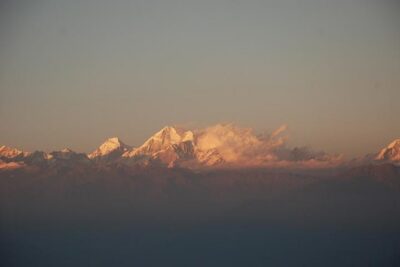
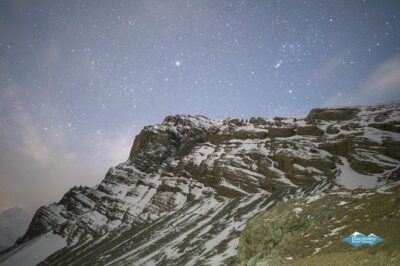
You fly from Kathmandu to Lukla (40 to 45 minutes). Then it is Lukla to Phakding, around 3 to 4 hours, settling you at 2,640m. This is your first “real altitude” day, even if the hike is relatively short.
You’ll be building rhythm here, not chasing speed. The goal is to keep your breathing calm and your steps steady so you can enjoy the scenery without burning yourself out.
Meals: breakfast, lunch, and dinner are included (B.L.D).
Day 3: Phakding to Namche Bazaar
Today climbs to Namche Bazaar around 5 to 6 hours, reaching 3,440m. This is where many hikers feel the altitude more clearly. Still, it is a normal progression step: walk, stop, breathe, repeat.
Namche Bazaar is often a key hub for supplies and atmosphere, and having it as a planned stop means you do not need to make logistics guesses. You arrive with the next days structured around acclimatization.
Meals: B.L.D.
Day 4: Acclimatization day in Namche Bazaar
This is a real gift day. You are staying in Namche Bazaar to adjust before going higher. In an EBC trek, this kind of day can mean the difference between feeling okay later and feeling wrecked.
Use it to go easy, walk a little if you feel good, and keep hydration consistent. If you cram in extra hard hikes, you lose the benefit.
Meals: B.L.D.
Day 5: Namche Bazaar to Tengboche
You trek to Tengboche in about 6 to 7 hours, around 3,860m. This day is longer, so keep your effort smooth. Tengboche is a high point on most EBC routes, and it is one of the classic places where people start getting a stronger sense of the Everest-area mountain lineup.
Meals: B.L.D.
Day 6: Dingboche acclimatization
You reach Dingboche and get another acclimatization stop. The point is simple: you keep gaining altitude step by step, and you give your body time to respond. This kind of planning is one of the best protections you have on a trek like this.
Meals: B.L.D.
Day 7: Trek in the Dingboche area to about 4,410m
This day is listed as another trek step in the Dingboche area, rising to around 4,410m in about 5 to 6 hours. Even when the village names look similar, what matters is the upward movement and the continued routine of controlled effort.
Meals: B.L.D.
Day 8: Dingboche to Lobuche
You hike to Lobuche in about 5 hours, reaching around 4,910m. This is a serious altitude day. The biggest mistake is rushing because you are excited. Walk like you have the whole day, because you do.
Meals: B.L.D.
Day 9: Everest Base Camp, then back to Gorakshep
Today is the core moment. You trek to Everest Base Camp, then head back to Gorakshep, around 5,200m. The day is listed as part of the EBC plus return setup, with breakfast, lunch, and dinner included.
This is not the time to save your energy for later. It is the day you will remember for the rest of your life, even if the exhaustion is real. Keep your pace steady, and savor the feeling when you finally get there.
Meals: B.L.D.
Day 10: Kalapatthar sunrise hike, then down to Periche
Kalapatthar is the headline view hike here, listed at about 5,550m. The hike to Kalapatthar is around 2 hours 30 minutes, then you trek down to Periche (around 4,200m) for about 7 hours.
That is a long day. But it is also the day where you get both the big high-moment photo and the relief of descending. If you have ever wondered why EBC trekkers get emotional, it is often this combination.
Meals: B.L.D.
Day 11: Periche to Namche Bazaar
You trek back to Namche Bazaar in about 6 hours, dropping to around 3,441m. Down days can still be tiring because your legs do a lot more braking work than climbing.
Keep your knees in mind. Take short steps downhill and do not let your speed talk you into pain.
Meals: B.L.D.
Day 12: Namche Bazaar to Lukla
A longer trek day at about 7 hours, ending in Lukla. This is where you feel the “almost there” factor. You are tired, but you are also close to the flight, which makes it mentally easier.
Meals: B.L.D.
Day 13: Fly to Kathmandu
You fly back to Kathmandu, with breakfast included (B). This is the day to treat yourself gently. Your body will feel it for a few days after you return, even if you feel proud today.
Day 14: Farewell and departure
The itinerary includes a farewell and departure day. This is where you cap the trek experience, not just wrap travel details.
What acclimatization days really do for you (and why you should take them seriously)
Altitude is the main plot twist on EBC. The itinerary climbs in stages, and it includes time to acclimatize in Namche Bazaar and in the Dingboche area. Those are not optional extras. They are part of the plan for how you avoid turning an amazing trek into a miserable one.
Here is the practical way to use those days:
- Stay calm and hydrate consistently.
- Keep movement gentle. Short walks are fine if you feel good, but do not schedule a second big workout.
- Pay attention to your body more than your ego. If you feel off, you rest.
If you take those days seriously, you’ll give yourself a much better chance to enjoy Everest-area views instead of focusing only on fatigue.
Food, lodges, and the routine that keeps you moving
During the trek, the tour includes daily 3-time meals as listed (breakfast, lunch, and dinner). That matters more than people think, because trekking burns energy fast. When meals are covered, you avoid the annoying problem of needing to stop for budget decisions during a hard day.
Your Kathmandu meals are not fully covered. Extra meals in Kathmandu are listed as excluded, so plan for a bit of extra spending when you are in the city. On trek days, you can treat food as part of the rhythm, not an obstacle.
Lodging is included: standard hotel in Kathmandu (twin sharing, breakfast basis) and trekking lodge accommodations during the trek. Lodges on EBC routes can be simple, so go in expecting basic comfort. The win is that you know where you will sleep each night, which is a huge stress reducer.
Gear and what you should pack anyway
This tour includes sleeping bag and down jacket if you need them. That’s a real help for travelers who do not want to bring heavy gear from home.
But included gear does not mean you can show up with nothing. You still need to bring what you personally need for comfort and safety. Think layers, good socks, and weather protection, because these mountains do not care if you are cold or dry or tired.
Also included is a first-aid medicine item and a trip achievement certificate and T-shirt. Those are small, but they add up to a feeling that someone planned the human side of the trip.
Guides, sherpas, and why the team matters
On paper, the guide’s salary, accommodation, meals, and insurance are included. In real life, that translates into real support on the trail.
The reviews also highlight specific people. Several accounts praise the team behind the scenes, including guides such as Suresh and Sobit, and a sherpa named Pasang for strong support and a focus on safety. Another review mentions a guide named Ram in a combined Nepal experience, pointing to a smooth, friendly guiding approach.
Group size is capped at 18, which helps keep things organized. With a smaller group, your guide can manage pace and communication without chaos, and you can still meet fellow trekkers along the way.
The cultural show and farewell dinner: a satisfying Nepal ending
A lot of treks end with tired silence and a bus ride. This one ends with an added layer of meaning: a special cultural show and farewell dinner program included in the tour.
It’s a nice way to switch gears from altitude to culture. You get a chance to celebrate what you did, not just check out of lodges and fly home.
So, who is this EBC tour best for?
You’ll likely love this tour if:
- You want the route planned with accommodations, meals, and transport handled.
- You are okay with a guided itinerary and group pacing.
- You prefer not to manage permits and trekking logistics yourself.
- You want help with gear, especially a sleeping bag and down jacket.
You might want to think twice if:
- You already have your own gear and want a more flexible, DIY-style route.
- You prefer smaller groups only, because the cap is 18.
- You do not have at least moderate fitness, since the itinerary includes long hikes and high elevations.
Should you book this Everest Base Camp trek?
I’d book this tour if your main goal is to reach Everest Base Camp while keeping planning stress low. The value is strongest in the stuff you would otherwise have to coordinate yourself, like flights to Lukla, permits, lodging, and daily meals during trekking days.
If you want a trek that feels structured, with acclimatization built in and a team that actually runs the show, this one fits. Train for the hike, take the acclimatization days seriously, and let the organization carry the logistics. That is when EBC stops feeling like a project and turns into the kind of memory you do not need to explain to anyone.
FAQ
How long is the Everest Base Camp trek?
The itinerary shown is 14 days, with trekking days that fit around that schedule. The overall activity duration is listed as approximately 5 to 14 days, depending on the specific trip option.
Where does the trek start?
It starts in Kathmandu, Nepal. You also have included airport pick up and departures, and flights between Kathmandu and Lukla.
What meals are included?
During the trek, breakfast, lunch, and dinner are included daily as listed in the itinerary. Extra meals in Kathmandu are not included.
What gear is provided for the trek?
If you need them, the tour provides a sleeping bag and a down jacket for the trek.
Are trekking permits included?
Yes. The package includes the trekking permit and a TIMS card.
Is a guide included?
Yes. The guide’s salary, accommodation, meals, and insurance are included.
How many people are in the group?
The maximum group size is listed as 18 travelers.
What about cancellation and refunds?
Free cancellation is available. You can cancel up to 24 hours in advance for a full refund. If you cancel less than 24 hours before the start time, the amount paid is not refunded.
Lodge to Lodge Around Kathmandu
The Rest of Our Kathmandu Write Ups

Base Camp, Three More Ways
Everything else we have reviewed around Kathmandu
- 12 Days Everest Base Camp Trekking
★ 5.0 · 3 reviews - 1 Night 2 Days Chitwan Jungle Safari Tour from Pokhara or Kathmandu
★ 3.0 · 3 reviews - Thamel Rickshaw tour
★ 4.7 · 3 reviews - Kathmandu: Momo Making Class with a Local Chef
★ 5.0 · 3 reviews - Kathmandu: Full-Day Yoga, Body Massage and Pedicure Package
★ 5.0 · 3 reviews - From Kathmandu / Pokhara / Chitwan: River Rafting – 1 Day
★ 4.6 · 3 reviews
Everest Base Camp Treks worth a second look.
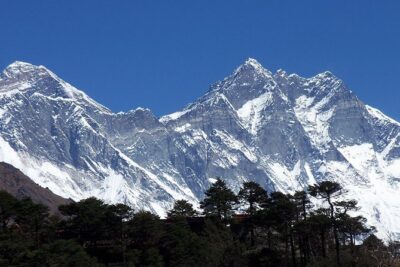 ★ 5.0Everest Base Camp Trek – 14 DaysFrom $1,8001,499 reviews
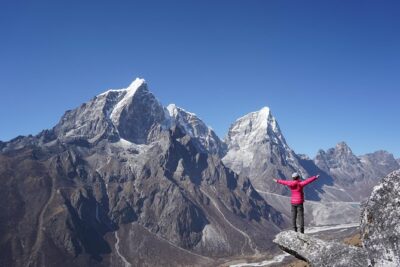 ★ 5.0Everest Base Camp TrekkingFrom $1,350485 reviews
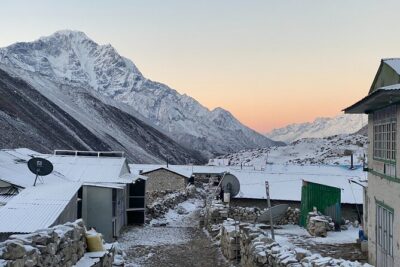 ★ 5.0Everest Base Camp Trekking – 13 DayFrom $1,399365 reviews
★ 5.0Everest Base Camp Trek -14 DaysFrom $1,420321 reviews
★ 5.0Everest Base Camp Trekking – 13 DayFrom $1,399365 reviews
★ 5.0Everest Base Camp Trek -14 DaysFrom $1,420321 reviews
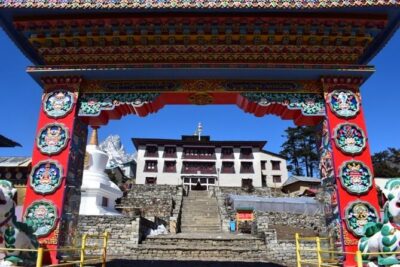 ★ 5.0Everest Base Camp Trekking – 2025/2026From $1,339199 reviews
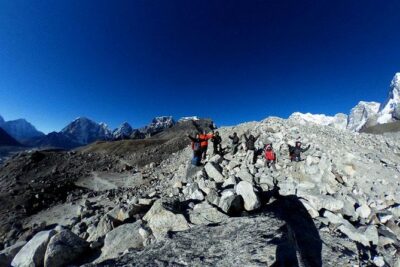 ★ 5.0Everest Base Camp TrekFrom $1,408193 reviews
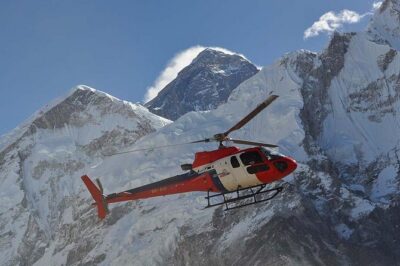 ★ 5.0Everest Base Camp Trek with Helicopter Return from Gorakshep to LuklaFrom $3,000161 reviews
14-Days Private Everest Base Camp TrekFrom $1,600152 reviews
★ 5.0Everest Base Camp Trek with Helicopter Return from Gorakshep to LuklaFrom $3,000161 reviews
14-Days Private Everest Base Camp TrekFrom $1,600152 reviews
Lists this tour sits in