
REVIEW · EVEREST BASE CAMP TREKS
Everest Base Camp Trek 15 Days
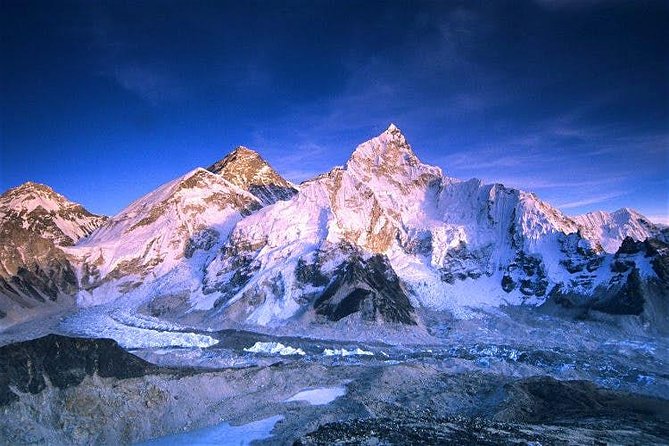
Everest Base Camp tests you, then rewards you. This 15-day trek from Kathmandu pulls you toward Everest Base Camp at 5,364m and surrounds you with Sherpa life and big mountain scenery. You’ll also see Buddhism up close through villages and monasteries, guided in a way that makes the culture feel practical, not like a museum.
What I like most is the way the team builds comfort into a hard trip. You get warm meals (breakfast, lunch, dinner) and you’ll sleep in clean scenic lodges, which matters when altitude makes you want to conserve every bit of energy. Another big plus is the human side, with guides and porters named in real accounts, including Pasang and Lakpa, plus helpers like Nima and Neema who focus on keeping you moving.
The main consideration is simple: altitude and weather are not optional. This trek is set up for people with moderate physical fitness, but you still need to take the climb seriously, and the operator notes it requires good weather.
In This Review
- Quick highlights
- Kathmandu Morning: The 6:15am Start That Sets the Tone
- What You Carry: Sleeping Bag and Duffel Bag Included
- Price and Value: Is $2,400 Reasonable for 15 Days?
- How Hard Is It Really? Moderate Fitness, Real Altitude
- Sherpa Villages and Buddhist Monasteries: More Than Background Scenery
- Rhododendrons, Pine Forests, and the Cold Shift Toward Icefall
- Everest Base Camp Moment: Panoramas and the Power of Lodges
- Meals and Energy: Breakfast, Lunch, Dinner Done Right
- Guides and Porters: Why Named Support Is a Big Deal
- Lodges, Warmth, and Comfort: The Real Luxury on Everest Routes
- Transportation and Group Style: Pickup Offered, Private by Design
- Weather Matters: Build Flexibility Into Your Trip
- Who Should Book This 15-Day Everest Base Camp Trek?
- Should You Book This Everest Base Camp Trek?
- FAQ
- How long is the Everest Base Camp trek?
- Where is the meeting point in Kathmandu, and when does the trek start?
- Is pickup included, and is this a private trek?
- What is included in the $2,400 price?
- What is not included in the trek price?
- What fitness level do I need, and does the trek depend on weather?
Quick highlights
- Kathmandu start at 6:15am, near public transportation, with pickup offered
- Clean scenic lodges plus daily meals, so you are not managing camping life
- Sherpa villages and Buddhist monasteries for cultural context alongside the altitude grind
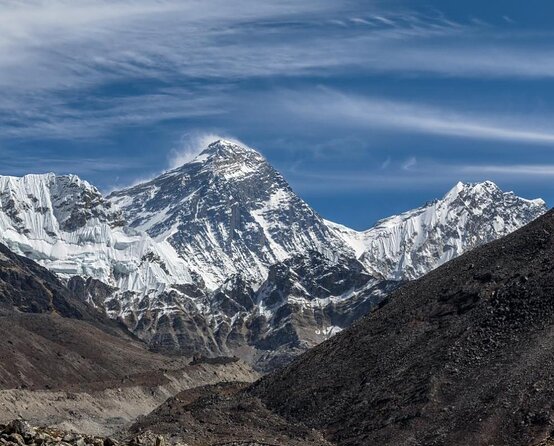
- Khumbu icefall glaciers in the mix, so the trip feels like it is truly approaching Everest
- Guide and porter support you can feel, with named staff like Pasang, Lakpa, Neema, and Nima praised for care
- Gear included: sleeping bag and duffel bag, plus all fees and taxes in the price
Other routes to Base Camp, side by side
Kathmandu Morning: The 6:15am Start That Sets the Tone
Most people picture Everest as a sunrise moment on a ridge. The reality starts earlier, in Kathmandu, with pickup offered and a meeting point at Chaksibari Marg, starting at 6:15am. It is a private tour/activity, so you are not squeezed into a crowded herd, and the day-to-day pacing can be handled for your group.
This early start also helps you get your bearings fast. You will be leaving Kathmandu with a clear plan and a team that already knows how to manage the logistics that come with remote trekking. And since the meeting point is near public transportation, it is easier to get there without turning the first day into a mini-adventure.
One small but real value point: the price includes all fees and taxes, which reduces the number of unknowns before you even leave the city. That matters when trekking budgets already have a habit of growing.
What You Carry: Sleeping Bag and Duffel Bag Included
The trek includes a sleeping bag and duffel bag. That is not just a convenience, it is a budget saver and a packing simplifier. If you land in Nepal already trying to fit gear into airline weight limits, this kind of inclusion reduces stress.
You still need to pack your personal items, but with the big sleep gear handled, your checklist tends to get shorter and more realistic. A trek like this also runs on small practical choices. When you can travel lighter, you tend to feel better on the route, and you spend less time thinking about what is in your bag and more time paying attention to where you are.
Also, the basics are covered on paper: you get meals and the standard trek support structure. So you can focus on clothing layers, foot care, and how you handle altitude day to day, which is the stuff that actually changes your experience.
Price and Value: Is $2,400 Reasonable for 15 Days?
At $2,400 per person for about 15 days, this is not a budget Everest. But it is also not priced like a luxury ski week. The value comes from what is included: dinner, breakfast, lunch, a sleeping bag and duffel bag, and all fees and taxes.
What is not included is equally important for your budgeting. You should plan for your Nepal visa, insurance, tips for your guide and porter, snacks, and alcoholic beverages, plus soda or pop. If you assume you will buy lots of snacks along the way, that can add up fast. Likewise, a lack of insurance is a risk you do not want to gamble with at altitude.
In short: the price feels fair when you compare it to the cost of getting proper support, meals, and bundled essentials for a remote region. It is the kind of trek where paying for good guidance and reliable logistics often saves you from bigger headaches later.
How Hard Is It Really? Moderate Fitness, Real Altitude
The requirement is moderate physical fitness. That is encouraging, but it does not mean altitude is casual. Everest Base Camp sits at 5,364m, and even before you reach the highest points, your body has to adjust to thinner air.
So how do you make this work? You do it the boring way, in the best sense: pace yourself, take rest seriously, drink and eat when you can, and listen to your guide. The names in the guidance and porter team matter here, because strong support can keep you from rushing. One account highlights that attention to physical condition and altitude adaptation is taken seriously for solo trekkers, which is exactly what you want on a high-altitude trek.
A practical tip for your planning: if you have been living a sedentary lifestyle, start preparing weeks ahead. Focus on walking strength, stair climbing, and carrying a small pack. And plan your trip so you are not jet-lag wrecked on day one.
Other lodge to lodge routes near Kathmandu
Sherpa Villages and Buddhist Monasteries: More Than Background Scenery
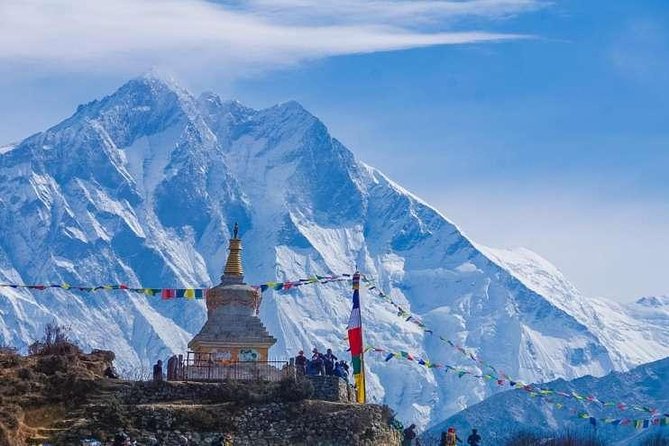
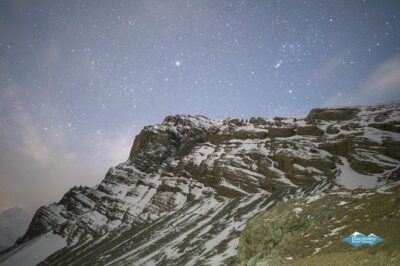
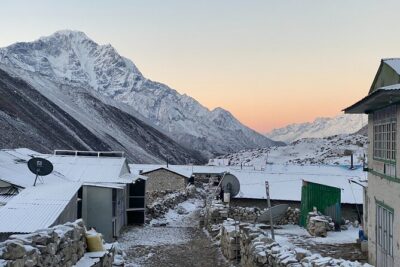
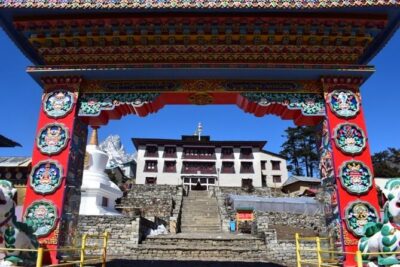
This trek is built around the Khumbu region as a living culture, not just as a pathway to a viewpoint. You’ll explore Sherpa traditional villages with Buddhist culture and customs, and you’ll visit old heritage sites and interesting monasteries. That combination is why this itinerary feels more complete than the typical “walk up, look back down” version of Everest.
This is the part where you learn what holds the region together. Monasteries and religious traditions are not separate from the trekking rhythm. They sit in the valleys and along the routes, shaping daily life and giving you a chance to slow down for meaning, not just photos.
I also like that this experience explicitly pairs culture with high peaks. So after you pass through villages and monasteries, you are not stuck waiting for the next wow moment. The route keeps shifting, with old traditions in the foreground and some of the world’s highest peaks looming in the backdrop.
Rhododendrons, Pine Forests, and the Cold Shift Toward Icefall
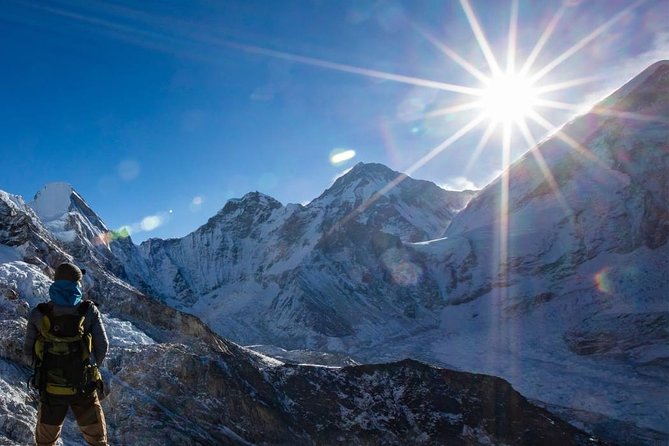
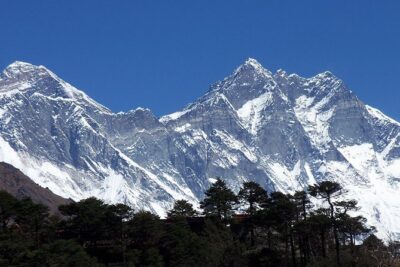
One of the smartest things about this trek is the variety of environments described in the overview. You move through alpine rhododendrons and pine forests, then you transition into barren Khumbu icefall glacier country. That change does not just look different. It feels different in your body and your senses.
In forested sections, you often get a break from harsh exposure, plus more shade and softer walking conditions. When you reach the icefall glacier area, everything becomes more stark and exposed. Even if you are an experienced hiker, the visual shift can be a shock, and it is a reminder that you are getting closer to Everest’s highest drama.
If you get anxious about big changes, that is another reason to appreciate good guiding. Clear explanations and steady pacing make the cold shift less scary and more understandable. You also end up with a greater sense of place, because you feel the route evolving instead of repeating the same scenery for days.
Everest Base Camp Moment: Panoramas and the Power of Lodges
Reaching Everest Base Camp is the obvious goal. But what makes the experience stick is how the trip supports you through the climb and keeps you comfortable enough to actually enjoy the reward.
The plan emphasizes panoramic views of high mountains, plus nights in warmth and comfort in clean scenic lodges. That is not a small detail. Altitude makes sleep harder and recovery slower. Having reliable lodging means you can focus on rest and meals rather than improvising comfort in rough conditions.
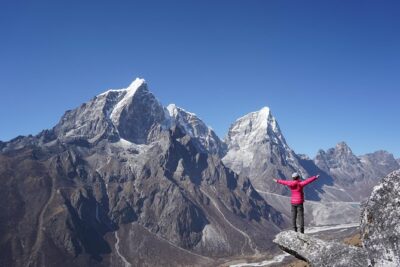
You should also expect that the environment around Everest Base Camp is visually intense. The overview specifically mentions Khumbu icefall glaciers in the backdrop, which hints at how close you are to the real Everest machinery. When you stand there, it is not just a dot on a map. It feels like the start of something bigger.
And if you are sensitive to cold, lodges matter even more. Comfort does not remove the challenge, but it changes how you meet it.
Meals and Energy: Breakfast, Lunch, Dinner Done Right
Included meals are dinner, breakfast, and lunch. That is useful because it reduces daily decision fatigue. On a trek, every extra choice costs energy. When your meals are handled, you can spend that energy on walking, acclimatizing, and staying warm.
The trek also notes clean scenic lodges. In practice, that often means you can expect a more stable routine for eating and recovering. You are not chasing food sources on the fly, which helps when altitude makes your appetite weird.
One budgeting note: snacks are not included, and soda or pop is not included either. If you use snacks as a tool to manage hunger or morale, plan your snack budget. Likewise, keeping sugary drinks minimal tends to help you feel steadier, but the key point here is you are responsible for those extras.
Guides and Porters: Why Named Support Is a Big Deal
The most praised aspects in the accounts are the guides and porters, and they show up in specifics. Pasang is repeatedly singled out for making the experience meaningful, with one person describing the team as treating them like family and giving outstanding support throughout the journey.
Lakpa also earns credit in multiple mentions, and there is praise for flexible logistics and communication. For example, Ram is named for clear logistics planning and for meeting someone at their Kathmandu hotel late at night when a flight delay changed the schedule. That kind of responsiveness reduces stress, and stress is the enemy of good trekking.
Porters like Neema and Pasang are also praised for going above and beyond, including carrying day bags when exhaustion hits. I take that as a clue about the team’s practical approach: the goal is not just to move forward, it is to keep you comfortable enough to keep moving forward.
So when you evaluate whether to book, think about your guide fit. If you like structured guidance, learning how to pace and acclimatize, and trusting a team with local expertise, this kind of support is exactly what you want.
Lodges, Warmth, and Comfort: The Real Luxury on Everest Routes
A lot of Everest-style trekking sells the idea of hardship. What I appreciate here is the emphasis on warmth and comfort in clean lodges. You are still doing a serious trek. But you are not forced into a tent-based life.
For you, that means the day’s effort converts into real recovery. When you climb high and breathe thinner air, you want your evenings to support your body. Warmth also helps morale, and morale matters because altitude days are long in the mind even when the miles are not huge.
That balance, comfort plus big views, is part of why people rate this trek extremely highly and recommend it strongly. You get the emotional payoff of the Himalaya without turning it into a test of survival skills.
Transportation and Group Style: Pickup Offered, Private by Design
Pickup is offered, and the start point is Kathmandu, Chaksibari Marg. The operator also lists that it is near public transportation, which usually means you have reasonable options for getting to the meeting point without a private car for everything.
The biggest practical detail is that this is private, with only your group participating. That can be a huge difference for comfort and pacing. In shared group treks, you often lose control of your rhythm. Here, your guide can usually shape the tempo to match your group’s needs, which is helpful when altitude adaptation is the real focus.
Weather Matters: Build Flexibility Into Your Trip
This experience requires good weather. If it gets canceled due to poor weather, you’ll be offered a different date or a full refund. That is not just a legal note. It is also a planning mindset you should adopt.
So when you book, give yourself some breathing room in your travel dates. Everest routes can be sensitive, and even when you want a specific timeline, the mountains do not run on schedules.
Who Should Book This 15-Day Everest Base Camp Trek?
This trek is a strong match if:
- You want to reach Everest Base Camp and also understand Sherpa culture through villages and monasteries
- You prefer clean, scenic lodges over camping
- You value real guidance, with support from named guides and porters like Pasang and Lakpa
- You have a moderate fitness base and you can train before you go
It might be a tougher fit if:
- You want a fully carefree walk with no altitude planning
- You dislike cold exposure and changing environments, since the route shifts toward Khumbu icefall glacier areas
- You are not prepared to cover visa, insurance, and tips, since those are not included
Should You Book This Everest Base Camp Trek?
If your dream is Everest Base Camp with Sherpa culture, solid guiding, and nights in clean lodges, I think this is a smart choice. The price is high enough to take seriously, but the inclusions also make it feel like you are paying for support, food, and basics that actually matter out on the trail.
Book it if you want structure, you like learning as you travel, and you can respect altitude as the main character. Skip it, or at least delay, if you’re not ready to train a bit and accept that weather can shift plans.
In other words: if you want the classic Everest payoff with less chaos, and more care from guides like Pasang and Lakpa, this 15-day trek fits the bill.
FAQ
How long is the Everest Base Camp trek?
It runs for about 15 days.
Where is the meeting point in Kathmandu, and when does the trek start?
The start is at Sherpa Expedition And Trekking, Chaksibari Marg, Kathmandu 44600, Nepal, with a start time of 6:15am.
Is pickup included, and is this a private trek?
Pickup is offered, and it is a private tour/activity, meaning only your group participates.
What is included in the $2,400 price?
Dinner, breakfast, lunch, a sleeping bag and duffel bag, and all fees and taxes are included.
What is not included in the trek price?
Not included are Nepal visa, insurance, tips for the guide and porter, alcoholic beverages, soda or pop, and snacks.
What fitness level do I need, and does the trek depend on weather?
You should have a moderate physical fitness level, and the experience requires good weather.
Lodge to Lodge Around Kathmandu
The Rest of Our Kathmandu Write Ups

Base Camp, Three More Ways
Everything else we have reviewed around Kathmandu
- 12 Days Everest Base Camp Trekking
★ 5.0 · 3 reviews - 1 Night 2 Days Chitwan Jungle Safari Tour from Pokhara or Kathmandu
★ 3.0 · 3 reviews - Thamel Rickshaw tour
★ 4.7 · 3 reviews - Kathmandu: Momo Making Class with a Local Chef
★ 5.0 · 3 reviews - Kathmandu: Full-Day Yoga, Body Massage and Pedicure Package
★ 5.0 · 3 reviews - From Kathmandu / Pokhara / Chitwan: River Rafting – 1 Day
★ 4.6 · 3 reviews
Everest Base Camp Treks worth a second look.
 ★ 5.0Everest Base Camp Trek – 14 DaysFrom $1,8001,499 reviews
 ★ 5.0Everest Base Camp TrekkingFrom $1,350485 reviews
 ★ 5.0Everest Base Camp Trekking – 13 DayFrom $1,399365 reviews
★ 5.0Everest Base Camp Trek -14 DaysFrom $1,420321 reviews
★ 5.0Everest Base Camp Trekking – 13 DayFrom $1,399365 reviews
★ 5.0Everest Base Camp Trek -14 DaysFrom $1,420321 reviews
 ★ 5.0Everest Base Camp Trekking – 2025/2026From $1,339199 reviews
 ★ 5.0Everest Base Camp TrekFrom $1,408193 reviews
 ★ 5.0Everest Base Camp Trek with Helicopter Return from Gorakshep to LuklaFrom $3,000161 reviews
14-Days Private Everest Base Camp TrekFrom $1,600152 reviews
★ 5.0Everest Base Camp Trek with Helicopter Return from Gorakshep to LuklaFrom $3,000161 reviews
14-Days Private Everest Base Camp TrekFrom $1,600152 reviews
Lists this tour sits in