
REVIEW · EVEREST BASE CAMP TREKS
Everest Base Camp Trek
One flight can take your breath away. This Everest Base Camp trek is interesting because the big planning stuff is handled for you, with guides and porters plus all permits taken care of.
I like that the route builds in acclimatization days at Namche Bazaar and Dingboche, so you are not just marching upward every single day. I also like that the price bundles domestic flights and lodge stays with meals during the trek, so your budget is easier to manage than many DIY options. One drawback: the $1,300 price does not include the visa fee, the Everest Base Camp entrance fee, tips, drinks, hot showers, or your Kathmandu meals and hotel details need careful checking.
In This Review
- Key things to know
- The Lukla flight and why Day 1 feels so intense
- A day-by-day route built for altitude, not just mileage
- Day 1: Kathmandu to Lukla, then to Phakding
- Day 2: Phakding to Namche Bazaar
- Day 3: Rest day in Namche for acclimatization
- Day 4: Namche to Tyangboche
- Day 5: Tyangboche to Dingboche
- Day 6: Rest day in Dingboche
- Day 7: Dingboche to Lobuche
- Day 8: Lobuche to Everest Base Camp via Gorakshep
- Day 9: Kala Patthar (5,545m) and down to Pheriche
- Day 10: Pheriche to Namche Bazaar
- Day 11: Namche Bazaar to Lukla
- Day 12: Fly Lukla to Kathmandu
- Namche and Dingboche rest days: the secret to feeling human
- Base Camp day, plus the Gorakshep approach that stretches time
- Kala Patthar at 5,545m: the view day that also tests patience
- Kathmandu nights, transfers, and the logistics that matter
- Price and value: how $1,300 stays competitive in the real world
- The human factor: guides and how support changes the trek
- What is included for gear, and what you still have to plan for
- Fitness level and who this itinerary suits best
- Should you book this Everest Base Camp trek?
- FAQ
- How long is the Everest Base Camp trek?
- Where does the tour start, and what time is the start?
- What is included for meals during the trek?
- Are domestic flights included?
- What kind of accommodation do you stay in during the trek?
- Are permits and paperwork handled for you?
- What is the highest altitude point on the itinerary?
- Do you need travel insurance?
- What extra fees should I expect on top of the $1,300 price?
- Is the tour refundable if weather is bad?
Key things to know
- 12 days with a classic acclimatization rhythm, including two rest days
- Lukla flights round-trip and private vehicle transfers in Nepal included
- Lodges/tea houses for sleeping, plus breakfast, lunch, and dinner on the trek
- Gear support includes a sleeping bag, down jacket, and duffle bag (returned after)
- No surprises on paperwork, with permits handled by the operator
- Group size up to 14, so it is social, but not chaotic
Other routes to Base Camp, side by side
The Lukla flight and why Day 1 feels so intense
Your trek starts at Tribhuvan Airport in Kathmandu, with a 6:15 am start. Then you fly to Lukla at 2,886m, and within hours you are already walking on steep mountain paths. That first day is only about 4 hours to Phakding, but it often feels like the trek “really begins” here.
I like this setup because you get to skip the long, low-altitude slog. You also get your bearings early: after landing, you can focus on walking steadily rather than spending days just getting to trailhead.
Practical note: Lukla is part of the Everest logistics system, so flights are weather-dependent. If weather changes your schedule, the operator’s job is to keep things moving or adjust dates, and your own travel plan should stay flexible.
A day-by-day route built for altitude, not just mileage
This trek is paced around acclimatization, with rest days at Namche Bazaar (3,440m) and Dingboche (4,260m). That matters because it changes how the trek feels. Instead of constant “go higher, suffer more,” you get breaks that let your body catch up.
Here is how the journey typically unfolds, and what each step is doing for you:
Day 1: Kathmandu to Lukla, then to Phakding
After the Lukla flight, you hike to Phakding (2,610m). The time is listed as about 4 hours, with lunch and dinner included. This day is mostly about rhythm: don’t sprint. Keep your effort small and steady. Your legs will thank you later, especially around Day 7 and beyond.
Day 2: Phakding to Namche Bazaar
Day 2 is about 6 hours, climbing to Namche Bazaar (3,440m). Namche is where the trek starts to feel like Everest country, with thicker villages, more trails branching out, and a lot more activity.
I like Day 2 because you get a clear “checkpoint” destination. You walk, you rest, you look around, and you realize this is real.
Other lodge to lodge routes near Kathmandu
Day 3: Rest day in Namche for acclimatization
Day 3 is built as acclimatization, not another grind. You spend the day at Namche Bazaar with breakfast, lunch, and dinner included. On a trek like this, a rest day is often the difference between feeling okay and feeling wrecked.
The advantage here is simple: the plan expects you to pause while you adjust to altitude, instead of treating acclimatization as an optional extra.
Day 4: Namche to Tyangboche
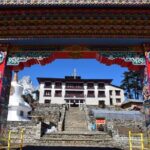
Day 4 takes you to Tyangboche (3,867m), about 5 hours. Tyangboche is often a big view and spiritual stop on Everest itineraries, and this day is where the trek starts to feel more dramatic.
One caution: sunrise or morning views can be tempting, but you still need to stay warm. The higher you go, the colder mornings can get.
Day 5: Tyangboche to Dingboche
You climb again to Dingboche (4,260m) in about 5 hours. This is a gradual shift toward higher terrain and thinner air. The route includes all meals during the trek, which helps you stay focused on walking instead of food searching.
Day 6: Rest day in Dingboche
Day 6 is another acclimatization day at Dingboche (4,260m). You again get breakfast, lunch, and dinner included. This rest day is part of why the trek’s schedule feels realistic.
If you want one reason this itinerary is worth considering, it is this repeated pattern: effort, then a planned pause.
Day 7: Dingboche to Lobuche
Now you move to Lobuche (4,930m) in about 5 hours. This day often marks the start of the “tougher than you expected” phase for many people. Even when distances look similar on paper, your body feels the altitude more.
I suggest you treat this day as steady work, not a test. You are saving energy for Day 8 and Day 9.
Day 8: Lobuche to Everest Base Camp via Gorakshep
Day 8 is a longer day, about 6 to 7 hours, taking you from Lobuche to Everest Base Camp via Gorakshep, with meals included. This is the day you came for. You reach the destination after a full push, and you will likely feel both proud and tired.
The big practical difference between this day and earlier ones is your mental state. You start focusing on the “finish line,” and that can tempt you to rush. Don’t. Keep the pace even, breathe calmly, and let the scenery arrive without forcing it.
Day 9: Kala Patthar (5,545m) and down to Pheriche
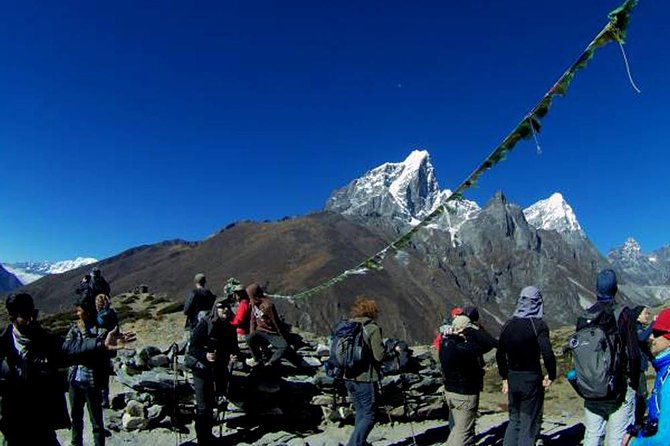
Day 9 is one of the most demanding, listed as 7 hours total. You go up to Kala Patthar at 5,545m, then trek to Pheriche (4,243m).
This day is the classic “big view” moment plus a long descent. The ascent up to a high viewpoint can feel like everything in your body is working at once. Then you still have to hike down.
Plan for sore legs, colder air, and a strong need for rest when you reach Pheriche.
Day 10: Pheriche to Namche Bazaar
Day 10 brings you back down to Namche Bazaar (3,441m) in about 6 hours. Down days can still be hard because knees and shins take a hit. The benefit is that you start getting your altitude comfort back.
Day 11: Namche Bazaar to Lukla
Day 11 is another 6-hour hike, returning to Lukla (2,886m). This day is usually a mix of relief and attention. You want to keep an eye on timing because the flight depends on conditions.
Day 12: Fly Lukla to Kathmandu
You fly back to Kathmandu and transfer to a hotel. Breakfast is included, and the day wraps up with you back in city life after 12 days on the trail.
Namche and Dingboche rest days: the secret to feeling human
Two stops are repeated for a reason: Namche Bazaar and Dingboche both get dedicated acclimatization days. Each is listed with breakfast, lunch, and dinner.
Here is what that means for you day to day:
- You do not have to invent a strategy for slowing down.
- Your itinerary already accounts for altitude, so you can plan meals, pacing, and sleep.
- You get time to adjust to lodge life before the higher push.
I also like that the trek keeps you in a rhythm where you can enjoy the place you are in. Namche and Dingboche are more than “sleeping nights.” They are buffers that make Day 8 and Day 9 feel possible.
Base Camp day, plus the Gorakshep approach that stretches time
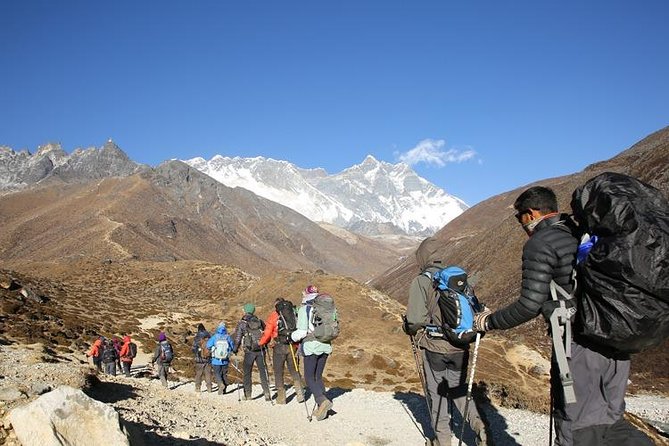
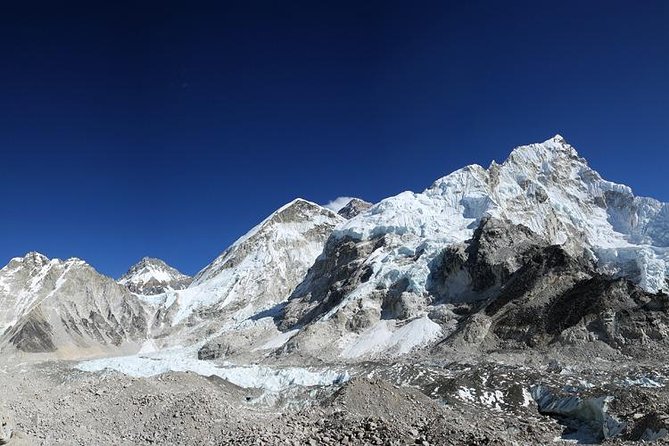
Day 8 runs to Everest Base Camp via Gorakshep. Even without extra fancy promises, the structure is straightforward: you hike, you reach Base Camp, you take in the moment, then you keep moving within the plan.
What I think people underestimate is how long it feels when you are climbing while mentally tracking altitude and effort. The included meals and lodge nights help you stay on schedule, because you are not trying to solve logistics at every stop.
Also, you are not hiking this route in isolation. The tour includes an experienced guide, plus the plan supports porters. That tends to reduce one of the stress factors of high-altitude treks, carrying a heavy load when your energy is already taxed.
Kala Patthar at 5,545m: the view day that also tests patience
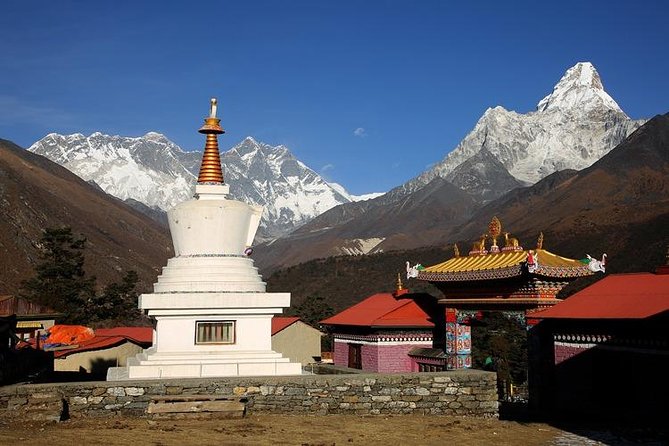
Kala Patthar is listed at 5,545m, and it is on Day 9. This is the sort of day that makes people ask, Why do we do it? The answer is simple: because it is built into the route, and it gives you a high, dramatic vantage right before you descend.
You should also expect this day to be about more than walking. It is about timing, temperature, and keeping your focus when your body feels tight and slow.
If you want a practical way to think about it: this is a sunrise-style viewpoint day in the sense that it is a “go up, see something big, then come down” pattern. The trekking schedule supports that arc, and the lodge in Pheriche gives you a recovery landing zone after.
Kathmandu nights, transfers, and the logistics that matter
The package includes pickup offered, plus all domestic hotel and airport transfers by private vehicle, and four nights in Kathmandu are stated as included.
However, there is a small inconsistency in the details you receive: the list of not included items says hotel and food in Kathmandu are not included, while the overview says four Kathmandu nights are included. Before you pay everything up, clarify exactly which nights and which meals are covered in Kathmandu.
Why I care about this: on a trek, the trail does not stop at the airport gate. Your Kathmandu time affects how well you recover, pack, and handle last-minute needs.
Also, the itinerary starts at the airport early. That means you want a calm hotel setup the night before, and a buffer for anything unpredictable.
Price and value: how $1,300 stays competitive in the real world
At $1,300 per person, this trek is not cheap. But when you look at what it includes, it is closer to a “full expedition” price than a basic guided hike.
Included items that add real value:
- Kathmandu to Lukla and back flights, with domestic airport tax
- Lodge stays during the trek, with breakfast, lunch, and dinner
- All paperwork and permits handled
- Private vehicle transfers within Nepal for domestic segments
- An experienced guide, plus the plan covers the guide’s salary, food, accommodation, transportation, and insurance
- Gear support: sleeping bag, down jacket, and a duffle bag, plus a trekking map (returned after)
- Emergency helicopter service arrangement paid by your travel insurance company
What you need to budget separately:
- Nepal entry visa fee: $40 for 1 month and 2 passport-size photos
- Your travel insurance (compulsory)
- Everest Base Camp entrance fee: $40 per person
- Tips for guide and staff
- Drinks, hot showers, and sweets during the trek
- Water and battery charging costs
- Kathmandu hotel and food details need checking due to the notes above
- Optional additional porter if you require one: $220 total, listed as $20 per day
My take on value: the included flights, permits, and meals do a lot of heavy lifting for you. If you were to DIY parts of this, the added time pressure and the cost of assembling everything usually erase the savings. This is a price you pay to reduce decision fatigue and keep the expedition running.
The human factor: guides and how support changes the trek
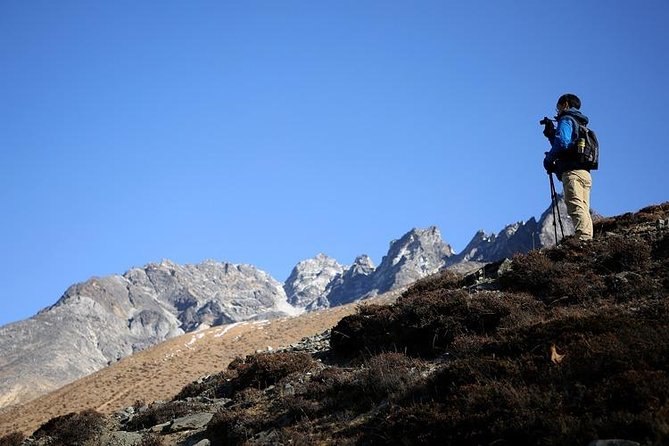
This trek lives or dies by the people running it day to day. The operator, Outfitter Nepal, is the real constant, and the guide experience matters a lot at altitude.
In the feedback you provided, a few guide names show up with consistent praise:
- Kiran, described as kind and attentive, with helpful expectations set along the way
- Arjun, described as patient and focused on the group experience
- Dinish, noted for practical care and small morale boosts, like fresh fruit at the end of the program
I love this pattern because it hints at more than route knowledge. It hints at group management, pacing discipline, and the ability to keep people steady when the body is tired.
There was also an example of disruption: a monsoon that destroyed roads and stranded people for days. The operator response in that story emphasized openness and then making up lost time. That is what you want to hear from a company when weather gets weird.
What is included for gear, and what you still have to plan for
One big plus here is gear coverage. You are provided a sleeping bag, down jacket, and a duffle bag, plus a trekking map that is returned after the trek.
That helps with two things:
- You can pack less in your luggage, which saves money and reduces hassle.
- You get expedition-grade warmth without buying everything before the trip.
But you should still plan for extras. The not included list calls out drinks and sweets, plus hot showers. You will also likely pay for water and battery charging.
If you like charging your phone every night to share photos with everyone back home, budget for that. If you want a simpler setup, plan to charge strategically.
Fitness level and who this itinerary suits best
The program asks for a moderate physical fitness level. That is a helpful sign. It usually means the pace is not designed for ultra-runners, but you still need to be ready for sustained hiking, frequent climbs, and altitude.
This trek suits you best if:
- You can handle long hiking days around 5 to 7 hours
- You prefer a structured plan with acclimatization days
- You want the logistics handled, including permits and domestic flights
It might not fit if:
- You want a short, low-effort hike
- You are unwilling to manage altitude demands at high points like Kala Patthar (5,545m)
The itinerary is classic Everest Base Camp, meaning the hard part is not only the distance. It is the altitude plus the number of days in a row.
Should you book this Everest Base Camp trek?
If your priority is a well-run, guided Everest Base Camp experience, this one makes sense. The value is strongest when you care about included flights, permits, meals, lodge beds, and the guide and porter support that reduces friction.
I would book if you want:
- A plan with rest and acclimatization built in
- Included meals on the trek and less logistics juggling
- Gear support so you do not have to buy heavy winter items
I would pause and ask questions before booking if:
- You want Kathmandu meals and hotel details clarified, because the info provided includes a mismatch about Kathmandu hotel and food
- You have a tight travel schedule, since the trek depends on good weather and flights may shift
In short: this is the kind of expedition that works best when you let the operator handle the moving parts, so you can spend your energy on walking, breathing, and reaching Everest Base Camp.
FAQ
How long is the Everest Base Camp trek?
The trek is listed as 12 days (approx.), including four nights in Kathmandu and the hiking portion.
Where does the tour start, and what time is the start?
The start is at Tribhuvan Airport, Kathmandu, Nepal, with a start time of 6:15 am.
What is included for meals during the trek?
During the trek, the tour includes breakfast, lunch, and dinner.
Are domestic flights included?
Yes. The tour includes the flight fare for Kathmandu to Lukla and Lukla back to Kathmandu, including domestic airport tax.
What kind of accommodation do you stay in during the trek?
You stay in lodges or tea houses during the trek.
Are permits and paperwork handled for you?
Yes. The tour states that all paperwork and permits are taken care of.
What is the highest altitude point on the itinerary?
The itinerary lists Kala Patthar at 5,545m.
Do you need travel insurance?
Yes. Travel insurance is compulsory, and the tour includes an emergency helicopter service arrangement that is paid by your travel insurance company.
What extra fees should I expect on top of the $1,300 price?
The not included list includes the Nepal entry visa fee (listed as $40 for 1 month), the Everest Base Camp entrance fee ($40 per person), and tips for the guide and staff.
Is the tour refundable if weather is bad?
The experience is listed as non-refundable and cannot be changed for any reason. If it is canceled due to poor weather, you are offered a different date or a full refund.
Lodge to Lodge Around Kathmandu
The Rest of Our Kathmandu Write Ups

Base Camp, Three More Ways
Everything else we have reviewed around Kathmandu
- 12 Days Everest Base Camp Trekking
★ 5.0 · 3 reviews - 1 Night 2 Days Chitwan Jungle Safari Tour from Pokhara or Kathmandu
★ 3.0 · 3 reviews - Thamel Rickshaw tour
★ 4.7 · 3 reviews - Kathmandu: Momo Making Class with a Local Chef
★ 5.0 · 3 reviews - Kathmandu: Full-Day Yoga, Body Massage and Pedicure Package
★ 5.0 · 3 reviews - From Kathmandu / Pokhara / Chitwan: River Rafting – 1 Day
★ 4.6 · 3 reviews
Everest Base Camp Treks worth a second look.
 ★ 5.0Everest Base Camp Trek – 14 DaysFrom $1,8001,499 reviews
 ★ 5.0Everest Base Camp TrekkingFrom $1,350485 reviews
 ★ 5.0Everest Base Camp Trekking – 13 DayFrom $1,399365 reviews
★ 5.0Everest Base Camp Trek -14 DaysFrom $1,420321 reviews
★ 5.0Everest Base Camp Trekking – 13 DayFrom $1,399365 reviews
★ 5.0Everest Base Camp Trek -14 DaysFrom $1,420321 reviews
 ★ 5.0Everest Base Camp Trekking – 2025/2026From $1,339199 reviews
 ★ 5.0Everest Base Camp TrekFrom $1,408193 reviews
 ★ 5.0Everest Base Camp Trek with Helicopter Return from Gorakshep to LuklaFrom $3,000161 reviews
14-Days Private Everest Base Camp TrekFrom $1,600152 reviews
★ 5.0Everest Base Camp Trek with Helicopter Return from Gorakshep to LuklaFrom $3,000161 reviews
14-Days Private Everest Base Camp TrekFrom $1,600152 reviews
Lists this tour sits in